
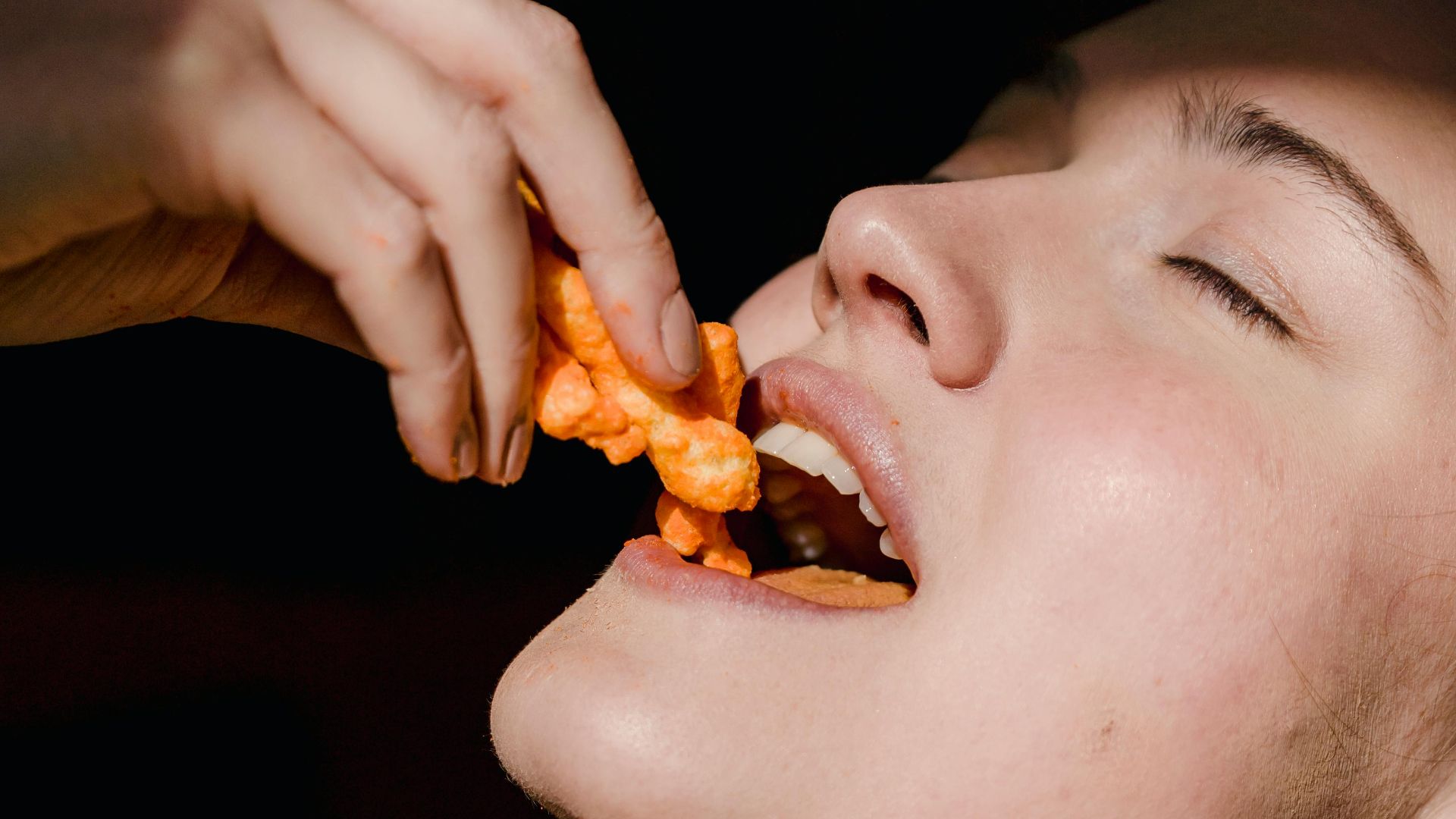
Food cravings can feel random in the moment, but psychology, biology, and personal habits all play major roles in shaping what people suddenly want to eat. A stressful afternoon may trigger cravings for salty snacks, while certain smells can instantly make someone want foods connected to childhood memories. Researchers have found that cravings are often tied to emotional responses and learned behaviors rather than simple hunger alone.
While cravings sometimes reflect physical needs like low energy or dehydration, many are heavily influenced by routine, mood, and environmental cues. The brain forms strong associations between comfort, reward, and certain foods over time, which explains why cravings can feel surprisingly powerful. Understanding the psychology behind those urges can help you respond to them more thoughtfully without feeling guilty every time they appear.
Emotions Play A Major Role In Food Cravings
Stress is one of the biggest psychological triggers behind food cravings because the body naturally seeks comfort during difficult moments. Many people crave sugary or high-fat foods when stressed since those foods temporarily activate reward centers in the brain. Cortisol, the body's primary stress hormone, may also increase appetite and encourage emotional eating during periods of tension.
Feelings of sadness, boredom, or loneliness can also shape eating habits in ways people don't always recognize immediately. Foods connected to positive memories often create a sense of emotional relief because the brain links them with comfort and familiarity. Someone may suddenly crave macaroni and cheese, soup, or ice cream, not because of hunger, but because those foods feel emotionally reassuring.
Celebration and happiness influence cravings as well, even though emotional eating is usually discussed in negative terms. People commonly associate pizza, cake, or snacks with birthdays, holidays, and social gatherings, which strengthens emotional attachment to those foods over time. The brain begins viewing certain meals as part of rewarding experiences instead of simple nutrition. Eventually, seeing or smelling those foods can trigger cravings automatically during positive social situations.
The Brain Learns To Associate Foods With Reward
The brain releases dopamine when people eat foods they enjoy, especially foods high in sugar, fat, or salt. Dopamine is involved in motivation and pleasure, which helps explain why some cravings can feel difficult to ignore once they begin. Highly processed foods are often engineered to maximize flavor intensity, making them especially rewarding to the brain. Repeated exposure strengthens the connection between those foods and feelings of satisfaction.
Habits also shape cravings through repetition and routine rather than true physical need. If someone eats chips every evening while watching television, the brain eventually begins expecting that snack at the same time each day. Even sitting down on the couch can trigger cravings because the brain has linked the activity with eating. Over time, these learned behaviors become automatic and surprisingly powerful.
Marketing and food advertising influence cravings more than many people realize, as well. Bright packaging, fast-food commercials, and social media food videos constantly expose the brain to visual reminders of rewarding foods. Research has shown that simply seeing appealing food images can activate appetite-related brain activity, even in people who have recently eaten. This constant exposure makes resisting cravings more challenging in modern environments filled with food cues.
Physical Factors Still Influence Psychological Cravings

Although many cravings are emotional or habitual, physical factors still contribute to what the body wants at certain times. Lack of sleep, for example, affects hormones related to hunger and fullness, often increasing cravings for calorie-dense foods. Sleep deprivation can also reduce impulse control, making sugary or salty snacks feel harder to resist. This explains why people often make less balanced food choices when exhausted.
Dehydration sometimes creates confusing signals that resemble hunger or cravings as well. A person may suddenly want snacks when the body is actually asking for fluids instead of food. Drinking water regularly throughout the day can help reduce unnecessary cravings caused by mild dehydration. Many people notice cravings lessen once hydration improves consistently.
Blood sugar fluctuations also affect mood, energy, and appetite in noticeable ways. Meals lacking protein, fiber, or healthy fats may lead to rapid energy crashes that trigger stronger cravings later in the day. The brain naturally seeks quick energy sources when blood sugar drops too quickly. Balanced meals often help reduce extreme cravings because they keep energy levels steadier for longer periods.
Food cravings are shaped by a combination of emotions, habits, brain chemistry, and physical needs rather than a simple lack of willpower. Stress, routine, advertising, and even sleep quality can all influence what foods suddenly sound appealing in certain moments. When you understand the psychological patterns behind cravings, it becomes easier to respond with awareness instead of frustration. That doesn't mean cravings disappear completely, but recognizing where they come from can help you make more balanced choices without feeling deprived.
KEEP ON READING

20 Food Requests Only Spoiled People Ask For


20 Hardest Foods on Earth To Eat

Do Vitamin Supplements Actually Make You Healthier?