Your Daily Choices Add Up to Big Health Benefits
While there’s no single food that can supply everything your body needs, a healthy diet does rely on variety, though you probably don't need us to remind you how important it is to get whole grains, fruits, and veggies on your plate every day. But if you want to boost your energy and overall well-being, you're definitely not going to get it from a bag of chips. Thankfully, building a nutritious meal isn't as hard as you might think, and we'll prove it: here are 20 foods worth making a regular part of your routine, along with the science-backed reasons why they deserve a spot in your bowl.
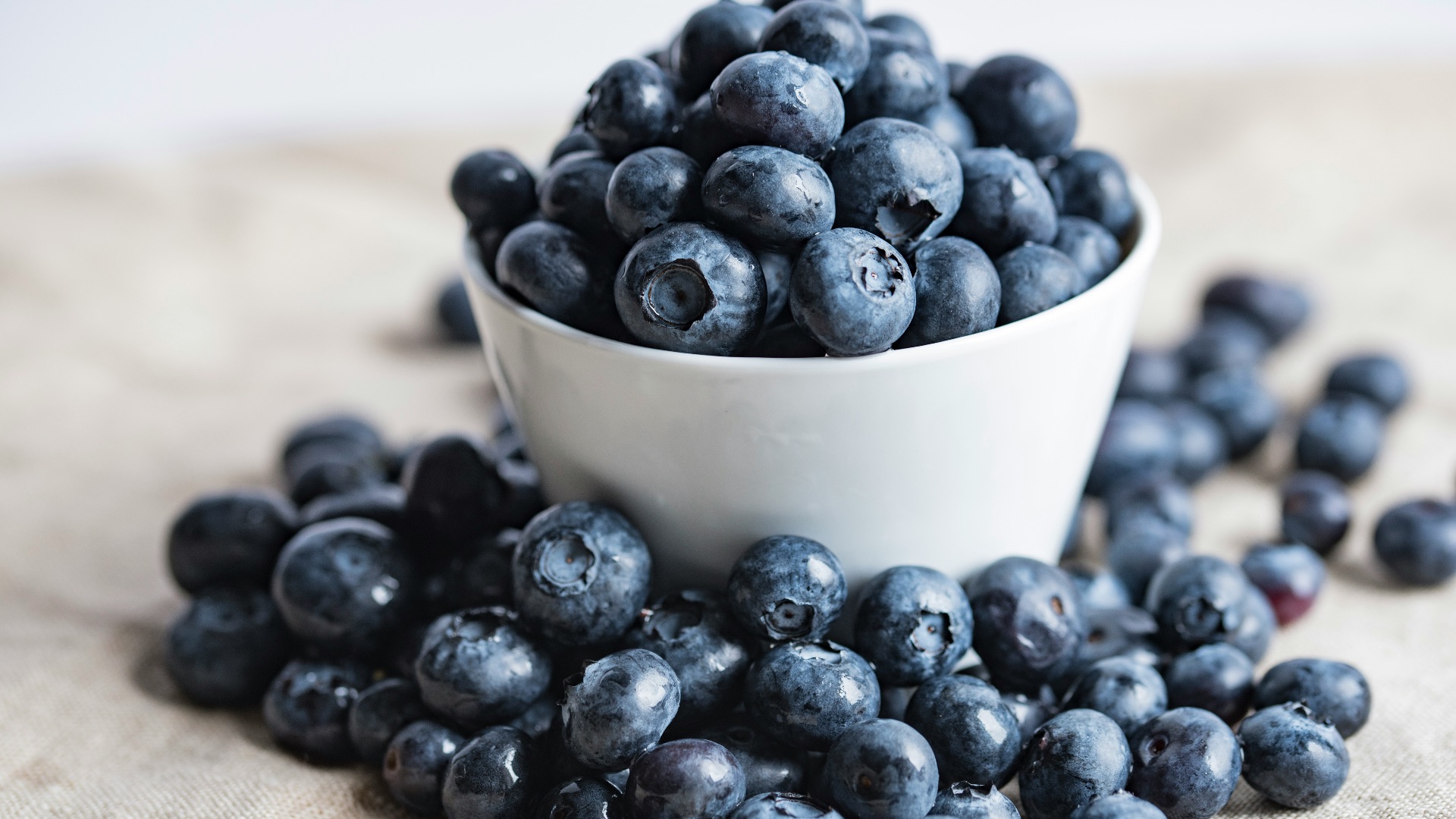
1. Spinach
Spinach is loaded with iron, vitamin K, and folate, making it one of the most nutrient-dense leafy greens you can buy. It's incredibly versatile, so you can toss it into smoothies, sauté it as a side dish, or layer it into sandwiches without much effort. Regular consumption has been linked to better eye health and reduced inflammation, which makes it an easy win for your daily diet.
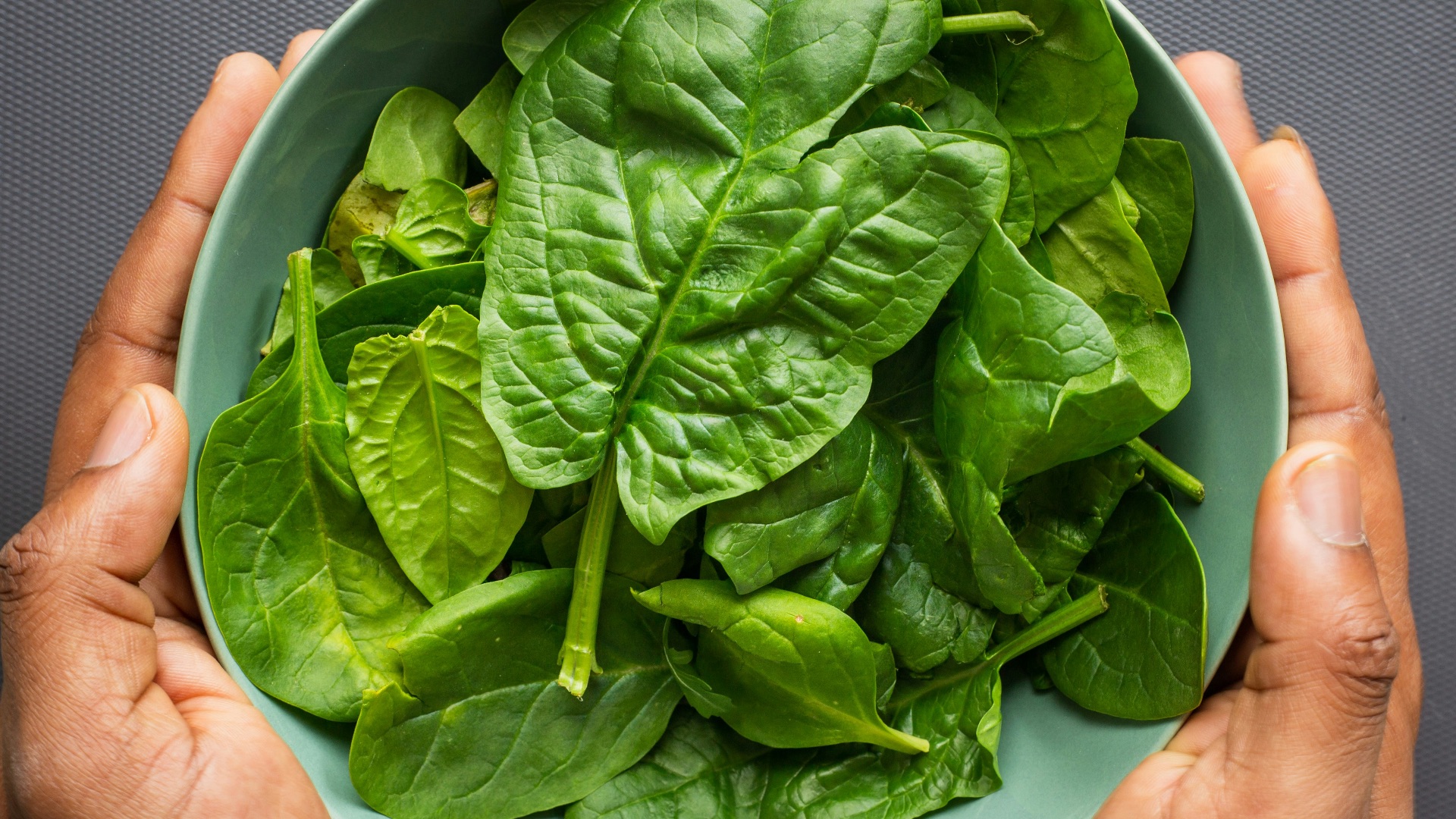
2. Blueberries
These little berries pack a serious antioxidant punch, thanks to compounds called anthocyanins that help fight oxidative stress in your body. Studies suggest they may support brain health and even slow age-related cognitive decline when eaten consistently.
You can sprinkle them over oatmeal, blend them into yogurt, or just eat a handful as a quick snack.
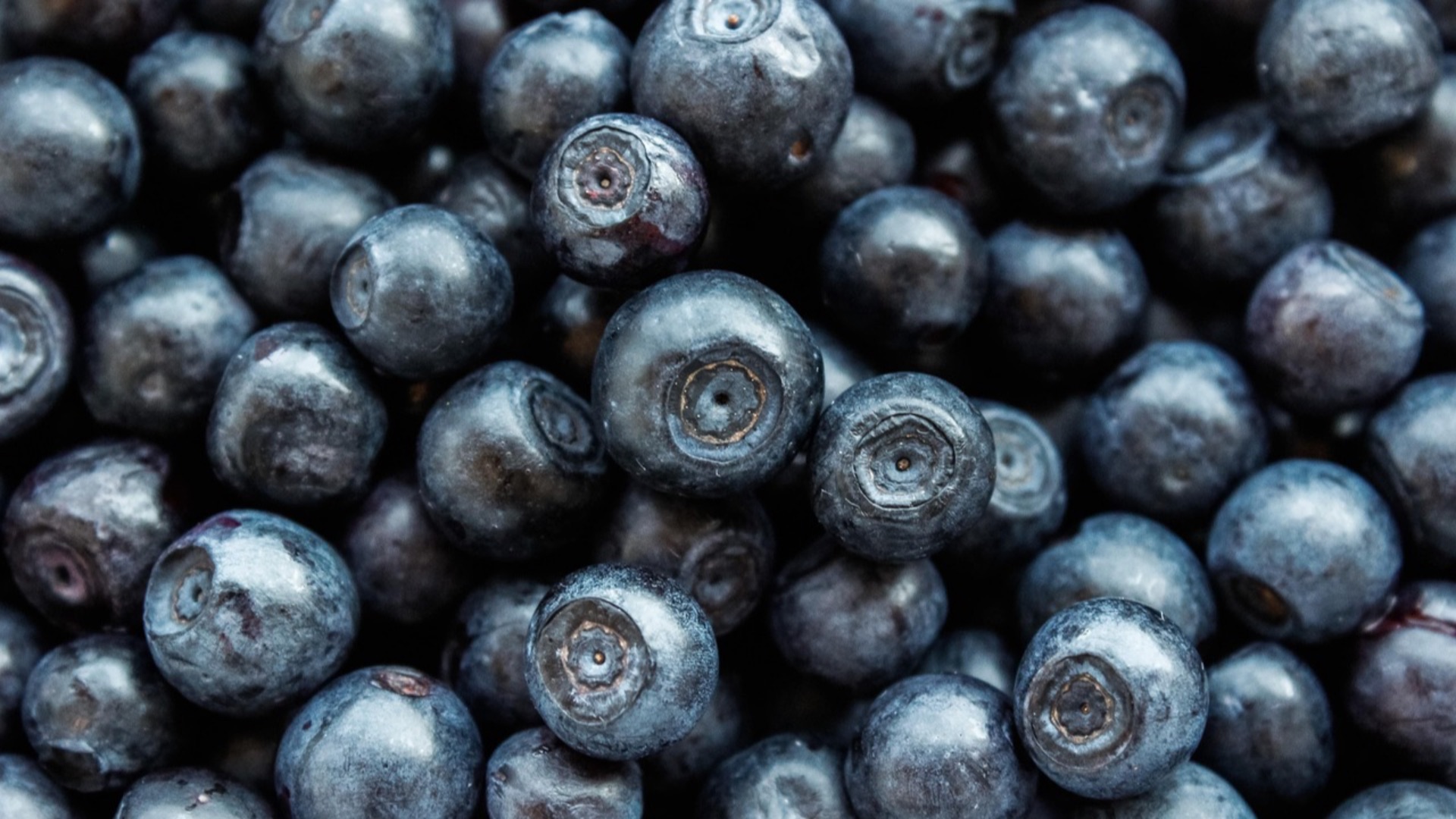
3. Salmon
Salmon is one of the best sources of omega-3 fatty acids, which play a major role in heart and brain health. Eating it a few times a week has been associated with lower rates of cardiovascular disease and improved mood regulation. If fresh salmon feels like too much of a commitment on a weeknight, canned salmon works just as well in salads or wraps.

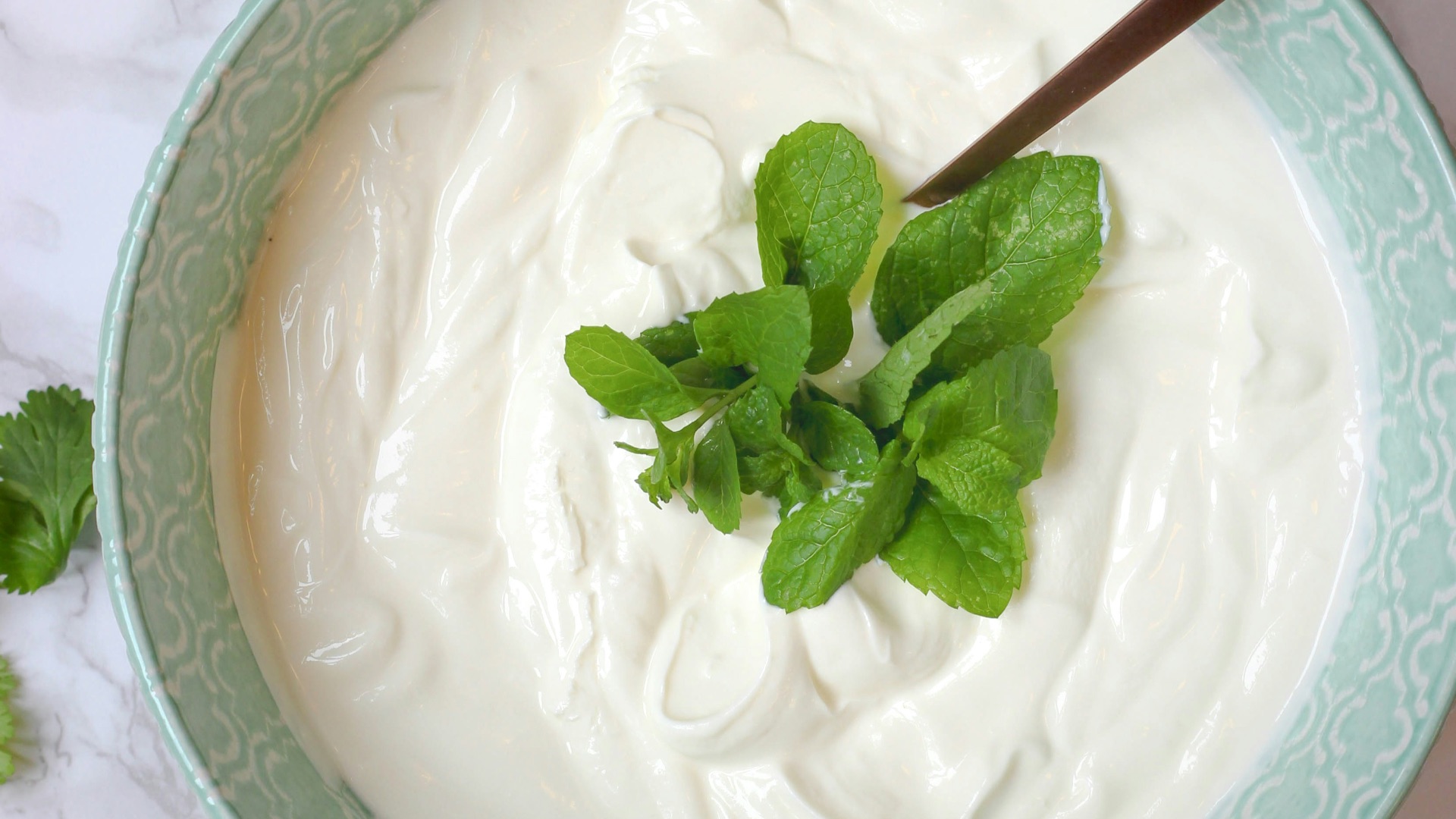
4. Greek Yogurt
Greek yogurt delivers a hefty dose of protein and probiotics, both of which support muscle maintenance and gut health. The probiotics in particular help balance the bacteria in your digestive system, which can improve everything from bloating to nutrient absorption. Try it as a base for smoothies, a substitute for sour cream, or simply topped with fruit and honey.
 micheile henderson on Unsplash
5. Avocados
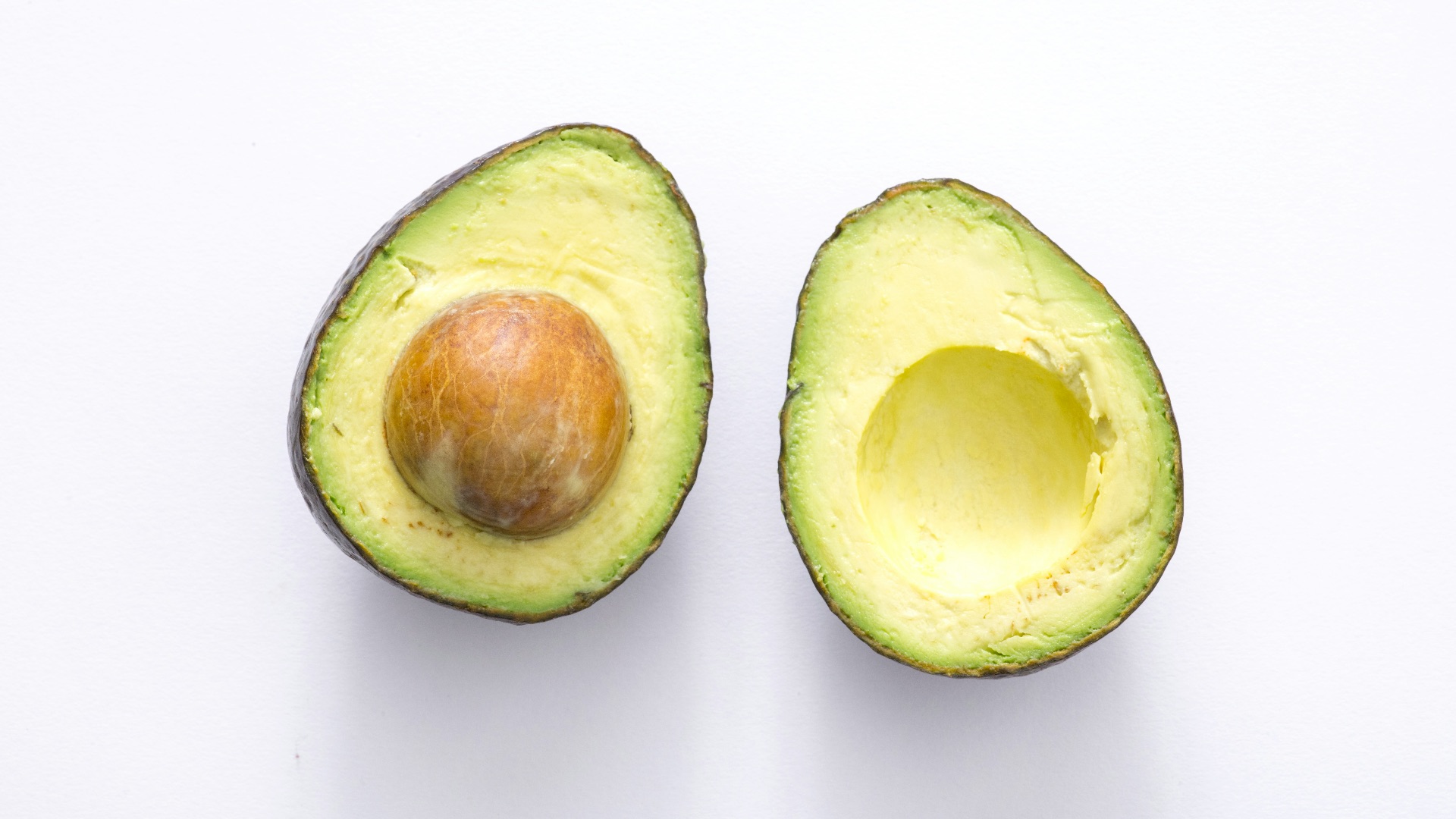
Avocados are rich in monounsaturated fats, the kind that can help lower bad cholesterol while supporting healthy cholesterol levels. They also contain a surprising amount of fiber and potassium, both of which contribute to heart health and steady digestion. Mash one onto toast, slice it into salads, or blend it into a creamy dressing for an easy way to work it into your meals.
6. Almonds
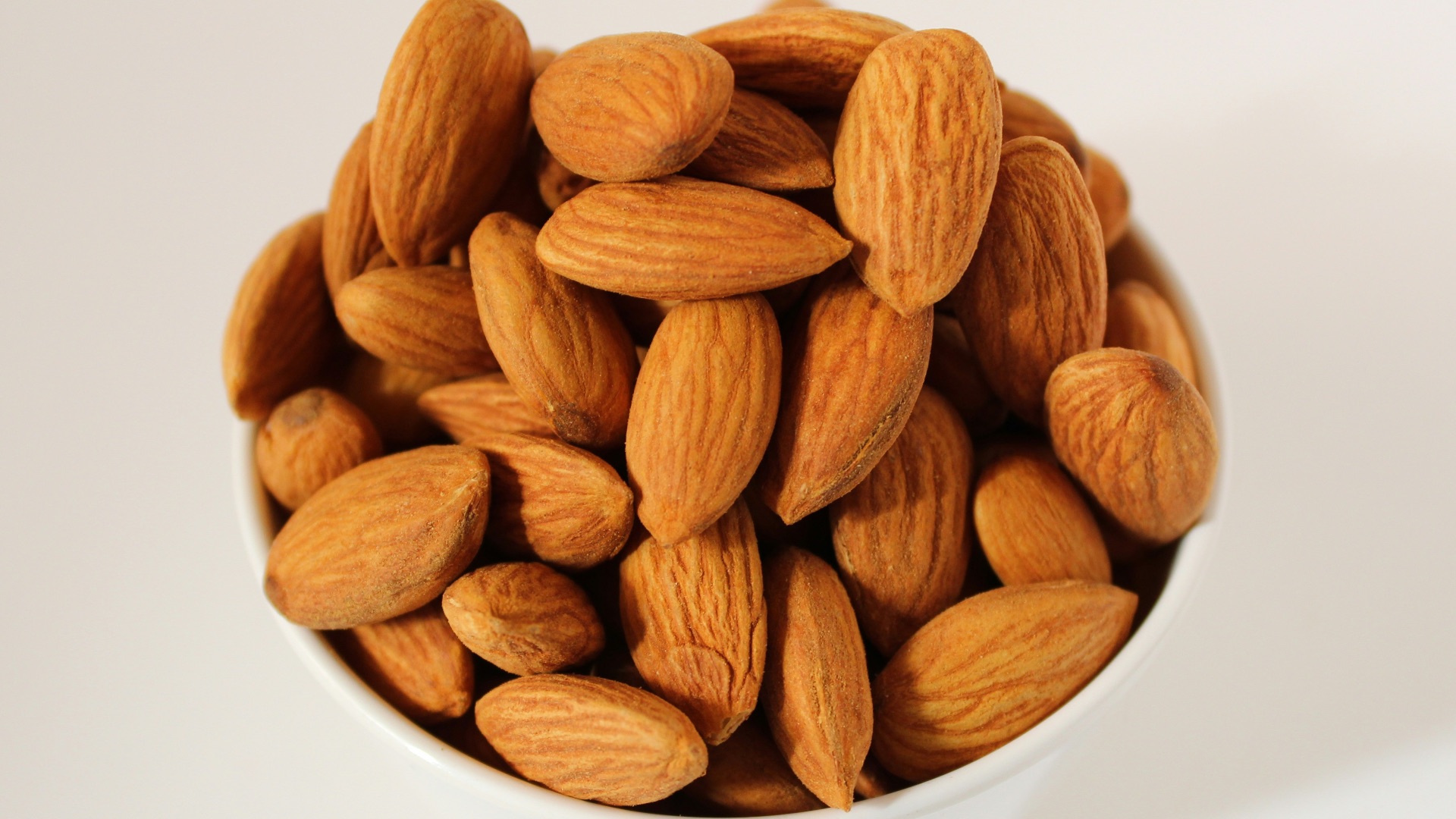
A small handful of almonds provides a solid mix of healthy fats, fiber, and vitamin E, making them a satisfying snack that keeps hunger at bay. Research has also connected regular nut consumption with improved cholesterol levels and reduced risk of heart disease, making it a win-win. Our tip? Keep a bag at your desk or in your car so you always have a convenient option when cravings strike.
7. Broccoli
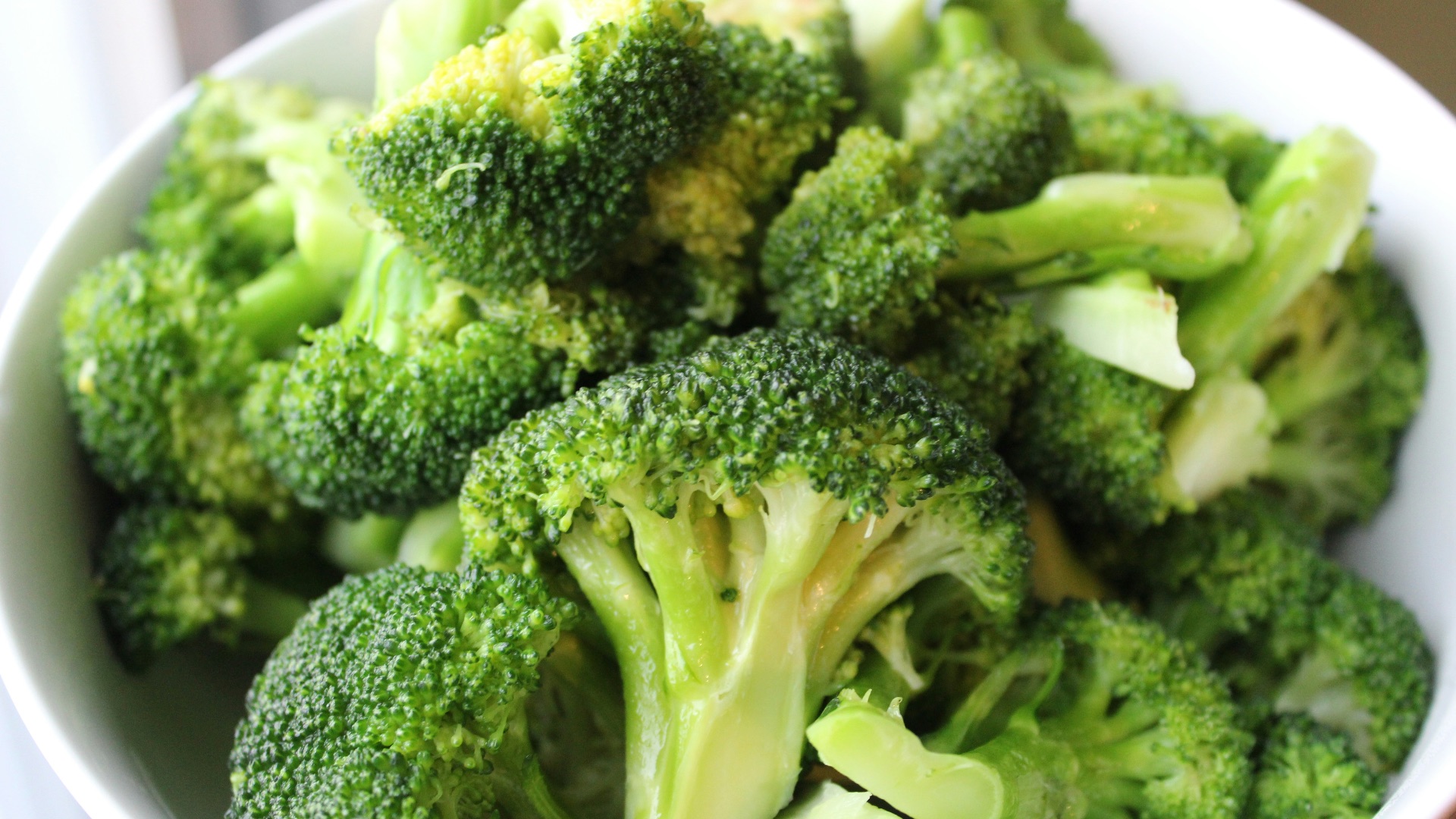
Broccoli is packed with vitamin C, fiber, and compounds called glucosinolates that have been studied for their potential cancer-fighting properties. It's also surprisingly filling for how few calories it contains, which makes it a smart choice if you're watching your weight. Roast it with olive oil and garlic, or add it raw to salads for some extra crunch.
 Tyrrell Fitness And Nutrition on Unsplash
8. Sweet Potatoes
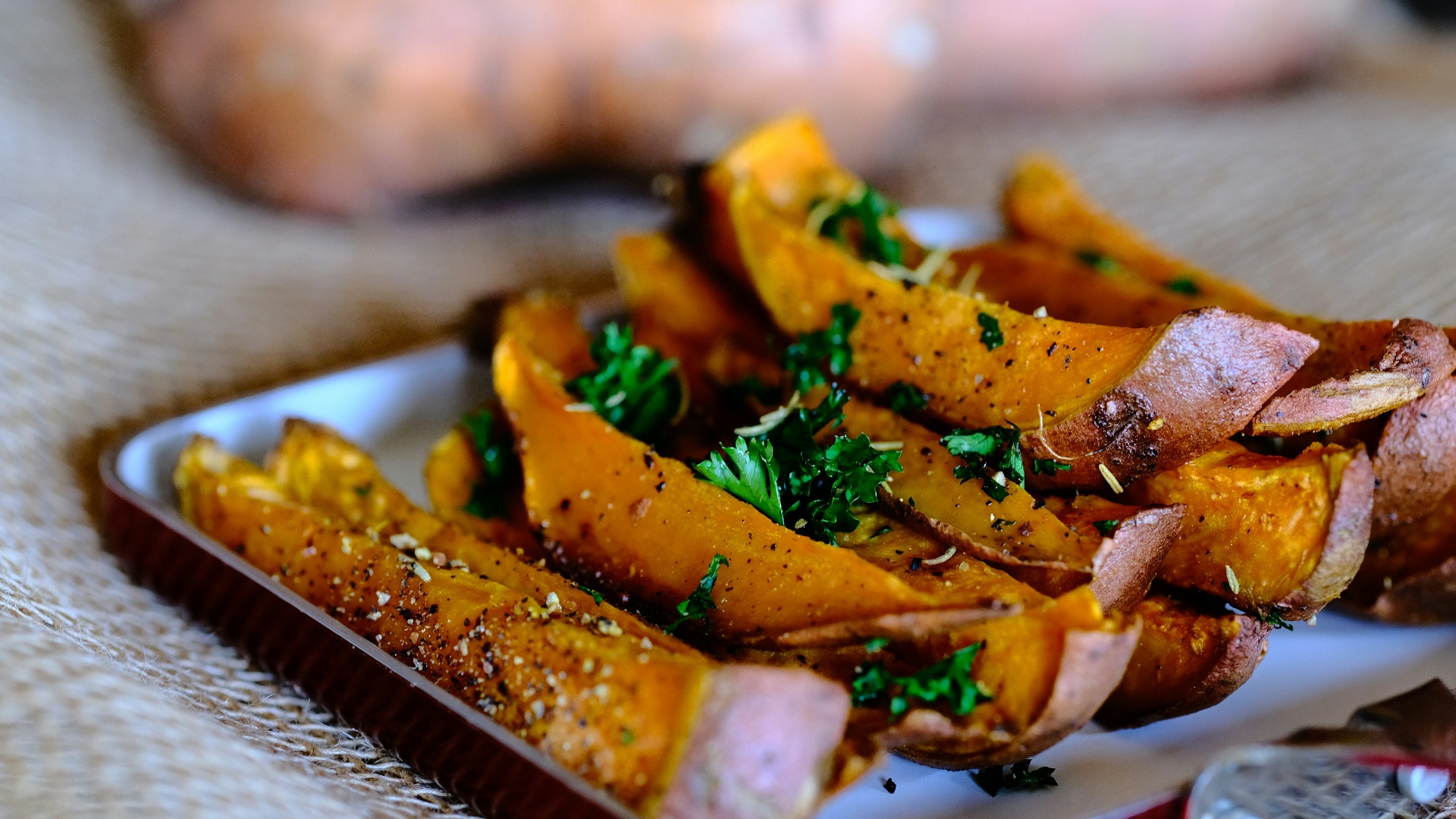
Sweet potatoes are an excellent source of beta-carotene, which your body converts into vitamin A to support healthy vision and immune function. They also have a lower glycemic impact than regular potatoes, meaning they won't spike your blood sugar as dramatically. Bake one whole, cube it for a hearty soup, or slice it into fries for a satisfying side dish.
9. Eggs
Eggs are often called "nature's multivitamin" because they contain nearly every nutrient your body needs, including choline, which supports brain function. Despite older concerns about cholesterol, more recent research has shown that eggs can be part of a healthy diet for most people.
Scramble them for breakfast, hard-boil a batch for snacks, or add a fried egg to grain bowls for extra protein.

10. Walnuts
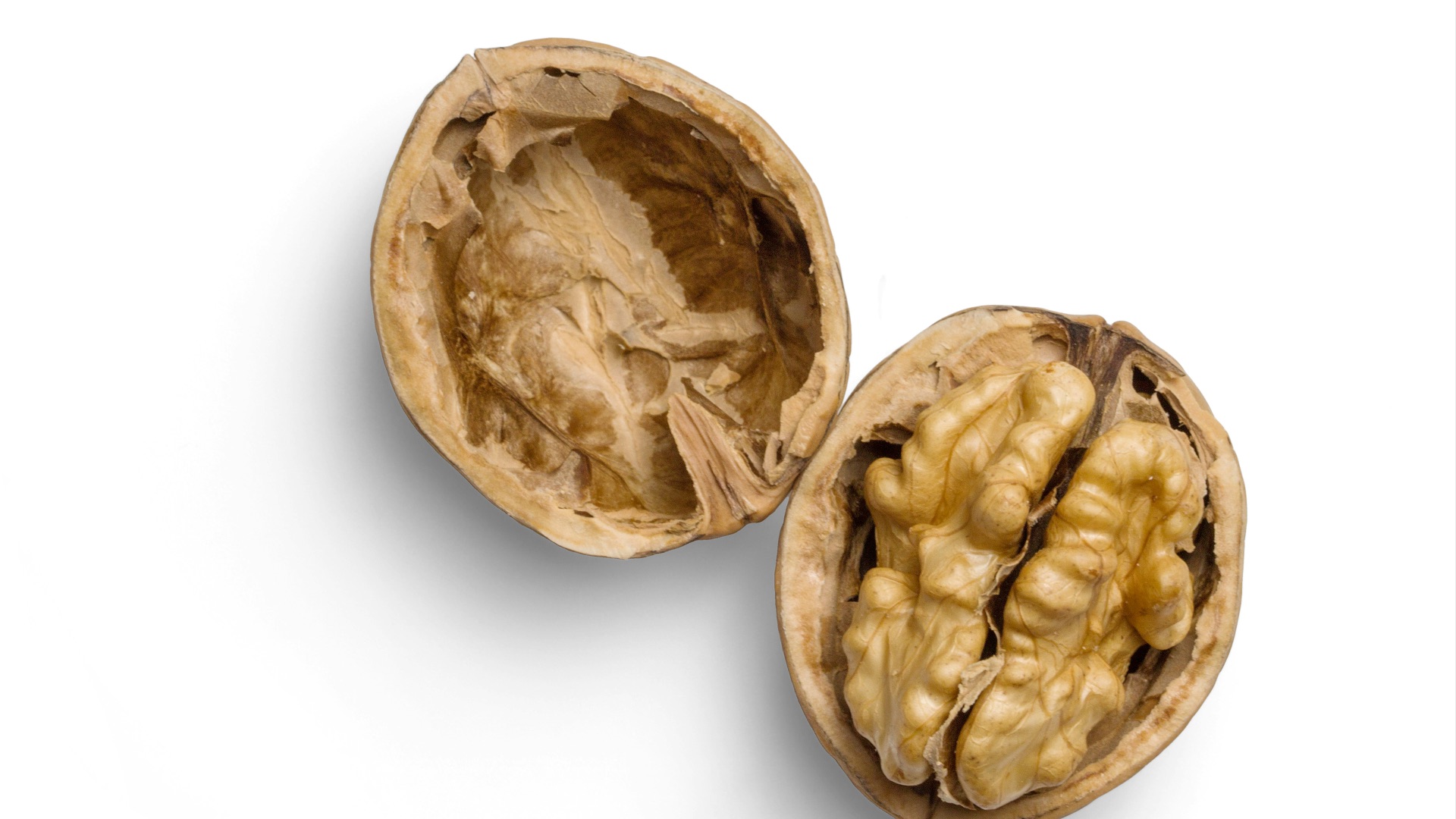
Walnuts stand out among nuts for their especially high concentration of plant-based omega-3 fatty acids, which support heart and brain health. They've also been linked in studies to improved memory and cognitive function when eaten regularly. Chop them up for salads, mix them into oatmeal, or eat them plain for a quick and satisfying snack.
11. Oats
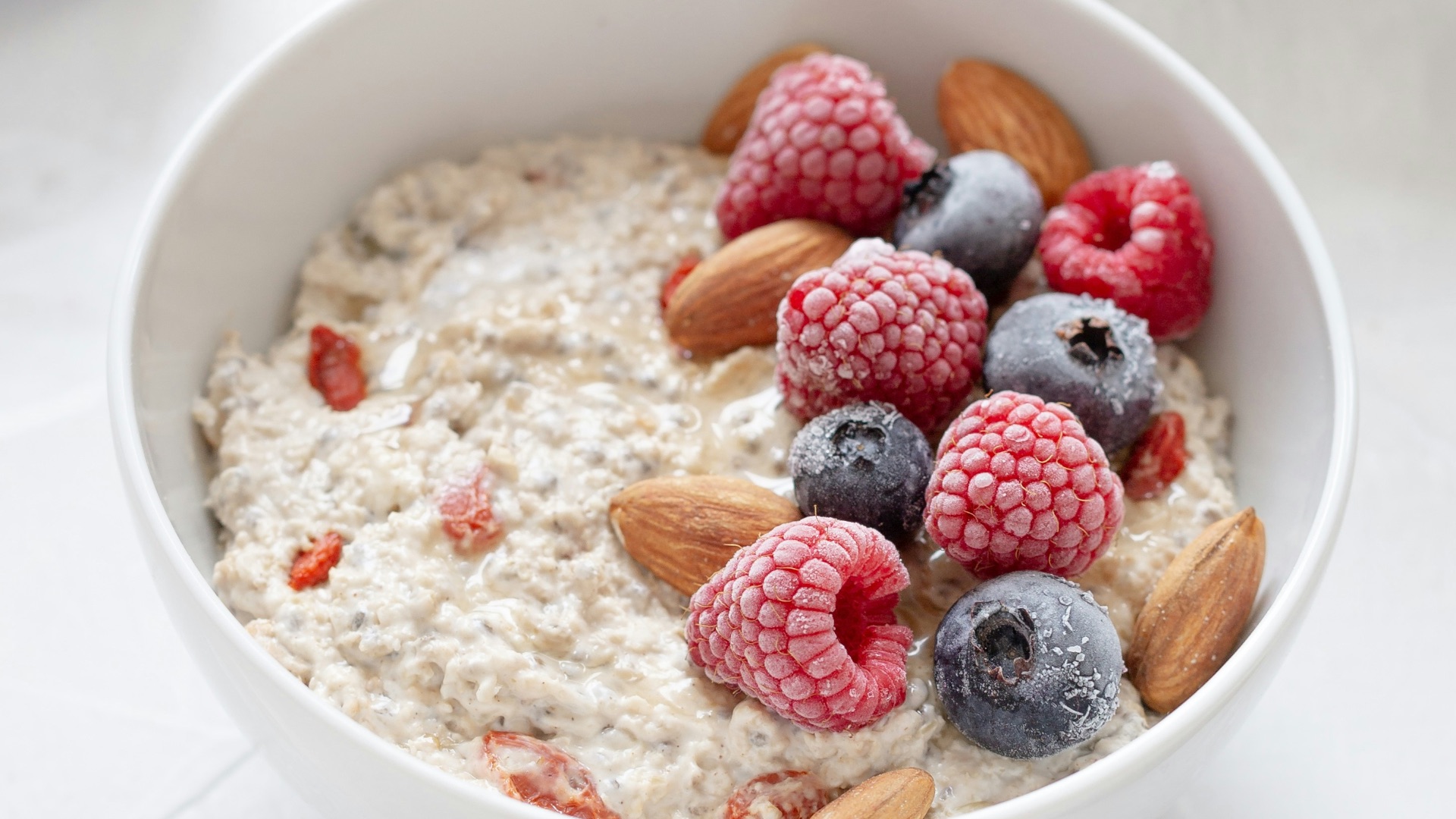
Oats are rich in soluble fiber, particularly a type called beta-glucan, which has been shown to help lower cholesterol levels naturally. They also digest slowly, giving you sustained energy throughout the morning instead of a quick spike followed by a crash. A basic bowl of oatmeal can be dressed up endlessly with fruit, nuts, or a drizzle of honey.
12. Bell Peppers
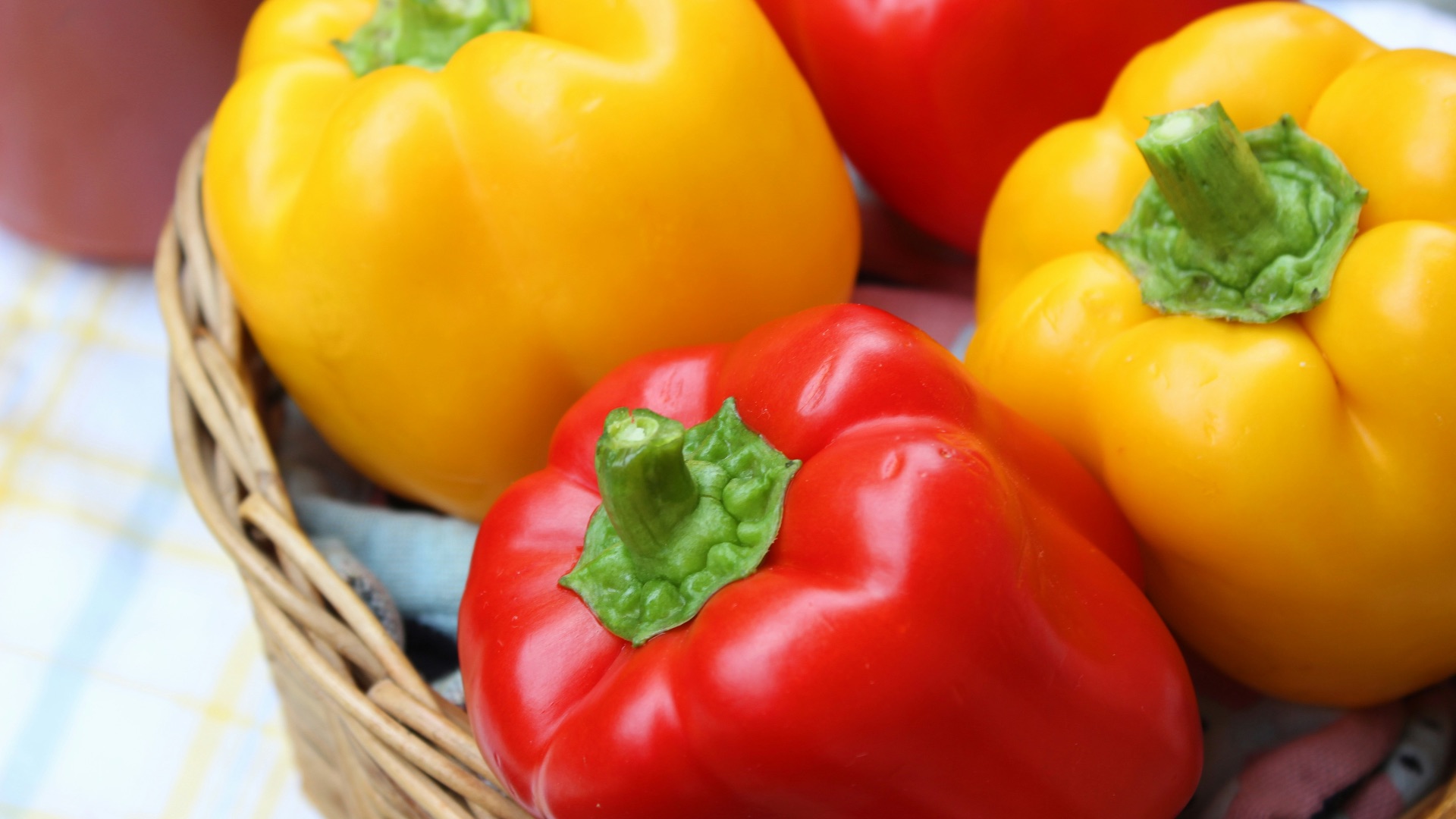
Bell peppers, especially the red variety, contain even more vitamin C than an orange, which supports immune function and skin health. They're also low in calories and high in water content, making them a refreshing addition to any meal. Slice them raw for dipping, stir-fry them with other vegetables, or roast them until they're slightly charred for extra flavor.
13. Lentils
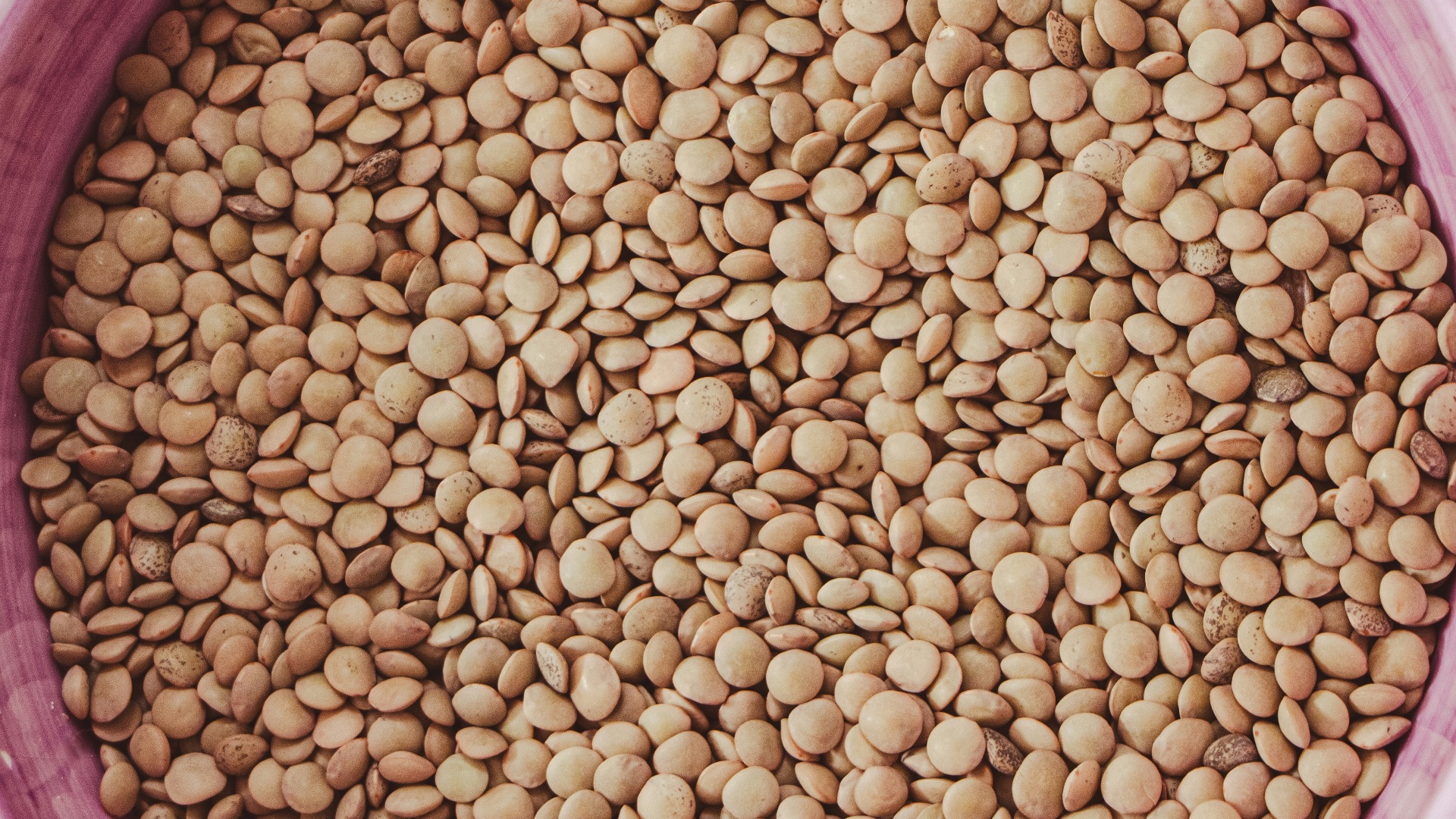
Lentils are an excellent plant-based source of protein and fiber, and they cook up quickly compared to other legumes.
They're particularly good for supporting stable blood sugar levels since their fiber content slows the absorption of sugar into your bloodstream. Toss them into soups, blend them into veggie burgers, or serve them over rice for a filling, meat-free meal.
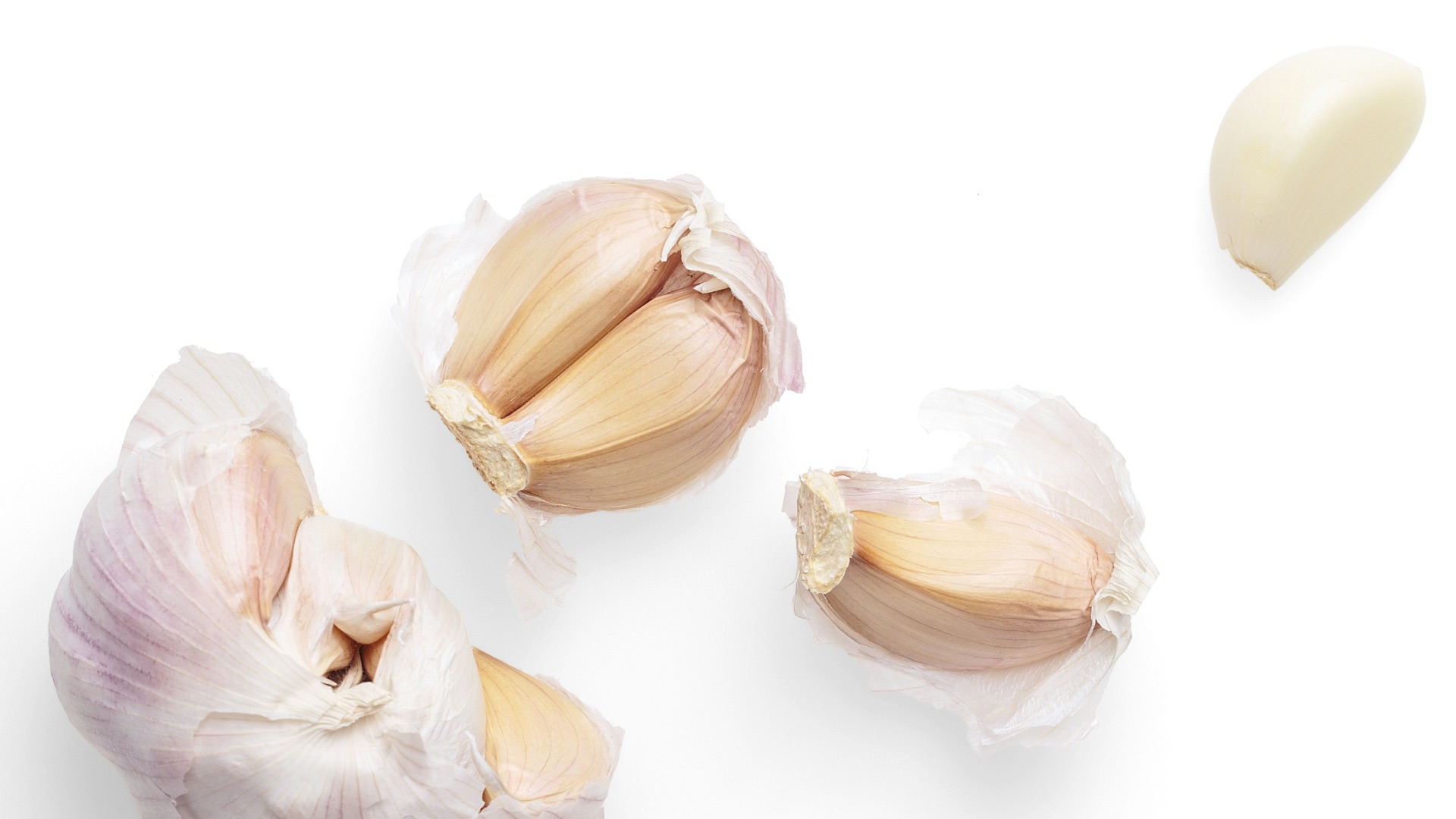
14. Garlic
Garlic contains a compound called allicin, which has been studied for its potential to support heart health and boost immune function. Even a small amount added to your cooking can provide these benefits without overwhelming a dish's flavor. Mince it into sauces, roast whole cloves alongside vegetables, or sauté it as the base for countless recipes.
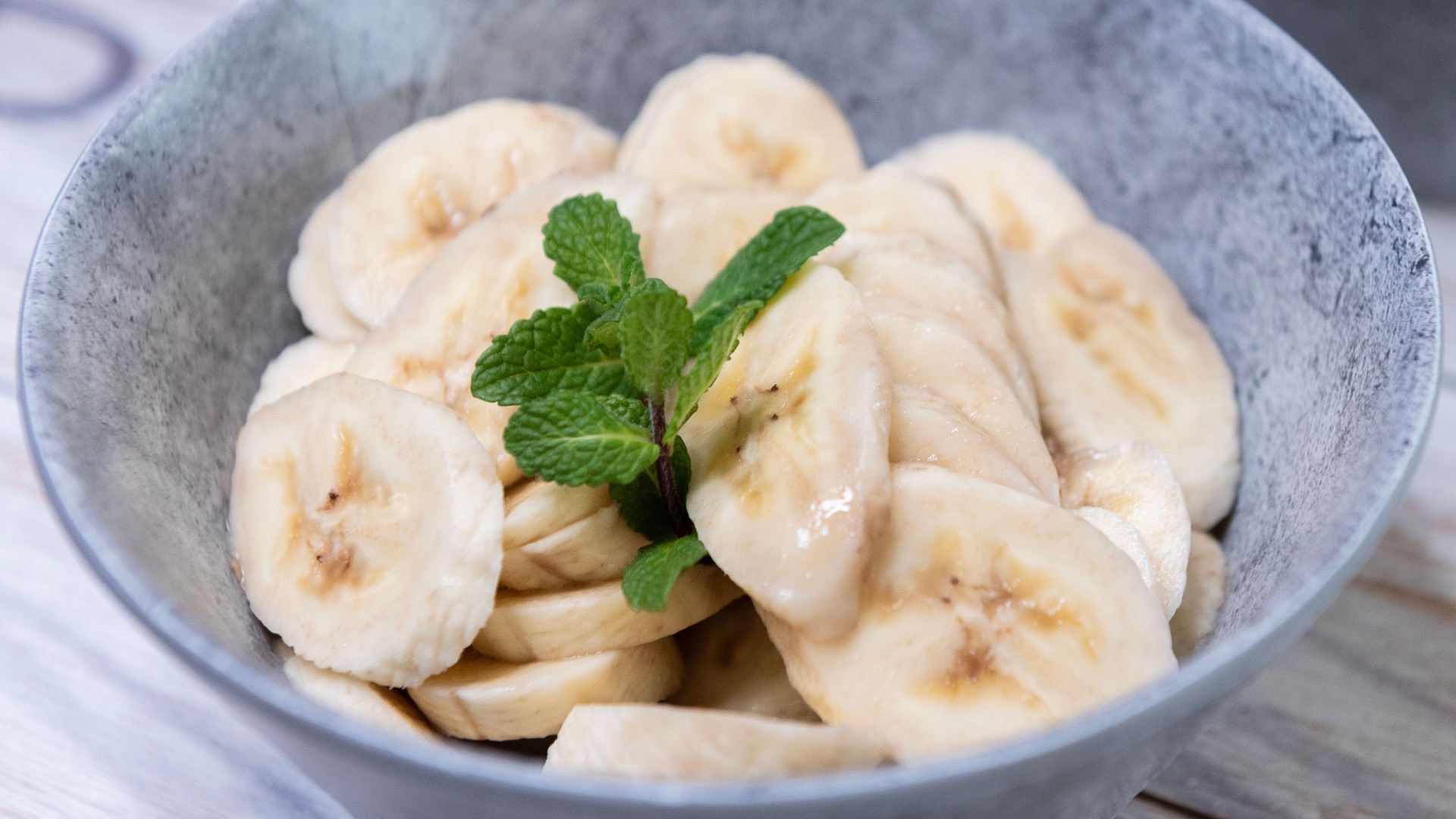
15. Bananas
Bananas are an easy source of potassium, a mineral that plays a key role in regulating blood pressure and muscle function. They're also a convenient pre- or post-workout snack because their natural sugars provide quick, accessible energy. Slice one onto cereal, blend it into a smoothie, or eat it on its own for a grab-and-go option.
 Miquel Rosselló Calafell on Pexels
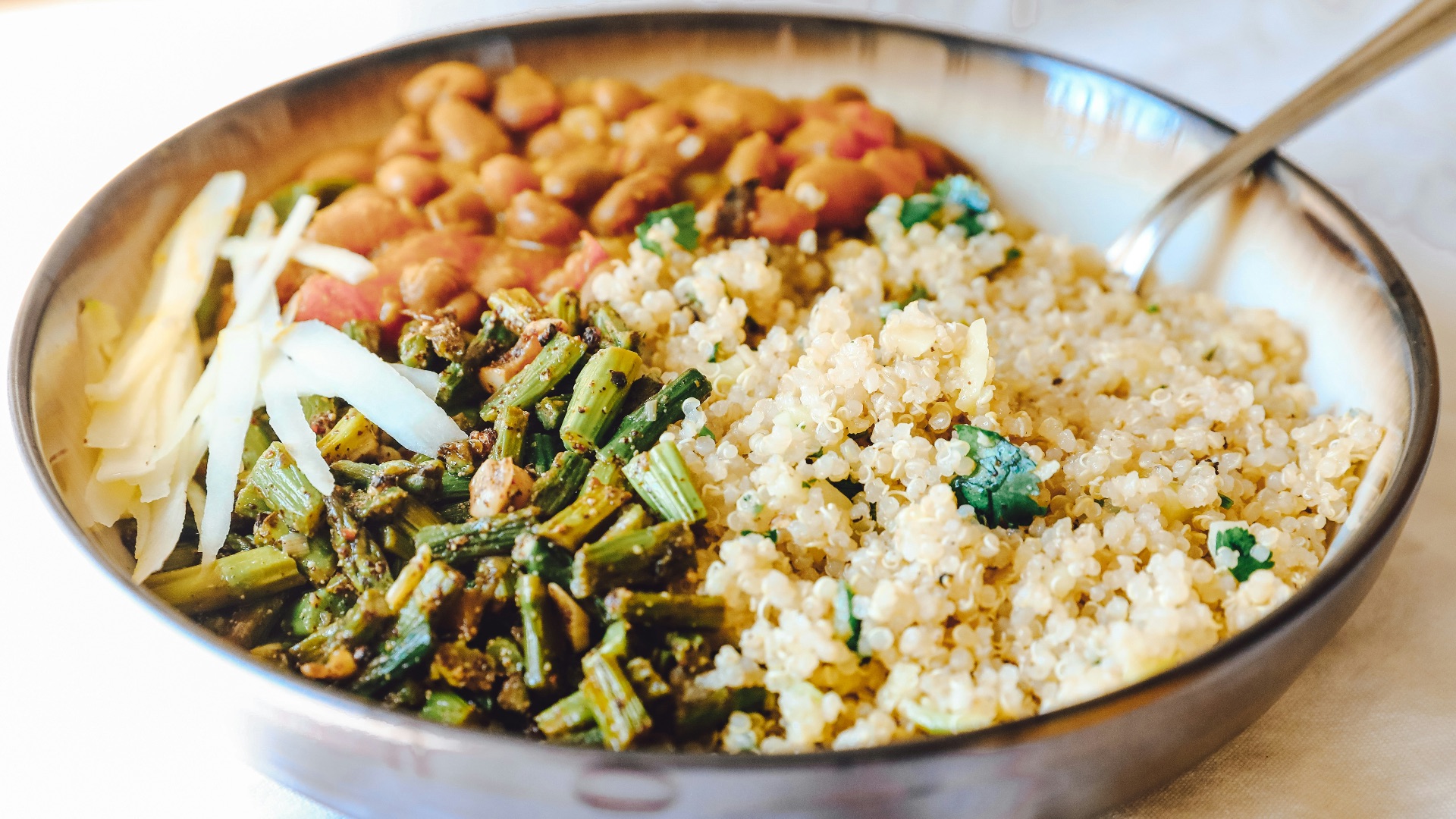
16. Brown Rice, Barley, or Quinoa
If you're sick of always relying on whole-grain bread, try rotating your grains to prevent your meals from becoming repetitive. Doing this has another perk: it gives you different textures and nutrient profiles. Brown rice works in familiar dishes, barley adds chewiness to soups, and quinoa cooks quickly while supplying some protein.
Preparing a batch in advance can make your weekday meals much easier to assemble.
 Shashi Chaturvedula on Unsplash
17. Chia Seeds
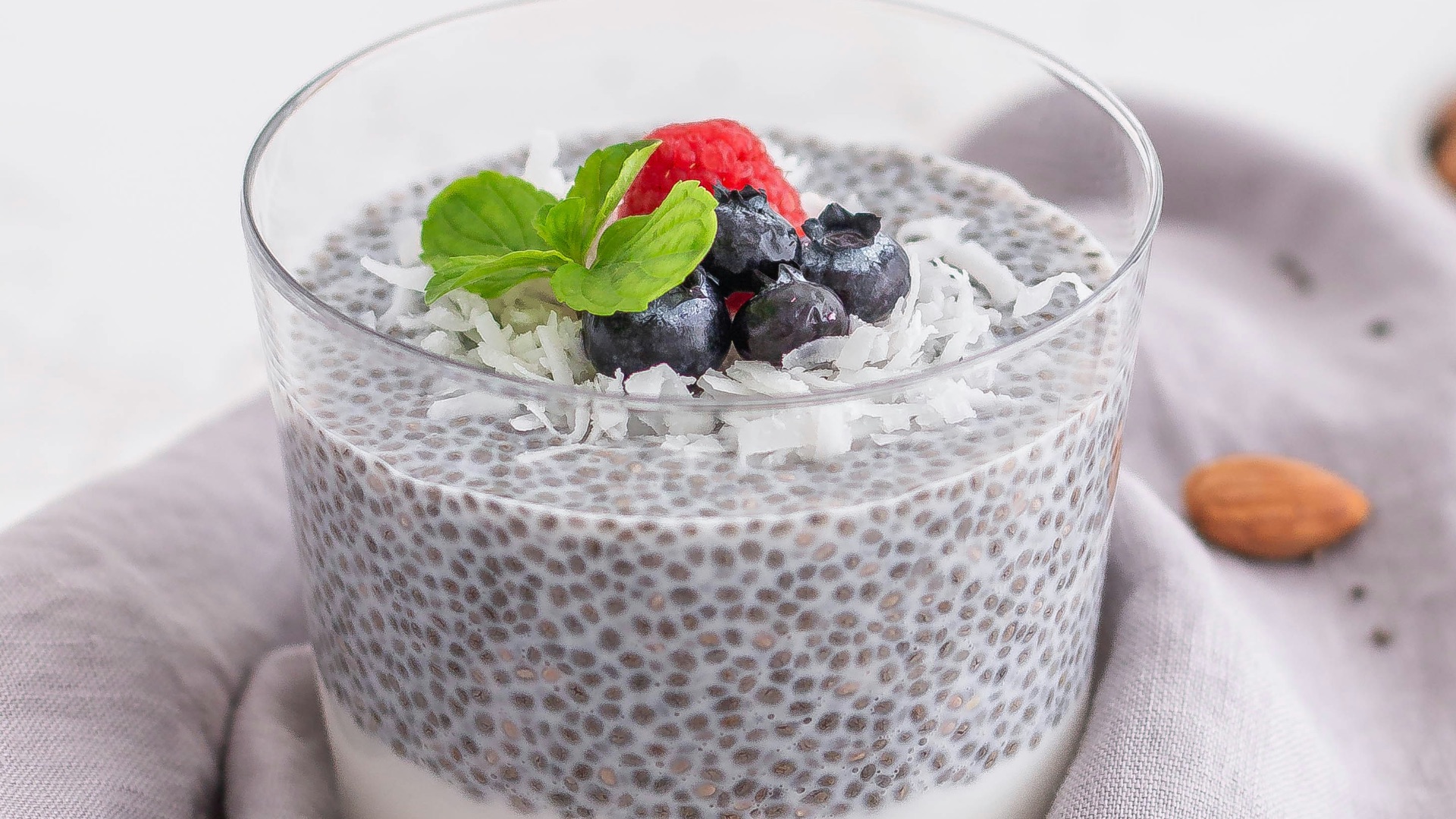
Chia seeds are tiny but mighty, offering a combination of fiber, protein, and omega-3 fatty acids in every serving. When soaked in liquid, they form a gel-like texture that can help you feel fuller for longer, which supports healthy weight management. Stir them into yogurt, add them to smoothies, or make a simple chia pudding for a nutritious dessert.
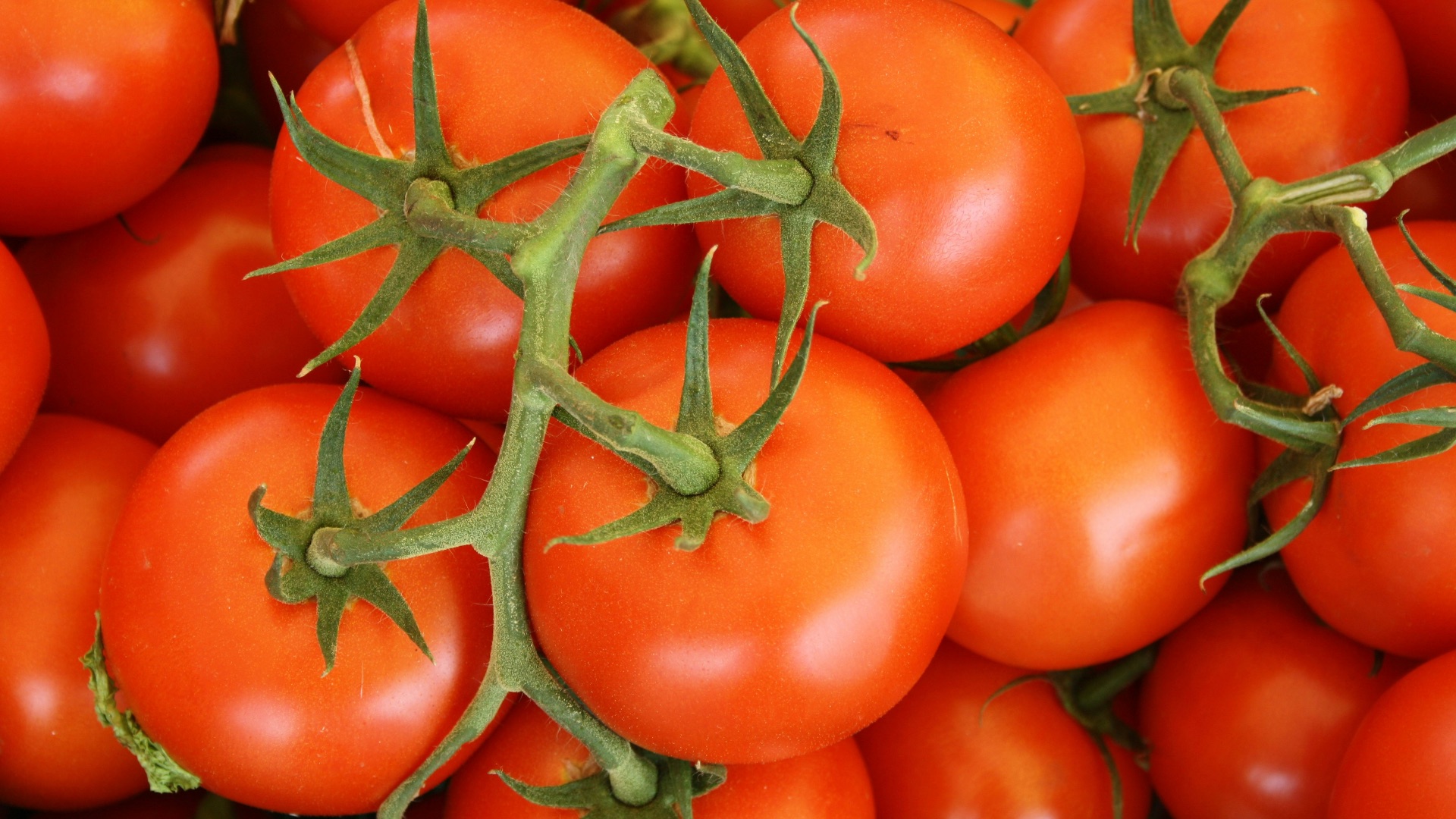
18. Tomatoes
Tomatoes are rich in lycopene, an antioxidant that's been linked to reduced risk of certain cancers and improved heart health. Interestingly, cooking tomatoes actually increases the availability of lycopene, so sauces and soups offer just as many benefits as fresh slices. Add them to sandwiches, simmer them into a marinara, or roast cherry tomatoes as a simple side dish.
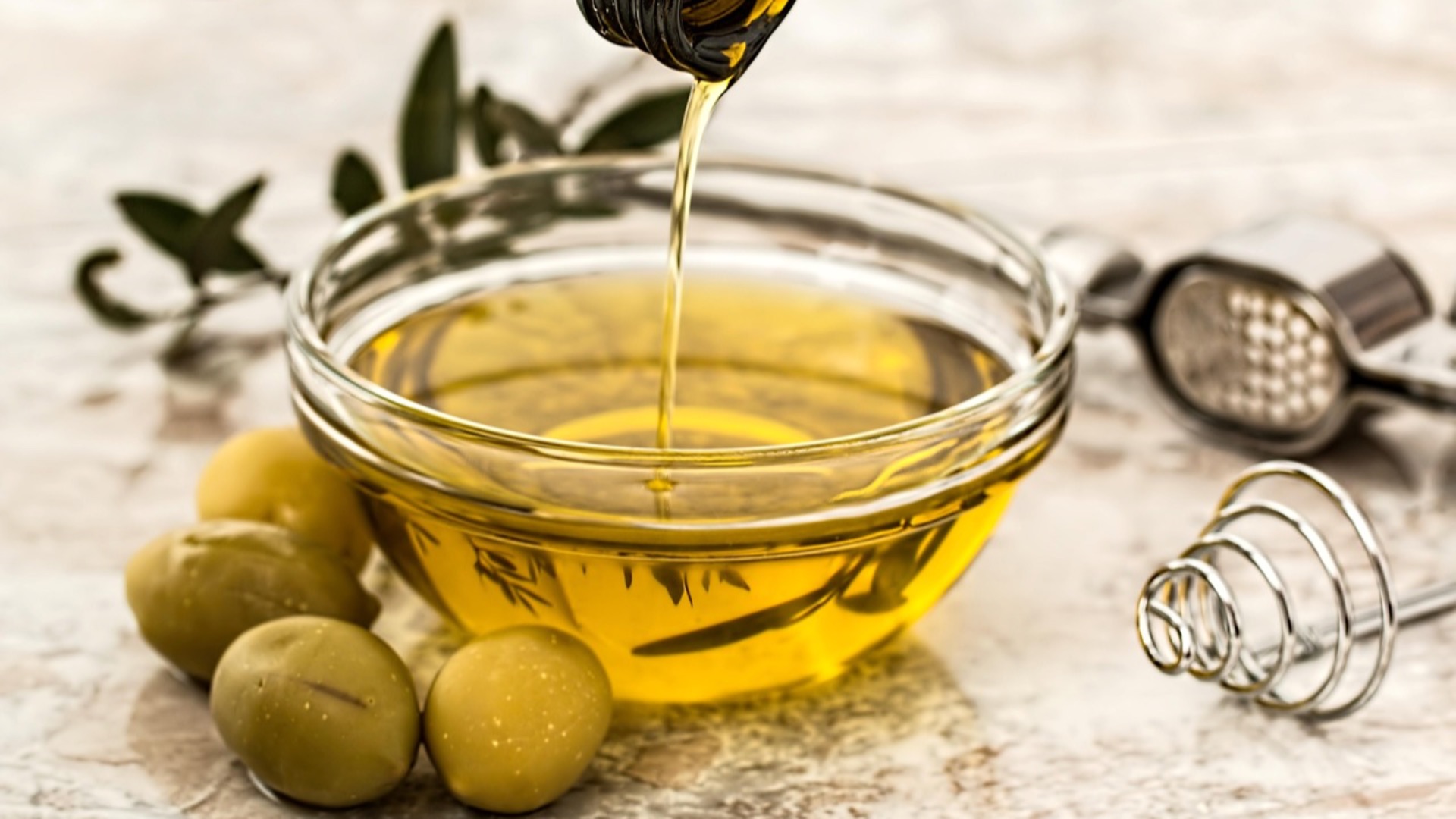
19. Extra-Virgin Olive Oil
Extra-virgin olive oil is an excellent (and far healthier) replacement for butter and other fats that are higher in saturated fat. It's extremely versatile, too, meaning you can use it for sautéing, roasting, marinades, or even as a simple salad dressing mixed with vinegar or lemon juice. Keep in mind, though, that like all oils it’s concentrated in calories, which means a measured pour can be helpful.
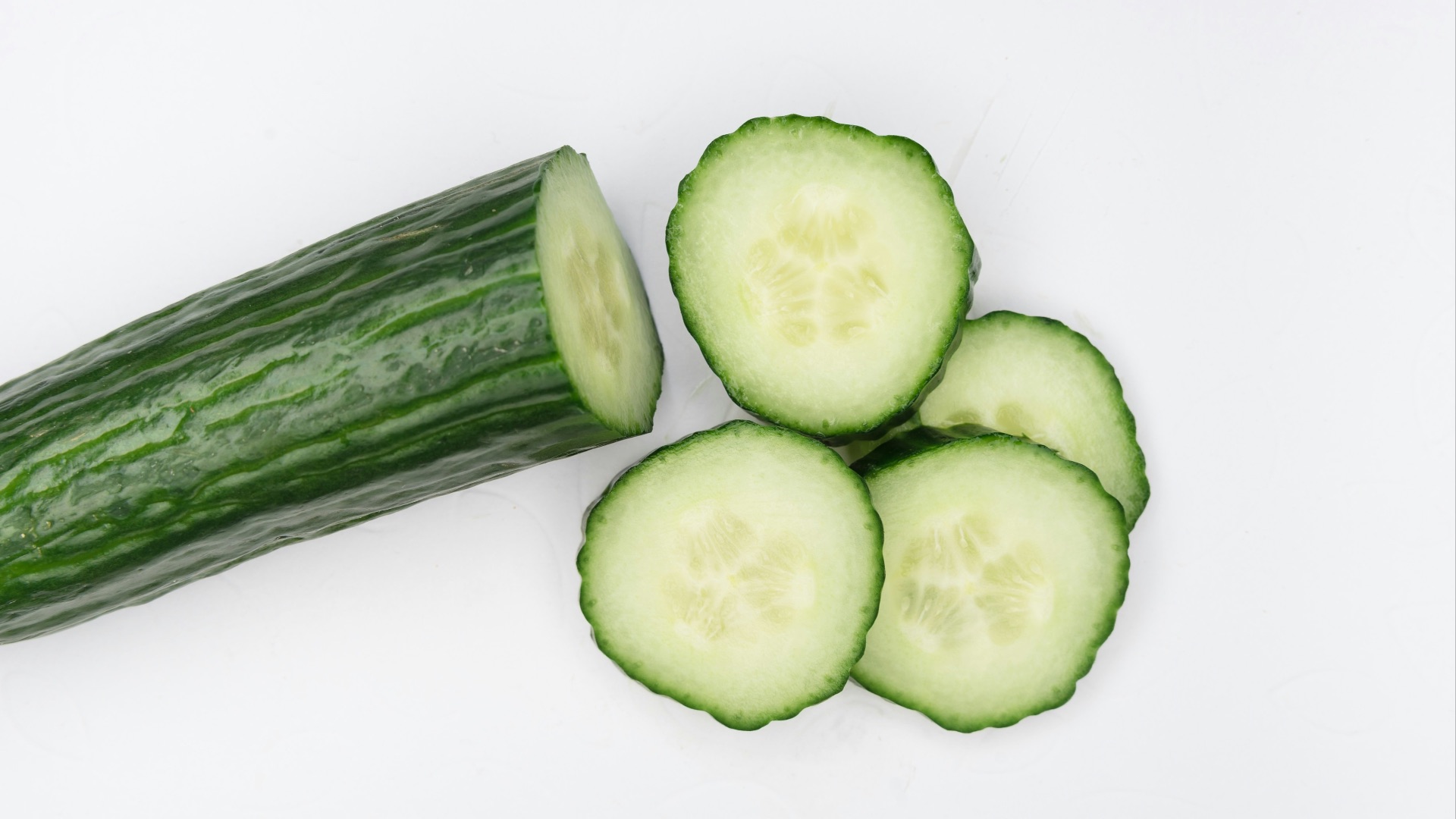
20. Cucumbers
Cucumbers are made up of roughly 95% water, which makes them an excellent food for supporting hydration alongside your regular water intake.
They also contain small amounts of vitamin K and antioxidants that contribute to overall wellness. Slice them into salads, add them to infused water, or enjoy them plain with a sprinkle of salt for a light, refreshing snack.
KEEP ON READING

20 Foods You Should Be Eating Every Day

10 Best British Pub Grub & 10 Worst