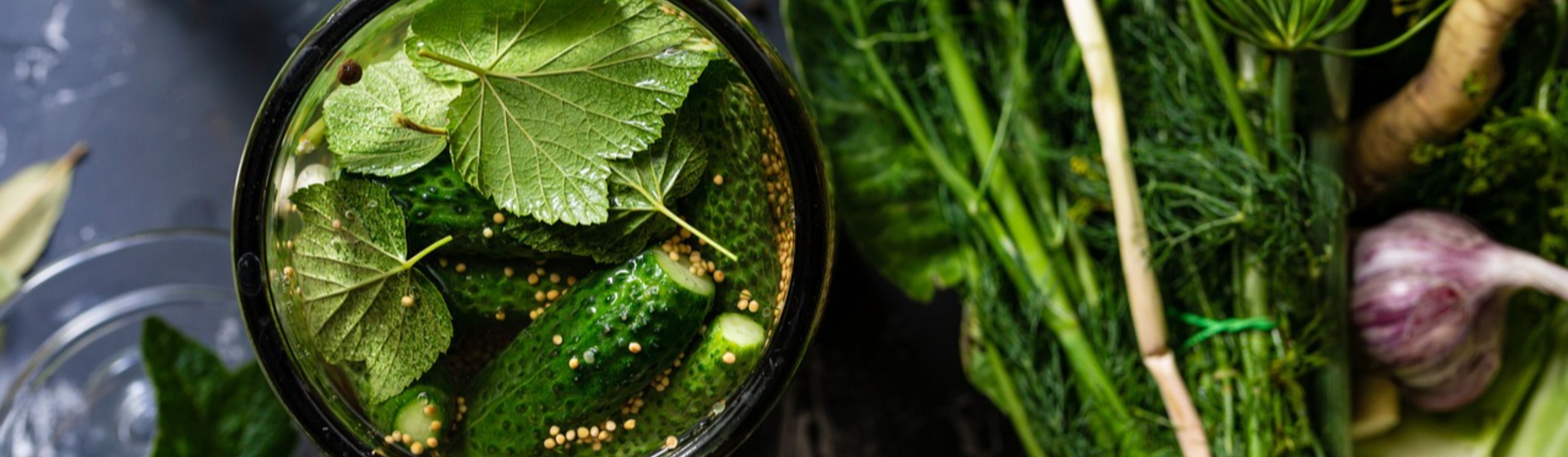
These Leafy Greens Pack A Punch
Green is typically seen as the color of health, and it's for a good reason! Many leafy green vegetables provide our bodies with important vitamins and minerals that keep us strong, healthy, and moving. They're an essential part of every balanced meal, and regardless of how much you love or hate them, they need to be consumed on a frequent basis.
And while you may only be familiar with the usual kale and spinach you see at the grocery store, there are actually so many different varieties of leafy greens, each with unique tastes, textures, and health benefits. So if you're tired of eating the same ones over and over again, this article is going to help expand your preferences and open a new door to your understanding of healthy eating.
Because eating greens doesn't have to be boring, bland, and unexciting. There are so many fun ways to spice up your meals while still getting all the important nutrients you need daily. Changing up your line-up of veggies is one easy way to do this, and with these 20 leafy greens, many of which you've likely never heard of, you'll have one foot in the door to leveling up your eating habits.

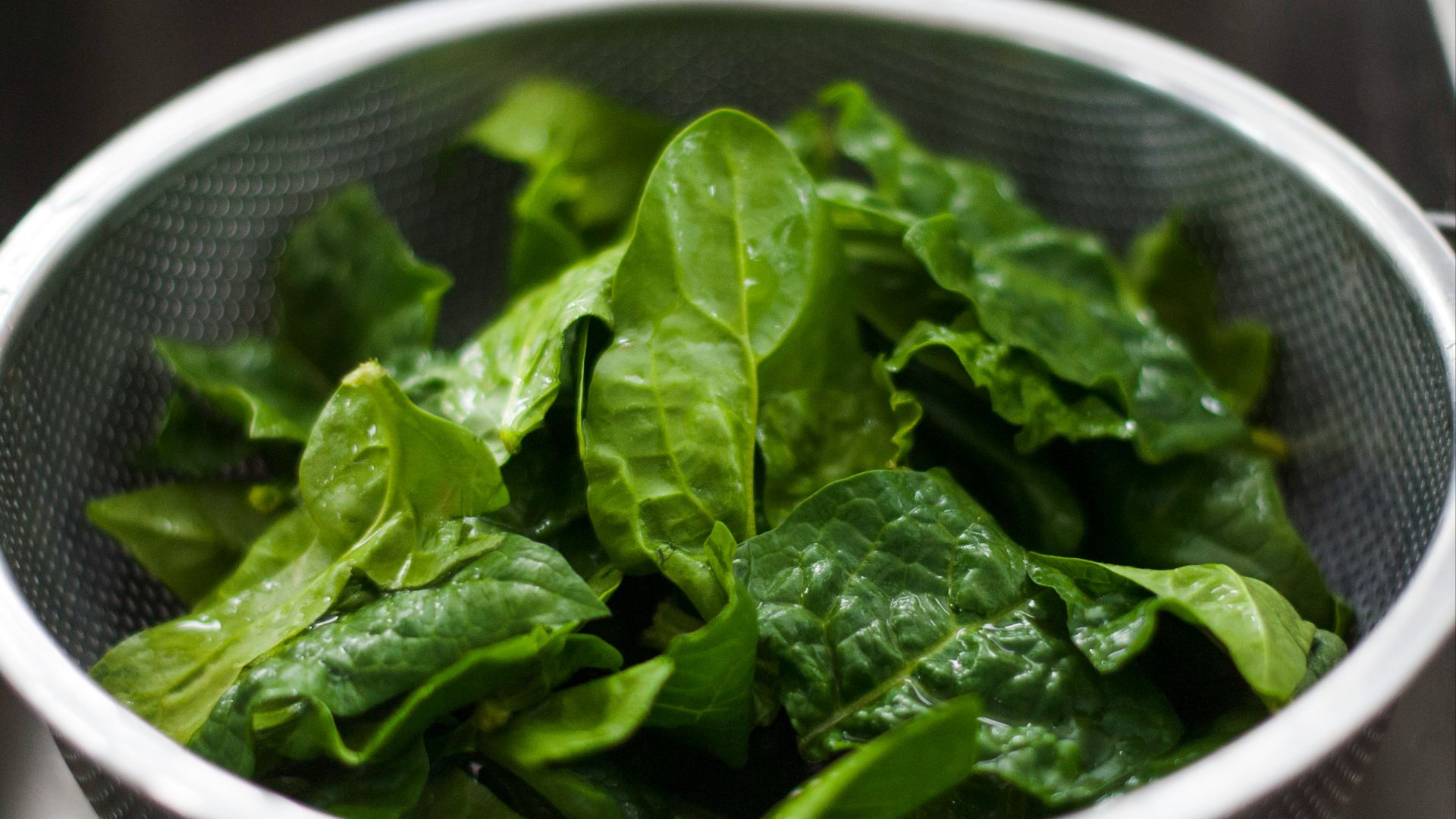
1. Spinach
As the popular leafy green that gives Popeye his superhuman strength, everyone should know that spinach is a superfood. Loaded with so many nutrients like vitamins C and K, iron, and calcium, this vegetable is known for improving immune function and managing blood pressure. Eat it as is, throw it in a salad, or add it to your sandwich for a healthy boost.
What we love most about this powerhouse vegetable is that it manages to be both incredibly nutrient-dense and surprisingly versatile. Its tender leaves and neutral flavor make it easy to incorporate into just about any meal, whether you prefer it raw, sautéed, steamed, or blended into a smoothie.
Beyond its well-known iron content, spinach also contains plant compounds which support long-term eye health and may protect against age-related degeneration. Its high Vitamin K levels further make it an excellent ally for maintaining strong bones as you age.
Another great perk of spinach is how accessible and affordable it is. Fresh spinach is widely available, but frozen spinach is just as nutritious, making it a convenient ingredient to keep stocked. Add it to soups, curries, scrambled eggs, or pasta dishes and you'll instantly boost the meal's nutritional value without altering the flavor too dramatically. It's one of the easiest vegetables to sneak into foods for picky eaters or kids who may not otherwise gravitate toward leafy greens.
But wait, there's more! Spinach also shines when it comes to heart health. The nitrates naturally present in its leaves help support healthy blood vessel function, leading to improved circulation and lower blood pressure. Meanwhile, the fiber helps regulate cholesterol levels. Whether you're aiming to fuel your workouts, support healthy aging, or simply make your meals a bit more nourishing, spinach is a simple, dependable green that fits effortlessly into a healthy lifestyle.
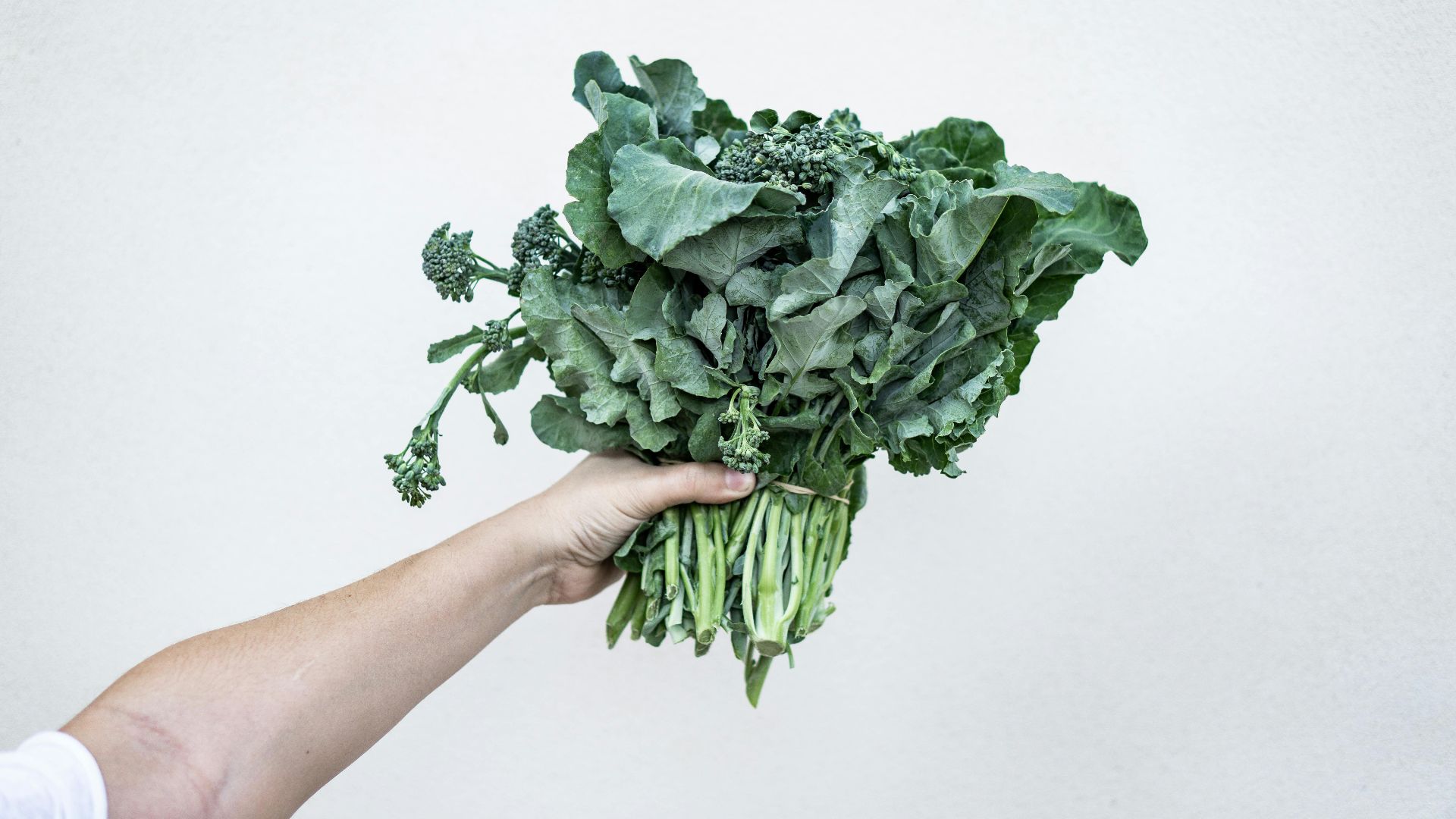
2. Kale
Everyone's favorite smoothie add-in, kale, has blown up in recent years. While not everyone is fond of its bitter taste, they can't turn it down once they know how much of a nutritional powerhouse it is. Full of antioxidants, fiber, calcium, and so much more, eating kale regularly can help protect you against diabetes and cancer, while also promoting heart health.
The truth is, kale's rise in popularity isn't just a trend—it's a reflection of how remarkable this vegetable truly is. Its thick, hearty leaves are packed with tons of great and healthy compounds that help fight inflammation at a cellular level. These same compounds may also contribute to improved brain health and a lower risk of chronic diseases over the long term. Not to mention, when it comes to digestive well-being, kale's generous fiber content helps maintain gut regularity and supports a healthy microbiome.
One of kale's underrated benefits is how many varieties exist. Curly kale is the most common, but dinosaur kale (also known as lacinato kale) offers a milder flavor and softer texture when cooked. There's also one called Red Russian kale, which brings a slightly sweeter taste and is great for salads. This versatility means you can enjoy kale in countless ways: baked into chips, stirred into soups, added to grain bowls, or blended into green smoothies.
So even if you're someone who once turned your nose up at its bitterness, experimenting with different preparation methods—like roasting, sautéing, or pairing it with citrus—can transform kale into a flavorful staple you'll want to keep in your regular rotation.
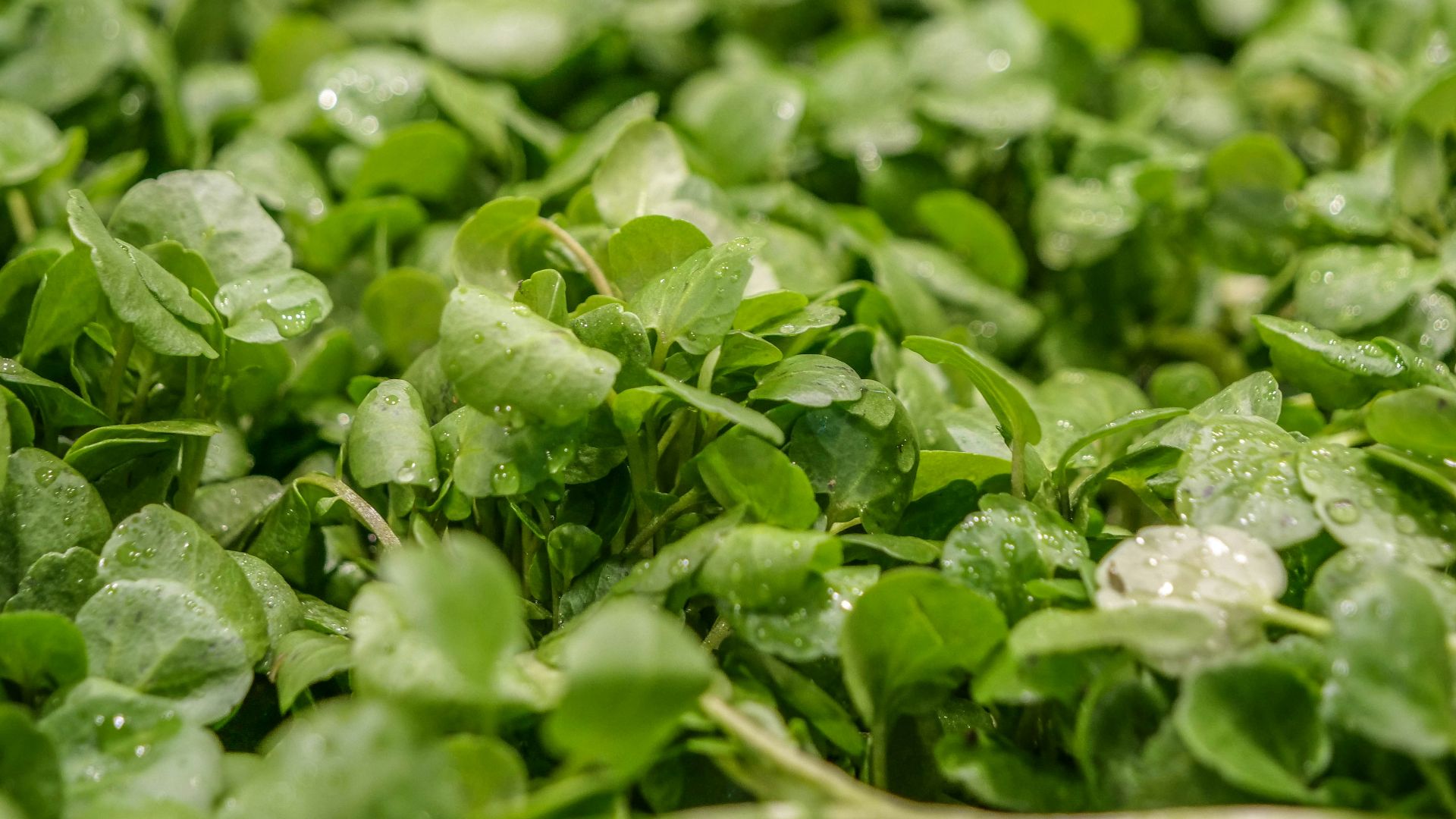
3. Watercress
While watercress isn't as well-recognized as other vegetables, it really shouldn't be overlooked. This powerful leafy green offers a plethora of health benefits, including lowering your risk of diabetes and heart disease, potentially decreasing cholesterol levels, and boosting your immune function. Sounds like it's worth tossing into your cart the next time you're at the grocery store.
Though it may be small and delicate in appearance, don't doubt watercress' ability to deliver an impressive nutritional punch. Known as one of the most nutrient-dense foods on the planet, this peppery little green is packed with vitamins A, C, and K, along with calcium and manganese.
What makes watercress particularly valuable is its abundance of antioxidants. These compounds help neutralize free radicals, supporting your body's ability to repair itself and potentially reducing the risk of certain cancers. Furthermore, its high Vitamin C content gives your immune system a natural boost, while its water content helps keep you hydrated.
If you've never had this leafy green before and are wondering what it tastes like, we'd say its flavor is similar to arugula but slightly fresher, making it an excellent addition to sandwiches, soups, and even light pasta dishes. So if you're looking to switch up your salad routine, watercress is a fantastic green to try. It pairs well with citrus-based dressings, soft cheeses, roasted vegetables, and even fruits like pears or apples. And because of its delicate stems, it cooks quickly and can be used as a finishing green in stir-fries or broths, too.
4. Arugula
Best known for having a unique peppery, almost spicy flavor, arugula is a popular vegetable used in salads and sandwiches. While it definitely gives your dishes some natural added flavor, it's also nice knowing it's a healthy addition; high in calcium, potassium, and folate, these all work together to boost your overall health.
Arugula's bold flavor has made it a favorite among chefs and home cooks alike. Its sharp bite adds instant character to dishes, and its tender leaves make it easy to incorporate raw or lightly cooked. Beyond its distinct taste, arugula is incredibly nutrient-rich, offering a surprising amount of vitamins A, C, and K as well as essential minerals like magnesium. These nutrients support healthy bones, proper nerve function, and a robust immune system.
One of the special qualities of arugula is its glucosinolate content, which are natural plant compounds that may help protect against certain cancers. When chopped or chewed, these compounds break down into substances that support detoxification pathways in the body.
Finally, arugula is also a great option for those looking to elevate everyday meals. Toss it onto pizza after baking for a fresh, crisp finish, mix it into omelets, use it in place of lettuce on sandwiches, or blend it into a peppery pesto. Its versatility means you can enjoy its health benefits without feeling like you're eating the same thing every day.

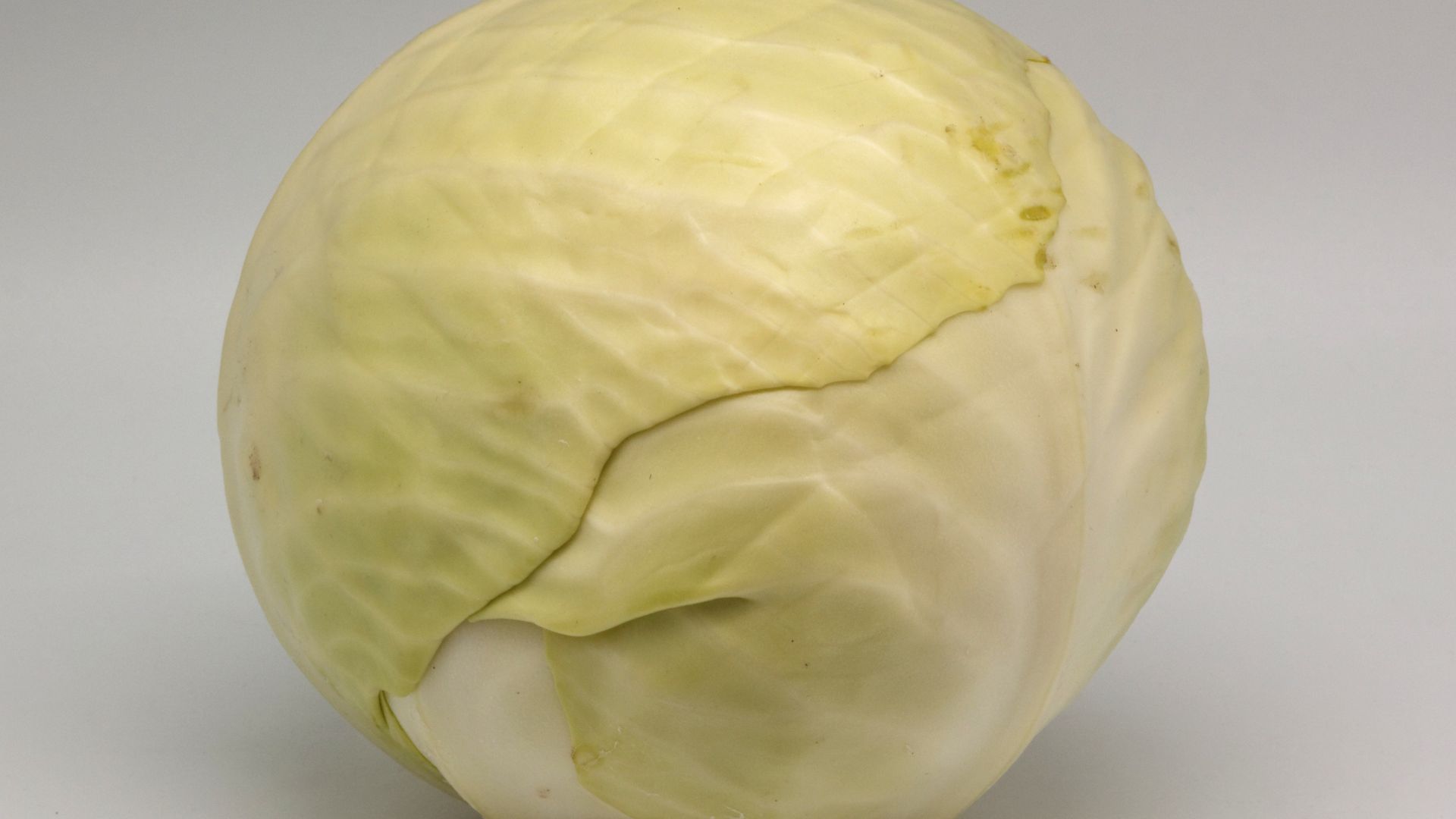
5. Cabbage
Though cabbage is often seen as a "boring" vegetable, you might think of it differently once you learn all about its health benefits. Loaded with plenty of various vitamins and minerals, cabbage can help prevent inflammation, reduce your risk of different cancers, and improve your digestion thanks to all that fiber.
As part of the cruciferous vegetable family—along with broccoli, Brussels sprouts, and cauliflower—cabbage is rich in sulforaphane, a compound widely studied for its potential cancer-preventing properties. It also contains an impressive amount of vitamin C, which also supports collagen production to help maintain healthy skin and joints.
One of the best things about cabbage is its incredible versatility. Green cabbage brings a mild sweetness when cooked, red cabbage adds color and crunch to raw dishes, and Savoy cabbage has delicate leaves that work beautifully in soups and stir-fries. So whether you prefer it raw, braised, pickled, or roasted, cabbage adapts effortlessly to many cooking styles and absorbs flavors exceptionally well.
We're not done quite yet; cabbage is also a digestive-health superstar. Its fiber content helps regulate bowel movements and supports healthy gut bacteria. When fermented into kimchi or sauerkraut, cabbage becomes a natural probiotic source, further enhancing digestion and immune function. These fermented varieties can also introduce beneficial enzymes that help your body break down foods more efficiently.
6. Collard Greens
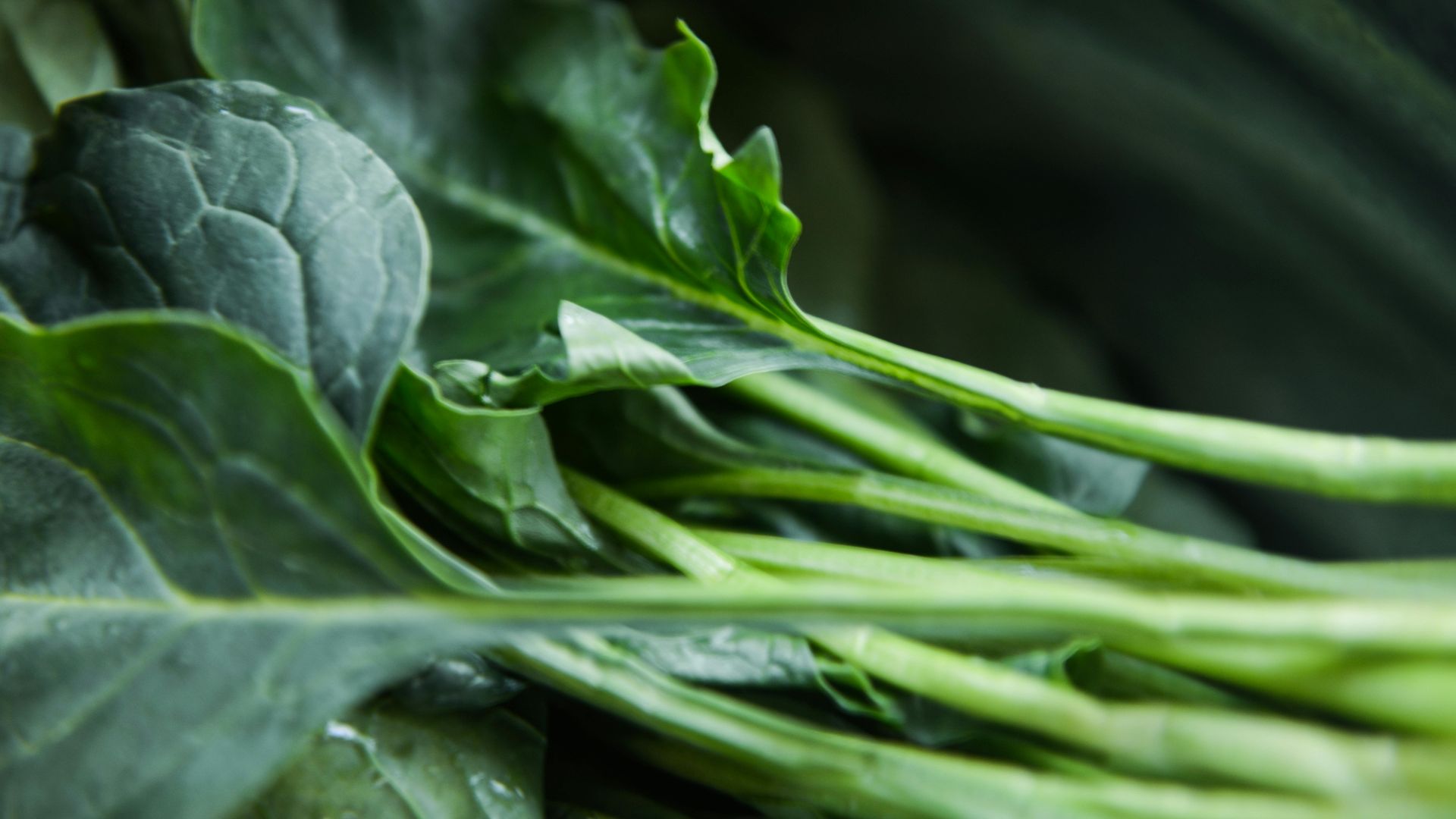
A popular vegetable cooked in the South, collard greens are naturally healthy vegetables full of vitamins and minerals that keep you strong. This leafy green can work wonders for your bone health, digestion, and hair and skin health. Avoid cooking it in too much oil and unhealthy seasonings to truly reap the benefits.
Known for their sturdy leaves and deep, earthy flavor, collard greens are incredibly satisfying when prepared properly. They're packed with vitamin K, a key nutrient that helps maintain healthy bones and supports your body's natural healing processes. You'll also find an impressive amount of vitamin A, which plays a role in maintaining clear skin and supporting the immune system. And to top it all off, because of their high fiber content, collard greens are particularly beneficial for digestion, helping keep things moving smoothly while nourishing the gut microbiome.
What often surprises people is how versatile collard greens can be. While they're iconic in slow-cooked Southern dishes, they can also be used as a low-carb wrap, offering a crisp, refreshing alternative to tortillas. When lightly sautéed, they become tender without losing their bite, making them excellent additions to stir-fries, pastas, and grain bowls. Raw collard greens can even be finely shredded and used in salads for a heartier texture.
With so many different ways to cook them under your belt, it's time to head to the kitchen to start experimenting. No matter what you make, you're going to enjoy a healthy dose of all this leafy green's goodness.
7. Bok Choy
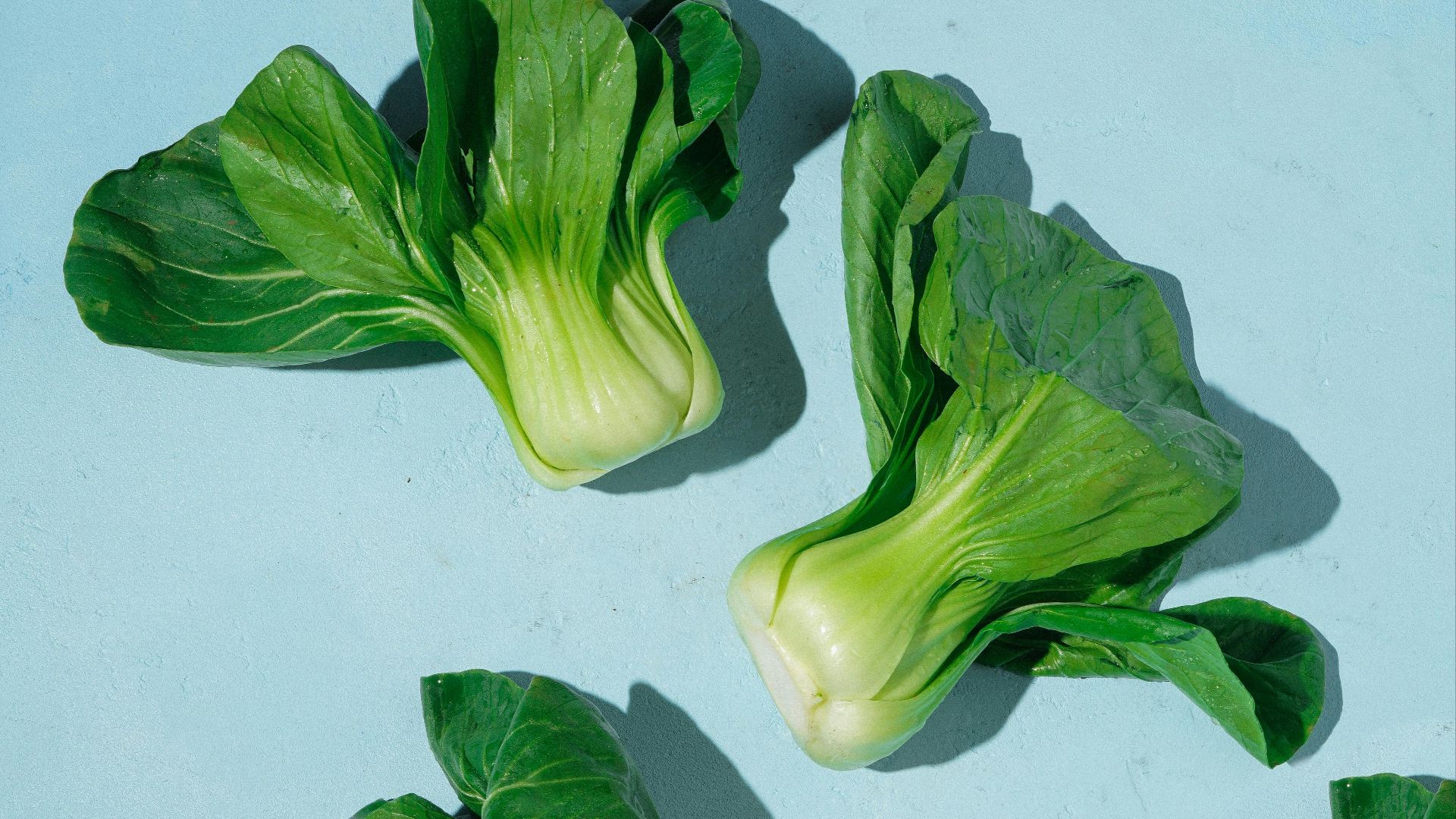
A vegetable commonly used in Asian cooking, bok choy is beloved for its numerous health benefits. Noted for being high in potassium, antioxidants, vitamins, and folate, this low-calorie leafy green can help with blood pressure levels, heart health, and inflammation, on top of many other things. When cooked right, it can be enjoyable to eat too, with its crunchy stems and soft leaves.
What stands out the most when it comes to eating it is its refreshing texture and mild flavor, which allows it to complement a wide variety of dishes. Its crisp white stalks contrast beautifully with its tender green leaves, creating a satisfying combination in soups, stir-fries, and noodle dishes.
On the nutritional side, bok choy provides an excellent source of selenium—an often overlooked mineral that plays an important role in thyroid function and protects your cells from damage. Its high vitamin C content adds an additional immunity boost too, while its naturally high water content helps keep you hydrated. Even better, it's extremely low in calories, making it ideal for those who want to pack more volume and nutrients into their meals without adding heaviness.
Because bok choy cooks quickly, it's one of the easiest vegetables to add to weeknight meals. A quick sauté with garlic transforms it into a comforting side dish, while roasting brings out a delicious caramelized flavor. Whether you're familiar with it or just discovering it, bok choy offers a wonderful blend of taste, texture, and nourishment that makes eating healthy feel effortless.
8. Swiss Chard
Swiss chard is an underrated vegetable that should be added to people's daily diets more often. This incredibly nutritious leafy green has a decently mild taste once cooked, making it more palatable for a majority of people. This is a good thing considering it's high in vitamin K, which can improve bone health, and nitrates, which can lower blood pressure and improve athletic performance.
But visually, let's just say this vegetable might be one of the prettiest greens you can buy. Swiss chard often comes with vibrant stems in shades of red, yellow, orange, and pink—making it as stunning in the kitchen as it is healthy on your plate. The stems themselves are edible and offer a pleasant crunch, while the leaves become tender when cooked. This natural beauty hints at the wide variety of antioxidants found within the vegetable, many of which help reduce oxidative stress in the body.
Swiss chard is also an excellent source of magnesium, a mineral essential for muscle function, sleep quality, and energy production. For athletes or anyone with an active lifestyle, this makes chard an especially smart choice. You'll be even happier to hear that it's incredibly easy to incorporate into dishes.
Cooking Swiss chard is remarkably simple. It wilts quickly in a pan, making it perfect for quick meals, and its stems can be sautéed or roasted to add hearty texture to dishes. Mix it into soups, fold it into omelets, or toss it into pasta for an easy nutrient upgrade. With a mild flavor profile and impressive nutritional benefits, Swiss chard is a vibrant, delicious green that deserves way more love.
9. Mustard Greens
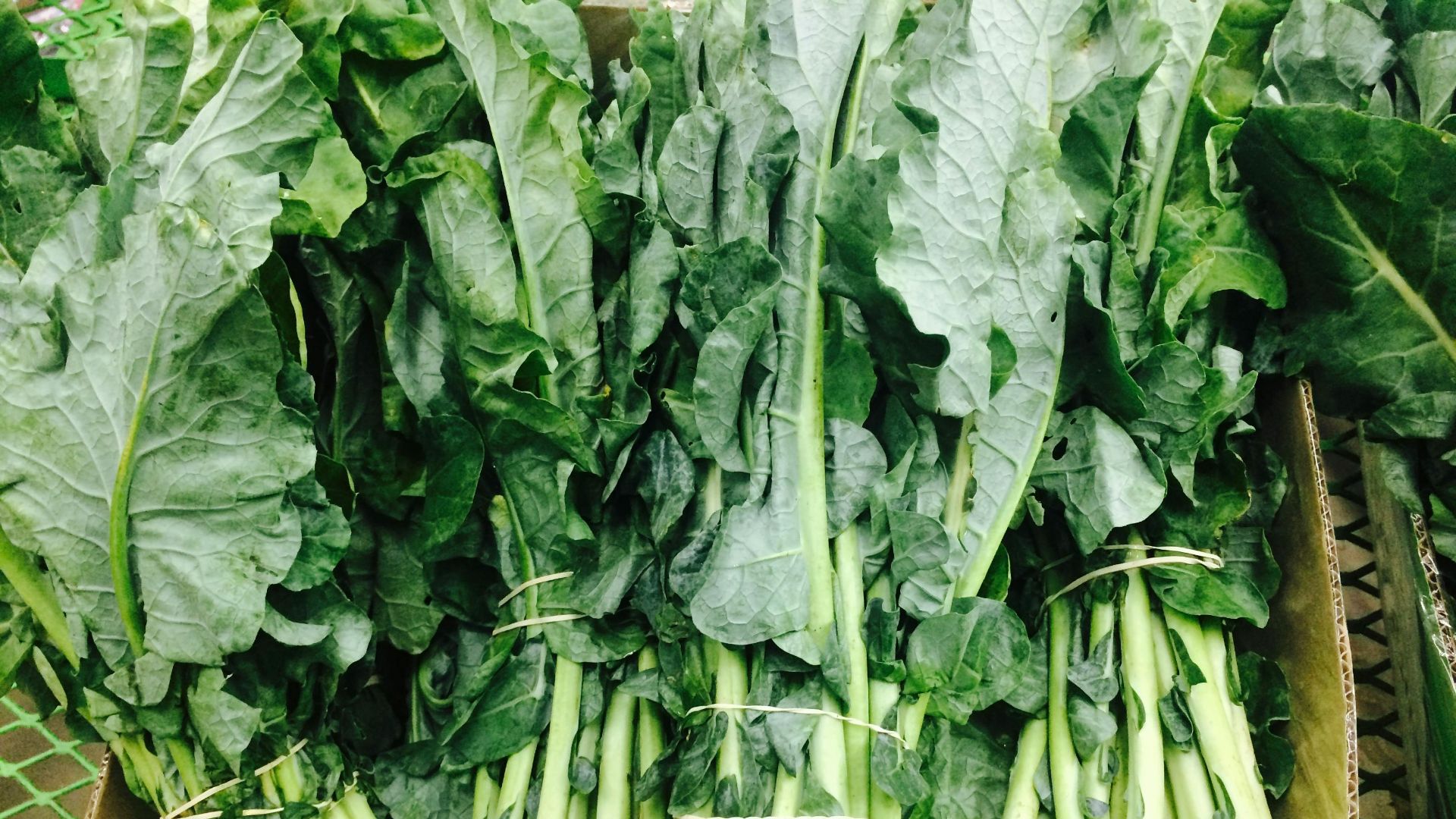
The word mustard isn't in its name for no reason! It's stated to have a bit of a peppery, bitter flavor, this plant will definitely remind you of the condiment. And if you can get over that flavor, if you don't enjoy it, you'll be able to provide your body with plenty of antioxidants and vitamins that are keeping you healthy and strong.
Just think of it in a positive way: their bold bite can excite even the simplest dish. While their flavor may surprise first-timers, cooking them does mellow their sharpness and brings out a subtle sweetness. So just give it a try! Because when there are this many health benefits, why not?
Mustard greens are especially rich in Vitamin C and Vitamin E, two antioxidants that help protect your immune system and reduce inflammation throughout the body. Their high content in folate and fiber further makes them excellent for heart health and digestion. There's also something called glucosinolates, which are compounds known for their potential to reduce cancer risk by supporting the body’s natural detox pathways.
But as far as it goes in the kitchen, there's a lot more you can do with these greens than you may have thought. They can be sautéed with garlic, added to soups, blended into smoothies, or tossed raw into salads for an extra kick. So whether you’re looking to expand your leafy-green repertoire or simply want something with a bit more personality, mustard greens offer a flavorful, nutritious option.
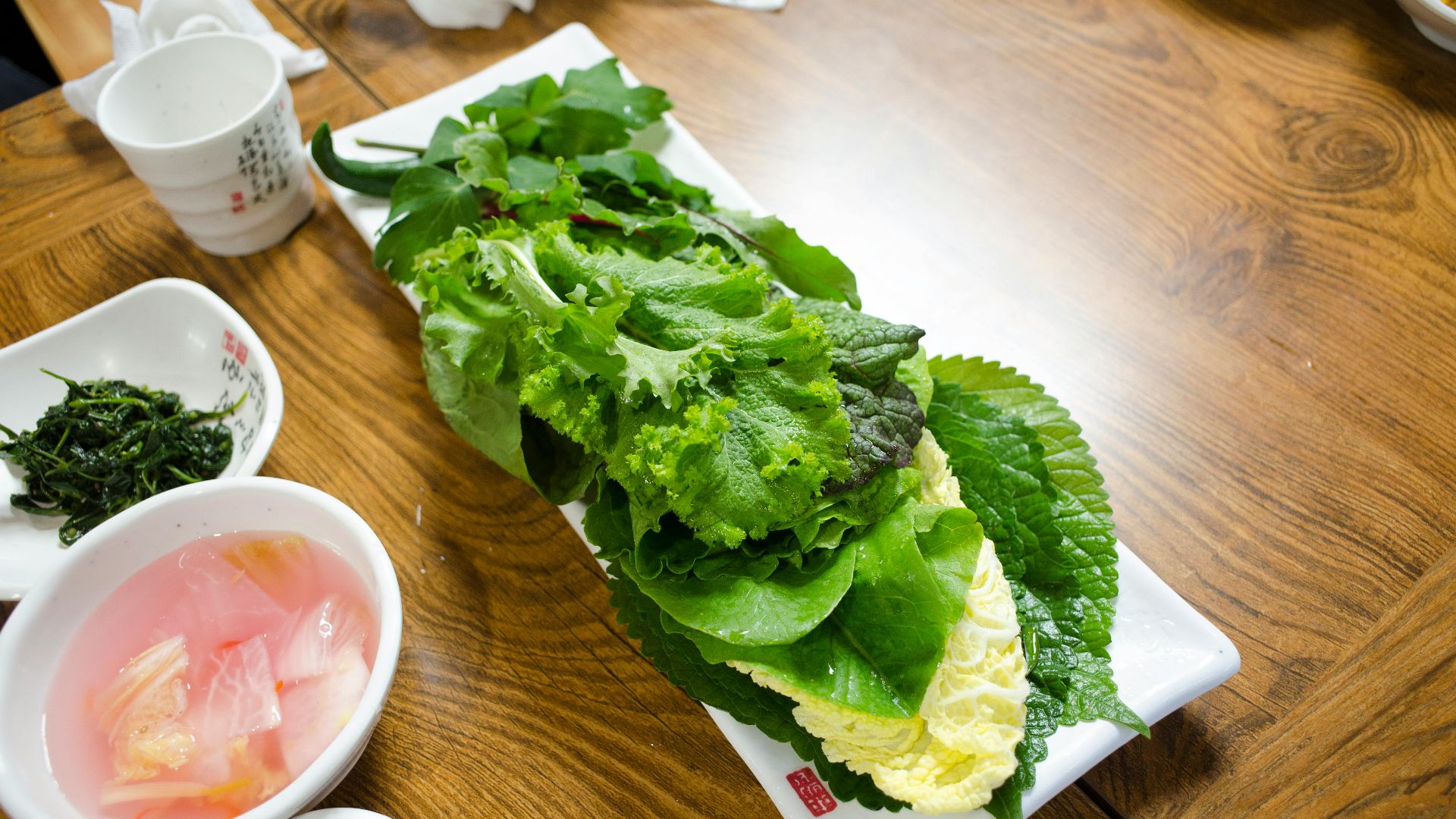
10. Endives
Though you might have never worked with endives before, we recommend trying something new and incorporating this vegetable into your dishes so you can enjoy its benefits. That's because not only are endives high in fiber, which can improve your digestion, they're also rich in antioxidants that can help protect you from chronic diseases.
Nutritionally, endives offer far more than meets the eye. They contain high levels of vitamin K, supporting strong bones and healthy blood clotting. Their antioxidant content also helps combat inflammation and protects cells from damage. Endives are also low in calories but rich in water, making them hydrating and excellent for those aiming to maintain or lose weight in a healthy way.
When it comes to eating them, endives have a pleasantly crisp texture and a mildly bitter flavor that adds depth to any dish. Their tight, compact leaves make them perfect for appetizers, especially when used as natural “cups” for dips, spreads, or small bites. While they're commonly enjoyed raw, lightly grilling or roasting endives softens their bitterness and draws out a delicate sweetness.
Their subtle bitterness can also stimulate digestion, encouraging natural digestive juices to flow. This makes them especially useful as a pre-meal salad ingredient. Pair them with citrus fruits, nuts, or creamy cheeses to create a balanced, flavorful dish that plays beautifully with their crisp and refreshing bite.
 minchephoto photography on Pexels
11. Escarole
You may have never heard of escarole before, but this is a sign to pick it up on your next grocery store run. Used most commonly in Italian cooking, you can use it in stews, soups, salads, or even pasta. If that doesn't interest you enough, how about learning that it may improve gut, heart, and eye health? It's packed with Vitamin C, fiber, and various other nutrients after all!
Escarole is part of the chicory family, which explains its slightly bitter yet refreshing flavor. The outer leaves are darker and more robust, while the inner leaves are lighter, more tender, and sweeter—giving you a nice variety of taste and texture in a single head.
From a nutritional standpoint, escarole delivers an impressive dose of folate, which plays a key role in supporting cellular health and reducing the risk of heart disease. Its vitamin C content helps strengthen the immune system, and its fiber helps regulate digestion and promote a healthy gut environment. Escarole also contains antioxidants known to support long-term eye health and protect against age-related vision decline.
What makes escarole especially appealing is how well it absorbs flavors. Whether sautéed with garlic, blended into a bean stew, or served raw with a citrus dressing, it holds its own without overpowering the dish. If you're looking to branch out from your usual greens, escarole offers a delicious, nutrient-packed option that brings freshness and depth to every meal.
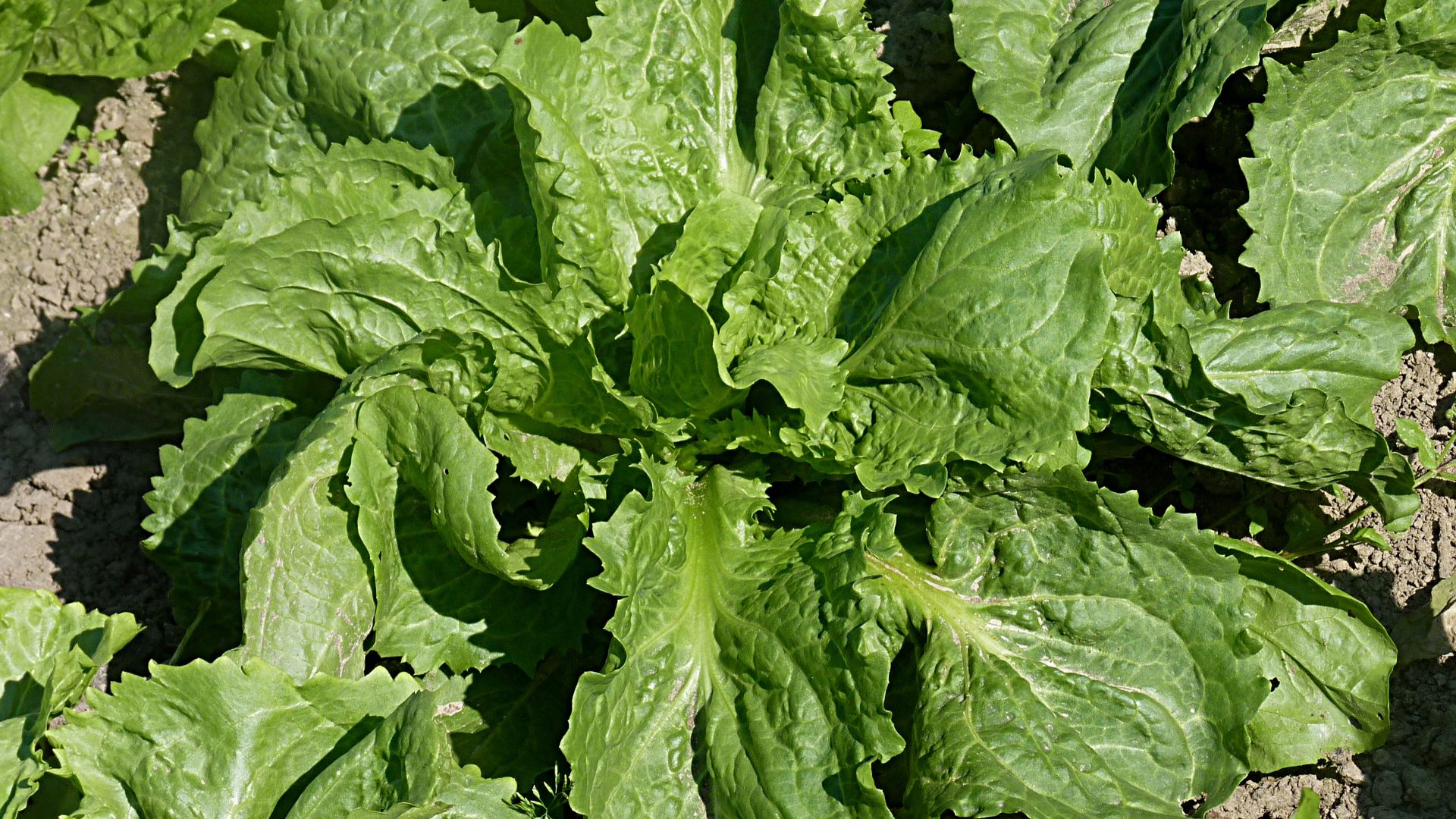
12. Mizuna
Also known as Japanese mustard greens or spider mustard, Mizuna is commonly used in Japanese cooking for stews, stir-fries, and even hot pot. Often compared to arugula in taste, this leafy green also offers plenty of nutritional value. It's best known for being extremely high in vitamin K which doesn't just help with blood clotting, it also helps to strengthen bones.
Mizuna's feathery, fringed leaves give it a striking look that brings visual appeal to salads and cooked dishes. Its peppery taste is pleasantly mild, making it easy to incorporate into meals without overwhelming other ingredients. As a cool-weather crop, mizuna grows quickly and thrives in early spring and fall, which is why it's so commonly found in Japanese and East Asian cuisine.
Beyond its vitamin K richness, Mizuna brings a generous supply of antioxidants like beta-carotene and vitamin C. These nutrients help support immune function, protect cells from oxidative stress, and promote healthy skin. Its folate and iron levels make it a particularly smart choice for individuals looking to support energy levels and red blood cell production.
Mizuna cooks down gently, retaining its delicate texture even with a brief sauté or stir-fry. It's equally at home raw in a salad mix, especially when paired with ingredients like sesame, citrus, tofu, or lightly grilled meats. You can even blend it into pesto or toss it into a warm grain bowl for an instant nutrient boost. For anyone wanting a leafy green that's flavorful, visually appealing, and packed with health benefits, mizuna delivers a perfect balance.
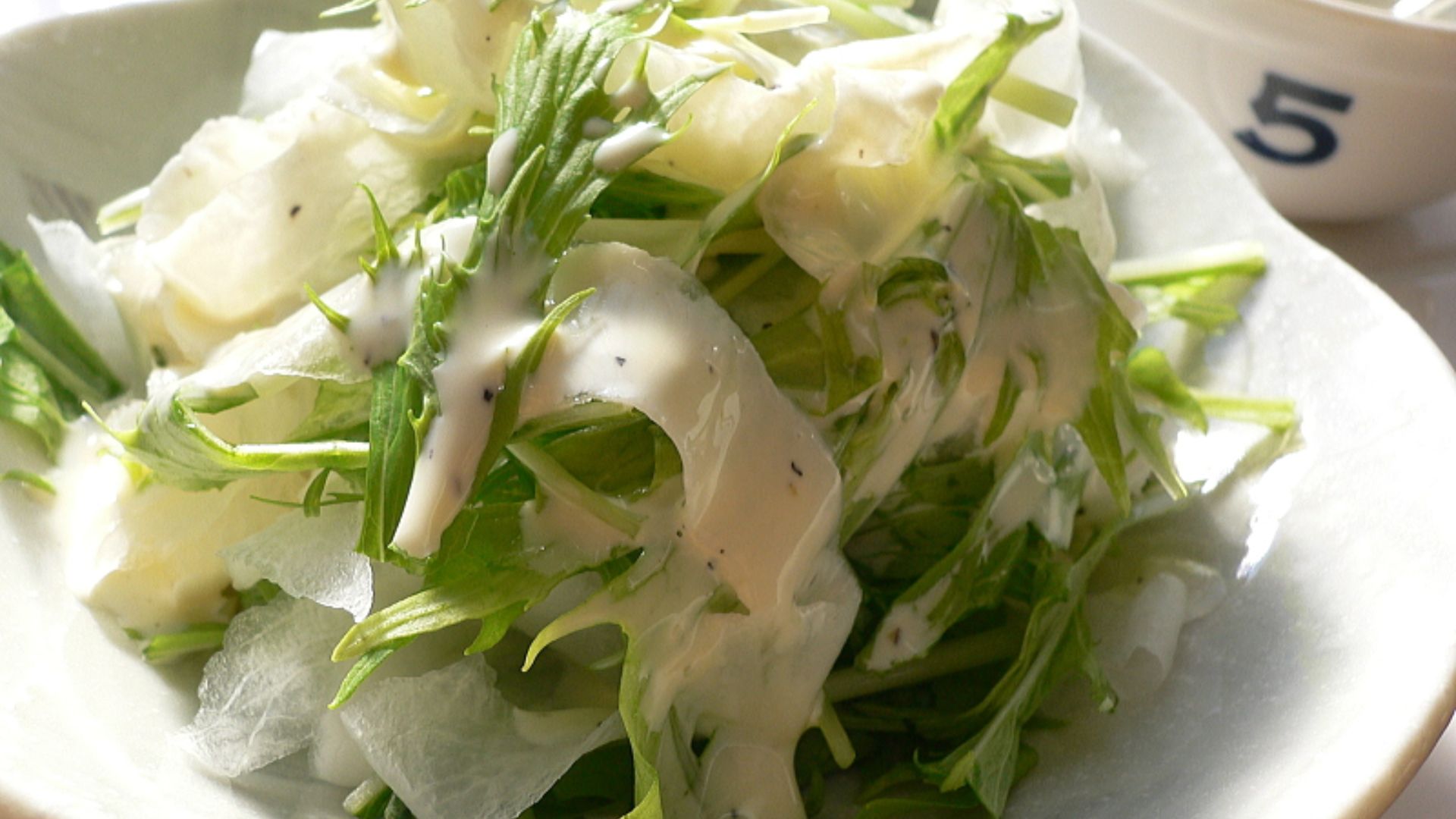
13. Dandelion Greens
While most people see dandelions as annoying weeds found in their gardens, their leaves and roots are actually edible and have been used in medicine throughout history. You definitely have to be a bit more cautious with dandelion greens though, as they're still being researched and can cause allergic reactions. However, some benefits being studied include their ability to decrease inflammation, improve liver health, and help manage cholesterol levels.
One of the standout features of dandelion greens is their impressive nutrient profile. They’re rich in vitamins A, C, and K along with minerals like iron, calcium, and potassium. These nutrients work together to support immune function, bone health, and proper muscle activity. Their high antioxidant content also plays a role in reducing oxidative stress and inflammation, making them an excellent choice for supporting long-term well-being.
As far as flavor goes, these greens offer a bold, distinct bitterness that can be surprisingly refreshing when prepared well. Because of this strong taste, dandelion greens shine best when paired with rich or acidic ingredients, like lemon, balsamic vinegar, garlic, and olive oil, all of which help to mellow its bitterness.
A quick blanch before cooking can also soften their bite. Whether added to soups, mixed into salads, or sautéed as a side dish, dandelion greens offer a surprisingly flavorful and deeply nutritious option—perfect for adventurous eaters looking to step outside their usual routine.
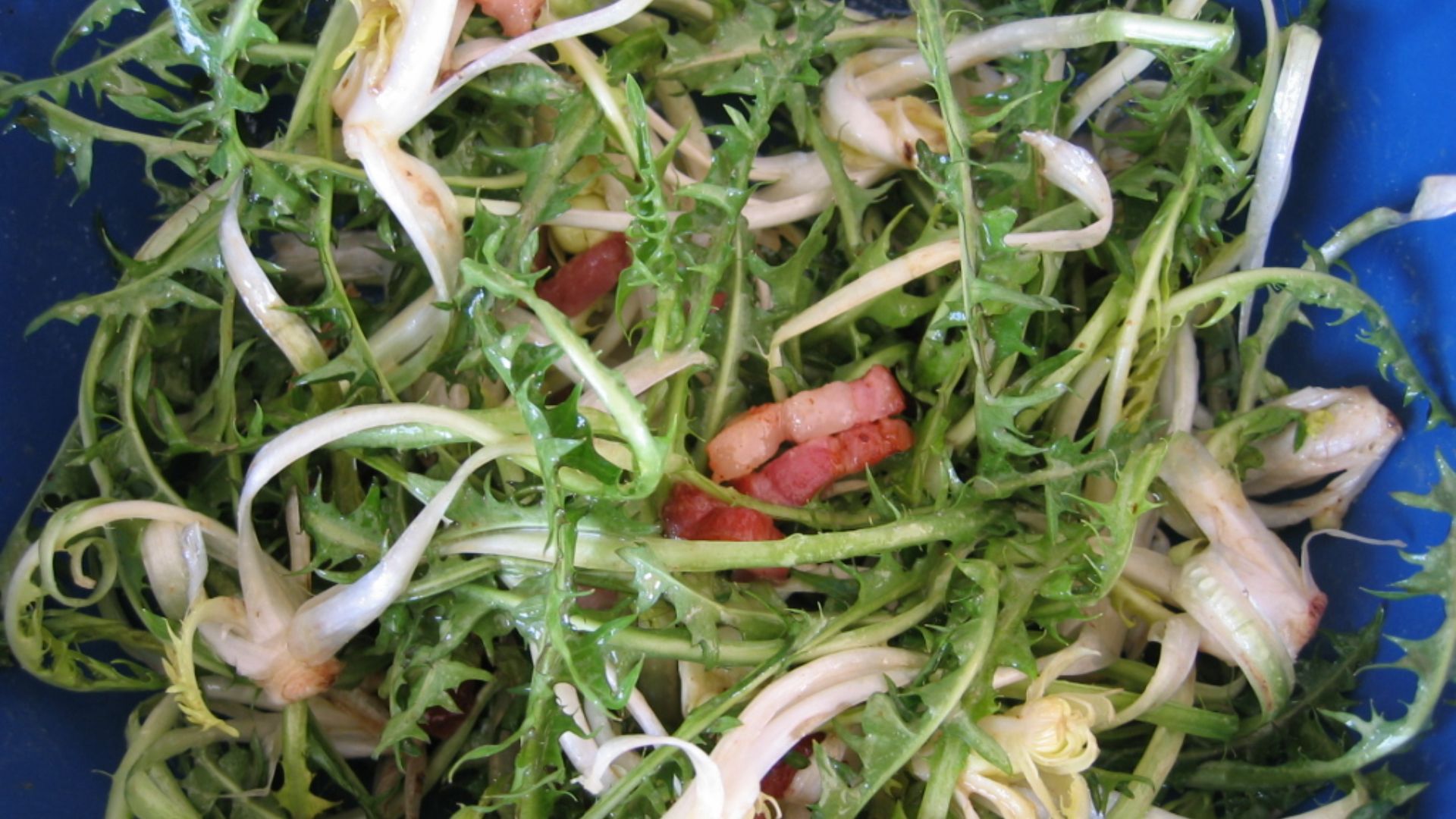
14. Purslane
Sometimes also called pigweed or little hogweed, purslane is a leafy green you might see growing on the sidewalk that you didn't realize could go in your salad. If you've never had it before, it's been said to have a similar sour taste to spinach. High in Omega-3 fatty acids, antioxidants, and loads of minerals, it's a unique vegetable with so many health benefits you never knew about.
Purslane is one of the most nutrient-dense wild greens you can find, and its fleshy, succulent-like leaves give it a delightful crunch that sets it apart from other leafy vegetables. It also has a lightly lemony flavor that makes it refreshing and bright, perfect for lifting the flavors of a simple salad or sandwich. Didn't think you'd find something that tasty right outside your house, now did you?
What's truly impressive about purslane, though, is its omega-3 content, which is higher than that of most other greens. Omega-3 fatty acids play a crucial role in heart and brain health, helping reduce inflammation and support cognitive function.
There's more, though, as purslane is also rich in magnesium, potassium, and iron, which help regulate muscle function, blood pressure, and energy production. Its antioxidants, particularly beta-carotene and vitamin C, offer further protection against cellular damage.
For those of you who are interested in giving this leafy green a try, make sure you do further research about this unique vegetable. You definitely don't want to just pick some up outside and toss them straight into your salad!
 Robert Flogaus-Faust on Wikimedia
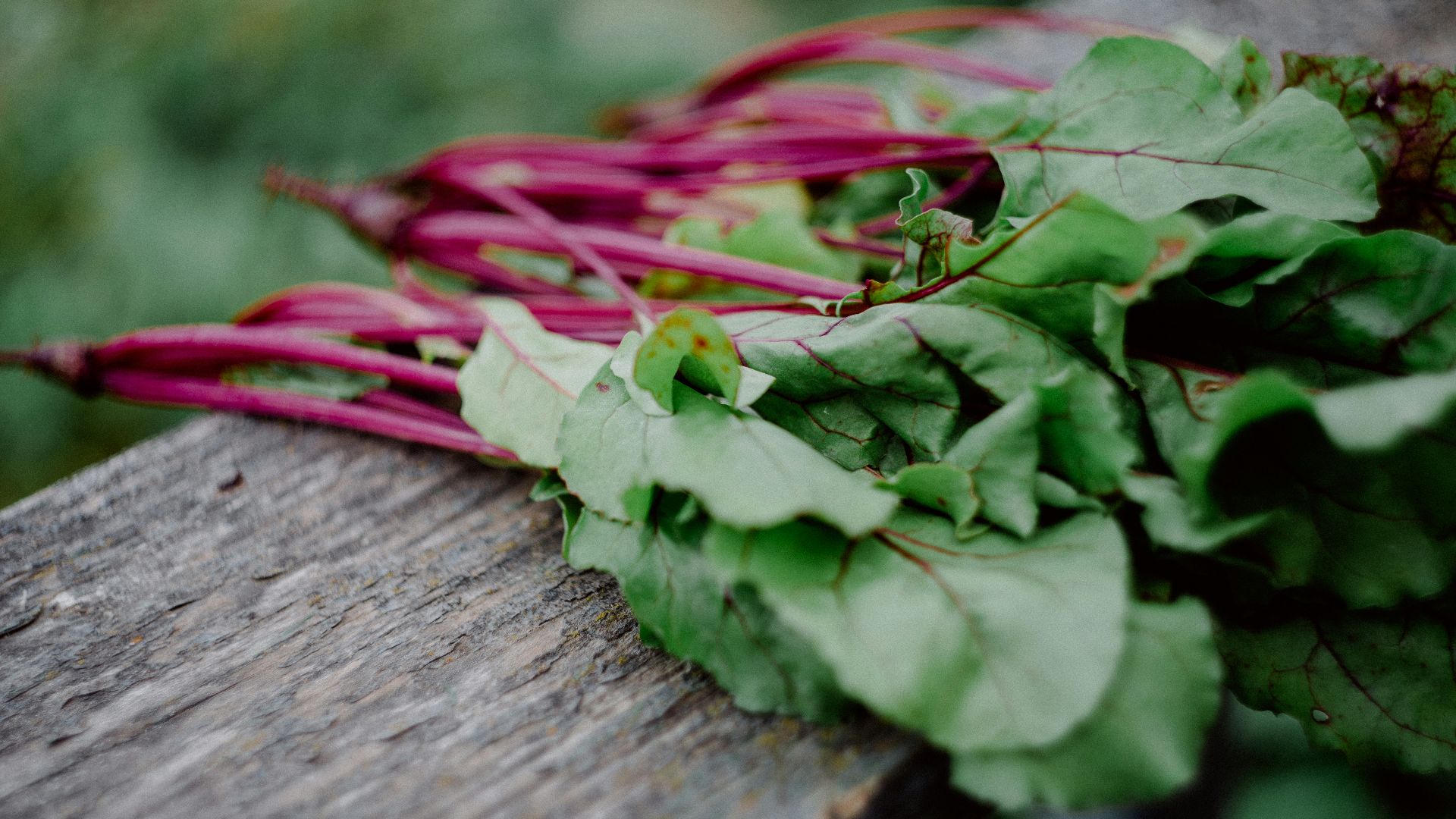
15. Beet Greens
While seeing 'beet' in its name might already seem a bit off-putting for some, it's worth trying to get over your hatred of this vegetable so you can enjoy all the nutritional value it has to offer. Enjoy them in a salad if you're not a fan of its natural flavor!
But if you're curious about their taste, just know that they're tender and slightly earthy, offering a flavor that’s reminiscent of Swiss chard. The leaves might not be popular, but throwing them away means missing out on a valuable source of vitamins A, C, and K, along with essential minerals that give these greens their nourishing reputation.
One of the standout nutrients in beet greens is iron, which supports energy levels, healthy blood flow, and red blood cell production. Combined with their naturally high vitamin C content, which helps your body absorb iron more efficiently, beet greens are especially beneficial for those looking to boost vitality and overall wellness. Their potassium levels also contribute to healthy blood pressure and muscle function.
In the kitchen, beet greens are incredibly adaptable. They cook quickly and can be sautéed with a little garlic and olive oil for an easy, nutritious side dish. You can also blend them into smoothies, mix them into omelets, or add them to soups and pastas. If you enjoy salads, young beet greens are particularly tender and delicious when eaten raw. Far from being scraps, beet greens are a flavorful, nutrient-rich ingredient that deserves a permanent spot in your kitchen.
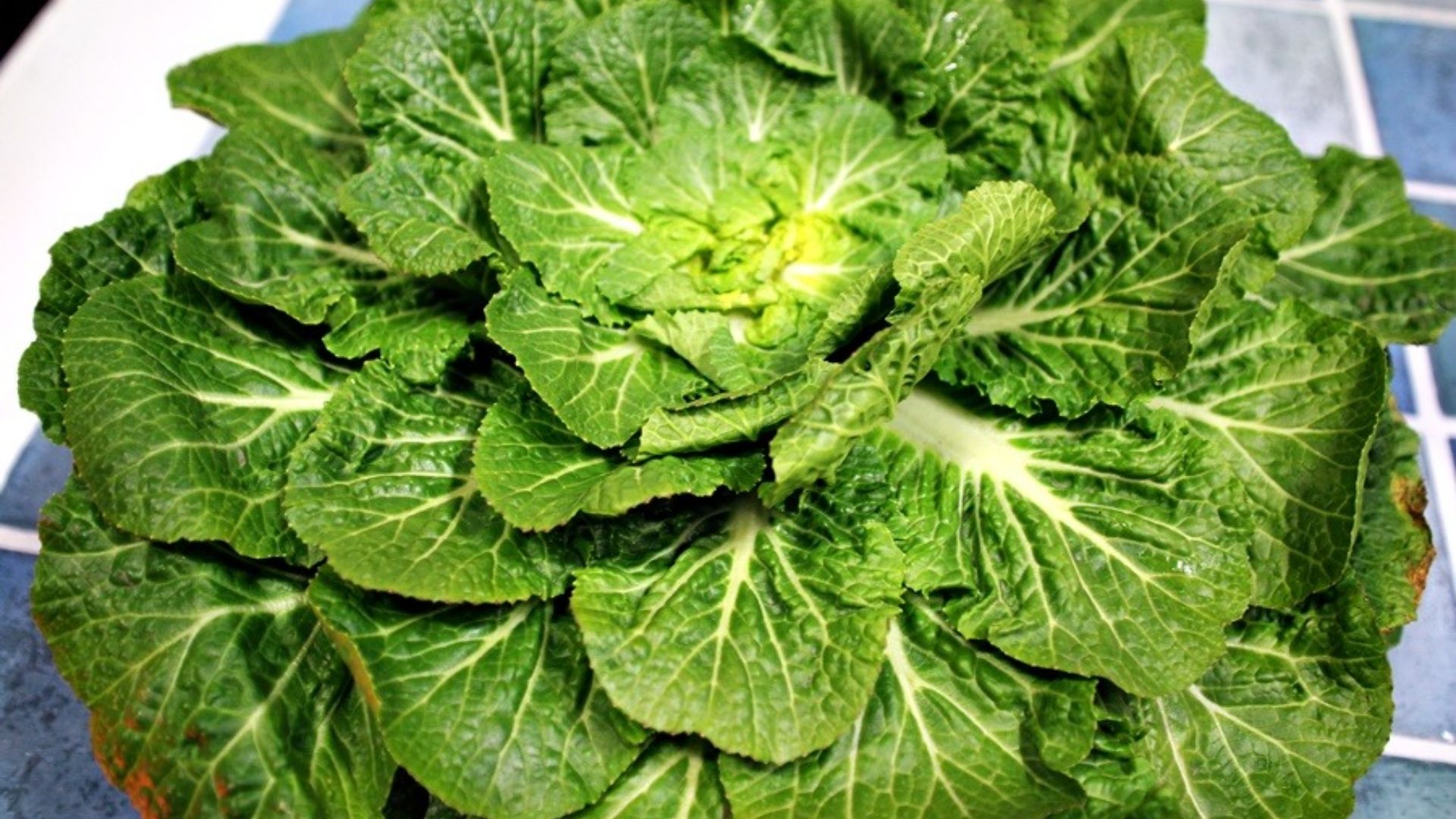
16. Bomdong
A popular leafy vegetable in South Korea, bomdong is primarily used to create kimchi and salads. It has a slightly sweet taste to its leaves that complements its crunchy texture. Said to be high in fiber, this is always a great veggie to eat if you're looking to improve your digestive functioning.
Bomdong is actually a type of early-season cabbage, which explains the gentle sweetness and soft leaves that make it so enjoyable raw. Compared to regular cabbage, bomdong has a looser head and a more delicate texture, allowing flavors to penetrate easily—perfect for dishes that rely on bold seasonings like kimchi. Its natural crunch also makes it an excellent base for fresh spring salads, especially when paired with sesame, scallions, and light citrus dressings.
Beyond its flavor and texture, bomdong is packed with nutrients that support overall wellness. Its high fiber content not only aids digestion but also helps stabilize blood sugar levels and promotes a sense of fullness, making it a smart choice for those managing their appetite. Bomdong also contains vitamins A and C, which boost immune function and support healthy skin.
In Korean cuisine, bomdong symbolizes the arrival of spring, and its fresh, bright flavor easily reflects that. While its availability can be seasonal in some places, it's a wonderful vegetable to seek out at Asian grocery stores or farmers markets.
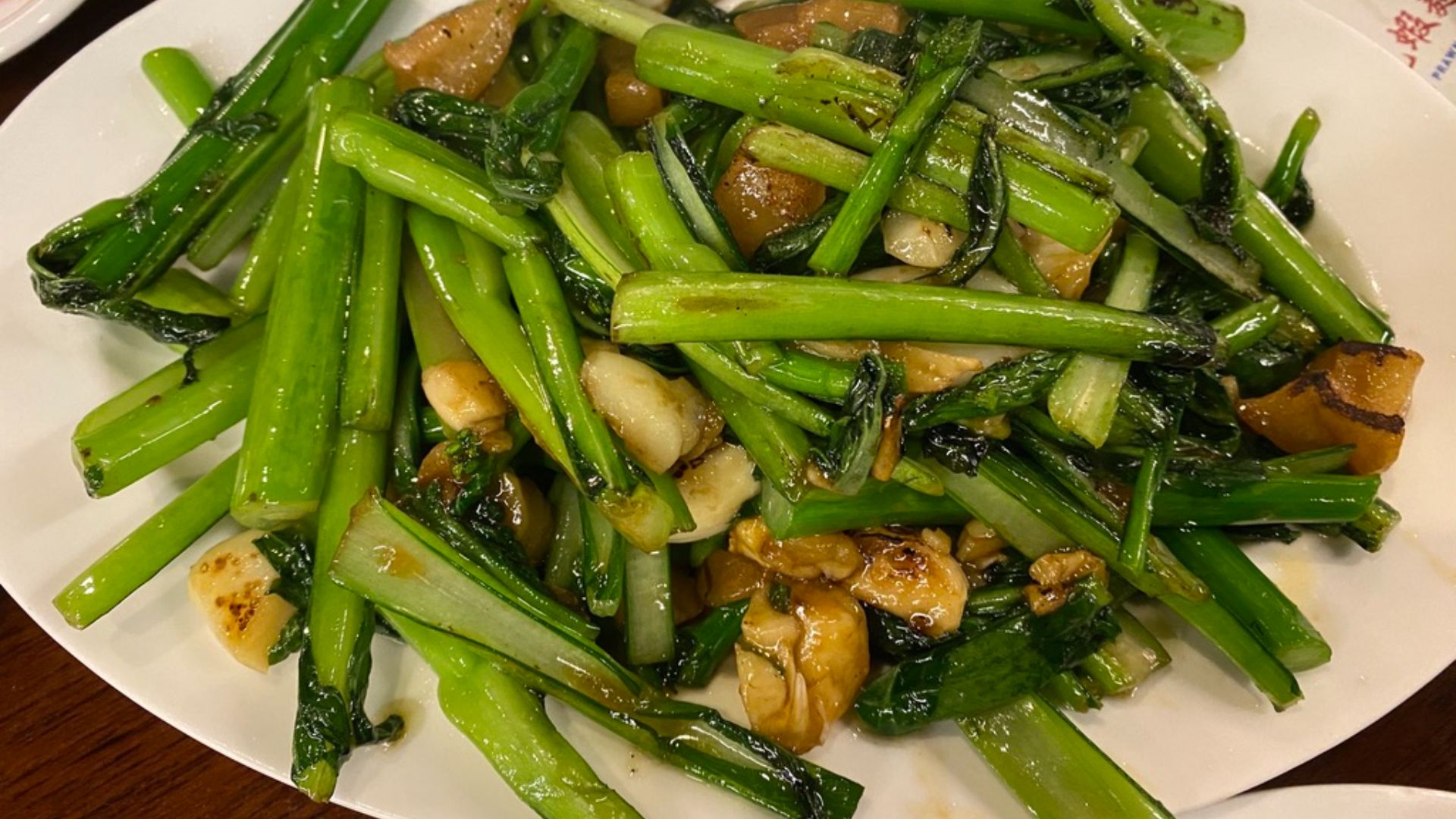
17. Gai Lan
Also known as Chinese broccoli, you've likely had Gai Lan in a Chinese dish without even knowing. Known for being especially high in calcium, you can count on this leafy green to help strengthen your bones. It also contains iron and vitamins that promote a healthy body.
Gai lan has long, tender stalks and broad, dark leaves that offer a slightly more pronounced flavor than traditional broccoli, but it is still mild enough to complement a wide range of dishes. Often stir-fried or steamed, this leafy green is a staple in Cantonese cooking, frequently served with oyster sauce or garlic for a simple, flavorful side.
Nutritionally, gai lan brings an impressive lineup of vitamins A, C, and K—all essential for supporting immunity, bone health, and proper blood clotting. Its calcium content makes it one of the best bone-supporting greens available, especially for those who don't consume dairy. The iron in gai lan also plays an important role in maintaining healthy energy levels and supporting oxygen transport throughout the body.
With an exceptionally quick cooking time, this makes gai lan perfect for busy weeknight meals. A brief blanch followed by a fast stir-fry helps retain its crisp texture and bright green color. Whether paired with noodles or rice, gai lan adds both great flavor and a boost of essential nutrients to your plate.
18. Lettuce
While most people say lettuce is empty calories, you can't ignore that it's a great vegetable that helps with weight loss. Though you might not be getting the same nutritional intake as say, using spinach or kale as your main salad green, lettuce is still a beneficial leafy green in other ways.
For one, lettuce comes in far more varieties than many people realize, each offering its own unique texture, flavor, and nutritional profile. Crisphead lettuce provides a nice crunch, Romaine offers sturdy leaves and a richer taste, while butterhead varieties like Bibb and Boston lettuce bring a different texture and a delicate sweetness. These differences make lettuce one of the most versatile greens, easily customizing the overall feel of any dish.
Though lighter in vitamins compared to other leafy greens, lettuce still contributes hydration, fiber, and essential minerals. Because it's composed mostly of water, it helps keep you hydrated throughout the day, making it an excellent choice during warmer months or for those who struggle to drink enough fluids. Its mild flavor also encourages people to consume larger portions of vegetables without feeling overwhelmed—an important habit for building healthier eating patterns.
Just think of it this way: Lettuce serves as a perfect foundation for nutrient-packed meals. By pairing it with protein, healthy fats, and other colorful vegetables, you instantly create balanced dishes that support energy levels and satiety.
It can also be used beyond salads—think lettuce wraps, sandwich toppers, smoothie additions, or even grilled for a fun twist. While it may not be the star of the superfood world, lettuce earns its keep by being refreshing, adaptable, and endlessly useful in the kitchen.

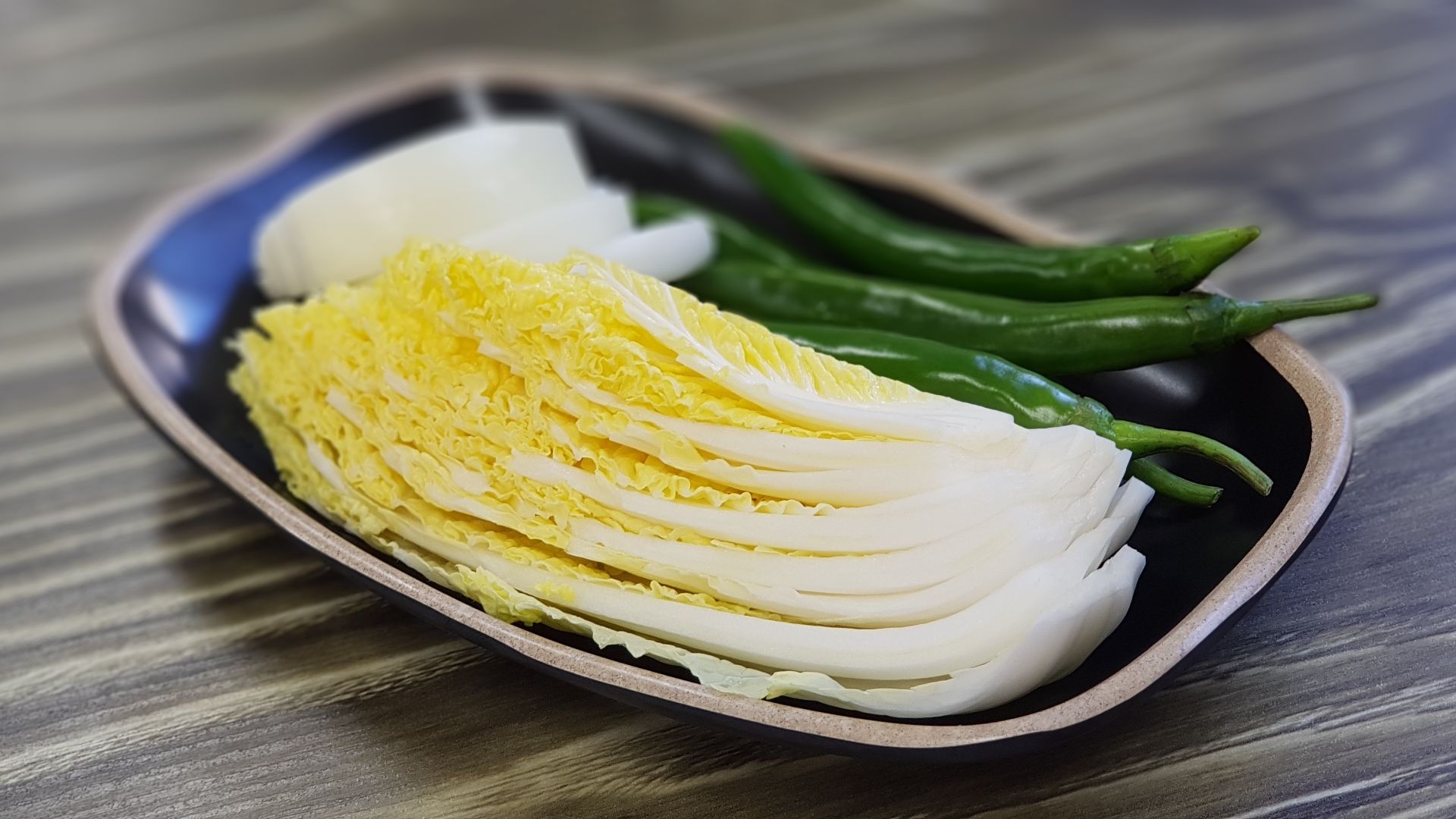
19. Napa Cabbage
This Chinese cabbage is commonly used in Asian cuisines. High in the usual goodies like vitamins, iron, and folate, Napa cabbage is also rich with manganese which helps with inflammatory disorders and decreases the risk of stroke. It has a very different texture from the usual cabbage, so if you haven't tried it, give it a shot - you may like it more!
Napa cabbage has a naturally sweet, tender quality that makes it a favorite for everything from stir-fries to soups to dumpling fillings. Its crisp leaves soften when cooked yet maintain a pleasant bite that creates a satisfying texture that sets it apart from traditional round cabbage. It absorbs flavors effortlessly, making it an excellent choice for dishes like kimchi, hot pot, and noodle soups.
In addition to its manganese and folate content, Napa cabbage offers vitamins A and C, which help strengthen immunity and support glowing skin. Its fiber helps promote healthy digestion, while its low-calorie count makes it a great ingredient for meals that are both light and filling. Last but not least, the presence of antioxidants in Napa cabbage contributes to reducing inflammation and supporting long-term health.
Because Napa cabbage cooks evenly and quickly, it's especially user-friendly for home cooks. It can be sliced thinly into salads, chopped into soups, or sautéed with garlic and ginger for a simple side dish. Its mild flavor makes it an excellent choice for people who want the benefits of cruciferous vegetables without the strong bitterness sometimes associated with them.
20. Pea Shoots
Packed with a lot of vitamin C in every bite, pea shoots are a lesser-known green vegetable that deserves more love. While they help boost your overall energy levels and improve immune functioning, pea shoots also prevent constipation and heart disease.
Pea shoots are tender, bright, and slightly sweet, with a delicate flavor reminiscent of fresh peas straight from the garden. They're common in Chinese cuisine, often stir-fried with garlic or tossed into soups for a quick burst of freshness (and nutrients!).
From a nutritional standpoint, pea shoots pack an impressive punch despite their delicate appearance. Along with Vitamin C, they contain Vitamin A, Vitamin K, and Folate—all essential for supporting immunity, vision, bone health, and cell growth. Their fiber content keeps digestion running smoothly, while their antioxidants help protect the body from free-radical damage and inflammation. Pea shoots are also high in plant-based protein compared to many other greens, making them a valuable addition to vegetarian and vegan diets.
Their versatility in the kitchen is another reason pea shoots deserve more attention. They can be tossed into salads, layered on sandwiches, blended into smoothies, or sautéed in minutes for a nutrient-rich side dish. Their light flavor makes them an easy way to add more greens into your meals without overwhelming other ingredients. For anyone looking to add variety and vitality to their diet, pea shoots are a delightful and nourishing choice.

KEEP ON READING



20 Dishes That Define Modern American Cuisine