20 Poisonous Foods Humans Have Somehow Developed A Tolerance To
Humans Really Will Eat Anything
You might be surprised to learn that your kitchen pantry is essentially a low-stakes chemical lab. Evolution has spent millions of years arming plants and animals with nasty toxins to keep them from being eaten, yet humans have stubbornly decided to put them on the dinner menu anyway. Through a mix of clever cooking techniques, careful breeding, and a bit of biological luck, we’ve figured out how to enjoy these "forbidden" snacks without ending up in the emergency room. It’s a testament to human stubbornness that we’ve looked at some of the deadliest things in nature and wondered if they’d taste better with a little bit of butter and salt.
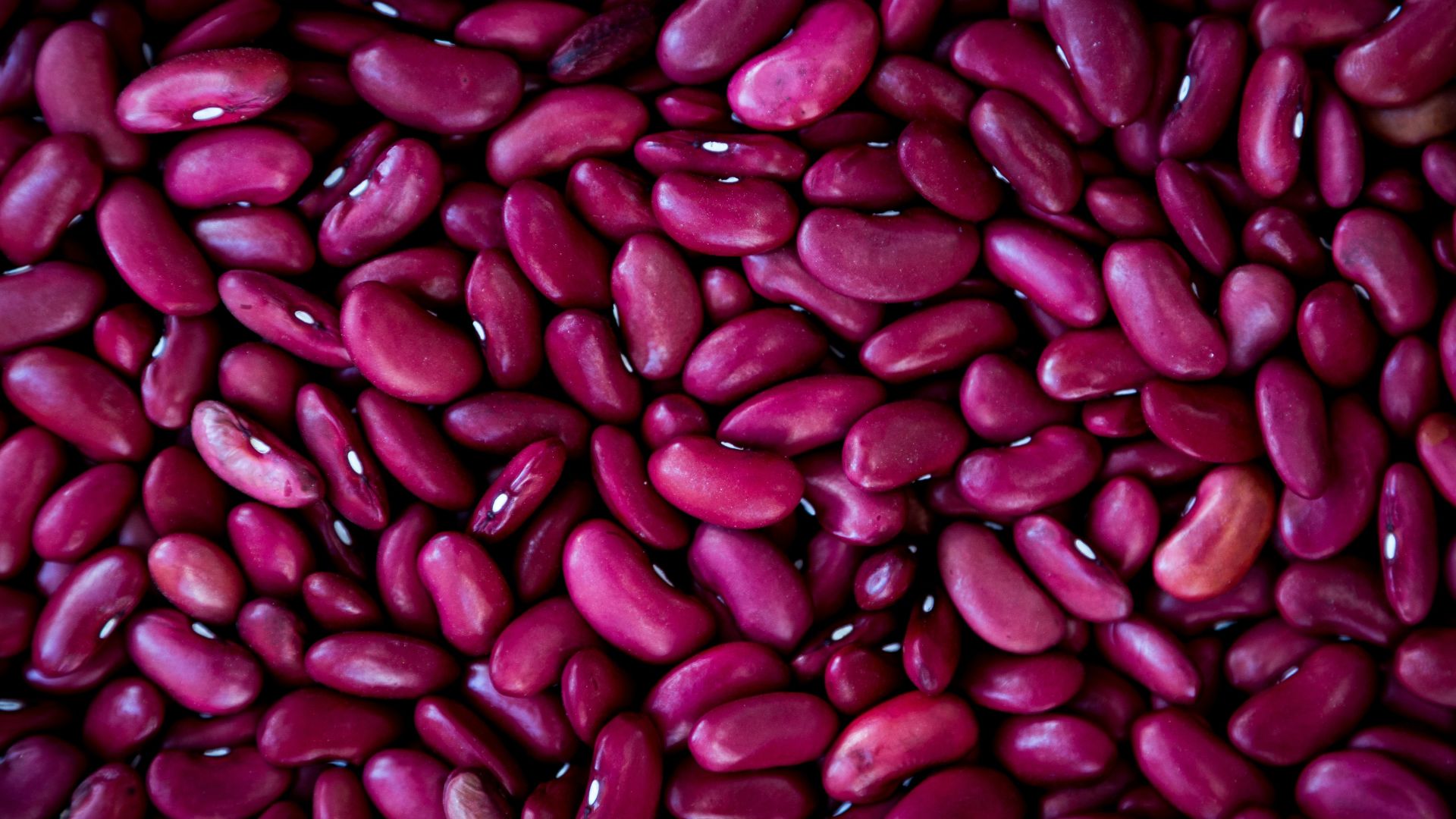
1. Kidney Beans
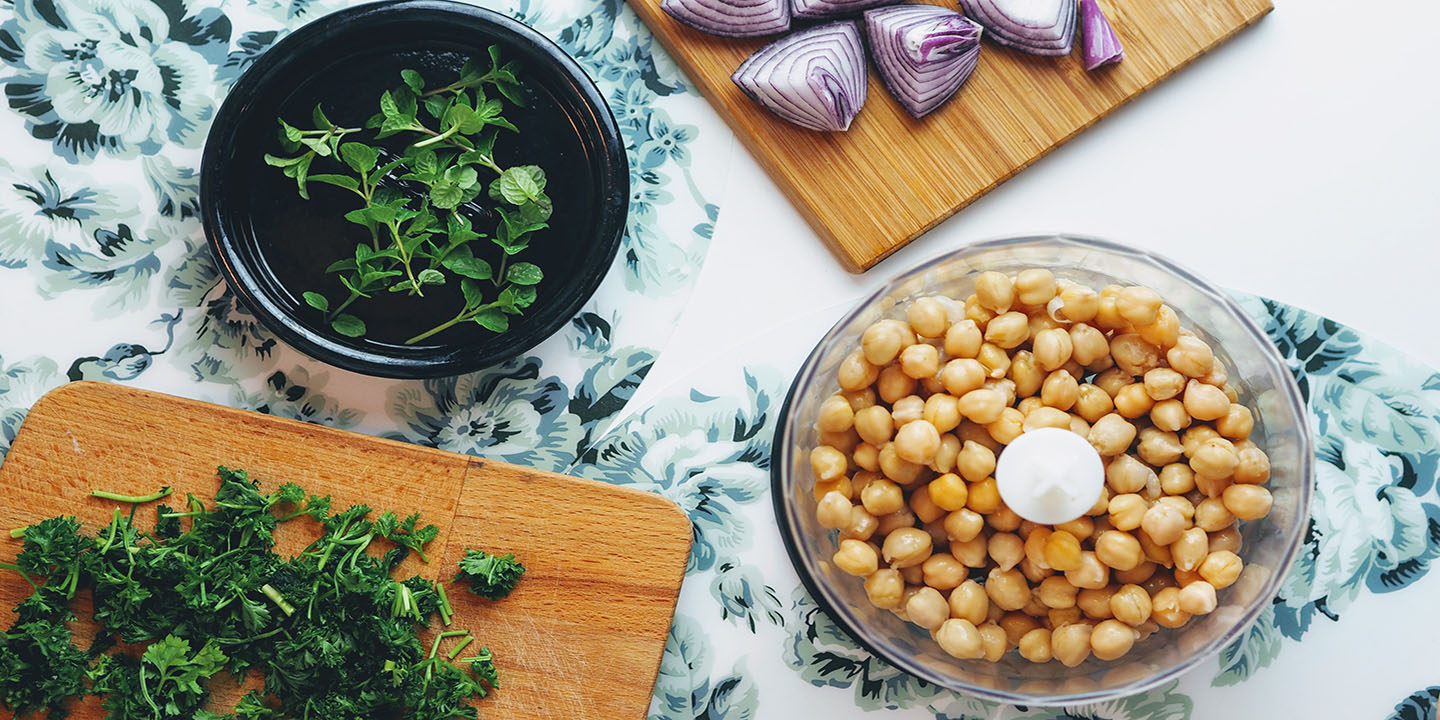
If you ever decide to eat these legumes raw, you’ll likely experience some of the most intense stomach pain of your life. They contain a high concentration of phytohaemagglutinin, a toxin that can make you incredibly sick after eating just a handful of uncooked beans. Luckily, boiling them at high temperatures completely neutralizes the danger, turning a potential poison into a high-protein staple for your favorite chili recipe.
 Volodymyr Hryshchenko on Unsplash
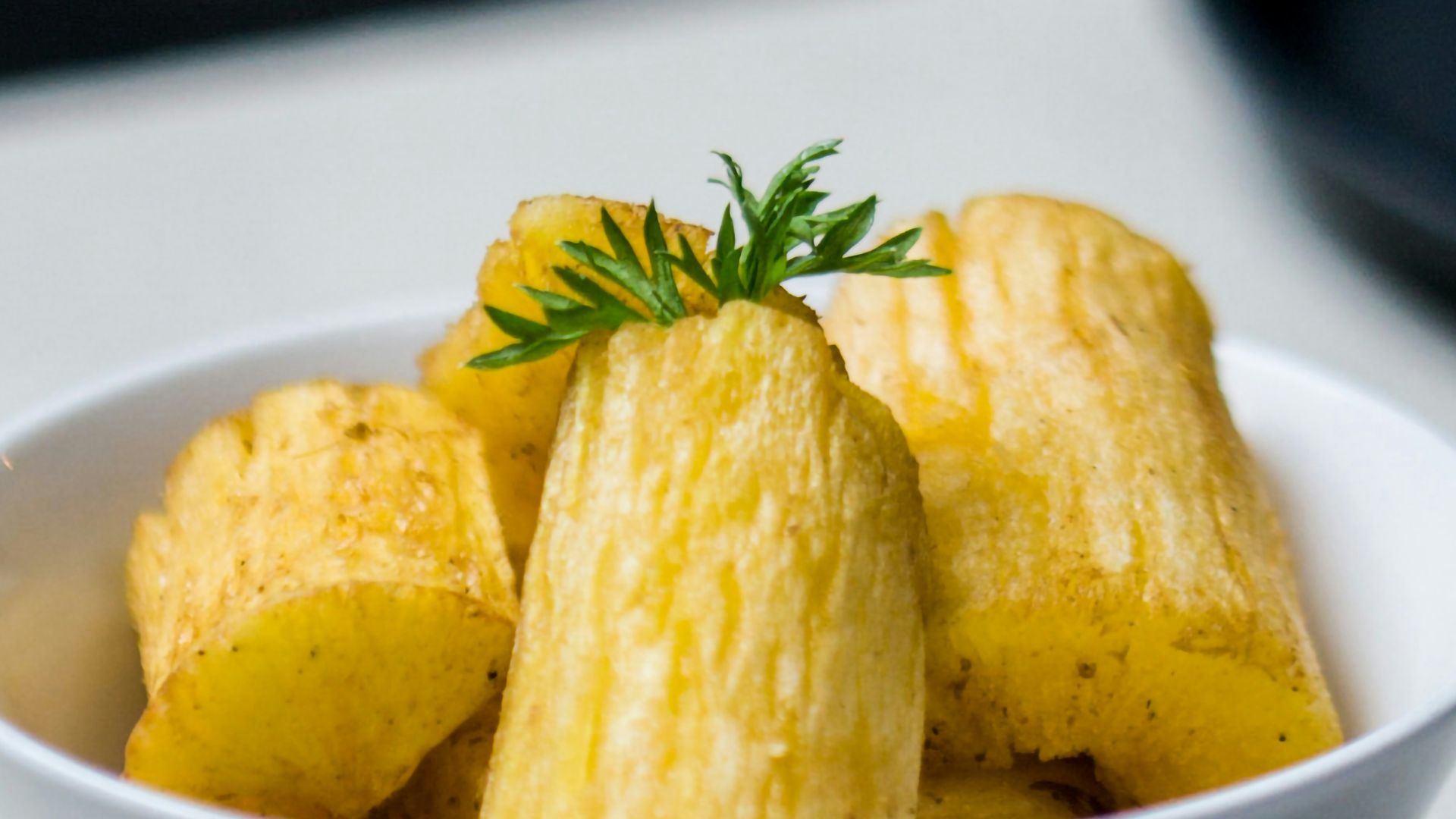
2. Cassava
This starchy root is a major source of calories for millions of people, but it hides a deadly secret in the form of cyanide. You have to peel, soak, and cook it thoroughly to ensure the toxic compounds are washed away before it’s safe for human consumption. If you skip these crucial preparation steps, the "bitter" variety of this plant can be truly lethal, so it's best to follow traditional recipes very closely.
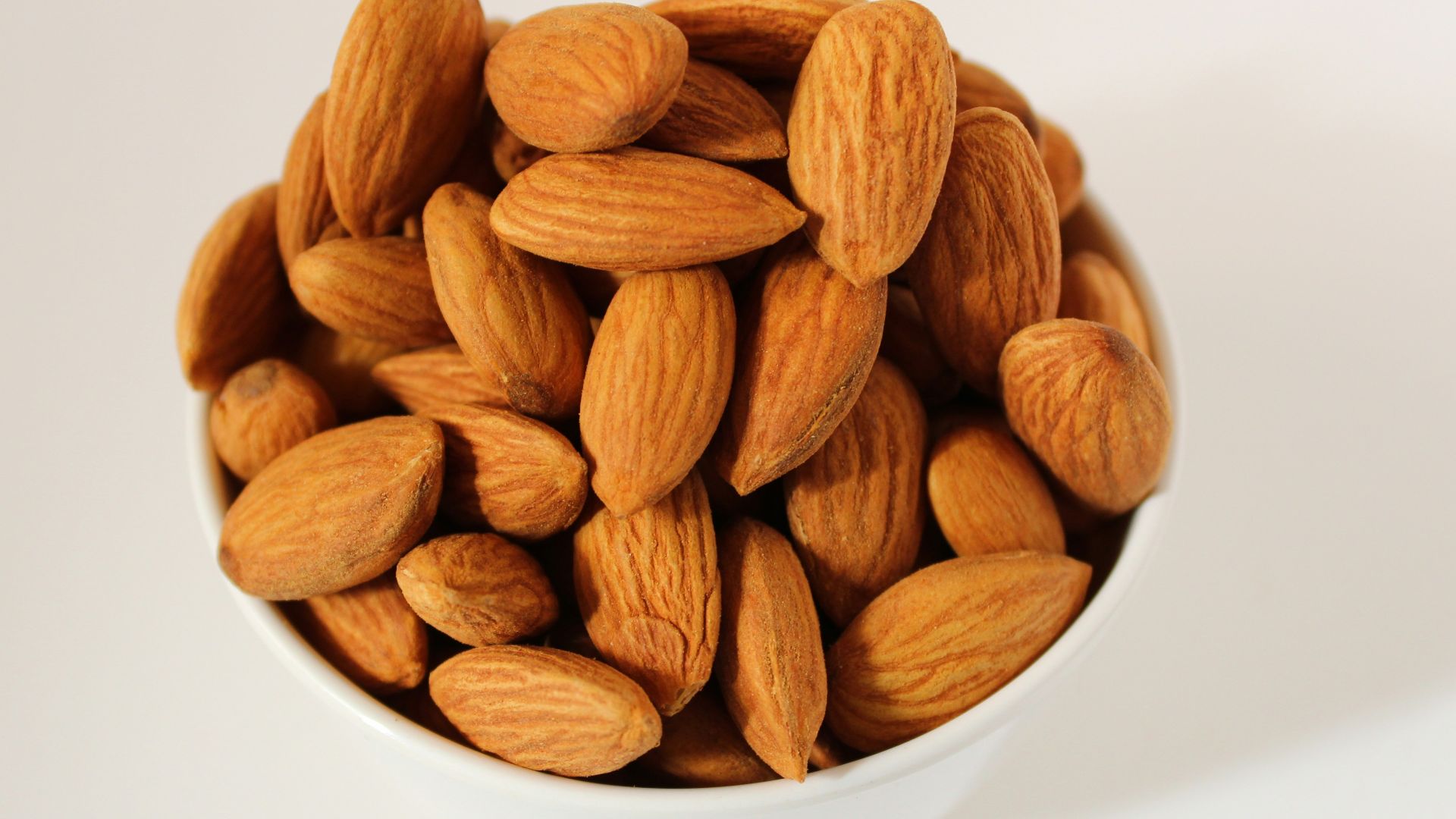
3. Almonds
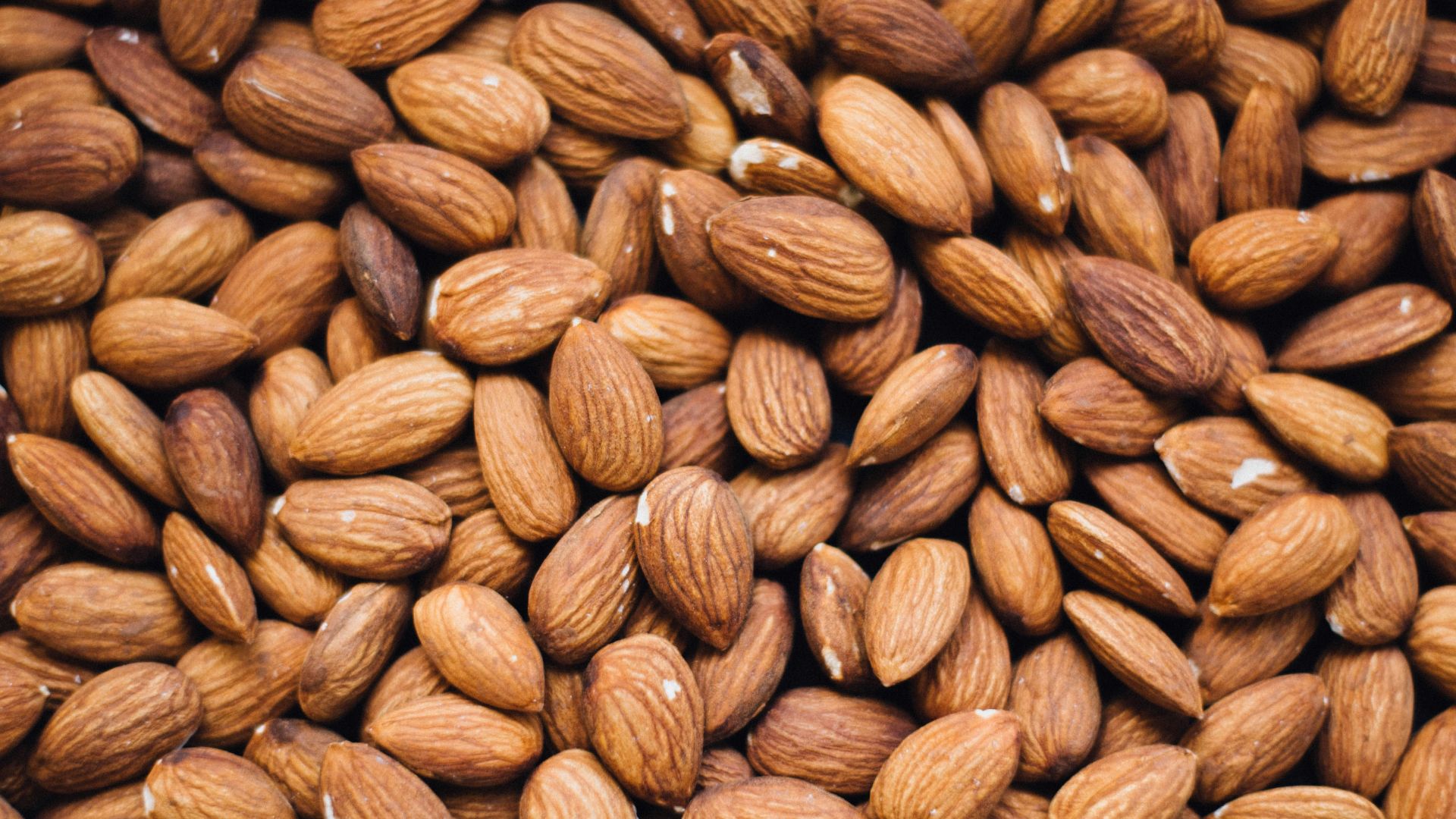
The sweet almonds you buy at the grocery store are perfectly fine, but their wild "bitter" cousins are packed with enough cyanide to kill an adult. We’ve essentially domesticated the poison out of the trees we farm today, allowing us to enjoy the nutty flavor without the side of respiratory failure. You’d need to process wild almonds through intense heat to make them even remotely edible, which is why we stick to the store-bought versions.
4. Rhubarb Leaves
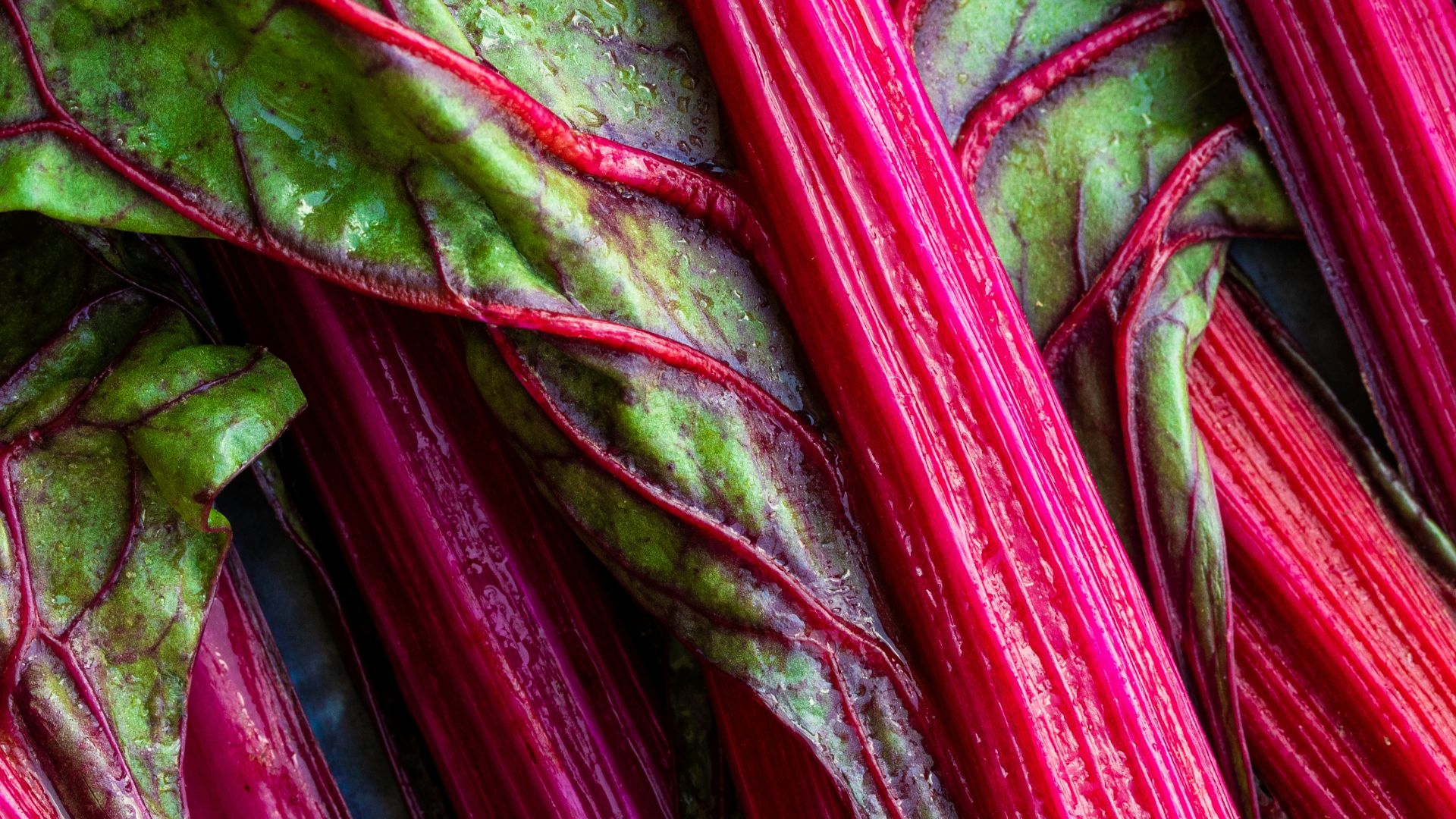
While the tart red stalks make for an excellent pie, you should never toss the large green leaves into your salad bowl. They’re loaded with oxalic acid, a compound that can cause kidney failure or even death if you consume enough of it at once. Humans have learned to strictly separate the plant parts, keeping the safe stems for dessert while treating the foliage like the hazardous waste it actually is.
5. Fugu (Pufferfish)
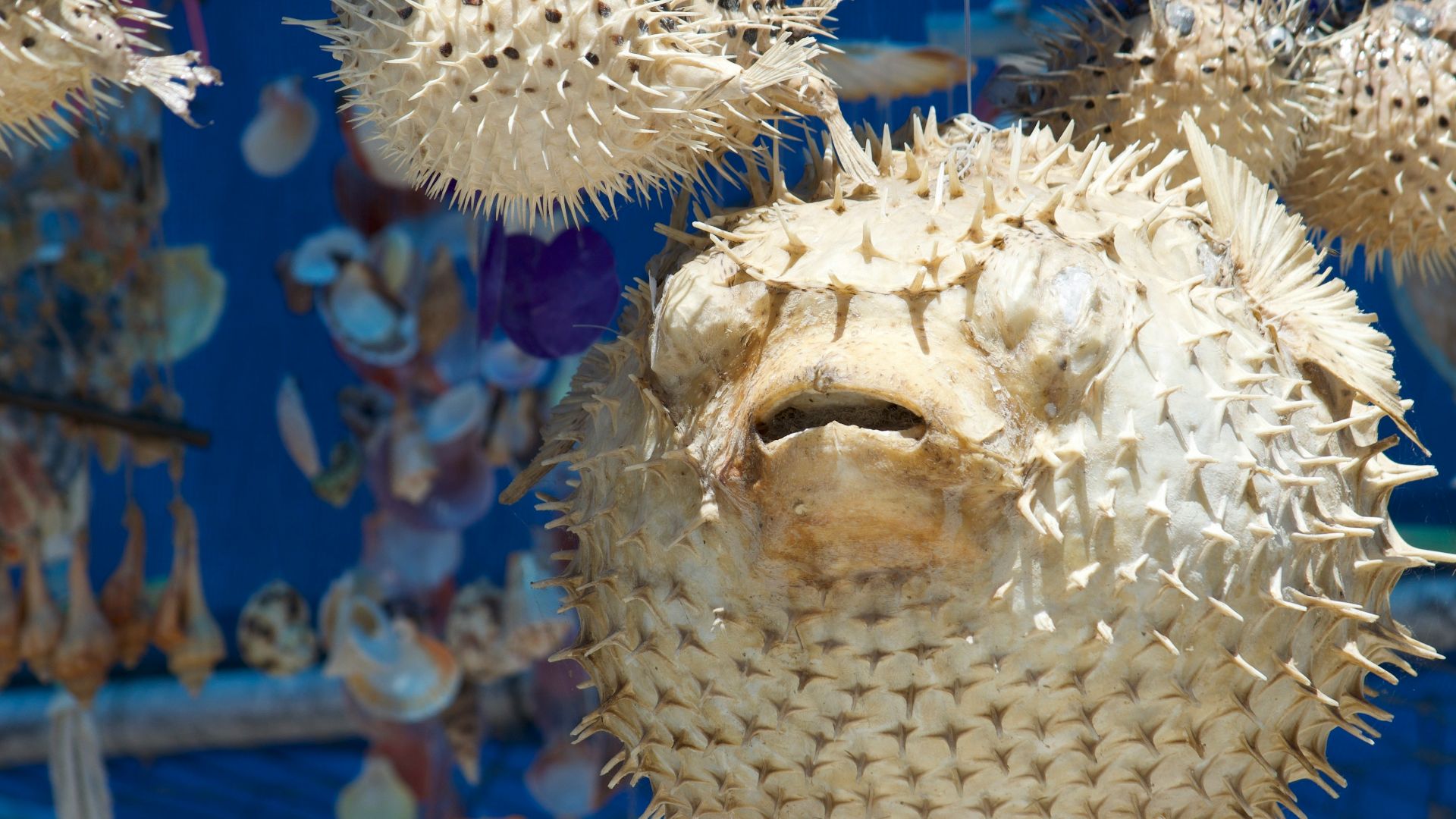
This Japanese delicacy contains tetrodotoxin, a poison that’s over a thousand times more effective at ending a life than cyanide. Only licensed chefs who have trained for years are allowed to prepare it because one wrong cut can contaminate the meat and paralyze the diner. You’re basically paying for the thrill of eating something that could stop your heart if the cook had a slightly off day.
6. Cashews
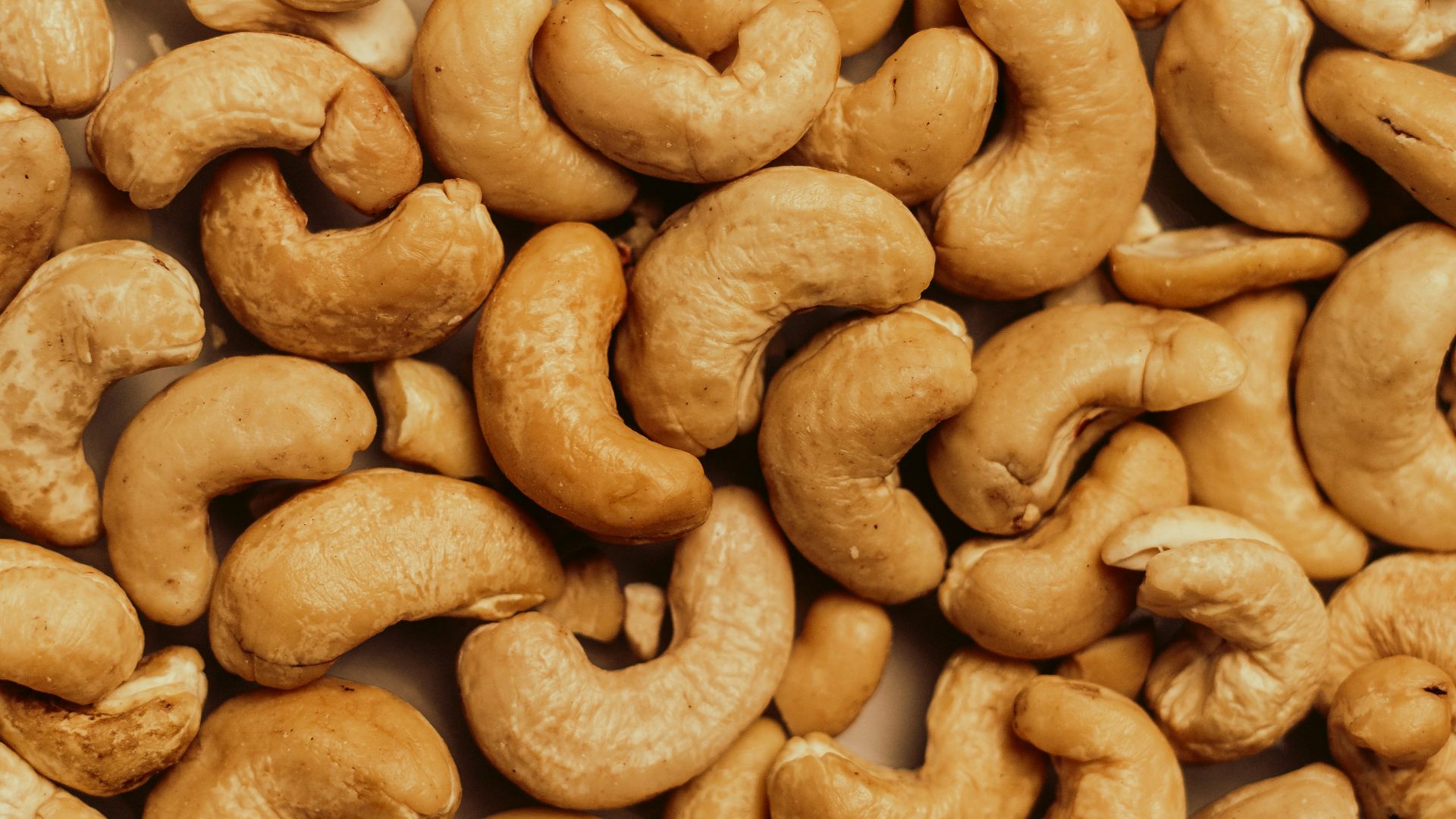
You’ll never see these nuts sold in their shells because the outer casing is dripping with urushiol, the same itchy chemical found in poison ivy. The "raw" cashews you see in the store have actually been steamed or roasted to strip away the oily toxins that would otherwise blister your mouth. It takes a lot of industrial processing to make these creamy snacks safe enough for you to grab a handful during a movie.
7. Nutmeg
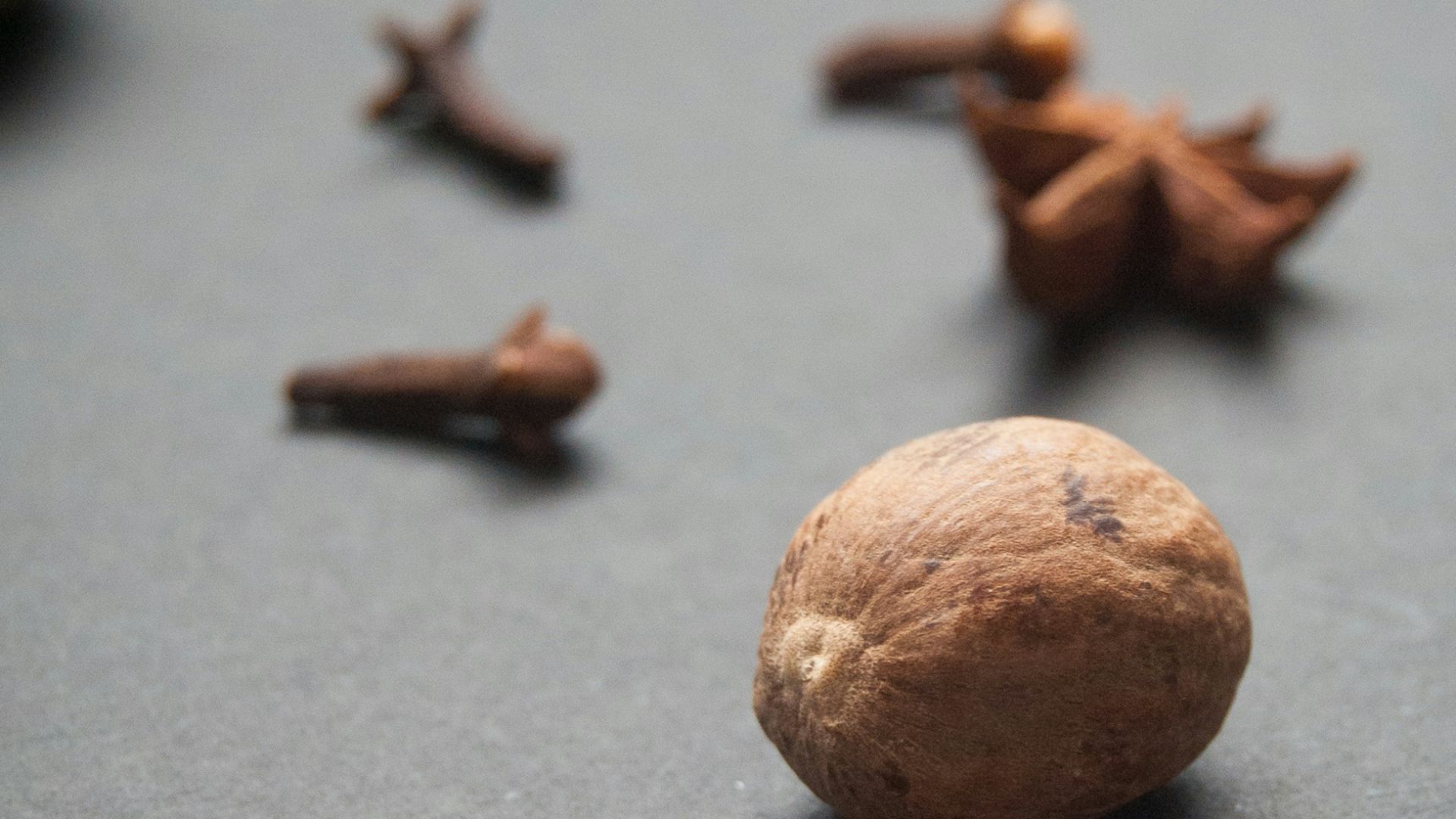
Grating a little bit of this spice onto your eggnog is harmless, but consuming large quantities can lead to a terrifying condition called "nutmeg psychosis." It contains myristicin, a psychoactive substance that causes hallucinations, nausea, and heart palpitations if you overindulge. We’ve developed a tolerance for small doses as a flavoring, but you definitely don't want to treat this spice like a main course.
8. Elderberries
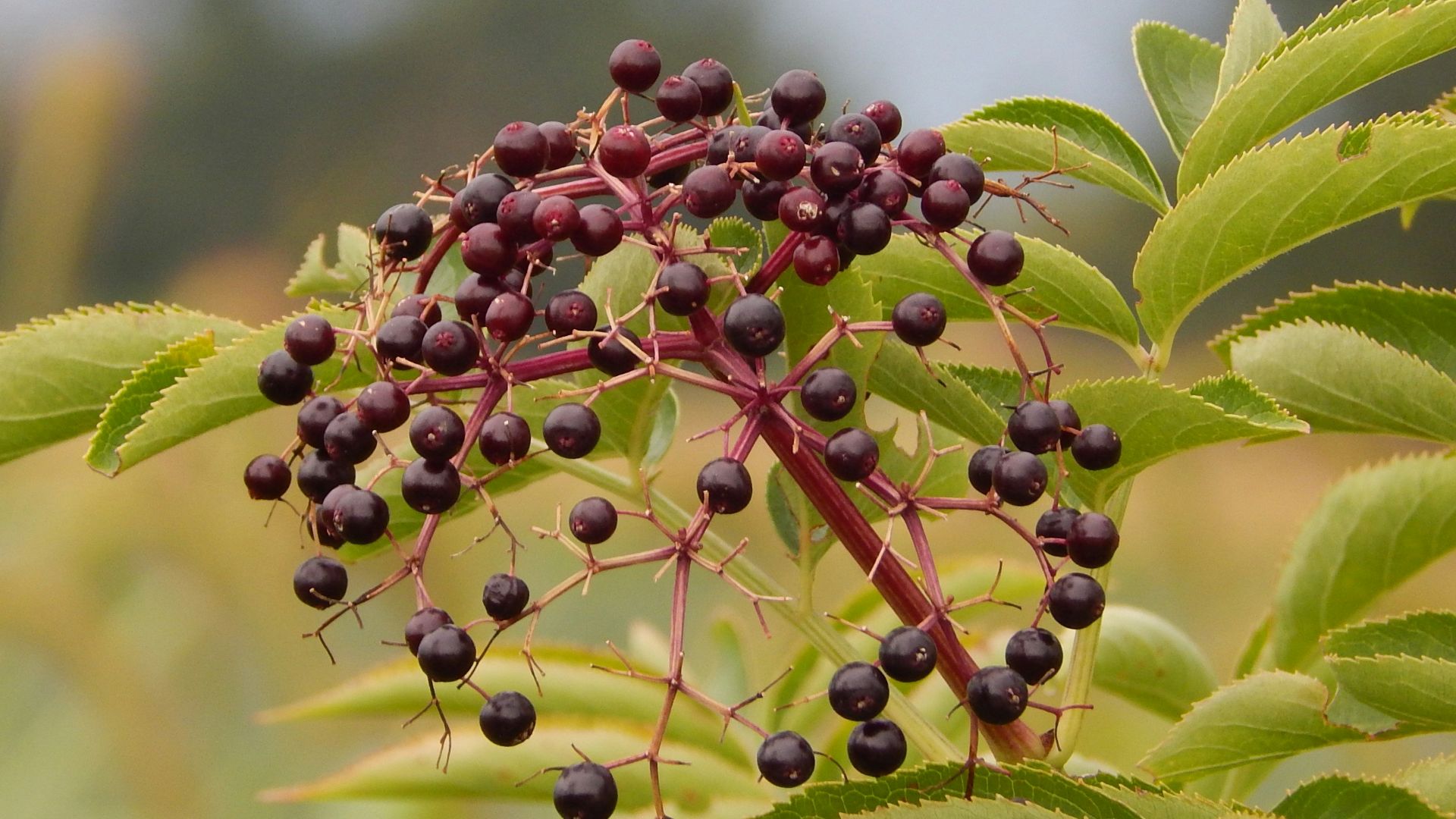
These tiny fruits are famous for boosting the immune system, but eating them raw can lead to a very bad time in the bathroom. The seeds, stems, and leaves contain cyanogenic glycosides that turn into cyanide once they hit your stomach. You have to cook the berries down into a syrup or jam to break those chemicals apart, which luckily makes them taste much better too.
9. Potatoes
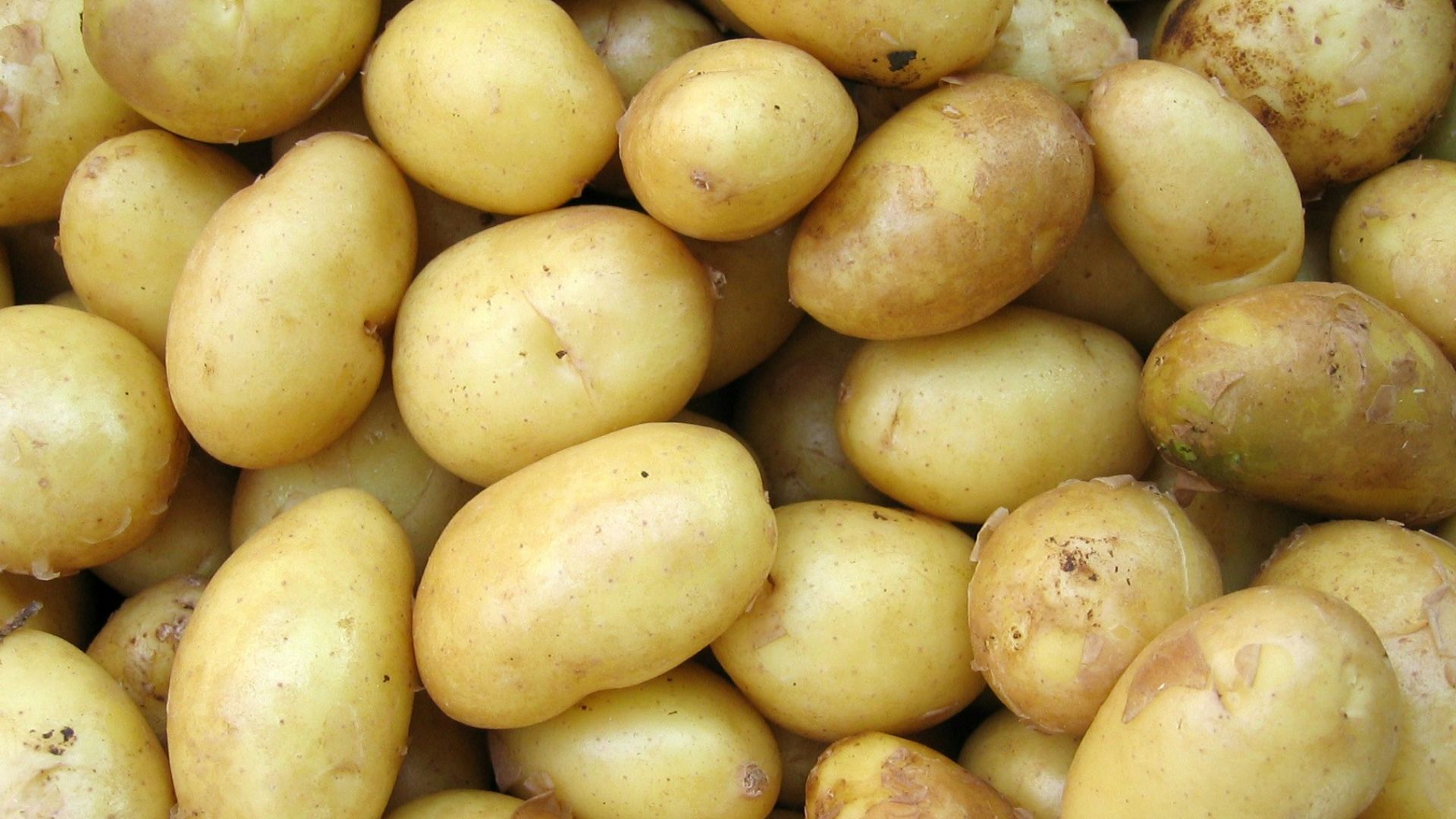
When these tubers sit in the sun for too long and turn green, they start producing a toxic alkaloid called solanine. You should always cut away the green spots or just toss the whole spud if it looks like it’s trying to photosynthesize. While a few bites might just give you a headache, eating a large amount of green potato can lead to neurological problems and severe digestive distress.
10. Ackee
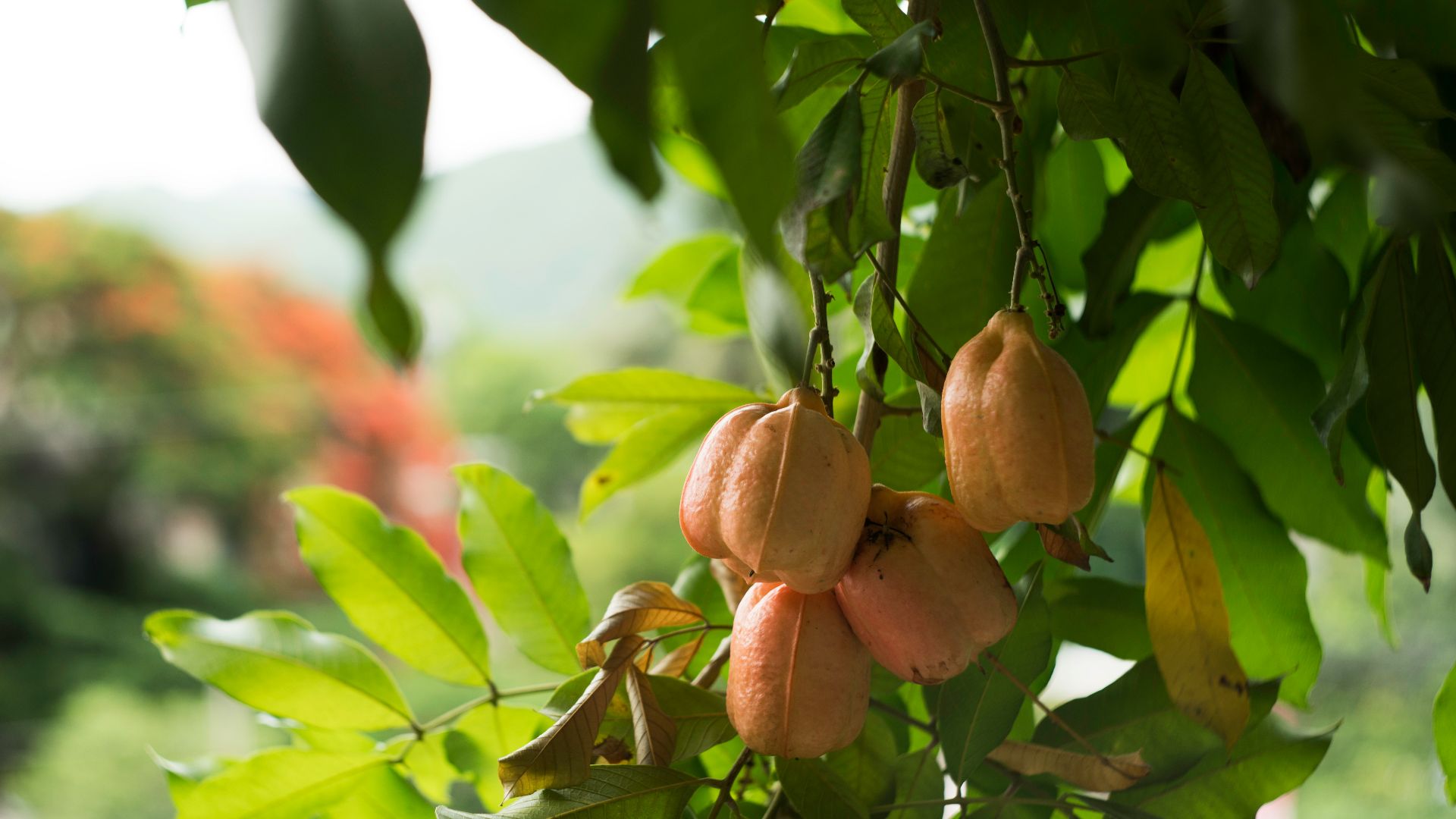
Jamaica’s national fruit is delicious when ripe, but it can be a death sentence if you pick it before it’s ready to open naturally. Unripe ackee contains hypoglycin A, a toxin that causes blood sugar to drop so low that it can lead to coma or death. You have to wait until the fruit "yawns" open on the tree, proving that patience is a literal life-saver when it comes to tropical produce.
 Elite Inception Co on Unsplash
11. Cherries
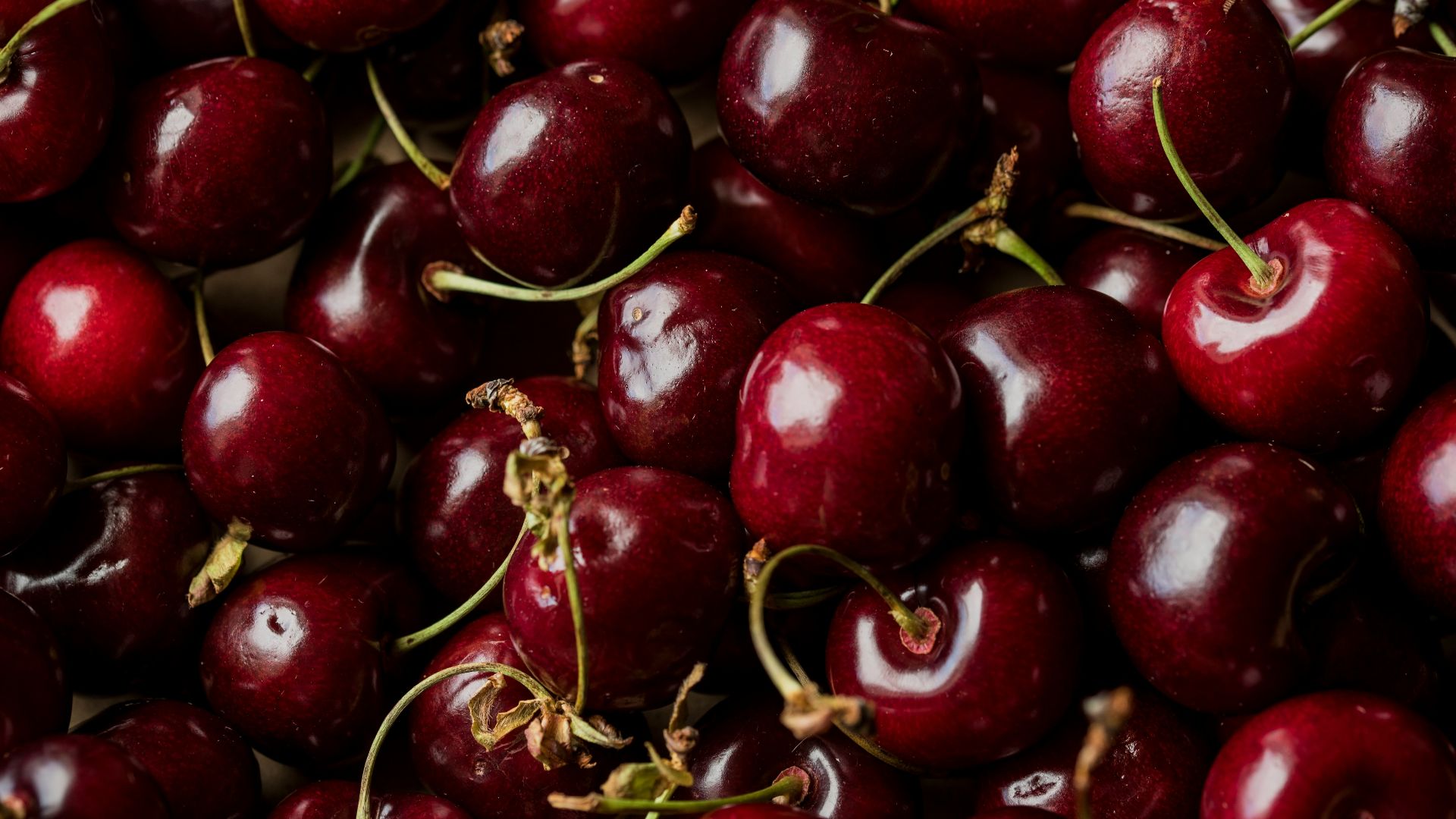
You probably don't think of this summer fruit as dangerous, but the pits are essentially tiny cyanide capsules. If you accidentally swallow one whole, it’ll likely pass right through you without any issues since the hard shell protects you. However, if you chew or crush the pits, you release the toxic chemicals inside, so you should definitely teach kids to spit them out every single time.
12. Tomatoes
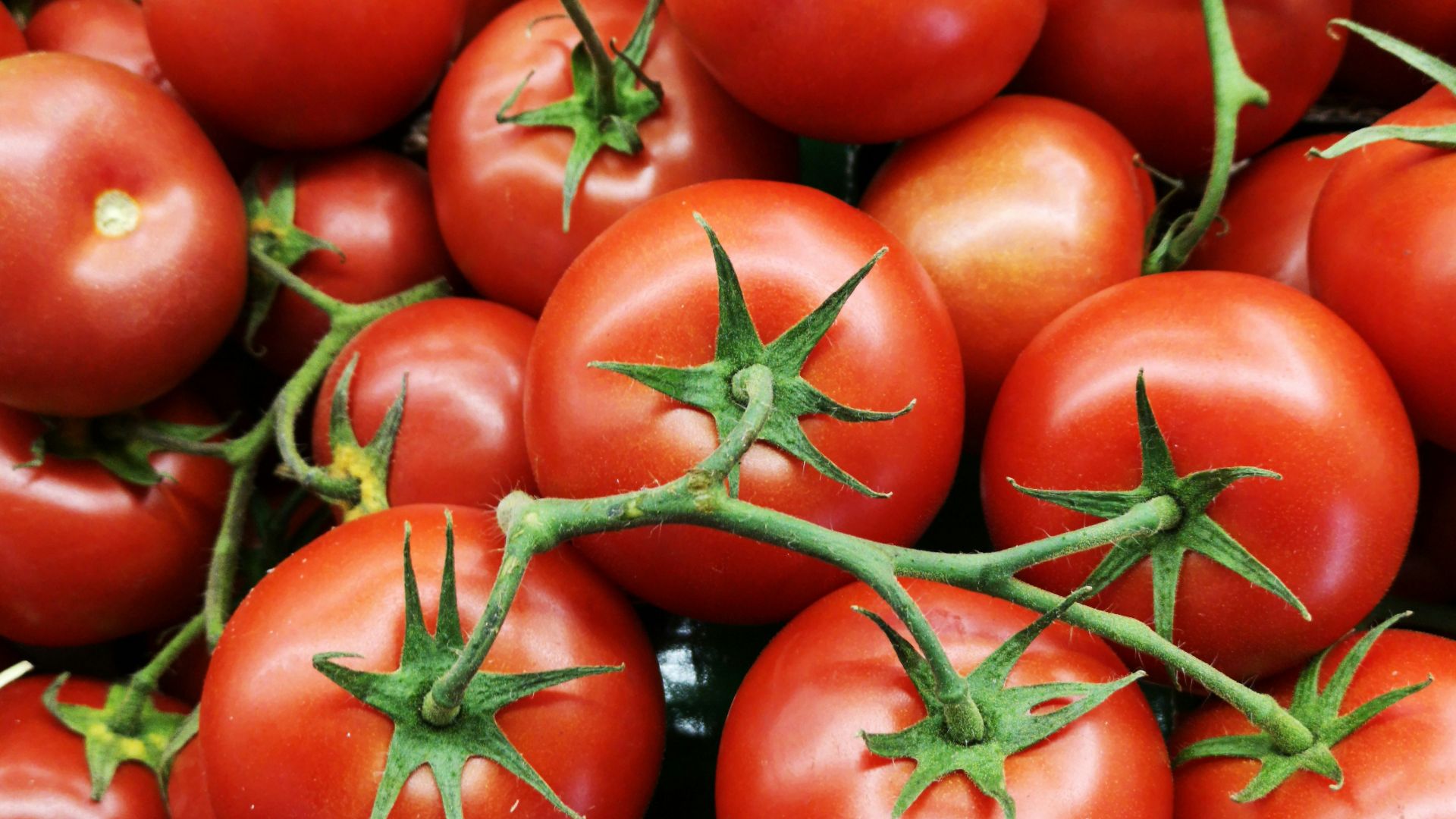
For a long time, people in Europe were terrified to eat these because they belong to the nightshade family, which is famous for being poisonous. The leaves and stems do actually contain small amounts of tomatine and solanine, which can cause upset stomachs if consumed in bulk. We’ve realized the red fruit itself is perfectly safe, but the plant's foliage is still something you want to keep away from your dinner plate.
13. Mushrooms
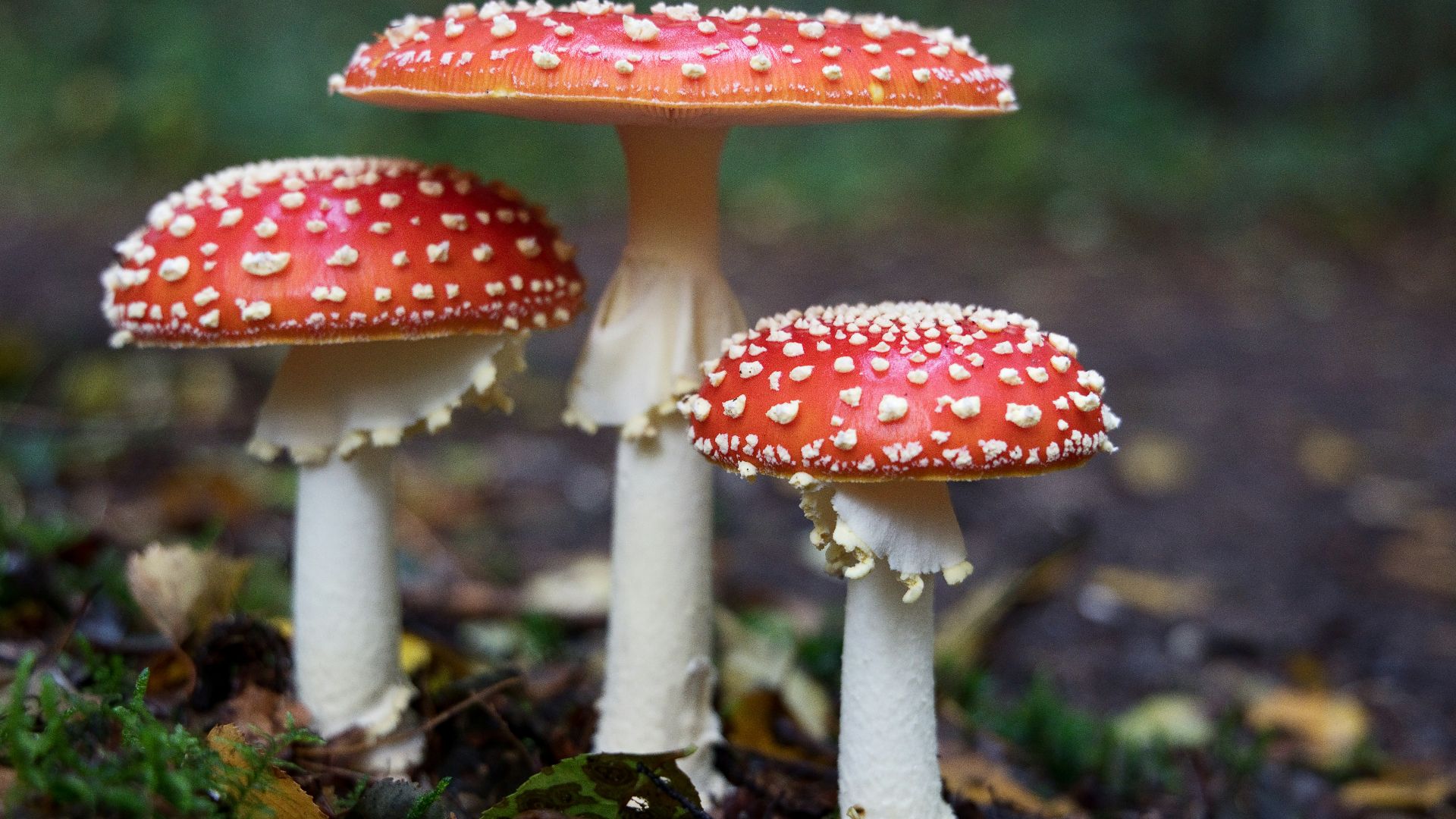
There are thousands of fungi in the woods, and while many are tasty, a huge portion of them will cause organ failure within hours. Humans have spent centuries of trial and error (mostly error) figuring out which ones are culinary gems and which ones are "death caps." We’ve developed a tolerance for the edible varieties, but the margin for error in the wild is still incredibly thin for the average hiker.
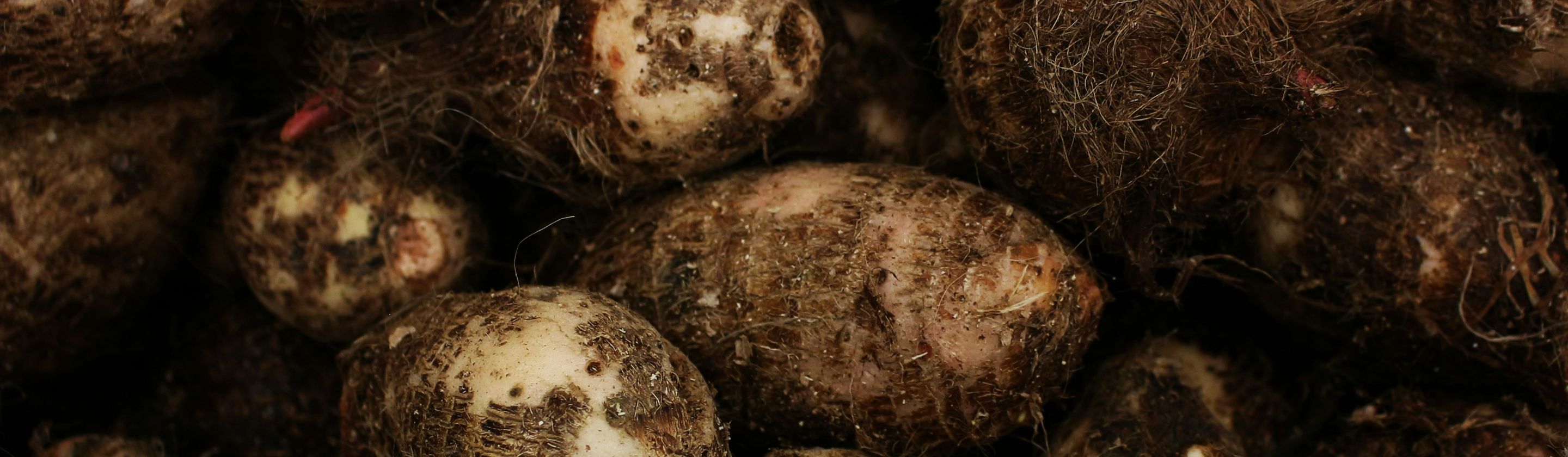
14. Taro
This root vegetable is a staple in many cultures, yet it’s naturally filled with needle-shaped calcium oxalate crystals that feel like eating a bowl of tiny shards of glass. You must cook taro thoroughly or soak it overnight to dissolve these sharp minerals before it’s safe to swallow. Once the crystals are gone, it becomes a creamy and nutritious starch that you can enjoy without feeling like your throat is on fire.
15. Honey
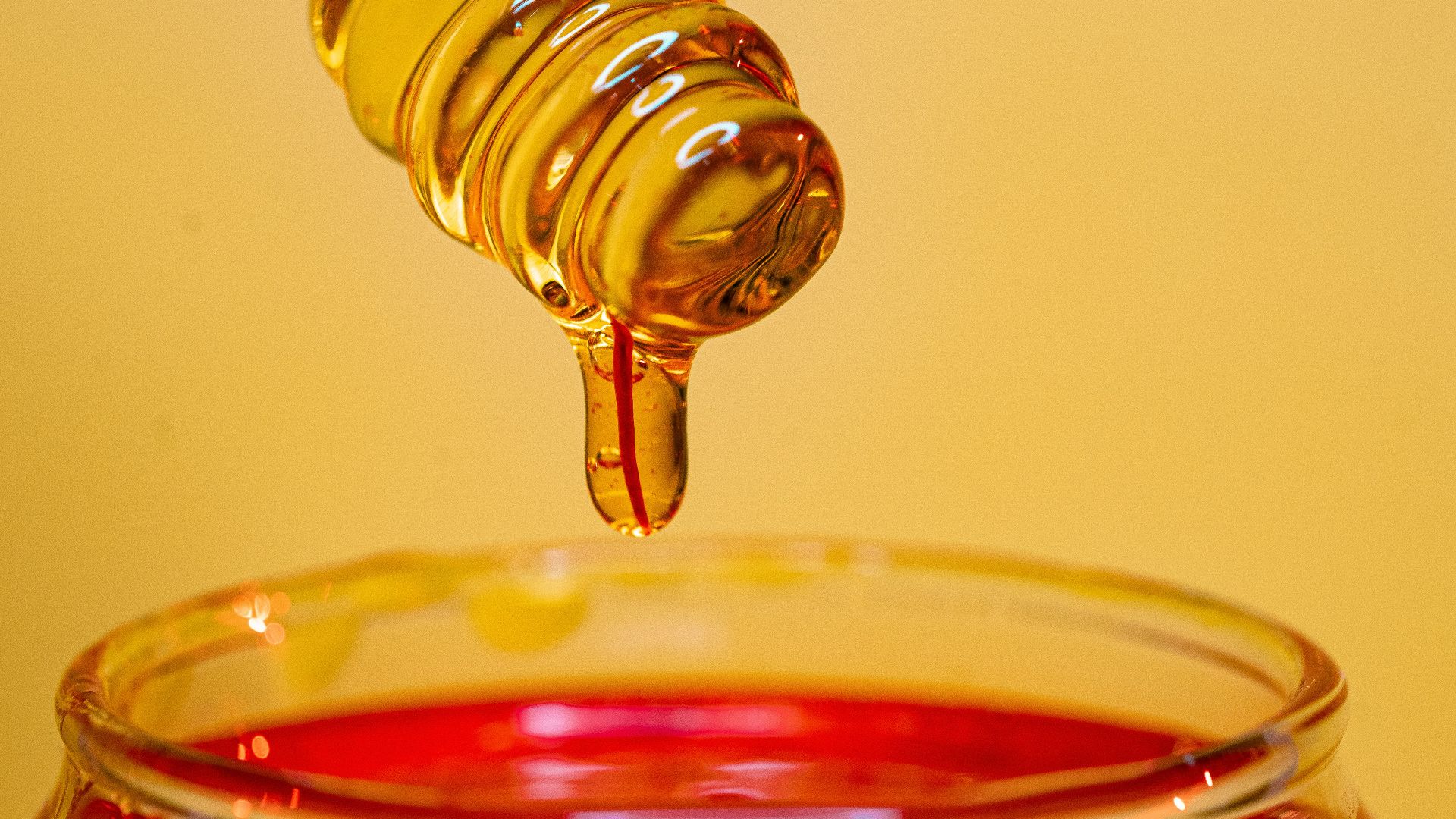
It might seem like the most natural food on earth, but honey can actually contain botulism spores that are dangerous for infants. Adults have developed a gut microbiome that can handle these tiny amounts of bacteria, but babies under one year old lack that protection. It’s one of the few foods where your age and internal biological maturity determine whether the snack is a treat or a toxin.
16. Lima Beans
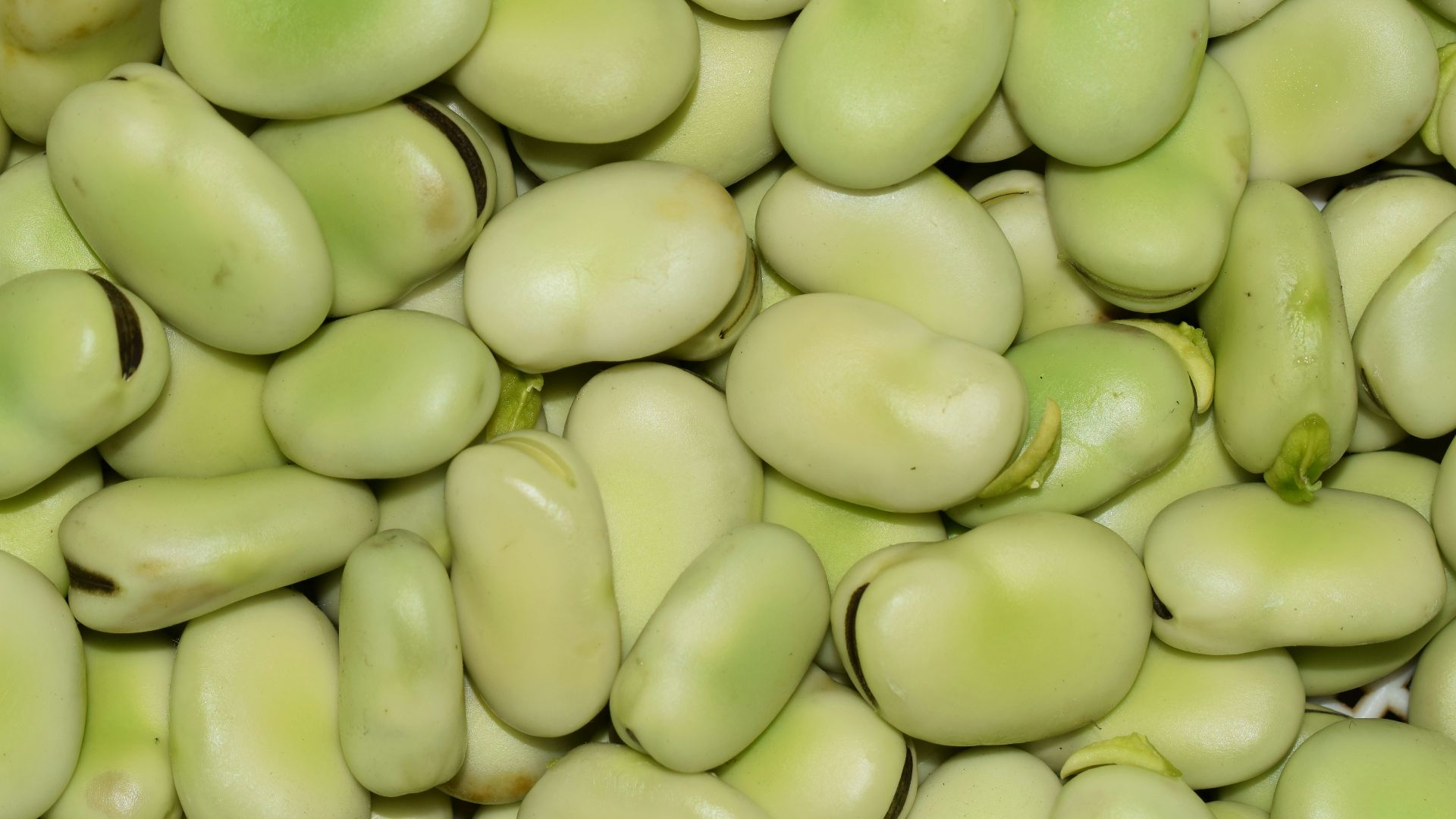
Much like their kidney bean cousins, these flat beans contain linamarin, which releases cyanide gas when the plant is chewed or crushed. Modern American farming has mostly bred varieties with very low levels of this toxin, making them much safer than the wild versions found in the past. You still want to make sure you cook them uncovered so any lingering toxic gases can escape into the air instead of staying in the pot.
17. Sannakji (Live Octopus)
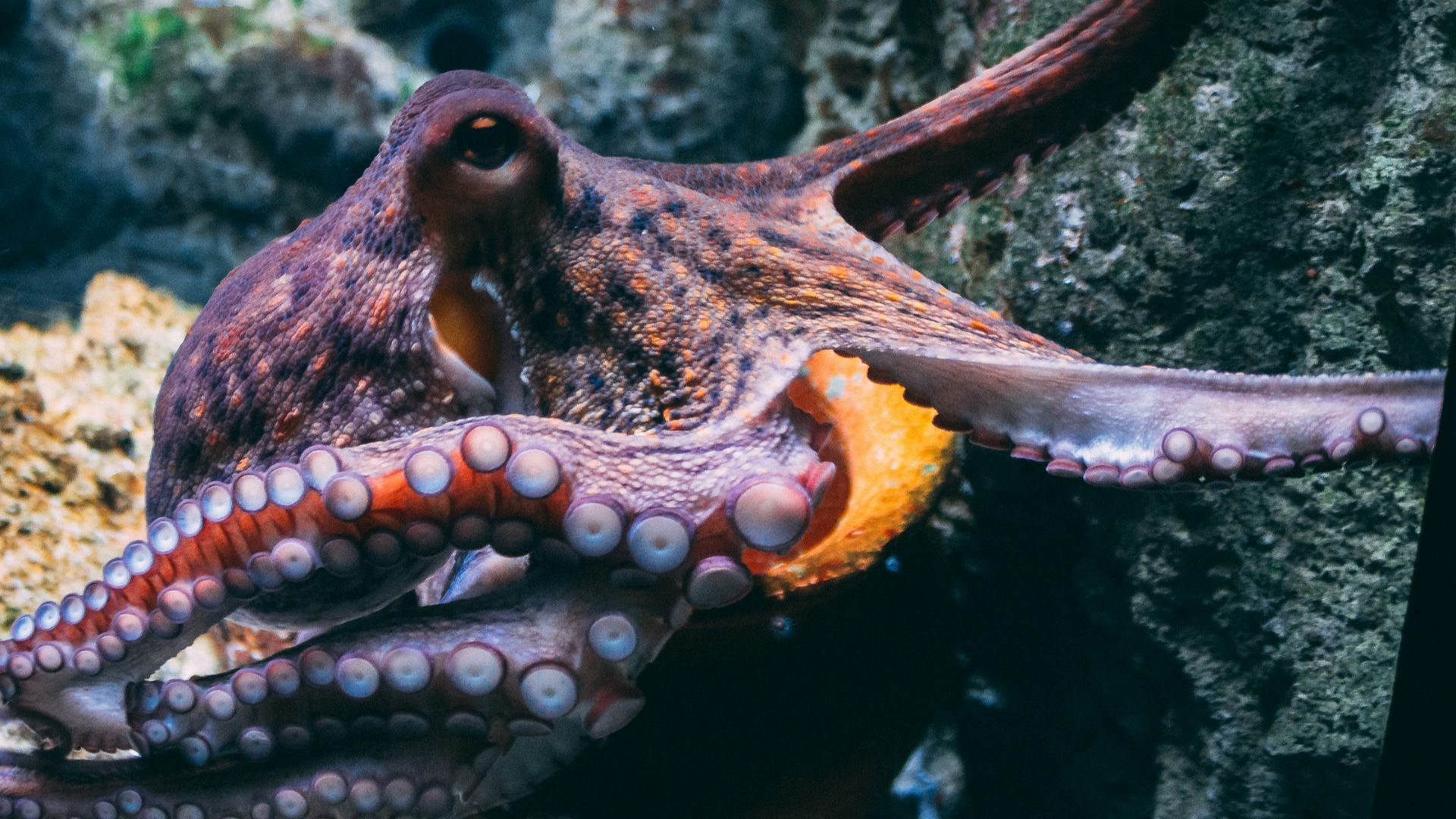
The danger here isn't a chemical poison, but rather the fact that the octopus's tentacles continue to function even after the animal has been chopped up. The suction cups can grab onto the inside of your throat as you swallow, creating a very real choking hazard for the diner. You have to chew extremely thoroughly to ensure the "live" parts are disabled before they have a chance to get stuck on the way down.
 Diane Picchiottino on Unsplash
18. Starfruit
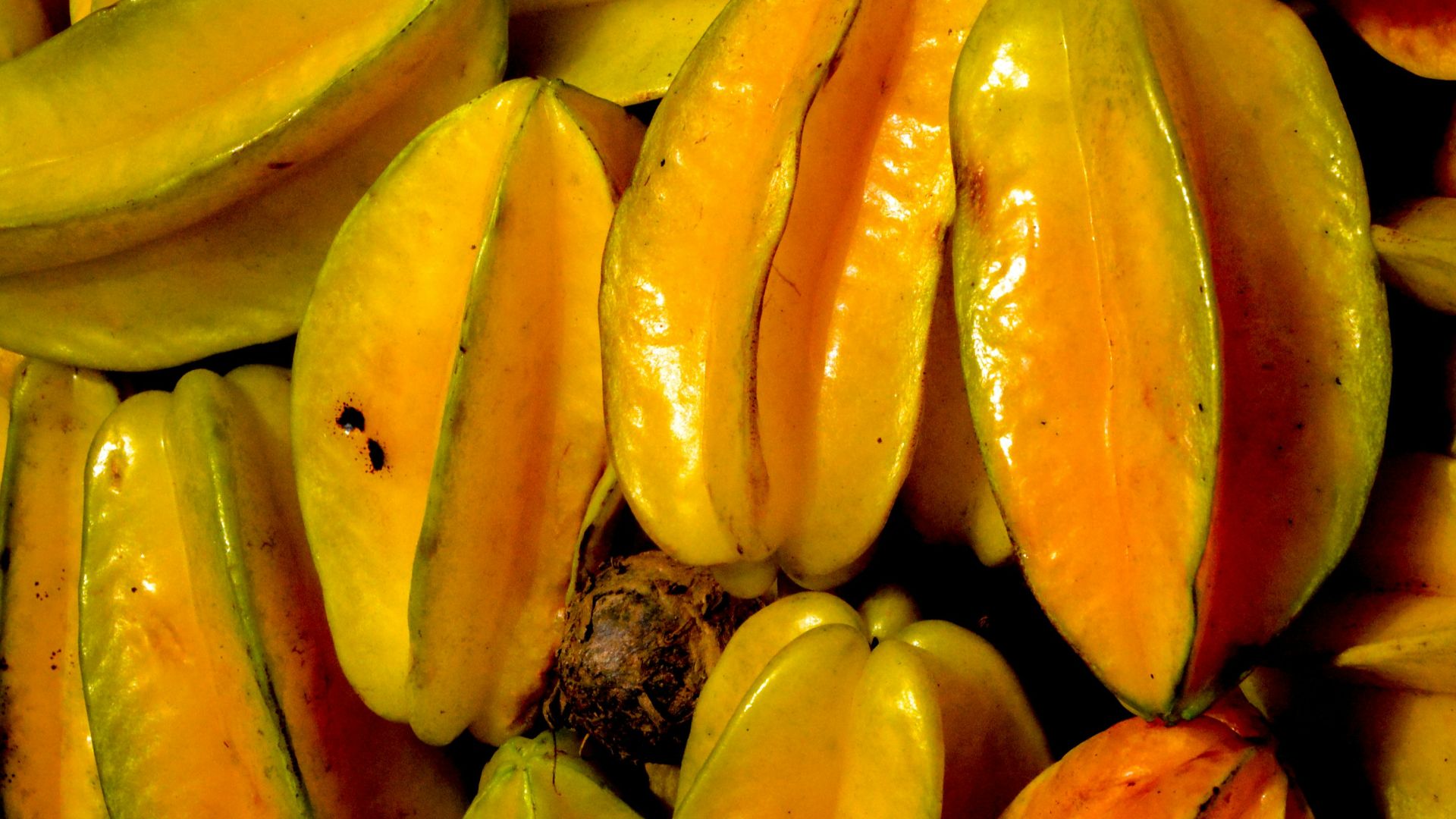
If you have healthy kidneys, you can eat this beautiful fruit without a second thought, but it’s a different story for anyone with renal issues. It contains a potent neurotoxin that the kidneys usually filter out, but if they aren't working right, the poison can reach your brain. It’s a strange case where a food is perfectly fine for the general population but can be incredibly toxic to a specific group of people.
19. Blood Clams
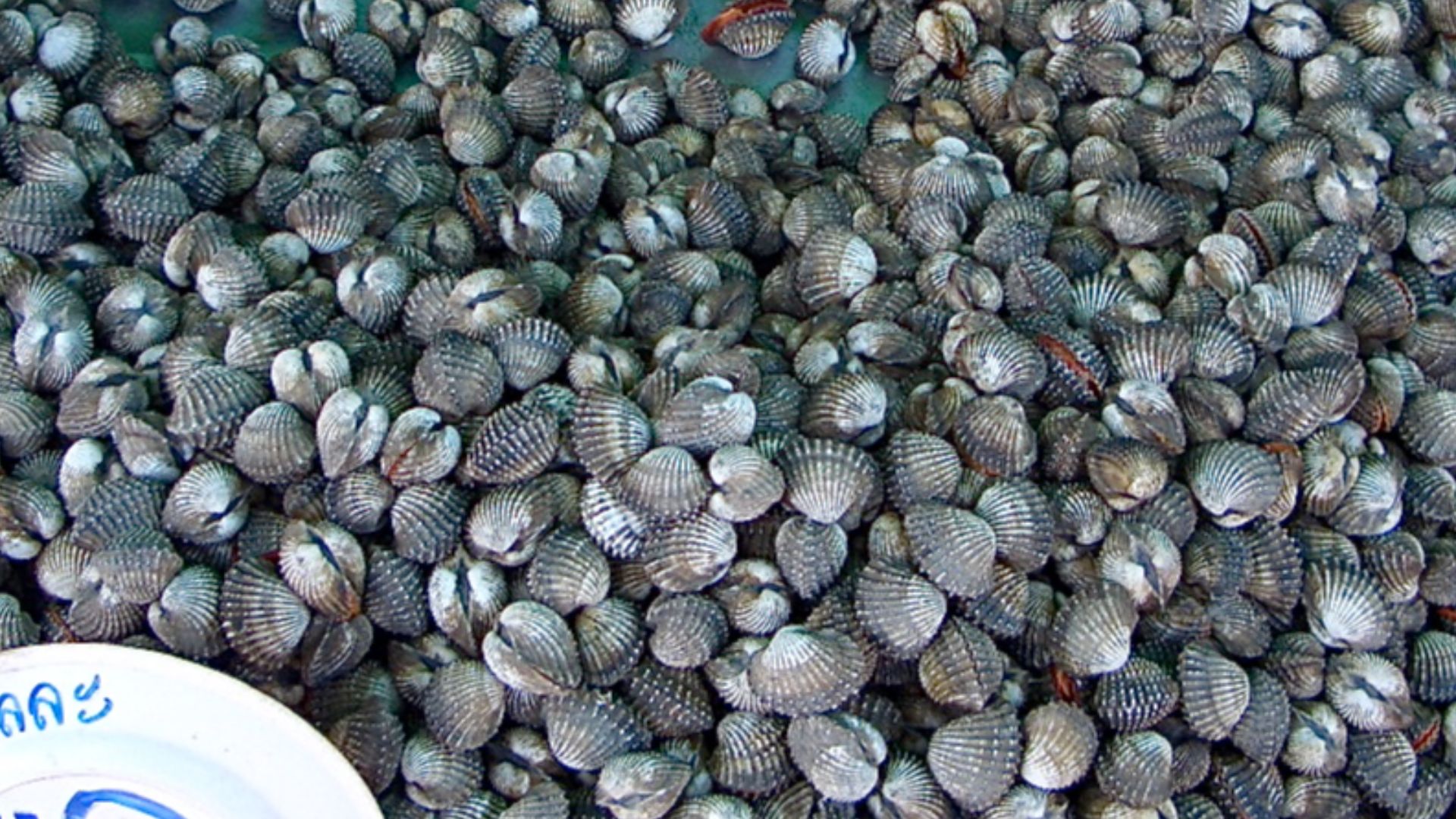
These mollusks are harvested in areas with very low oxygen, which means they can carry a variety of viruses like Hepatitis A and E. They’re often served after being boiled for just a few seconds, which doesn't always kill the pathogens lurking inside their bright red tissues. You’re essentially gambling with your liver health every time you take a bite of these specially prepared shellfish.
20. Nut Grass
This common garden weed was actually a staple for our ancestors, even though it’s quite difficult for the human stomach to process in its raw state. It contains a variety of bitter secondary metabolites that act as a natural defense mechanism against herbivores. By roasting the small tubers, humans found a way to neutralize the bitterness and unlock the energy inside, turning a pesky weed into an ancient survival food.
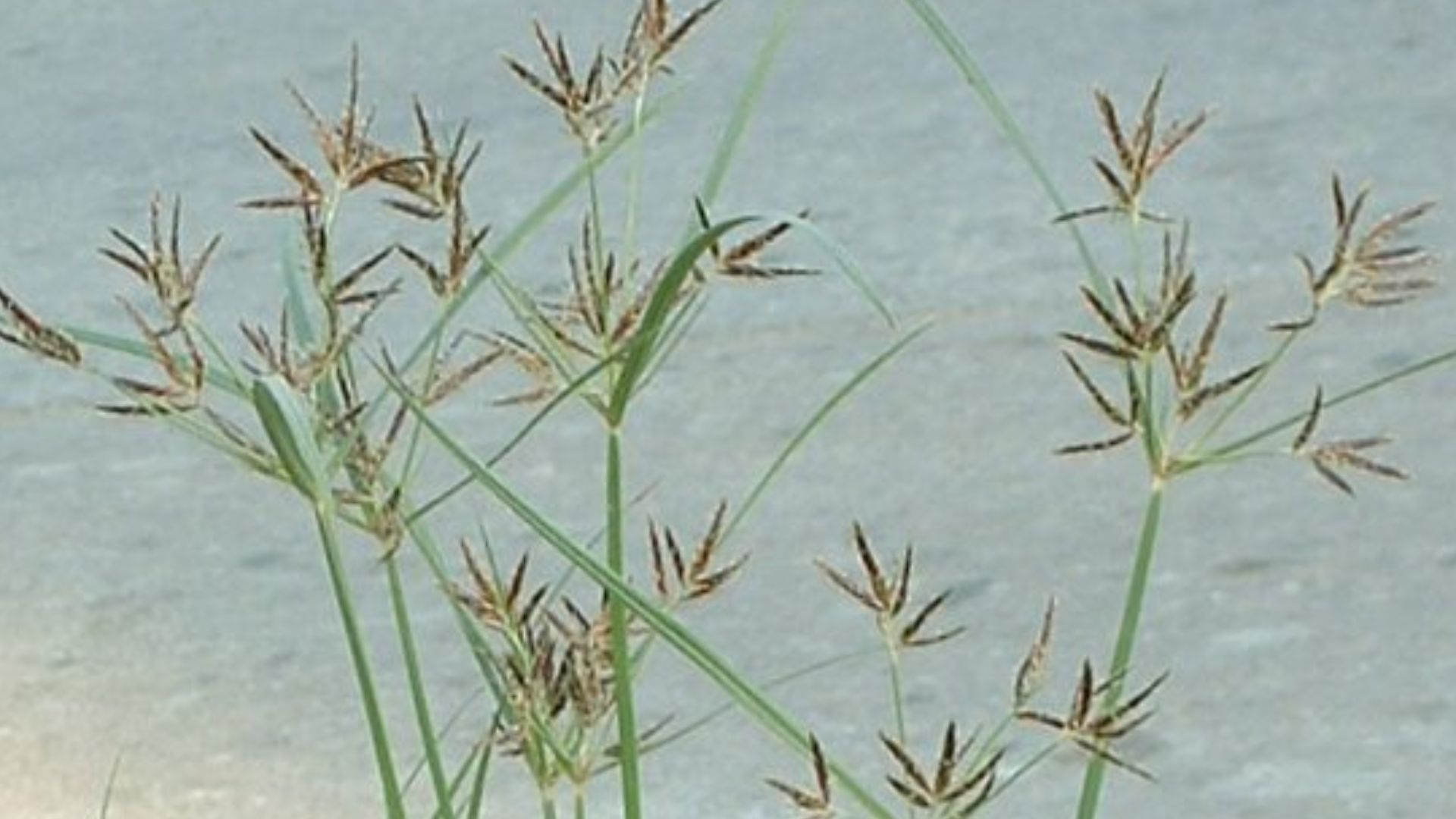 No machine-readable author provided. Rickjpelleg assumed (based on copyright claims). on Wikimedia
KEEP ON READING

The Most Popular Signature Dishes Around the World