Your Body May Be Dropping Subtle Hints
Insulin resistance happens when the body's cells don't respond as effectively to insulin, forcing the pancreas to work harder to keep blood sugar under control. It can develop quietly, and many people don't experience noticeable symptoms until blood sugar levels begin creeping upward. Still, certain physical changes, lab results, and health patterns suggest it may be worth discussing insulin resistance with your doctor. Here are 20 warning signs you may be insulin resistant.

1. You Carry More Weight Around Your Waist
Having more body fat concentrated around the abdomen is strongly associated with insulin resistance, particularly when it involves visceral fat surrounding the organs. This doesn't mean everyone with a larger waist is insulin resistant, nor does being thin rule the condition out. However, changes in waist circumference can be one piece of the puzzle.

2. You Feel Hungry Soon After Eating
If a substantial meal barely keeps you satisfied, blood sugar regulation could be one factor worth considering. Insulin plays an important role in helping your body use glucose for energy, and disruptions in that system may affect hunger signals. Frequent hunger has plenty of other causes, though, so it isn't enough to identify insulin resistance on its own.

3. You Have Darkened Patches of Skin
Acanthosis nigricans causes areas of skin to become darker, thicker, and sometimes slightly velvety. It's commonly found around the neck, armpits, or groin and can be associated with high insulin levels. Because other medical conditions can also cause these skin changes, a clinician can help determine what's behind them.
 Vandana Mehta Rai MD DNB, C Balachandran MD on Wikimedia
4. Your Blood Sugar Is Borderline High
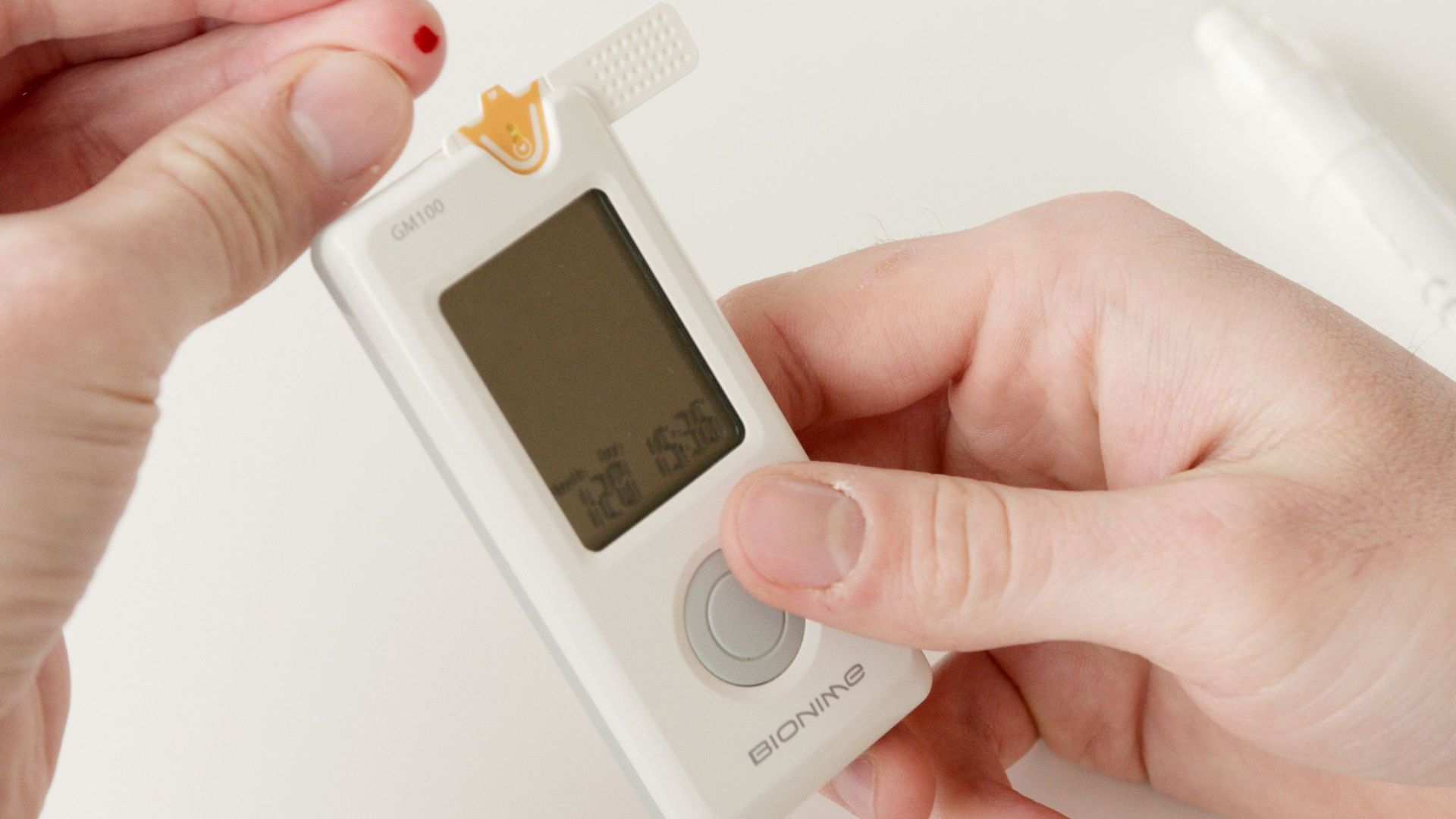
Blood glucose that's higher than normal but hasn't reached the threshold for diabetes is one of the clearest signs of insulin resistance. This may show up through fasting glucose measurements or an A1C test during routine bloodwork. Prediabetes often develops without noticeable symptoms, making regular screening particularly important.

5. Your Triglycerides Are Elevated
High triglycerides aren't just something to notice on a cholesterol report. They frequently occur alongside insulin resistance because insulin influences how the body processes and stores fat. A healthcare professional will usually consider triglycerides together with cholesterol levels, blood sugar, blood pressure, and other risk factors.

6. Your HDL Cholesterol Is Low
HDL is often described as the "good" cholesterol, and unusually low levels may accompany insulin resistance. When low HDL appears alongside high triglycerides, abdominal weight gain, or elevated blood sugar, the combination can raise more concern about metabolic health. No single cholesterol number, however, can provide a diagnosis.

7. Your Blood Pressure Keeps Running High
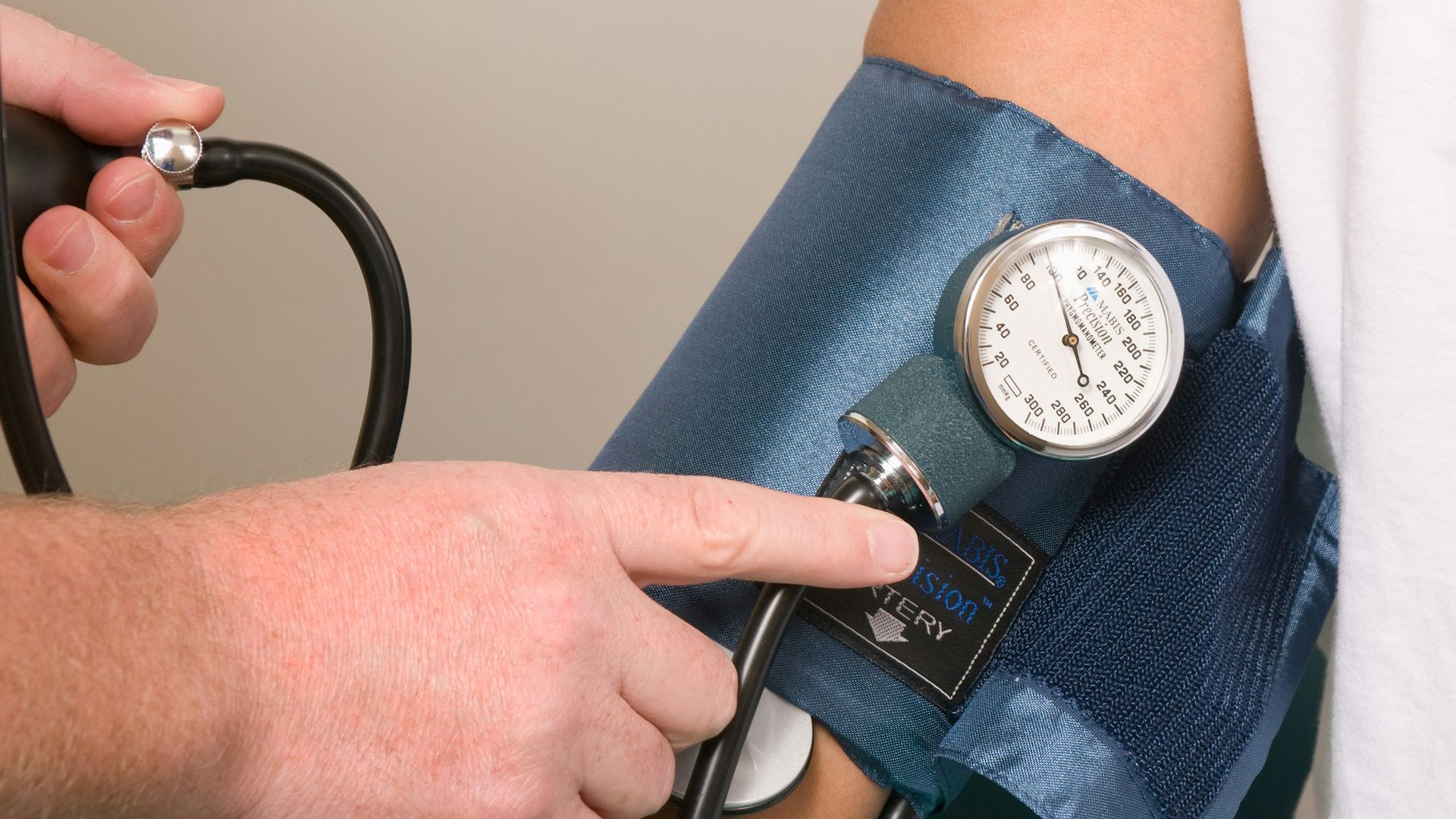
Insulin resistance and high blood pressure frequently occur together as part of a broader group of metabolic problems. Several mechanisms may contribute, including changes affecting blood vessels, kidney function, and sodium retention. If your readings are consistently elevated rather than occasionally high, they're worth bringing to your doctor's attention.
8. You Have Skin Tags
Those tiny, soft growths that commonly appear around the neck, armpits, eyelids, or other skin folds are usually harmless. Having numerous skin tags, though, has been associated with insulin resistance and other metabolic abnormalities in some people. Just keep in mind that they're extremely common, so their presence alone isn't a reason to stress that there's a blood sugar problem.

9. You Develop Strong Carb or Sugar Cravings
A persistent desire for sweets or carbohydrate-heavy foods isn't a medically specific symptom of insulin resistance. Still, fluctuating blood glucose, eating habits, sleep, stress, and hormonal signals can all influence cravings, making them worth considering alongside more objective metabolic findings.

10. You Feel Tired More Often Than Usual
Fatigue is one of those symptoms that can point in a hundred different directions, one of them being insulin resistance. Problems regulating blood glucose can contribute to low energy, particularly if you've progressed toward prediabetes or type 2 diabetes. Before blaming insulin, remember that sleep problems, anemia, stress, medications, and many other conditions can produce the same feeling.

11. You Have Polycystic Ovary Syndrome
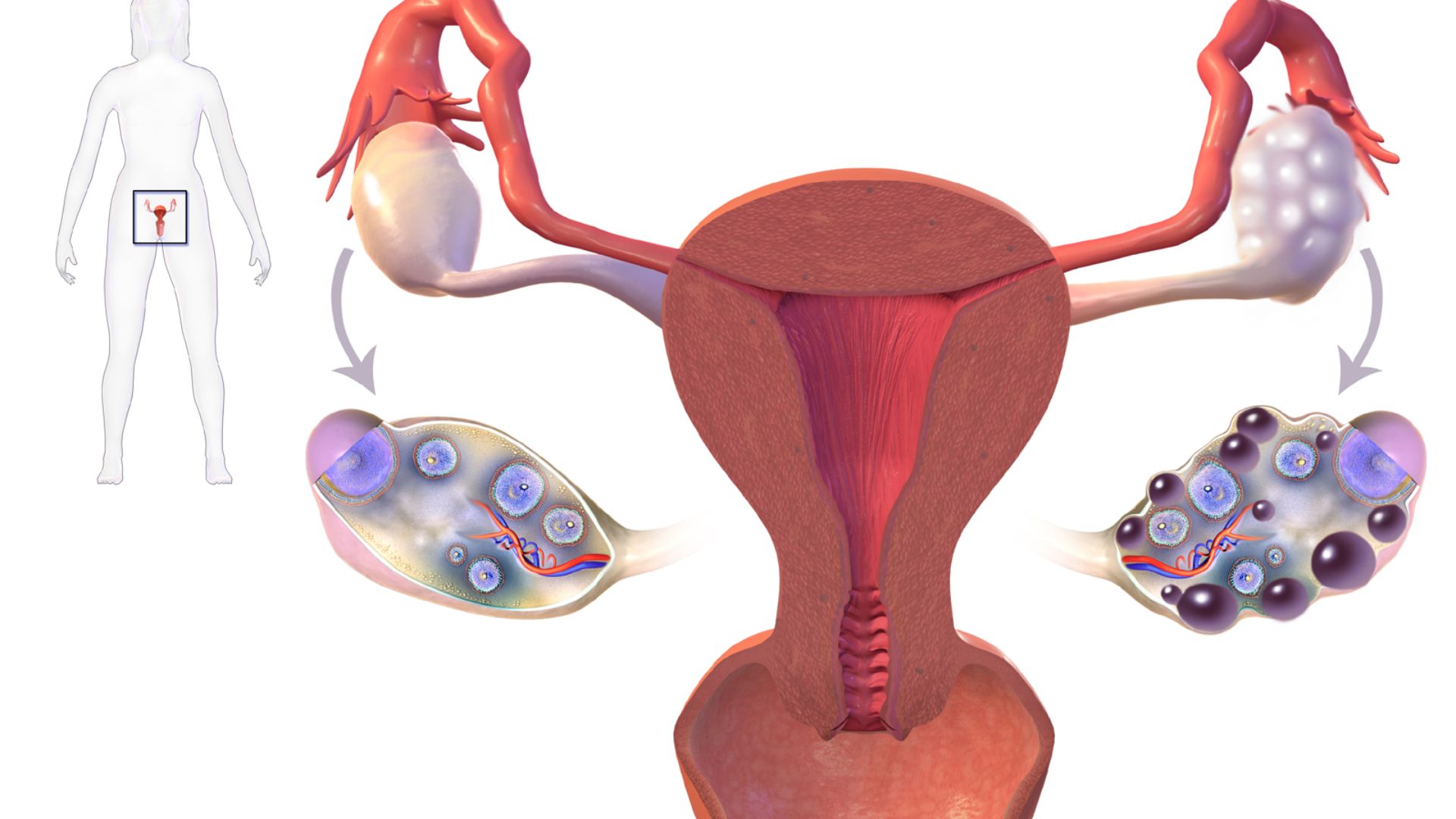
Insulin resistance is very common among people with polycystic ovary syndrome, better known as PCOS. High insulin levels can interact with reproductive hormones and may contribute to some of the condition's features. Therefore, it's common for people with PCOS to be screened for metabolic abnormalities even when their blood glucose hasn't reached the diabetic range.
12. Your Menstrual Cycle Has Become Irregular
Irregular periods can occur for many reasons, but they sometimes appear when insulin resistance is connected with PCOS. Insulin and reproductive hormones influence one another, meaning metabolic problems can affect ovulation in some people. Sudden or persistent menstrual changes should be evaluated.

13. You're Having Trouble Losing Abdominal Fat
Difficulty changing your weight isn't proof that something is wrong with your insulin. Genetics, calorie intake, exercise, sleep, medications, age, and hormones all influence body composition. Still, stubborn central weight gain combined with abnormal glucose, triglycerides, or blood pressure may give your doctor more reason to assess metabolic health.

14. You Have Fatty Liver Disease
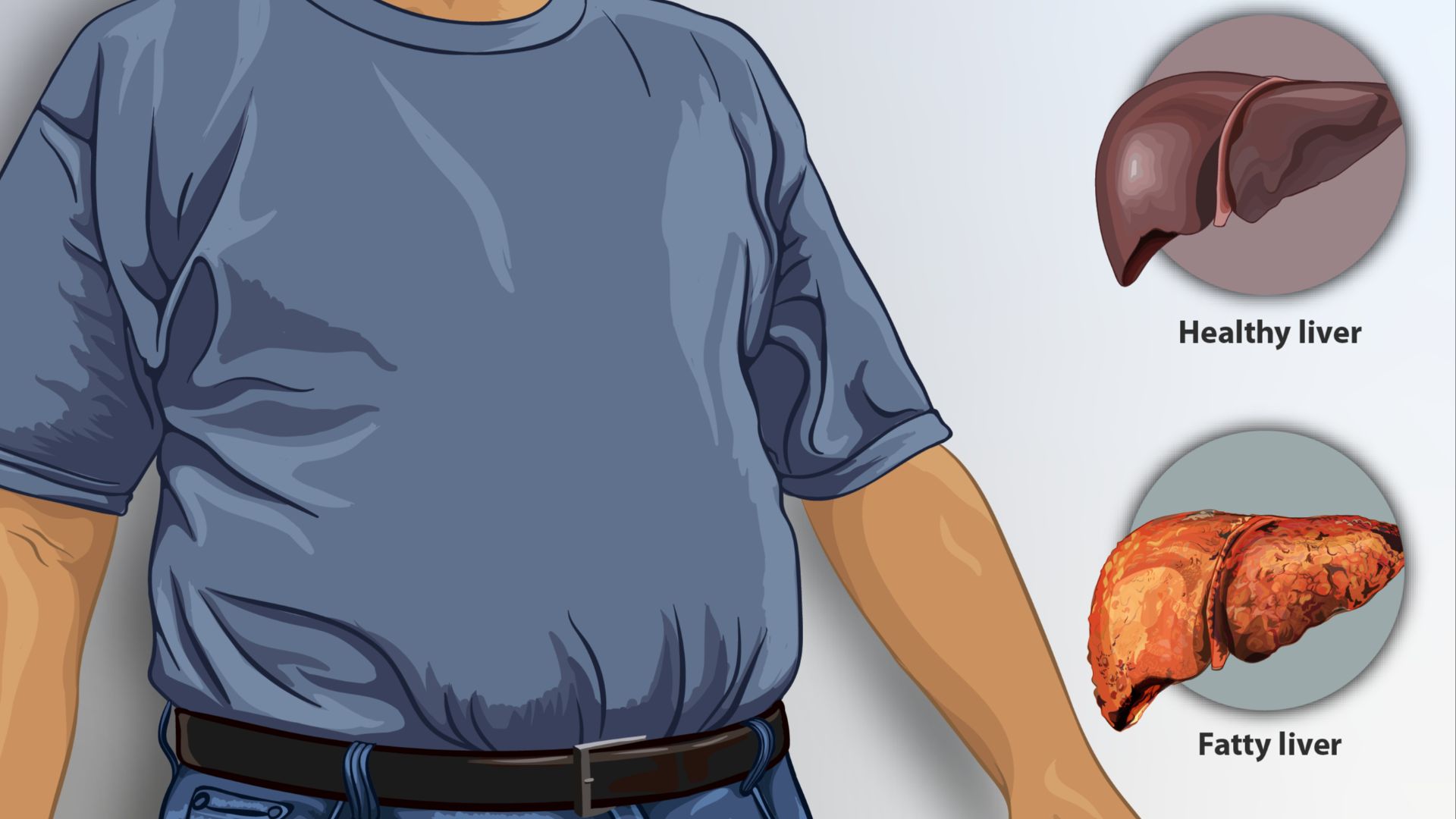
Insulin resistance is closely linked with metabolic dysfunction-associated steatotic liver disease, or MASLD, formerly commonly called nonalcoholic fatty liver disease. Excess fat accumulates in liver cells, and the condition often produces few obvious symptoms. It's often spotted because of abnormal liver tests or imaging performed for another reason.
 https://www.myupchar.com/en on Wikimedia
15. Your Fasting Insulin Is High
Blood sugar can remain relatively normal for a while because the pancreas compensates by producing additional insulin. As a result, elevated insulin levels may sometimes appear before significant increases in glucose. That being said, fasting insulin isn't routinely used by itself to diagnose insulin resistance, so results need to be interpreted in the broader clinical context.

16. Your A1C Has Been Slowly Rising
A1C estimates your average blood glucose over roughly the previous two to three months. Even when the number remains below the diabetes threshold, a steady upward trend can signal worsening glucose control. Your healthcare provider can interpret the result alongside fasting glucose and personal risk factors.
17. You Have a Strong Family History of Type 2 Diabetes
Family history isn't something you can feel, but it's an important warning sign when assessing your risk. Genetics can make some people more likely to develop insulin resistance and eventually, type 2 diabetes, especially when combined with other metabolic risk factors. Knowing your family's health history may influence how early or frequently your doctor recommends screening.
18. Your Blood Sugar Was High During Pregnancy
A history of gestational diabetes can reveal that your body has struggled to meet increased insulin demands in the past. People who've experienced it face a higher long-term risk of developing type 2 diabetes later in life. Regular blood sugar screening after pregnancy is therefore particularly important, even if glucose levels returned to normal afterward.

19. You're Frequently Thirsty or Urinating More
Excessive thirst and frequent urination are more characteristic of elevated blood glucose than insulin resistance itself. They can appear when insulin resistance has progressed far enough that the body can no longer keep glucose within a healthy range. New or significant symptoms like these deserve medical attention, particularly when they're occurring together.

20. Several Metabolic Problems Are Appearing Together
Insulin resistance becomes more concerning when multiple risk factors occur at once rather than when there's one vague symptom. Abdominal obesity, elevated blood pressure, high triglycerides, low HDL, and increased blood glucose can cluster together in what's known as metabolic syndrome. If several of these findings apply to you, a healthcare professional can order appropriate tests and determine whether insulin resistance, prediabetes, or another condition may be involved.

KEEP ON READING

20 Warning Signs You May Be Insulin Resistant