Blueberries Are A Nutrient Powerhouse—Here's How And Why You Should Eat More
Blueberries Are A Nutrient Powerhouse—Here's How And Why You Should Eat More
Long before blueberries became a favorite topping for pancakes and smoothie bowls, they were already deeply established in North American food culture. Indigenous tribes relied on wild blueberries as a dependable, nutrient-rich food source. They harvested the berries in season, dried them in the sun, and stored them for use throughout harsh winters.
So, what makes this beloved fruit such a nutrient powerhouse, and how can you incorporate more of them in your diet? Join us as we take a deeper dive.
The History And Rise Of A Little Blue Berry
The dried berries were added to stews, breads, and pemmican, and they were often given to travelers for long journeys because they stayed fresh and energizing. Blueberries were also used medicinally—some tribes believed the berries promoted strength, aided digestion, and supported wellness long before scientific studies could explain why.
European settlers eventually learned from Indigenous harvesters and began adopting blueberries into their own diets. However, blueberries remained exclusively wild until the early 20th century, when agricultural scientist Frederick Coville and farmer Elizabeth White developed the first system for cultivating them reliably.
This innovation converted blueberries from a regional seasonal food into a widely available commercial crop. Today, the United States is one of the world’s largest producers, and blueberries have earned a global reputation as a symbol of natural nutrition and longevity.
What Makes Blueberries So Nutritious?
Blueberries may be small, but inside each tiny berry is a powerful collection of nutrients. Their deep purple-blue color comes from anthocyanins, a group of antioxidants that help defend the body from oxidative stress—a process linked to cell damage, inflammation, and aging.
Blueberries are also a notable source of vitamin C, fiber, and manganese. A single cup of fresh berries offers roughly a quarter of the daily recommended intake of vitamin C, which supports the immune system and helps protect skin from environmental stress.
The natural dietary fiber in blueberries aids digestion and supports gut health, while manganese assists in bone strength and metabolic functions. What makes blueberries stand out is that these nutrients appear to work together rather than individually. Apparently, these fruits offer a “synergistic effect,” meaning their compounds may be even more beneficial when consumed in whole form rather than extracted or isolated.
Easy Ways To Eat More Blueberries Every Day

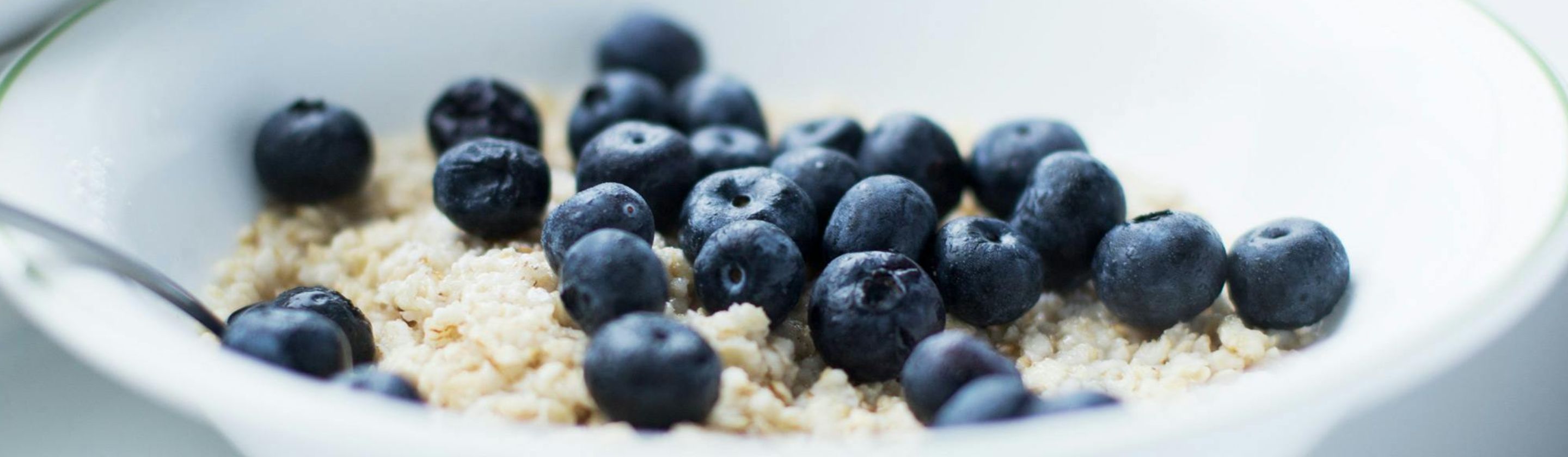
Adding blueberries to your diet doesn’t require significant changes—just a few small habits can help you enjoy them daily. Breakfast is the simplest place to start. Stir berries into oatmeal, cereal, or yogurt, or blend them into a smoothie with leafy greens and banana. Frozen blueberries work just as well as fresh and keep longer, making them convenient year-round.
Blueberries also shine in baked goods like muffins, banana bread, and pancakes, adding natural sweetness without relying on additional sugar. If you enjoy savory dishes, try tossing blueberries into a spinach salad with nuts, soft cheese, and a light vinaigrette.
For snacks, combine a small handful with almonds, walnuts, or dark chocolate for a satisfying bite full of antioxidants and healthy fats. With so many easy options, it’s simple to eat blueberries more often and enjoy the long list of benefits that come with them.
KEEP ON READING

10 Best Finds at Costco & 10 Worth Skipping


20 American Foods That Are Best When They're Simple

20 Comfort Dishes From The '90s