Can You Really Only Leave Leftover Food Out For 2 Hours Max?
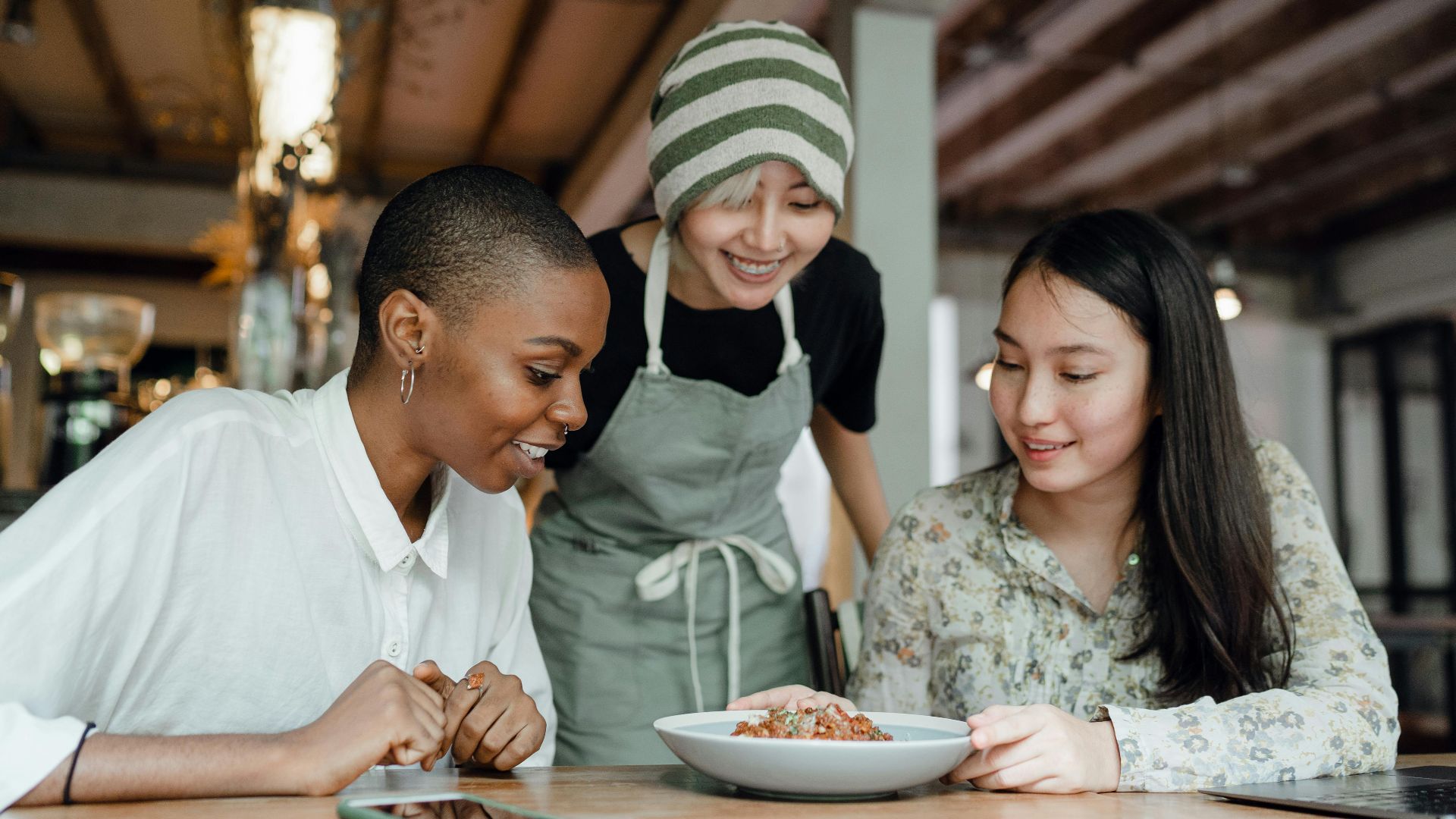
Most households recognize the familiar pattern. Meals end, conversations linger, and plates remain on the counter longer than anyone plans. The habit feels harmless at first glance, yet many people still question the point at which food becomes unsafe.
The widely shared 2-hour rule appears in guidance from parents and health agencies, though opinions differ on how strict it truly is. A closer look at the science behind the guideline, the risks tied to improper storage, and the safest approaches to leftovers helps reveal what the rule actually means.
The Science Behind the 2-Hour Rule
Food safety agencies use the 2-hour rule to mark the point at which perishable foods become risky at room temperature. Warm conditions speed up bacterial activity, creating an environment where common pathogens thrive. Salmonella grows easily in moist, protein-rich dishes. E. coli expands quickly on meats that sit out too long. Staphylococcus aureus spreads through simple handling and often goes unnoticed because it leaves no scent or visible change.
According to the Food Safety and Inspection Service, the danger zone is 40°F to 140°F (4°C to 60°C), a range that allows microbes to multiply rapidly. For example, rice, cooked meats, and dairy-based meals fall into higher-risk categories because their moisture supports bacterial growth more readily. Longer exposure pushes these foods deeper into unsafe territory and raises the chance of illness. Therefore, the 2-hour guideline serves to limit that window and protect anyone who later eats the leftovers.
Factors That Affect Food Safety
The 2-hour rule serves as a basic benchmark, but several factors influence how quickly food becomes unsafe. Warmer rooms speed up bacterial activity, and hotter climates shorten the safe window significantly. In some situations, the limit is even reduced to a single hour because heat pushes food deeper into the danger zone. Covered containers, on the other hand, slow contamination from the environment, and airtight options help maintain temperature for short periods.
Although visual cues often guide decisions, spoiled food does not always look or smell different. Microbial growth can rise long before any clear signs appear, creating a false sense of security. Awareness of these factors allows people to make better choices and understand why certain meals require quicker action after serving.
Best Practices For Handling Leftovers
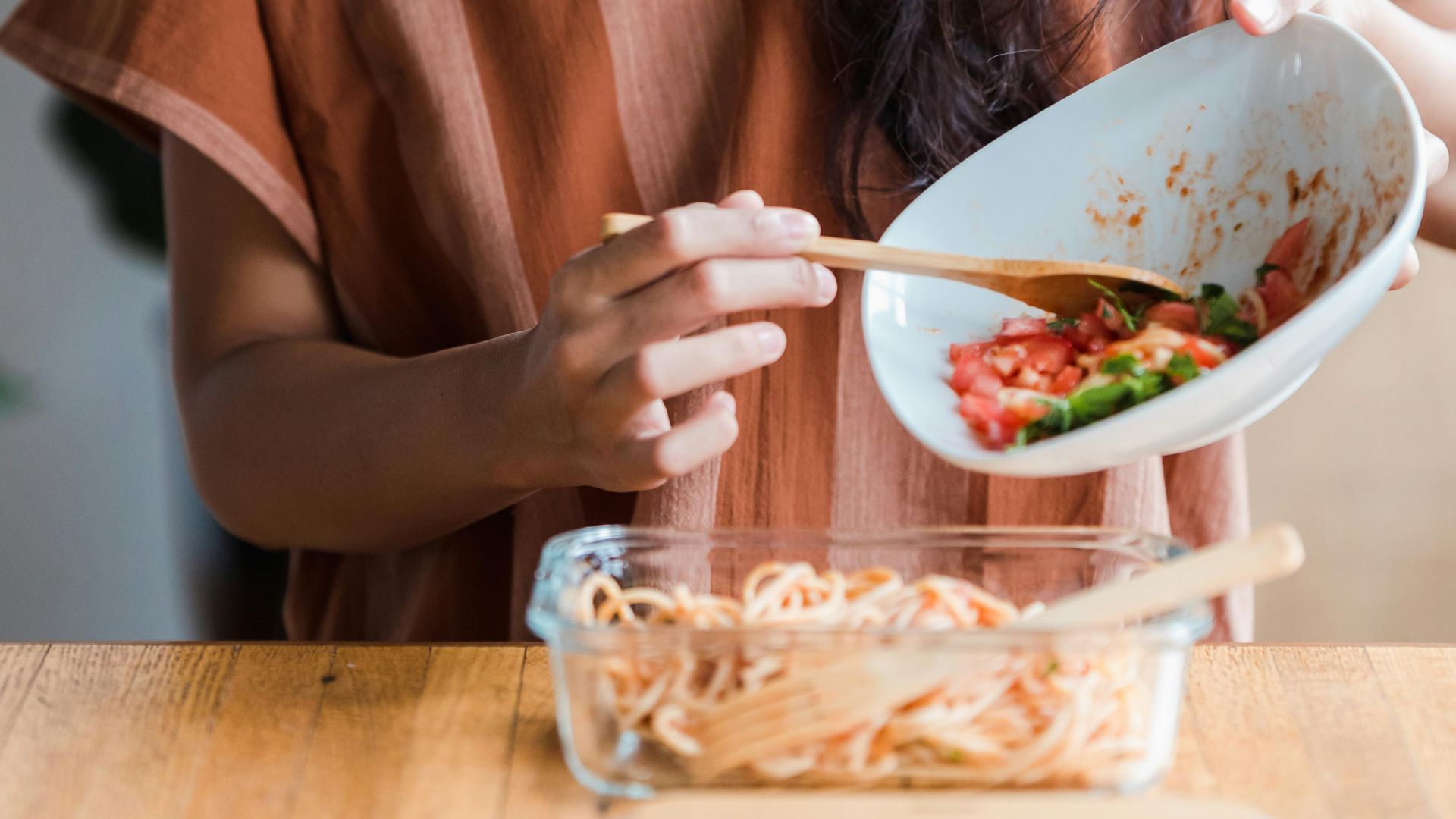
Kitchen habits often grow out of memories of family meals, and thoughtful handling of leftovers helps protect those traditions. Plus, prompt storage keeps dishes from spoiling on the counter. Smaller containers also cool more efficiently and preserve texture and flavor for another serving. Refrigeration or freezing slows bacterial growth and extends the safe window. Thorough reheating restores warmth and lowers any remaining risk.
Yes, moments of hesitation might happen, especially with food that appears normal, yet tossing uncertain dishes can lead to far greater discomfort later. These simple habits safeguard the meals people enjoy and honor the routines passed down through generations. Thus, the 2-hour rule serves as a reminder that safety matters as much as flavor.
KEEP ON READING
20 Foods With Shocking Origins You'd Never Believe
20 Food Requests Only Spoiled People Ask For
Do Vitamin Supplements Actually Make You Healthier?