The Fast-Casual Collapse: Why a Basic Salad Costs $20 in 2026
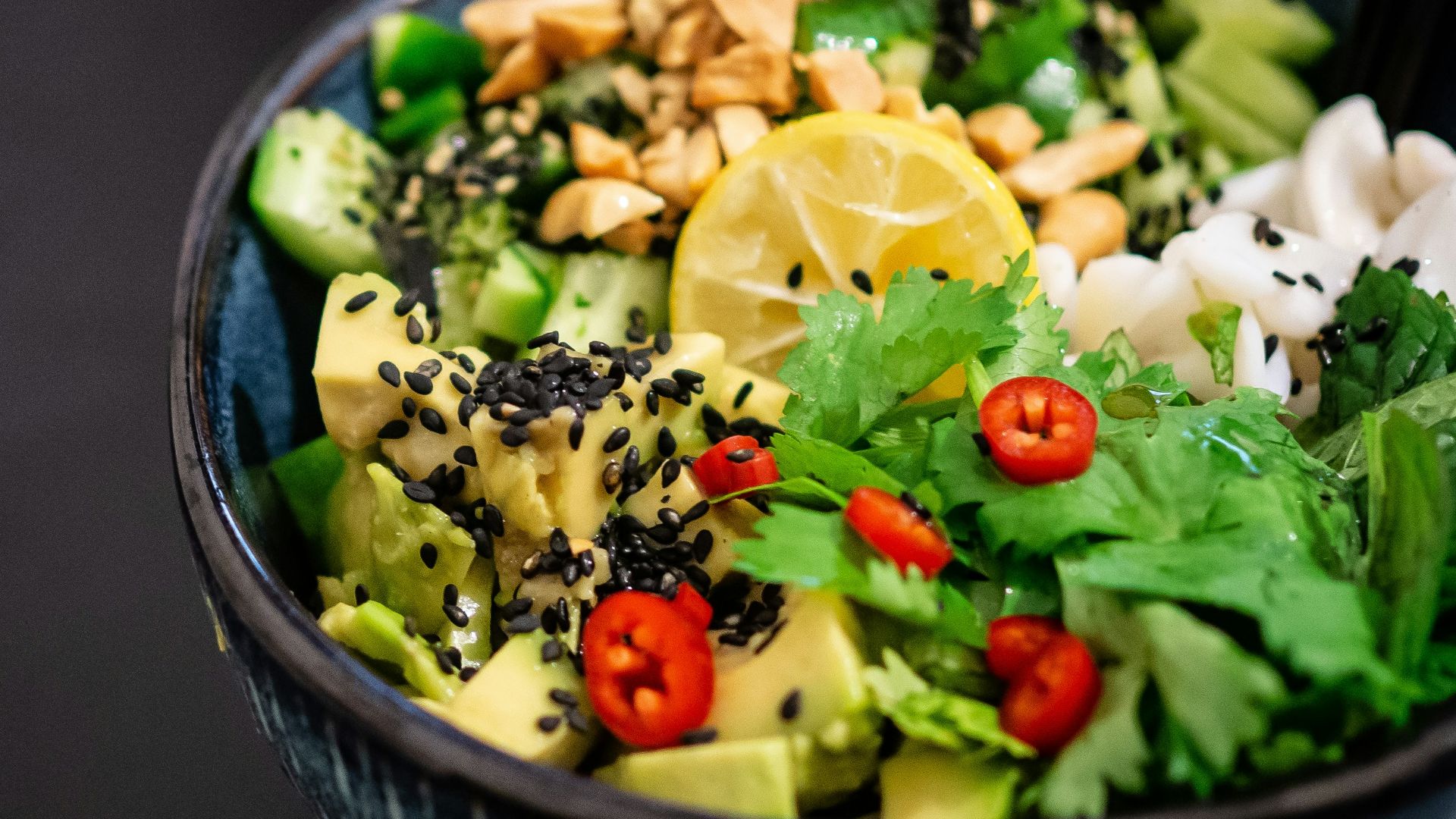
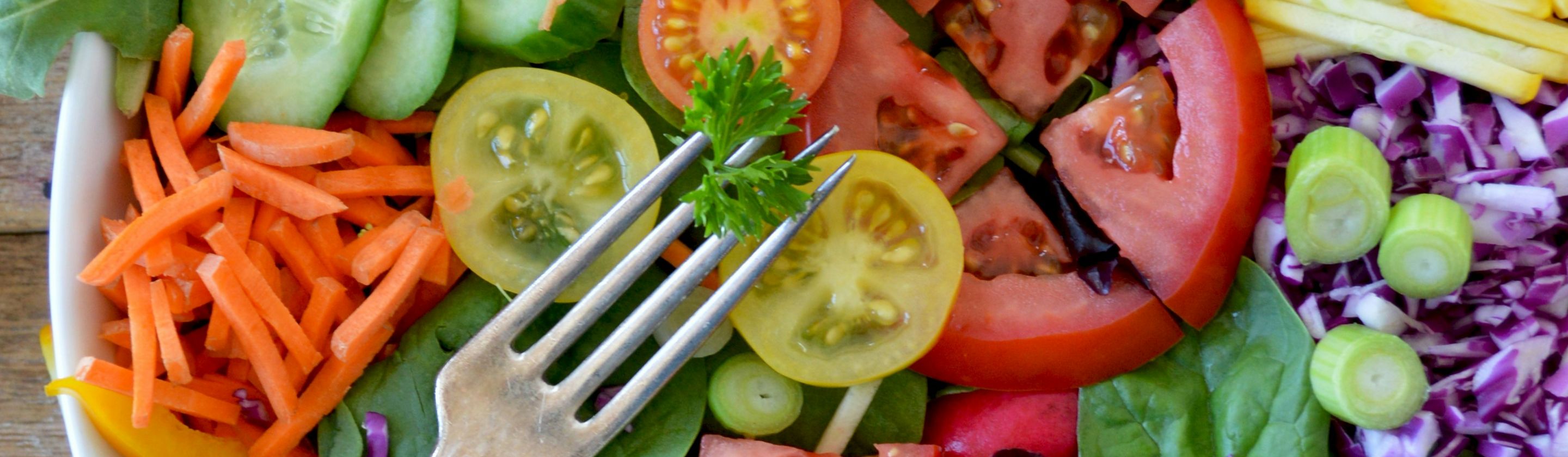
You walk into your favorite lunch spot, ready to grab a quick, refreshing bowl of leafy greens before your next virtual meeting. You watch the worker sprinkle a handful of goat cheese and a drizzle of balsamic over the bowl, completely unaware of the looming financial shock waiting at the register. When the cashier asks for twenty dollars for a basic salad, your jaw instantly drops to the floor in absolute disbelief. It feels like just yesterday this exact midday meal cost a reasonable twelve bucks.
This startling price jump isn't an isolated event, as fast-casual establishments across the country are drastically altering their pricing strategies. What once felt like an affordable premium luxury has officially morphed into a significant investment that strains your weekly lunch budget. The entire restaurant industry is navigating a perfect storm of economic shifts that are pushing the casual bowl into luxury territory. To understand why your lunch is so expensive, you have to peel back the layers of the modern supply chain.
The Skyrocketing Cost of Kitchen Labor
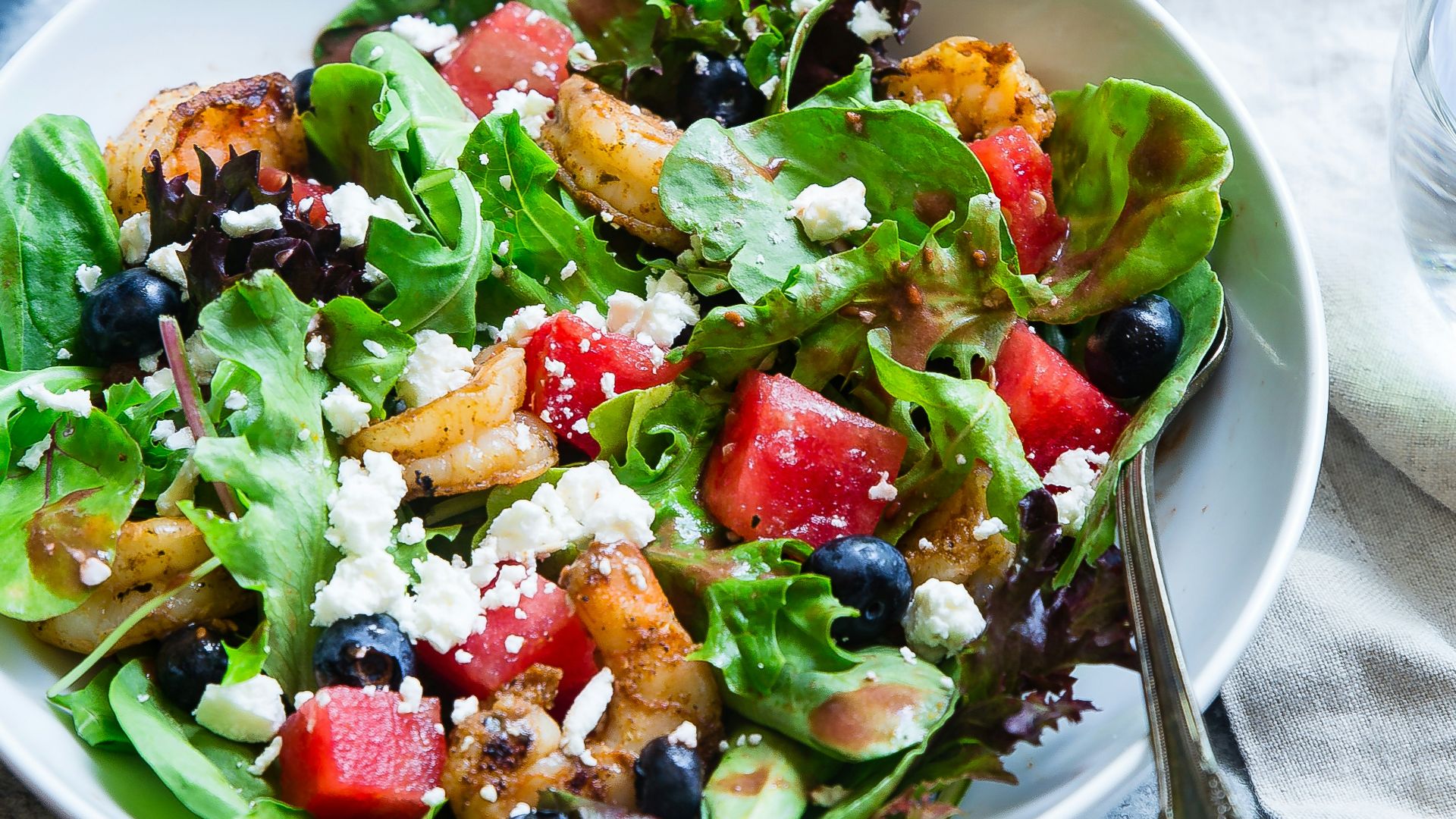
The primary driver behind your expensive lunch begins right behind the assembly counter, where your meal is prepared. Across the nation, minimum wage hikes and a highly competitive service market have forced restaurant operators to significantly increase their base pay. While these higher wages are fantastic for the hard-working staff, they dramatically alter the baseline financial calculus for small business owners. Consequently, corporations must adjust their menu prices upward simply to keep their doors open and their kitchens fully staffed.
Firms cannot easily absorb these mounting labor expenses without altering their entire business strategy or sacrificing their profit margins. Managing a modern kitchen requires competitive benefits and attractive compensation packages to prevent employee turnover from derailing daily operations. When hiring and retaining a reliable team becomes this costly, consumers ultimately bear the burden at the cash register. It turns out that providing fair compensation naturally changes the sticker price of your preferred quick-service meal.
Furthermore, fast-casual restaurants require significantly more hands-on preparation compared to traditional fast-food drive-thrus that rely heavily on frozen, pre-packaged goods. Employees must chop fresh romaine, roast premium proteins, and mix house-made dressings completely from scratch every single morning. This intensive, manual labor model becomes incredibly expensive to sustain when hourly wages rise toward historical highs. You are paying for the extensive physical human effort required to transform raw agriculture into a beautiful culinary bowl.
Labor-related expenses also extend far beyond hourly wages alone. Training new employees, covering scheduling gaps, and maintaining consistent service standards all require substantial investments of time and money. Restaurants must also account for payroll taxes, insurance costs, and other employment-related obligations that quietly add up over the course of a year. These additional expenditures may not be visible to customers, but they play a major role in determining menu prices.
Supply Chain Chaos and Climate Factors
The ingredients inside your bowl have traveled an increasingly complex and expensive global path before hitting your fork. Erratic weather patterns and unpredictable climate shifts have severely impacted major agricultural regions, creating sudden shortages of staple salad components. When crop yields for delicate items like avocados, lettuce, and olive oil drop unexpectedly, procurement prices skyrocket overnight. Restaurant chains must bid higher against grocery stores just to secure a steady supply of premium ingredients.
In addition to growing challenges, transporting these temperature-sensitive products across the country has become a massive financial headache. Geopolitical tensions and rising fuel costs mean that distributing fresh produce requires a much larger portion of a restaurant's budget than before. Refrigerated trucks must navigate complex routes, and any delay can ruin an entire shipment of perishable greens. These logistical hurdles add invisible dollars to every piece of produce that manages to survive the long journey to your city.
Operators are also facing strict, emerging regulations regarding packaging sustainability and ethical sourcing protocols that raise expenses upstream. Switching from cheap plastics to compostable bowls and sourcing exclusively from certified regenerative farms sounds wonderful on a corporate marketing banner. However, these eco-friendly initiatives carry a much higher wholesale price tag that independent franchises simply cannot completely hide. Your twenty-dollar receipt reflects the premium price of maintaining a responsible, climate-conscious food network.
Supply chains have become far more fragile than many consumers realize. A disruption at a single processing facility, shipping hub, or agricultural region can create ripple effects throughout an entire distribution network. Businesses often have little choice but to absorb temporary shortages and price spikes until conditions stabilize. Over time, those fluctuations become permanently reflected in menu pricing structures.
The digital revolution was supposed to make ordering food much more efficient, but it has actually introduced a web of hidden expenses. When you order your meal through a smartphone application, third-party delivery services take a massive bite out of the restaurant's net revenue.
KEEP ON READING
The 5 Most Consumed Foods in the Entire World