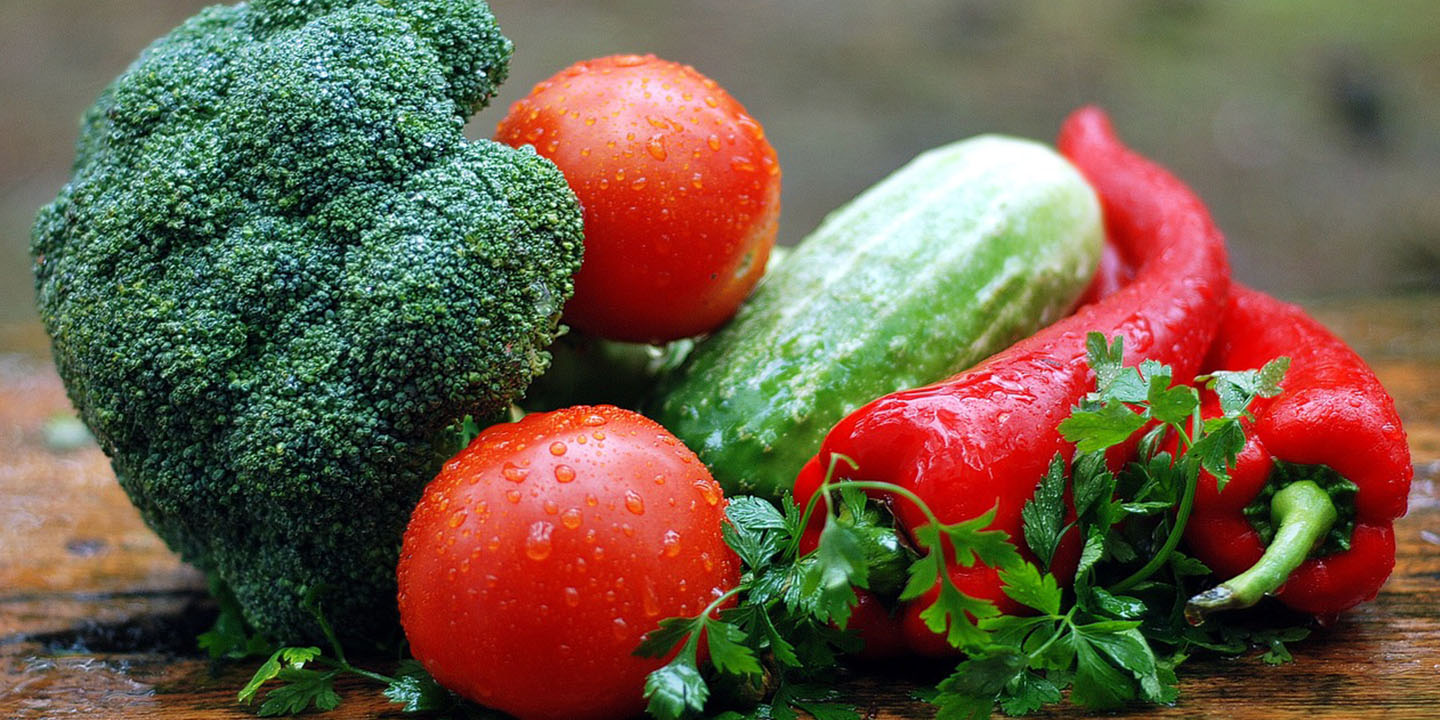
Every few years, the powers that be seem to choose a new ingredient for health nuts to worship as a "superfood". Such foods—like açaí, coconut oil, and quinoa—are treated like magical foods that can cure all ailments. While the claims around so-called "superfoods" can sometimes be embellished and over-the-top, there's no doubt that these foods are nutrition powerhouses.
Chia seeds, kale, and seaweed have already had their day in the sun—so, what's next? Any upcoming superfood will need to be healthy, but it will also need to be environmentally sustainable and ethical. Something like sorghum. If that wasn't on the tip of your tongue, that's okay. The ancient grain is still only known in niche circles, but its impressive nutrient profile, coupled with its climate resilience, makes it poised to be the next big superfood.
What is sorghum?
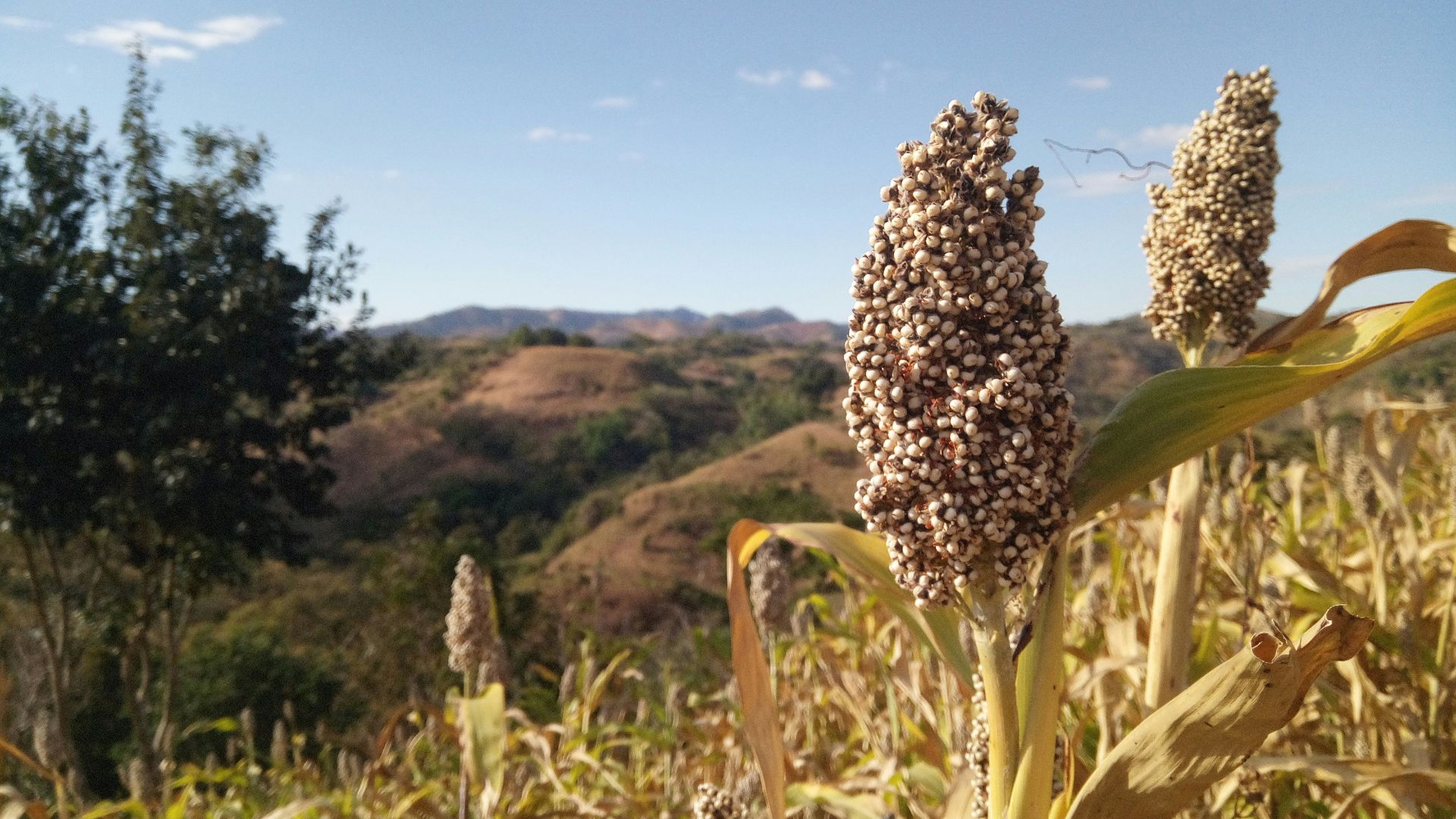
Sorghum is an ancient grain from the grass family that's been cultivated for thousands of years. It's gluten-free, drought-resistant, and has a mild, earthy, and slightly nutty flavor, with a firm, chewy texture.
Nutritional benefits
Sorghum packs a nutritional punch. It’s rich in protein, fiber, B vitamins, iron, magnesium, and antioxidants. Unlike many refined grains, sorghum keeps its bran layer intact, meaning it delivers slow-burning energy and helps stabilize blood sugar. It also contains exceptionally high levels of polyphenols, plant compounds linked to reduced inflammation and enhanced heart health.
Culinary uses
 Bakd&Raw by Karolin Baitinger on Unsplash
Sorghum is incredibly versatile in the kitchen. It can be cooked whole, popped like popcorn, milled into a flour for baking, fermented for beverages, or transformed into a syrup that’s long been a staple in Southern cuisine. It blends well into salads, breakfast bowls, soups, and even desserts.
In flour form, sorghum is used in a variety of baked goods like cookies, muffins, and brownies. It's become a favorite among gluten-free bakers because it adds structure without the grittiness many alternative flours are known for. Combined with other starches like tapioca, it makes a beautiful gluten-free bread.
Food manufacturers are increasingly incorporating sorghum into cereals, snack bars, and pastas without necessarily advertising it.
“Many people are already eating sorghum and don’t even know it because it’s used in many products labeled ‘gluten-free’ or ‘ancient grains,’” functional dietitian Kaytee Hadley, told Food & Wine.
Sustainability
Sorghum is known for being especially eco-friendly. It thrives in hot, dry climates and requires significantly less water than corn, wheat, or rice. It can grow in poor soil, withstand drought, and can even revitalise soil through its deep roots, protecting land from erosion. In the developing world, it can improve food security, and in areas affected by climate change, it can bring much-needed nutrients to the soil.
History
While it may be "new" to many people in the West, sorghum has a long and culturally rich history. It was first used by hunter-gatherers in Africa around 8000 BC. It was brought over to the US from Africa during the slave trade; thus, it's still common to see it in many dishes in the American South. It's also a dietary staple across Africa and much of Asia, with China being the number one consumer.
Sorghum checks all the boxes of a modern superfood, yet it remains humble, affordable, and accessible. Whether you’re looking to eat healthier, diversify your meals, or make more sustainable food choices, consider adding it to your pantry.
KEEP ON READING