Something Strange Happens When You Stop Eating This Popular Food
 Michelle @Shelly Captures It on Unsplash
Bacon has long been a staple of American pantries, brunch spreads, and viral food sensations. So when news broke that the country was running low on pork belly stockpile, with demand outstripping supply, the internet predictably went into meltdown over a potential bacon shortage. Thankfully, industry analysts quelled fears that shoppers would soon be limited in how much breakfast meat they could buy at the supermarket, but the panic brought with it a somewhat welcome side effect: a timely reminder about what actually happens when you start cutting back on one of the most iconic processed meats.
Lower Inflammation
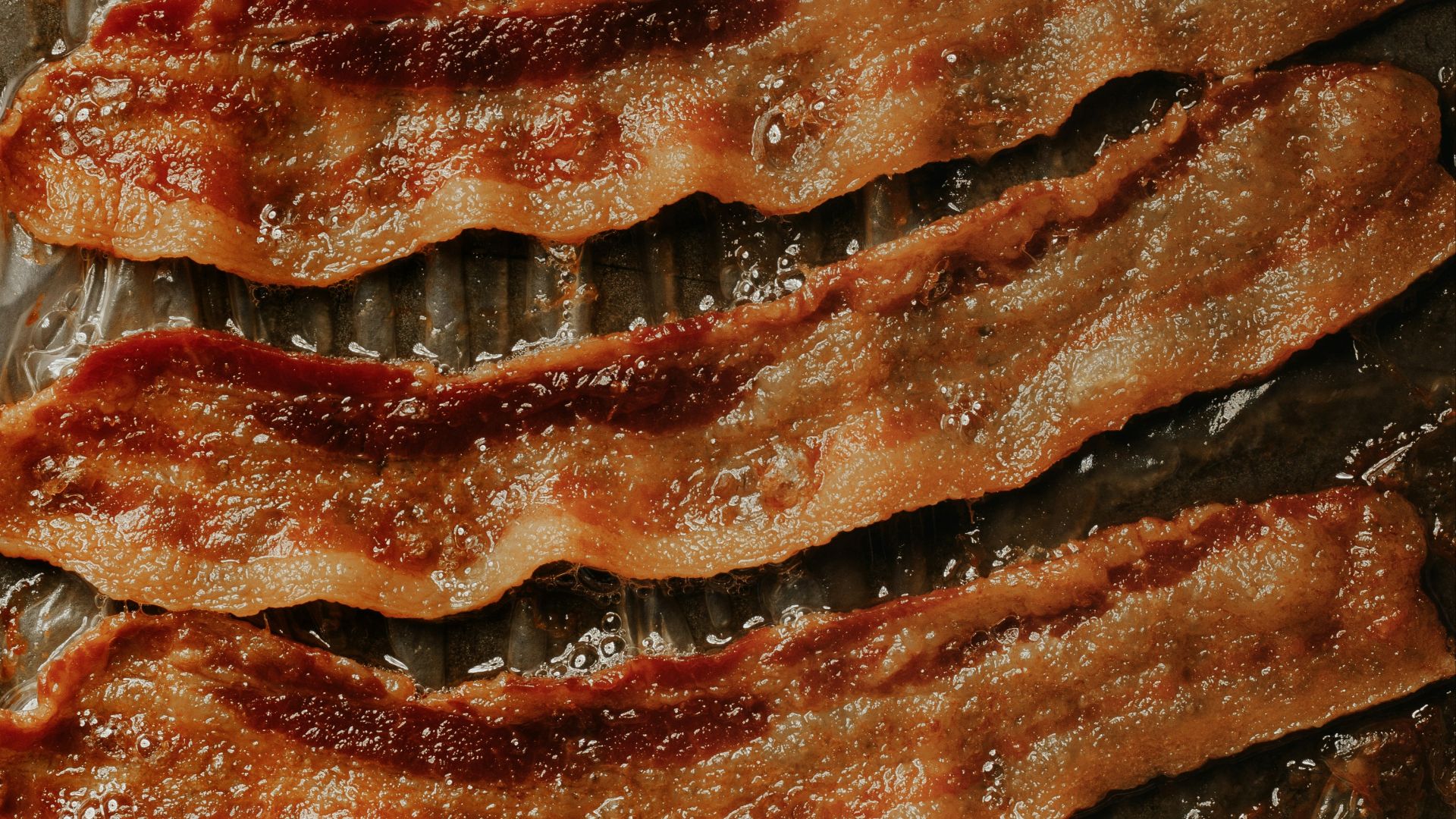 Wright Brand Bacon on Unsplash
The first change is invisible to the eye, but your body will notice. Bacon and other processed meats are typically loaded with saturated fat, salt, and added preservatives (nitrates and nitrites). These are among the most potent dietary sources of chronic inflammation in our bodies.
Inflammation is a slow, internal burn that increases our risks of many diseases and conditions, including heart disease, certain cancers, asthma, and kidney problems.
Avoiding bacon on the regular is one of the best things you can do to reduce inflammation. When people take it out of their diets, inflammation markers in the body tend to decrease. This is because they’re not continually flooding their system with saturated fat and chemical preservatives.
Again, you won’t notice this immediately. But when it comes to lowering inflammation, the changes in the body take place over weeks and months. This can lead to increased overall wellness and a reduction in long-term disease risk. Many people also find that they experience less frequent headaches or migraines, which researchers suspect may be associated with cutting back on nitrite-rich foods.
Gut Health
 Wright Brand Bacon on Unsplash
A third, less obvious, change occurs inside your gut. Diets high in processed foods, refined grains, and cured meats have been shown to deplete populations of healthy gut bacteria.
These organisms support digestion, immune function, and metabolism. When they become depleted, inflammation increases and the risk of gastrointestinal and chronic disease follow.
The reason people often transition to more plant-forward diets when they give up bacon and other processed meats is because high-fiber foods (vegetables, legumes, nuts, whole grains, fruit) help foster healthy bacteria. The microbes in your gut produce compounds that dampen inflammation, improve the gut lining, and promote metabolic balance. After a few weeks of reducing processed meats, the gut starts to become more balanced and healthy.
Diabetes Risk

Reducing your bacon consumption can also decrease your risk of type 2 diabetes in the long run. Many studies have found an association between the consumption of processed or red meat and the risk of type 2 diabetes. The addition of small portions of these foods to the diet on a daily basis can have a significant impact on the risk. Eliminating or reducing the intake of these foods can help in the regulation of blood sugar, insulin sensitivity, and overall metabolic health. So with all these factors in mind, it's time to take a hard, long look at bacon and decide whether it belongs on your plate.
KEEP ON READING


20 Food-Related Art Projects