Post-Meal Dos & Don'ts
What do you like to do after eating? Do you like lying down, taking a nap, or brushing your teeth? What if we told you that these post-meal habits are actually bad for you? As it turns out, when your body is in digestion mode, there are strict dos and don'ts to follow to help prevent malabsorption, indigestion, acid reflux, and other uncomfortable symptoms. To help you take better care of your body, here are 10 things you should never do after eating—and 10 healthier habits to adopt instead.
1. Going for a Run
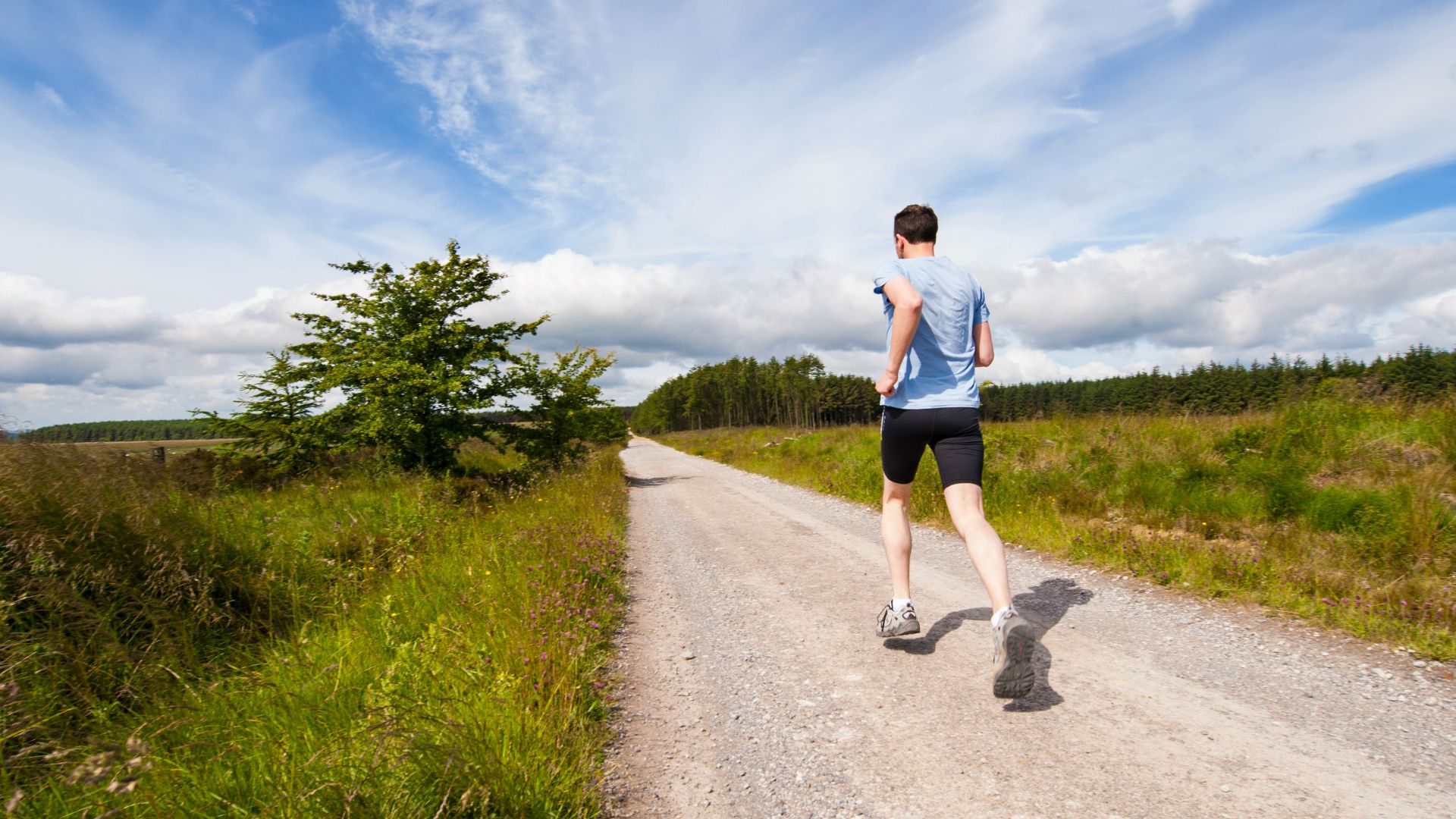
When your digestive system is still busy trying to break down the food in your gut shortly after you've finished your meal, going for a run can hinder the process. It can leave you feeling sluggish and uncomfortable instead of refreshed and energized. It's generally best to wait at least 1-3 hours after eating (the heavier the meal, the longer) before hopping into your running shoes.
2. Taking a Shower
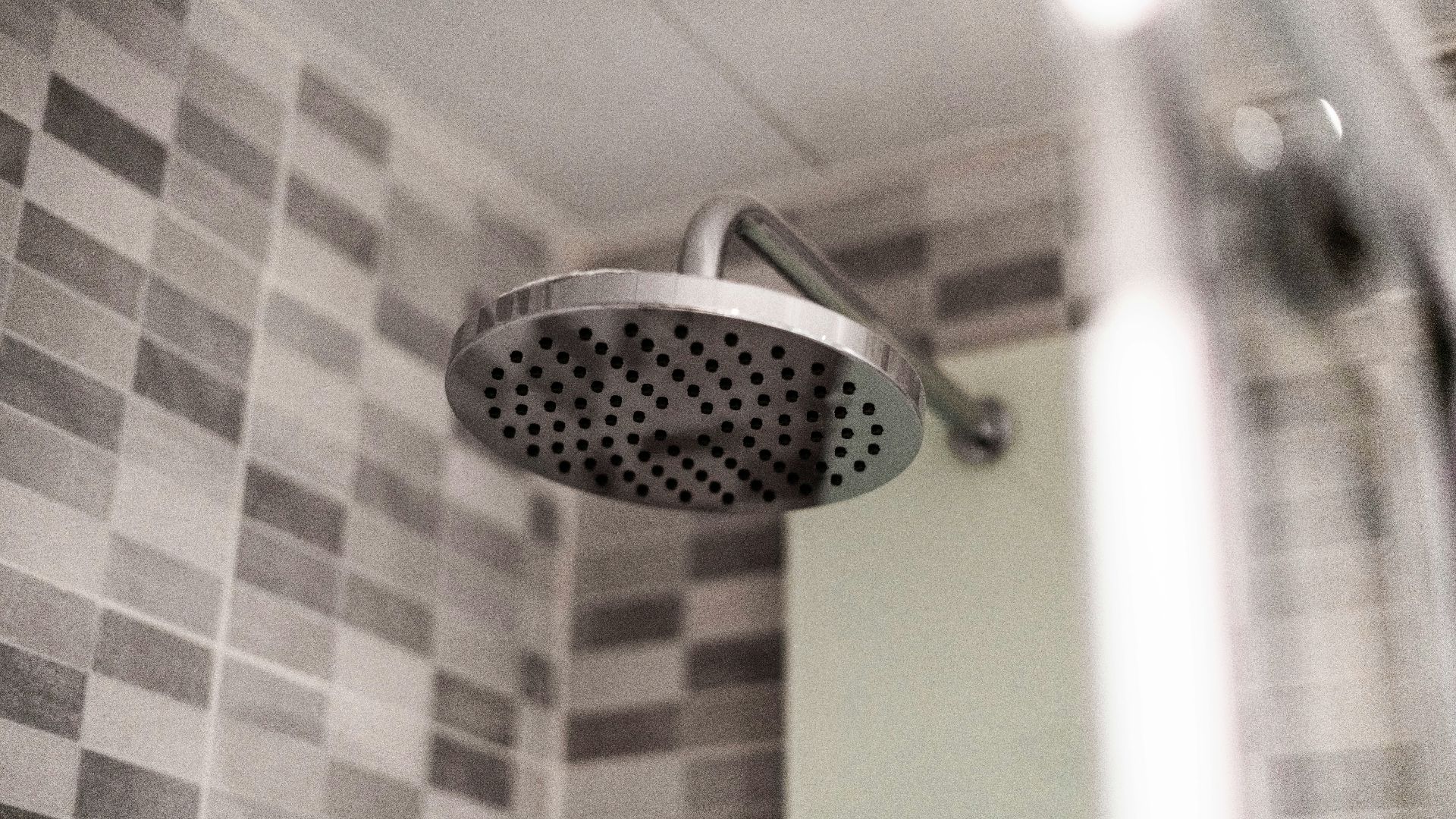
Nothing beats taking a hot shower after a filling meal to finish unwinding for the night, right? Think twice—it's actually best to avoid jumping under the spray or slipping into a bath post-meal. Health experts say that a process called hypothermic action occurs when you take a shower, meaning your internal body temperature gets raised by a degree or two. But the same thing happens to your body after a meal, because your blood flow is being redirected to your digestive system. Taking a shower after eating, therefore, may confuse your body and slow down digestion, causing you to feel sluggish.
3. Jumping
Just as you should avoid running after eating, you should also refrain from jumping. In fact, any vigorous or high-intensity exercise should wait until after your digestive system has had a chance to break down the food in your gut. Otherwise, you may experience an upset stomach.

4. Smoking
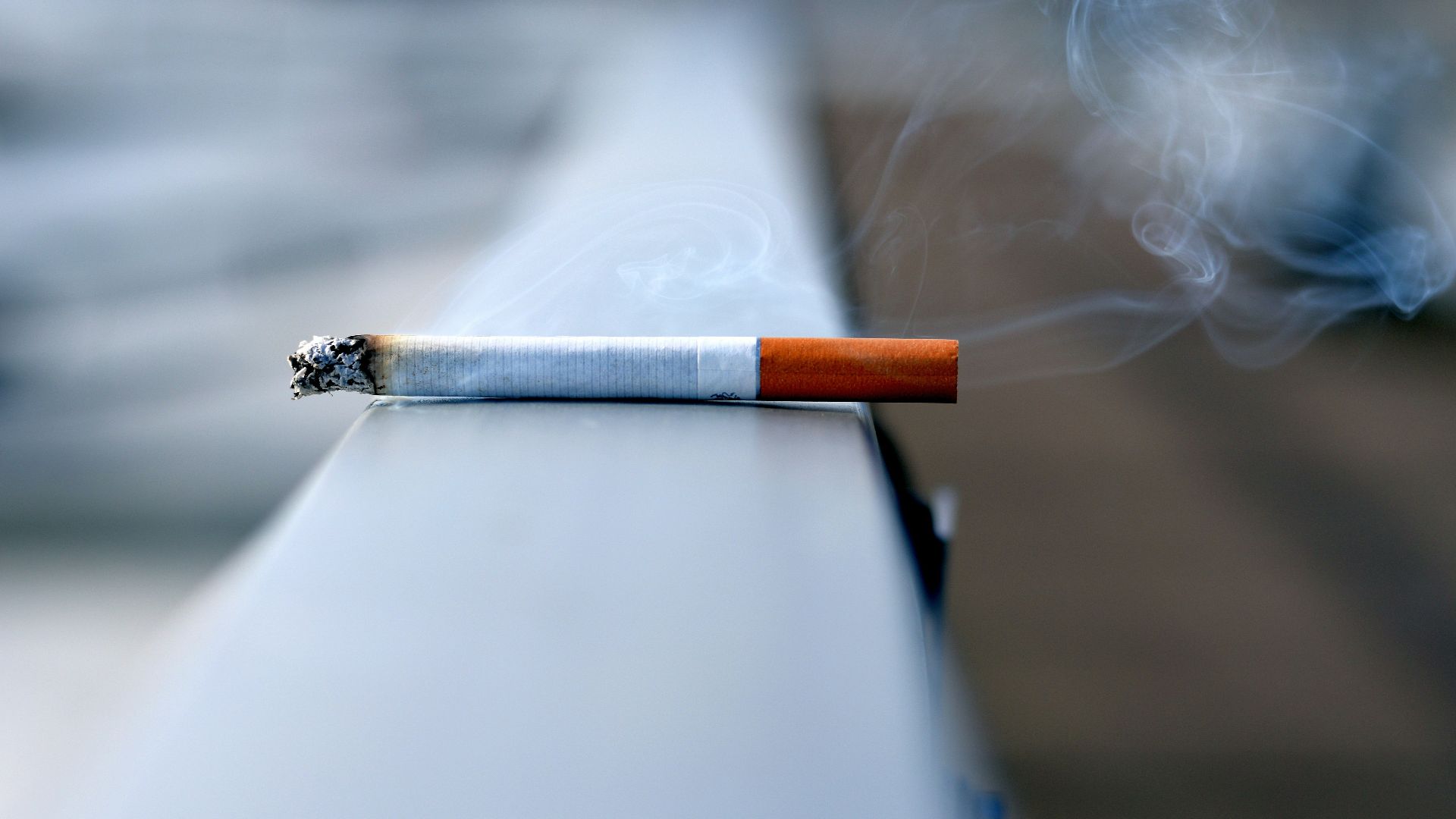
Have you ever wondered why you crave a cigarette after eating? The habit is usually driven by your brain's reward system: filling meals trigger the release of feel-good hormones like dopamine, and chemicals like nicotine amplify those pleasant feelings, so over time, you learn to smoke post-meal. But health experts warn that smoking, while already bad enough on its own, can harm the digestive system and affect its ability to convert food into nutrients. Smoking may also increase the release of stomach acid, which can lead to ulcers and put you at a higher risk of developing cancer.
5. Chugging Water
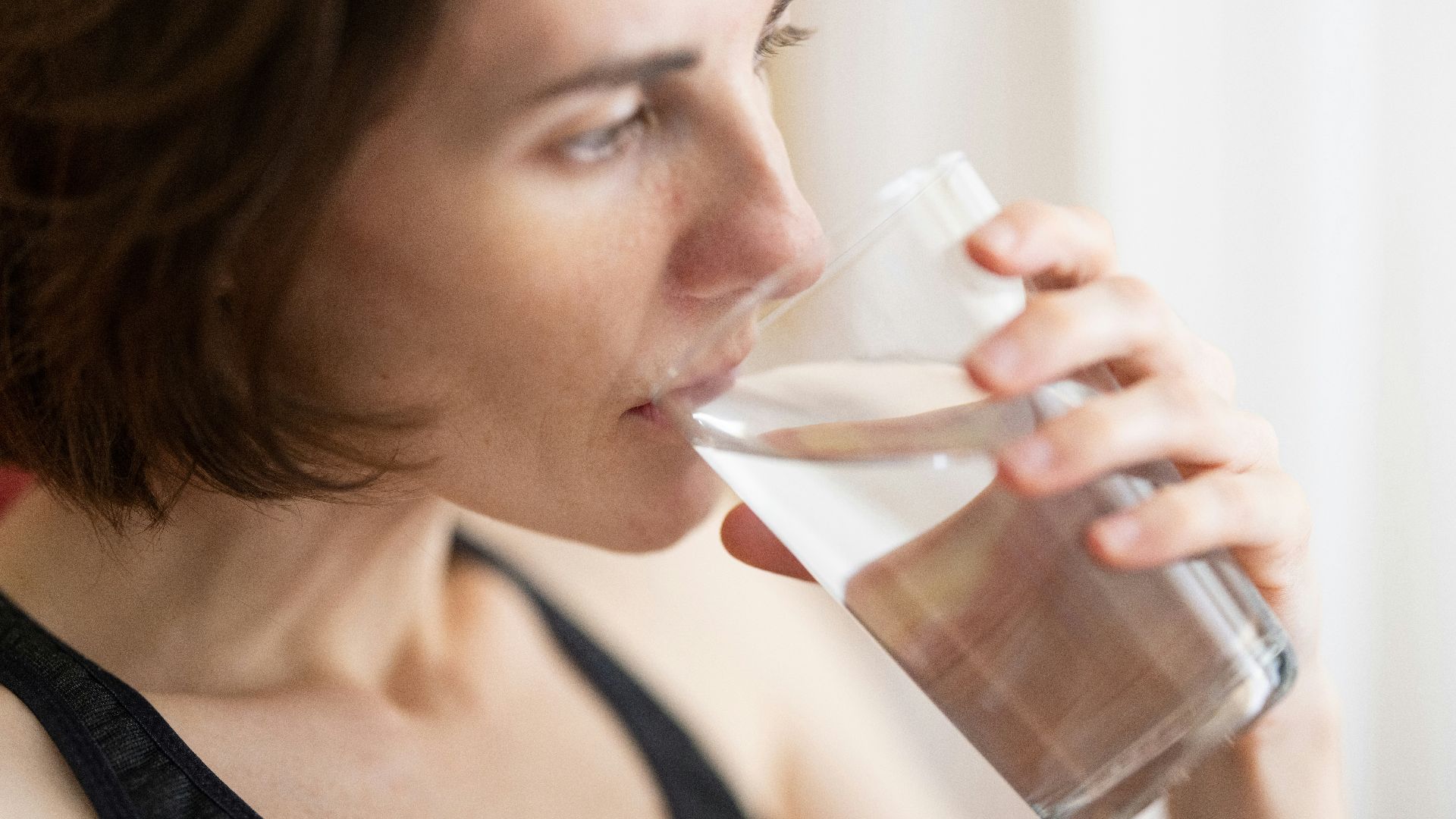
You might think it's healthy to drink lots of water after a big meal, but the opposite is true. While it's generally recommended to sip on a glass of water with your meal as the extra fluid can aid digestion, drinking too much at once right after eating can lead to discomfort, bloating, or, as some believe, diluted stomach acid.
6. Taking a Nap or Lying Down
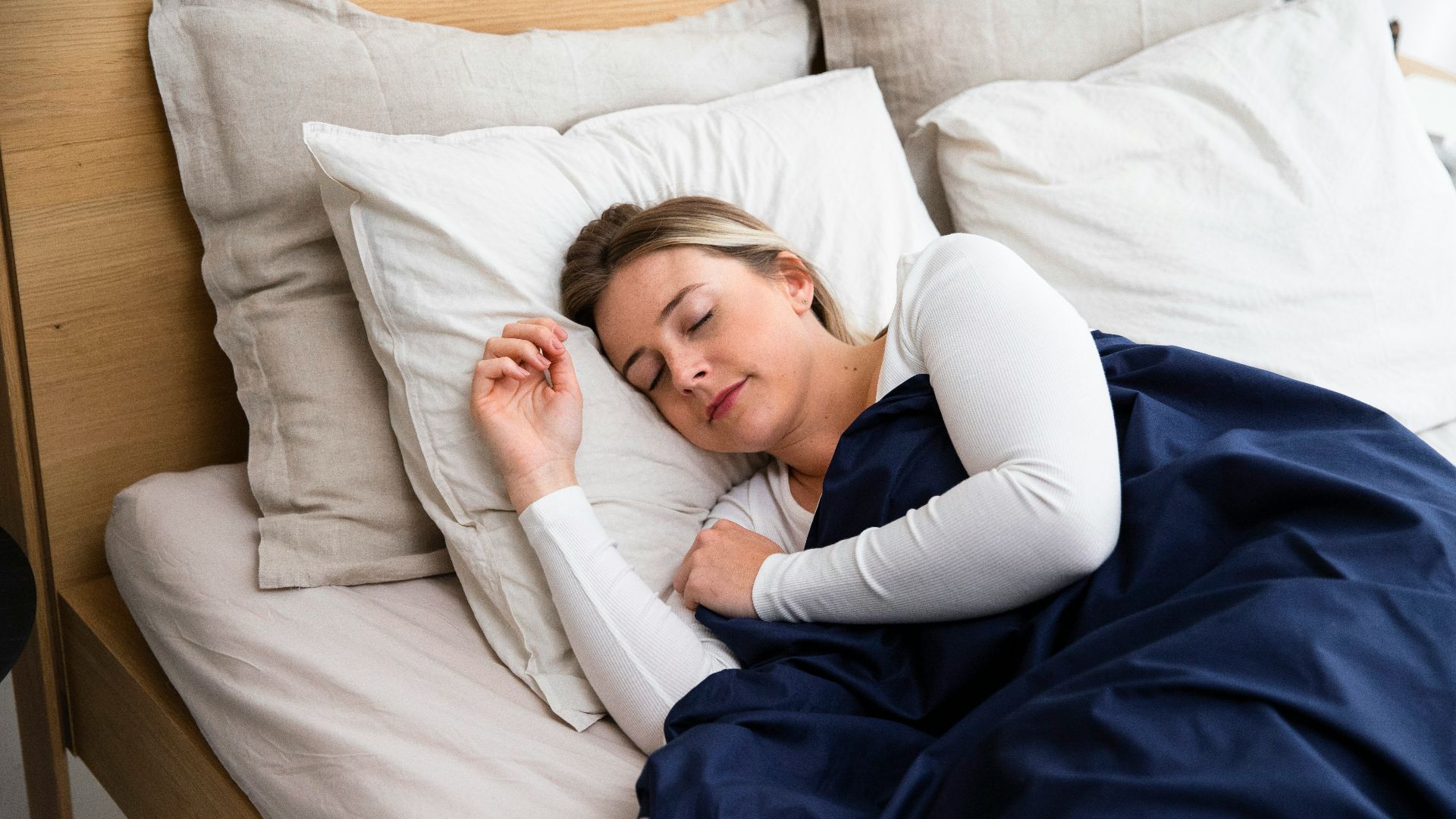
Who doesn't want to take a nap or lie down after eating? A full stomach tends to make you tired, anyway, so isn't it better to listen to what our body wants? But you might want to avoid this—lying down post-meal can cause uncomfortable symptoms, like acid reflux, heartburn, indigestion, and even regurgitation. Plus, napping for too long in the daytime can disrupt your circadian rhythm.
7. Eating Fruit
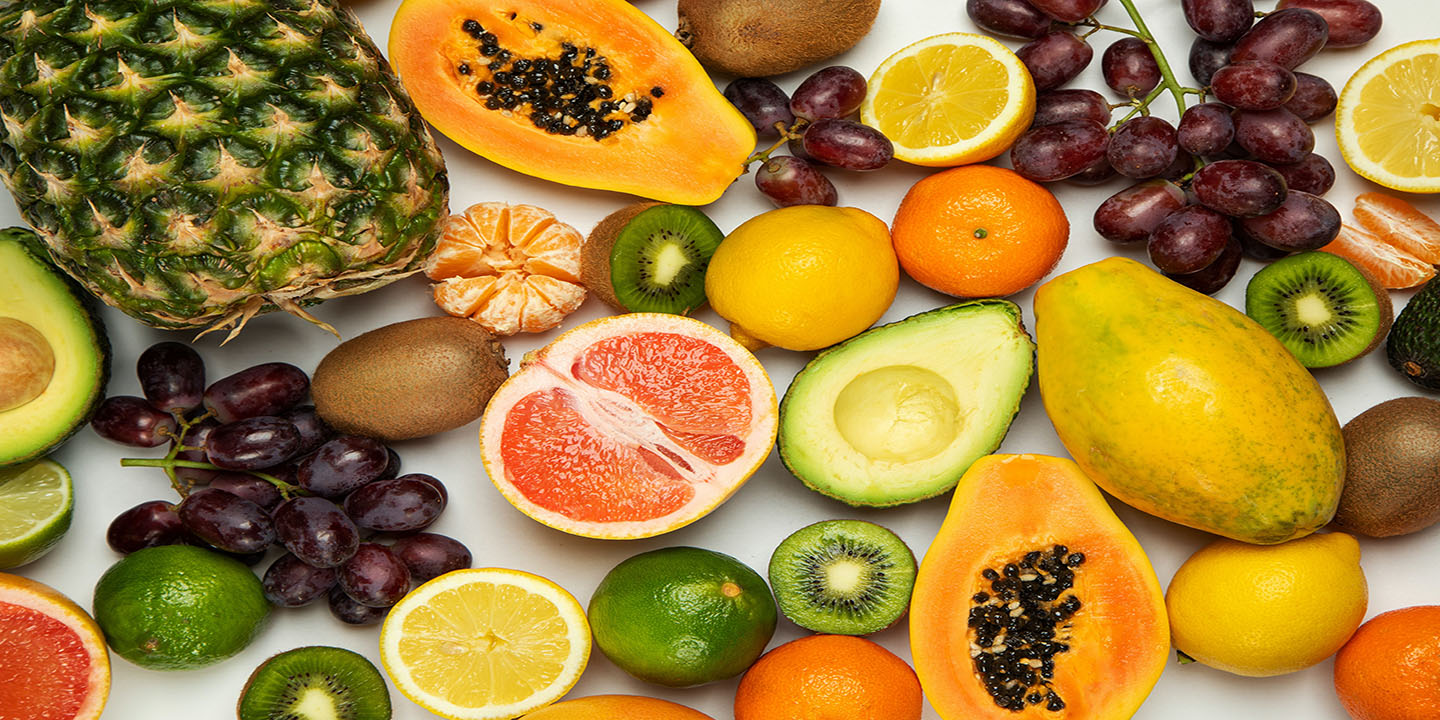
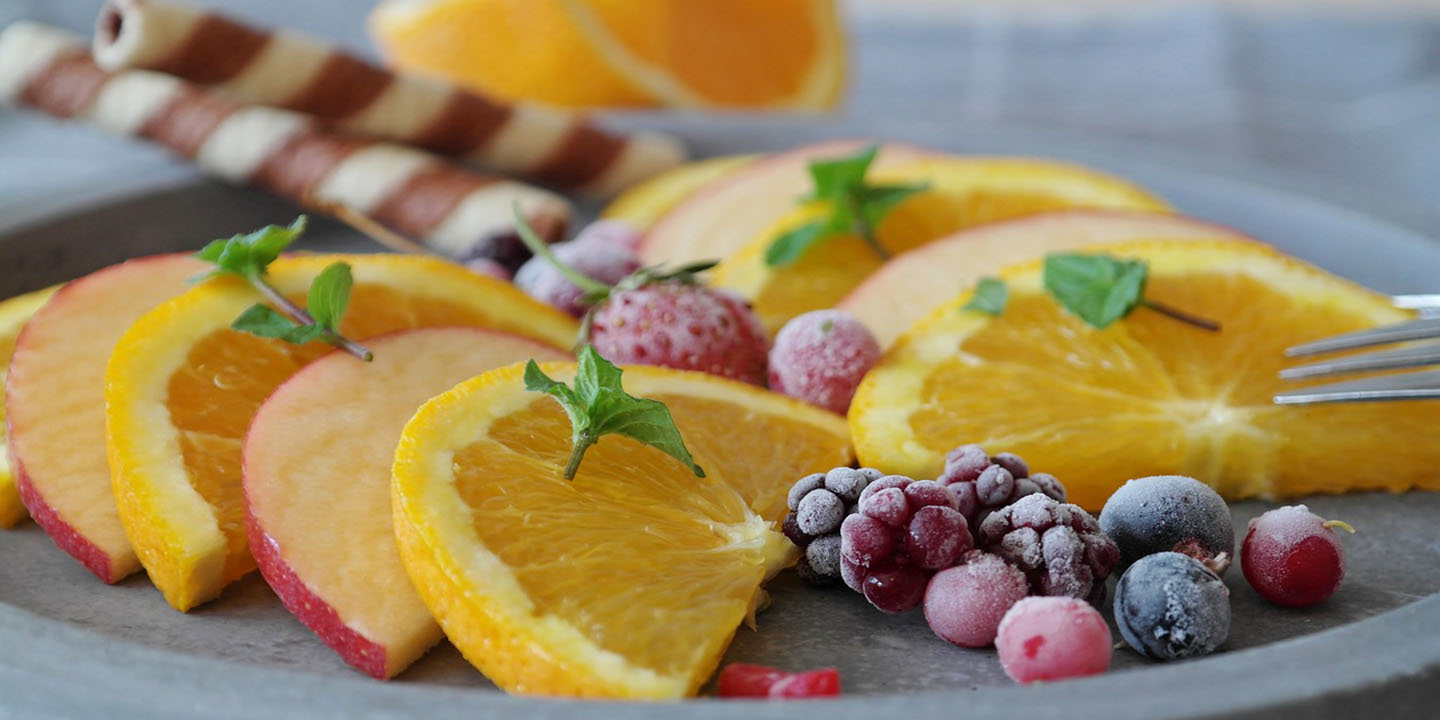
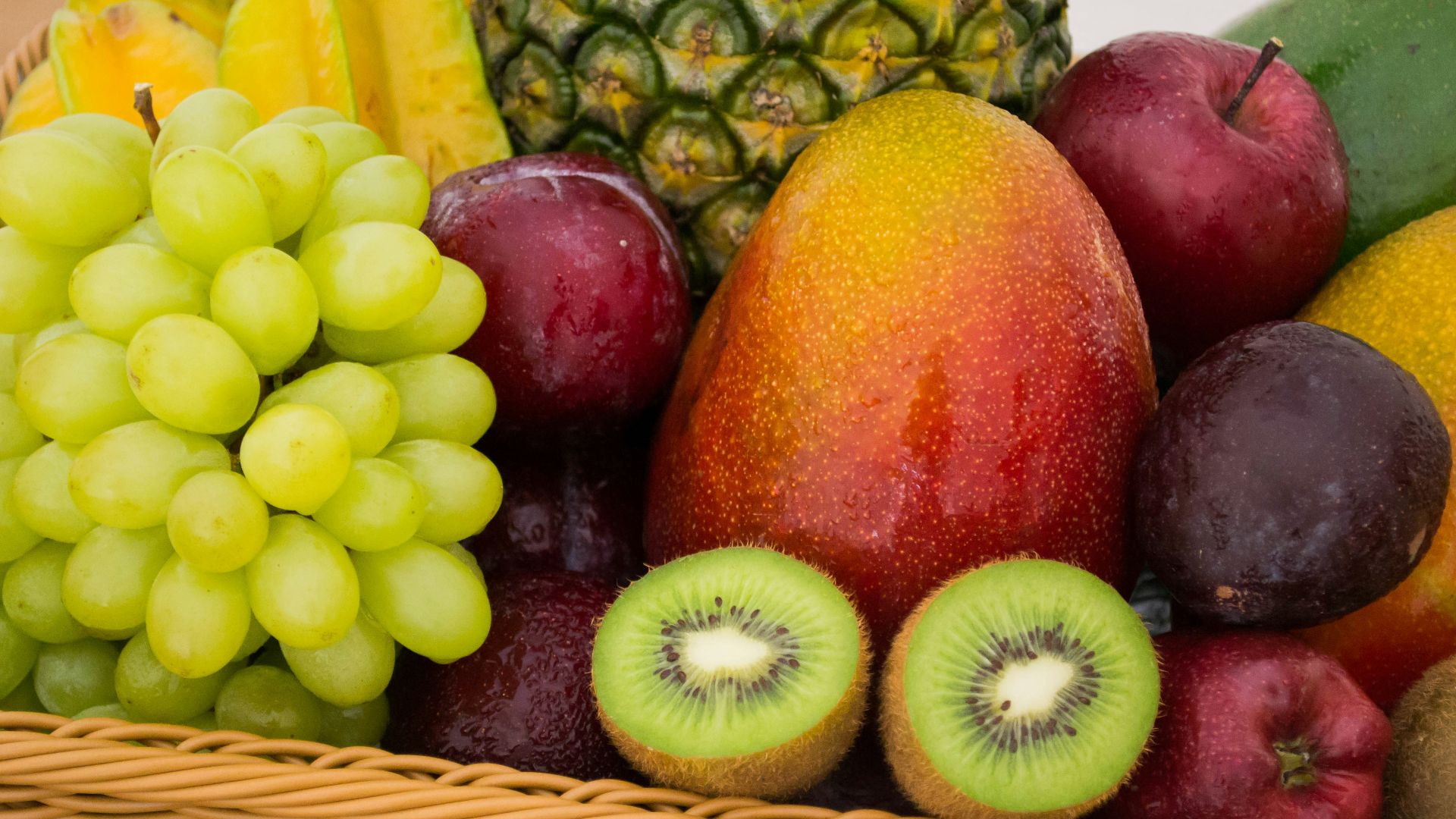
Eating fruit is a healthy habit and a great choice when you're feeling peckish throughout the day, but it isn't actually good to have it on a full stomach. Some believe that eating fruit post-meal can disrupt the way your body converts and absorbs nutrients, although research isn't entirely clear or conclusively supportive of this hypothesis. If anything, it's probably best to avoid eating too many acidic fruits shortly after eating, especially if you have gastroesophageal reflux disease, as it may trigger acid reflux, heartburn, and other uncomfortable symptoms.
8. Drinking Tea or Coffee
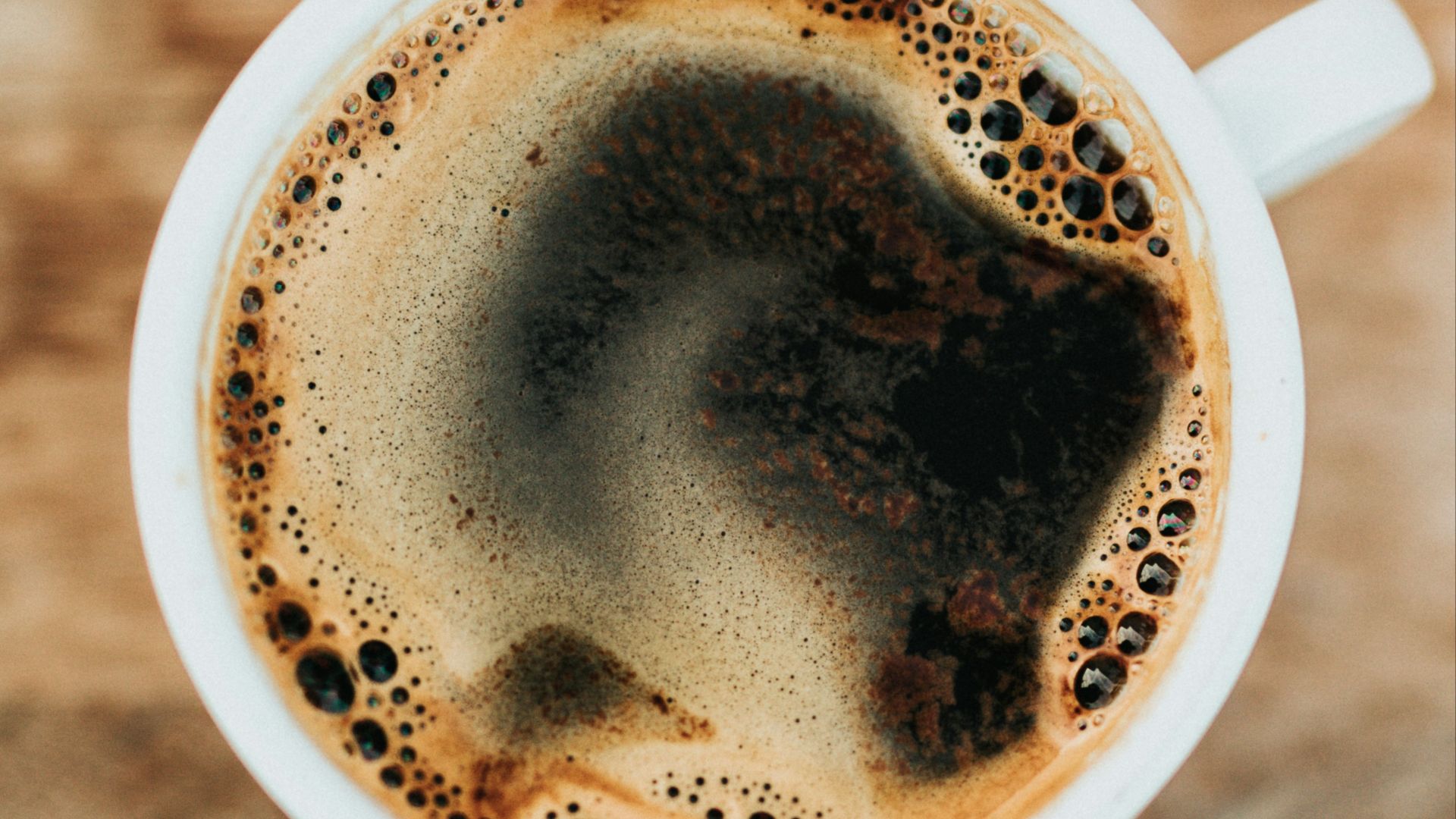
Some people also believe that drinking tea, coffee, or other caffeinated drinks post-meal can hinder iron absorption due to certain substances present in these beverages, such as tannins. These drinks may also increase stomach acid and may cause indigestion.
9. Brushing Your Teeth
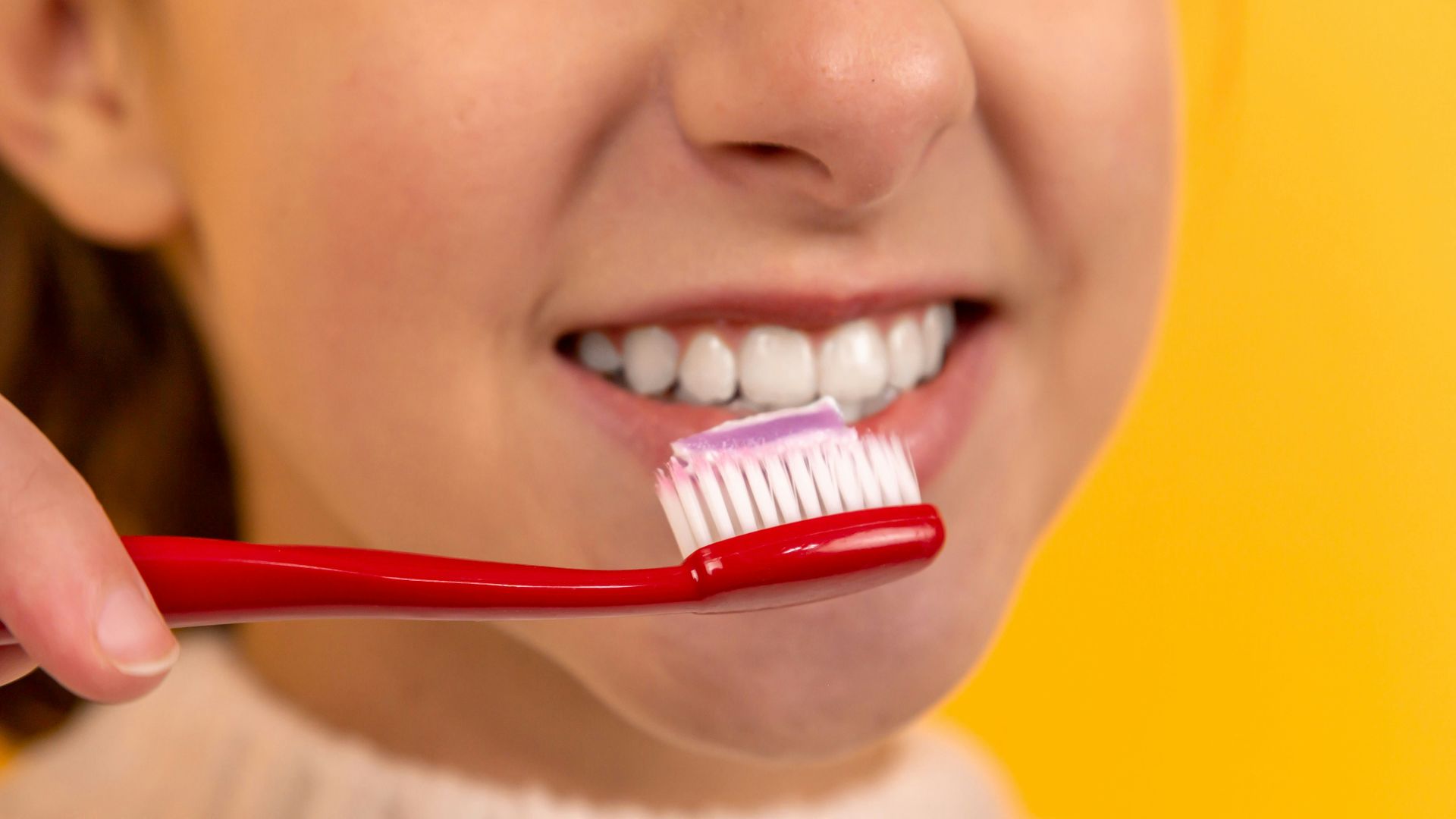
You might think it's best to brush your teeth after every meal, and especially right after eating to ensure you rinse away bacteria, but it's actually best to wait at least an hour. If you brush immediately, you could damage your enamel as it's already softened by the acids present in your food.
10. Engaging in Stressful Activities
Stress can cause indigestion, and it can also trigger your fight-or-flight response. This is largely due to the "brain-gut axis"—how your brain is connected to your gut. When you're highly stressed after eating, you can slow or even stop digestion, so it's best to give yourself a break before jumping back into work or other demanding tasks.
Now that you know you shouldn't do these 10 things after eating, what are some things you should do? Read on for healthier habits to follow post-meal:

1. Go for a Walk
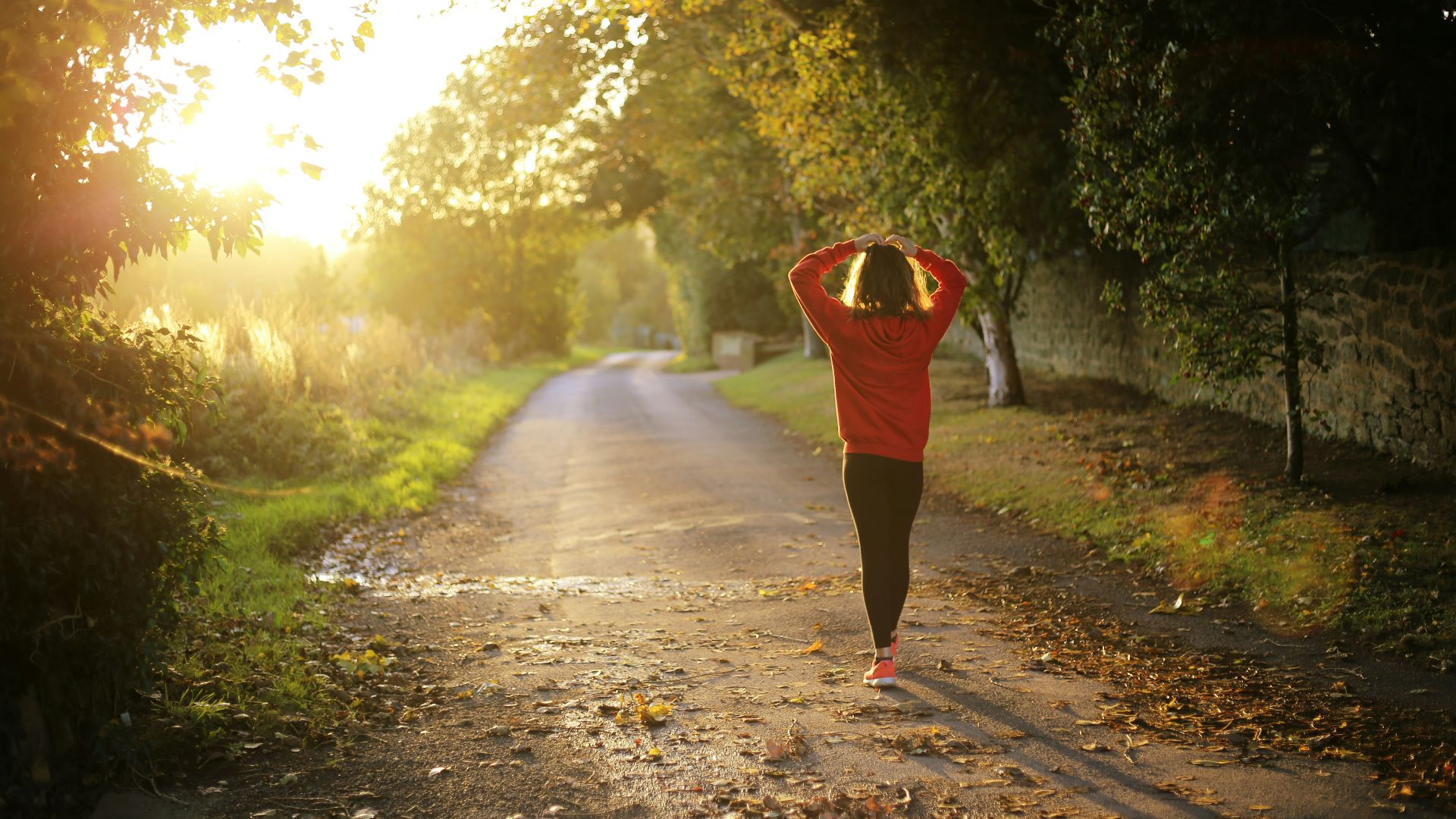
You shouldn't run, jump, or engage in any vigorous exercise immediately after eating, but if you still want to get some movement in, try going for a short walk. Gentle exercise may aid digestion, control blood sugar spikes, improve circulation, and support weight loss.
2. Do a Relaxing Activity
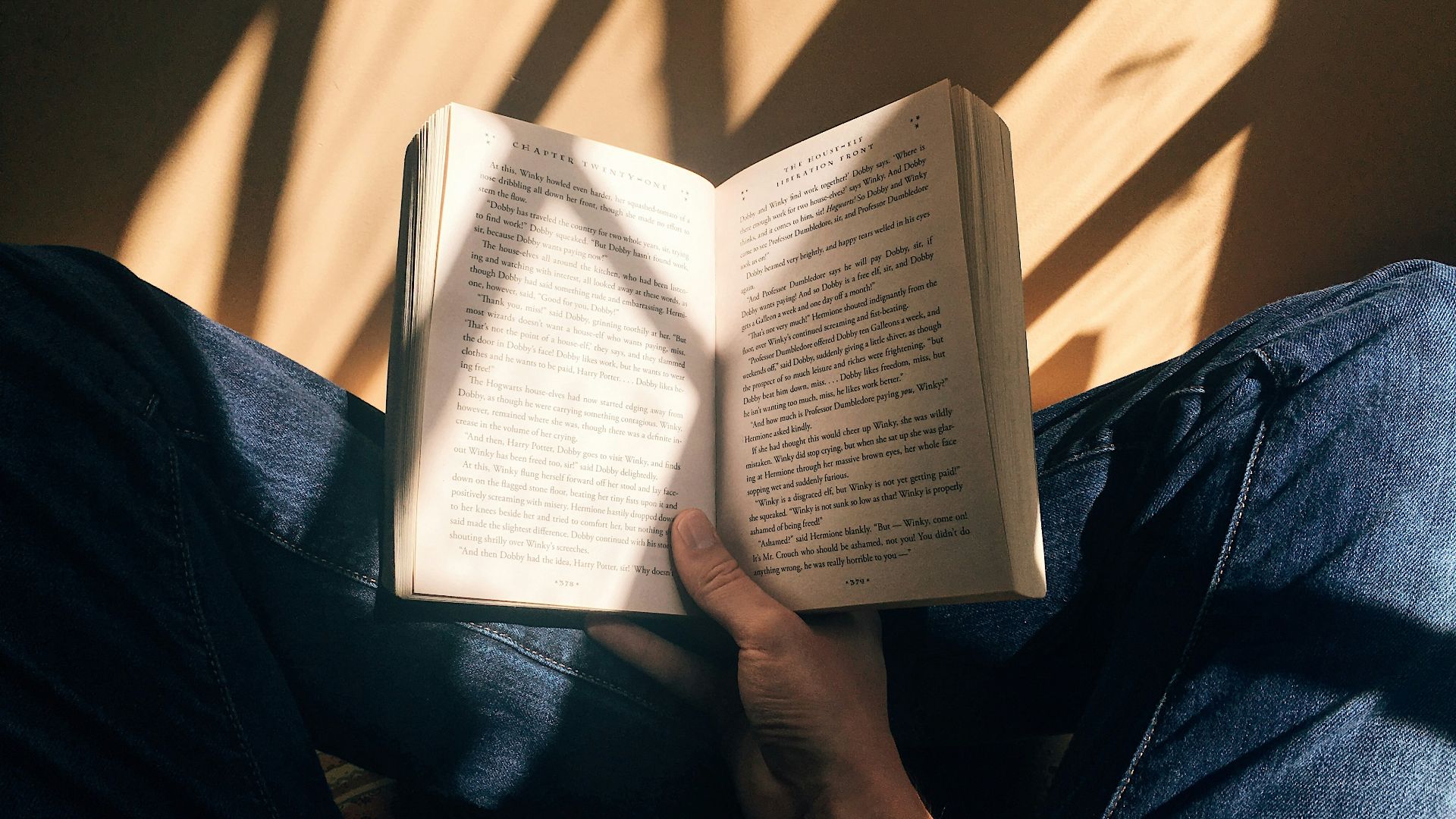
Instead of engaging in a stressful activity that triggers your fight-or-flight response, try doing a relaxing activity instead, like reading. This helps you stay alert, awake (remember: no napping after eating!), and calm—the perfect way to unwind after a filling meal.
3. Stretch
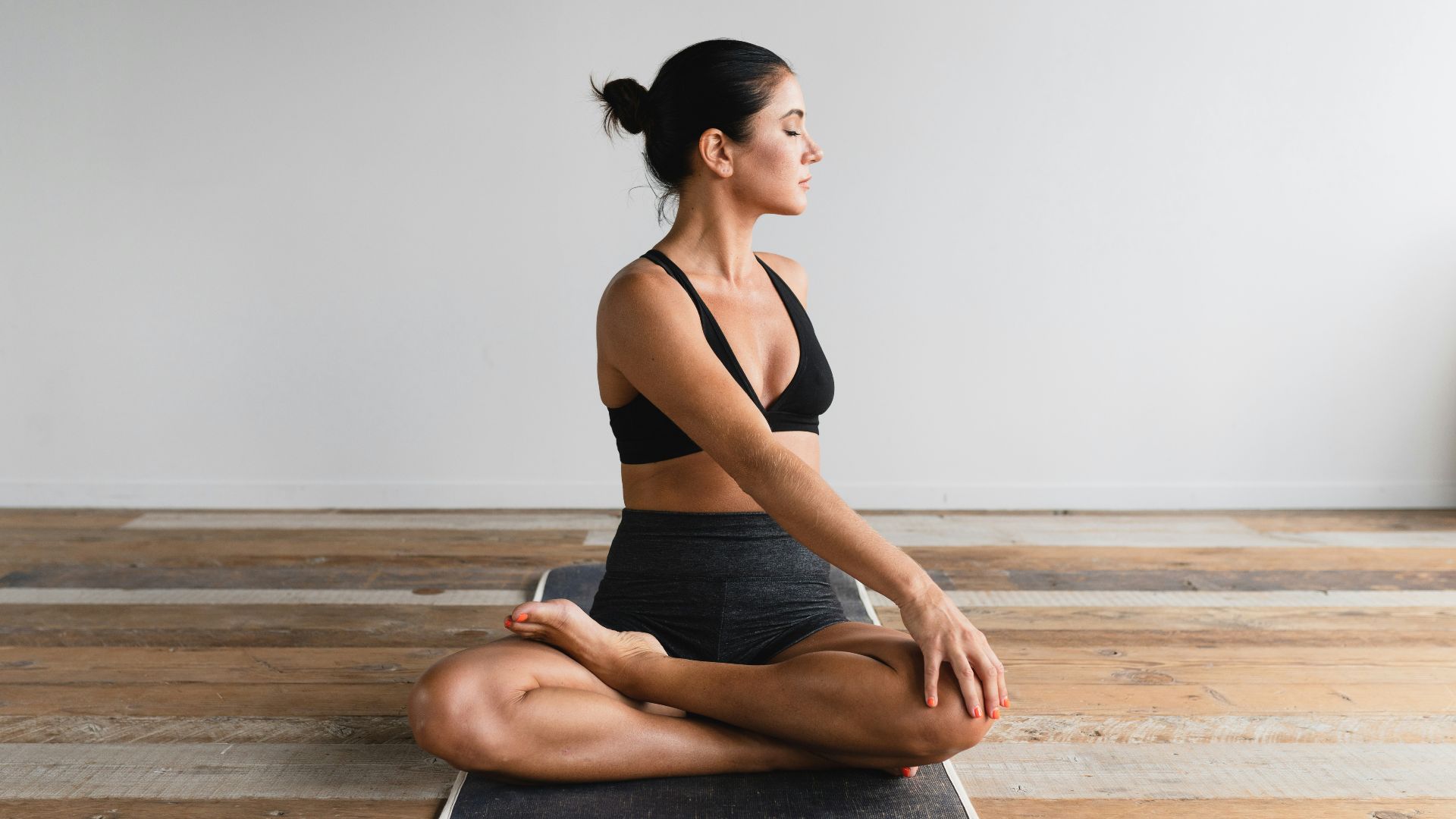
Along with walking, you can also do some light stretching to get some movement in. Stretching your body can aid digestion, manage blood sugar spikes, reduce bloating, and promote blood flow. Plus, it's a great way to relax your muscles!
4. Sit Upright
Instead of lying down right after eating, which can make you feel even more sleepy and cause uncomfortable symptoms like acid reflux, remember to sit upright. Maintaining good posture can help your body digest your meal better and prevent an upset stomach.

5. Sip on Warm Water
You shouldn't chug a ton of water right after eating, as this might cause bloating and discomfort, but you should still sip on water regularly throughout the day and with your meals. Another tip? Swap out cold drinks for warm water, as the latter may promote better digestion, improve circulation, and prevent an upset tummy.
6. Try Mindful Breathing
Heavy meals can sometimes kick up your heart rate. To cool your body back down, try mindful breathing. Pick an exercise that suits you, whether it's box breathing or the 4-7-8 method (inhaling for four seconds, holding for seven, and exhaling for eight). These techniques can help regulate your breathing, calm your mind, and slow down a racing heart.

7. Do a Gentle Chore
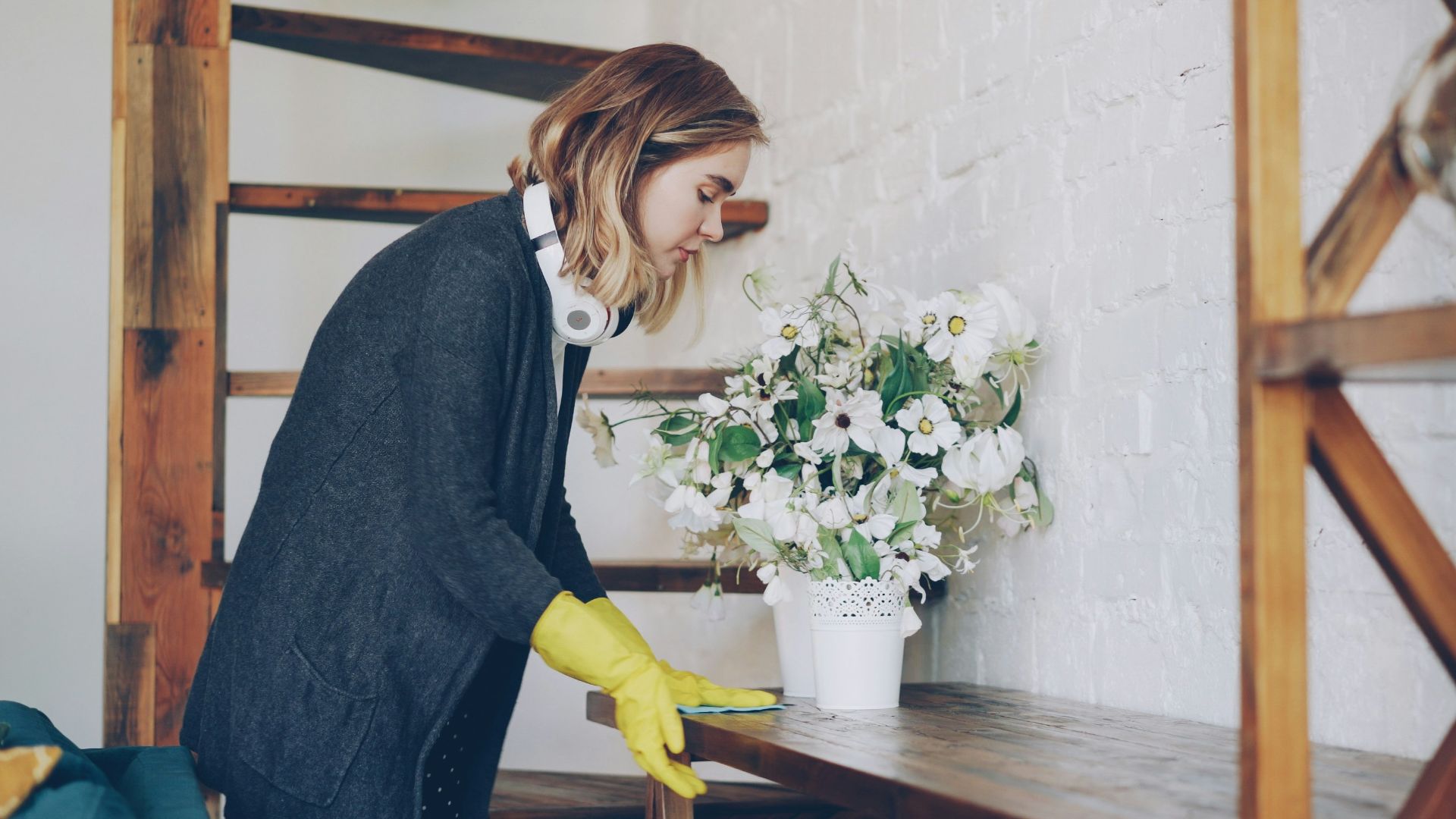
Don't be afraid to tidy up around the house if you want to get more movement in. Just make sure to pick gentle, less-demanding chores, so that you're not pushing your body to its limits while your gut is still busy digesting.
8. Wear Loose Clothing
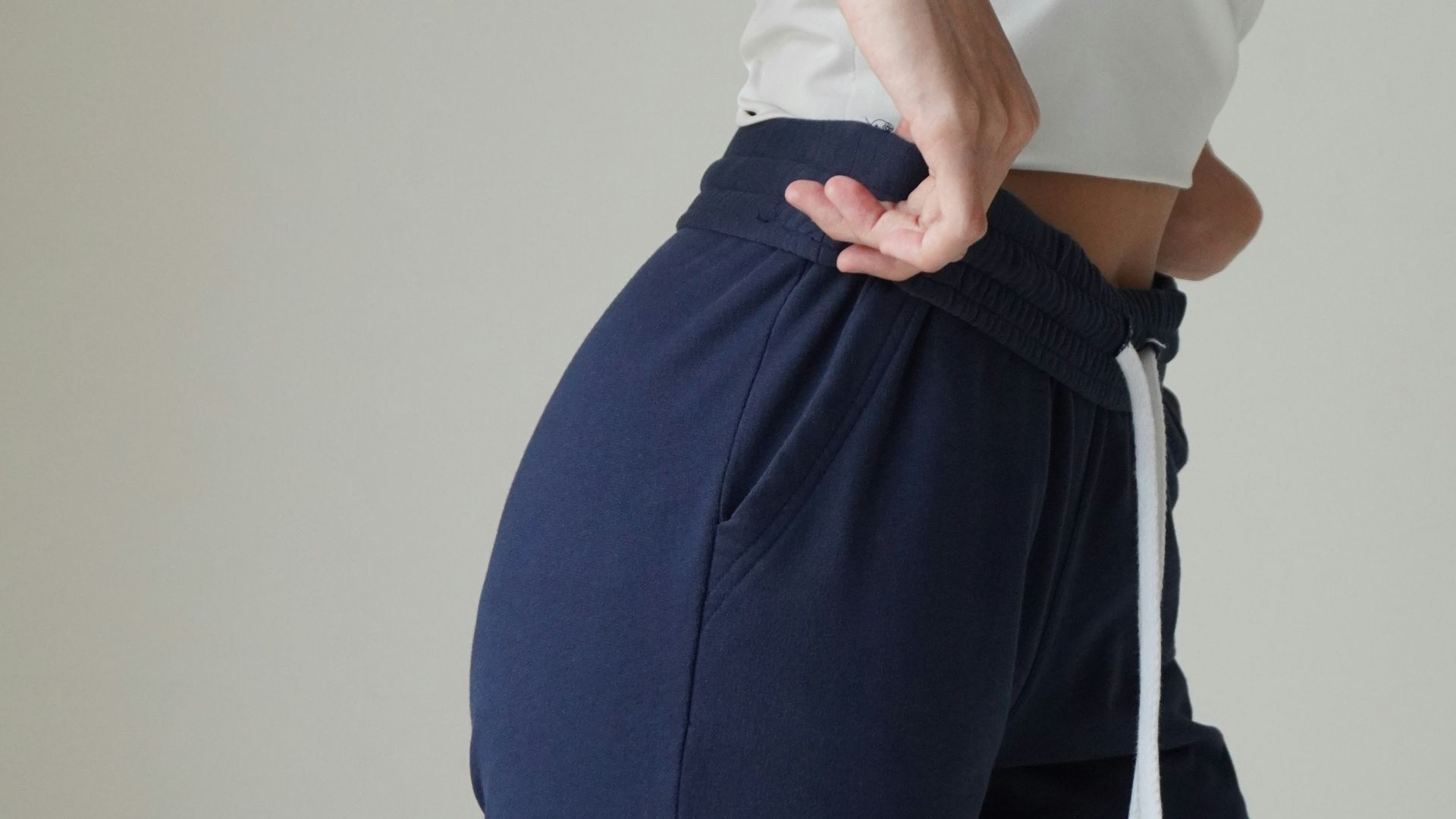
Wearing tight-fitting clothes can cause a lot of discomfort after eating a big meal, so make sure to pick an outfit beforehand that allows you to breathe, or change into more comfortable bottoms afterward. This way, you won't feel as bloated or experience indigestion.
9. Prepare a Dessert
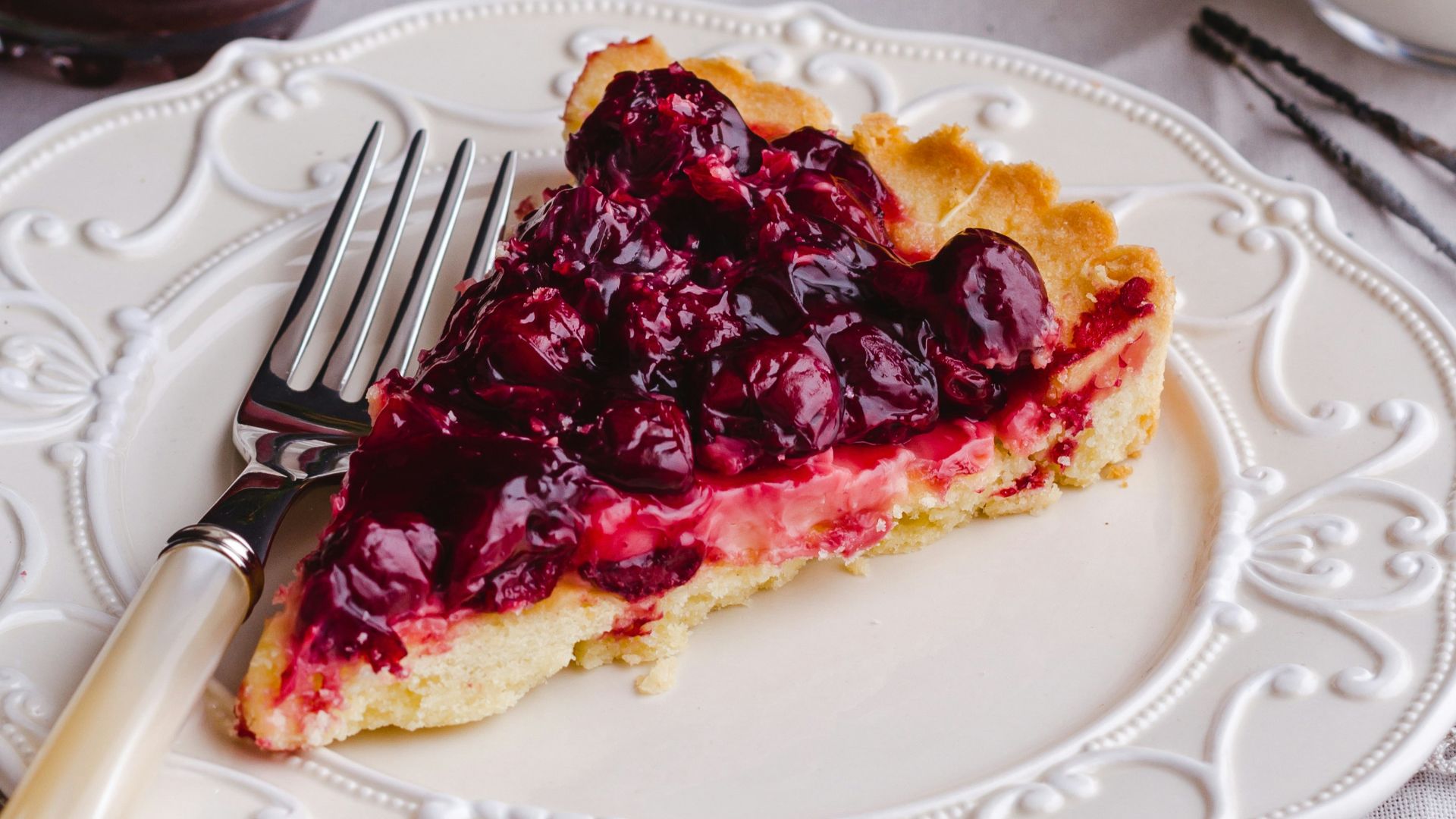
Another way to wind down after eating a big meal? Prepare a dessert! This gives your stomach time to digest and your body time to move before you introduce something sweet into the mix. Just remember to pick something that isn't too sugary!
10. Check in with Your Hunger Cues
We may sometimes snack more post-meal without thinking, either out of boredom or stress. It's best to check in with your body after eating to understand how it actually feels, and if you're really hungry for more food. Doing these regular check-ins during your meals also helps prevent overeating and trains you to eat more mindfully.
KEEP ON READING
The Most Popular Signature Dishes Around the World