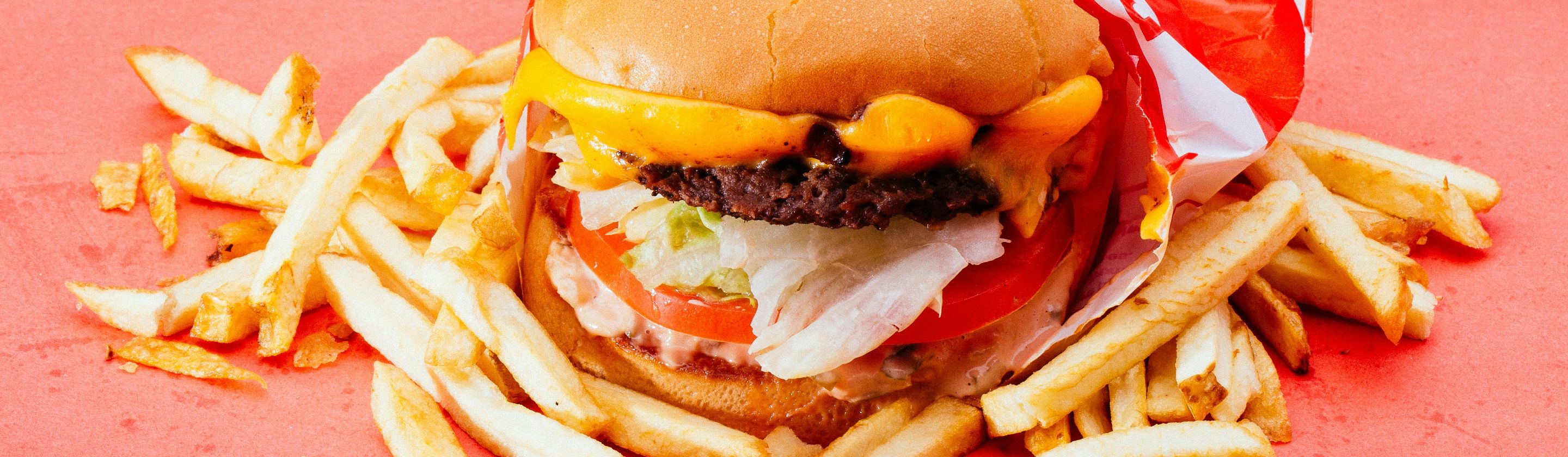
Supersized: How American Portions Got As Big As They Are Today
If you’ve ever found yourself staring wide-eyed at a burger or soda that seems to have grown overnight, you’re not imagining things. American food portions have ballooned dramatically over the last several decades, reshaping how much we eat and how we see food.
The story behind this supersizing trend is a mix of changing culture and marketing tactics that together turned average meals into giant portions. Let’s take a casual stroll into how America’s fast food tray got so packed.
From Modest Beginnings To Mega-Servings
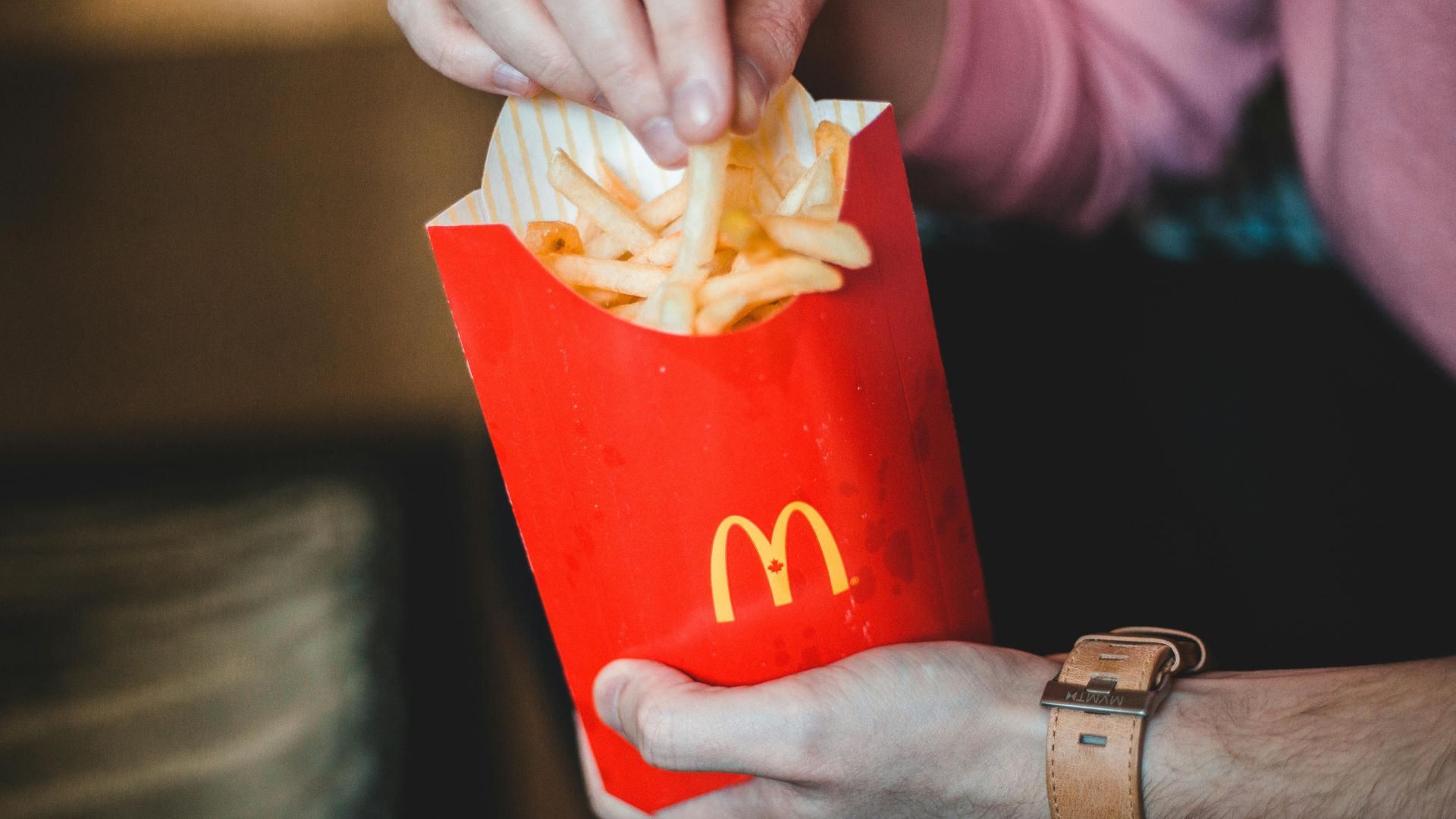
In the mid-20th century, portion sizes were remarkably modest compared to what we see today. McDonald's fries in the 1950s came in just one size—what we now call a "small." That single portion eventually became the baseline as restaurants introduced medium and large options throughout the following decades.
The real growth spurt happened between the 1970s and 1980s, when food companies started competing on size. Popular items like burgers and sodas grew two to five times larger than their original versions.
Recently, the trend has shifted slightly. Rising costs and health awareness have led some chains to quietly reduce portions through shrinkflation, though servings remain significantly larger than they were fifty years ago.
Why Bigger Became Better
There are several reasons behind this supersizing wave. One big factor is consumer psychology. People tend to be drawn to deals that offer more food for a little extra money, feeling like they’re getting better value. This “more for less” mindset pushed food chains to upsize their offerings.
Additionally, agricultural advances and food processing made it cheaper and easier to produce food in large quantities. Social factors also played a role, with lifestyles that lean toward convenient, ready-to-eat meals, especially as more Americans started eating out rather than cooking at home.
Marketing played a large part, too. Fast food companies introduced “value menus” and larger combo meals that seemed economical and satisfying. Advertising celebrated supersized options as a bonus, making it more socially acceptable.
This powerful blend of economics and culture created a cycle where businesses catered to customer demand while simultaneously shaping what customers came to want.
The Health And Cultural Impact
 AllGo - An App For Plus Size People on Unsplash
While supersizing might have seemed like a win for customers craving a good deal, it brought along some serious health questions. Larger portions mean higher calorie consumption, often without people even realizing it.
Over time, this has contributed significantly to widespread obesity and accompanying health issues in the U.S., though rates have shown signs of stabilization or slight decline in recent years.
Public health experts emphasized education and nutrition labeling to guide consumer choices. The Nutrition Labeling and Education Act of 1990, later updated in 2016 for realistic serving sizes, sought to inform the public about calorie content and portion expectations, according to the FDA.
Still, despite these efforts, the cultural pull of supersizing remains strong to this day.
KEEP ON READING