

 LOGAN WEAVER | @LGNWVR on Unsplash
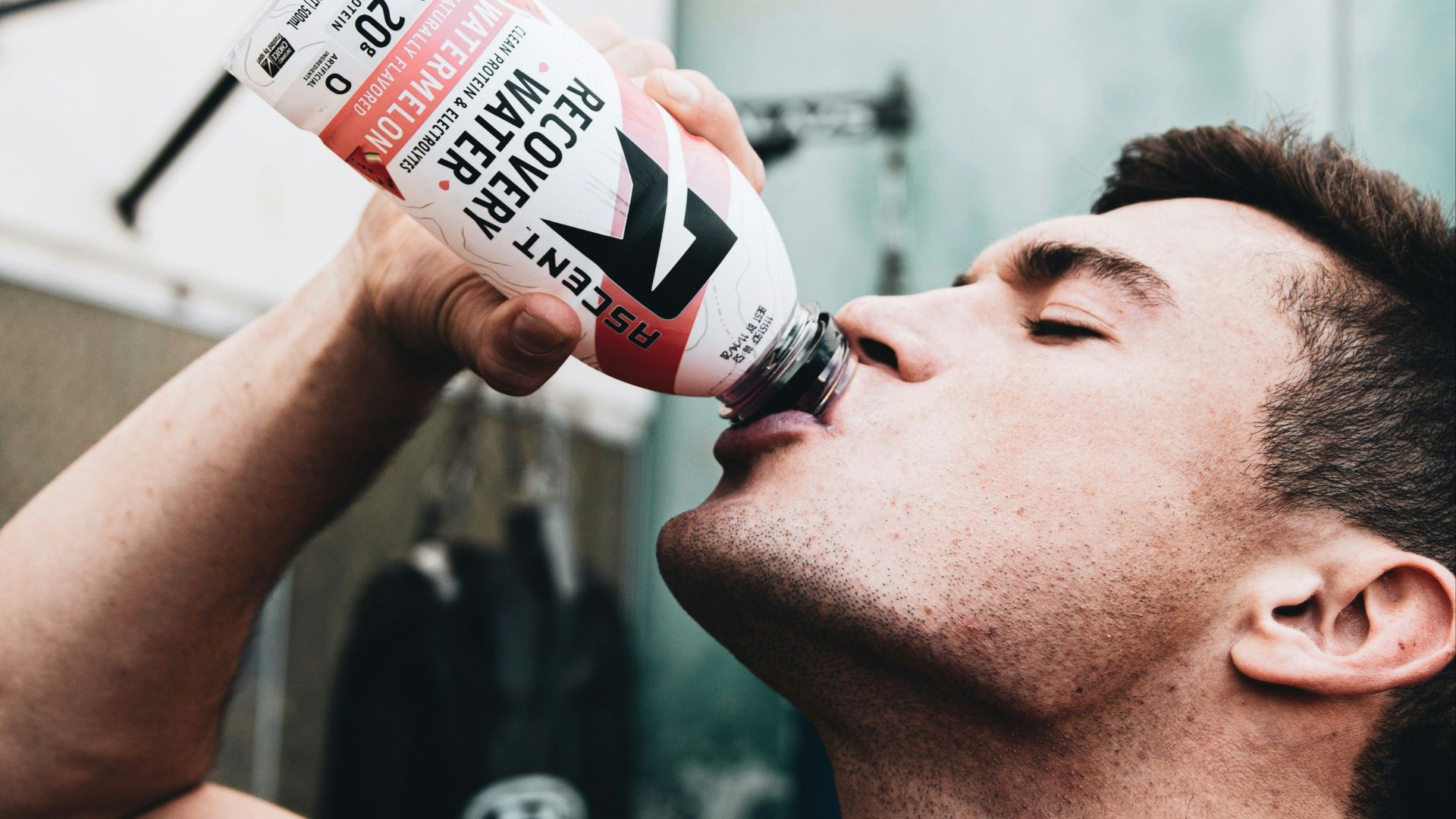
Low-carb, high-protein diets seem to be all the rage right now. Some people are even taking it as far as the carnivore diet, in which you essentially only eat protein. But it's not just fitness freaks that protein is taking center stage. Statistics by the International Food Information Council show that 71 percent of Americans tried to increase their protein intake last year, and walking into any grocery store, you'll notice protein is everywhere—from bars to cereals, ice cream, and even chips.
Culturally, we've embraced the belief that more protein automatically means healthier, but is this truly the case? While protein is essential, the fixation on consuming massive amounts of it may not be as healthy as people assume.
The role of protein
Protein's importance in the body is undeniable. As one of the body's main macronutrients, protein is made up of amino acids that serve as the fundamental building blocks of every cell. It supports muscle repair, hormone production, immune function, and countless cellular processes.
Unlike carbohydrates and fats, protein isn’t stored for later use, so your body constantly relies on dietary intake to maintain strength, energy, and overall health. Athletes, pregnant people, older adults, and those recovering from illness often need more of it, but somewhere along the way, sensible intake turned into a full-blown craze.
How much protein should you be getting?

The average person needs about 0.36 grams per pound of body weight per day, or a little more if they're very active. Thanks to diet culture, fitness influencers, and clever marketing, many people believe they need double or triple the recommended amount, but this often leads to an unnecessary dependence on powders, processed supplements, and fortified foods. In reality, most people in developed countries already get more than enough protein without even trying, and excess protein doesn’t make you fitter or leaner—it often just becomes extra calories your body stores as fat.
Too much of a good thing?
The other issue is quality. Not all protein sources are created equal. Lean meats, fish, eggs, beans, nuts, and tofu offer protein along with vitamins, fiber, and healthy fats, but much of the “high-protein” food trend relies on ultra-processed products loaded with artificial sweeteners, preservatives, and fillers. Any diet that relies on processed foods, even if they're protein-packed, can lead to inflammation and long-term health consequences.
Overconsuming protein can place added stress on the kidneys, especially for people with preexisting kidney concerns. Extremely high-protein diets may also crowd out other essential nutrients, leaving less room for fruits, vegetables, and whole grains that provide fiber and antioxidants. High-protein diets that include red and processed meats can also put you at higher risk of heart disease, certain cancers, and metabolic problems.
The middle ground
Protein is crucial for many of your body functions, and replacing some of your carbs with protein can be healthy and helpful for reaching your fitness goals. However, the fixation on protein has gotten out of hand. The best approach is to use your judgement: if a package of cookies advertises that it has 10 grams of protein per serving, don't assume it's healthy.
Focus on balanced eating, choose whole-food protein sources, and eat enough to feel energized. Skip the pressure to cram protein into every snack and meal, and remember that fitness goals like building muscle rely more on consistent strength training and overall calorie intake, not guzzling protein shakes.
KEEP ON READING

How Microwaves Could Be Ruining Your Food

The Secret to Perfect Eggs Every Time
Is This Ancient Grain The Next Big Superfood?

The Protein Obsession: Is It Actually Healthy?
