The Scientific Reason Leftover Rice Deserves Extra Caution
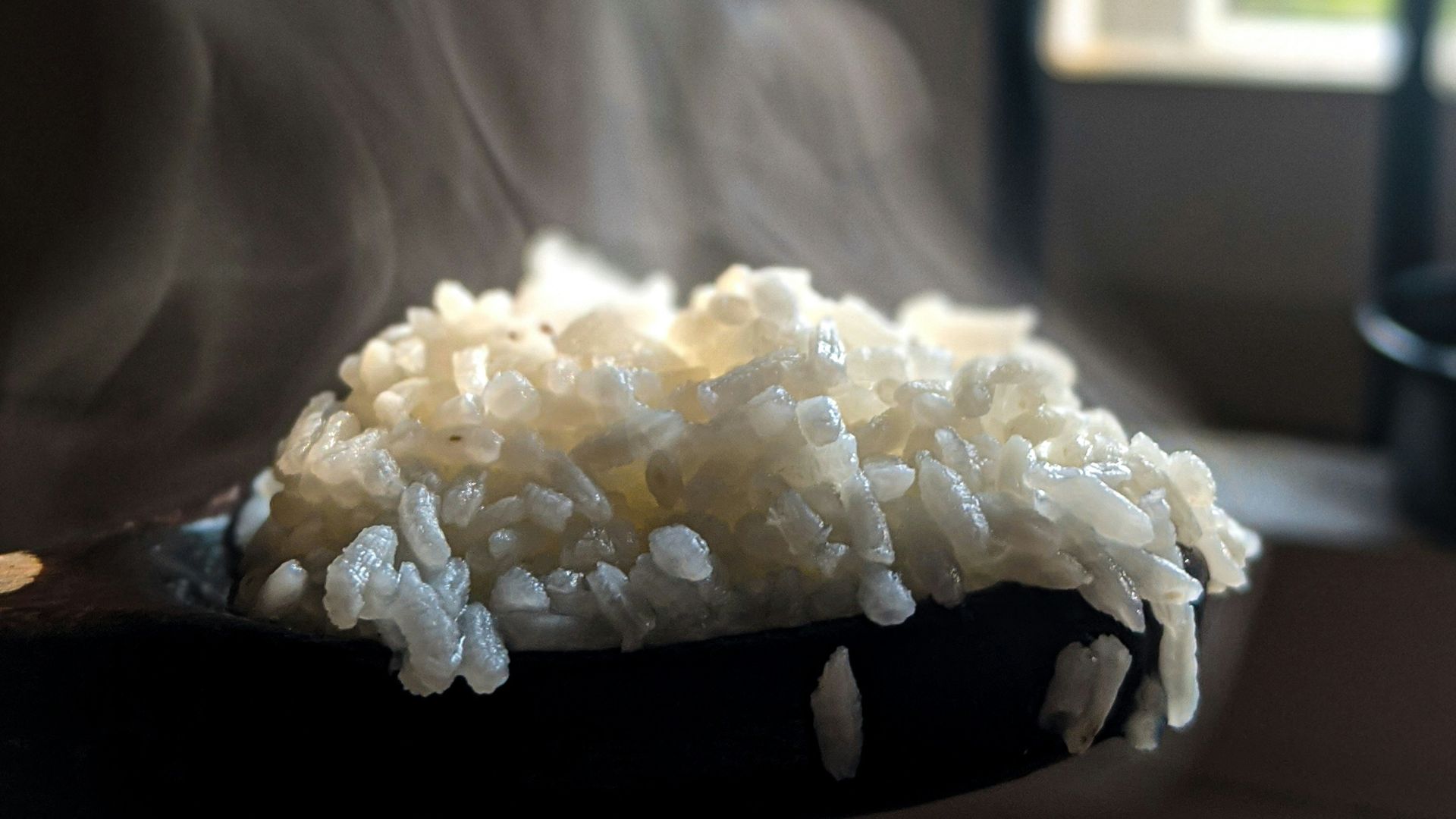
Who doesn't love a heaping pile of leftover rice? After all, there are countless uses for it, from fried rice to burrito bowls. However, cooked rice actually deserves a little more caution than other leftover food, as it can become a surprisingly good environment for certain bacteria.
The main concern is Bacillus cereus, a bacterium commonly found in soil and various foods, including rice. Its spores can survive cooking, which means boiling rice doesn't eliminate the problem. It's what happens to the rice after cooking, however, that makes the biggest difference.
The Bacterium That Can Survive Cooking
Bacillus cereus is what's known as a spore-forming bacterium. Under unfavorable conditions, it can produce hardy spores capable of surviving stresses that would kill ordinary bacterial cells, including high cooking temperatures. Rice may therefore come out of the pot looking perfectly safe while still containing dormant spores.
Those spores usually aren't a problem when you eat the rice soon after it's prepared. Trouble becomes more likely when cooked rice stays warm or at room temperature for an extended period, allowing surviving spores to germinate and multiply. FDA guidance specifically identifies boiled and fried rice among foods that have been associated with B. cereus food poisoning.
As the bacteria multiply, some strains can produce a toxin called cereulide that causes illness. Symptoms can appear surprisingly quickly, with an incubation period of roughly one to six hours for illness caused by preformed toxin. Nausea and vomiting are especially common, although diarrhea may occur as well.
One reason leftover rice deserves particular attention is that reheating isn't necessarily a reset button. Heating may kill many bacterial cells, but certain toxins produced while food was sitting improperly can be heat-stable. That means rice can be steaming hot after reheating and still potentially cause illness if it was left on the counter too long after you initially cooked it.
Cooling Rice Quickly Makes a Big Difference
The safest approach begins almost as soon as dinner ends. Perishable leftovers should be refrigerated within two hours of cooking or being removed from hot holding, and within one hour when temperatures are above 90°F. Bacteria can multiply rapidly between 40°F and 140°F, a range commonly called the food safety "danger zone".
You don't need to leave rice sitting on the counter until it reaches room temperature before putting it away. In fact, hot foods can and should go directly into the refrigerator. The old habit of leaving food to cool at room temperature before storing it comes from the days before fridges were so good at their jobs. Dividing a large quantity into smaller, shallow containers helps it cool more rapidly, reducing the amount of time the rice spends at temperatures that encourage bacterial growth.
Your fridge temperature matters, too. The USDA recommends keeping refrigerators at 40°F or below, which slows bacterial growth and helps keep properly stored leftovers safer. If your refrigerator tends to run warm, an inexpensive appliance thermometer can remove some of the guesswork.
Storage time shouldn't be ignored simply because the rice still looks normal. USDA recommendations generally call for using cooked leftovers within three to four days.
Unfortunately, harmful bacteria aren't always accompanied by an obvious bad smell, strange color, or unpleasant taste, so your senses aren't a reliable food safety test.
Reheating Helps, but Proper Storage Comes First
When you do reheat refrigerated rice, make sure it's thoroughly heated rather than merely lukewarm. USDA guidance recommends reheating leftovers to an internal temperature of 165°F. With microwaved rice, stirring or rotating the food can also help reduce cold spots where portions may not heat evenly.
Still, proper reheating can't undo every storage mistake. If cooked rice sat on the counter throughout the evening or overnight, the safer option is to throw it away rather than attempting to rescue it with extra microwave time. USDA advice recommends discarding perishable foods left at room temperature longer than two hours, even when they still look and smell perfectly fine. You should also not reheat rice twice because each time rice cools and warms up, it gives bacteria more chances to grow.
The risk isn't just theoretical. A CDC investigation into a 1993 outbreak associated with chicken fried rice prepared at a local restaurant and served at two child day care centers found B. cereus in leftover rice samples after multiple people became ill, with symptoms appearing within just a few hours. Following the outbreak, health officials stressed to the day care staff and restaurant employees never to cool rice at room temperature.
None of this means you need to stop enjoying leftover rice. It simply needs the same attention you'd give other perishable foods: refrigerate it promptly, keep it cold, don't store it indefinitely, and reheat it thoroughly. Treat those habits as part of making rice, and tomorrow's fried rice can remain the convenient meal you intended rather than an unpleasant science lesson.
KEEP ON READING

20 Food-Related Art Projects