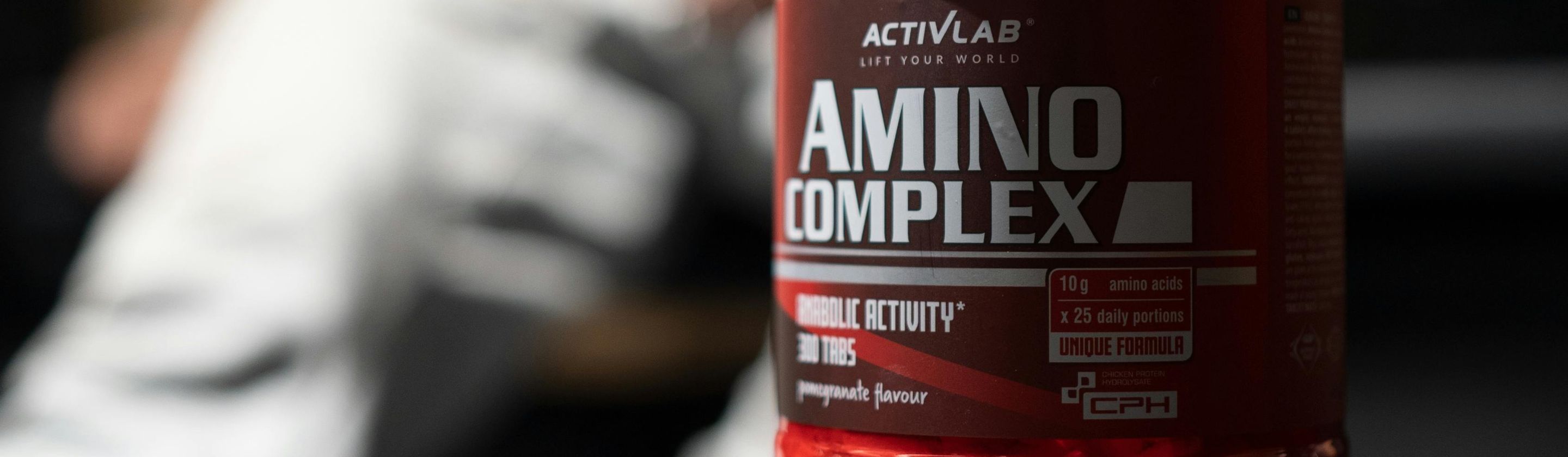
What's Actually In Your Pre-Workout That Makes You Feel Like The Hulk & Is It Good For You?
What's Actually In Your Pre-Workout That Makes You Feel Like The Hulk & Is It Good For You?

Pre-workout supplements are sold with a very specific promise. They say they can help you train harder, feel sharper, and walk into the gym like you've suddenly become a much more powerful version of yourself, and they're honestly not wrong. If you've ever taken it and thought, "What's in this stuff"?, feeling as if you just took an illicit substance, you already know what we're talking about.
What many people don't know is that this effect usually isn't coming from one magical ingredient. It's more often the result of a few common compounds working together to make you feel energized, alert, and ready to move. The bigger question, though, is whether that feeling means the supplement is helping you in a healthy way or simply pushing the right buttons in your nervous system.
The Ingredients Doing Most of the Heavy Lifting
The ingredient doing the most obvious work in many pre-workouts is caffeine. In a lot of formulas, it's the reason you feel switched on, mentally sharp, and more willing to push through fatigue. Caffeine stimulates the central nervous system, which can improve alertness and exercise performance, especially when you're tired. That said, high doses can also leave you jittery, anxious, or weirdly irritated if your body doesn't handle it well.
Another ingredient people notice quickly is beta-alanine, which is the one that often causes that prickly or itchy feeling. That sensation can make a product feel especially intense, even though the tingling itself is not the same thing as improved performance in the moment. Beta-alanine may help with muscular endurance over time when used consistently, but its immediate physical buzz mostly just makes people feel like something serious is happening. In other words, the drama of the sensation can be stronger than the practical effect you get from a single scoop.
You will also see ingredients like citrulline, arginine, and sometimes nitrates marketed for better blood flow and muscle pumps. These are included because they may help support nitric oxide production, which can improve circulation and make workouts feel more satisfying. That fuller, tighter muscle feeling is part of the appeal for a lot of lifters because it makes training feel productive and noticeable.
Even so, not every formula includes enough of these ingredients to make a meaningful difference beyond the label.
Why It Feels So Powerful Even When the Science Is Mixed
Part of the reason pre-workout feels so intense is that the experience is designed to be noticeable. Companies know that if you drink something and immediately feel more awake, more focused, and slightly electrified, you're more likely to believe it's working. That doesn't automatically mean the product is useless, but it does mean sensation and effectiveness aren't exactly the same thing. A supplement can feel dramatic while still being less impressive than its branding suggests.
The ritual itself matters more than people admit. When you mix a brightly colored drink, head to the gym, and expect to perform better, your mindset shifts before the first set even starts. That mental cue can absolutely help you train with more intensity because expectation changes behavior in ways that are very real. Added to the equation the fact that you have so much caffeine coursing through your veins that skipping your workout doesn't feel like an option.
There is also the issue of ingredient stacking. Many formulas combine caffeine with other stimulants, focus compounds, sweeteners, flavoring systems, and performance ingredients that create a very loaded experience. When several things hit at once, you may interpret that rush as proof that the product is powerful and beneficial.
The trouble is that your body experiences all of it together, so what feels like strength can sometimes just be overstimulation in gym clothes.
Is It Actually Good for You?
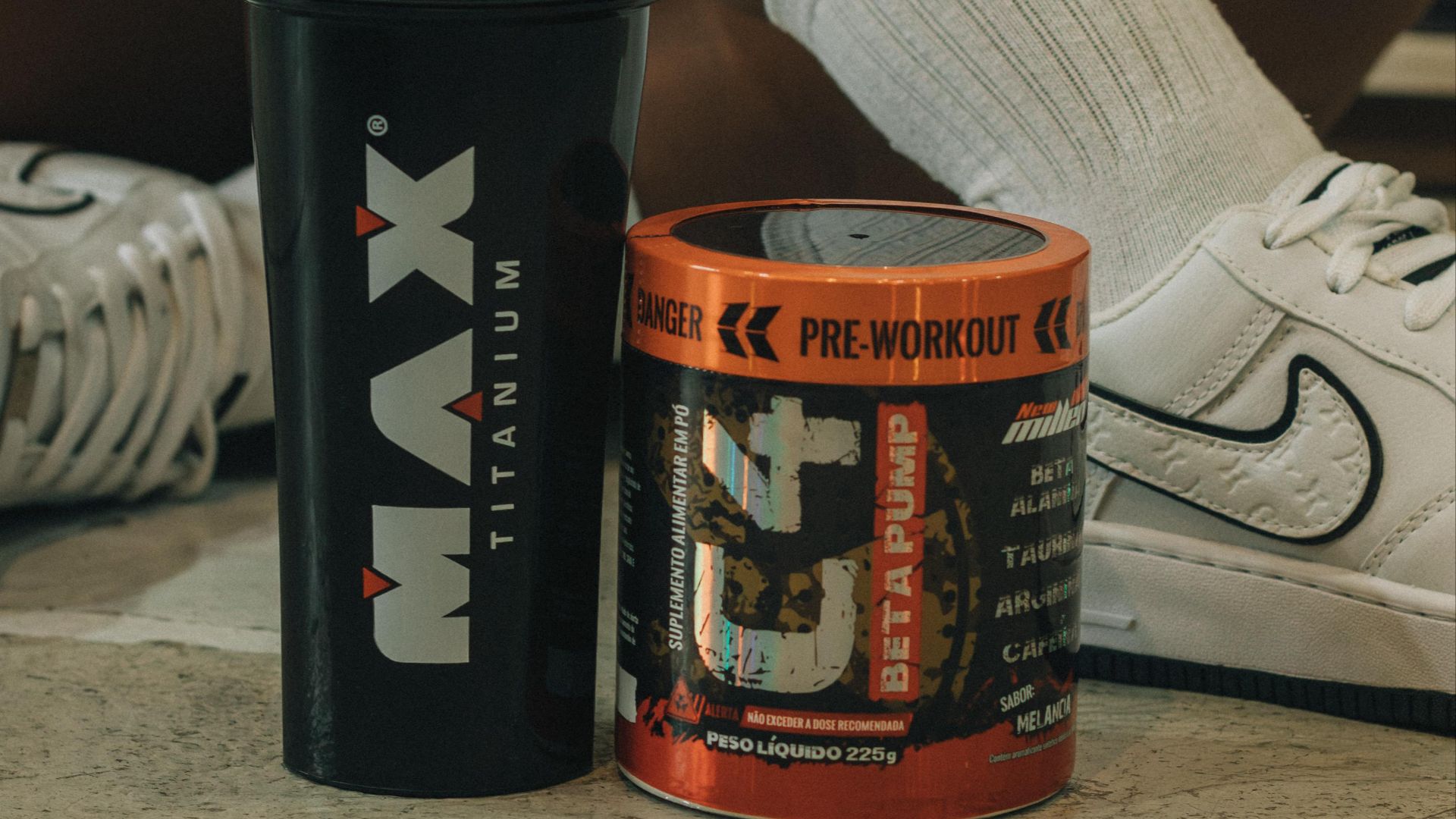 Mayara Caroline Mombelli on Pexels
The honest answer is that some pre-workouts can be useful, but they aren't automatically good for you just because they improve your mood in the gym. If the formula is reasonably dosed, used responsibly, and fits your tolerance, it may help with energy, endurance, and training consistency. For some people, that's enough to make it a practical tool rather than a gimmick. The problem starts when the dose is excessive, the label is messy, or the user treats it like a shortcut instead of a supplement.
Too much caffeine is where many problems begin. A heavily dosed pre-workout can leave you with a rapid heartbeat, sleep disruption, digestive discomfort, headaches, or a crash later in the day that makes the whole thing feel less impressive in hindsight. If you're taking it in the evening, doubling up on other stimulants, or already sensitive to caffeine, the downside can show up fast. Feeling invincible for forty-five minutes isn't worth being wide awake at 2 a.m., wondering what exactly you drank.
It also matters that not everybody needs pre-workout in the first place.
If you're sleeping well, eating enough, staying hydrated, and timing your meals properly, you may already have all the energy and motivation you need to train effectively.
The smartest approach is to read the label, know your own tolerance, and stay skeptical of anything promising superhero results. Some ingredients do have evidence behind them, and some products are more sensible than others. Still, the feeling of turning into the Hulk is not the same as becoming healthier, stronger, or better recovered. If you keep that distinction clear, you're much less likely to let a loud supplement convince you it's doing more than it really is.
KEEP ON READING

The Most Popular Signature Dishes Around the World