Frozen meals weren't always a standard part of the American grocery store. Before modern freezing technology became practical, frozen foods could suffer from poor texture and quality, which made shoppers skeptical of them. Clarence Birdseye's quick-freezing innovations in the 1920s helped change that by allowing food to freeze rapidly enough to better preserve its texture, while improvements in packaging, transportation, and refrigeration eventually made frozen food practical for American households.
Frozen dinners became linked with television and the American way of life in the 1950s. Swanson brought out their TV dinners in 1954. This allowed families to have a whole meal ready to pop in the oven from their freezer. It wasn't just a fad that would fade away after the war. People started buying frozen dinners.
Convenience Changed Dinner
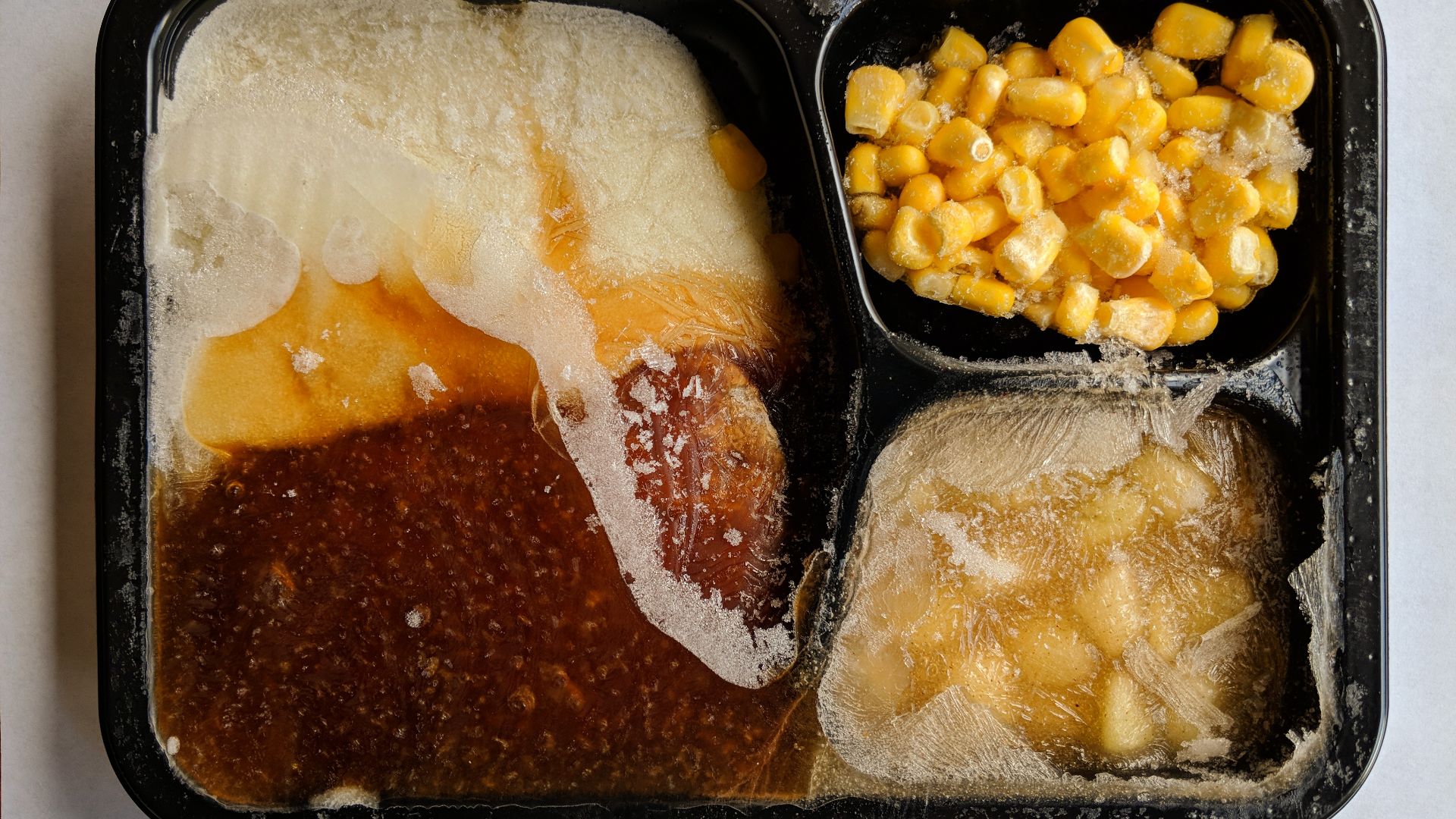
One of the biggest attractions was obvious: frozen meals saved time. Instead of preparing several ingredients, cooking them separately, and cleaning a collection of pots and pans, a frozen dinner required relatively little preparation. Swanson even marketed its TV dinners around easy preparation and reduced cleanup, with the disposable tray becoming part of the appeal.
Timing played a big role. There were more women working after the war, but they were still expected to make most of the meals for their family. If you wanted a meal to be ready in a shorter amount of time, then frozen foods were your answer.
Frozen dinners allowed for easier portions as well. Everything was broken down into portions for you, so you did not have to worry about how much turkey or vegetables you should give your family. By the 1970s, frozen dinners had also attracted people interested in portion-controlled meals, giving the category another reason to remain useful beyond pure convenience.
The original TV dinner arrived at an unusually convenient moment for American culture. Television ownership expanded rapidly during the 1950s, rising from only 9 percent of U.S. households in 1950 to more than 64 percent by 1955. By 1960, nearly 90 percent of American homes had a television, making eating dinner while watching a program an increasingly familiar part of domestic life.
Swanson's marketing connected the frozen meal directly to this new form of entertainment. By advertising their frozen dinners, they were able to sell the idea that you could have dinner without spending hours preparing your food. The ability to take your dinner with you on the throwaway pan they came in allowed you to watch TV anywhere.
Another aspect that made this idea great was that it wasn't your typical dinner. Since everything was separated in little containers, it allowed kids to enjoy their food. Soon, TV trays would become another common object to help with the consumption of frozen dinners.
Better Technology Kept Them Around
Frozen meals wouldn't have become a lasting American habit if the technology hadn't improved. Birdseye's quick-freezing methods helped address the texture problems that had made earlier frozen foods unpopular, while the development of freezer-equipped transportation, better packaging, and household refrigeration created the infrastructure needed to distribute them widely. The postwar expansion of refrigerator-freezers gave consumers more space to store frozen products at home.
With the advent of the microwave, you could heat these meals up faster than using your oven. When Campbell's Soup came out with their microwave-ready trays in 1986, people started heating their frozen meals in the microwave instead of their oven. You could have your dinner on the table in about 5 minutes versus the 25 minutes it used to take in the oven. Which, once again, led to why we loved frozen meals: they were easy.
They also started coming out with many different types of food. They started to make frozen Italian, Chinese, Mexican, etc. All Americanized versions of these types of cuisine. Frozen meals became very popular during the 1960s. Sales in 1965 showed that frozen dinners were the top seller of all prepared foods.
That combination of convenience, variety, technology, and changing lifestyles explains why frozen meals became so firmly established in American food culture. The original TV dinner has changed considerably, but the basic appeal remains familiar: you can keep a meal in the freezer and have it ready when you don't want to start cooking from scratch. What began as a mid-century convenience has therefore survived by adapting to what American shoppers want from dinner, whether that's speed, portion control, variety, or simply one less thing to think about at the end of a busy day.
KEEP ON READING
Happy Hour: The 20 Best Foods For Social Snacking