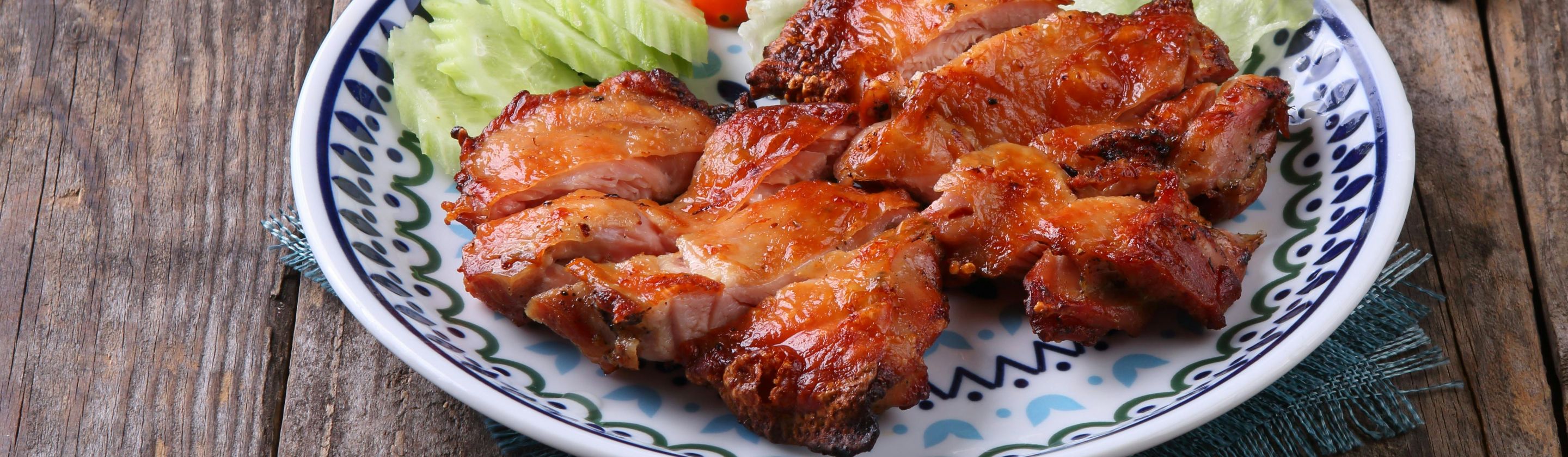

For most people, chicken seems like the safest and healthiest choice on the menu.
Yet plenty of people walk away from a chicken meal with a stomach that feels unsettled. If you have ever noticed that chicken makes your stomach feel off, you are definitely not alone. Let’s take a closer look at the most common reasons chicken stirs up discomfort and what you can do about it.
Hidden Sensitivities
For a surprising number of people, the issue starts with how the chicken is processed or prepared. Many packaged chicken products contain added broth or preservatives that help the meat stay moist.
Seasonings and marinades can also play a role. A simple home-cooked chicken might sit fine, but a restaurant dish loaded with spices or heavy sauces can irritate sensitive stomachs. Garlic, for example, contains compounds that ferment quickly during digestion, which can create sharp bloating in people who already react to high fermentable foods.
Food sensitivities can also show up when the gut lining struggles with large amounts of histamine. Chicken that is not extremely fresh can develop higher histamine levels as it sits, especially if it was cooked earlier, chilled, and reheated later.
The Problem Might Be In The Protein Itself
Even unseasoned chicken can leave some people uncomfortable, and it usually comes down to how their body handles protein. Chicken is a very lean source, so the stomach does more of the early heavy lifting before anything moves into the small intestine. When someone has low stomach acid, breaking down dense proteins becomes less efficient.
Enzyme levels also matter. The body relies on particular enzymes to break down protein into smaller pieces. If those enzymes are in short supply, the gut has to compensate. Instead of a clean breakdown, undigested bits reach the intestines, where bacteria start fermenting them. That fermentation creates gas and pressure that can build quickly.
Storage, Handling, And Bacterial Overgrowth

Chicken is one of the most delicate proteins when it comes to food safety. Even small lapses in storage or handling can affect how your gut responds. Chicken that sits a little too warm during transport or at the grocery store can grow bacteria long before it smells off. People may cook it thoroughly, but still feel sick afterward because toxins produced by bacteria can survive heat.
Cross-contamination is another problem. Raw chicken juices can easily transfer to cutting boards or utensils. Gut bacteria also play a part. Some people already have imbalanced gut flora or mild bacterial overgrowth. When they eat chicken that has started to degrade slightly, even if cooked, their system reacts more strongly than someone with a balanced gut environment.
When you understand what might be stirring up discomfort, you can experiment with preparation styles, fresher ingredients, or gentler seasonings that fit your gut’s personality. Paying closer attention to those patterns turns guessing into clarity and helps you enjoy meals without the uneasy aftermath.
KEEP ON READING

20 Foods With Shocking Origins You'd Never Believe

20 Food Requests Only Spoiled People Ask For



Do Vitamin Supplements Actually Make You Healthier?