Why Garlic Might Be One of the Healthiest Foods in Your Kitchen
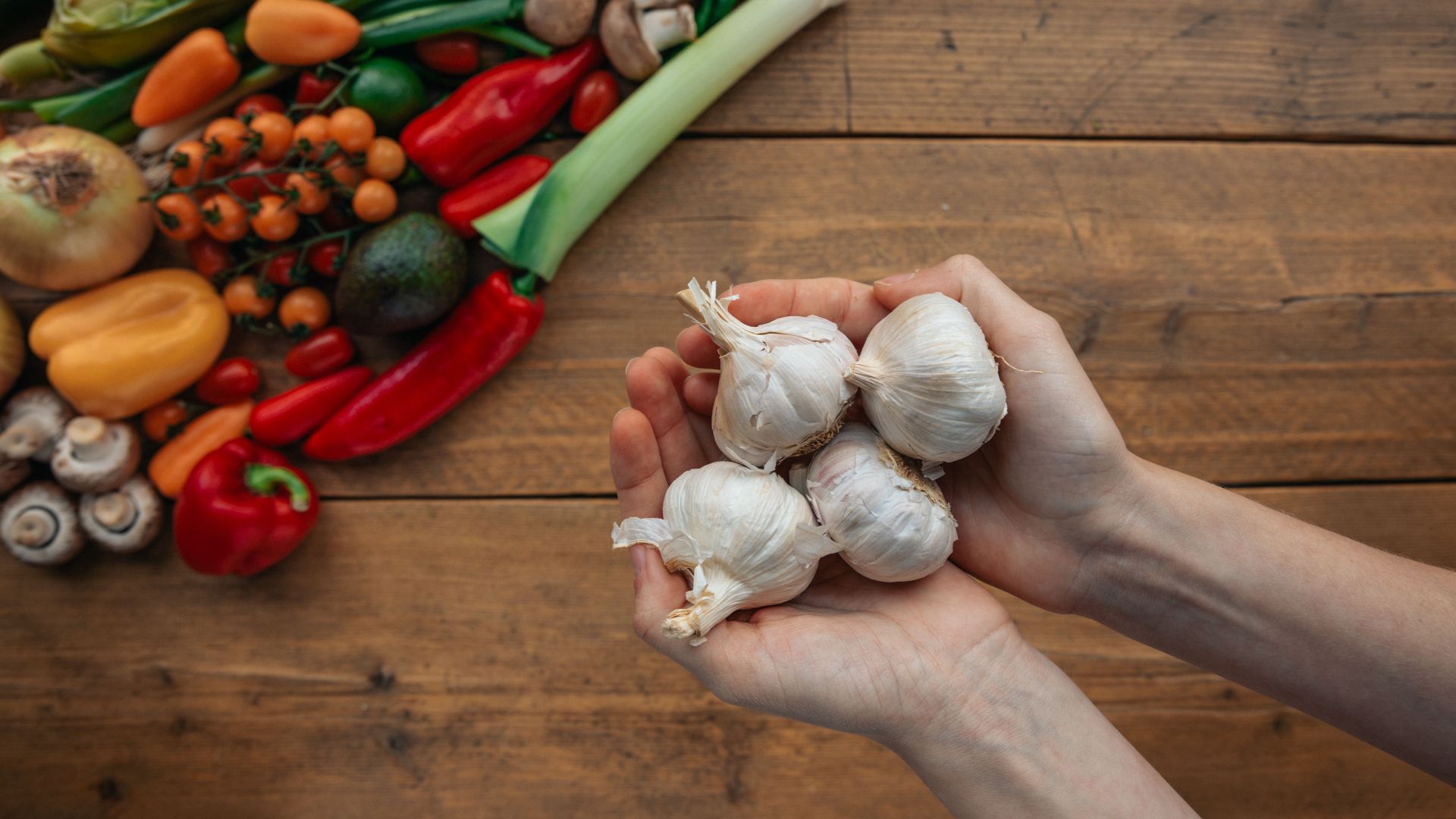 Viktoria Slowikowska on Pexels
Garlic has been used as medicine for most of recorded human history. Ancient Egyptian papyri from around 1550 BCE list it as a treatment for everything from headaches to tumors. Greek physician Hippocrates prescribed it for respiratory conditions, fatigue, and infections. For a small, pungent bulb that costs less than a dollar, it has accumulated an unusually serious medical résumé over several thousand years.
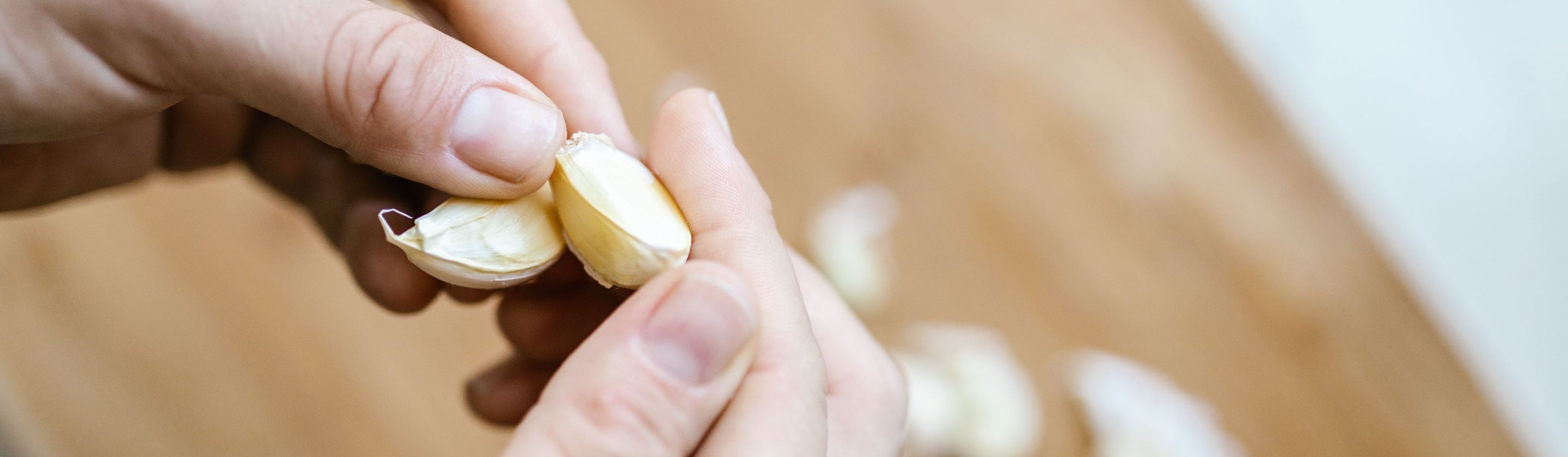
What makes garlic interesting to modern researchers isn't the folklore, though, but the chemistry. Most of its health effects trace back to a compound called allicin, which is released when garlic is crushed or chopped and the enzyme alliinase converts alliin into its biologically active form. Raw garlic produces the highest concentrations of allicin. Cooking reduces them, which is worth knowing if you're eating it for reasons beyond flavor.
The Cardiovascular Evidence Is Genuinely Compelling
The most well-documented benefits of garlic involve the heart and circulatory system. A 2016 meta-analysis reviewed 20 randomized controlled trials and found that garlic supplementation produced statistically significant reductions in both systolic and diastolic blood pressure, particularly in people who were already hypertensive. The effect sizes were modest but consistent across studies, which matters more than any single trial.
Garlic also appears to influence cholesterol. Another 2013 meta-analysis analyzed 39 primary trials and found that garlic reduced total cholesterol by an average of 17 mg/dL compared to placebo. The reduction was most pronounced in trials lasting longer than 12 weeks, suggesting the effect accumulates over time rather than appearing immediately. LDL cholesterol, the kind most associated with cardiovascular risk, was the primary driver of that reduction.
The platelet-aggregation effects are less discussed but worth mentioning. Several studies have found that compounds in garlic, including ajoene and adenosine, inhibit platelet clumping, which is one of the mechanisms behind arterial blockage. The American Heart Association doesn't yet recommend garlic as a clinical intervention, but the biological rationale for its cardiovascular effects is grounded in actual mechanism, not just observation.
Antimicrobial and Immune Properties That Hold Up Under Scrutiny
Allicin has demonstrated antimicrobial activity against a wide range of pathogens in laboratory settings, including Staphylococcus aureus, Escherichia coli, and Candida albicans.
A frequently cited study published in Microbes and Infection in 1999 by Ankri and Mirelman documented allicin's ability to inhibit bacterial and fungal growth, and subsequent research has confirmed the effect across multiple organisms. The practical implication for everyday consumption is less straightforward, since allicin is rapidly metabolized in the body, but the underlying activity is real.
The cold-prevention evidence is more directly applicable. A 2001 double-blind, placebo-controlled trial published in Advances in Therapy followed 146 volunteers over 12 weeks and found that those taking a garlic supplement experienced significantly fewer colds than those taking a placebo, with infections that did occur resolving faster in the garlic group. One trial isn't definitive, but the Cochrane Collaboration reviewed the existing evidence and concluded that garlic may reduce the incidence of colds, while acknowledging that more high-quality research is needed.
Garlic is also a meaningful source of several micronutrients. A single clove contains small but measurable amounts of manganese, vitamin B6, vitamin C, and selenium, the last of which plays a role in immune function and thyroid regulation. Nobody is replacing their multivitamin with a clove, but for something you're already adding to food for flavor, the nutritional contribution is genuinely worth noting.
How You Prepare It Changes What You Get Out of It
The gap between raw and cooked garlic is significant enough to be worth thinking about.
When garlic is heated, allicin breaks down fairly quickly. A study in the Journal of Agricultural and Food Chemistry found that microwave cooking destroyed allicin activity almost entirely within 60 seconds, and oven roasting produced similar losses. Crushing or chopping and then waiting 10 minutes before cooking allows allicin to form fully before heat degrades it, which is a practical workaround that several researchers have specifically recommended.
Aged black garlic, which is produced by fermenting whole bulbs at low temperature over several weeks, has attracted growing interest as an alternative. The fermentation process reduces the sharp flavor and odor while producing new antioxidant compounds, including S-allylcysteine, that are more heat-stable than allicin. A 2014 review noted that black garlic showed equal or greater antioxidant activity than fresh garlic on several measures, which has made it increasingly common in supplement formulations.
The amount also matters. Most of the clinical trials showing cardiovascular effects used doses equivalent to one to two cloves per day, or standardized supplements delivering 600 to 1,200 mg of garlic powder daily. Occasional use is still worth something, but the evidence base is built on consistent, daily consumption rather than garlic bread on a Friday night. For a food that costs almost nothing and works in nearly every cuisine on earth, that's a low bar to clear.
KEEP ON READING