Before You Eat That...
Did you know that eating a single hot dog could shave off 36 minutes from your life expectancy? According to a study conducted by researchers at the University of Michigan, the food choices you make really do make a big impact on how long you might live. And yet, even if that information doesn't come as a surprise to you (you already know that a diet of highly processed, sugary, or salty foods isn’t doing your long-term health any favors), most people will still reach for sugary cereal in the morning, or drown their toast with butter, or have two hot dogs for dinner, drenched in toppings like melted cheese and bacon bits. While having one "bad" food choice occasionally might not pose any immediate effects, it's clear that if you want to live a longer, fuller life, you're better off taking these 20 foods off your menu.

1. Hot Dogs
As mentioned, hot dogs can take nearly 40 minutes off your life expectancy; after all, they combine processed meat, sodium, saturated fat, and preservatives in one small package. Frequent processed meat intake has also been linked with a higher risk of colorectal cancer, heart disease, and type 2 diabetes. The bun, sugary condiments, and typical side of fries or chips can make the whole meal even less friendly to your long-term health. You don’t have to swear them off forever, but they’re best saved for the occasional cookout rather than a weekly habit.

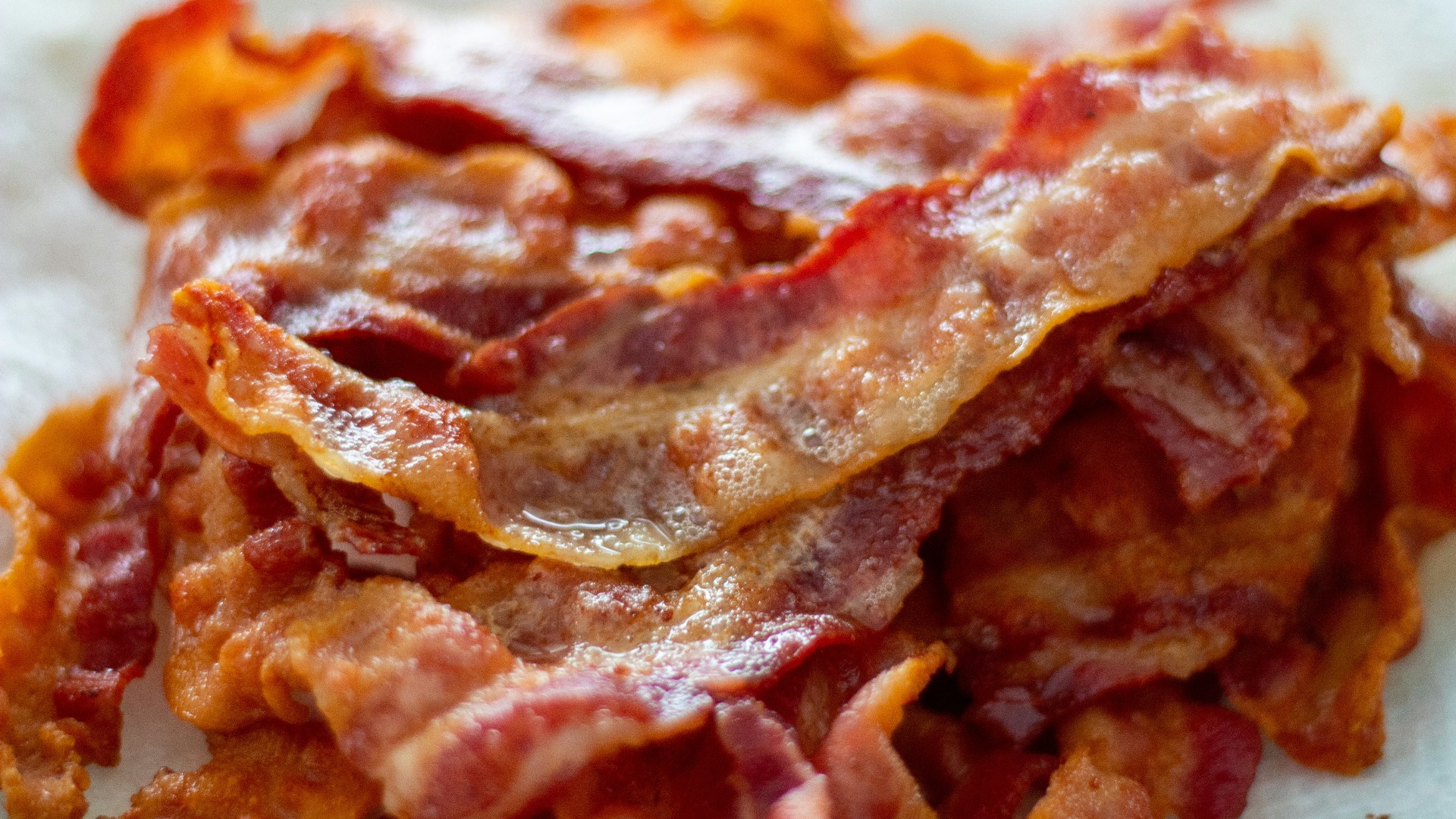
2. Bacon
Bacon may be small by the slice, but it’s dense in sodium, saturated fat, and compounds formed during curing and high-heat cooking. Regularly eating processed meats has been associated with higher risks of chronic disease, especially when they replace fiber-rich foods like beans, whole grains, or vegetables. If bacon is part of your routine, cutting back on frequency can be more realistic than trying to eliminate it overnight.
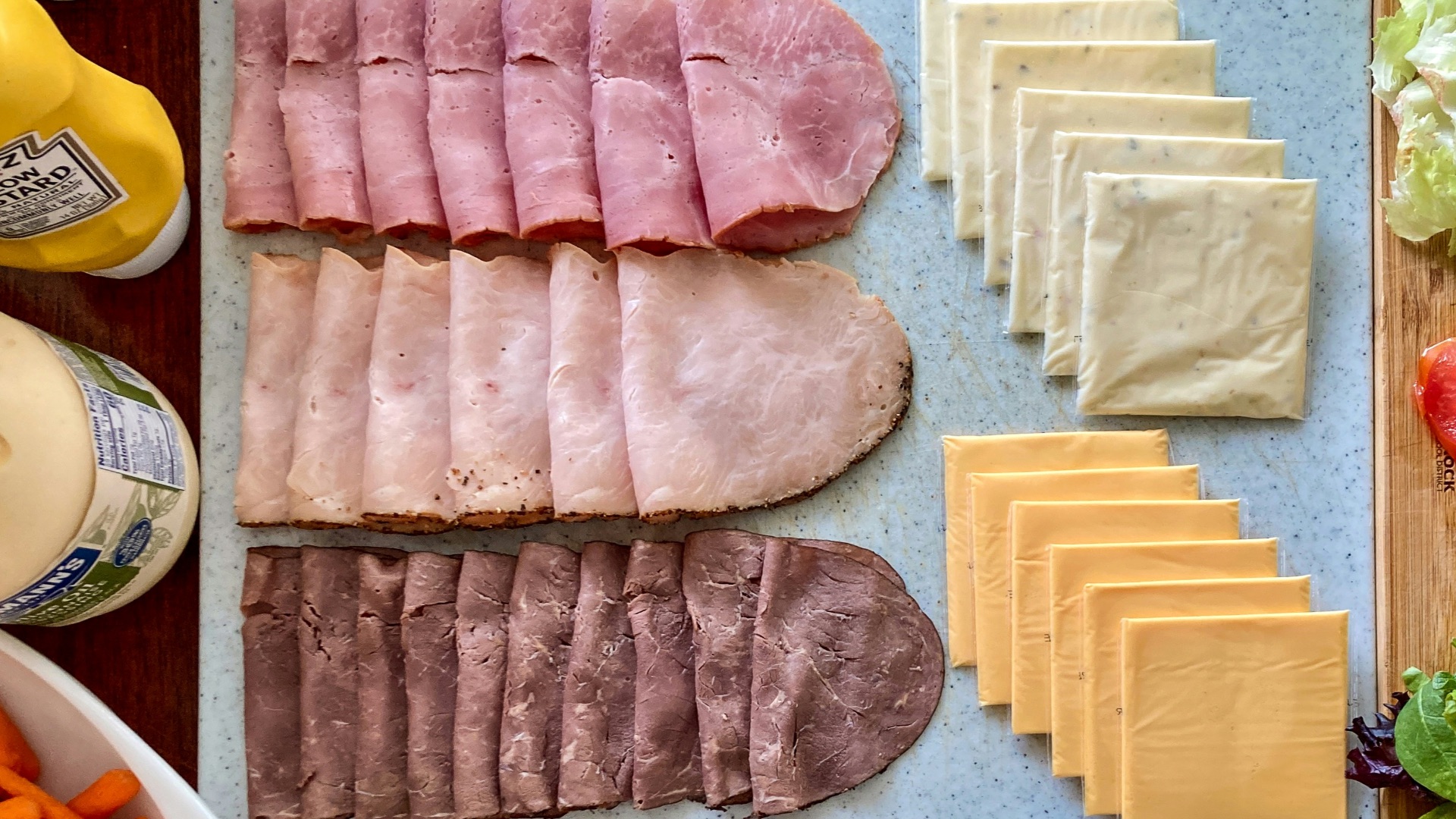
3. Deli Meat Sandwiches
A turkey or ham sandwich can look like a lighter choice, but deli meats are still processed meats and can carry a surprising sodium load. Many slices are cured, smoked, or preserved in ways that make them less ideal as an everyday protein source. When you add white bread, mayonnaise, cheese, and chips, the meal can become higher in refined carbs, saturated fat, and salt than it first appears. Choosing roasted poultry, tuna, hummus, or avocado more often can make lunch a lot more supportive of long-term health.
4. Sausages
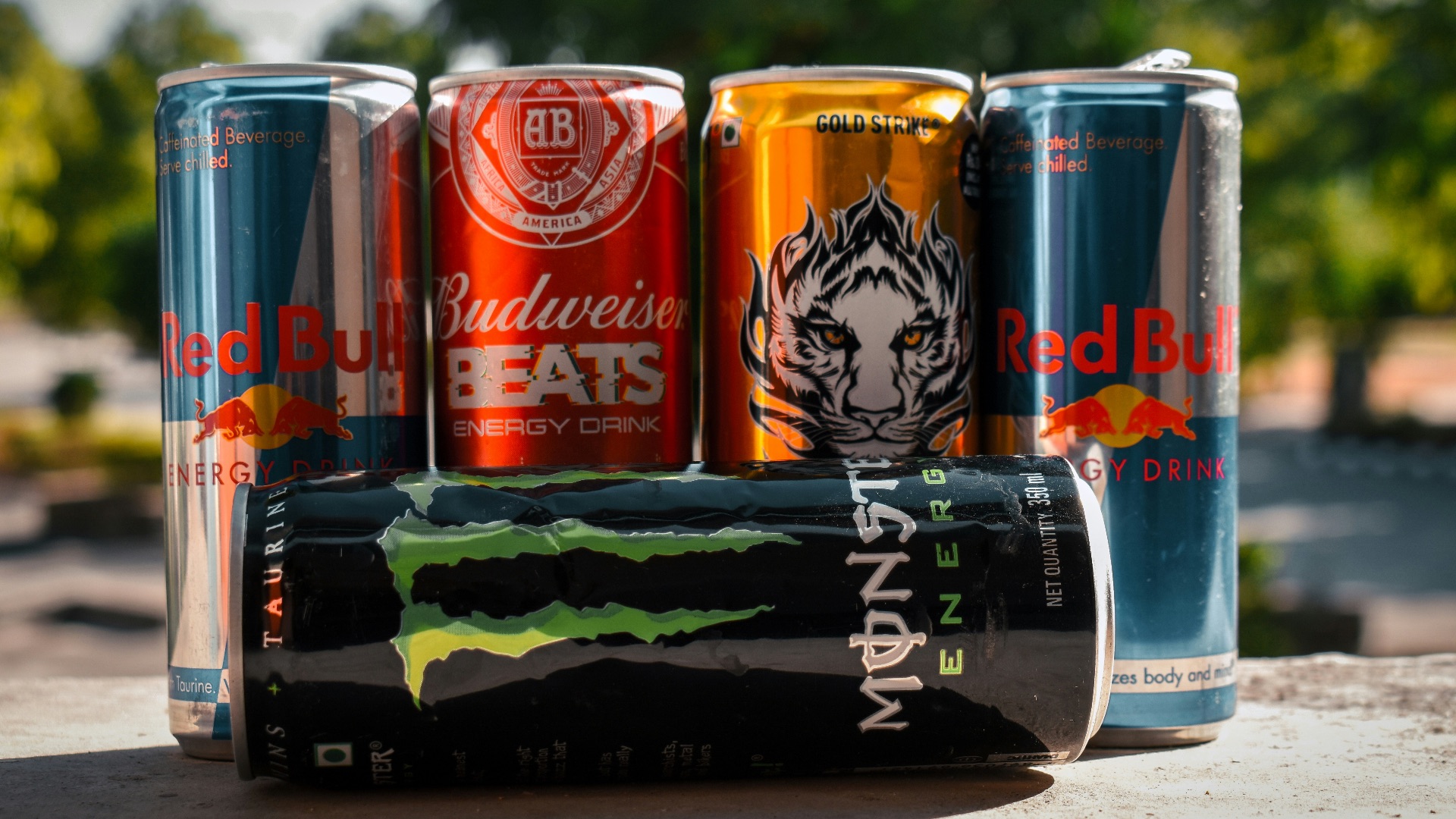
Not just hot dogs, but sausages in general often contain fatty cuts of meat, added salt, preservatives, and flavorings that make them easy to overeat. Whether they’re served at breakfast, in pasta, or on a bun, they can push a meal toward higher saturated fat and sodium levels. Some varieties also contain nitrates or nitrites, which are common in cured meats and have raised health concerns when eaten frequently. If you enjoy sausage, smaller portions and less frequent servings are a sensible way to keep it from becoming a daily risk.
5. Soda
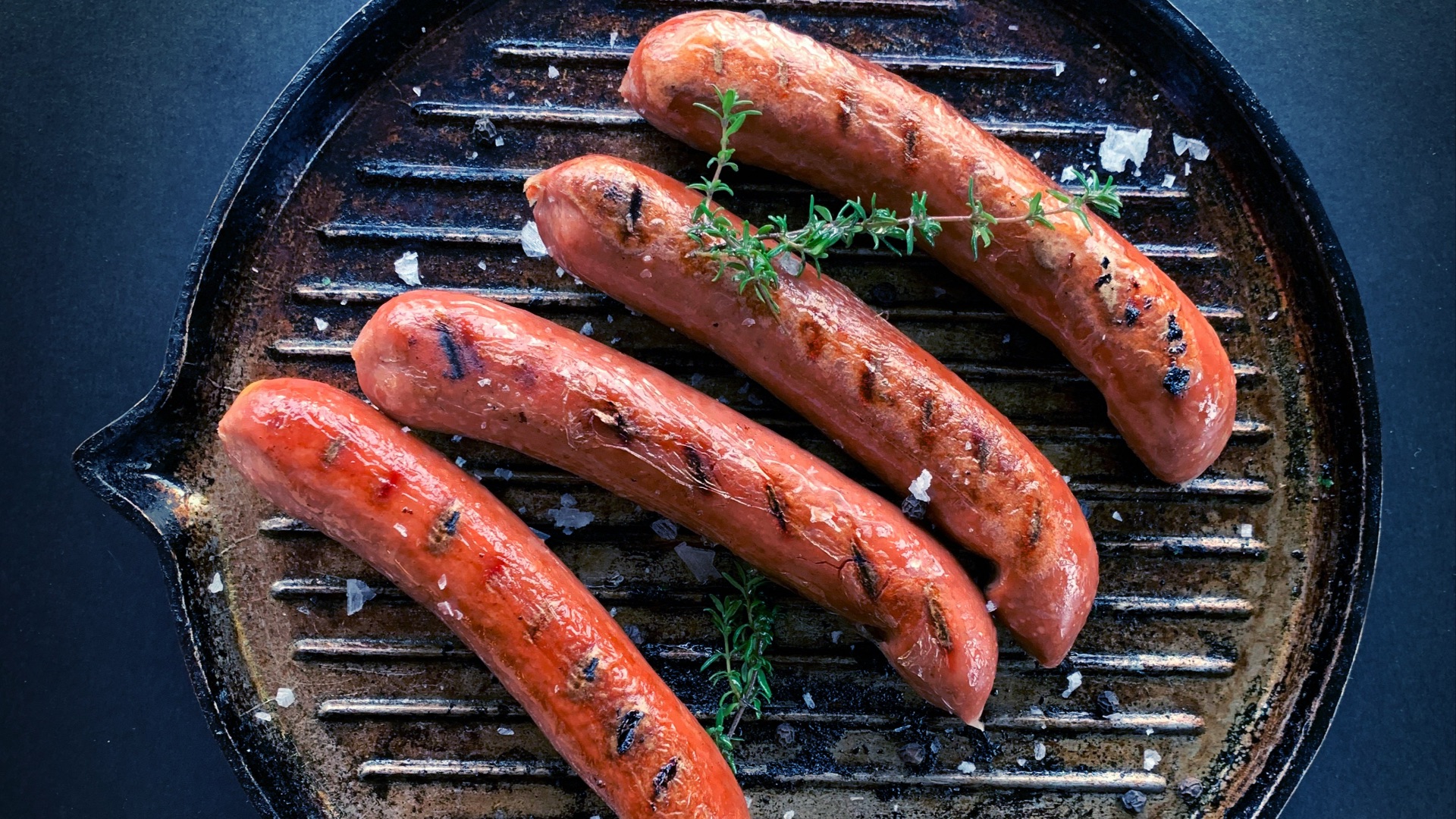
Sugary soda is one of the clearest examples of calories that don’t do much for fullness. A single bottle can contain a large dose of added sugar, which can spike blood glucose and contribute to weight gain when consumed regularly. Frequent sugar-sweetened beverage intake has been linked with a higher risk of type 2 diabetes and cardiovascular disease. Swapping even one daily soda for water, seltzer, or unsweetened tea can be a meaningful change over time.
6. Energy Drinks
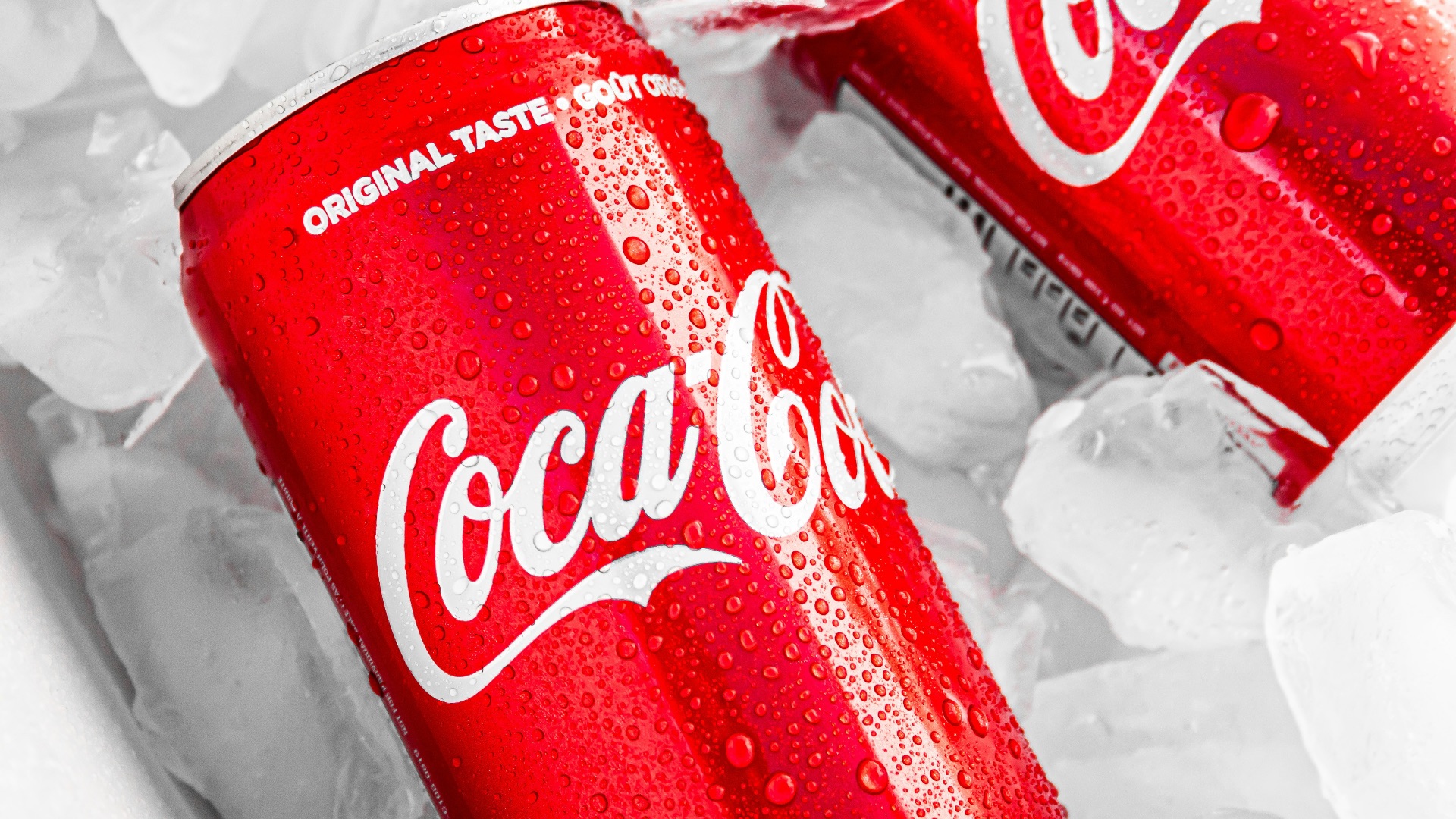
Energy drinks can combine high caffeine levels with added sugar, making them a terrible choice for your heart, sleep, and blood sugar when used often. Some cans contain sugar amounts similar to soda, while others rely on sweeteners and stimulant blends that may still encourage a taste for very sweet drinks. Poor sleep and high sugar intake both matter for longevity, so using these drinks as a daily crutch can work against your health goals. If you’re constantly reaching for one, it may be worth looking at your sleep, meals, and hydration first.
7. Sweetened Coffee Drinks
Coffee itself isn’t the problem for most people, but dessert-like coffee drinks can turn a morning habit into a major source of added sugar. Flavored syrups, whipped cream, sweetened milks, and drizzles can push one drink into the calorie range of a full meal without offering much protein or fiber. Over time, regularly drinking sugar-heavy beverages may strain metabolic health and make it harder to maintain a healthy weight. A smaller size, fewer pumps of syrup, or unsweetened milk can keep the ritual without the same sugar hit.

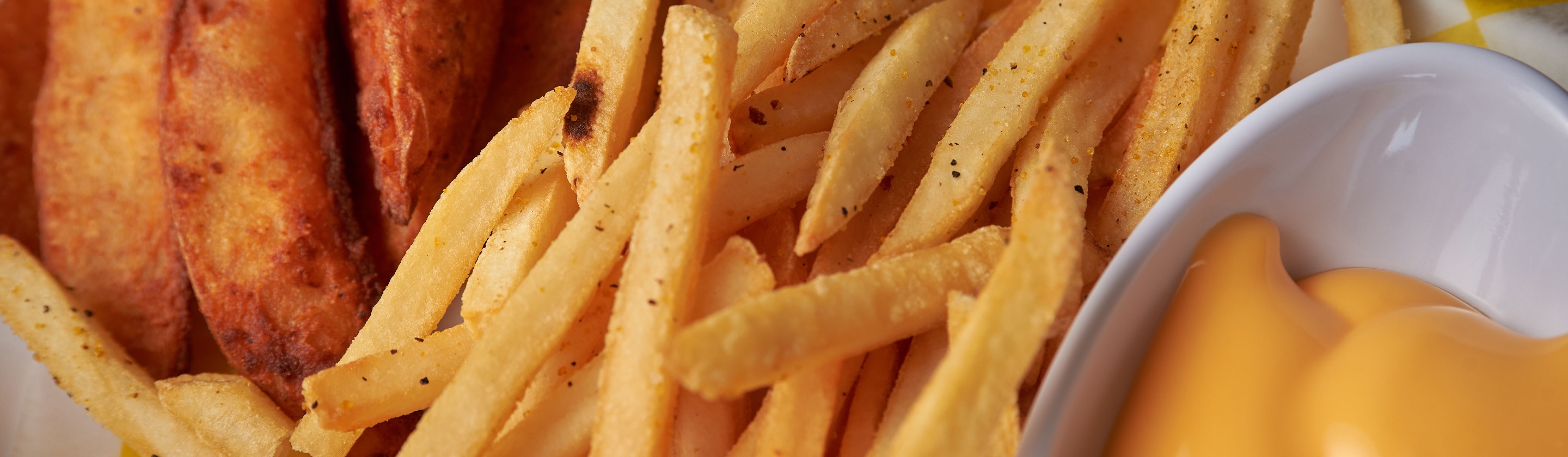
8. French Fries
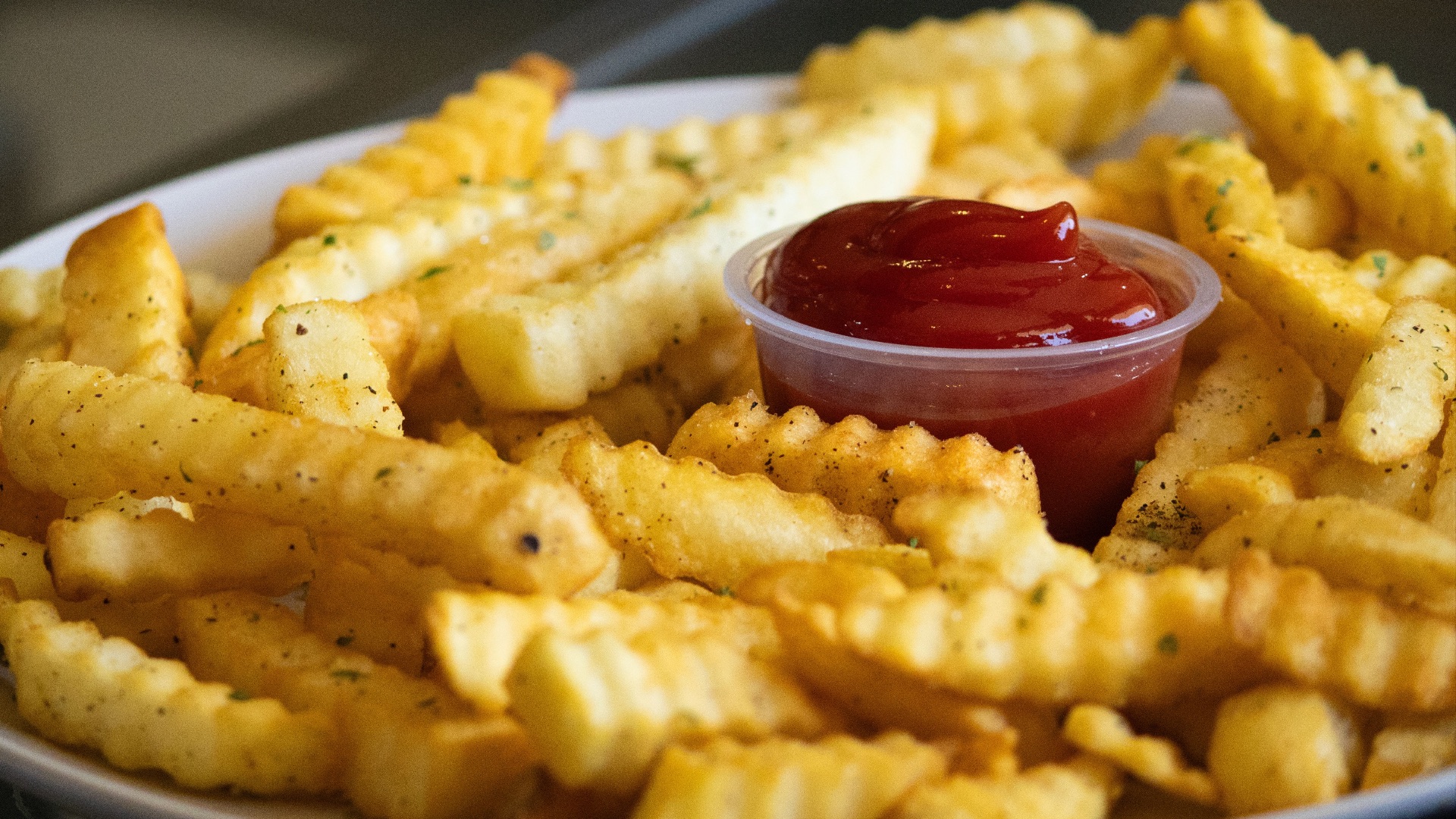
French fries are usually made from potatoes, but their health profile changes once they’re deep-fried and heavily salted. They’re easy to eat in large portions, and they often come alongside burgers, soda, or other fast-food items that add more saturated fat, refined carbs, and sodium. High-temperature frying can also create compounds that researchers continue to study for their possible health effects. Baked potatoes, roasted potatoes, or air-fried versions with less oil and salt are better everyday choices.
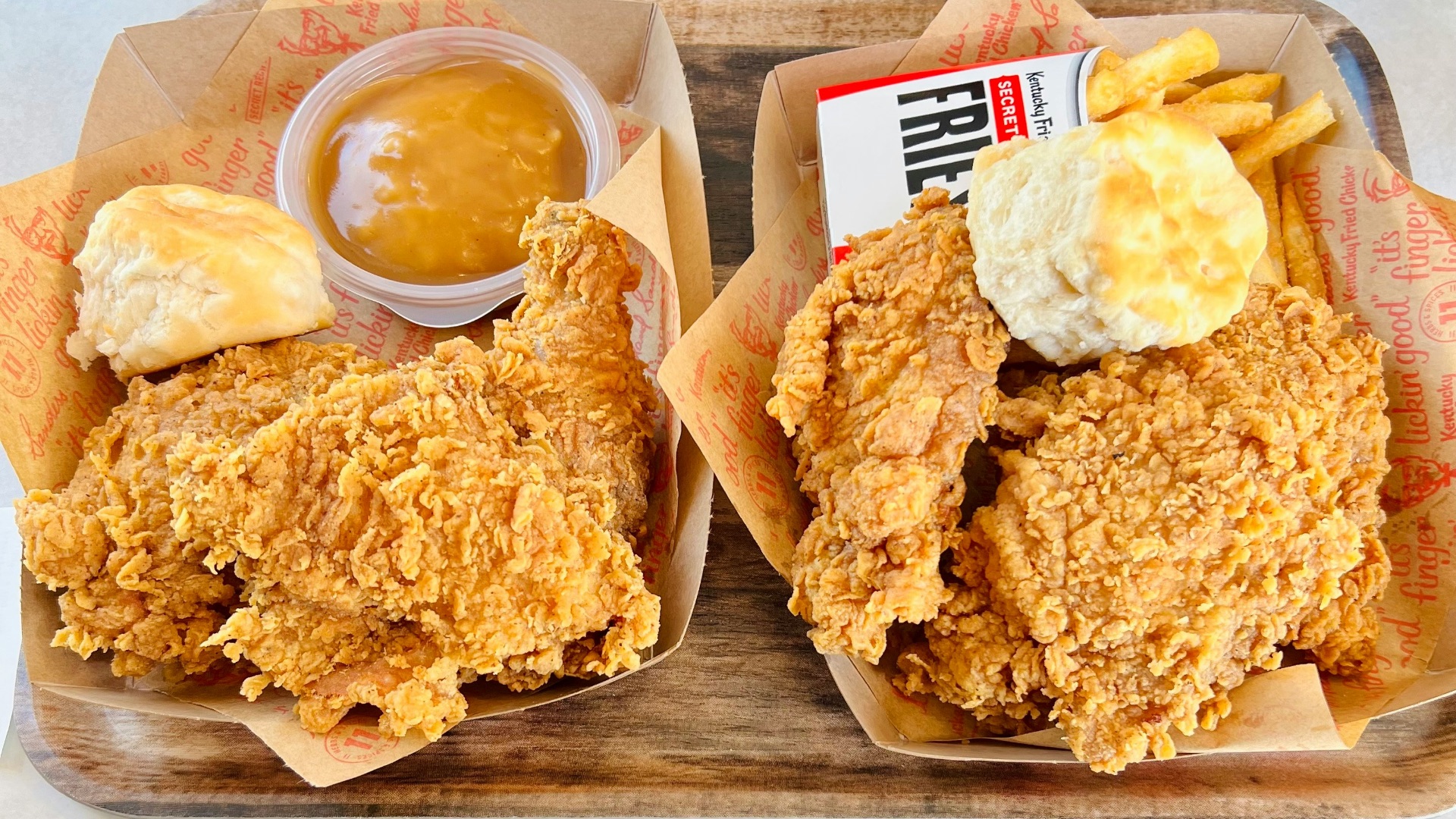
9. Fried Chicken
Fried chicken can be high in saturated fat, sodium, and calories, especially when it’s breaded, deep-fried, and served in large portions. The crispy coating often adds refined flour and salt, while the frying process increases the energy density of the meal. Eating fried foods frequently has been associated with poorer heart health, particularly when they replace lean proteins and vegetables. Grilled, baked, or air-fried chicken gives you the protein without as much of the extra burden.
10. Donuts
Donuts pack refined flour, added sugar, and fat into a food that digests quickly and doesn’t keep you full for long. Many are also oversized compared with what people might think of as a modest treat. When eaten regularly for breakfast or lunch (which should never be done, even when office donuts are tempting), they can crowd out more filling options such as eggs, Greek yogurt, oatmeal, or fruit. Enjoying one occasionally is different from making it your standard start to the day.

11. Packaged Pastries
Packaged pastries can be especially tricky because they’re convenient, shelf-stable, and often marketed as breakfast or snack foods. Many contain refined grains, added sugars, sodium, and fats that don’t offer much nutritional value. Some products still contain small amounts of trans fats or ingredients that function similarly in highly processed baked goods, so reading labels matters. If you want something sweet, a homemade version or a smaller portion can help you avoid turning convenience into a daily habit.

12. Candy
Candy delivers sugar quickly, usually without fiber, protein, vitamins, or minerals to balance it out. Eating it often can contribute to excess added sugar intake, dental problems, and blood sugar swings that leave you wanting more soon after. The bigger issue is how easy it is to graze on candy without noticing how much you’ve eaten. Keeping it as a treat rather than a desk-drawer staple can make a real difference.

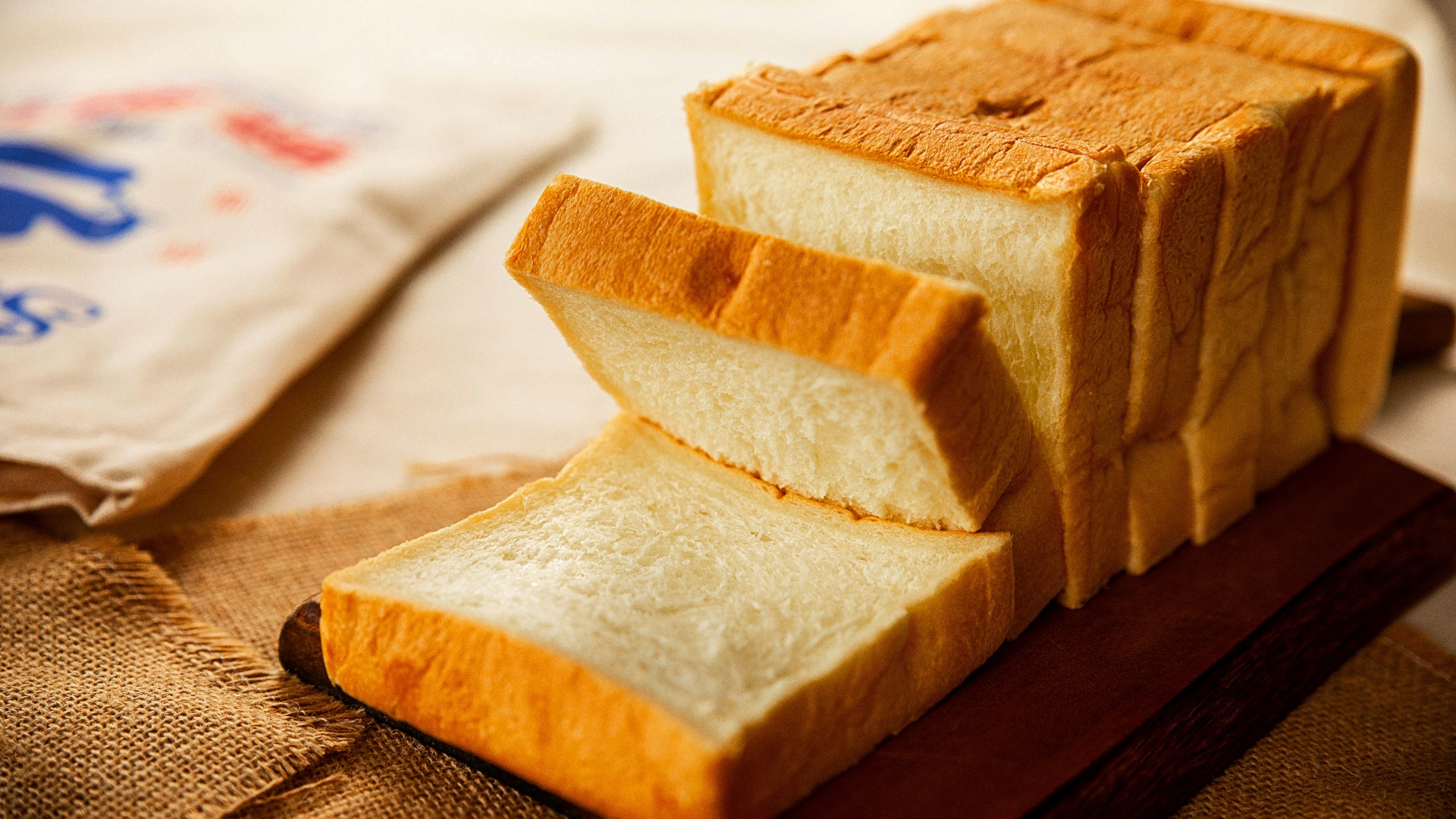
13. White Bread
White bread is made from refined grains, which means much of the original fiber and nutrient-rich structure has been removed. Because it digests quickly, it may not keep you satisfied as long as whole-grain bread. Diets low in whole grains and fiber have been associated with worse long-term health outcomes, especially for heart and metabolic health. Choosing whole-grain bread more often is a simple swap that can improve the quality of an everyday meal.
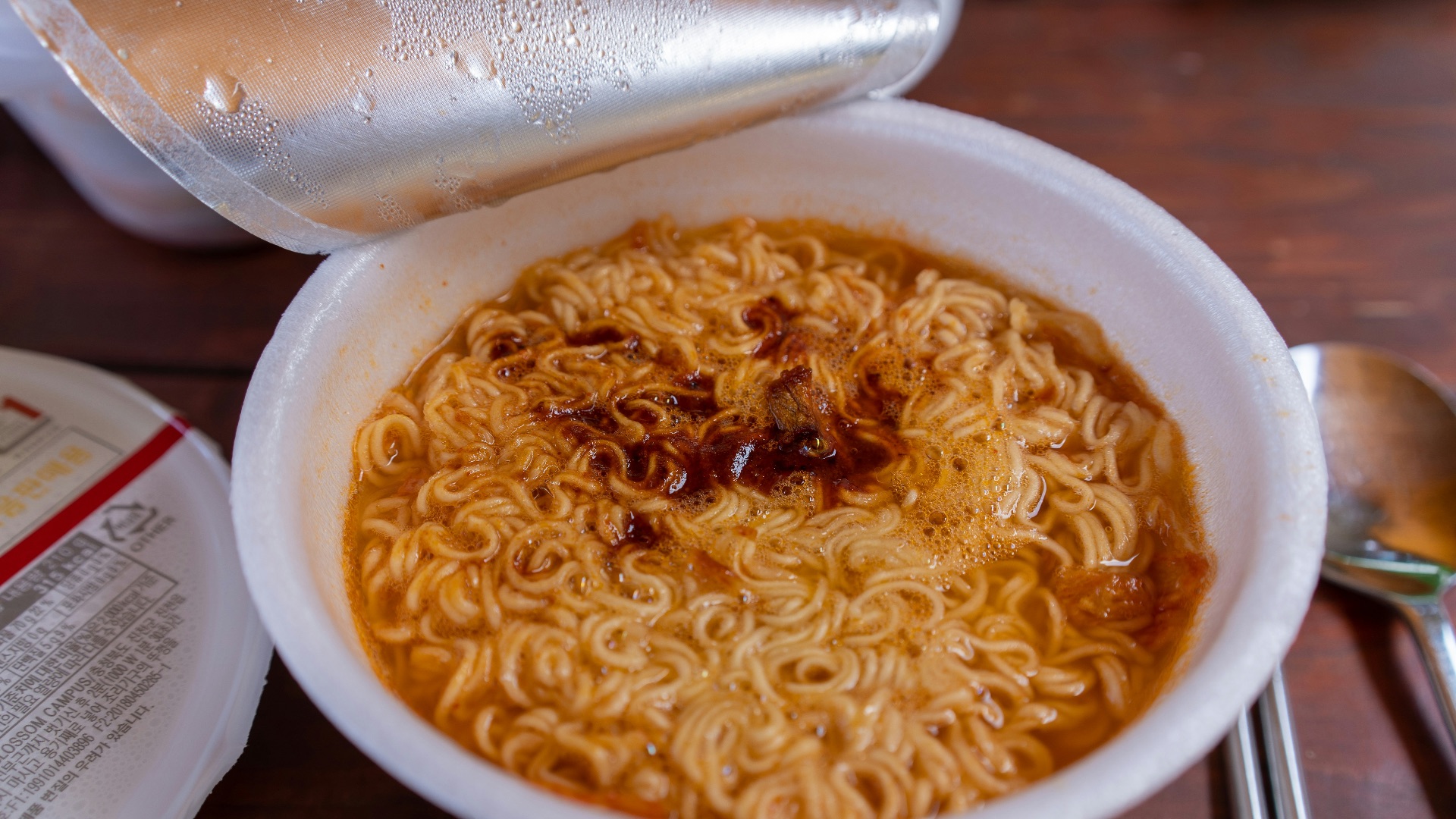
14. Instant Noodles
Instant noodles are cheap, fast, and filling, but they’re often very high in sodium and low in fiber, protein, and key micronutrients. The seasoning packet can contain a large share of the sodium many people should have in an entire day. When instant noodles become a frequent meal, they can push out more balanced options that include vegetables, legumes, eggs, fish, or lean meats. If you do eat them, using less seasoning and adding vegetables and protein can make the bowl less one-sided.
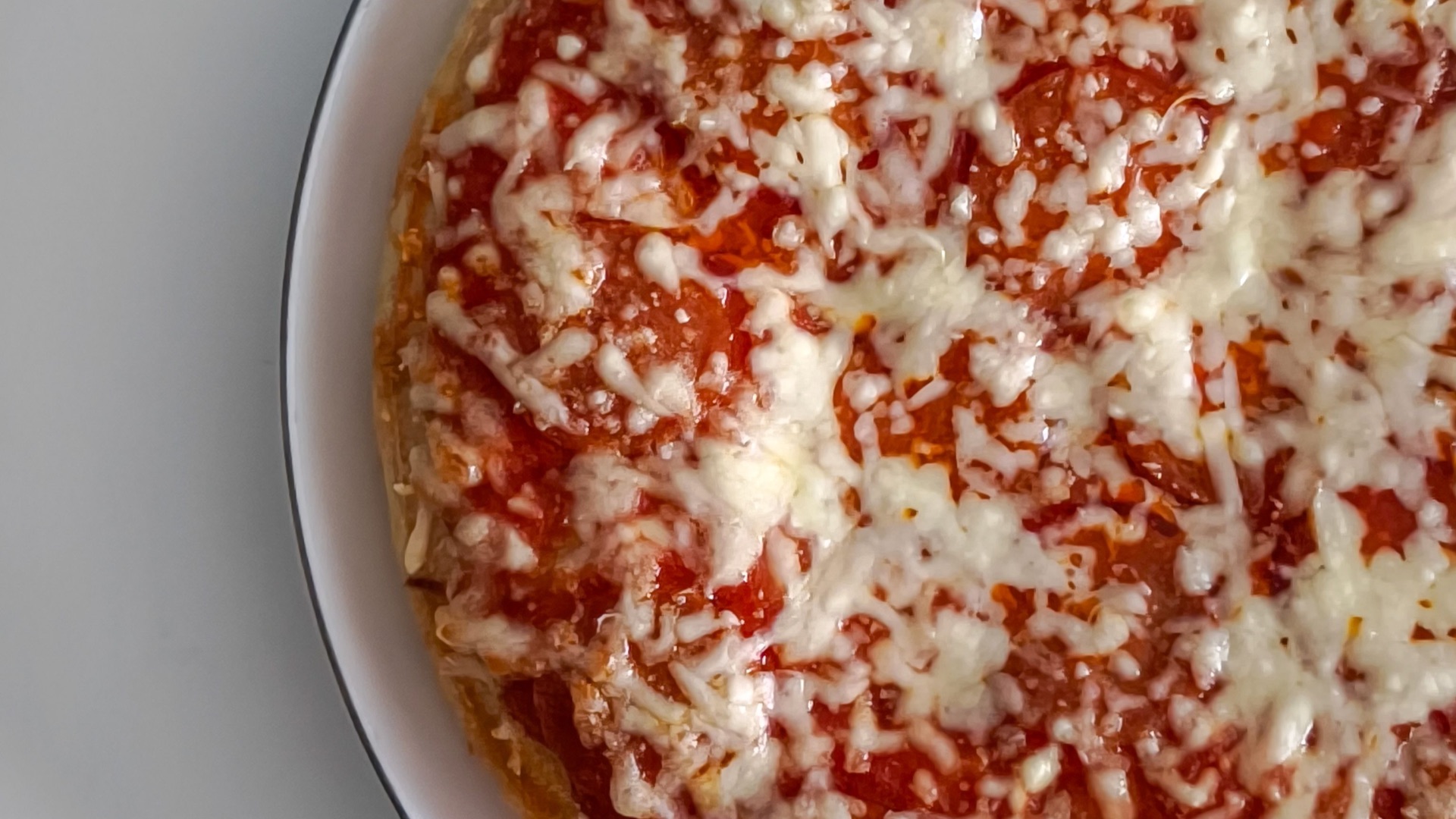
15. Frozen Pizza
Frozen pizza is convenient, but it often brings together refined crust, processed meats, sodium-heavy cheese, and calorie-dense toppings. Even “single serving” portions can be smaller than what people actually eat, which makes the numbers on the label easy to underestimate. Regularly relying on meals this high in sodium and saturated fat can work against blood pressure and heart health. A thinner crust, vegetable-heavy toppings, and a side salad can help, but it’s still best treated as an occasional meal.
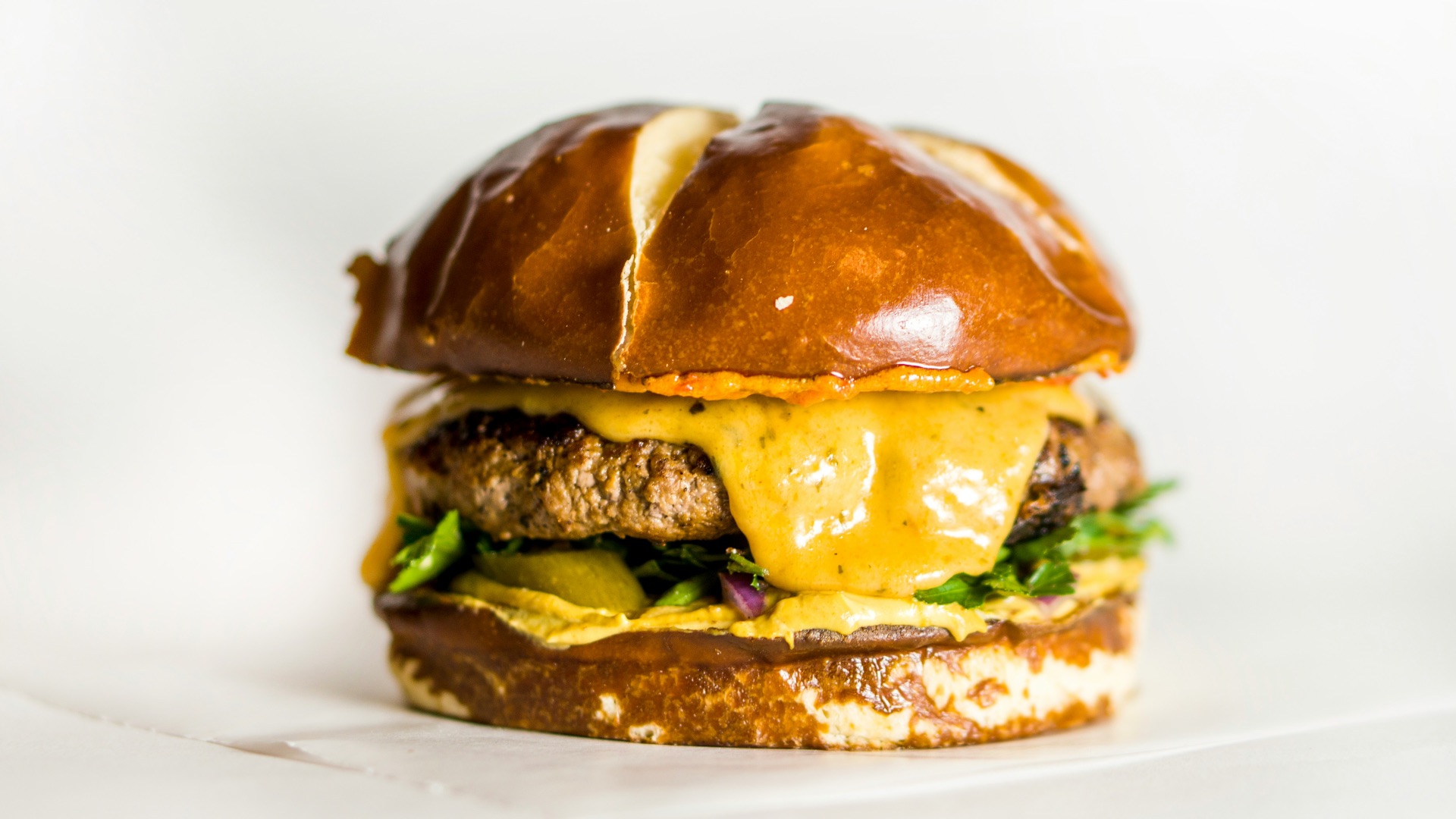
16. Fast-Food Cheeseburgers
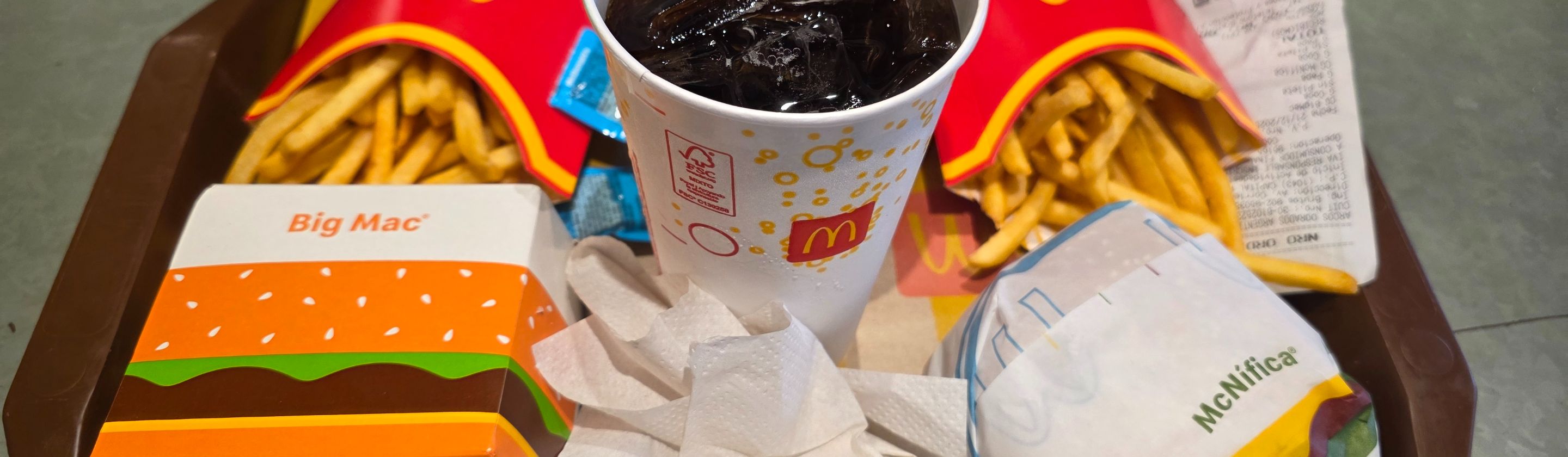
Fast-food cheeseburgers are built for convenience and flavor, but they can be high in saturated fat, sodium, refined carbs, and calories. The beef patty, cheese, sauces, and bun all contribute, and the usual combo meal often adds fries and a sugary drink. Frequent fast-food intake can make it harder to keep your overall diet rich in fiber, potassium, and other nutrients linked with better long-term health. You can make a better choice by skipping the soda, choosing a smaller burger, or adding a side that isn’t fried.
 amirali mirhashemian on Unsplash
17. Processed Cheese Products
Processed cheese slices, spreads, and sauces can add sodium and saturated fat quickly, especially when they’re used on burgers, nachos, fries, or breakfast sandwiches. They’re often eaten with other highly processed foods, which makes the full meal more concerning than the cheese alone. While dairy can fit into a healthy diet, heavily processed cheese products usually don’t offer the same balance as plain yogurt, cottage cheese, or modest portions of natural cheese. Using less of them can lower sodium without making meals feel deprived.

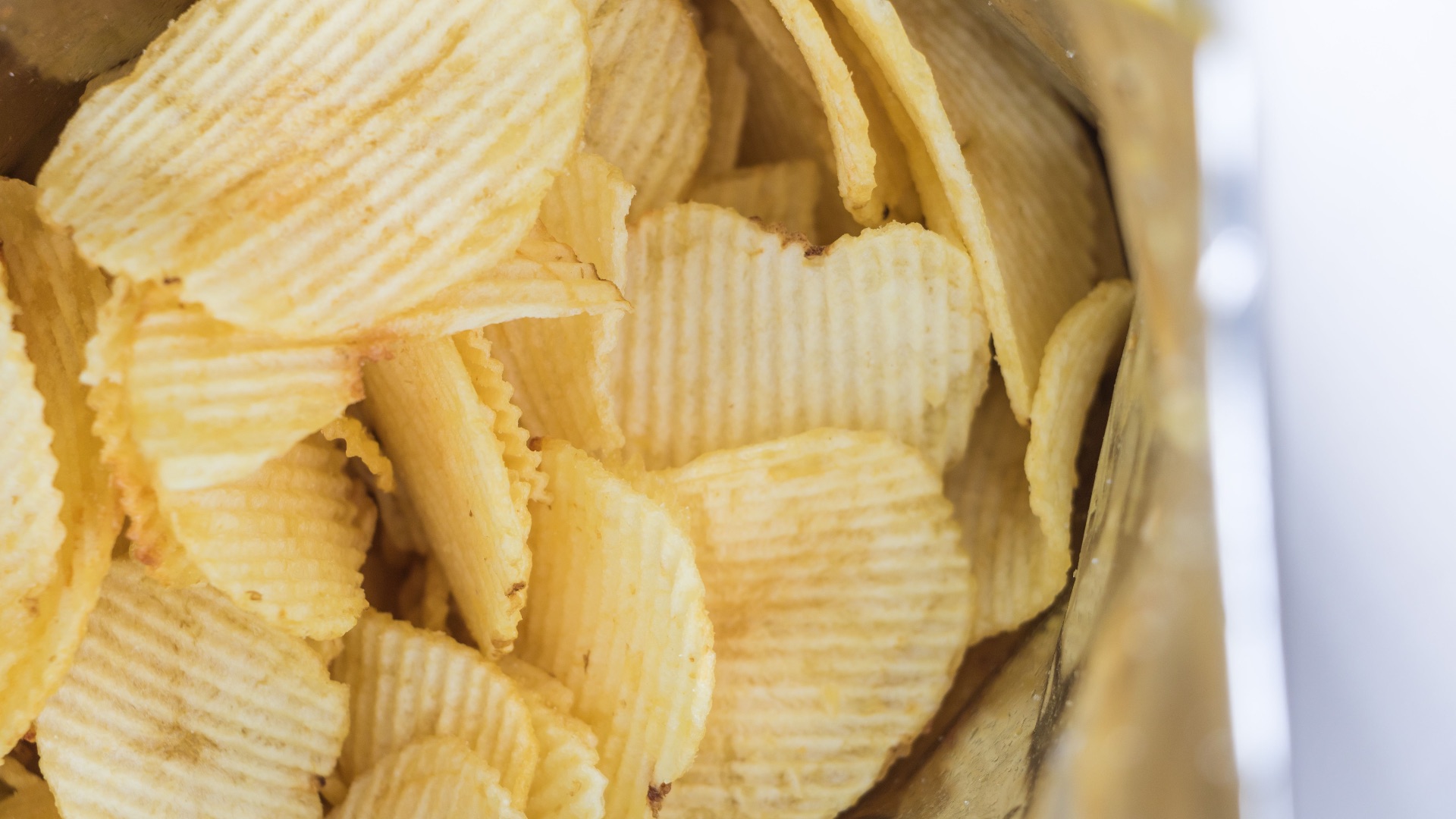
18. Chips
Chips are engineered to be salty, crunchy, and easy to keep eating, which makes portion control difficult. They’re typically low in fiber and protein, so they don’t provide much fullness for the calories. Regularly eating salty snacks can contribute to higher sodium intake, which is a major concern for blood pressure. If you like the crunch, popcorn, roasted chickpeas, nuts, or sliced vegetables with dip can be more satisfying choices.
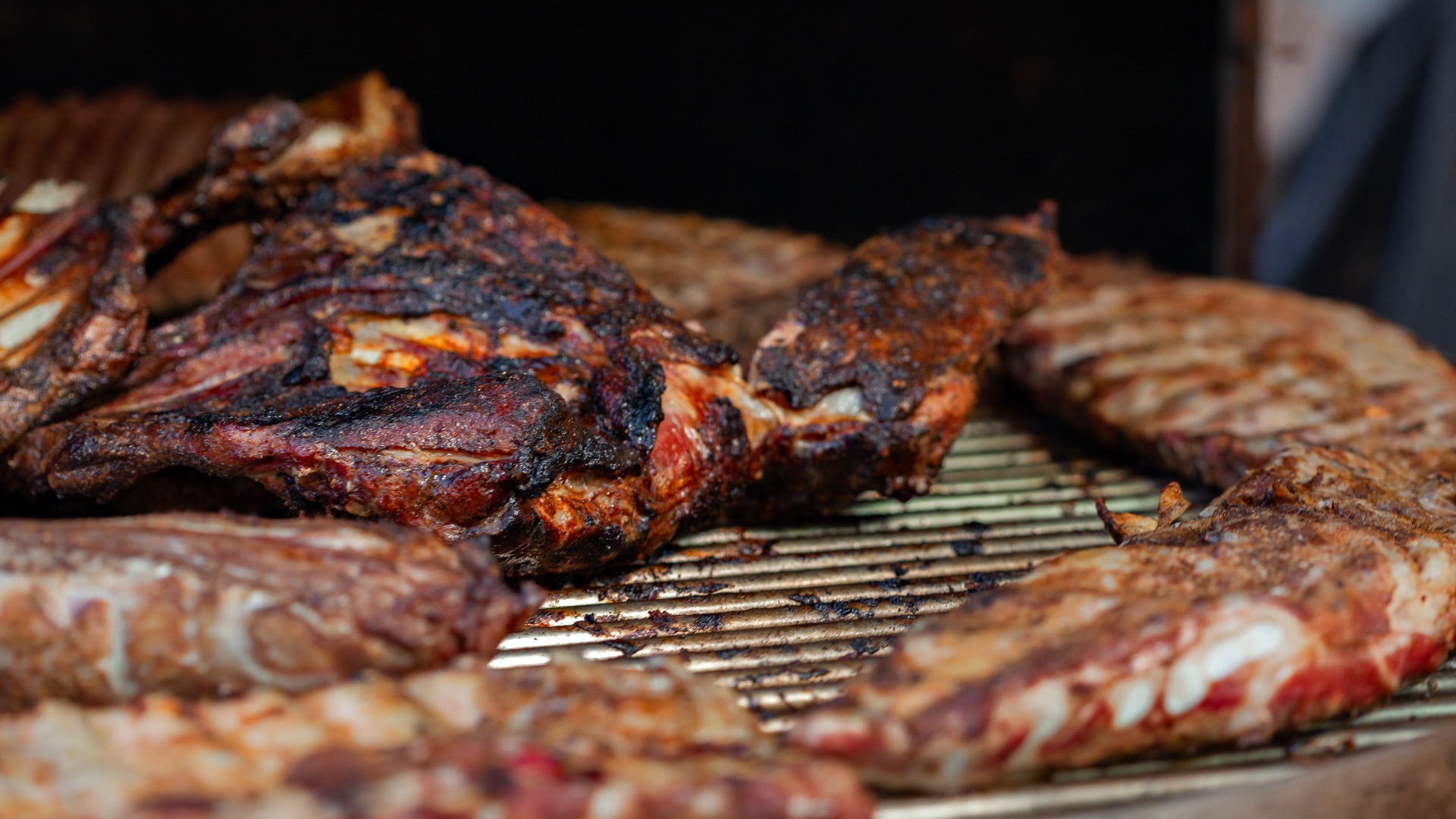
19. Charred Red Meat
Red meat doesn’t have to disappear entirely from a healthy diet, but heavily charred steaks, burgers, and ribs raise extra concerns: cooking meat at very high temperatures can create compounds that have been studied for potential cancer risk. Large portions of red meat can also increase saturated fat intake, especially when they replace fish, beans, lentils, or poultry, so it's best to keep portions moderate and avoid a heavily blackened surface when you do enjoy it.
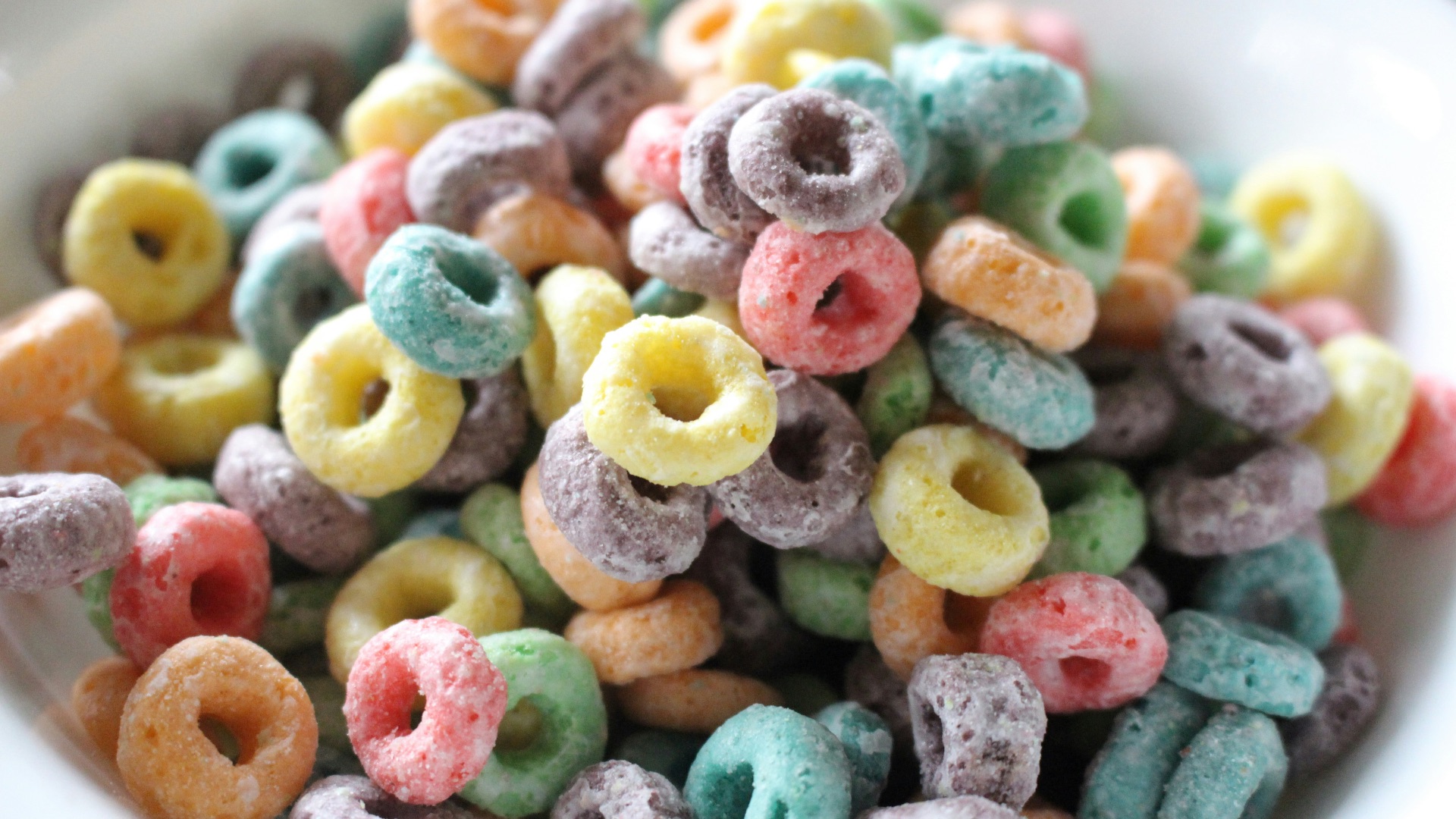
20. Sugary Breakfast Cereals
Many breakfast cereals are marketed as wholesome, but some are closer to dessert once you look at the sugar content. Refined grains and added sugars can leave you hungry sooner than a breakfast with protein and fiber. Starting the day with a sweet cereal can also make it easier to exceed recommended added sugar limits before lunch. A better bowl includes high-fiber cereal or oats, fruit, nuts, and unsweetened milk or yogurt.
KEEP ON READING

20 Theme Park Snacks People Fly In Just to Eat

20 American Restaurants Your Grandparents Loved
20 Foods You Can't Eat Without Teeth