The Kitchen Always Tells On Itself
A good restaurant doesn’t need to be fancy to show that someone in the kitchen cares. A bad one, however, can tell you almost immediately when the entire kitchen staff has abandoned any semblance of care. You can feel it in the seasoning, the timing, the temperature, and the little decisions that make a plate feel intentional instead of tossed together. When a chef has checked out, the food usually gives you plenty of warning before the check arrives, and we’re here to break down 20 glaring red flags.
1. The Menu Is Way Too Big
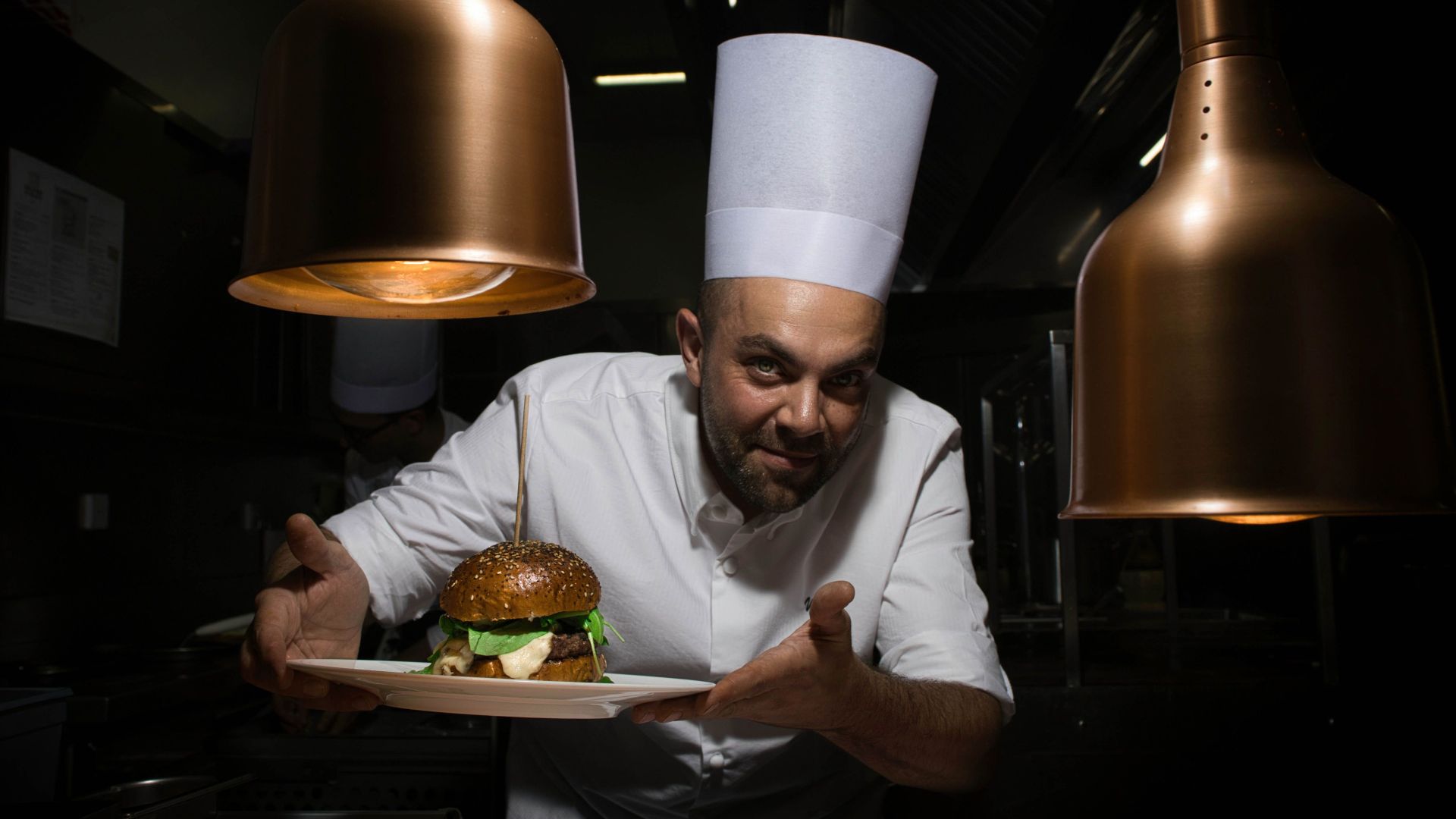
A huge menu can look exciting at first, but try not to let the possibilities lure you away from reality. What they really mean is that the kitchen is trying to do too much with too little focus. When one place is serving sushi, chicken parmesan, fish tacos, ribeye, pad Thai, and breakfast all day, there’s a good chance most of it isn’t being treated with much care.
2. The Same Garnish Shows Up
Parsley, scallions, microgreens, or even just a random dusting of paprika looks like a pretty lazy cover-up when they appear on every plate. You’ll see the same sprinkle on anything you order, even when it adds nothing to the dish, and if you do, that kind of garnish says the kitchen is decorating food instead of improving it.
3. Hot Food Arrives Lukewarm
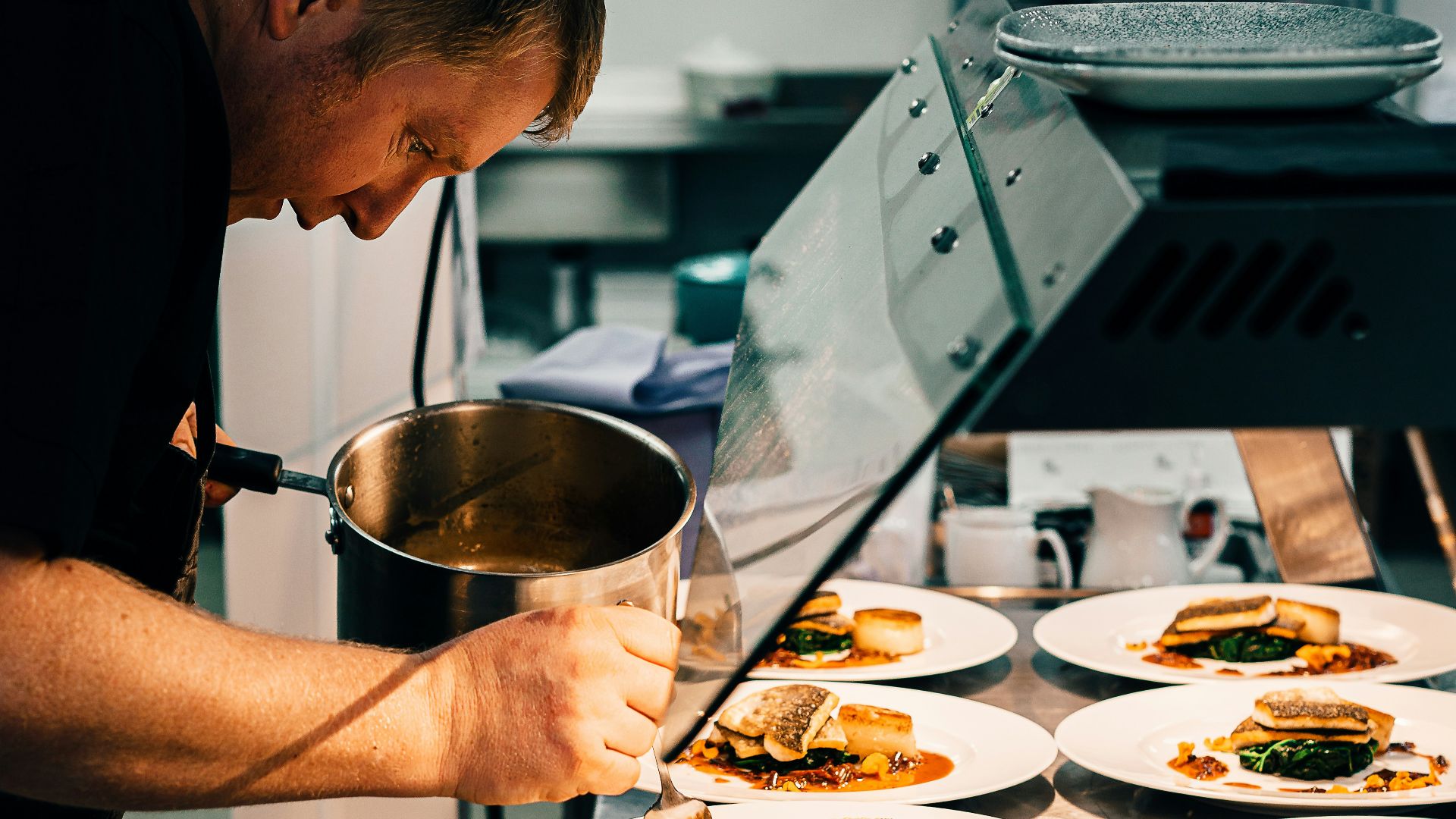
Nothing says a kitchen doesn’t care like serving poorly heated food. If your soup is barely warm or your steak feels like it sat in the window for ten minutes, someone stopped caring about the final stretch. A good chef knows food can be cooked correctly and still ruined by shoddy timing.
 Sebastian Coman Photography on Unsplash
4. The Specials Sound More Like Leftovers
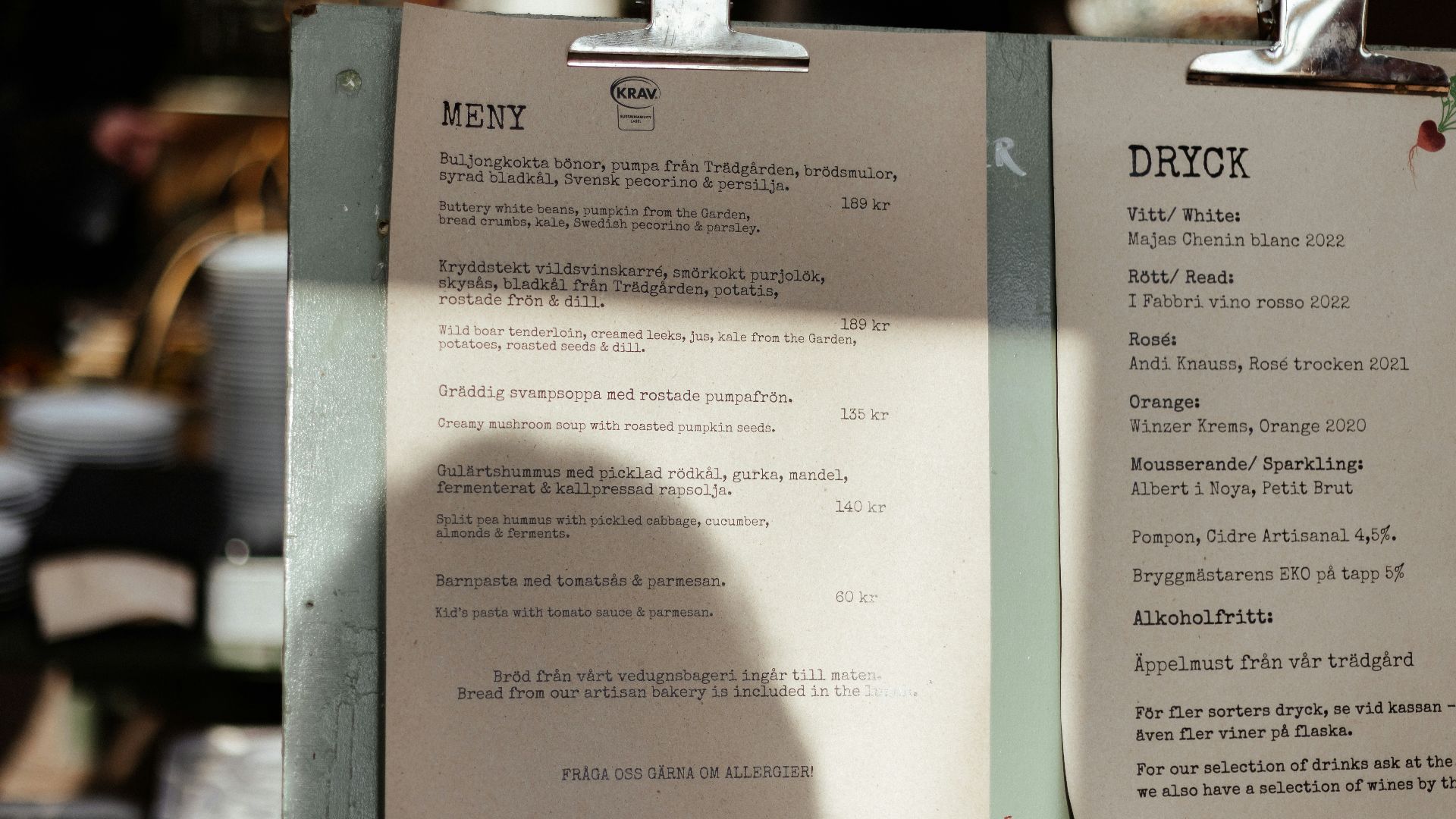
Some specials are thoughtful and seasonal, which is usually how you tell a bad spot from a good one. The thing is, other specials sound like the kitchen is just trying to clear out old ingredients. Using ingredients wisely is smart, but repackaging tired food and calling it special is not.
5. Every Sauce Tastes Bottled
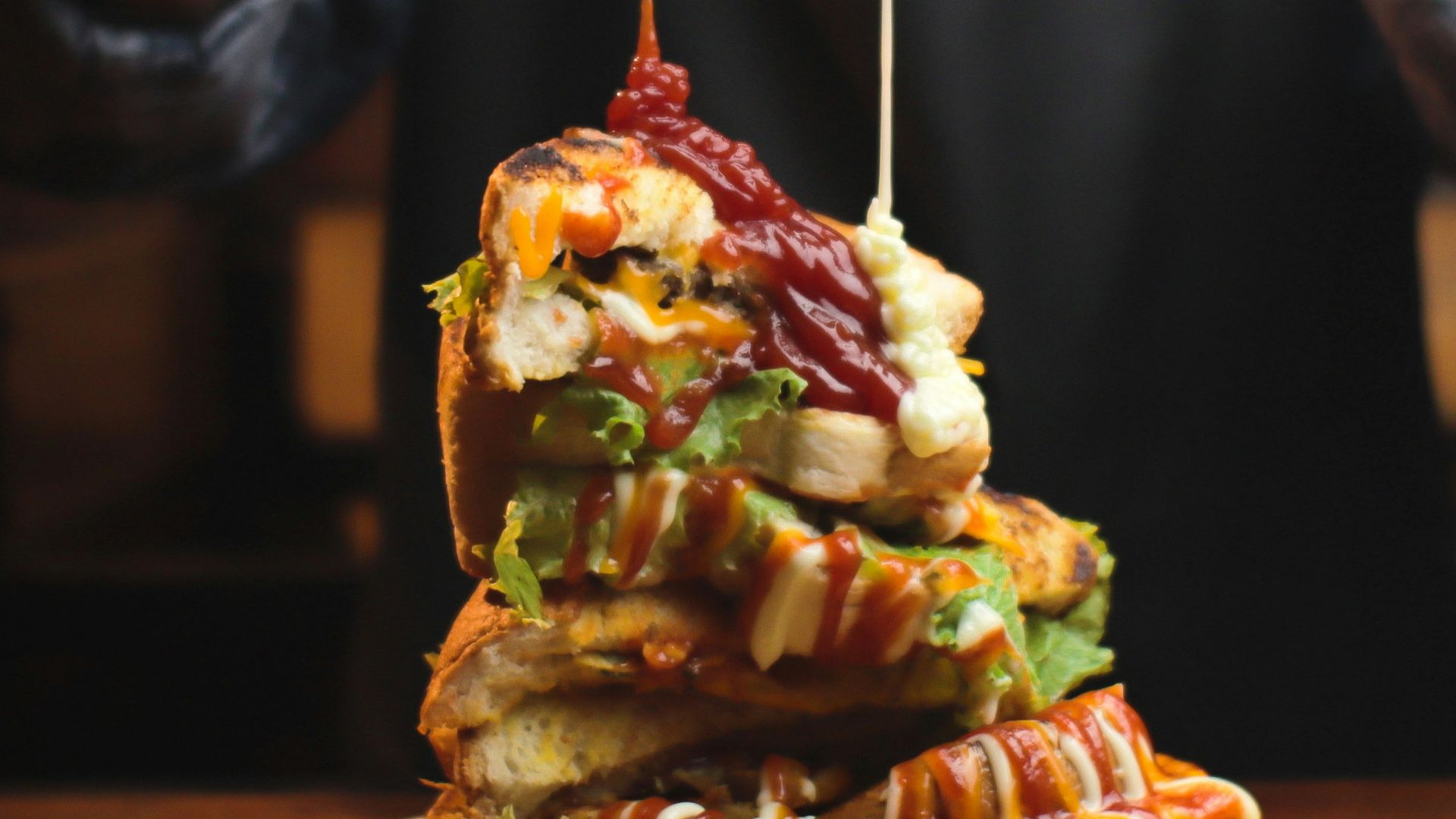
Bottled sauce isn’t always a crime, but when you’re in a fancy-schmancy place, you expect the food to be fresh. It becomes obvious when the whole menu leans on the same processed flavor. A chef who cares usually adjusts sauces so they actually fit the dish.
 Muhammad Syafi Al - adam on Unsplash
6. The Salad Looks Like An Afterthought
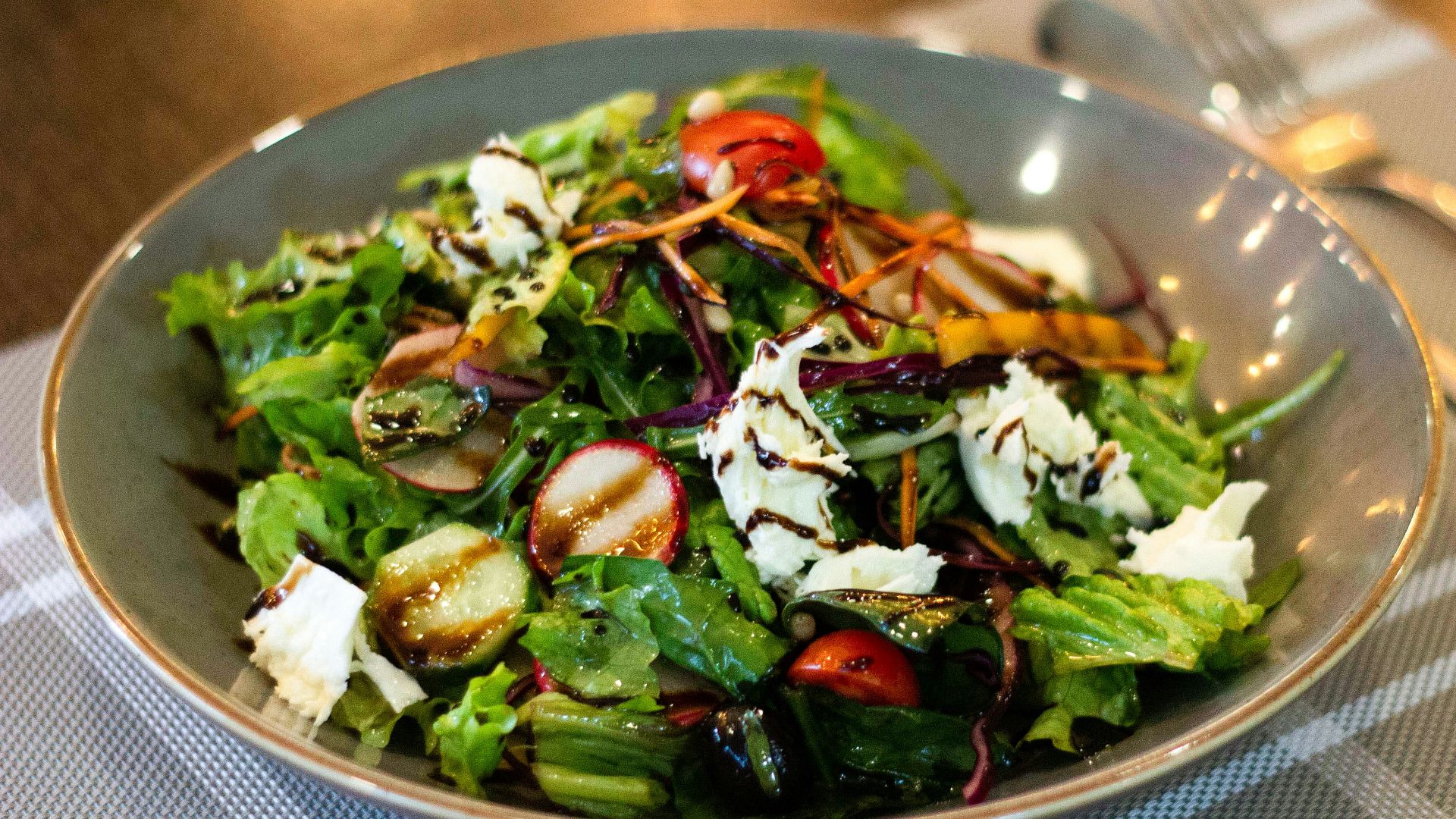
A careless salad is easy to spot because it feels more like a punishment than a healthy appetizer. Brown lettuce edges, watery tomatoes, oversized onion chunks, and dressing dumped in the middle all point to a kitchen that didn’t bother. It’s even worse when it’s expensive!
 Christine Isakzhanova on Unsplash
7. The Protein Is Cooked Without Precision
Chicken shouldn’t be dry. Salmon shouldn’t be chalky. Medium rare steak shouldn’t be completely brown. When proteins are always unevenly cooked, the problem goes beyond one busy night. It suggests the chef either hasn’t trained the staff well or isn’t watching the pass closely enough.
8. The Seasoning Is Off
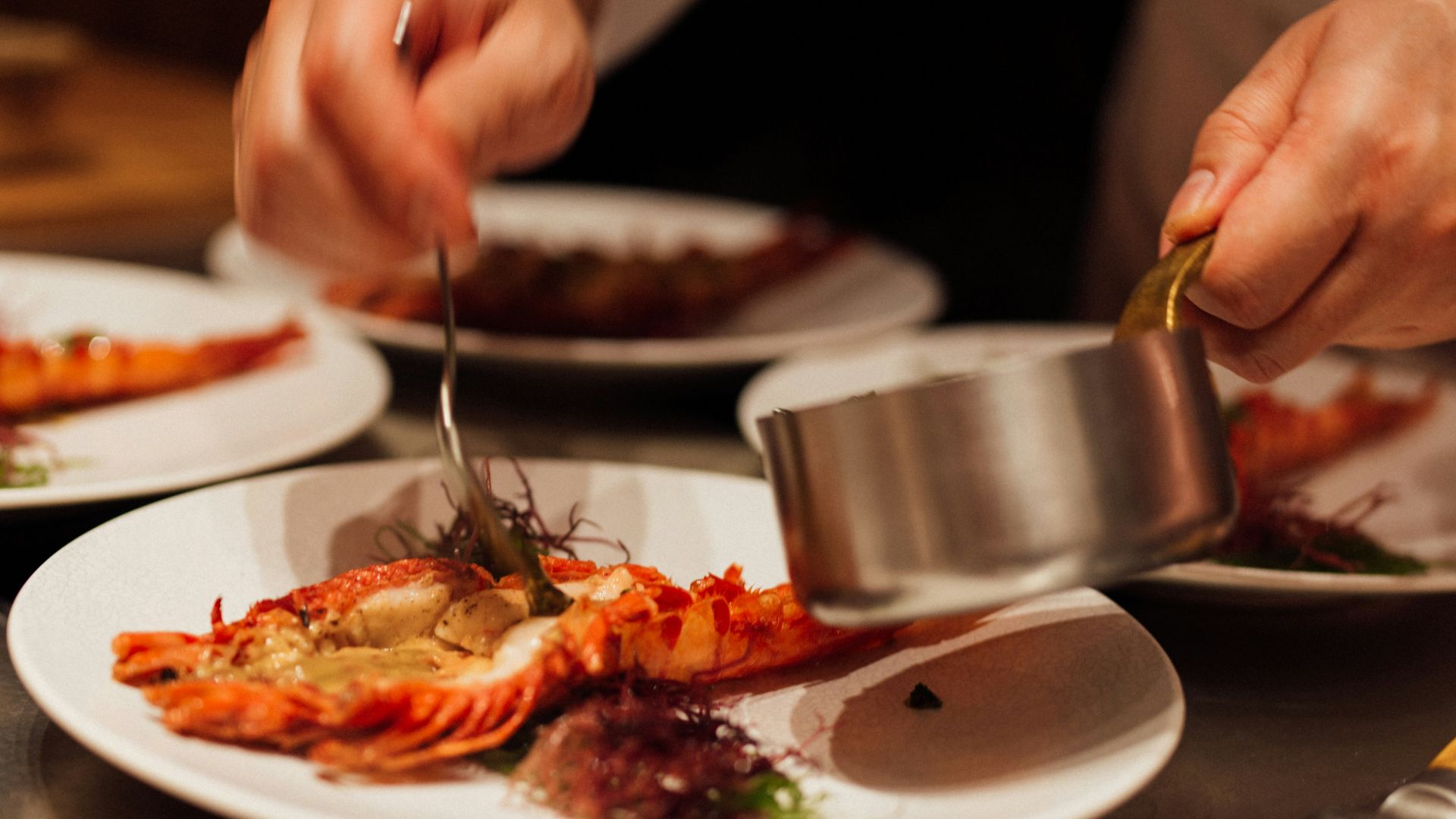
Now, before we go any further, we should state that there is such a thing as too much seasoning. However, underseasoned food is just as bad; it feels like the kitchen stopped caring halfway through the service. Mashed potatoes with no salt or vegetables that taste straight from the steamer send the same message.
9. The Plate is Messy
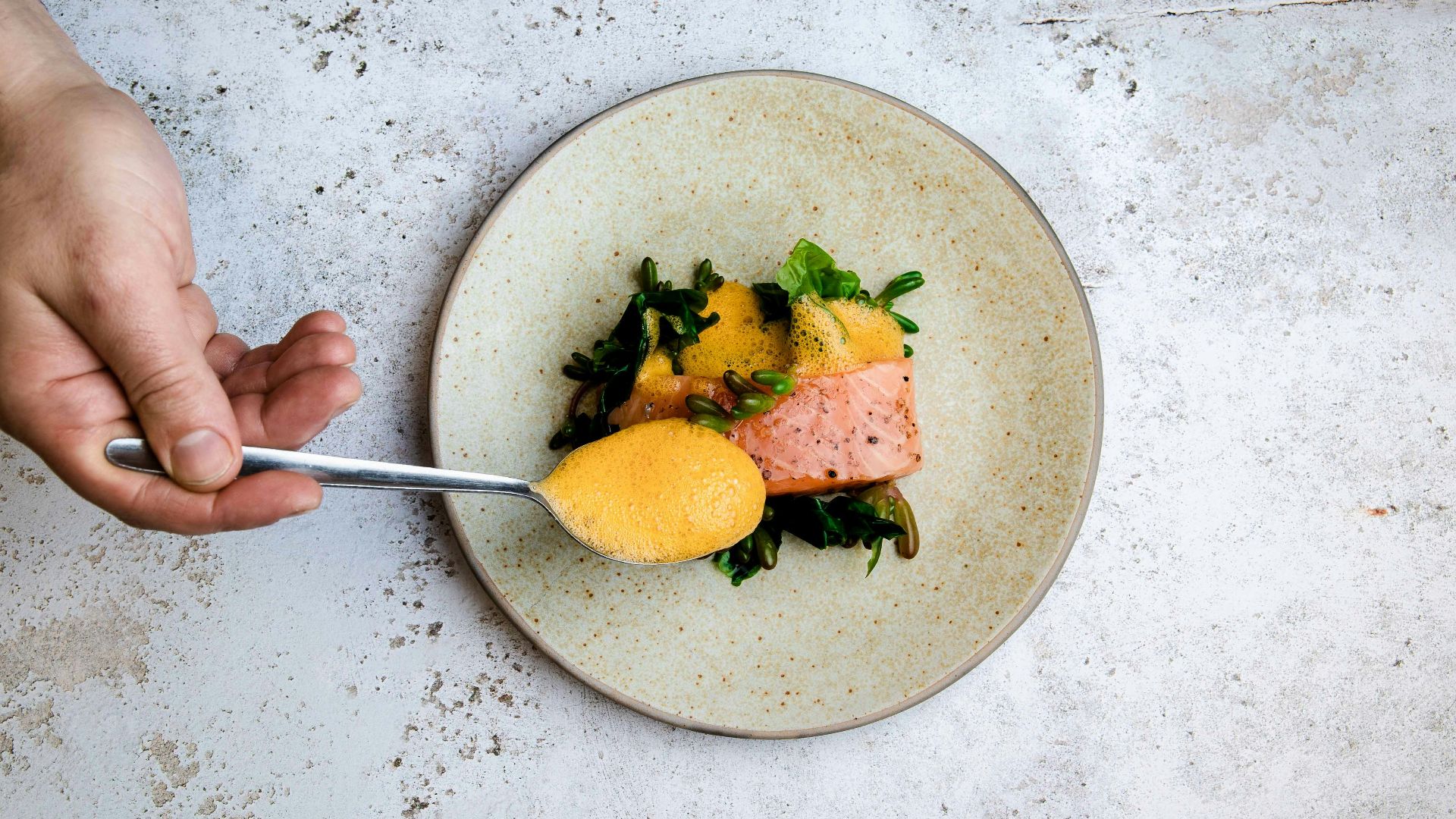
Careless plating looks rushed and unbothered, and it’s one of the quickest ways to ruin a dish. Sauce smears on the rim, fingerprints on the plate, uneven portions, and food sliding into the wrong sections make the dish feel neglected. When nobody wipes the plate before it leaves the kitchen, you have to wonder what else went unchecked.
10. The Fries Are Always Limp
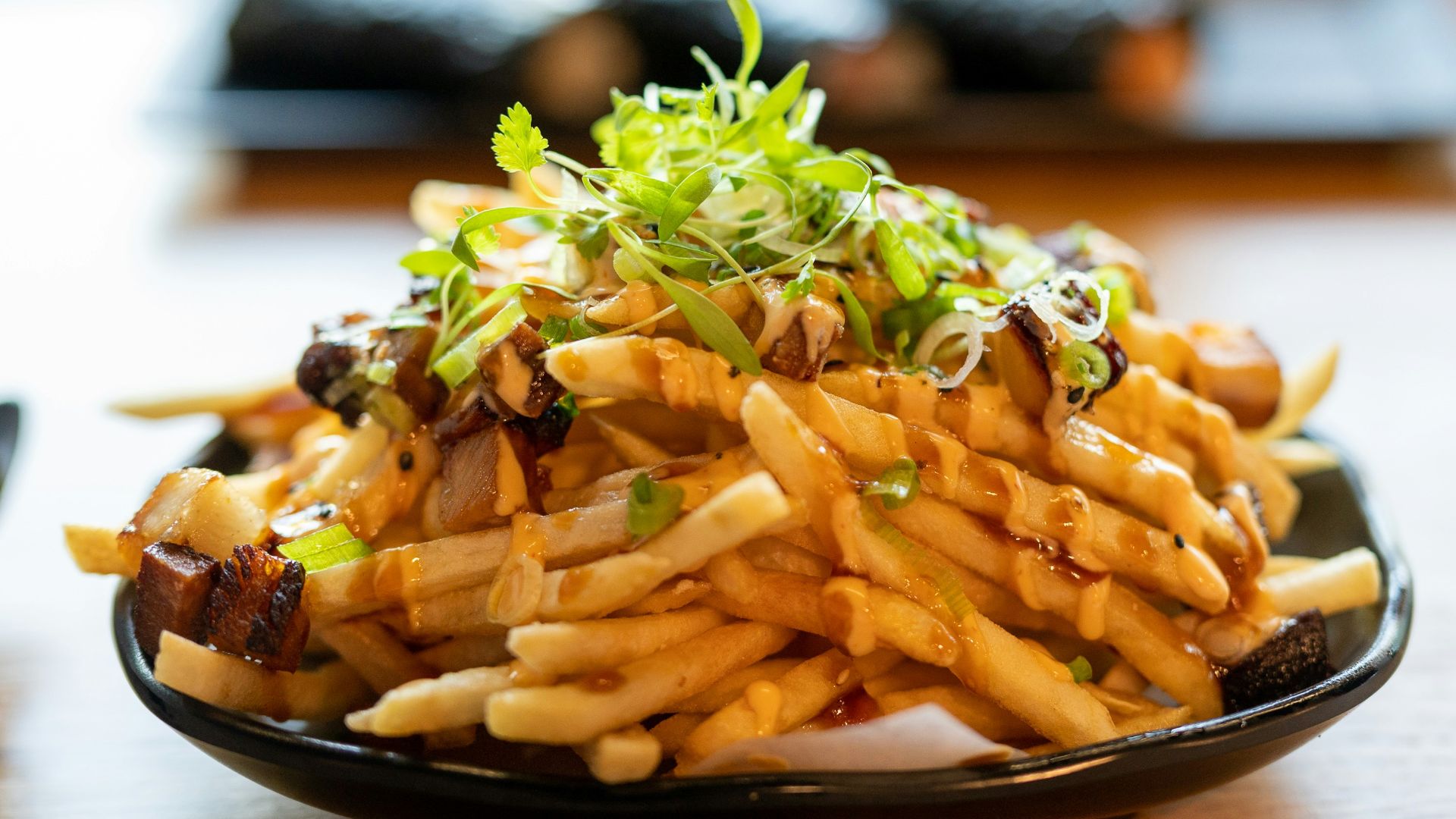
Fries are a basic test of kitchen standards because they require a lot more skill than you think. You also need to worry about timing, temperature, and restraint. If they arrive without any of the above, the kitchen is treating a popular item like filler.
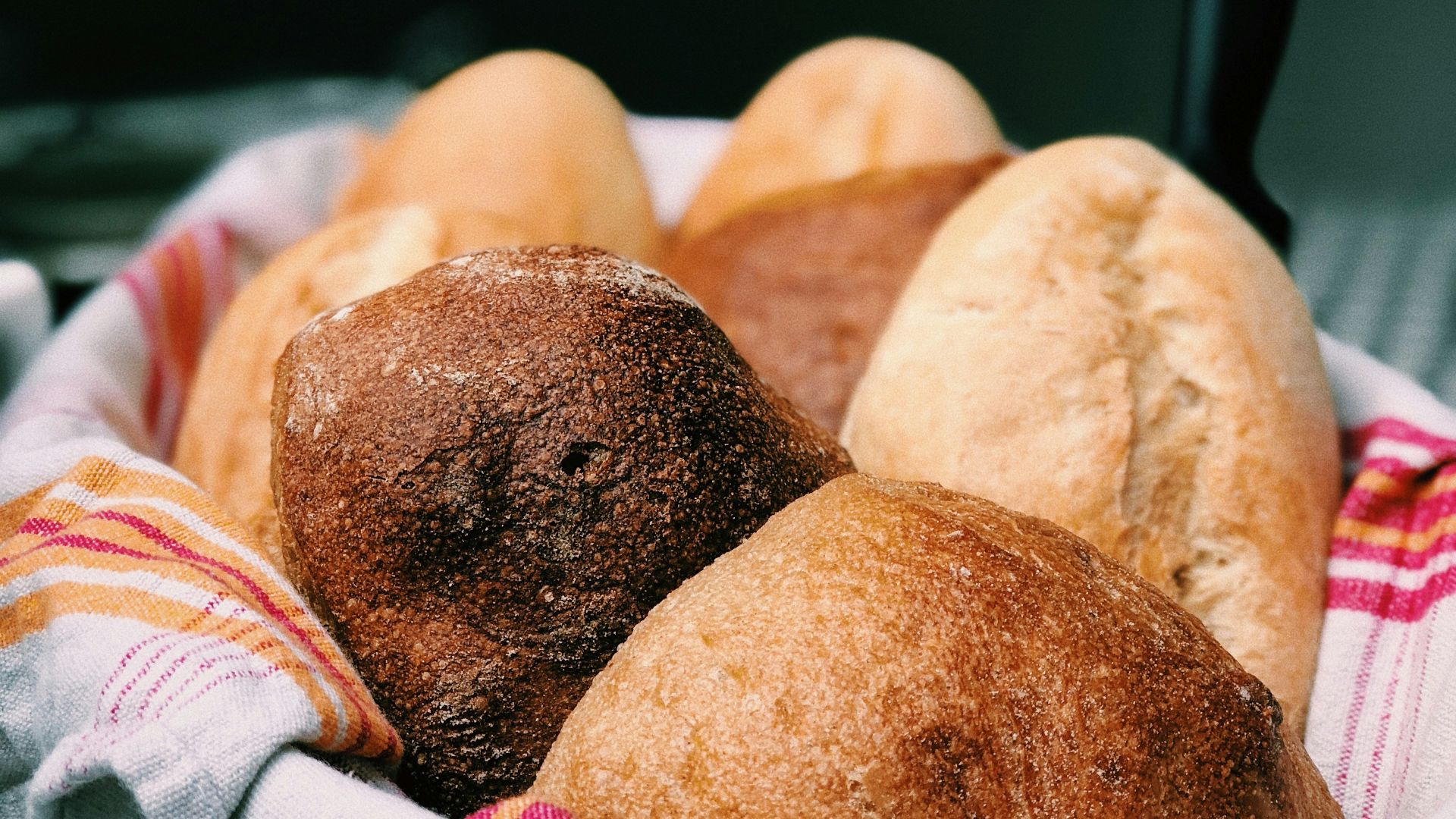
11. A Stale Bread Basket
Cold rolls, stale slices, rock-hard butter, or bread that tastes like it came straight from a plastic bag can make the meal taste careless before the first course even arrives. If the kitchen can’t respect the first thing you eat, it’s fair to be suspicious of whatever else is on the menu.
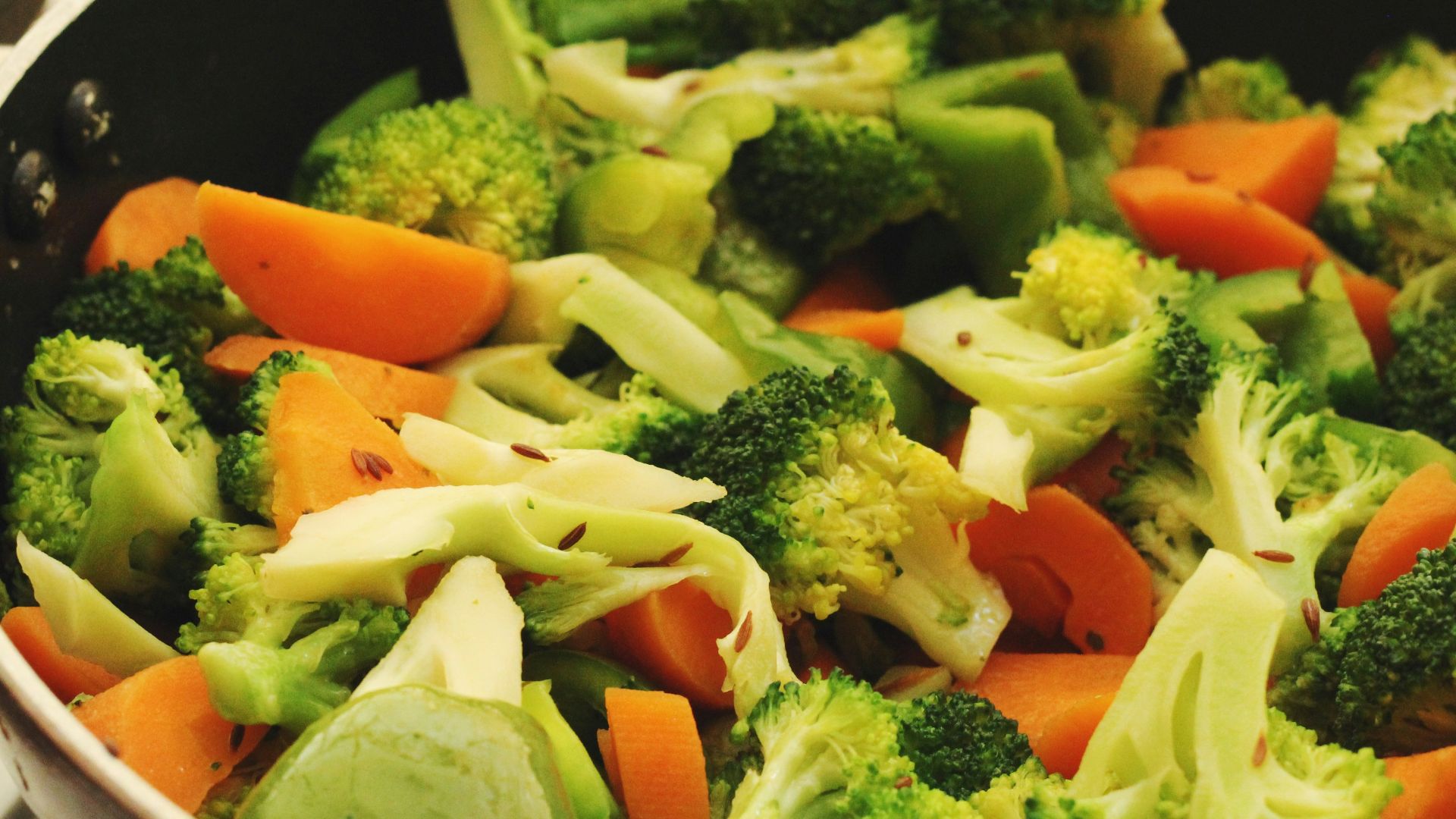
12. Vegetables Are Treated Like Decoration
Too many restaurants still act like vegetables are just there to make the plate look complete. You’ll see overcooked green beans. You’ll be subjected to unseasoned carrots or a sad scoop of freezer-burned vegetables. But a chef who cares gives vegetables the same attention as the meat.
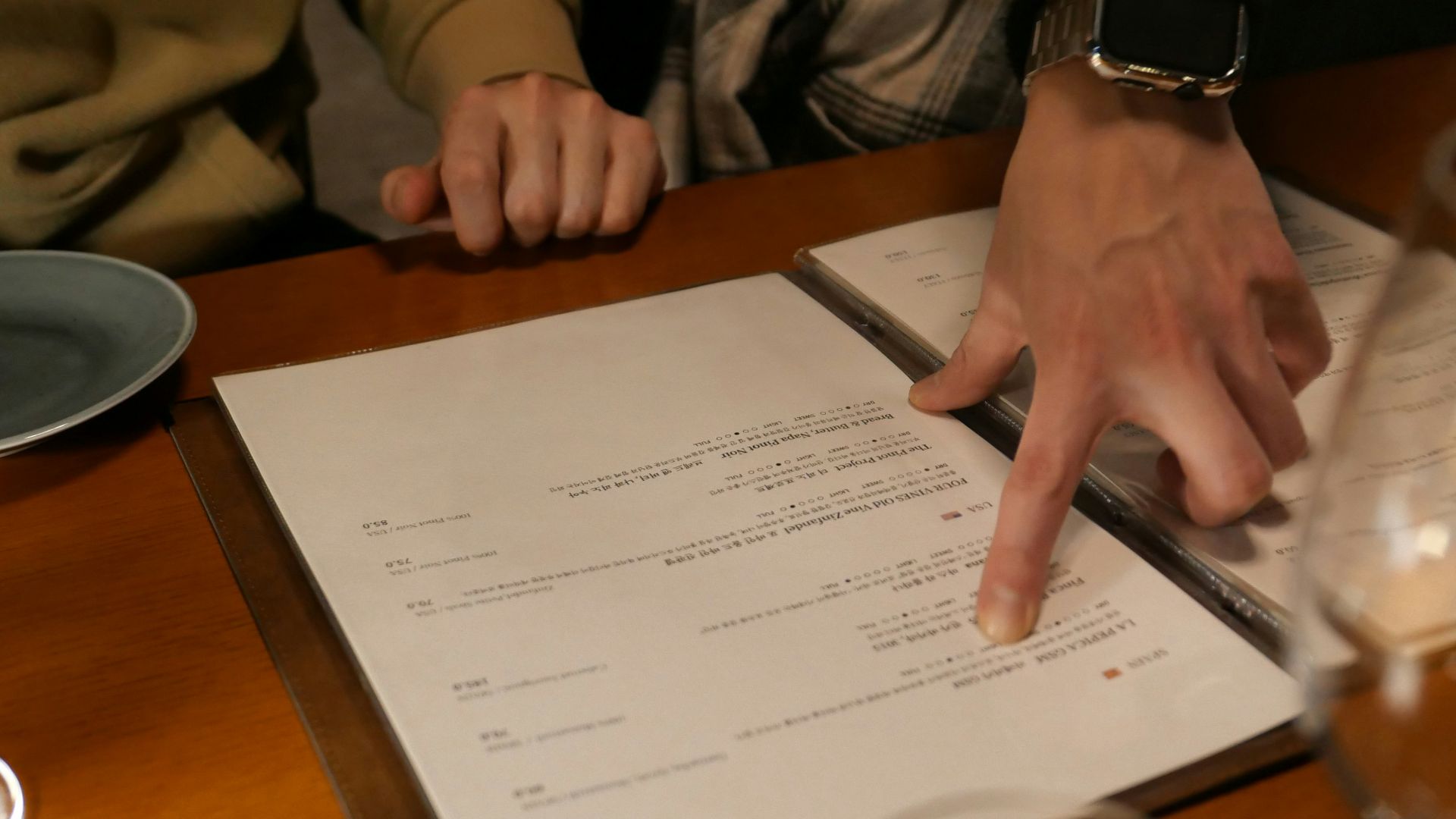
13. Menu Descriptions Overpromise
Words like “charred,” “handmade,” “slow-braised,” and “fresh” need to mean something. If those precious menu items don’t deliver on anything that was promised, the marketing is doing more work than the kitchen.
14. Wilted Herbs
Don’t get it twisted—limp lettuce isn’t the only green that reveals red flags. Wilted herbs make it look like nobody cared enough to toss them. Keep an eye out for common signs: basil that has turned dark, cilantro that looks tired, or dill that’s gone limp. They all make even a decent plate look neglected.
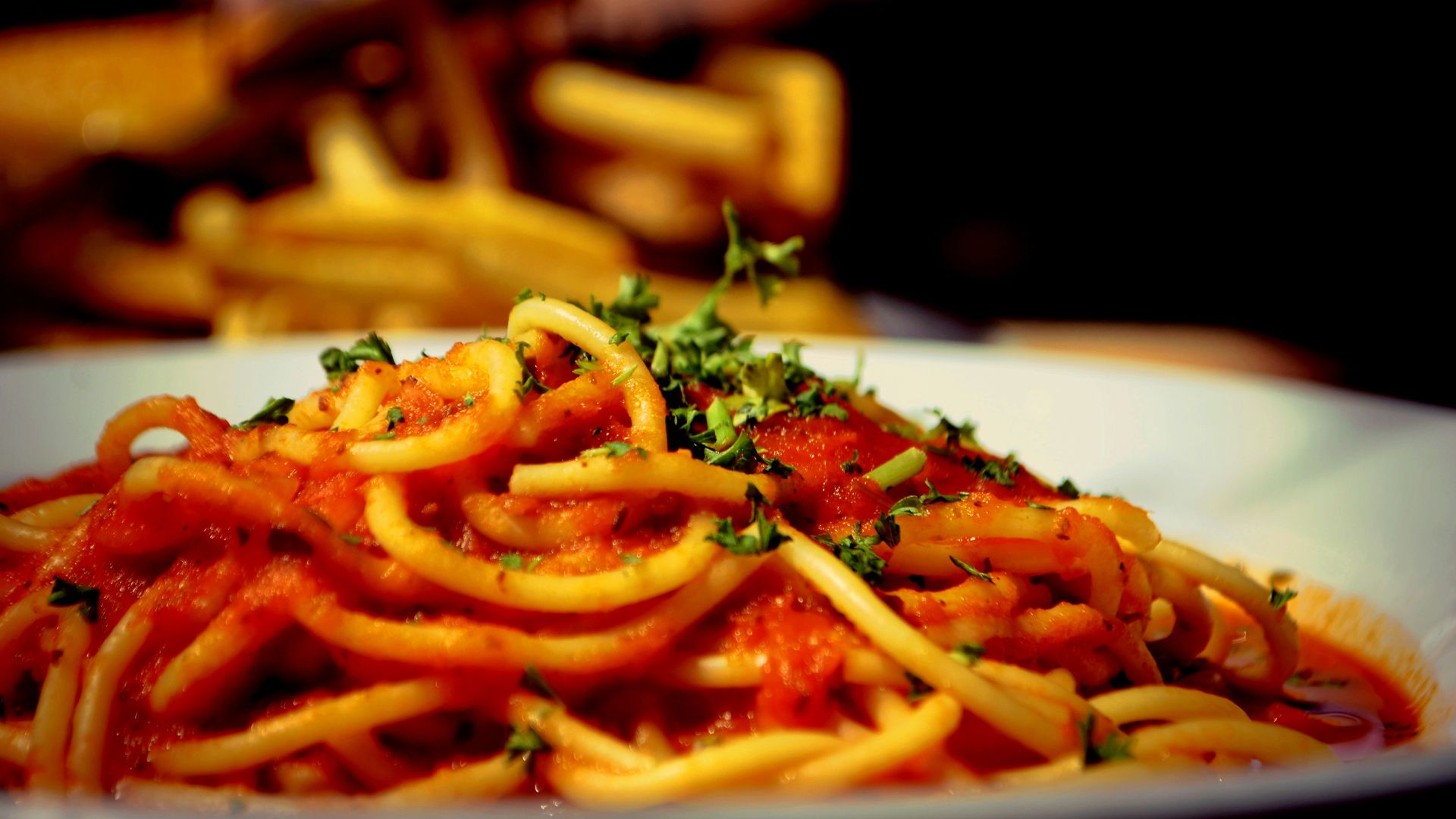
15. The Pasta Isn’t Cooked Properly
Pasta doesn’t need luxury ingredients to be good, but it does need a little care and attention. When spaghetti is bloated, penne is cold in the middle, or ravioli falls apart, it’s pretty obvious that the kitchen lacks basic control. Remember: a chef who cares watches the cook time and finishes the pasta properly with the sauce.
16. The Food Tastes the Same
A restaurant has a problem when every dish tastes pretty much the same, regardless of what you order. Chicken, shrimp, pasta, and vegetables shouldn’t all seem like they were cooked with the same seasoning scoop. A checked-out chef often relies on one flavor profile because it’s faster than building each dish properly.
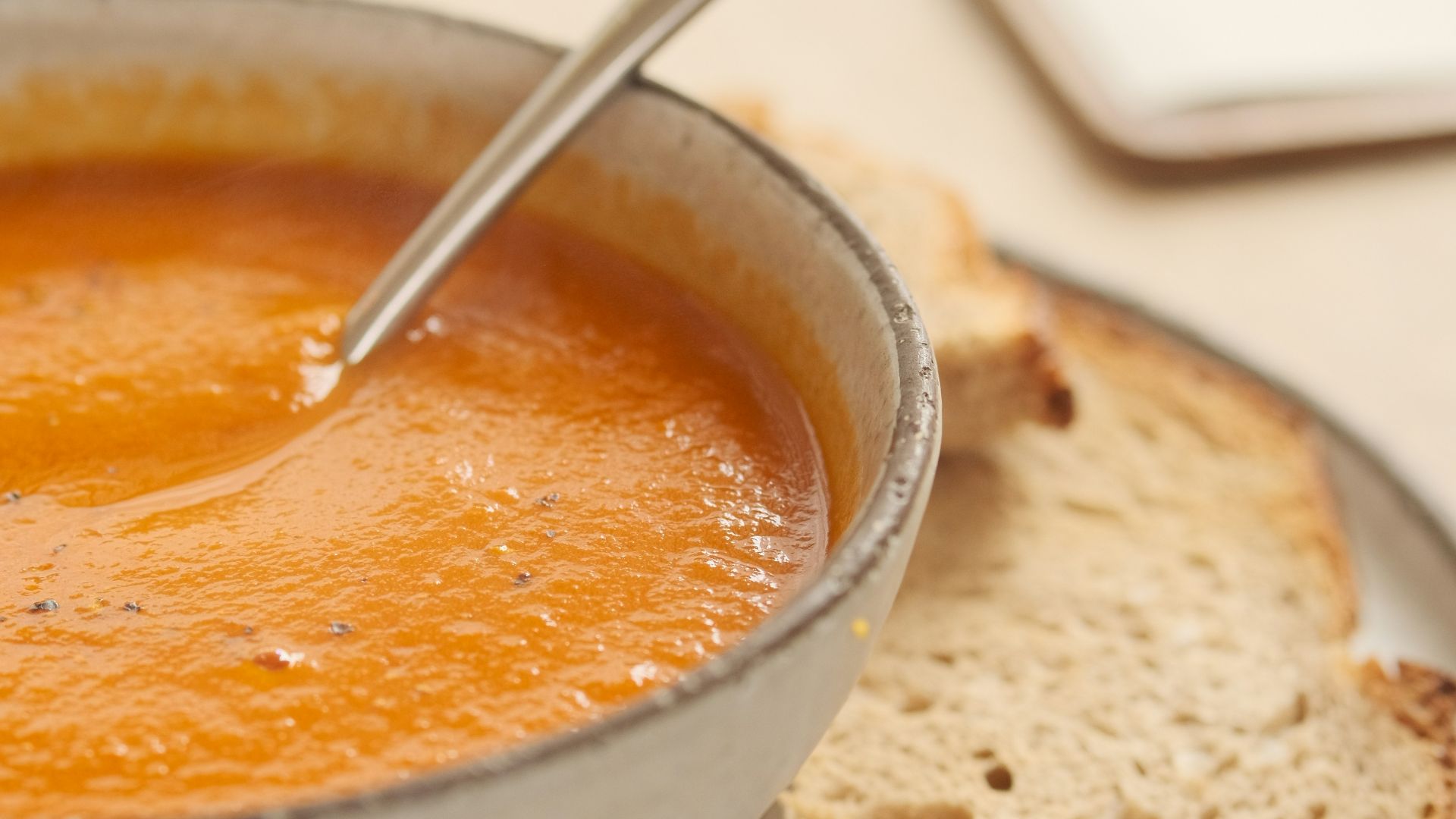
17. The Soup Has No Depth
You might not think it to look at it, but soup can reveal whether a kitchen understands patience. If the tomato soup tastes like canned sauce thinned with water or the chicken noodle has bland broth and rubbery meat, it wasn’t built with care.
18. Inconsistent Portions
One table gets a generous piece of fish while another gets a thin, overcooked end piece for the same price. Yeah, that’s an issue! Inconsistency like that usually means nobody is enforcing standards behind the line.
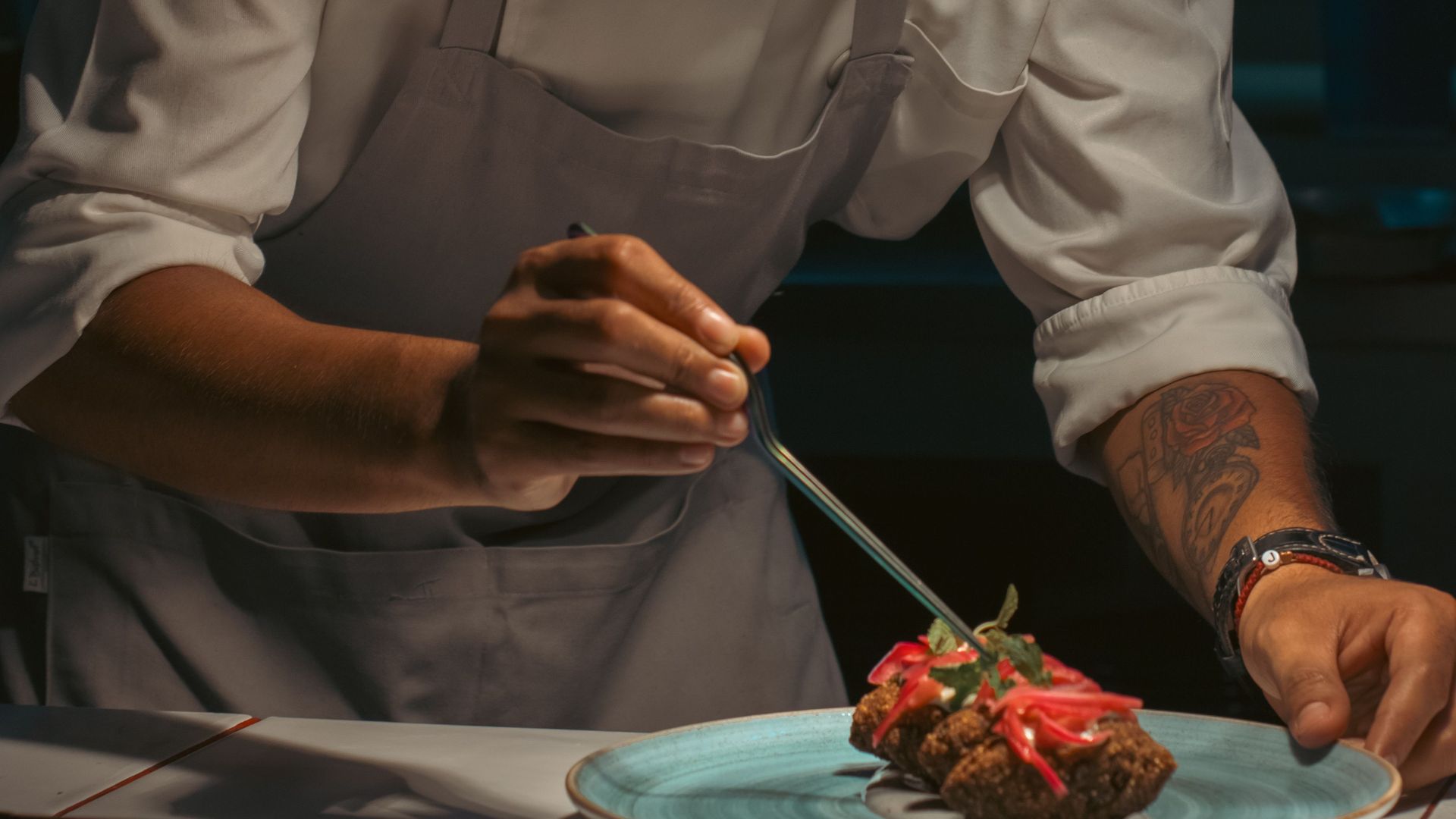
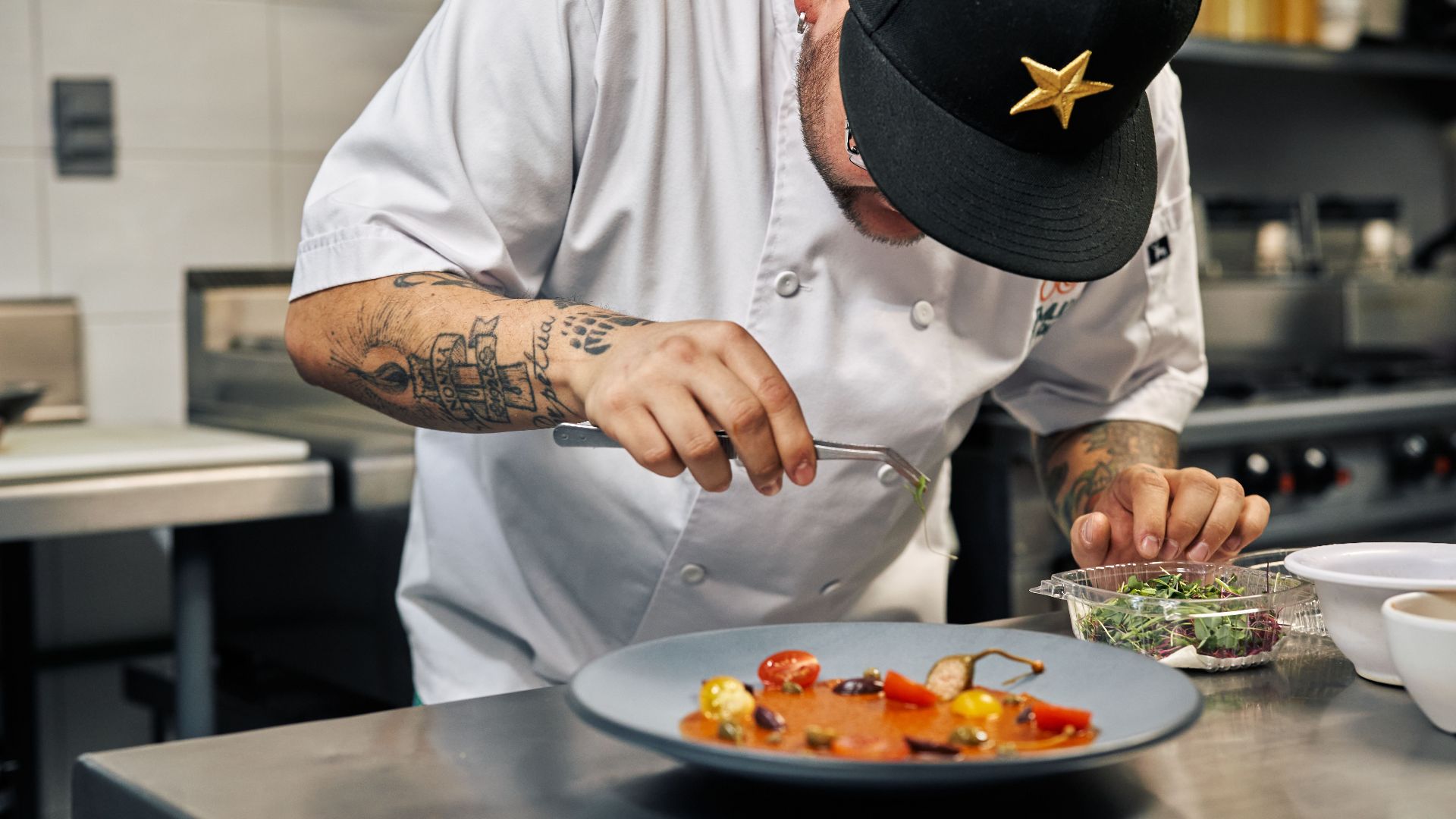
19. The Chef Hides Behind Trends
Trendy ingredients can be great, but not even popular items can save a weak dish. If everything has truffle oil, hot honey, gochujang, or chili crisp added without any real purpose, the kitchen is likely just chasing buzz instead of flavor.
20. Nobody Seems Proud
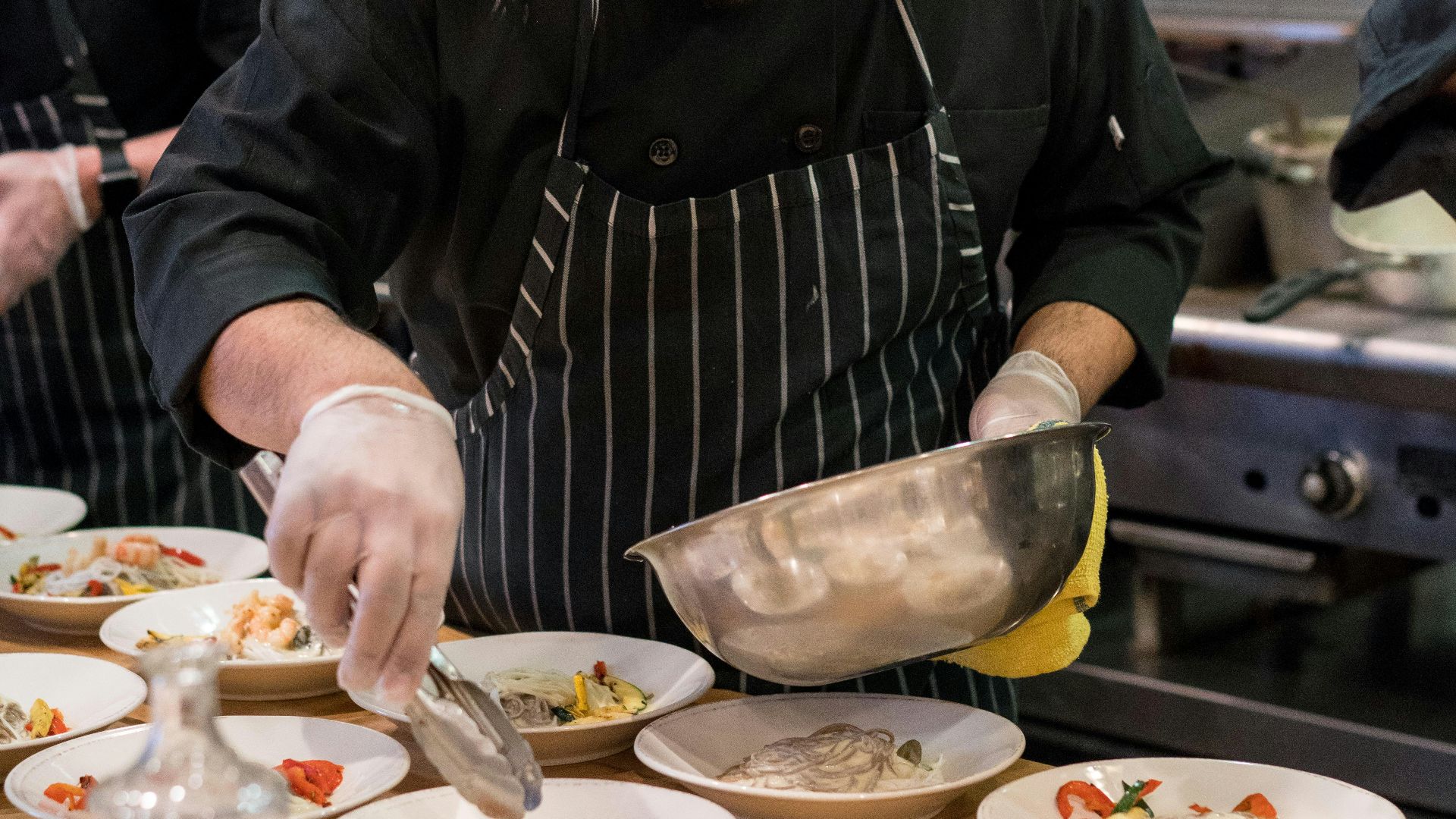
The biggest sign is often the overall feeling that the food is just being moved rather than being cooked with intention. Those little inconsistencies matter after a while, and when they pile up, they only get more obvious. When a chef cares, you can usually tell because even simple food arrives with confidence.
KEEP ON READING