What Your Kitchen Really Needs
Ever look around your kitchen and wonder why some gadgets feel essential while others never leave the cabinet? This list explores how modern kitchens become crowded with tools that promise convenience but deliver little value. It examines what truly supports daily cooking and what quietly adds clutter. If you want a more functional space and smarter choices, read on to gain clarity before upgrading. Let us begin with the appliances every kitchen needs.
1. Refrigerator
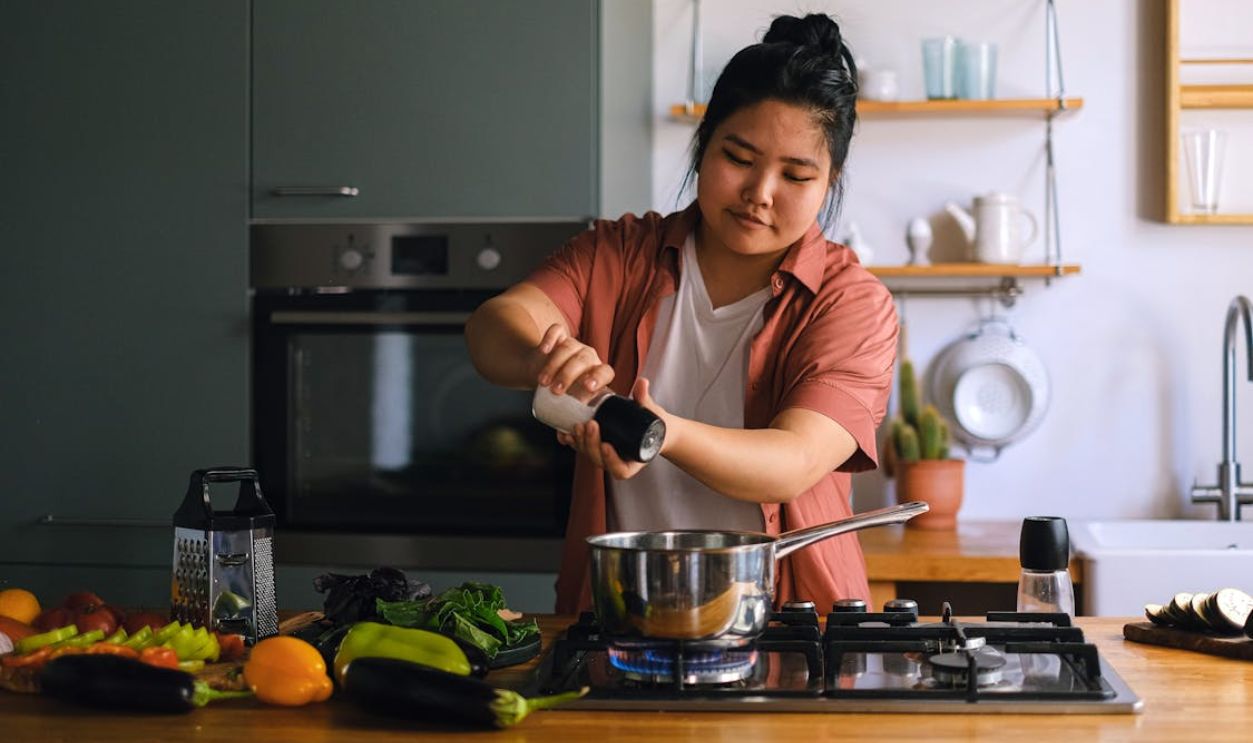
Keeping food safe starts with cold storage, and that’s exactly what a refrigerator does. It slows bacterial growth while preserving fresh produce, meat, dairy, and leftovers. Unlike the old iceboxes that needed constant ice deliveries, today’s models also include separate freezer compartments.
2. Stove (Gas Or Electric)
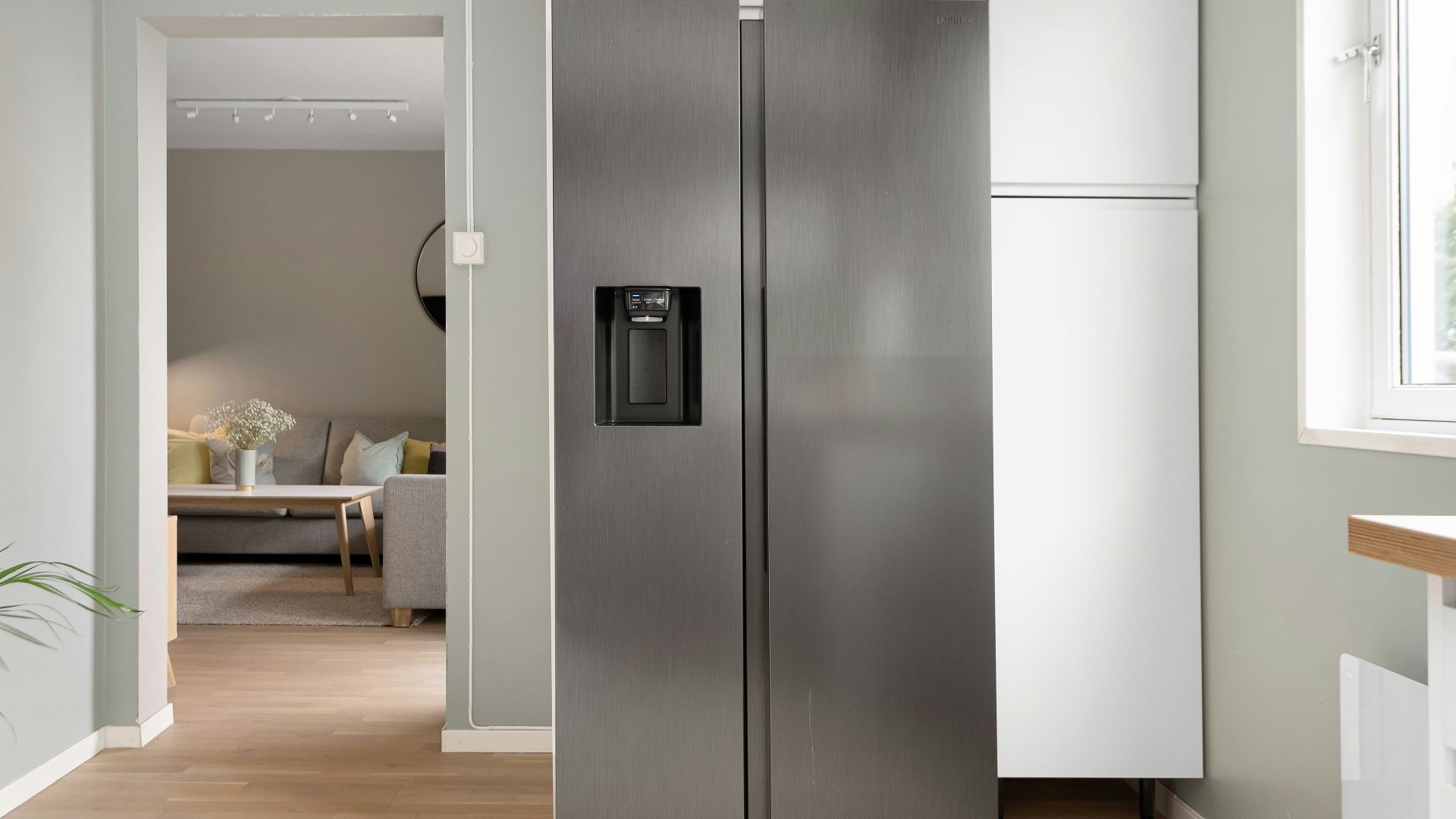
Heat control can make or break a meal, and that’s where the stove shines. Gas versions use open flames, while electric ones rely on heated coils. Both allow precise temperature control, and gas stoves still work during blackouts if lit manually.
3. Oven
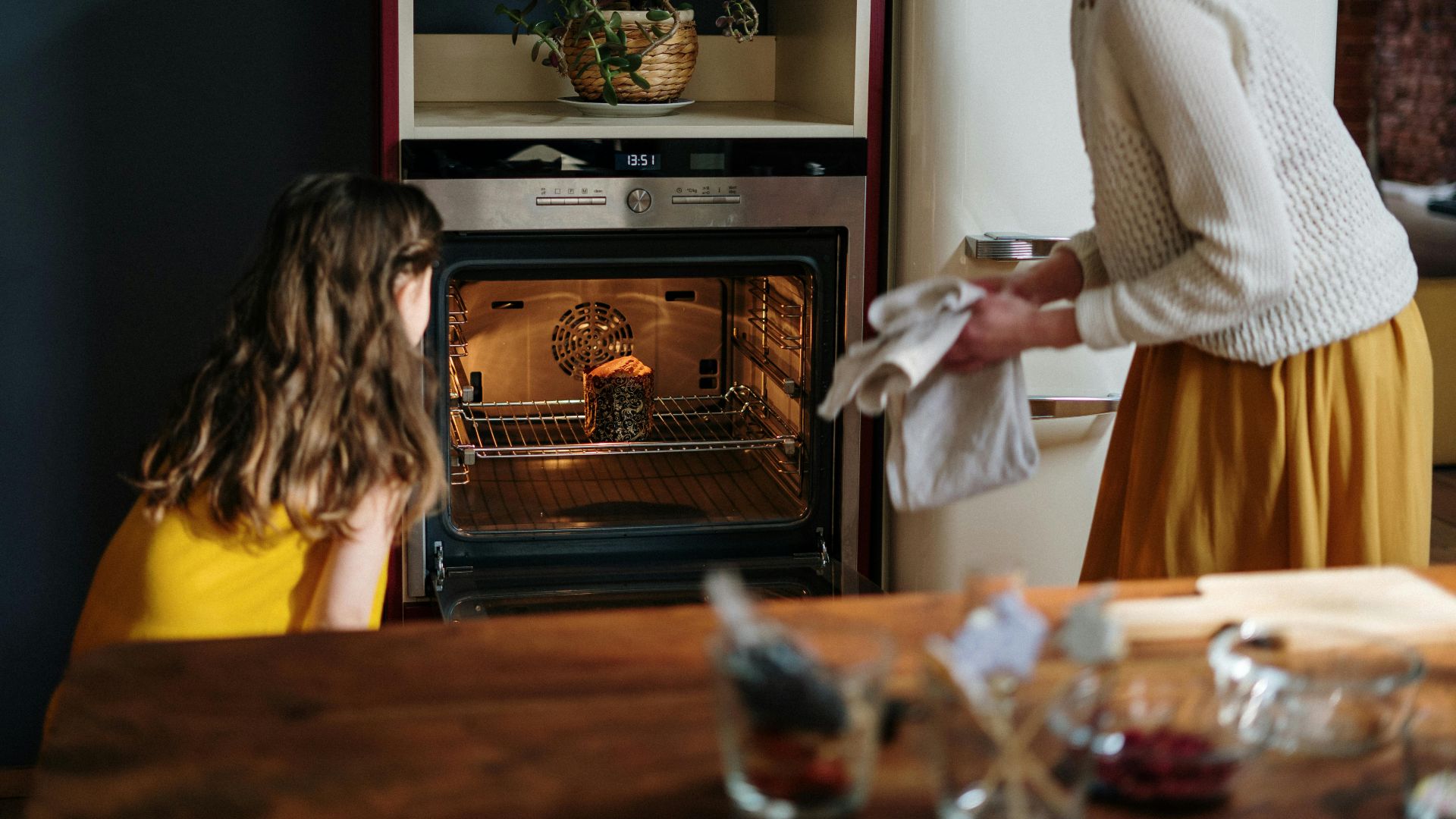
From crusty bread to golden roasts, the oven handles it all using evenly distributed heat. Most include timers and temperature controls, and many double as broilers to offer top-down heat that is perfect for searing, crisping, or finishing dishes without needing another appliance.
4. Dishwasher
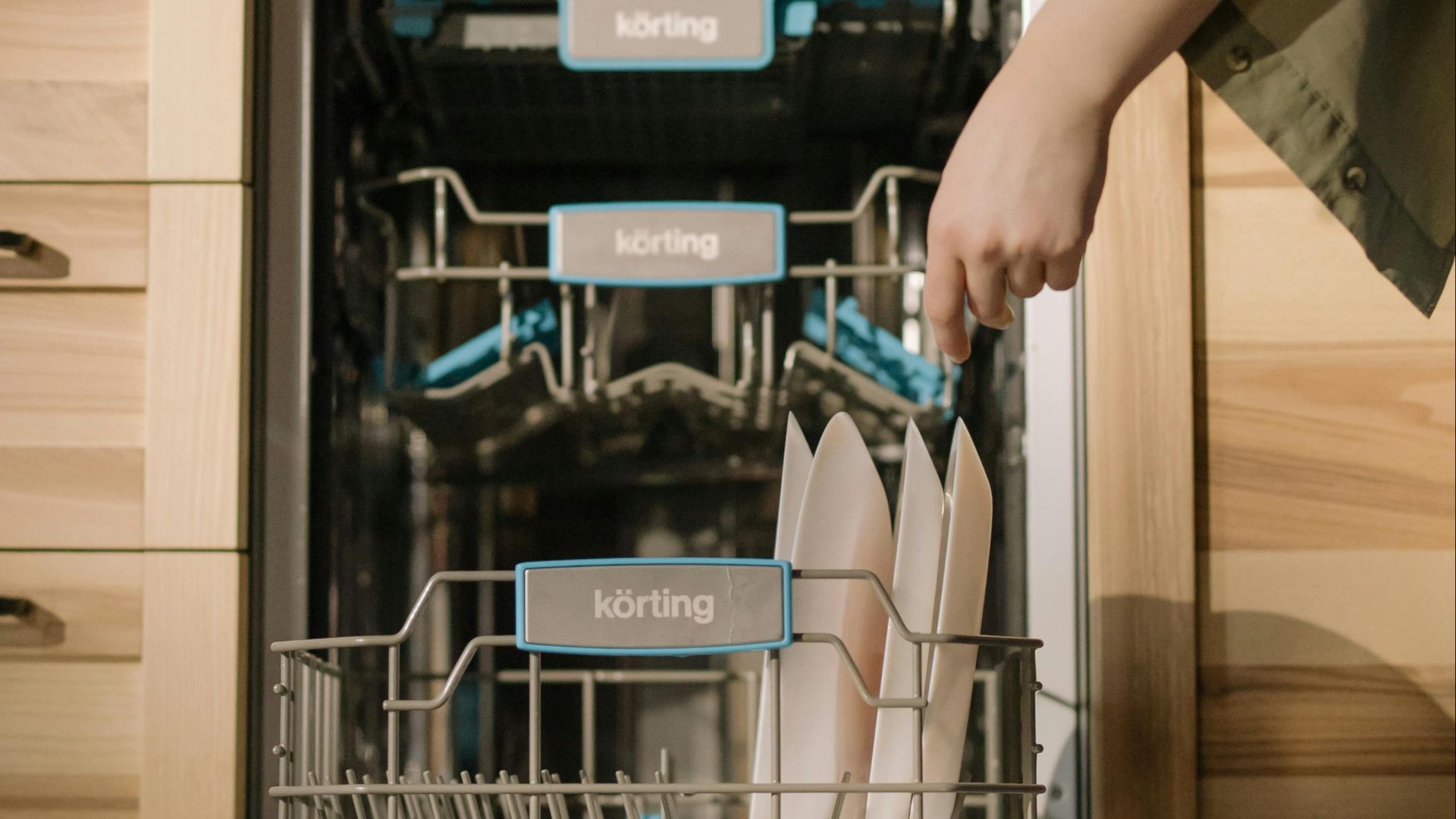
There’s no need to dread post-dinner cleanup when a dishwasher does the job. Using hot water and detergent, it sanitizes better than handwashing. Built-in racks prevent breakage, and though now common in homes, dishwashers actually started out in busy restaurants.
5. Blender
Everything from smoothies to sauces gets its start with a blender. Fast-spinning blades break down solids and liquefy ingredients easily. Many models also crush ice, which makes them just as useful for frozen drinks as they are for meal prep.

6. Toaster
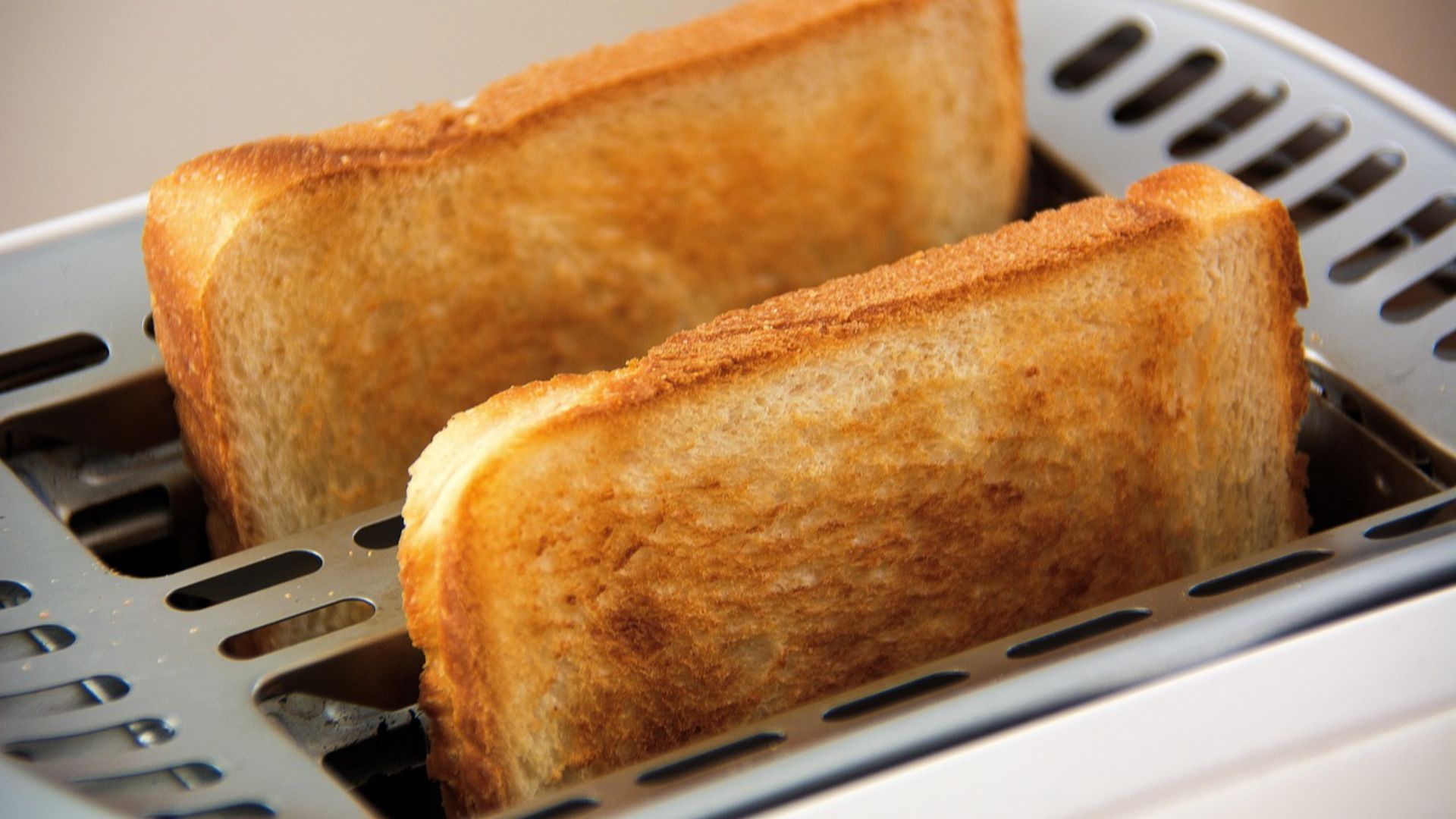
Great toast needs more than heat—it needs timing. Internal heating elements do the browning, and adjustable controls let you choose how crisp you want it. That familiar pop-up mechanism was created to finally stop toast from burning in early kitchens.
 CordMediaDigitalServices on Pixabay
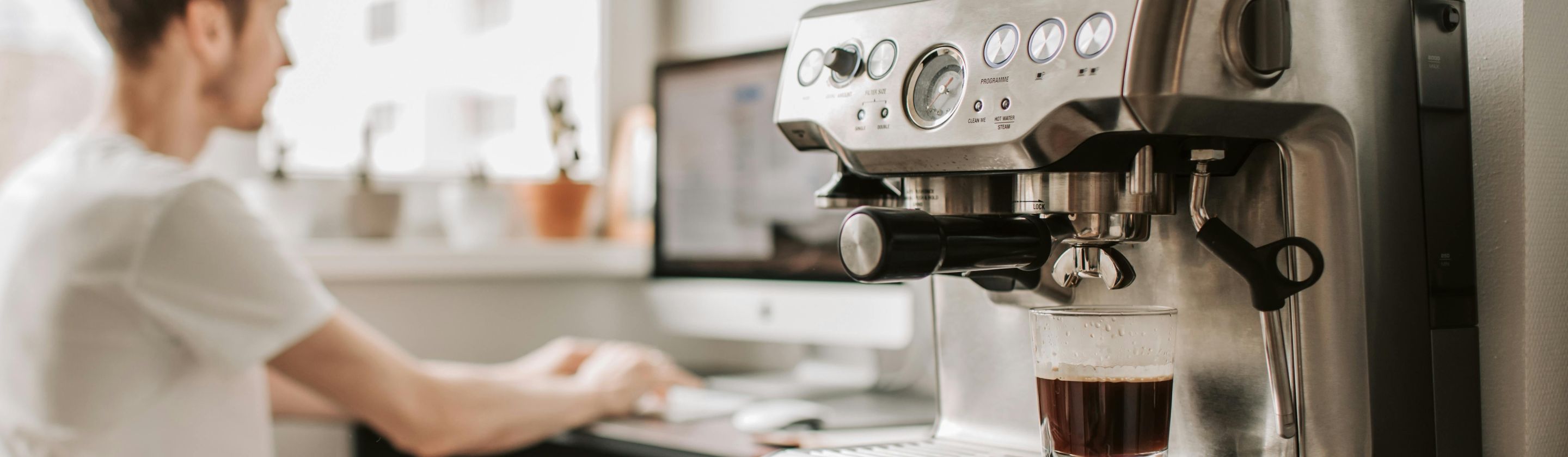
7. Coffee Machine
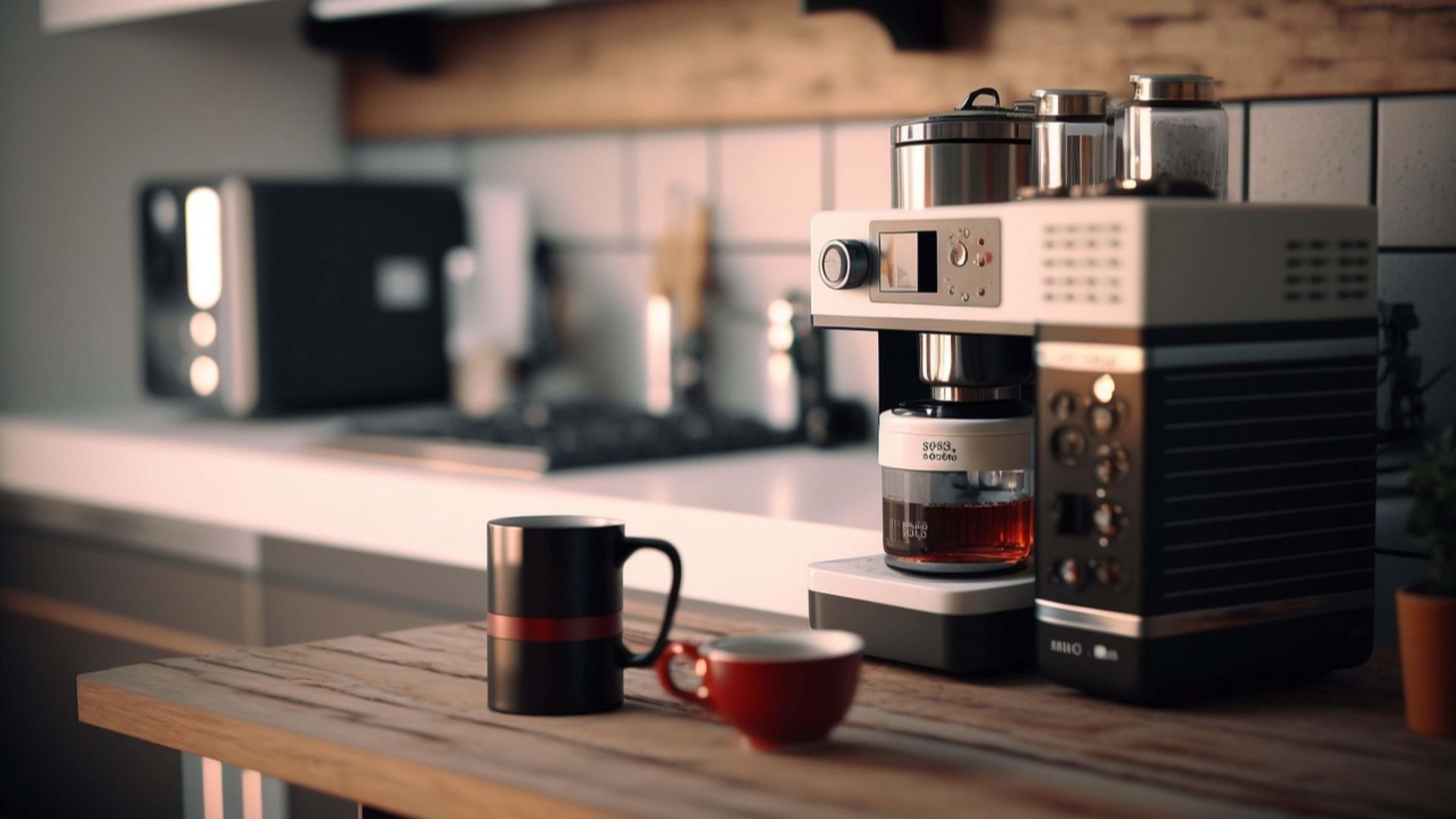
Reliable brewing comes down to consistency, and that’s exactly what a coffee machine delivers. Hot water runs through grounds to create each cup, whether it’s drip, espresso, or capsule-based. Some models can even whip up tea or hot chocolate too.
8. Food Processor
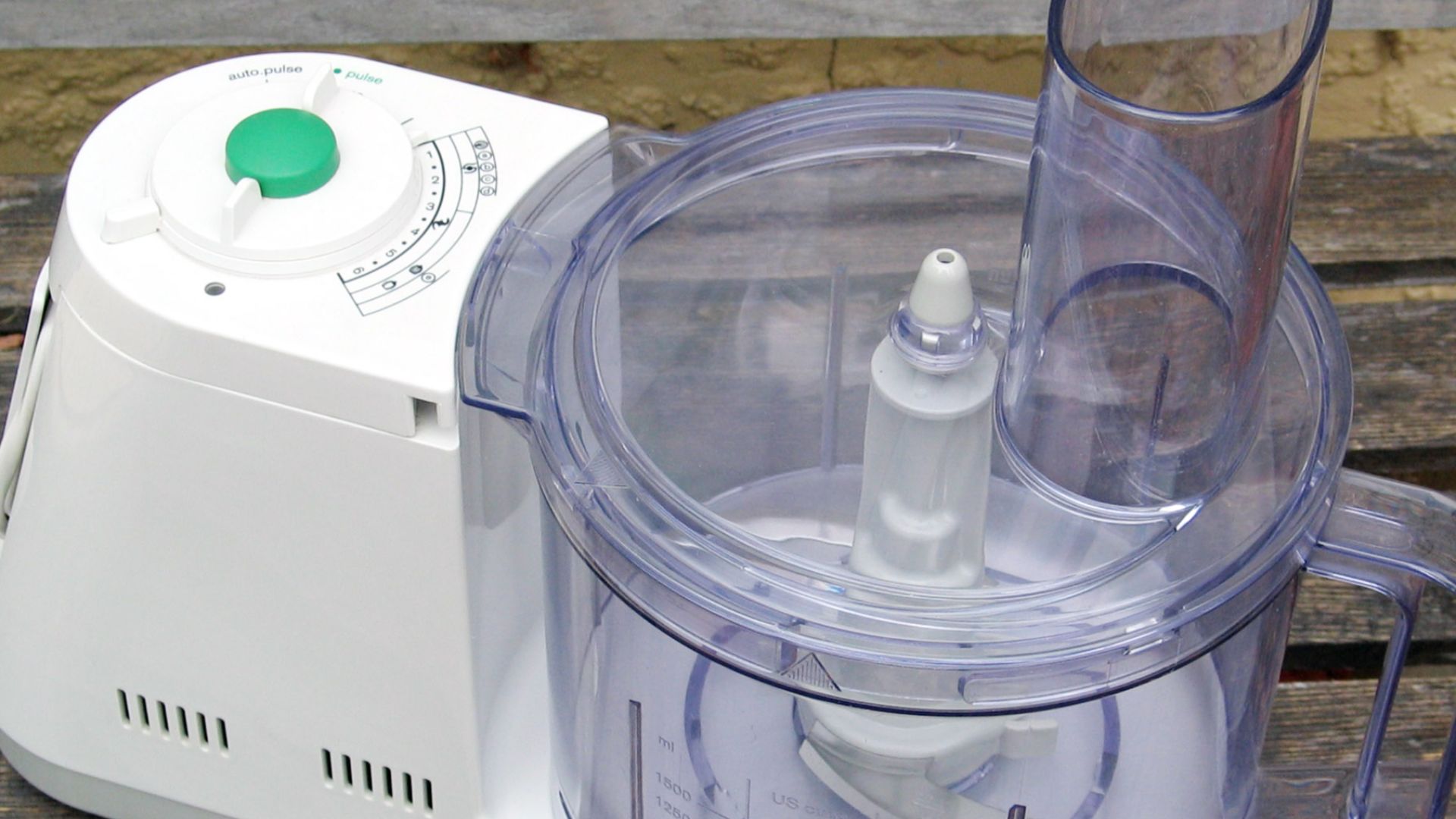
Cooking gets easier when a food processor is part of the plan. With swappable blades, it does everything from chopping to shredding in seconds. Many versions also knead dough, making them surprisingly versatile—especially when time and counter space are both in short supply.
9. Kettle
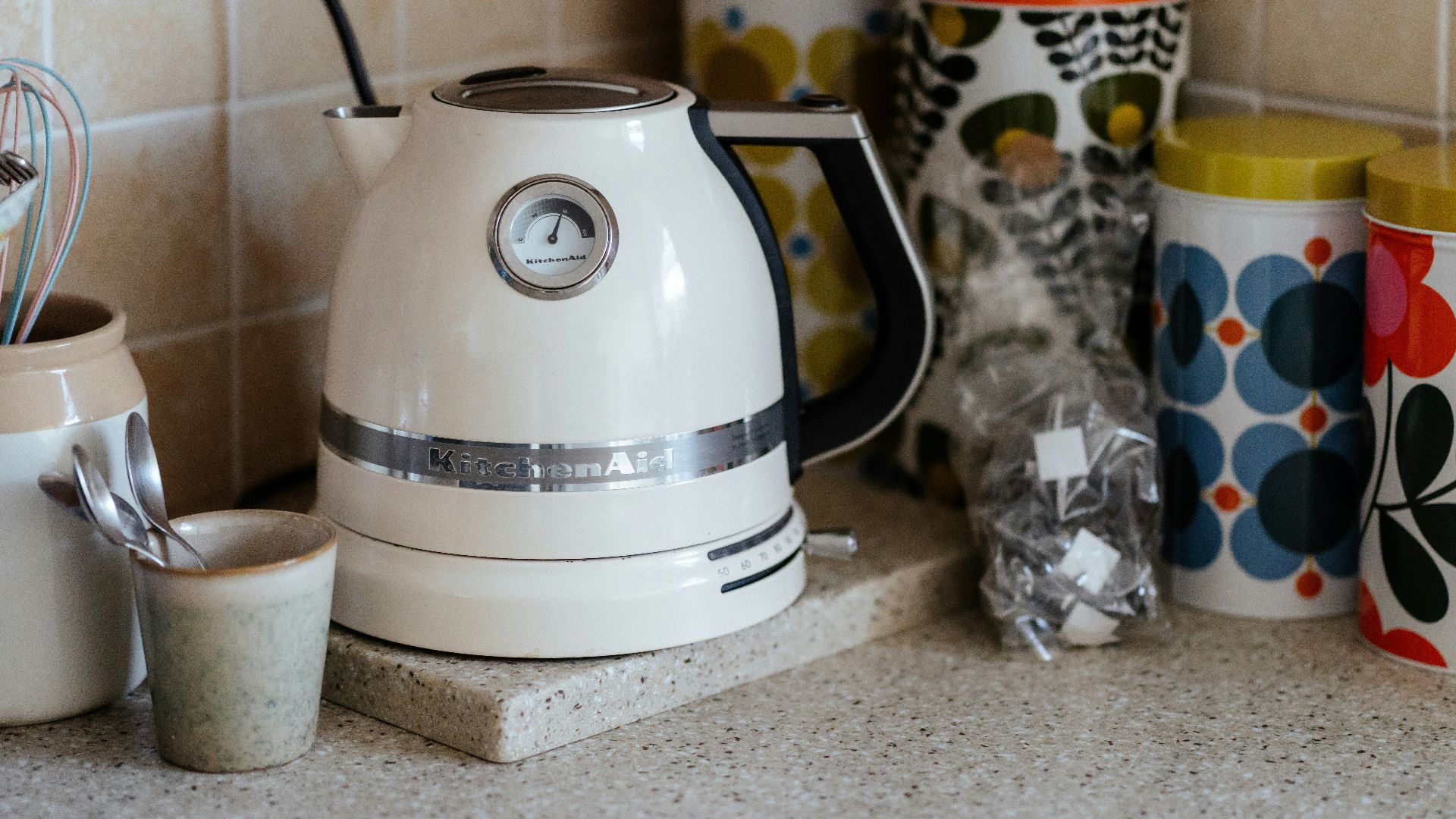
Speed is the real selling point of an electric kettle, which boils water faster than stovetop versions and shuts off automatically. It’s a go-to for tea or instant meals, which is why it’s no surprise that it has become a staple in homes around the world.
10. Rice Cooker
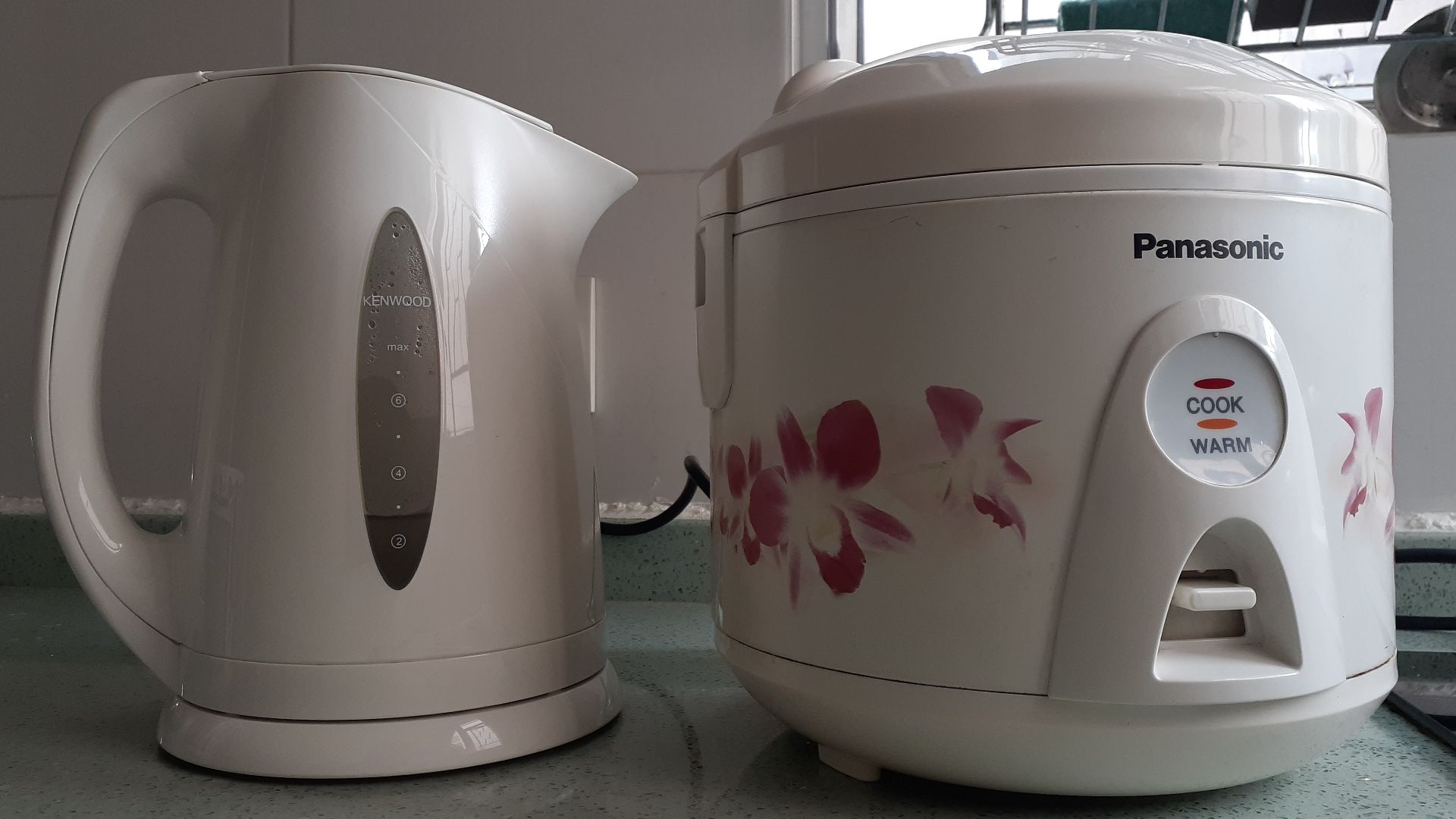
Fluffy, perfectly cooked rice becomes effortless with a rice cooker. It manages heat on its own and switches to warm when finished. Common in rice-loving homes, it’s even more helpful when used to steam vegetables in the same compact unit.
Now that the true kitchen essentials are covered, it’s time to look at the appliances that sound helpful but often duplicate tools you already use.
1. Bread Makers
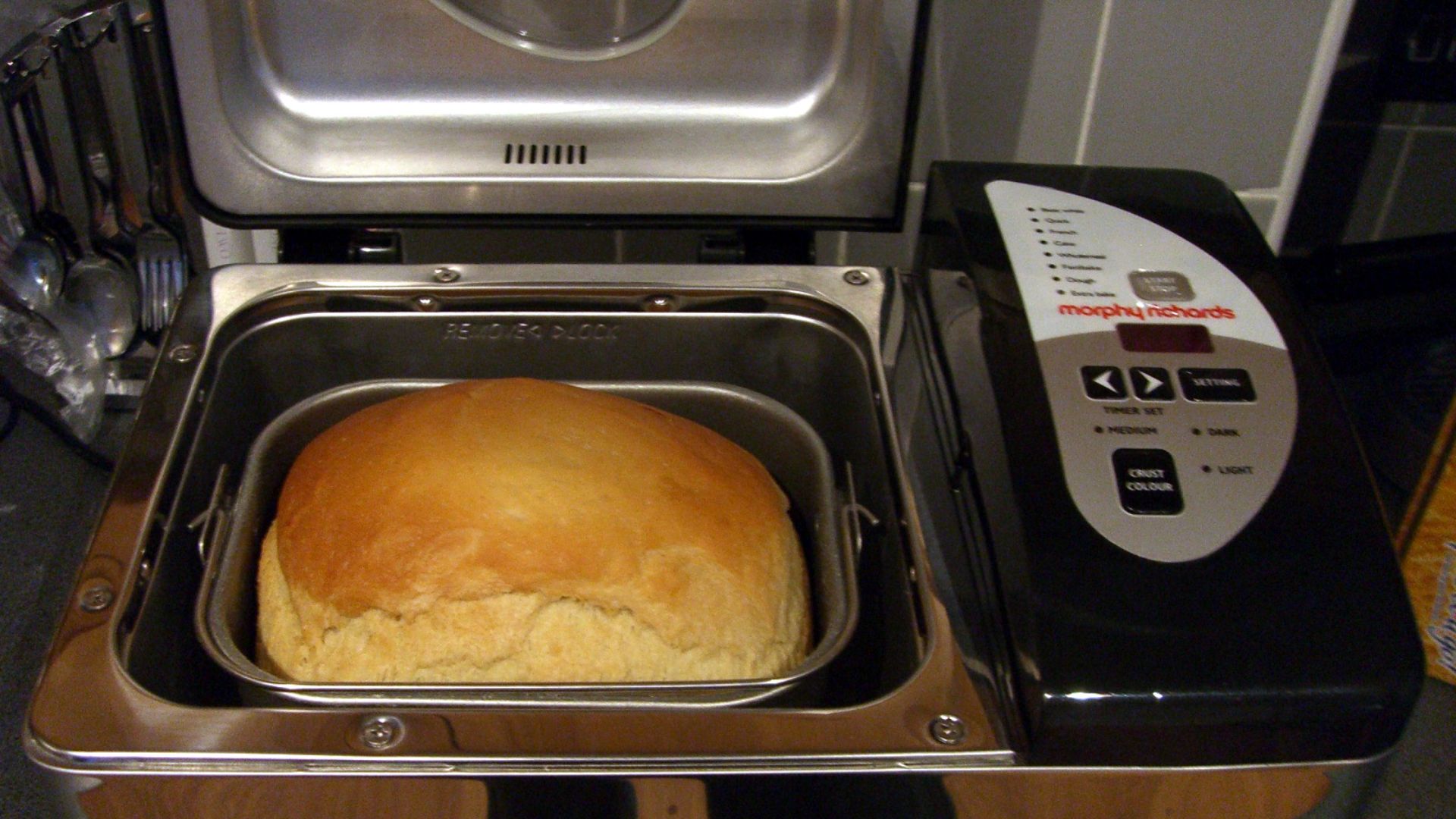
Making bread doesn’t require a specialized machine, since a standard oven and loaf pan work just fine. Dough can be mixed and kneaded by hand using a bowl and spoon. Bread makers also stay limited to bread, unlike traditional methods.
 edvvc from London, UK on Wikimedia
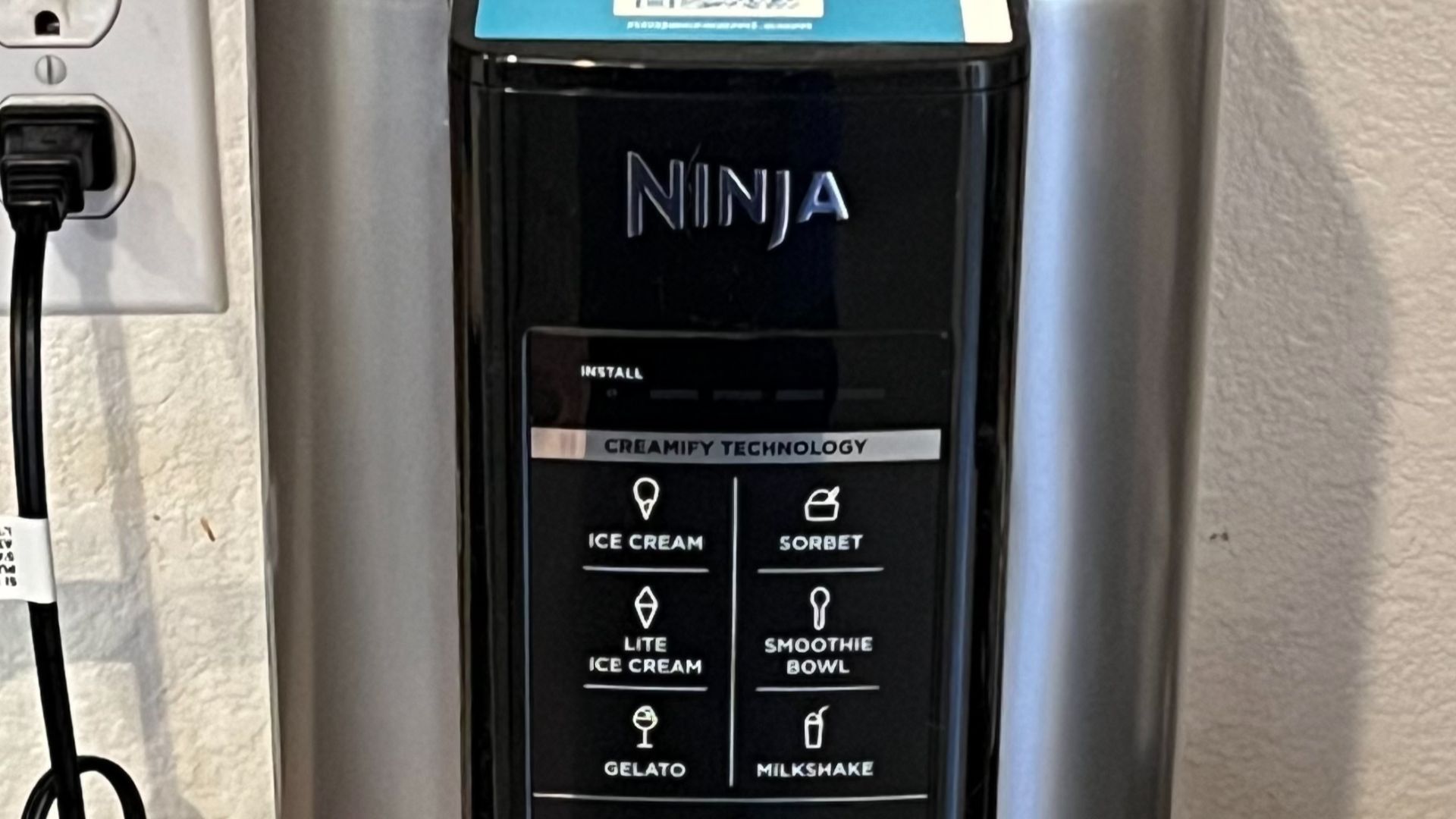
2. Ice Cream Makers
Homemade ice cream doesn’t need extra equipment, because it can be mixed by hand and frozen at home. Store-bought options are also available year-round, making these machines occasional-use items. Early recipes relied on hand-churning with ice and salt to get that creamy texture.
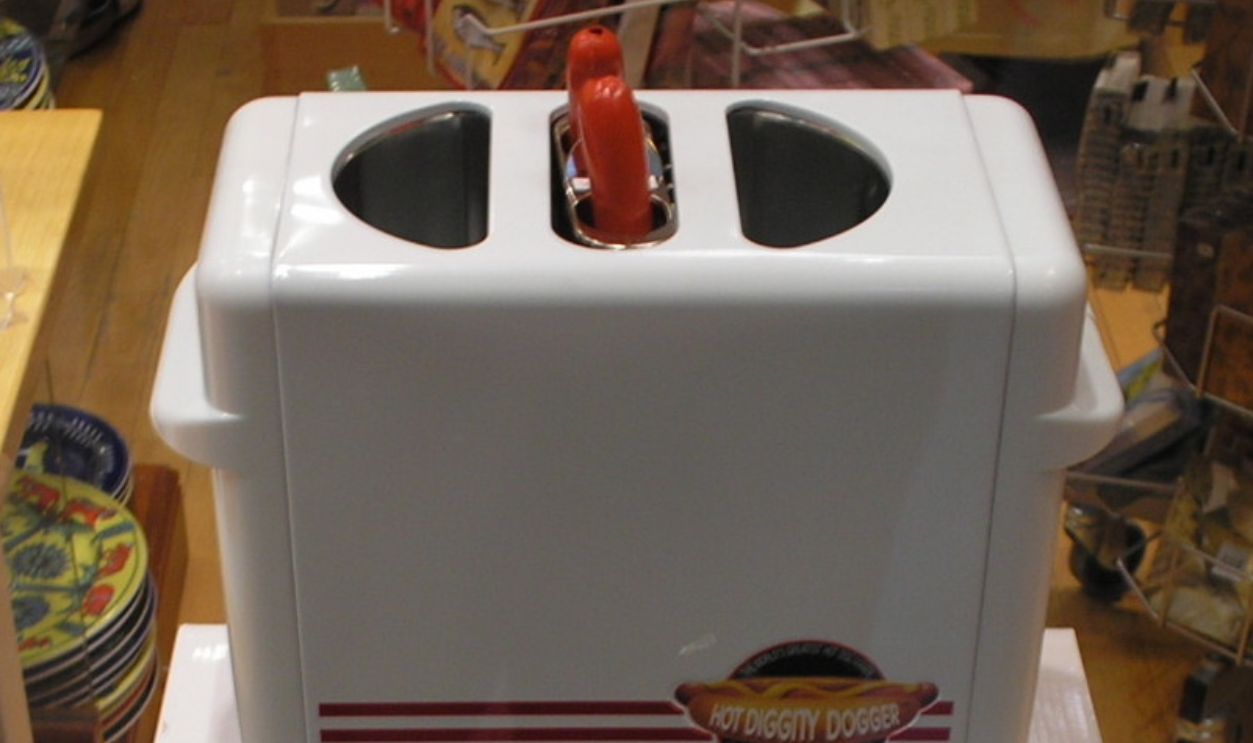
3. Hot Dog Toasters
Street vendors sold hot dogs long before specialty appliances tried to reinvent something that’s already straightforward. Cooking hot dogs stays simple with a stove, grill, or microwave, and regular toasters handle buns easily. Hot dog toasters also exist for one purpose only.
 Diderot~commonswiki on wikimedia
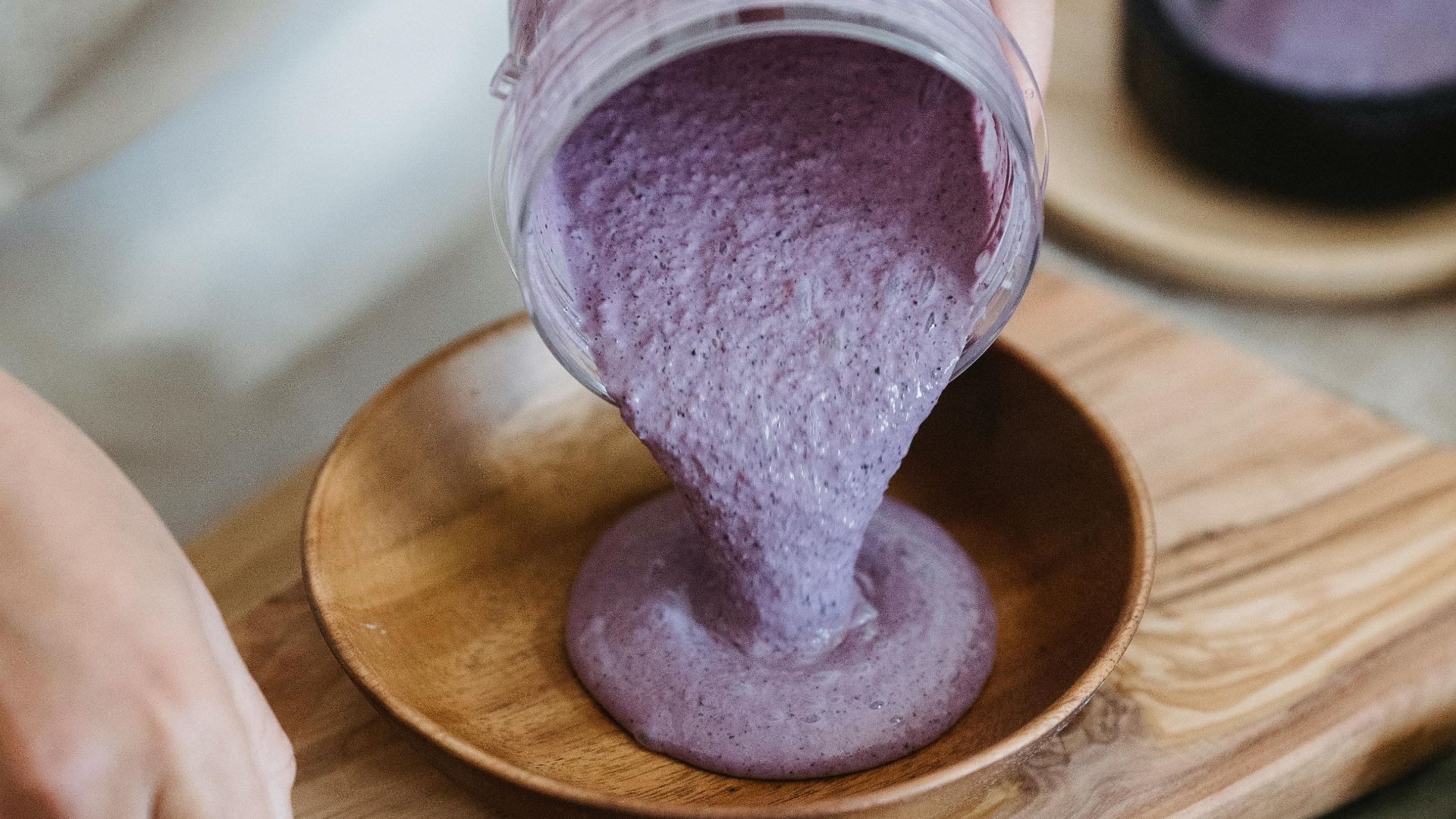
4. Slushie Makers And Smoothie Bowl Machines
Frozen treats don’t demand specialty gear, since slushies come together with a freezer and blender, and smoothie bowls use standard blenders too. These machines focus on narrow recipes, even though frozen drinks gained popularity well ahead of the trendy single-use devices now found on some countertops.
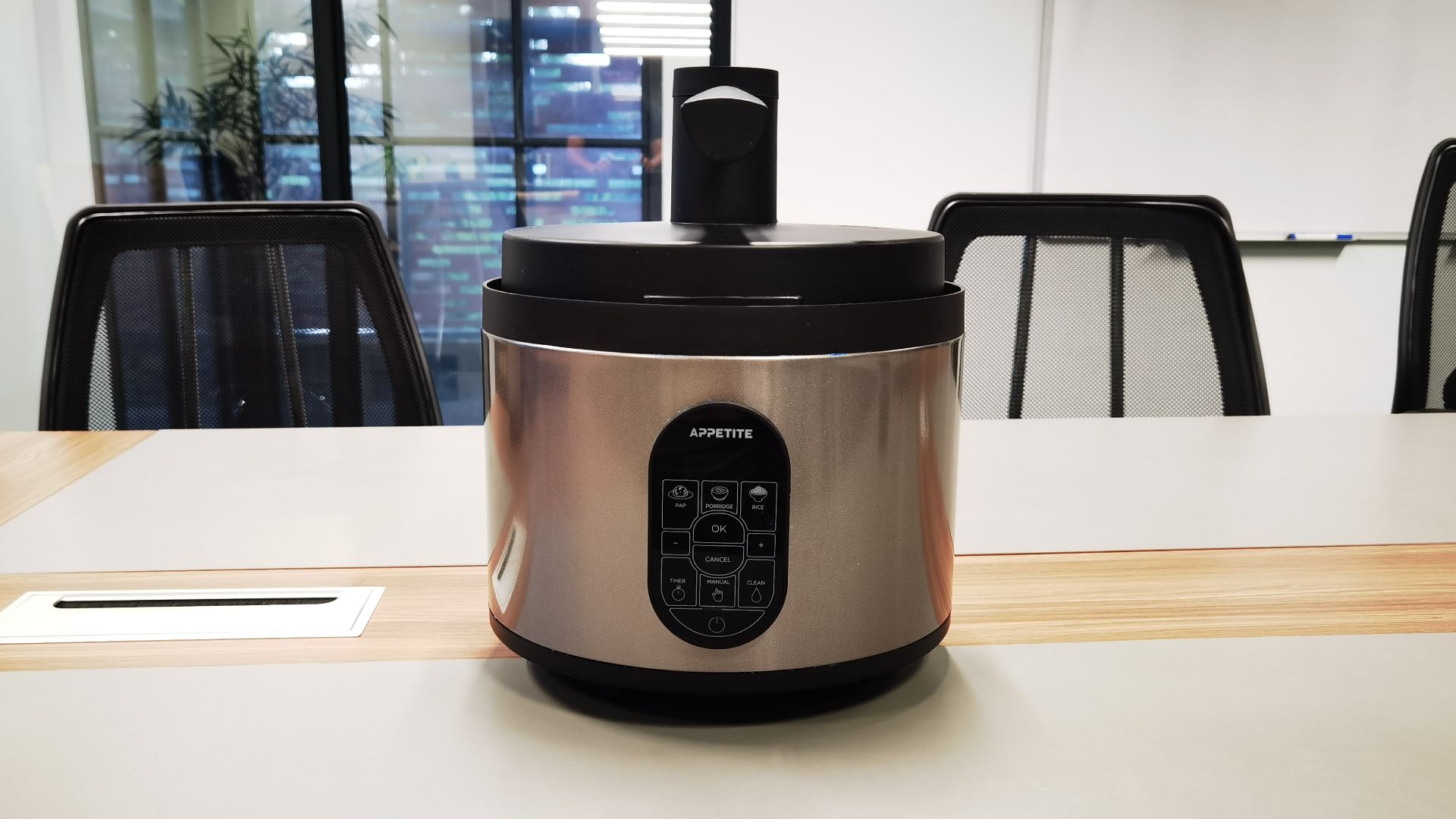
5. Multicookers
The tasks a multicooker promises to handle, like boiling, steaming, and slow cooking, are already easily managed with pots or ovens. In many kitchens, it simply repeats existing tools. Long before electric versions appeared, classic one‑pot meals were already staples.
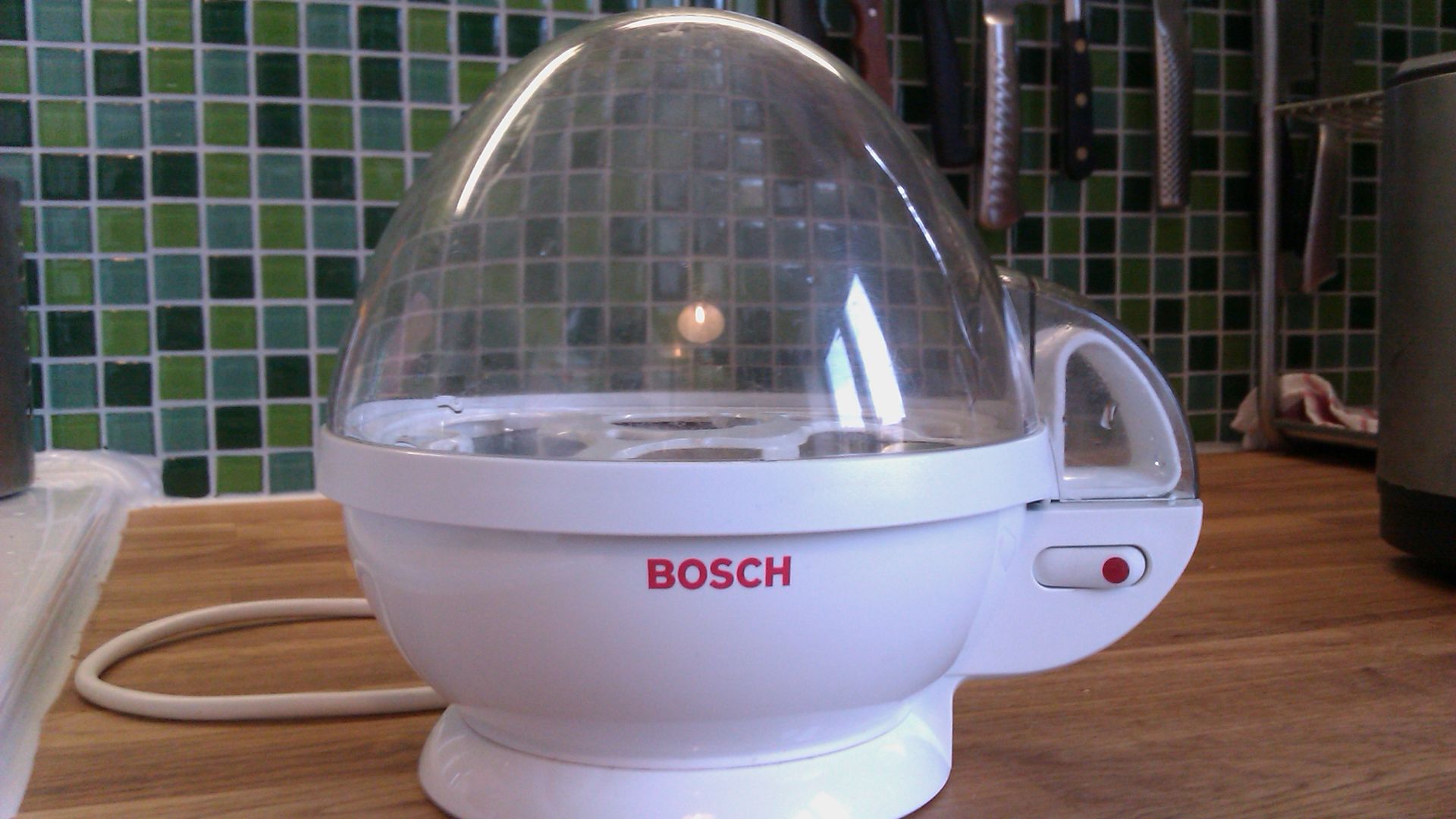
6. Electric Egg Cookers
People have cooked eggs successfully for centuries without dedicated devices cluttering counters. Eggs stay easy without extra gadgets, since boiling only needs a pot and stove, and frying or scrambling uses a pan. Electric egg cookers also serve no other function.
 Espen Klem from Oslo, Norway on Wikimedia
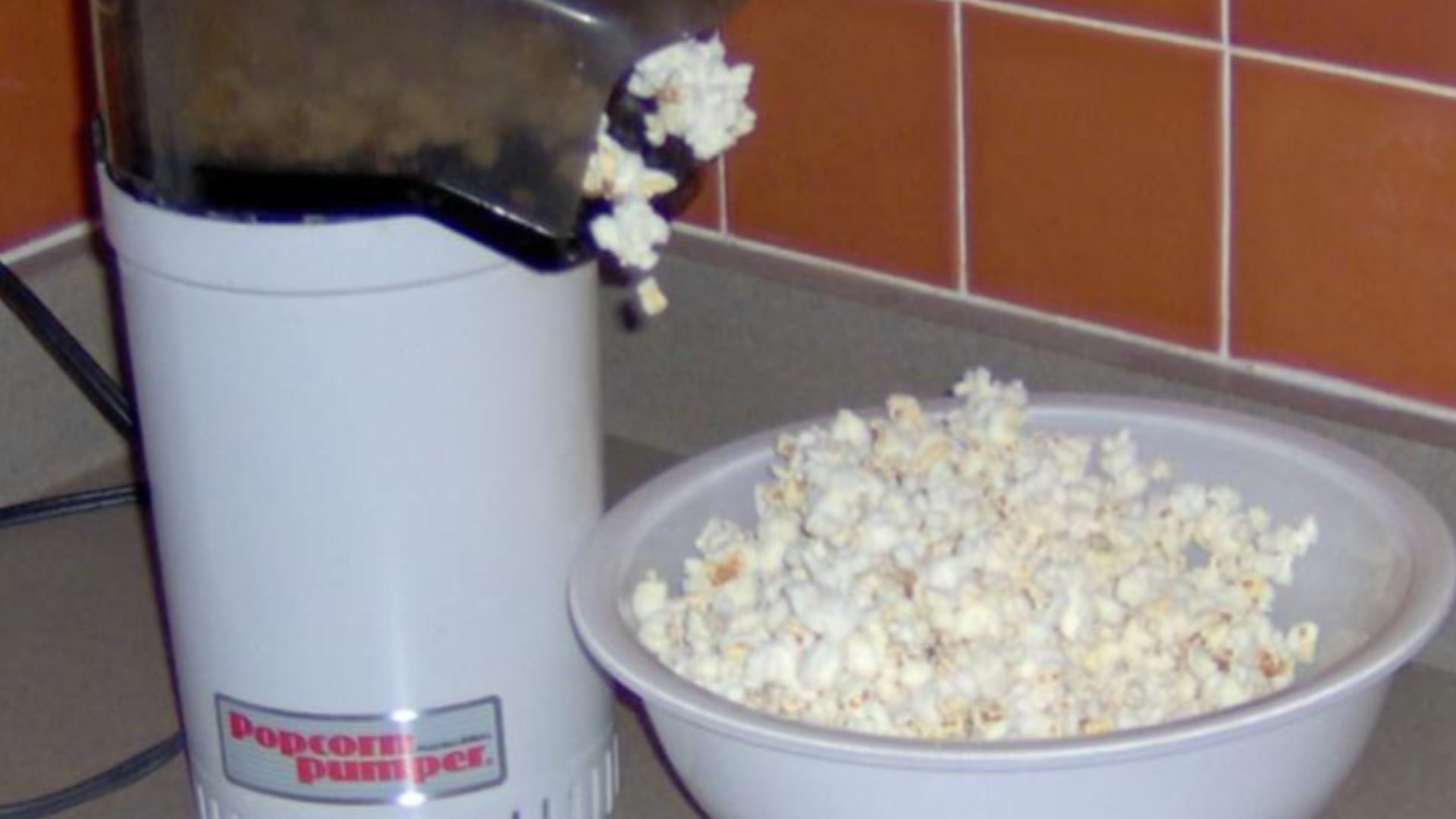
7. Popcorn Makers
Popcorn pops just as well in a stovetop pot or microwave bag, no fancy machine needed. While these makers specialize in one task, early versions didn’t exist—people simply used open flames to heat kernels until they burst into that familiar snack.
 JethroElfman (talk) 06:23, 11 April 2011 (UTC) on Wikimedia
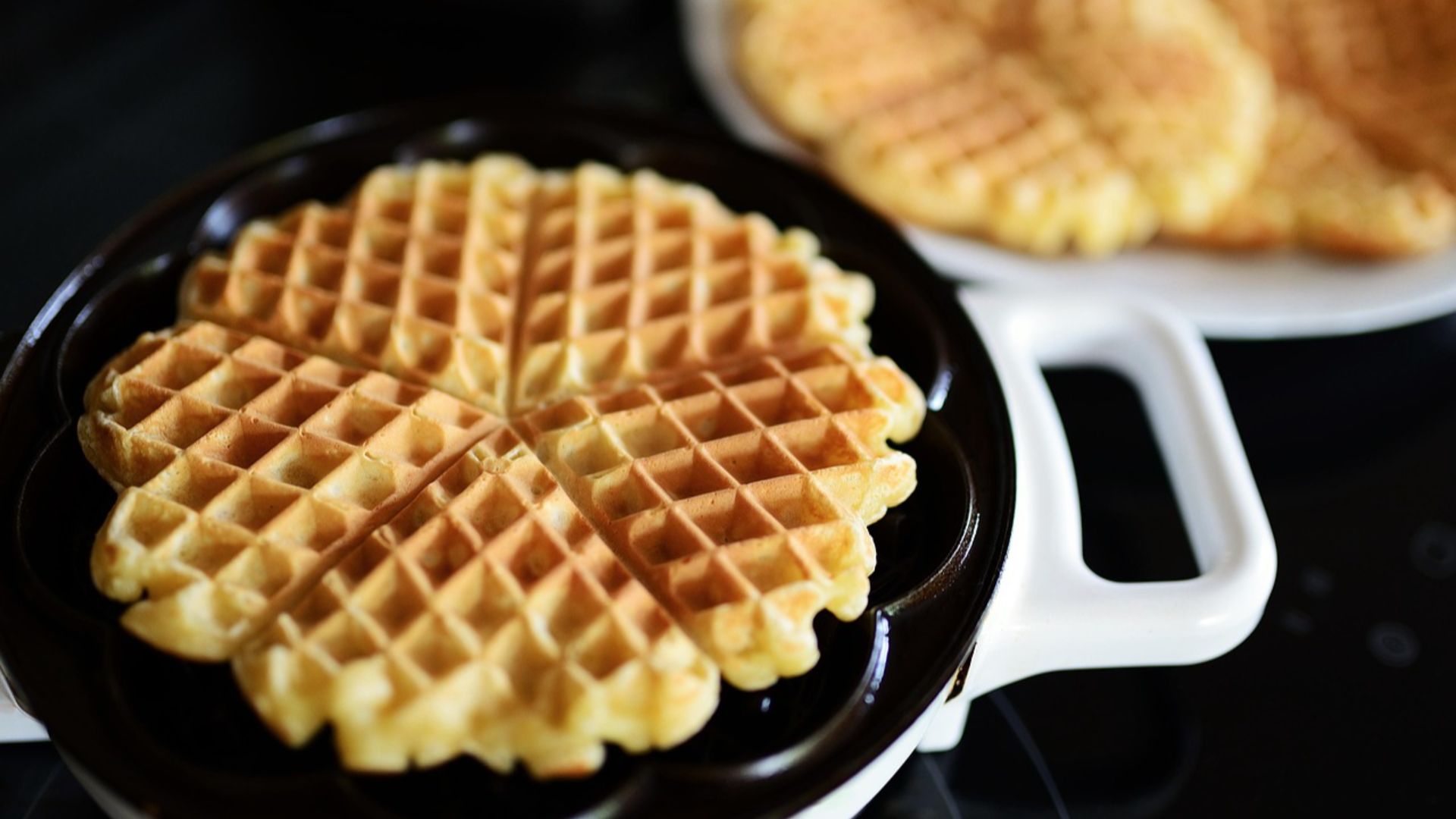
8. Waffle Maker
Crisp breakfasts don’t demand extra machines, since waffle pans work on stovetops and pancakes offer a similar batter-based option. Waffle makers also see infrequent use. Historically, waffles were cooked between metal plates held over open fires.
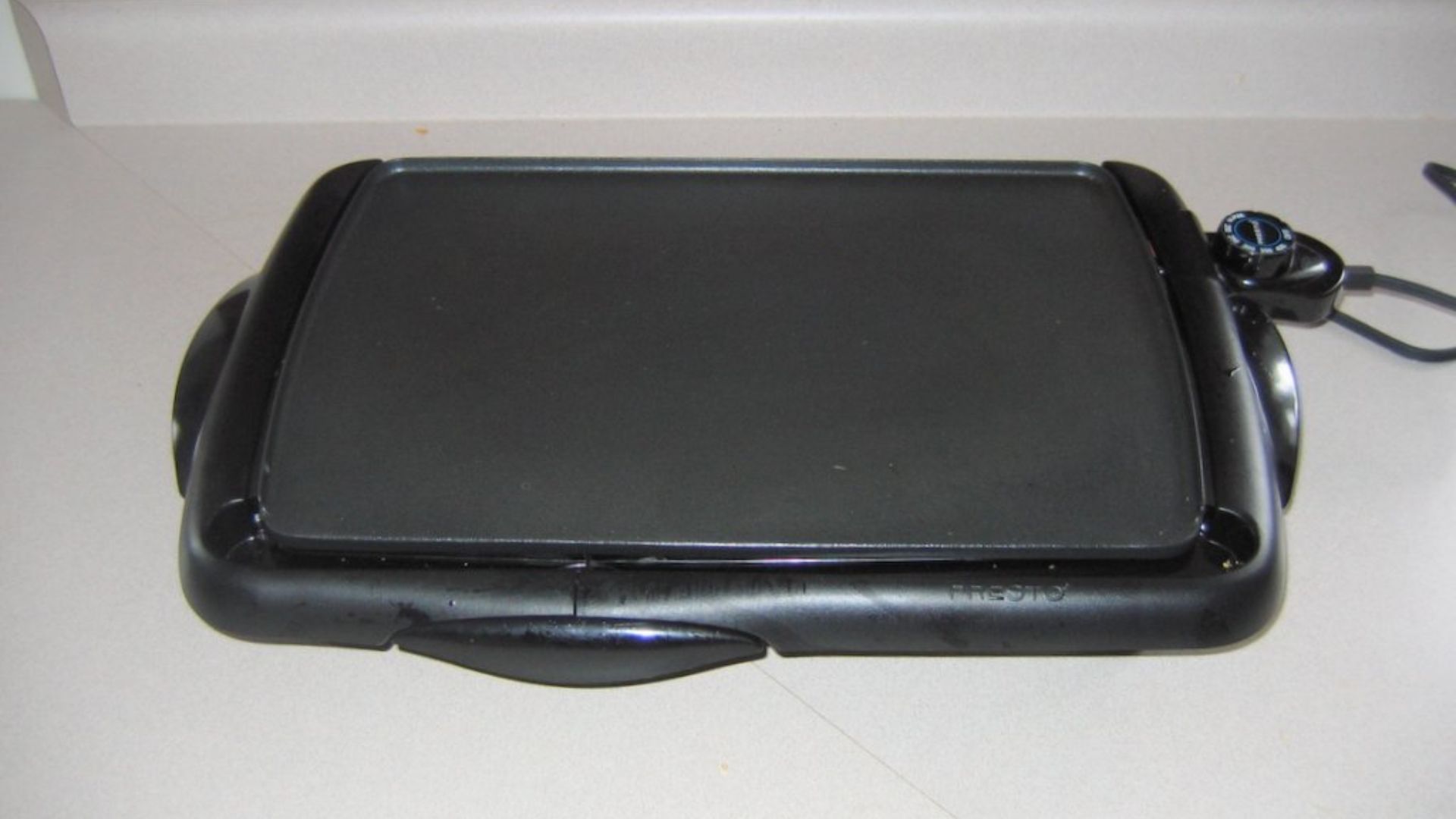
9. Electric Griddles
Cooking pancakes and eggs doesn’t need anything extra—a regular frying pan on the stove gets it done. Electric griddles just repeat what flat cookware already offers and take up space. For most kitchens, they add more clutter than real convenience.
 Original uploader was Jonathan Kovaciny at en.wikipedia on Wikimedia
10. Mandoline Slicers
Vegetable slicing works well with a knife and cutting board once basic skills develop, while mandolines require safety guards to prevent injury. They’re usually pulled out for limited tasks. For generations, professional chefs trained and worked long before mandolines were standard.
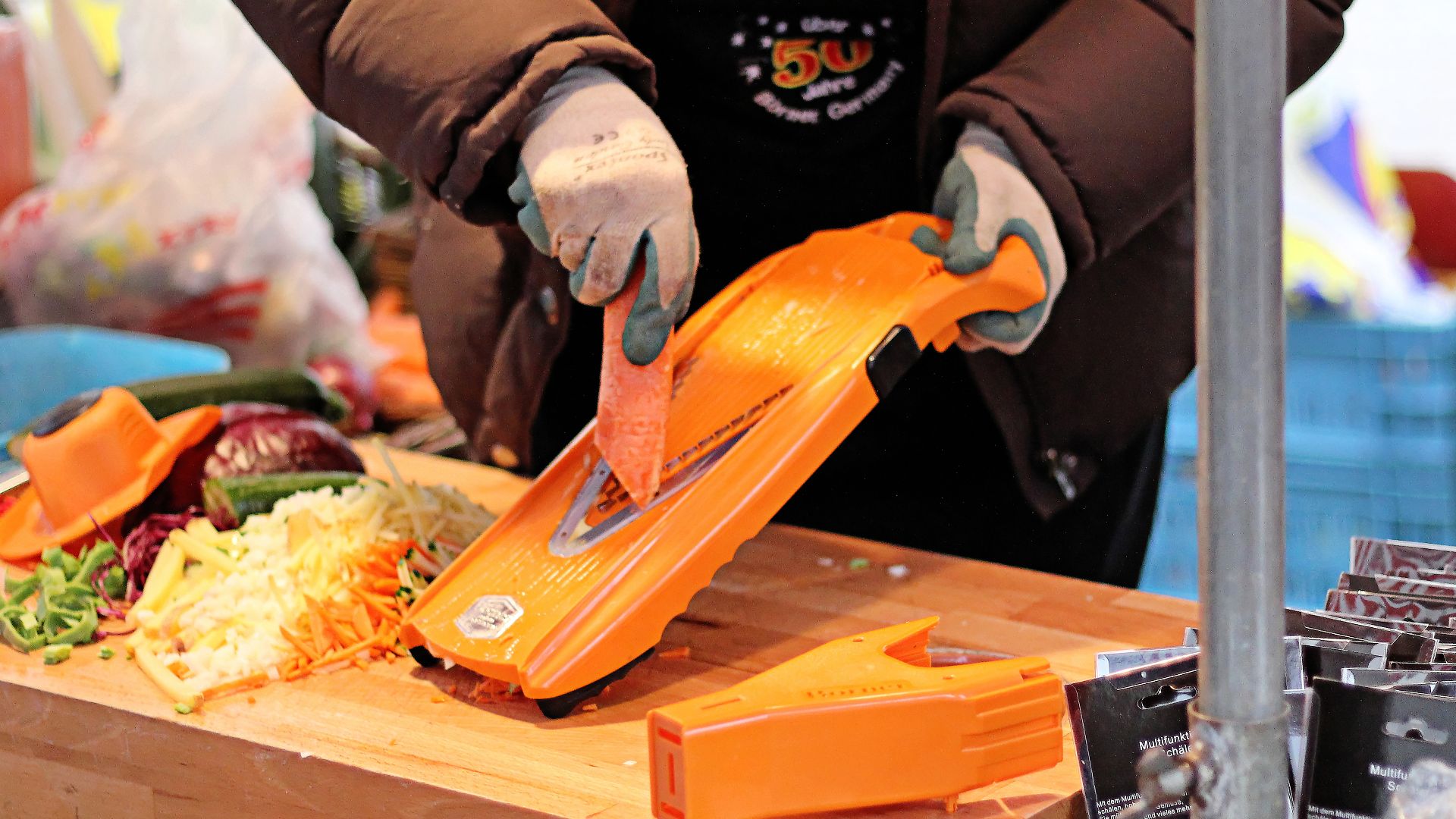 Photograph: Clemens Vasters from Viersen, Germany Derivative work:MagentaGreen on Wikimedia
KEEP ON READING

20 Fast Food Items With Surprisingly Weird Origins

20 Foods Only Rich Kids Ate Growing Up