Why Your Dishes Still Don't Look Fully Clean
Dishwashing might seem like a simple chore, which is why people often don't think twice about how they're doing it. But the little habits you have that happen at the sink or while loading the dishwasher can make a noticeable difference in how clean your plates, glasses, and utensils actually come out. If your dishes still look cloudy, feel greasy, smell weird, or usually need a second round of rinsing, there's a good chance these everyday mistakes are getting in the way.
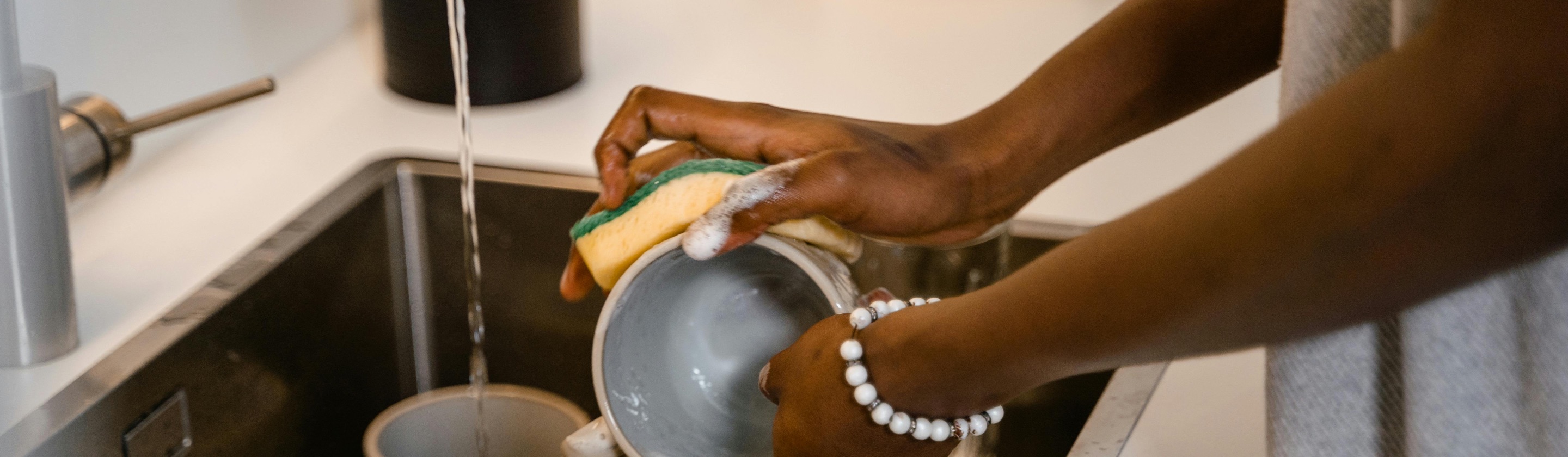
 Portuguese Gravity on Unsplash
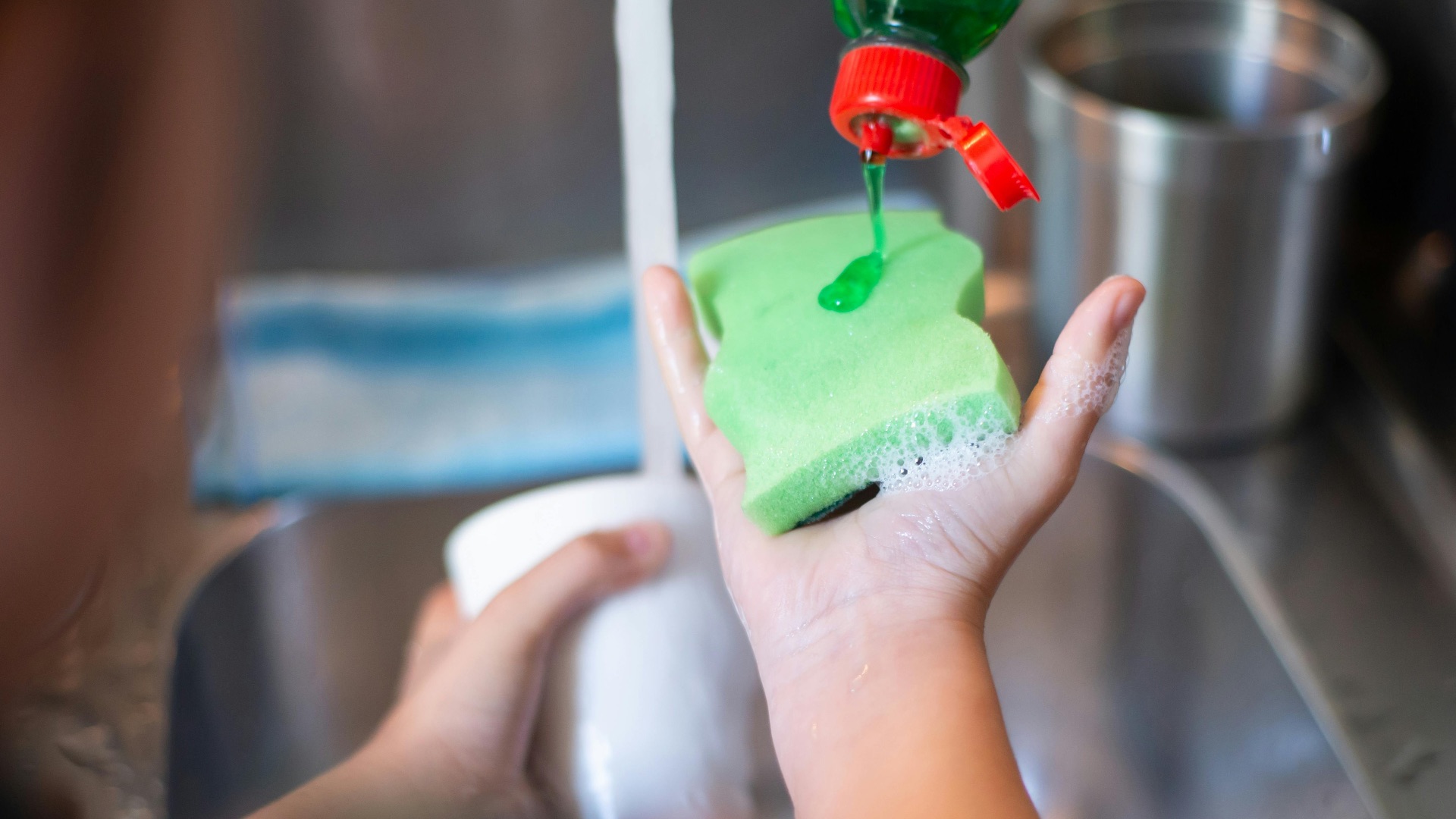
1. You Use More Soap Than You Actually Need
It seems reasonable to add extra soap when dishes are especially dirty, but that usually creates more problems than it solves. Too much soap can leave behind a residue that makes plates feel filmy and glasses look dull after they dry. It doesn't take a huge amount of detergent to clean well, and using the right amount often gets you better results.
2. You Let Food Dry Onto the Plate
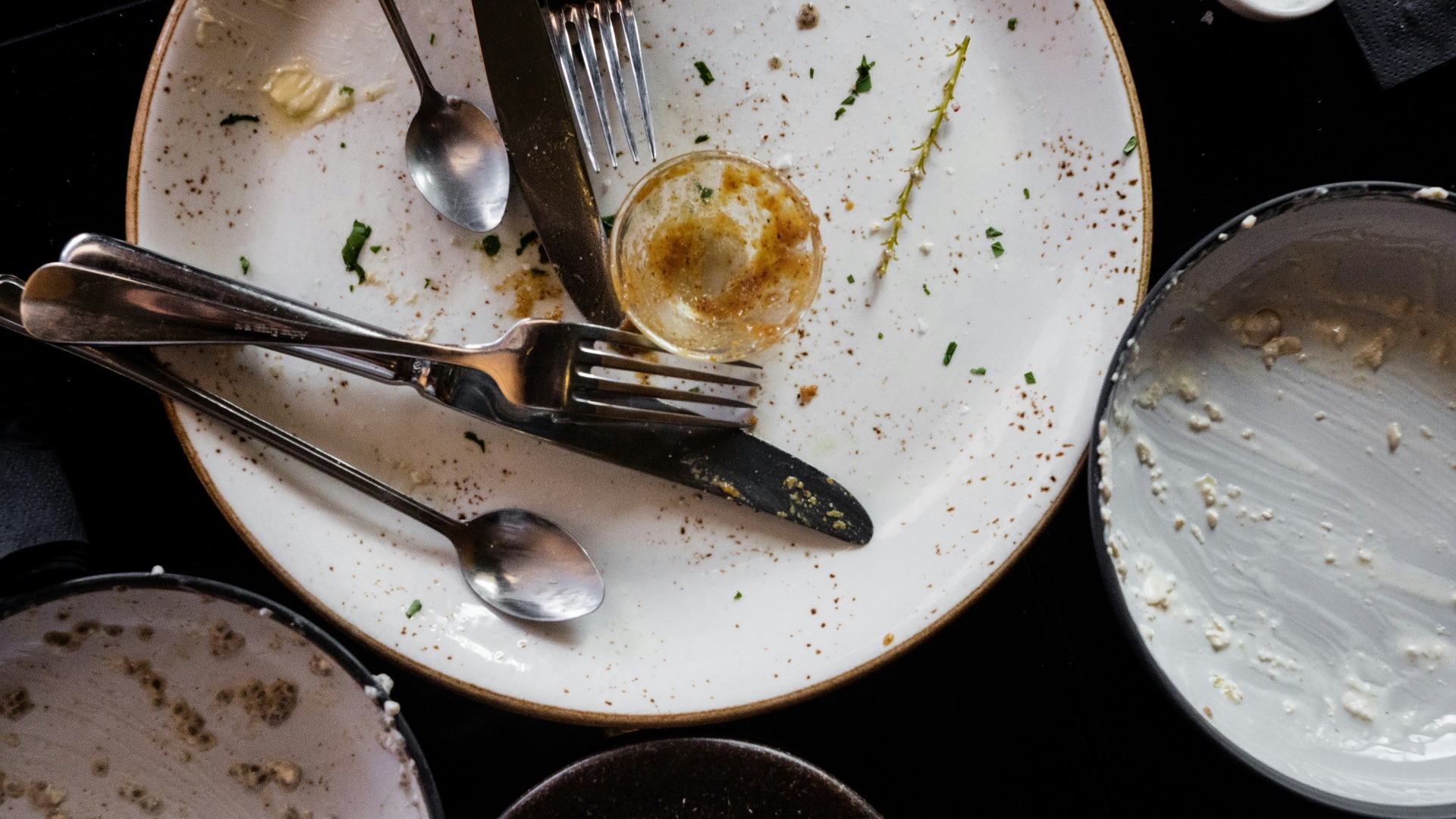
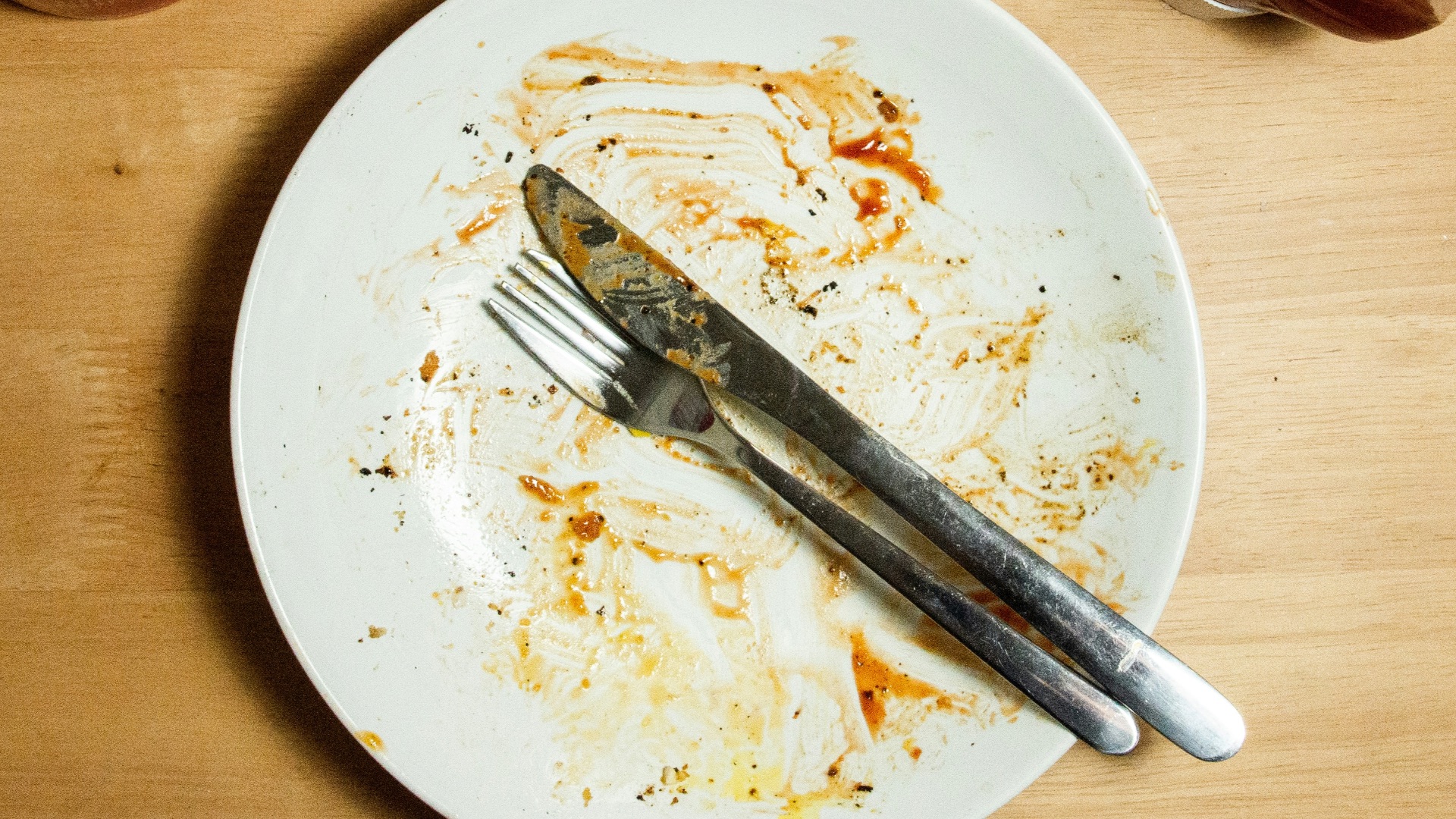
Once food has hardened on a dish, cleaning it becomes much more difficult than it needed to be in the first place. What could've been handled with a quick rinse often turns into soaking, scrubbing, and unnecessary frustration later on. Even if you don't wash everything right away, rinsing off obvious residue buys you a much easier cleanup.
3. You Start with the Dirtiest Items First
When you begin with greasy pans or heavily soiled plates, the wash water gets dirty almost immediately. That means everything you clean afterward is being washed in water that's already full of grease and food particles. Starting with lightly used and less messy items keeps the process cleaner from the start.
4. You're Cleaning with a Sponge That's Past Its Prime
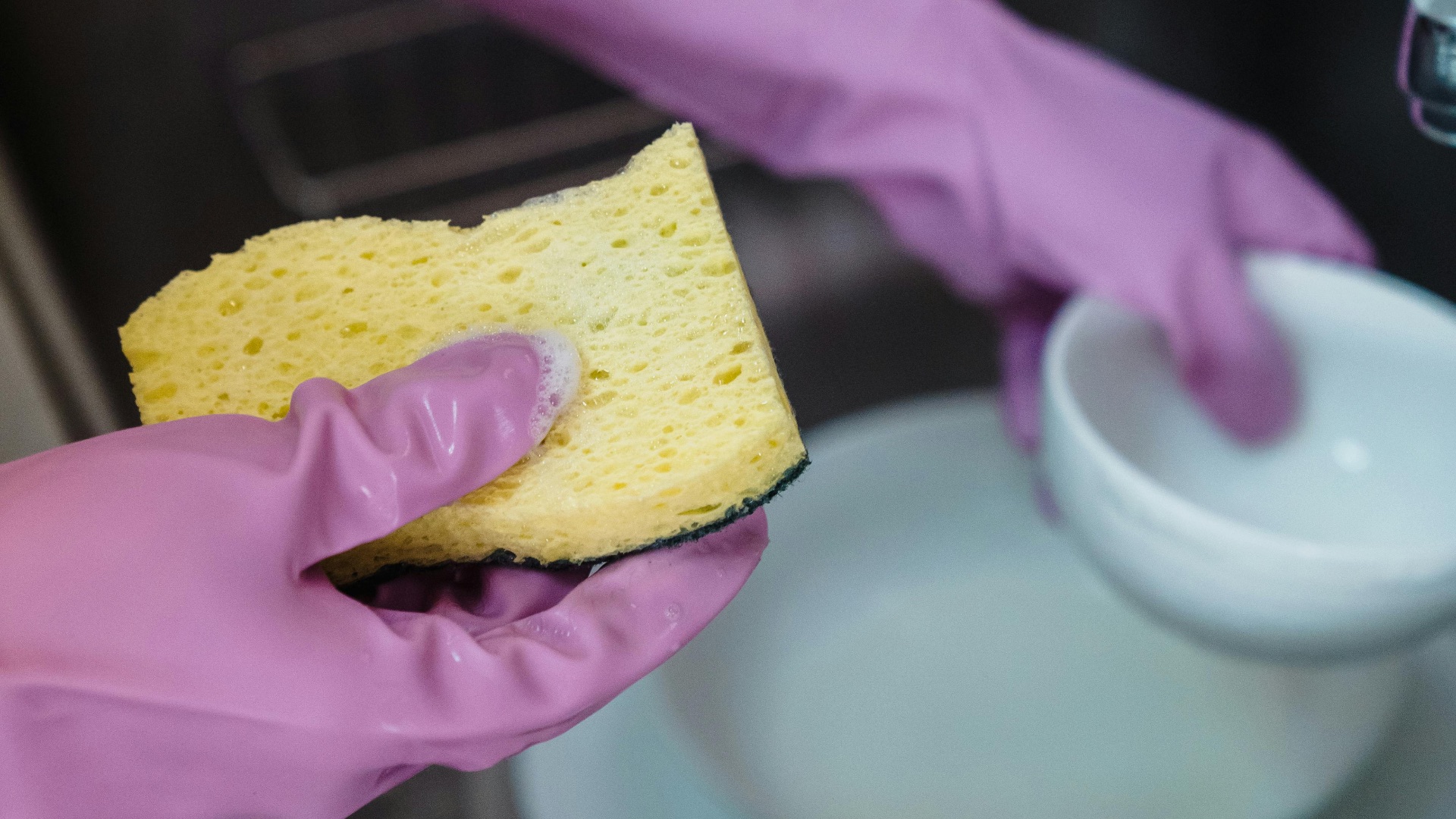
A sponge that smells bad or looks worn out isn't helping your dishes nearly as much as you think it is. At that point, you're often just moving grease and bacteria around instead of removing them properly. Studies have revealed that dish sponges are one of, if not the most, dirtiest things in your home, so replacing or sanitizing them regularly is probably something you'll want to do.
5. You Rely on Water That Isn't Hot Enough
Cool or lukewarm water doesn't cut through grease the way hotter water does, especially on plates that held oily or buttery foods. As a result, dishes may look fine at first glance but still feel slick when you pick them up. You don't need water that's scalding (which can do a lot of damage to your hands if you're not wearing gloves), but you do want it hot enough to help the soap work properly.
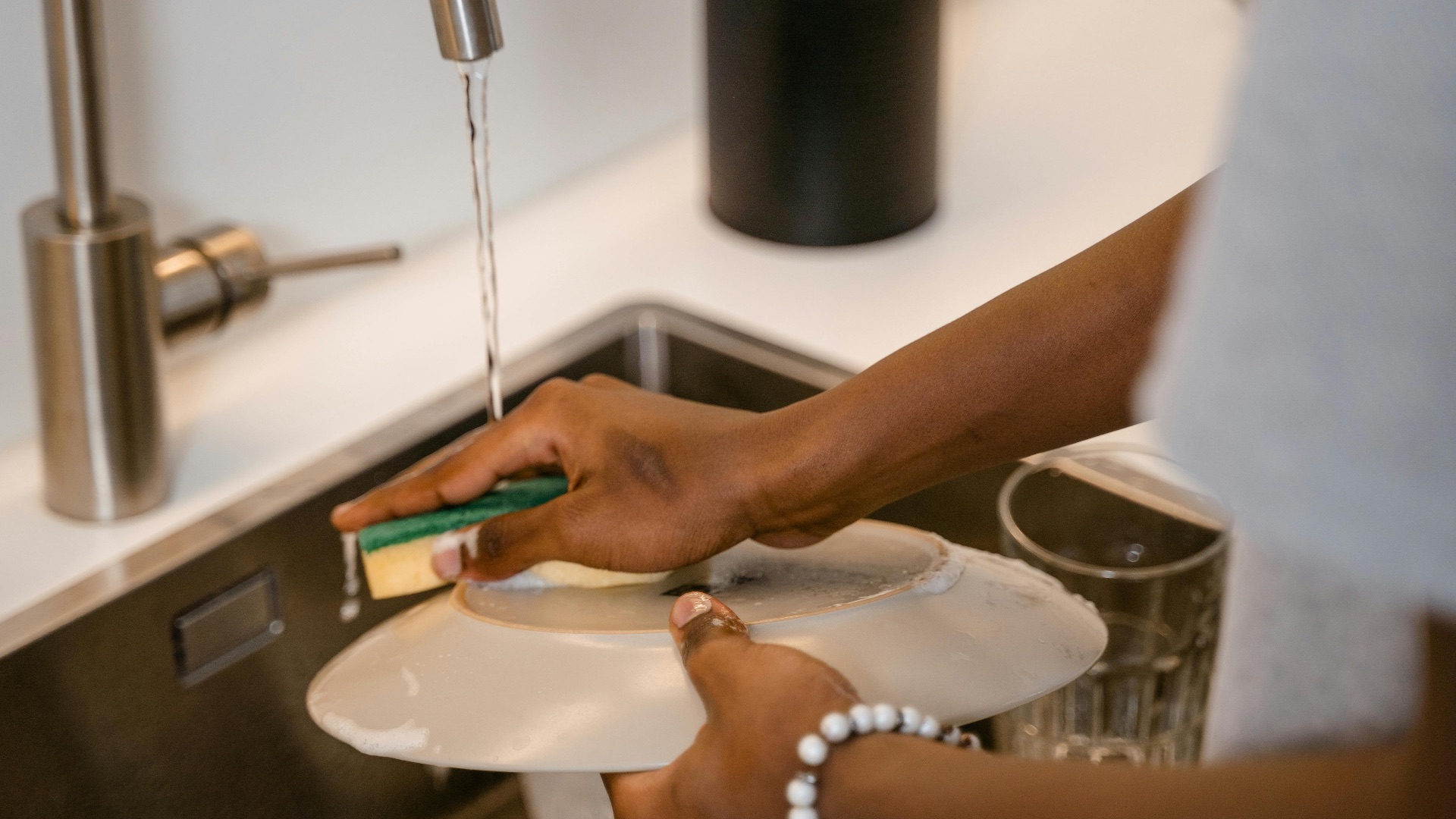
6. You Overcrowd the Dishwasher
It's tempting to fit in one more plate or bowl so you can avoid running another cycle, but packing the dishwasher too tightly usually backfires. Water and detergent can't reach every surface when dishes are blocking one another, which leaves bits of food and cloudy patches behind. A fuller dishwasher isn't always a more efficient one if the load comes out half-clean.
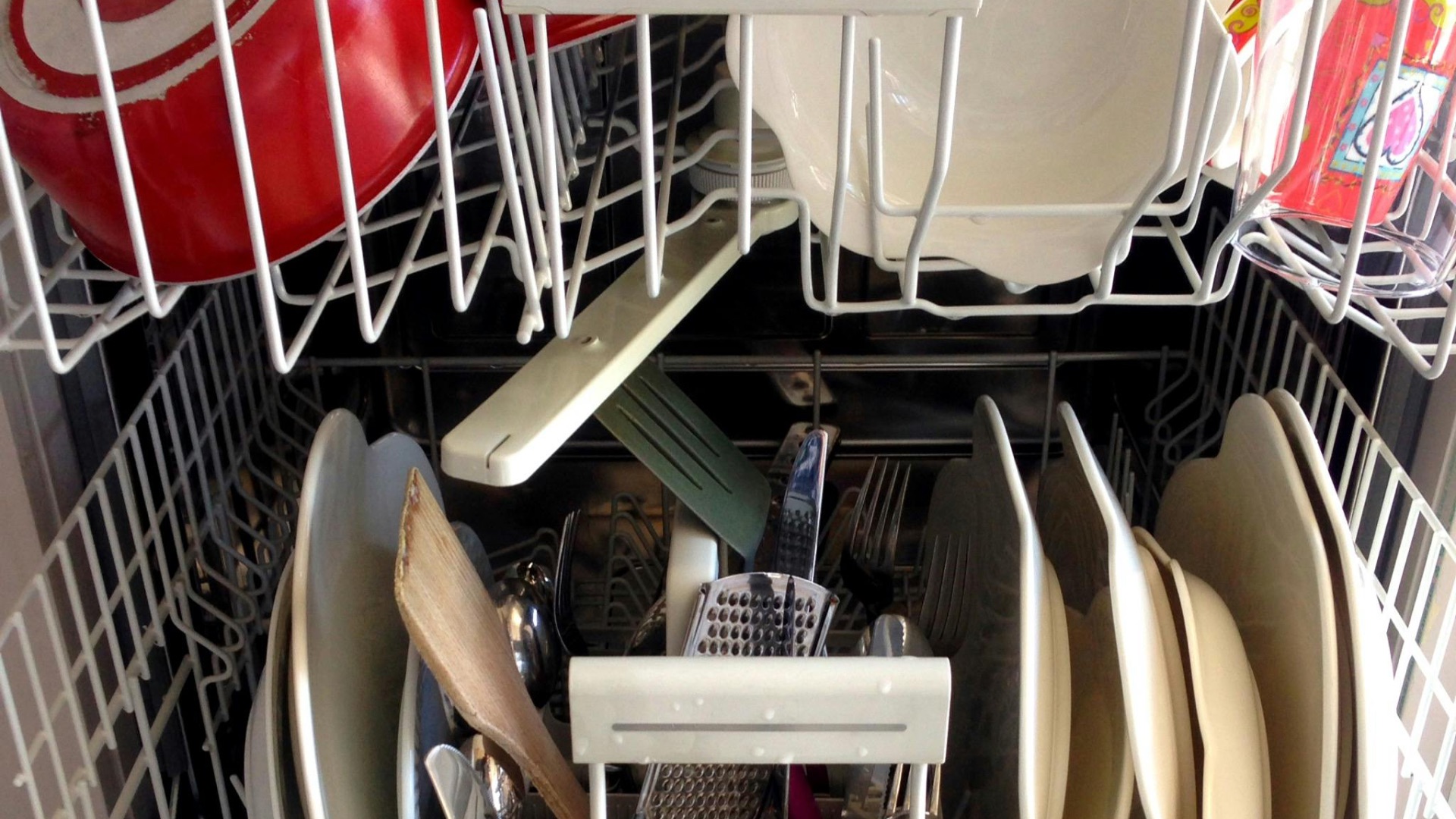
7. You Put Things Wherever They Fit
Dishwashers aren't designed for random loading, even if it sometimes feels that way during a rushed cleanup. Plates, cups, utensils, and plastic containers all tend to clean better when they're placed where the spray can actually hit them properly. When items are crammed into the wrong spots, the problem often isn't the machine at all.
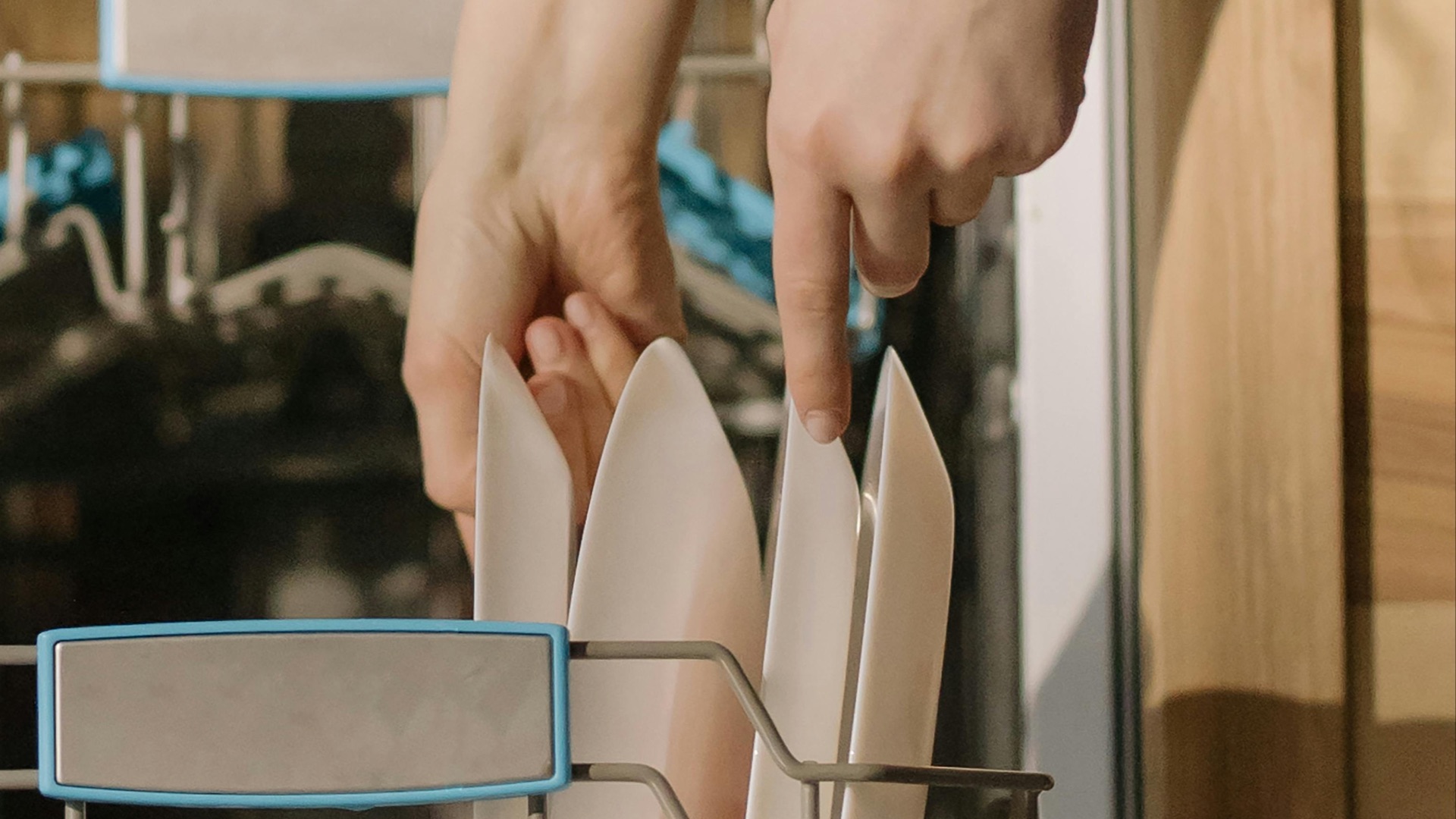
8. You Ignore the Dishwasher Filter
A lot of people forget the dishwasher even has a filter until something starts smelling off or dishes come out with bits still stuck to them. If the filter is clogged with old food and grease, it's going to affect how well the whole machine performs. Cleaning it isn't difficult, but skipping it can make every cycle less effective.
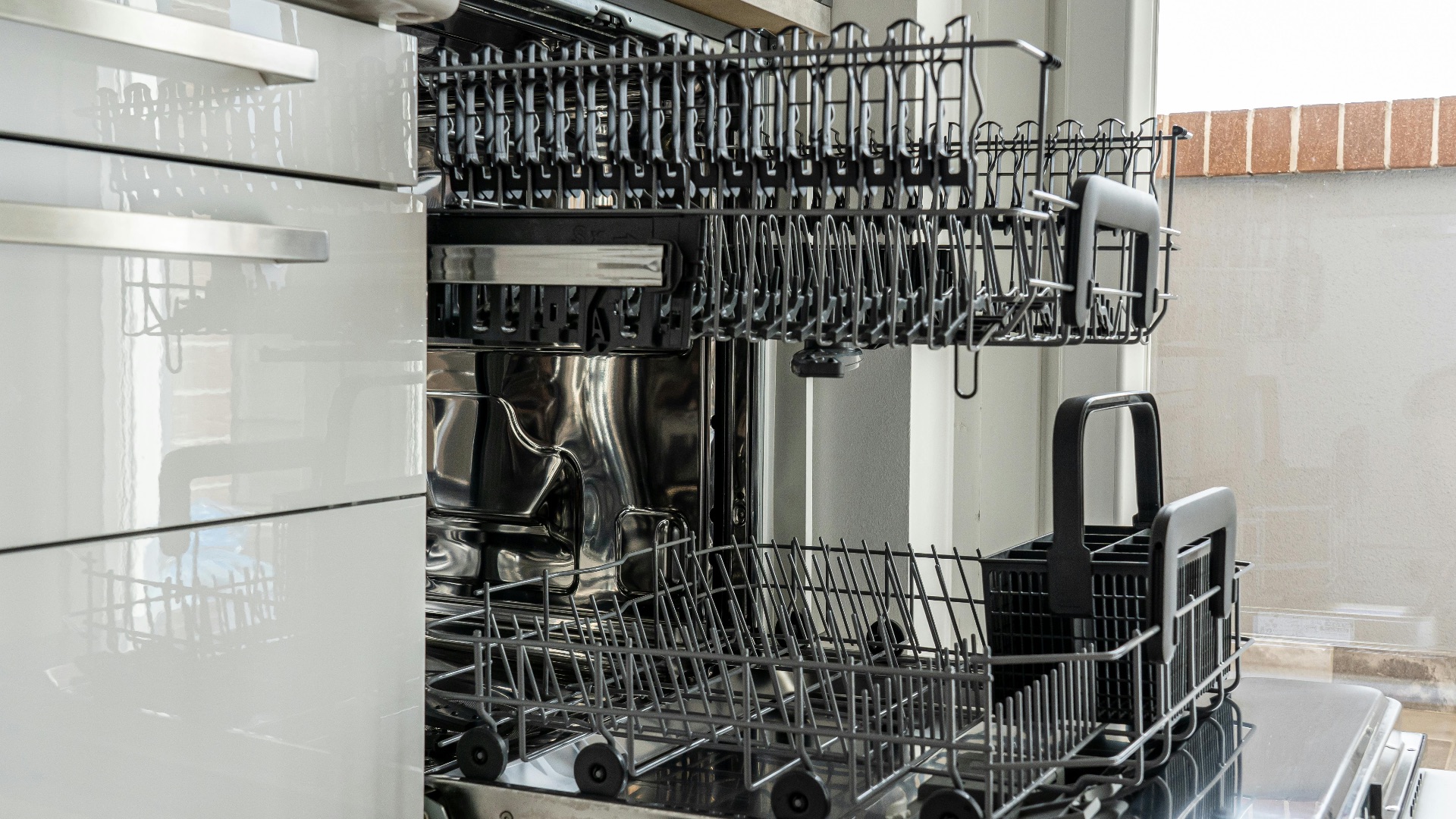
9. You Assume Any Detergent Will Do the Same Job
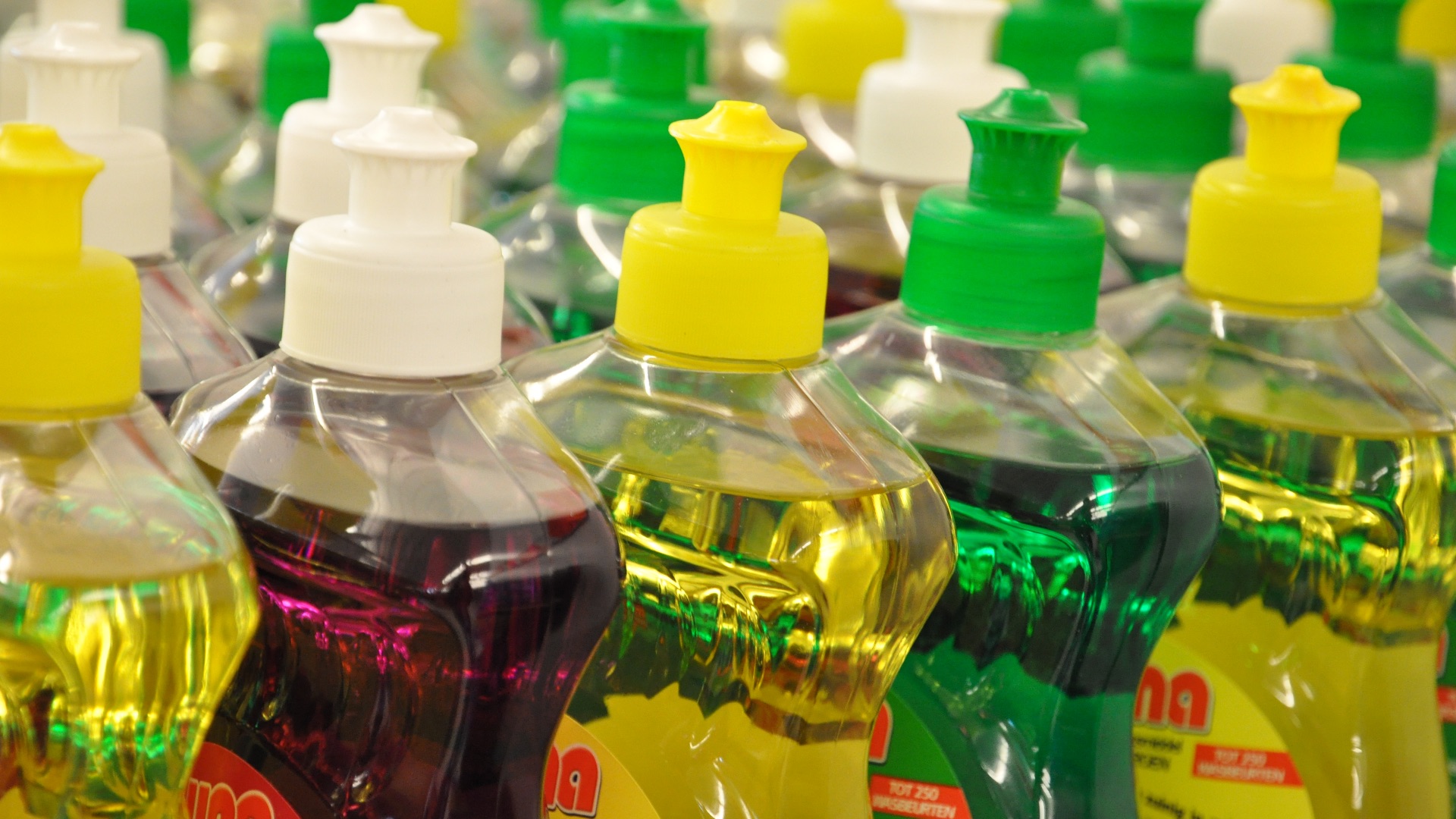
Not all dishwashing products perform equally well, and the difference becomes pretty obvious when dishes keep coming out looking less than clean. An old detergent, a poor-quality formula, or the wrong type for your water can leave residue behind even when everything else is being done correctly. Sometimes the issue isn't your routine so much as the product you're relying on.
10. You Put Dishes Away Before They're Fully Dry
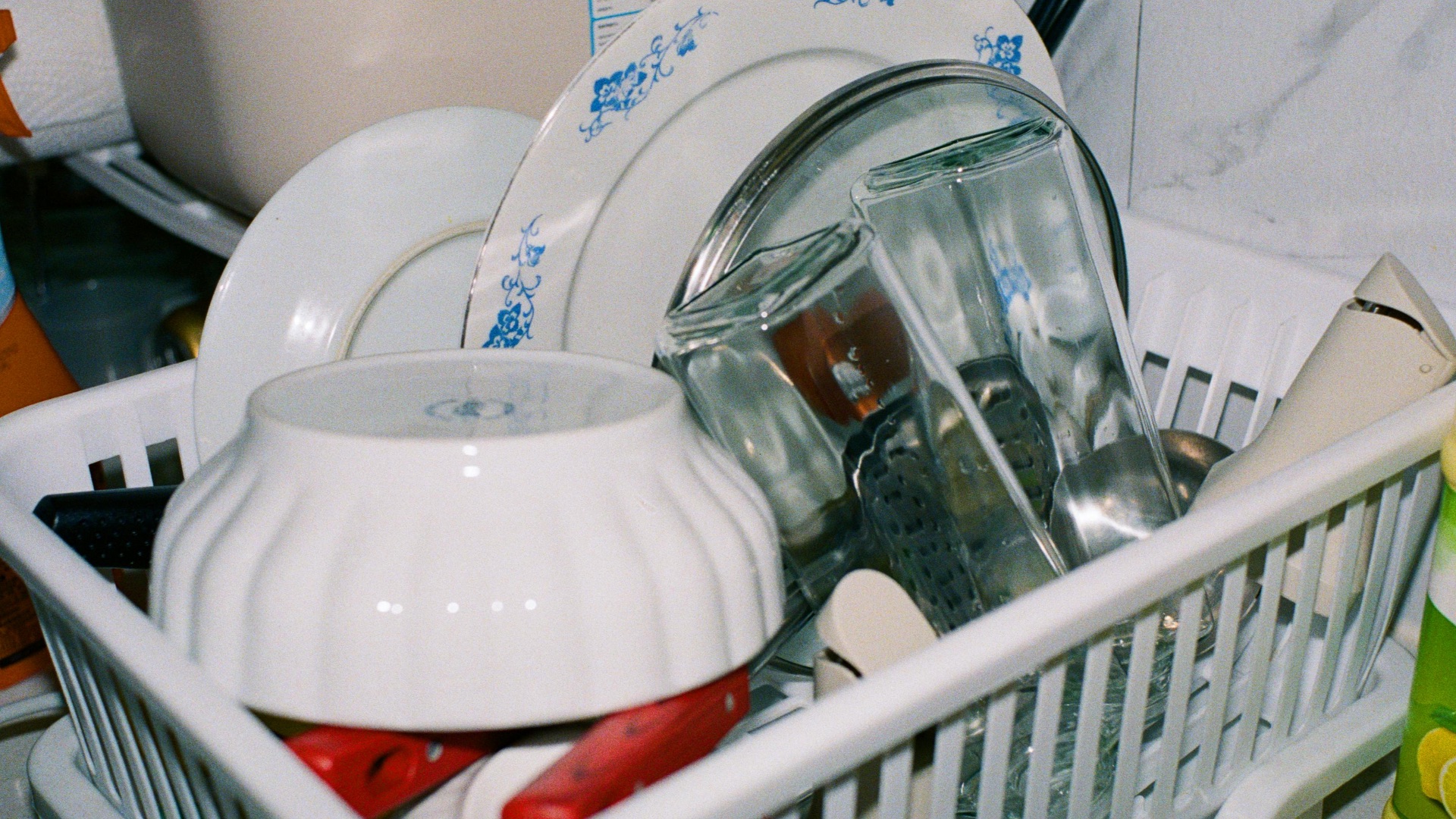
A dish that's still damp when it goes into the cabinet can end up with streaks, water spots, or that slightly stale smell nobody wants near plates you're eating off of. The same goes for stacking items too soon, especially when moisture gets trapped between them. Letting dishes dry all the way before putting them away makes a bigger difference than you think.
Now that you know what's getting in the way, let's jump into a few better habits that can help make the whole process more effective.
1. Scrape Food Off Before You Start Washing
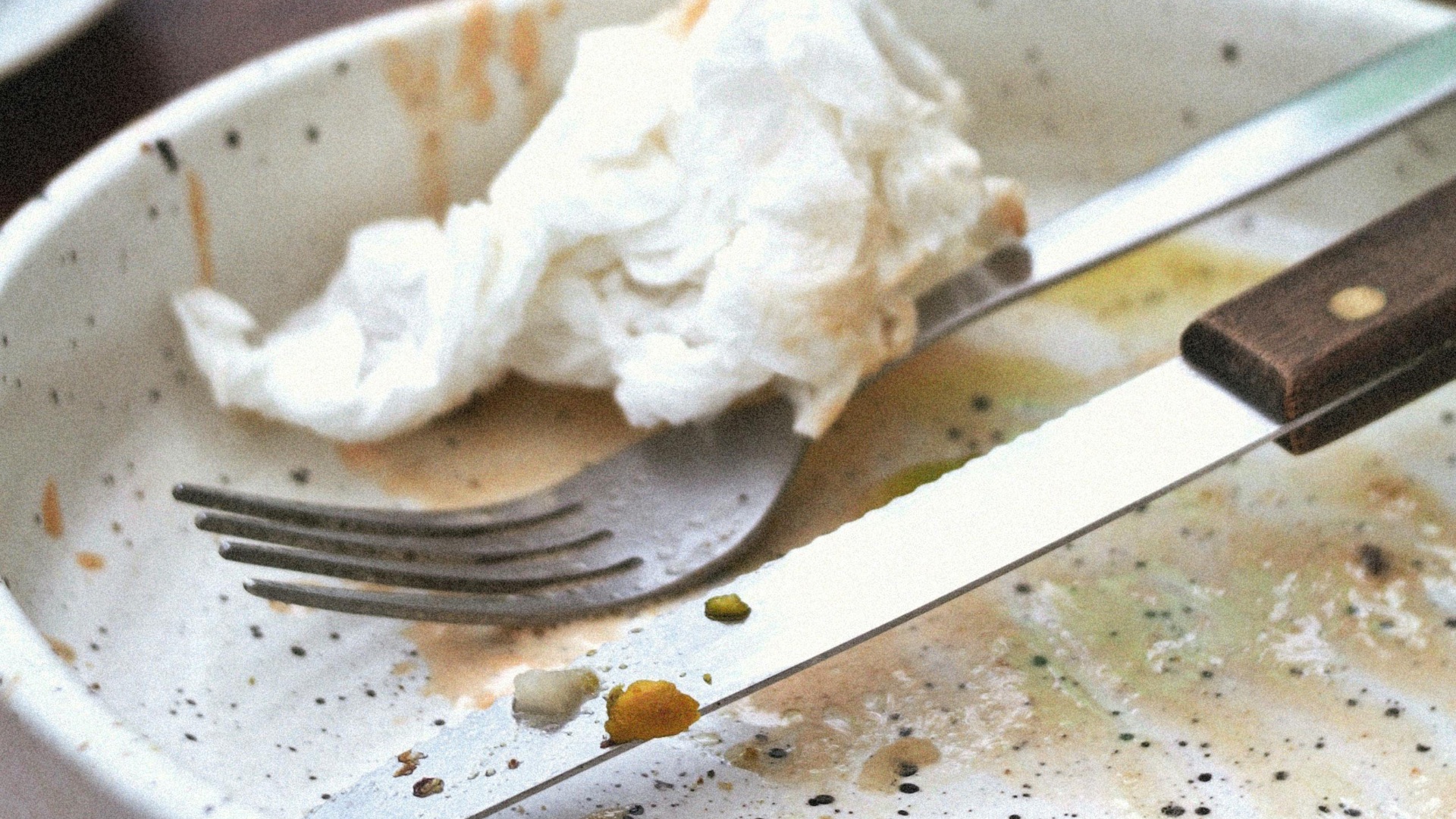
You don't need to prewash every dish completely, but scraping off leftover food makes a major difference. It keeps your sink water cleaner, helps your dishwasher work better, and lowers the chances of food getting stuck somewhere else during the wash. In other words, it helps save you effort down the line.
2. Soak Anything with Stuck-On Residue
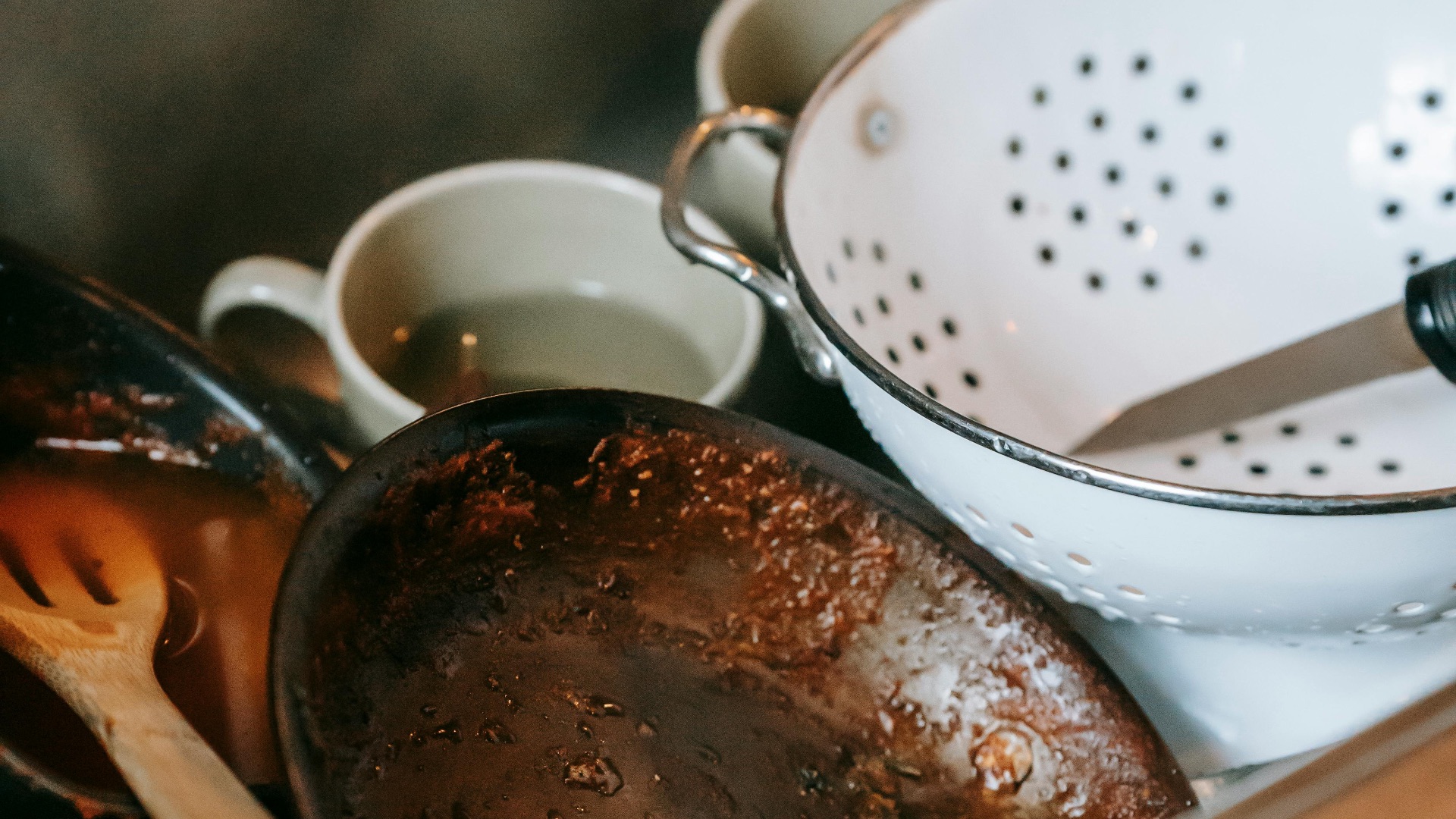
If something has dried sauce, cheese, or baked-on food clinging to it, make sure to soak it early in hot water. This can help loosen the mess enough that you won't need to scrub nearly as hard afterward. It also helps protect dishes and cookware from unnecessary wear over time.
3. Wash in a Smarter Order
A good order makes dishwashing easier, and it usually starts with the cleanest items and ends with the messiest ones. Glasses and lightly used plates should be washed before pots, pans, and anything greasy, which keeps the water from getting dirty too quickly.
4. Refresh the Water When It Stops Working
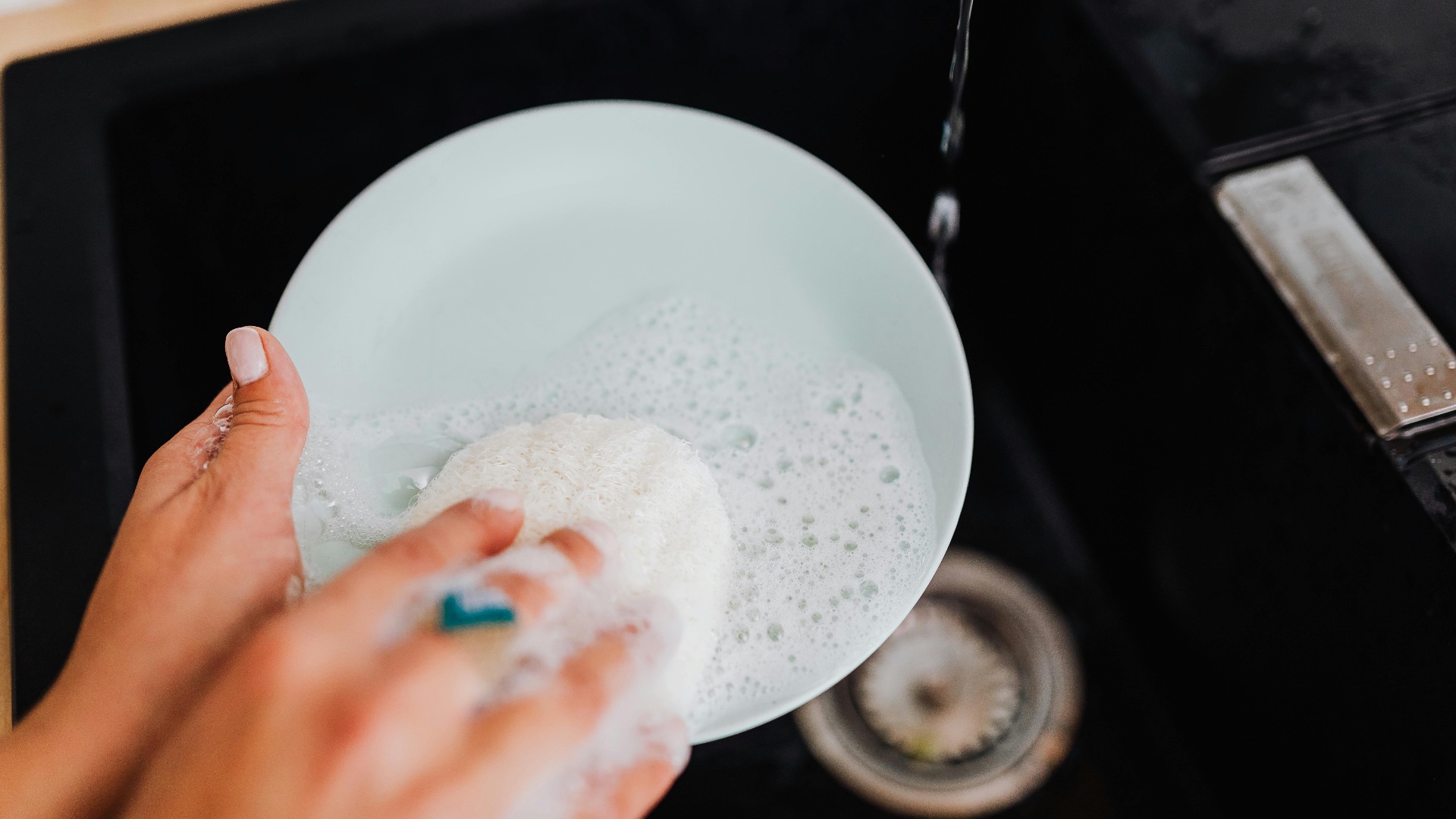
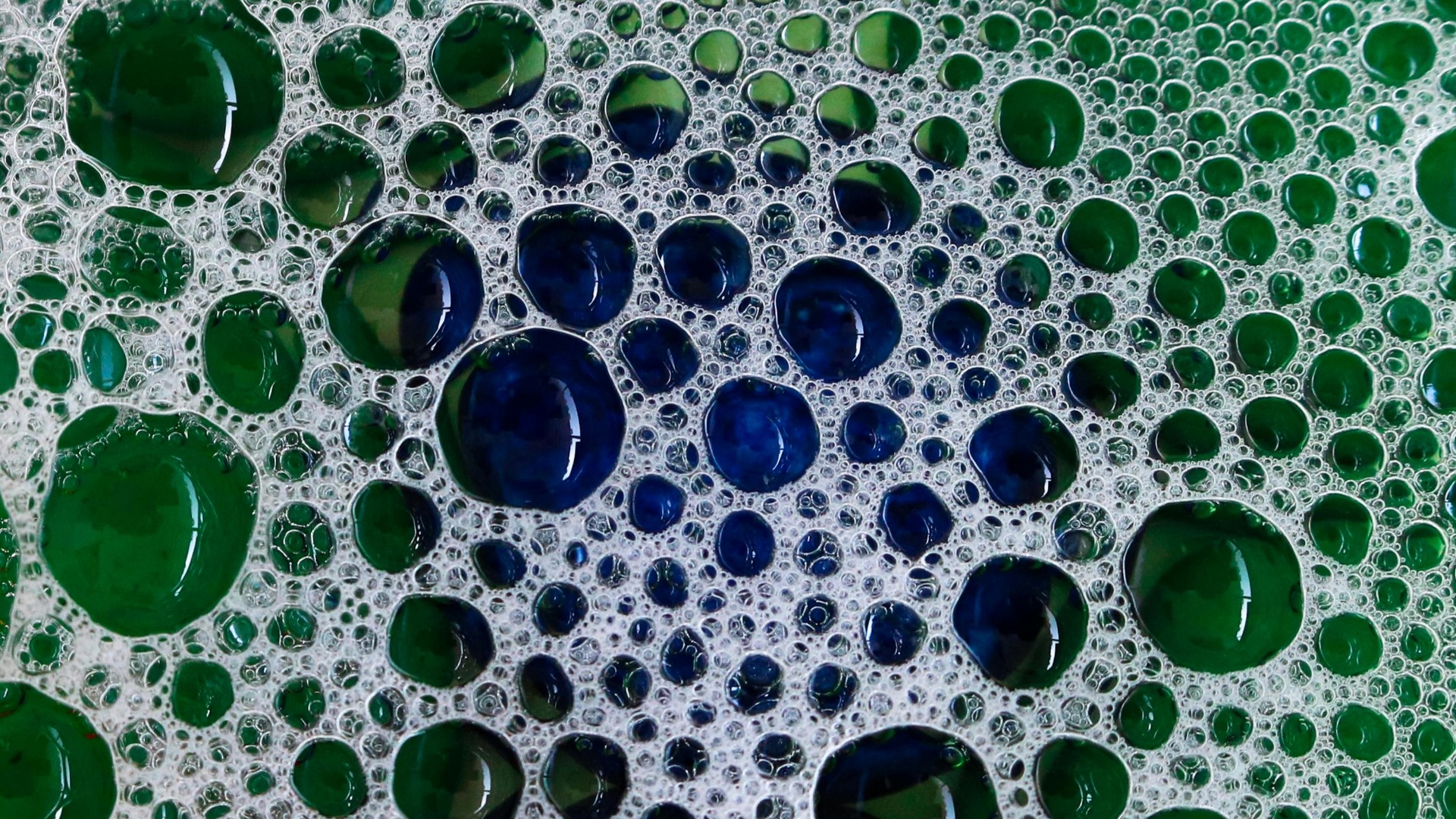
There comes a point where soapy water stops being useful and starts working against you. If it looks cloudy, feels greasy, or has bits of food floating around in it, changing it out is worth doing. Fresh hot water gives you a better clean than trying to slog through with water that's already done too much.
5. Keep Your Dishwashing Tools Clean Too
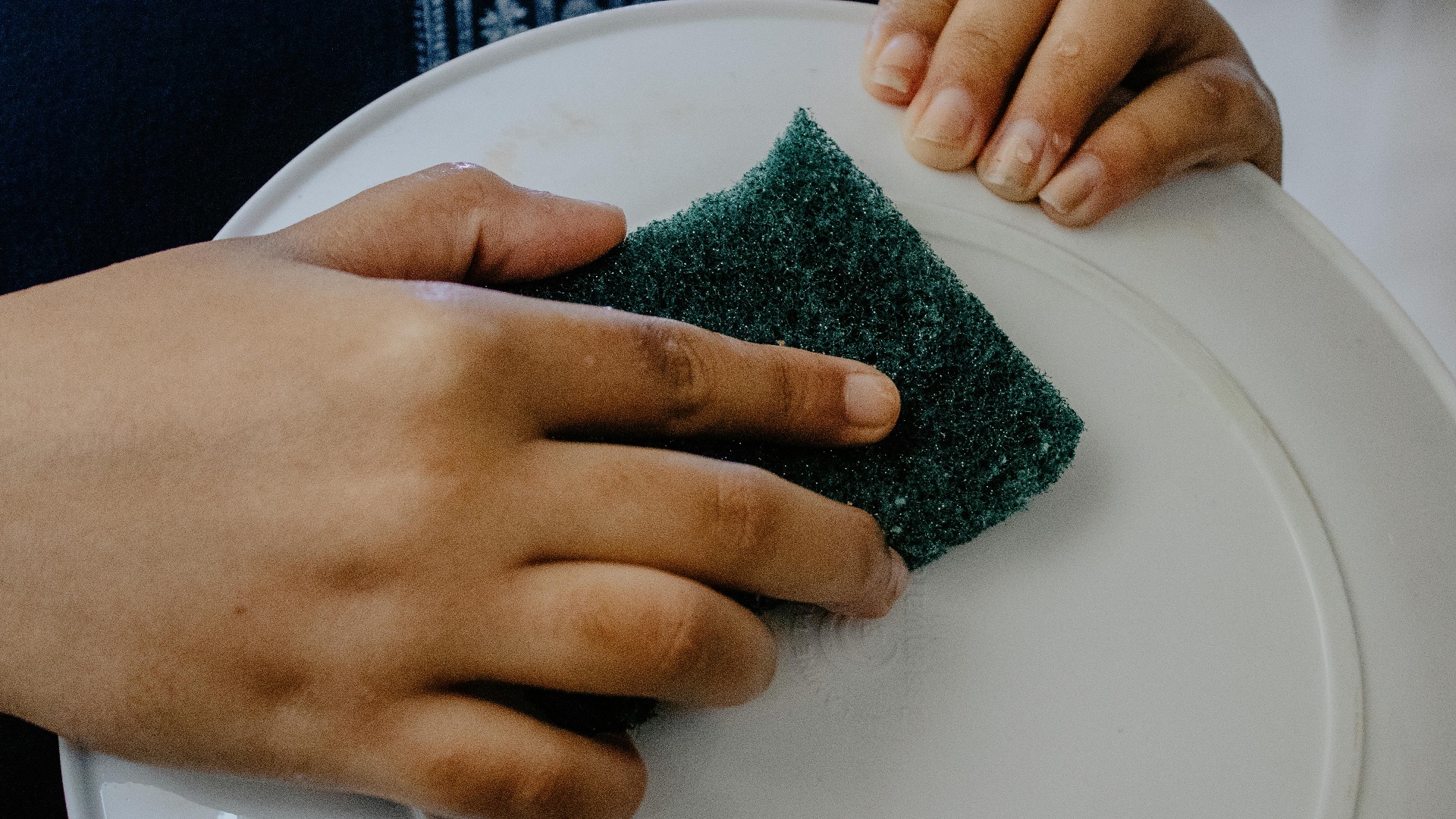
It's easy to focus on the dishes and forget about the tools doing the cleaning, but those matter just as much. Brushes, sponges, drying mats, and dish racks can all collect residue that affects how clean everything feels afterward. Keeping those items clean can help make the whole routine more sanitary and much more effective.
6. Give Dishes Space in the Dishwasher
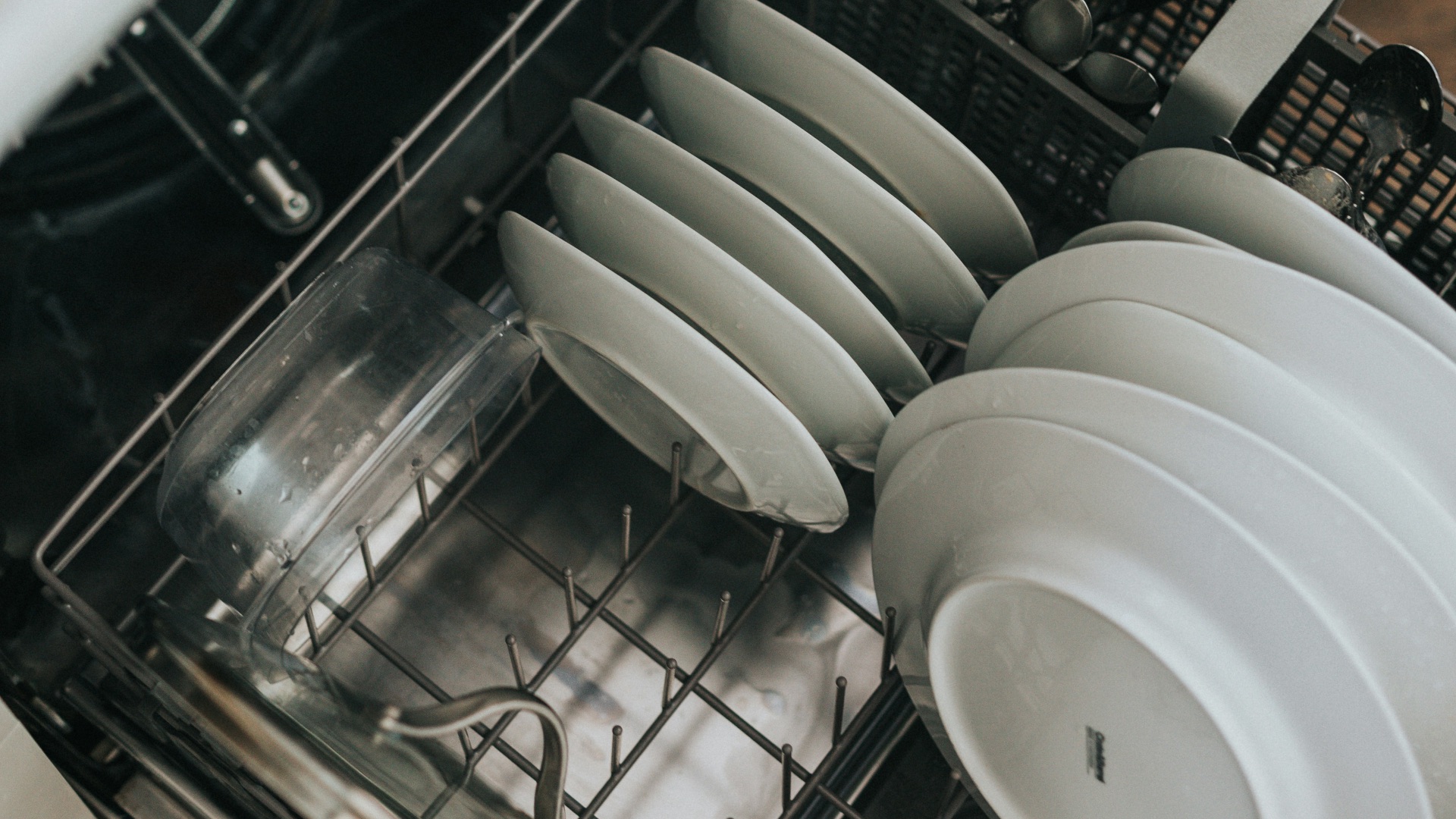
The best dishwasher loads aren't the ones packed as tightly as possible, but the ones arranged so water can actually circulate. Plates need room, cups shouldn't trap dirty water, and utensils shouldn't all bunch together in the same direction. A little breathing room between items often does more for cleanliness than an extra dose of detergent ever will, so space it out!
7. Use the Right Amount of Detergent
More detergent doesn't automatically mean cleaner dishes, whether you're washing by hand or using a machine. Too little can leave grease behind, but too much can create streaks, residue, or a cloudy finish. Following the product's directions usually gives you the most balanced and reliable result.
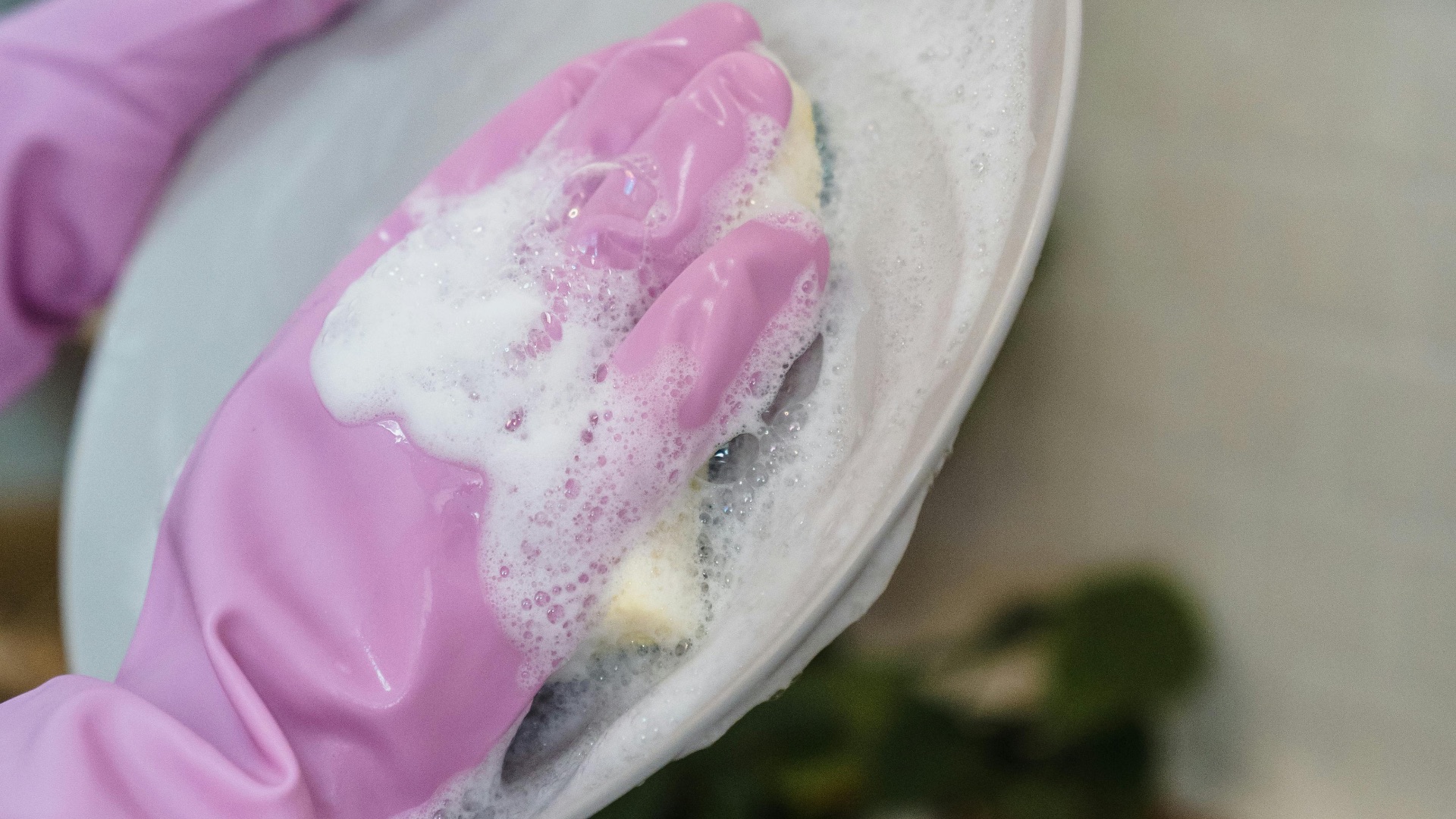
8. Use Dish Soap Directly
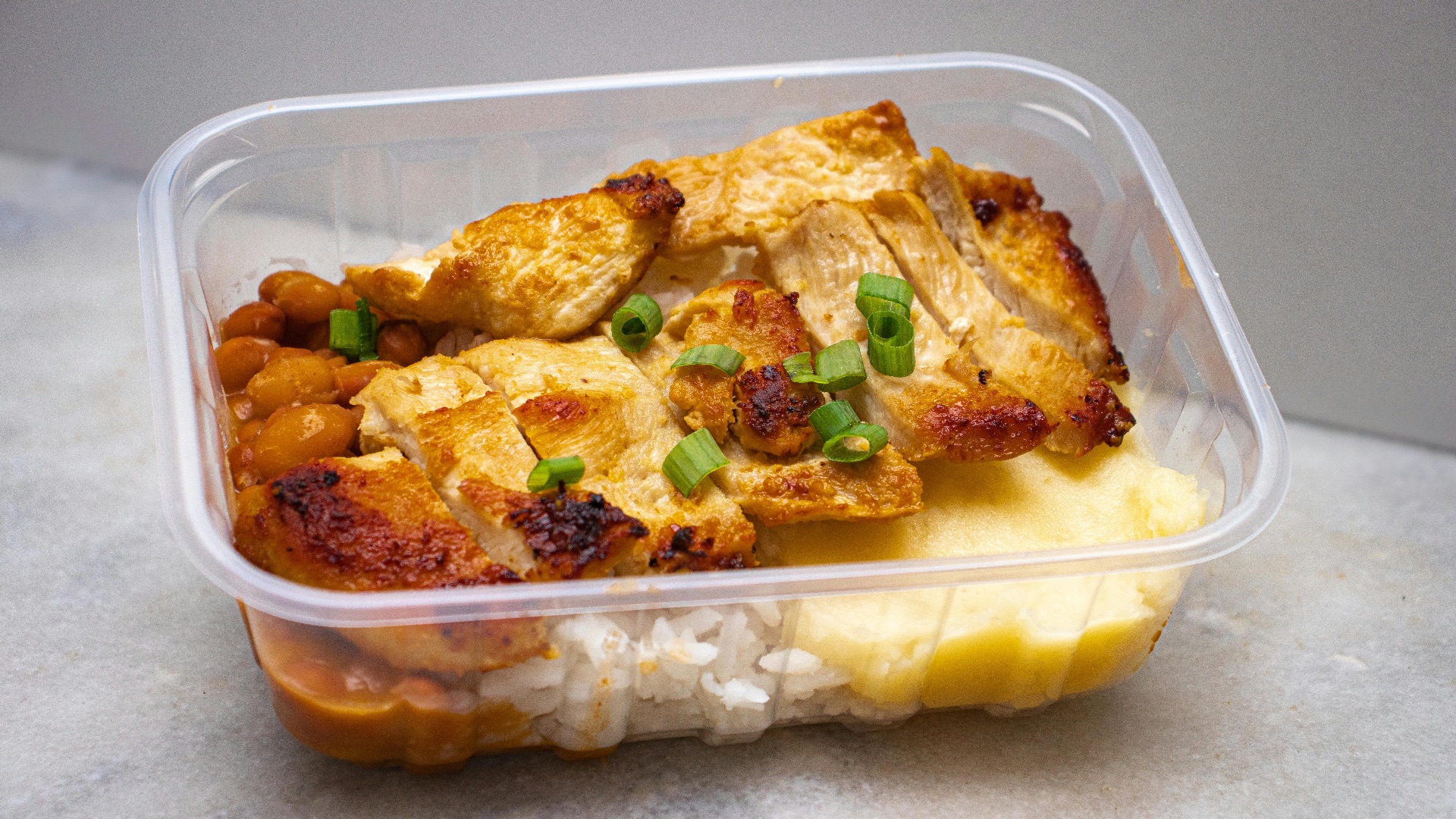
When dealing with oily plates or plastic containers that tend to hold onto grease, applying a small amount of dish soap directly to the surface can work better than relying on soapy suds alone. This gives the soap a stronger chance to break down the residue before it gets spread around, which is especially helpful with plastics that seem to stay slick no matter how long you rinse them.
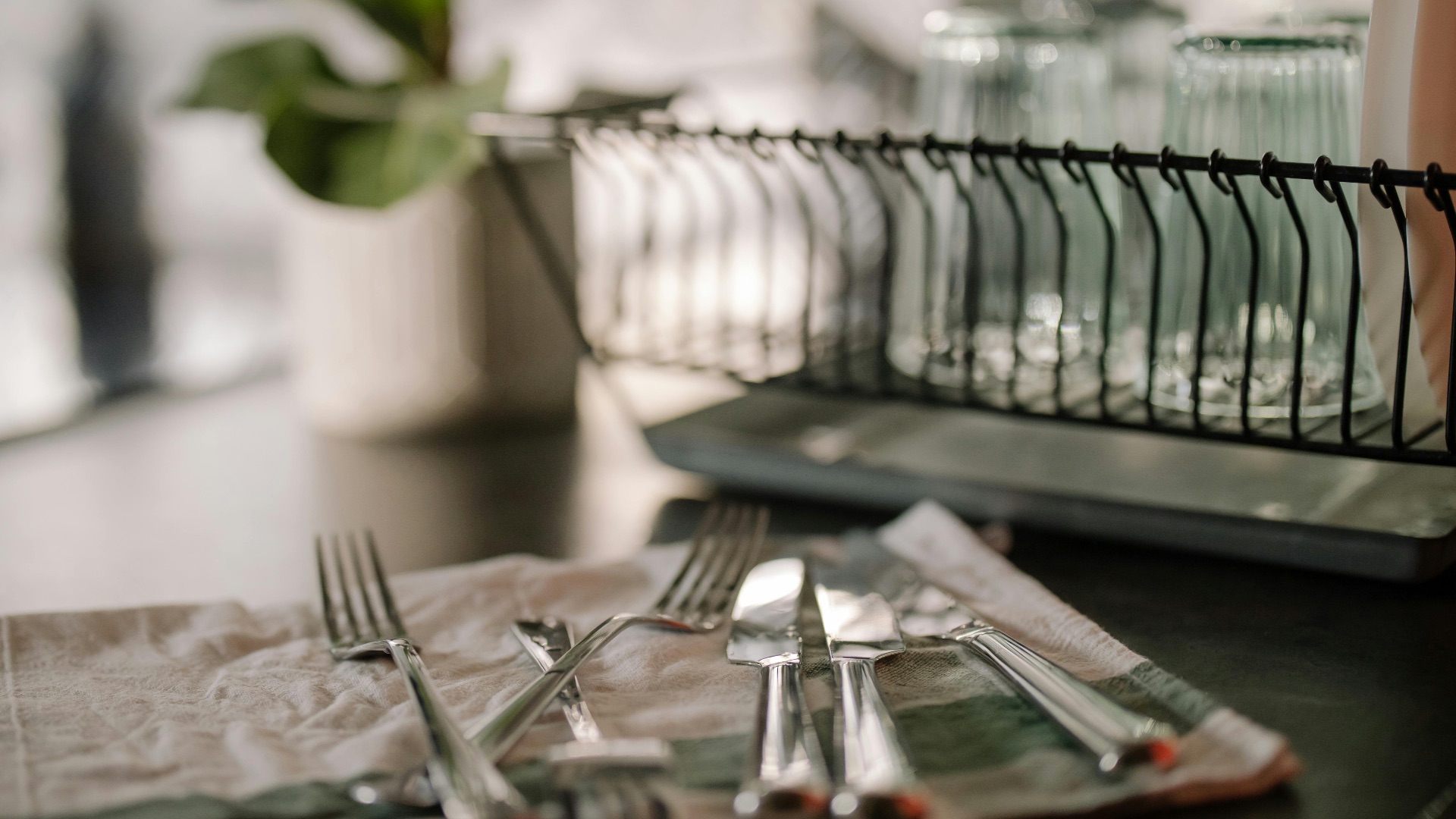
9. Let Dishes Dry Properly Before Storing Them
Clean dishes still need a chance to dry fully if you want them to stay looking and smelling fresh. Putting them away too soon can trap moisture, which leads to spots, streaks, or musty cabinets over time. Whether you air-dry or towel-dry, the important part is making sure they're actually ready before they get stacked.
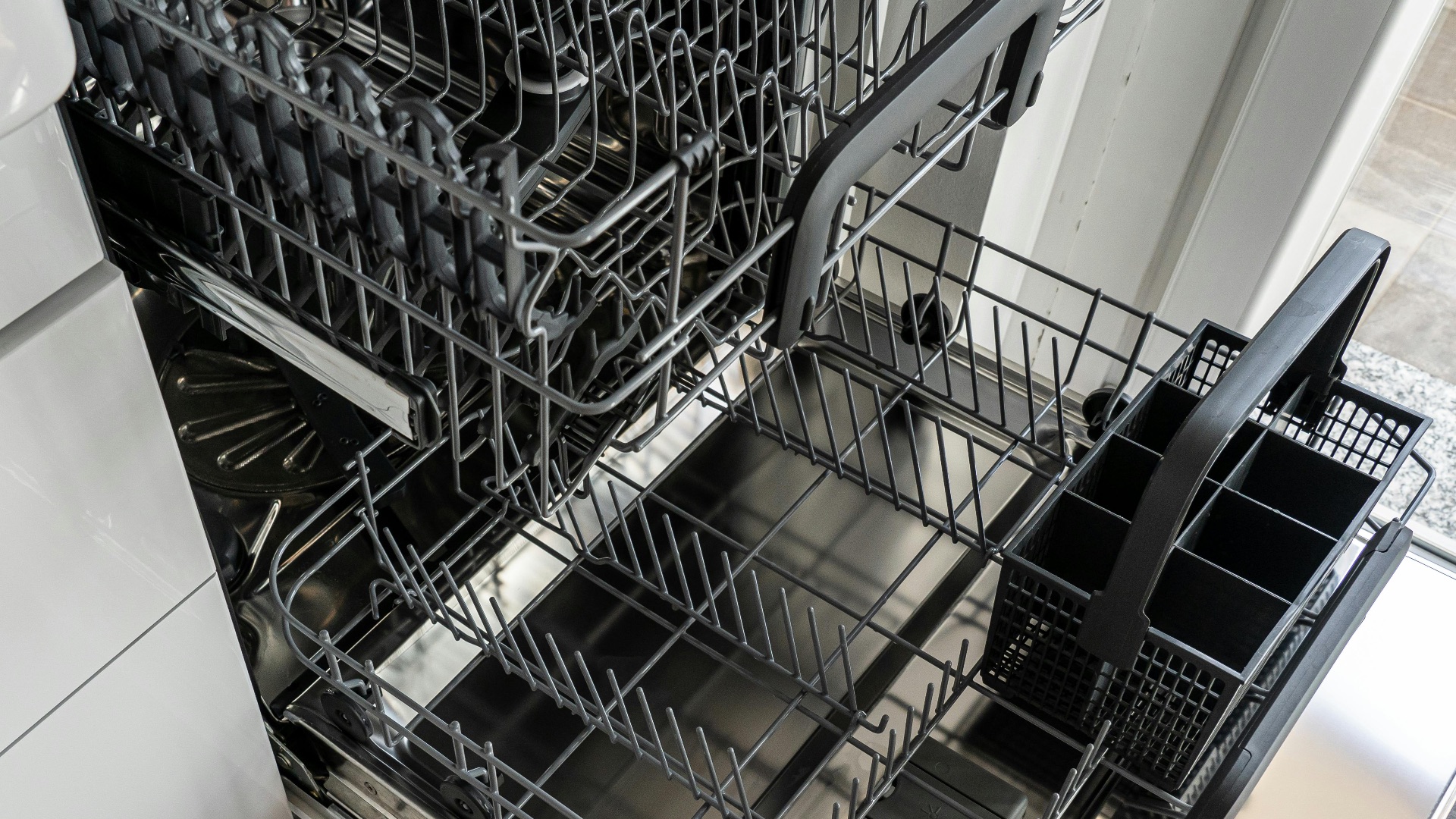
10. Clean the Dishwasher Every So Often
A dishwasher does a lot of the dirty work, but that doesn't mean it stays clean on its own. Over time, grease, old food, and mineral buildup can collect inside the machine and affect how well it performs. A little routine maintenance goes a long way when you want your plates to come out looking fully clean every time.
KEEP ON READING

The Most Popular Signature Dishes Around the World