10 Reasons You Should Never Buy Pre-Grated Cheese & 10 Cheeses To Buy Instead
Why You Shouldn’t Buy Grated Cheese
While grabbing a bag of shredded cheese might seem like the ultimate kitchen shortcut, you are actually sacrificing a lot more than just a few minutes of time. Most people do not realize that those convenient little strands are coated in extra ingredients that keep them from clumping but also affect the way they taste and melt. If the goal is to elevate home cooking, making the switch to fresh blocks is one of the easiest ways to get a better result in every dish.
1. The Anti-Clumping Additives
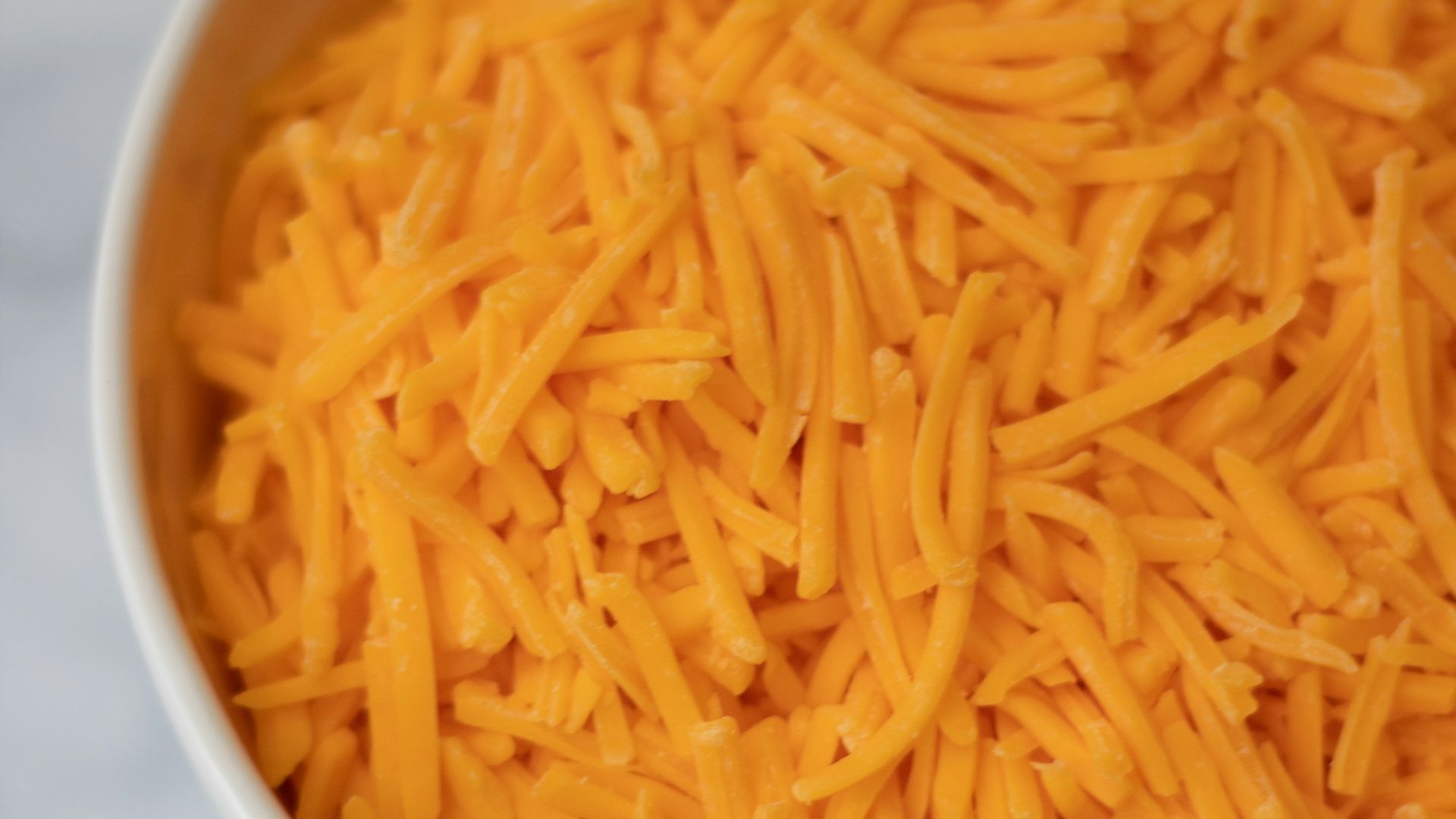
To keep the cheese from turning into a giant blob in the bag, manufacturers coat the shreds in cellulose or potato starch. While these are generally safe, they add a gritty texture that you will not find in a freshly grated block. The cheese feels much more natural and smooth when taking the time to shred it yourself.
2. Poor Melting Quality
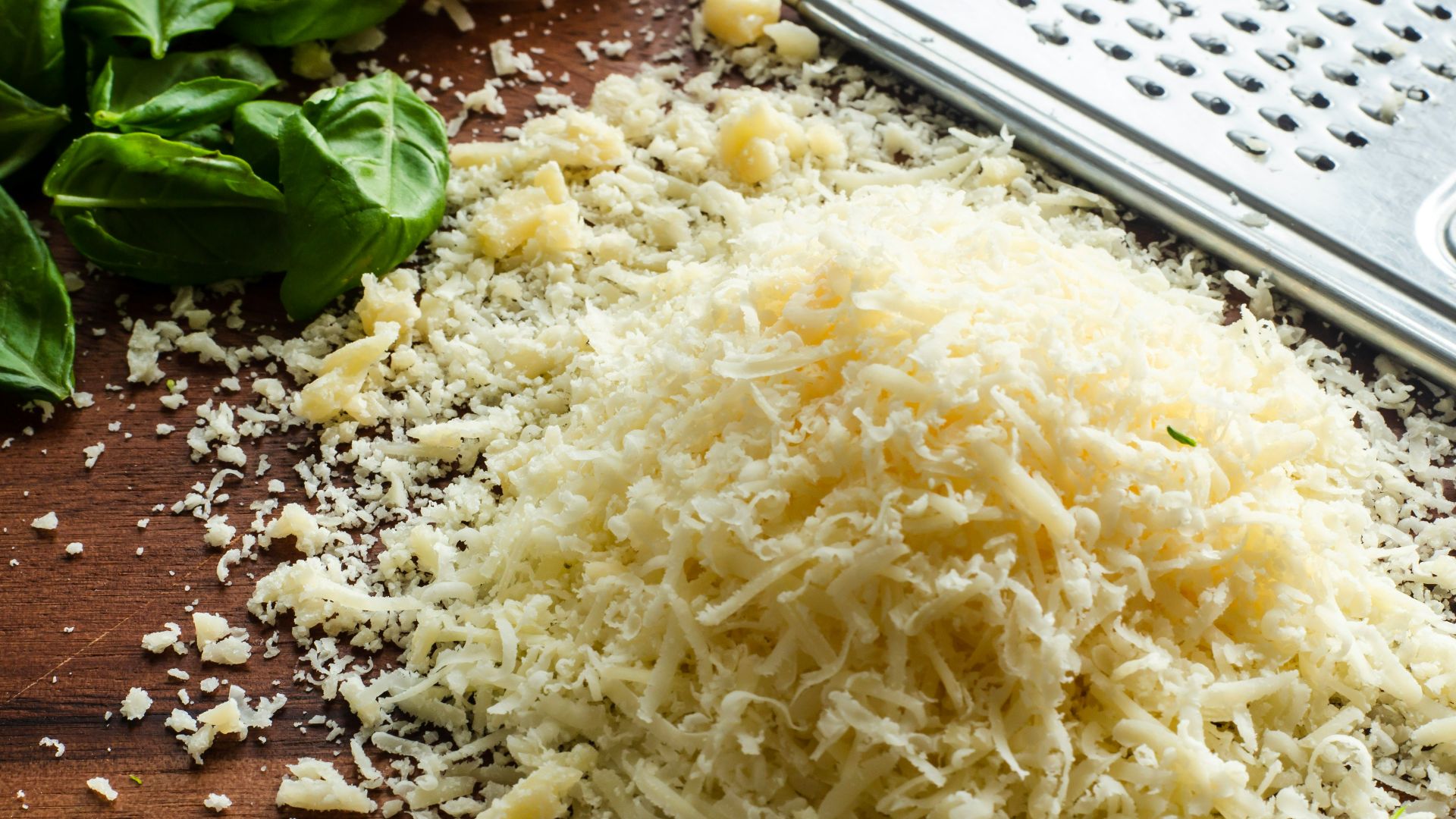
Because of those aforementioned starches, pre-shredded cheese does not melt into a smooth, gooey pool very easily. Grilled cheese or nachos can end up looking stringy or even waxy instead of creamy. Freshly grated cheese lacks that barrier, allowing the proteins to bond properly for a better cheese pull.
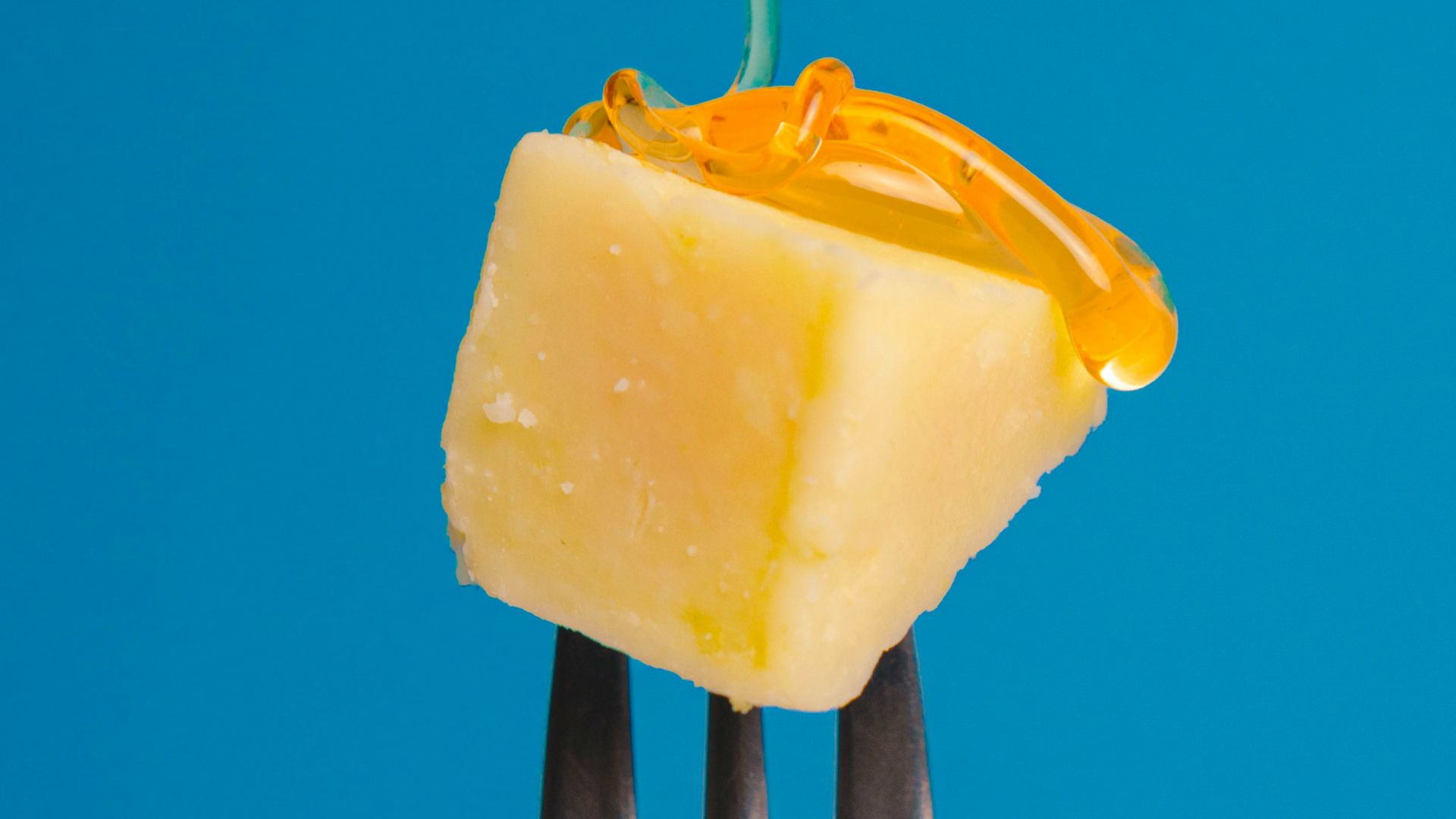 frogses production on Unsplash
3. Higher Price Point
The cheapest way to buy cheese is in a solid block. Shredded cheese has a “convenience tax” attached because it is convenient. Checking the price per ounce at the grocery store makes it clear how much more is being paid for pre-shredded cheese.
4. Loss of Fresh Flavor
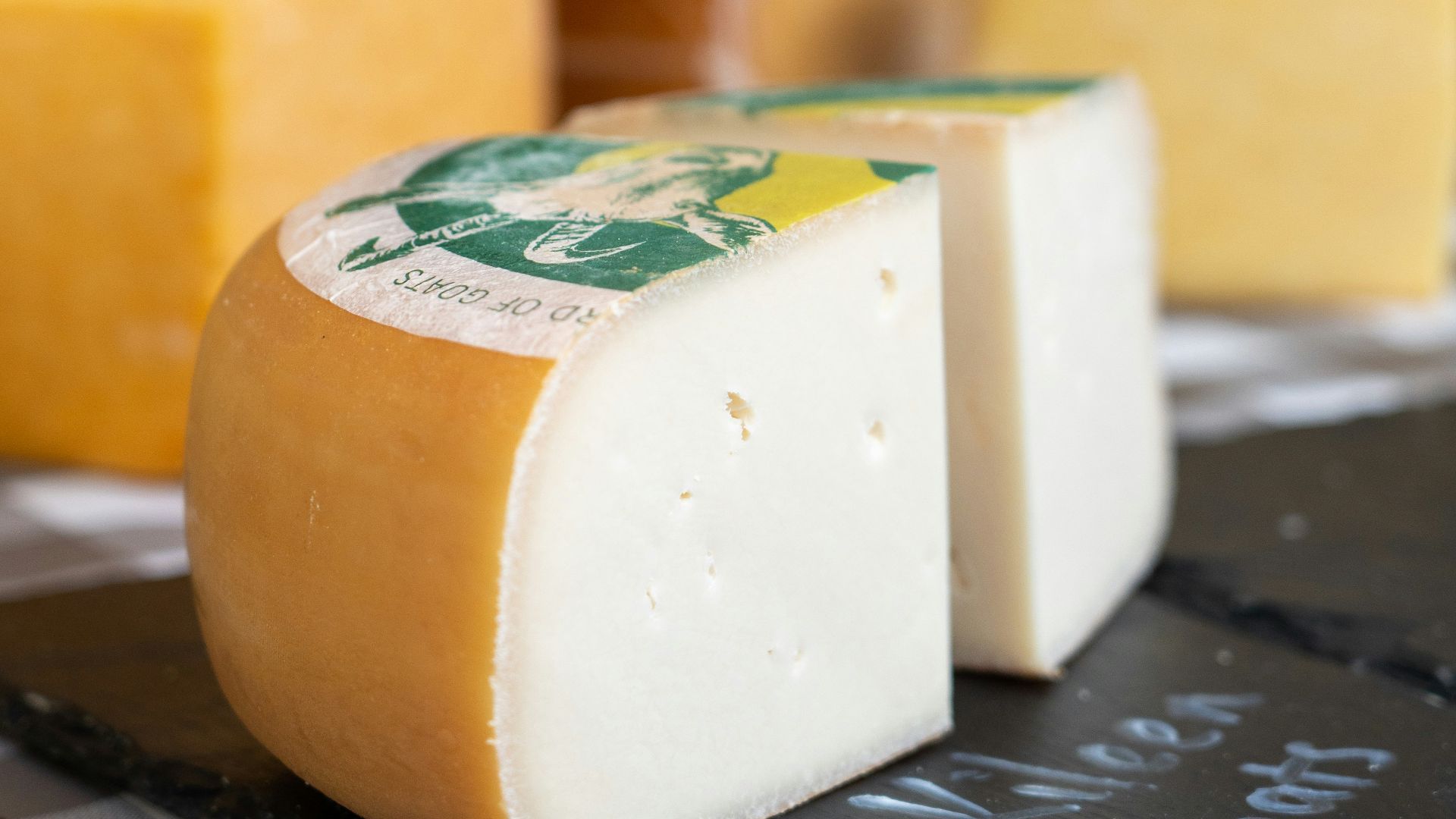
When cheese is exposed to air, it begins to lose flavorful oils that give it its punch. By the time pre-shredded cheese reaches the refrigerator, those small surfaces have already been exposed to air for a long time. That means less flavor when it is time to eat.
5. Preservatives and Mold Inhibitors
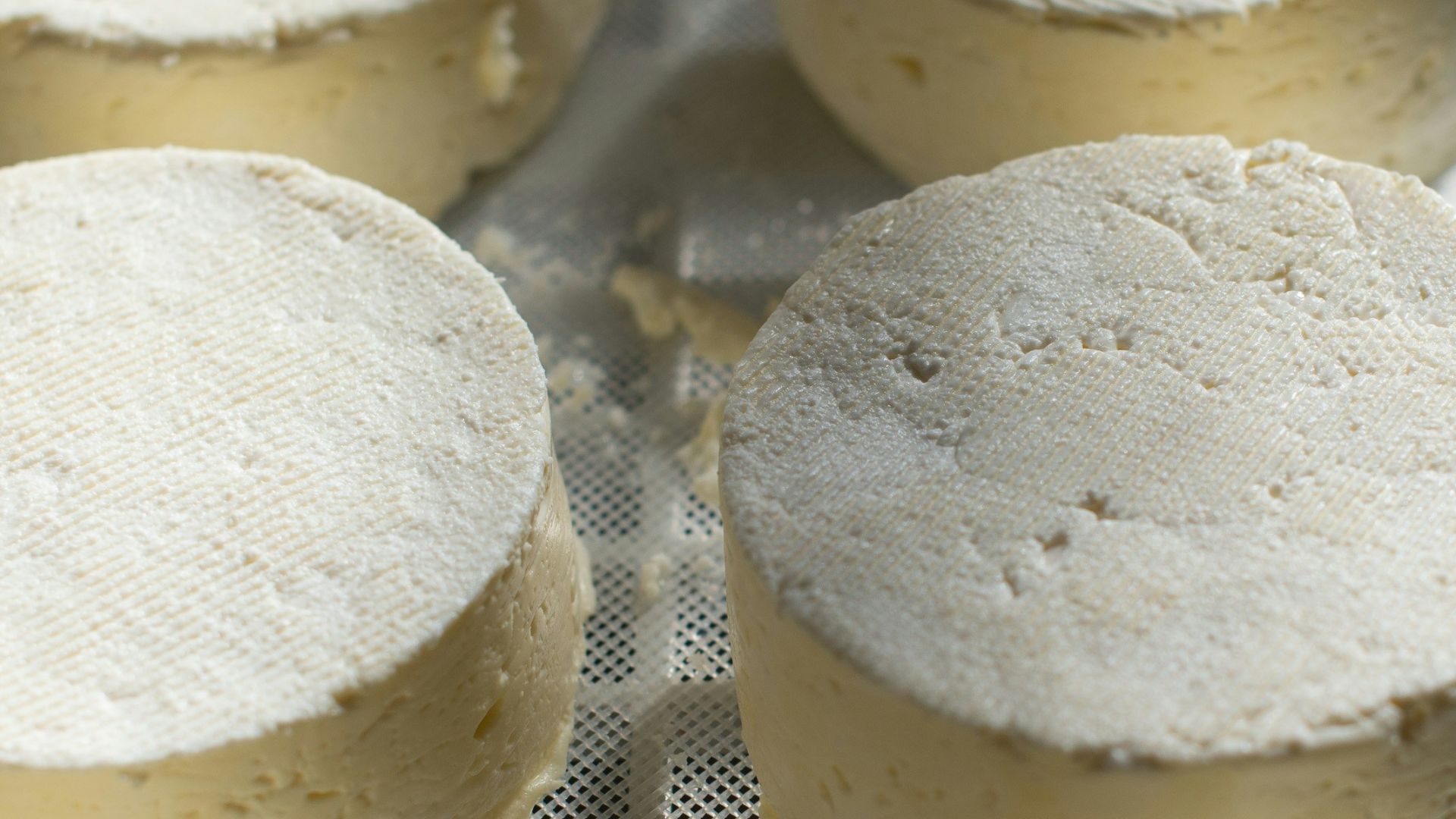
To keep bagged cheese from growing mold while sitting on grocery store shelves, most pre-shredded cheeses are coated with natamycin or other preservatives. While these extend shelf life, they do not improve nutritional value or flavor.
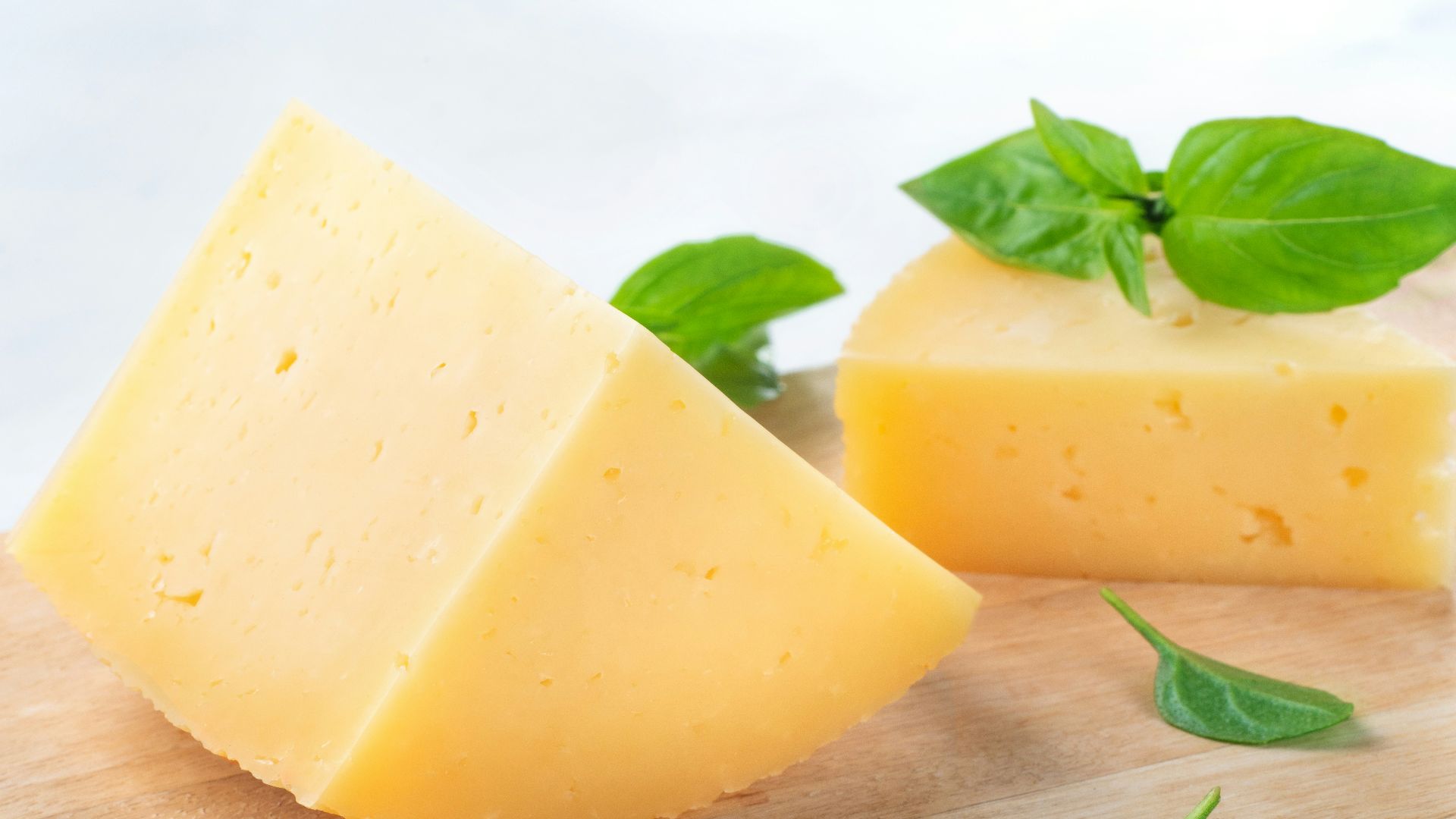
6. Inaccurate Measurements
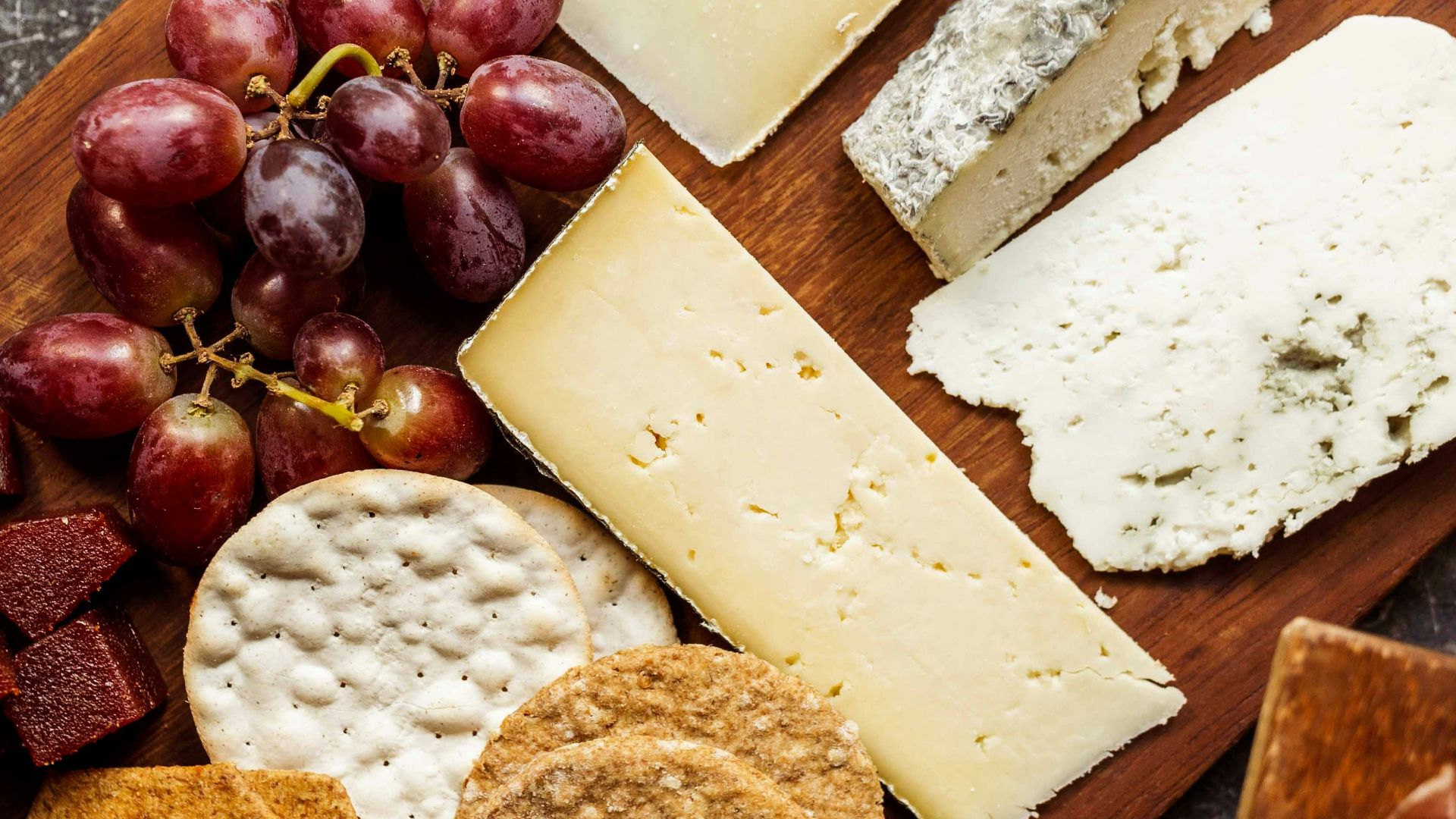
If a recipe calls for one cup of cheese, it assumes freshly grated cheese packed into that cup. Since shredded cheese from a bag is fluffier, more is often used than necessary when measuring by volume. Grating your own also allows control over the shred size.
 David Foodphototasty on Unsplash
7. Drying Out Quickly
Shredded cheese goes dry and crumbly faster than a solid block. That is because there is more surface area for moisture to escape. Storing cheese in a block helps keep the center moist and fresh until it is ready to be shredded.
8. Limited Variety
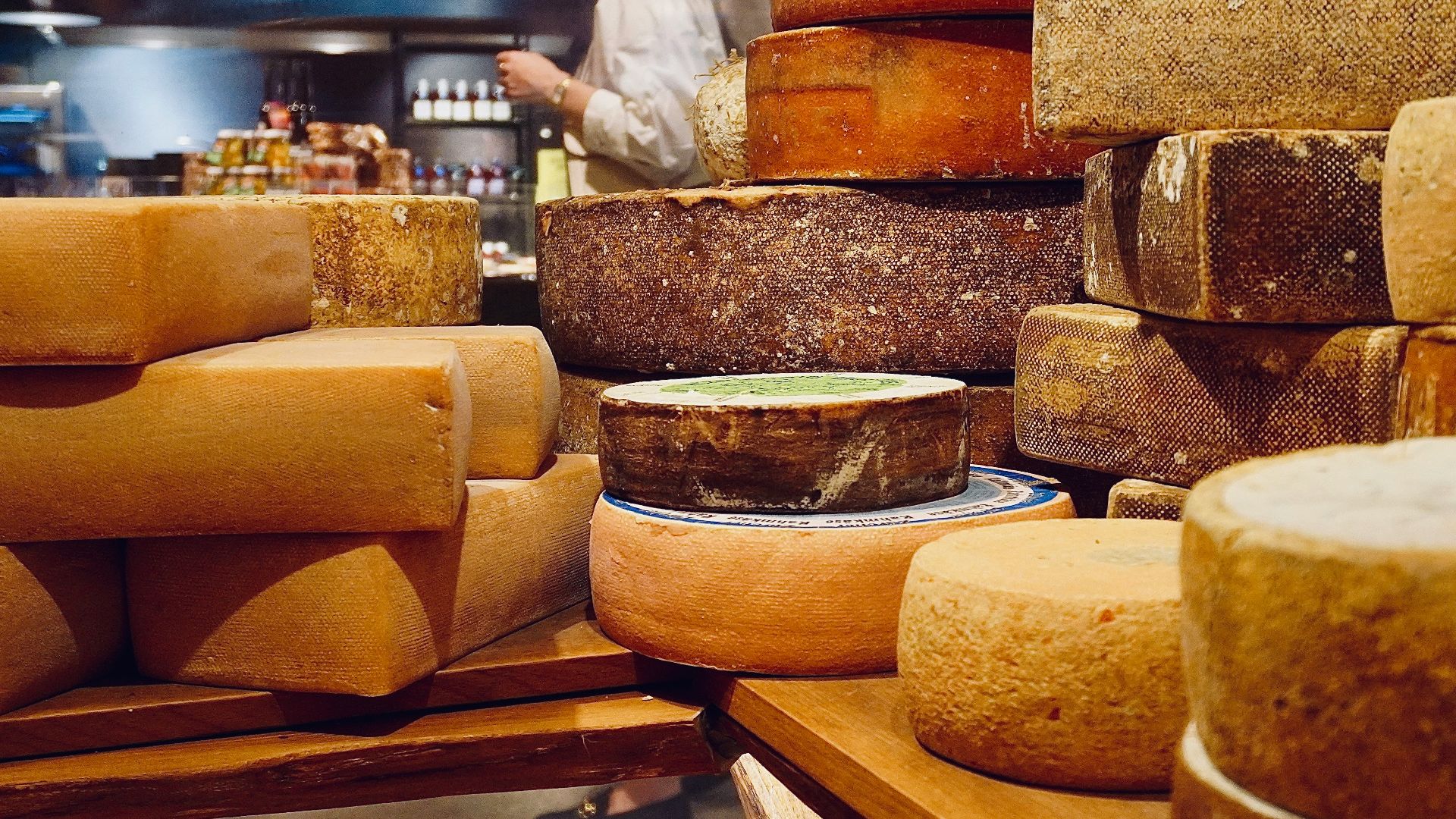
If only buying shredded cheese, the selection is usually limited to basic types such as cheddar, mozzarella, Monterey Jack, or parmesan. In the cheese section, more varieties are available in block form.
 David Foodphototasty on Unsplash
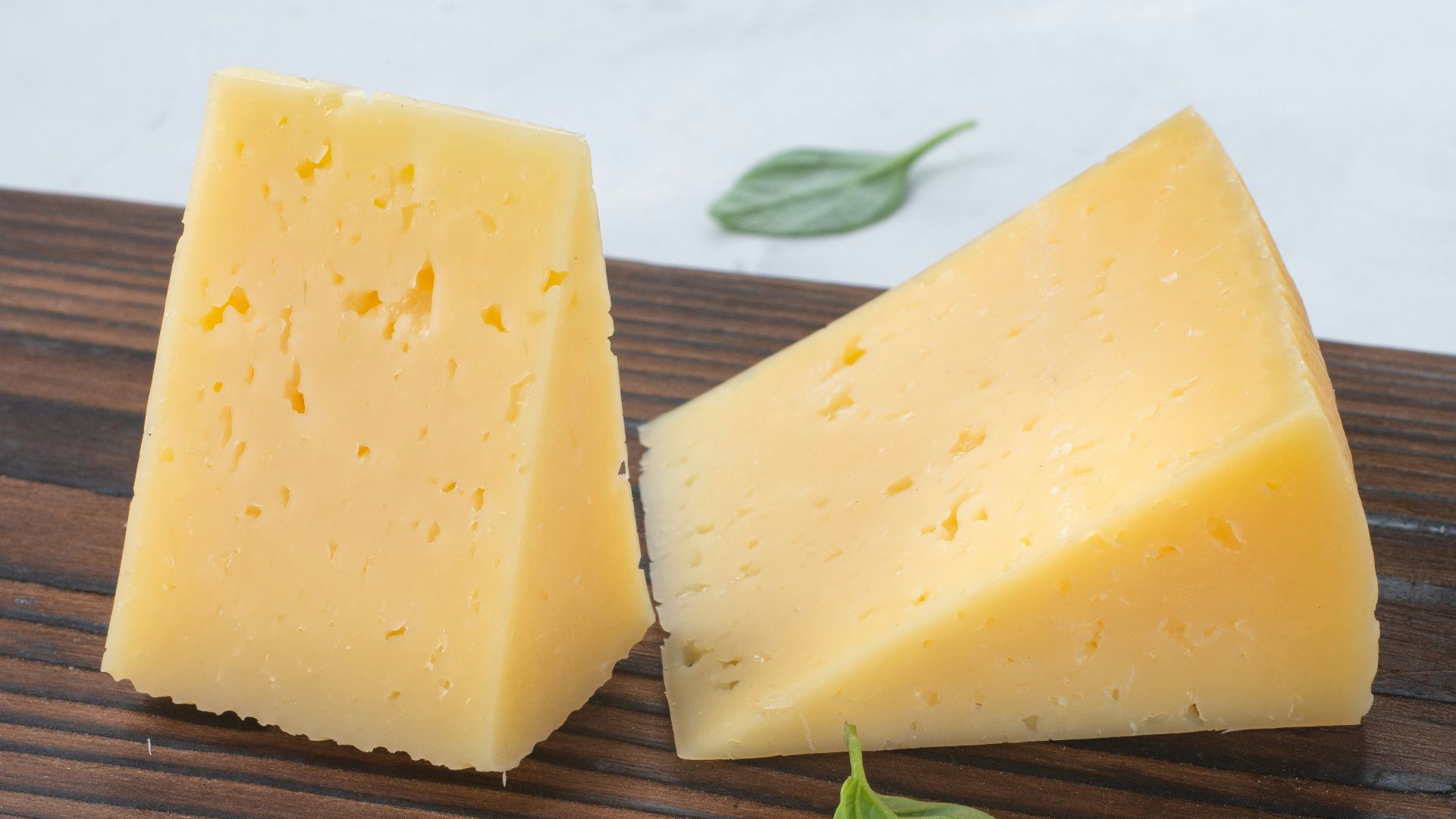
9. Potential Cross-Contamination
Most large-scale cheese shredders process more than one dairy product on the same equipment. Even with cleaning, there is more opportunity for cross-contact than when buying a whole block. Choosing a single block helps ensure product consistency.
10. The Satisfaction Factor
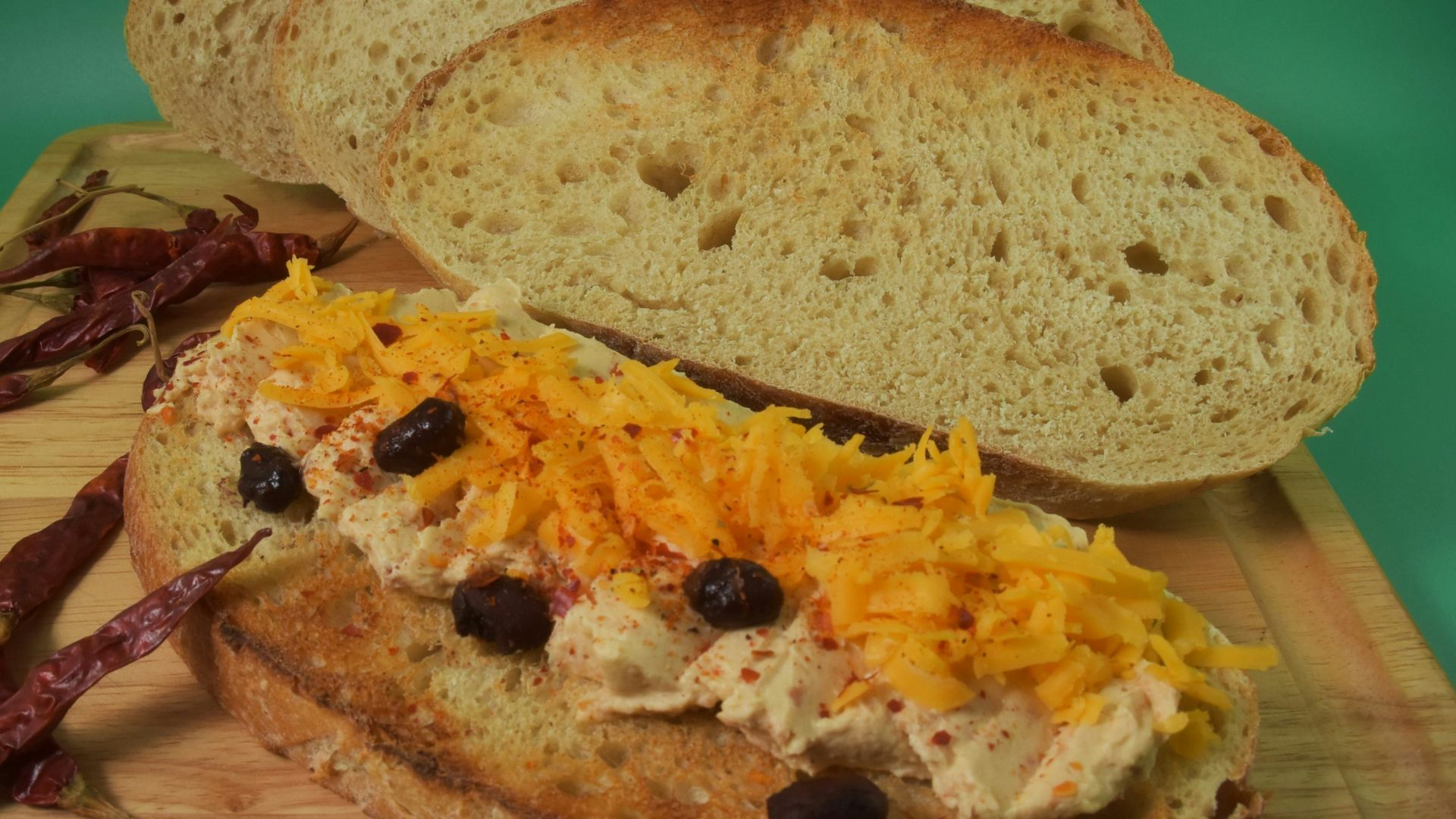
There is a sense of satisfaction that comes from making dishes from scratch. Buying a block of cheese and grating it takes only a couple of minutes and can improve the overall cooking experience.
Now that the reasons against buying grated cheese have been covered, here are 10 cheese options commonly considered excellent choices at grocery stores.
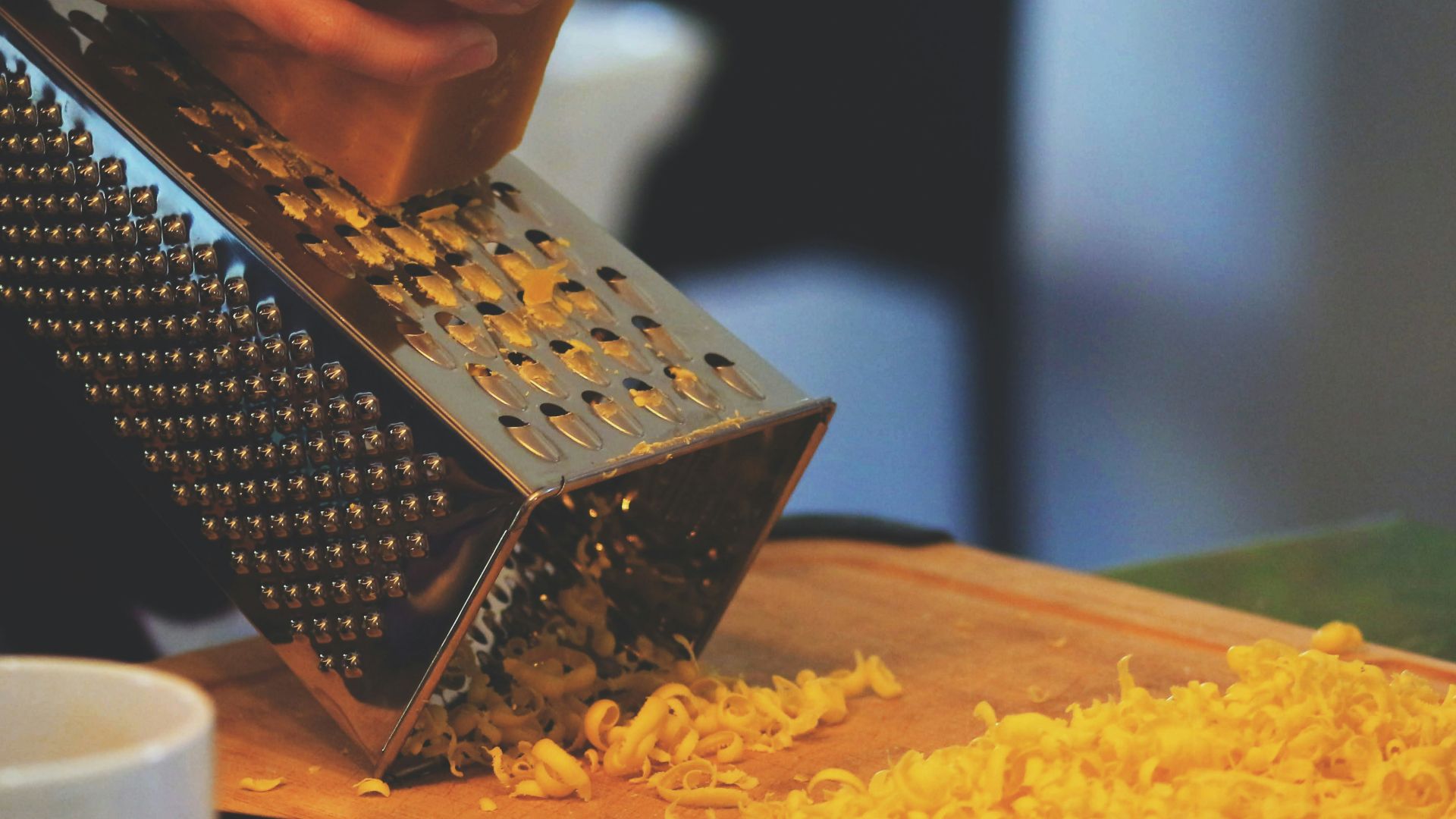
1. Sharp White Cheddar
Aged white cheddar is highly flavorful and easy to grate. It works well for mac and cheese or crackers and is widely available in grocery stores. Plus, it’s the kind of cheese that has so much flexibility and appeal that no one in the family will be complaining.
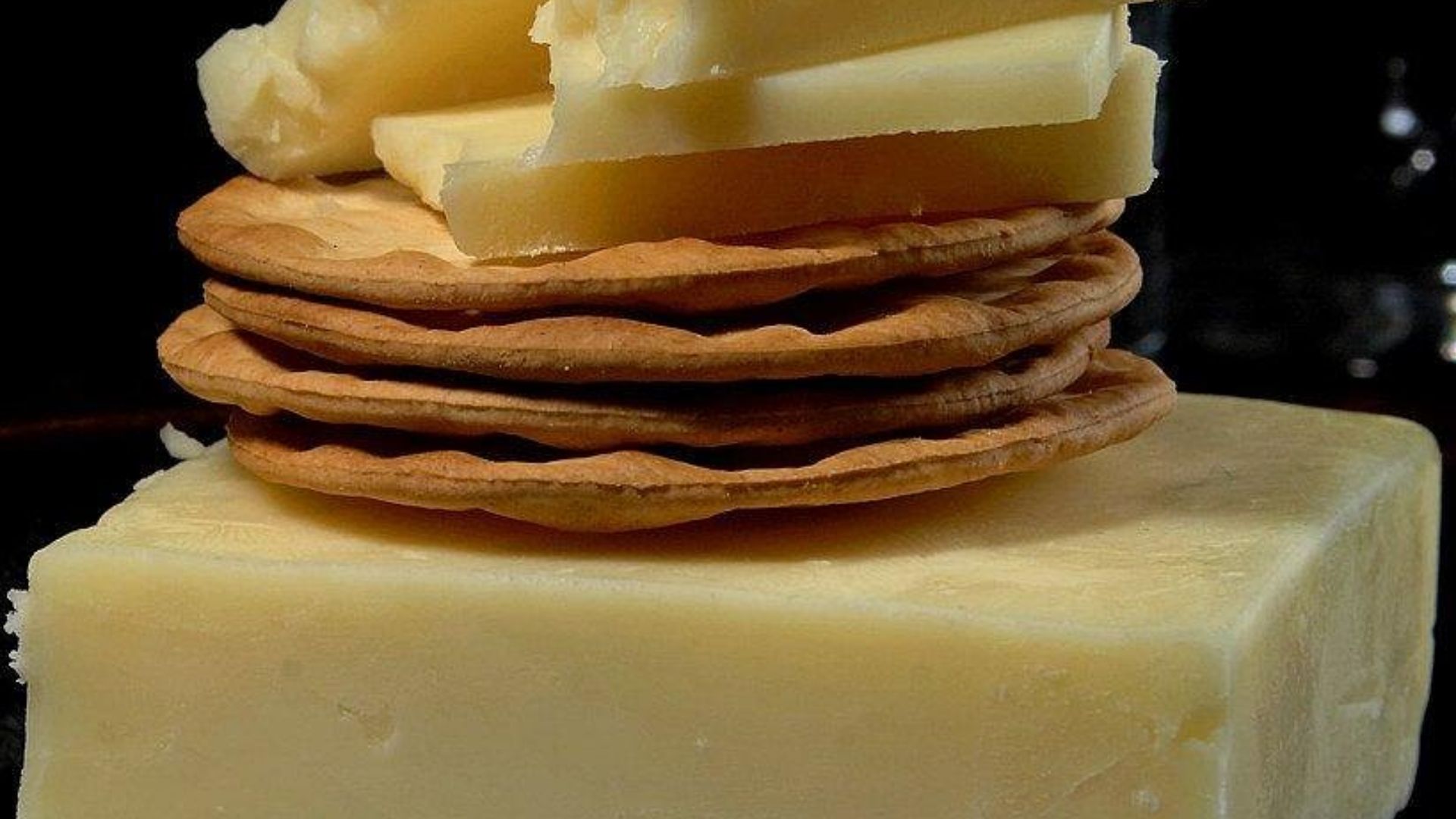
2. Creamy Low-Moisture Mozzarella
For pizza, low-moisture mozzarella is ideal. Its high fat and low water content allow it to melt into a smooth, bubbly texture. It is also easier to shred when cold.
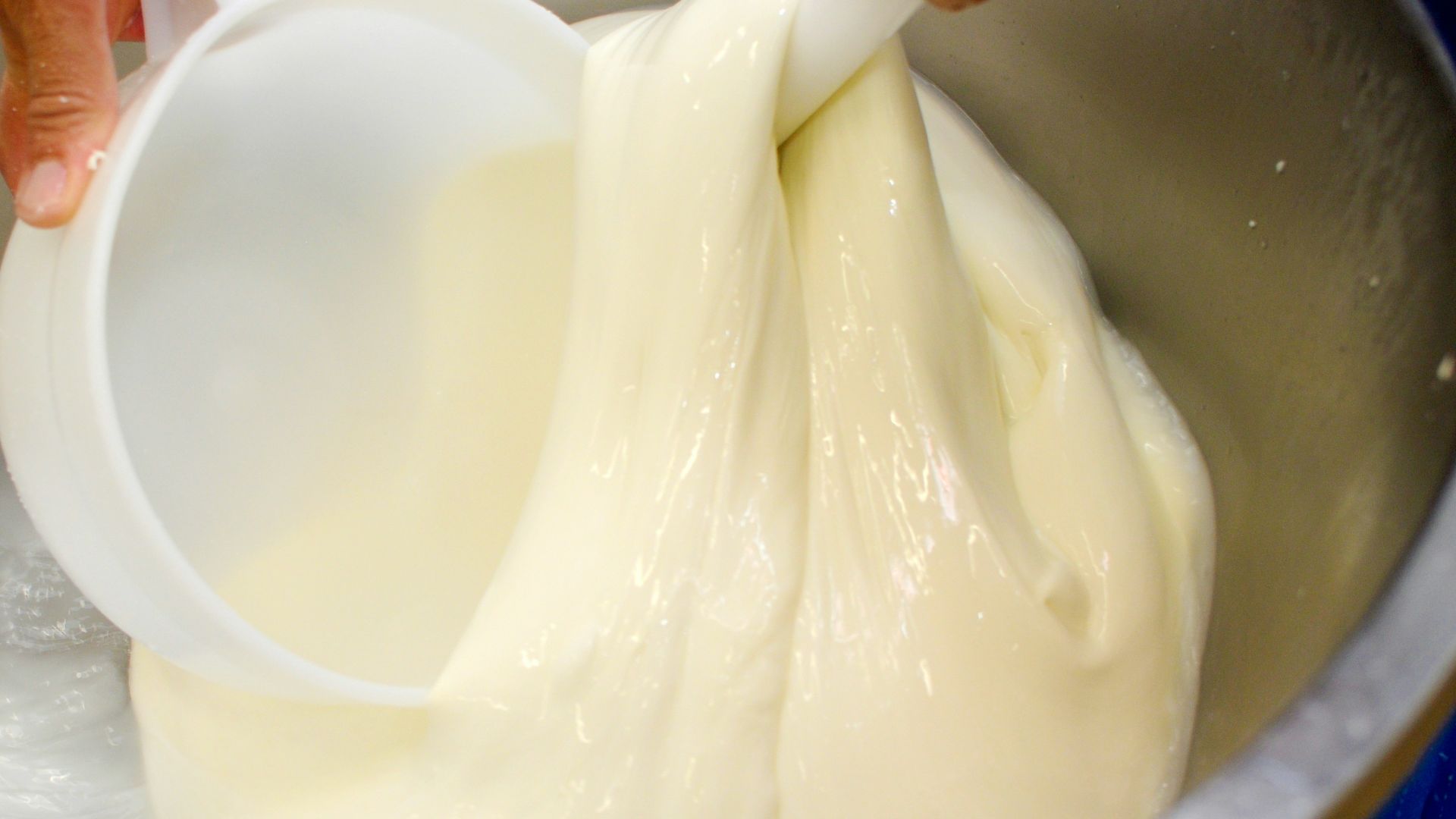
3. Nutty Gruyère
Gruyère is essential for fondue or French onion soup. It has a slightly sweet and salty flavor that becomes aromatic when melted. A wedge is useful for richer meals.
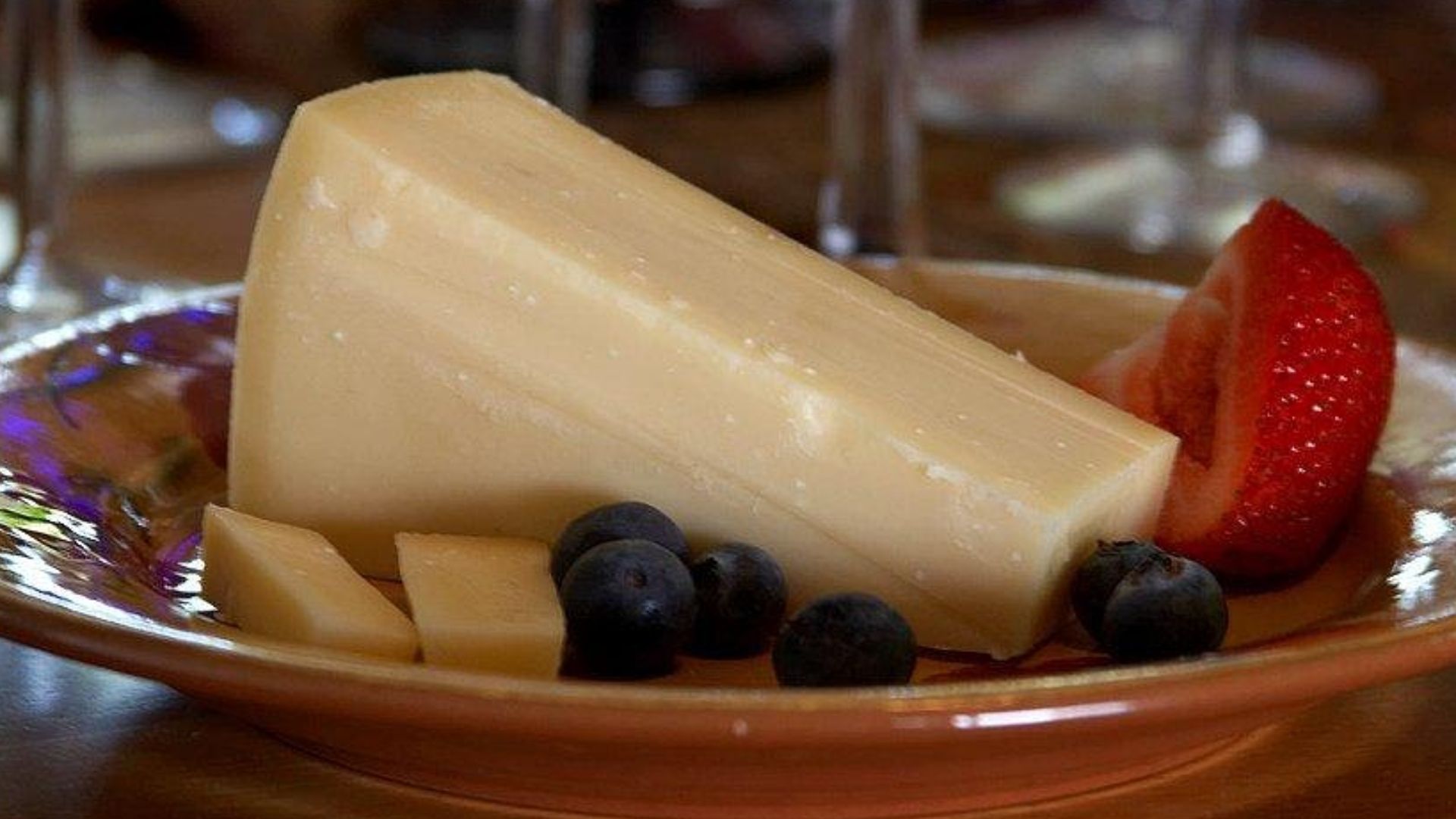
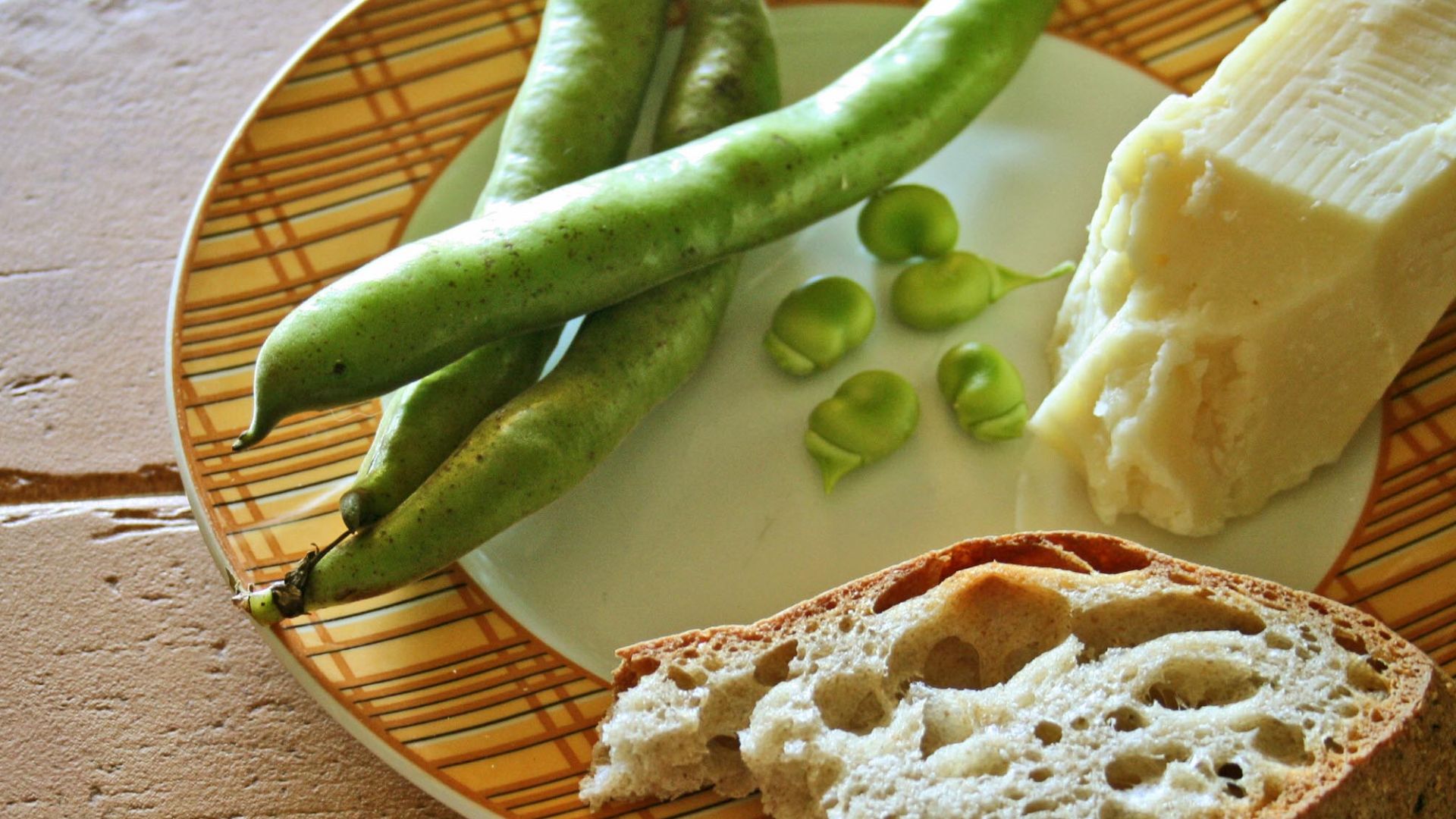
4. Salty Pecorino Romano
Similar to Parmesan but made with sheep’s milk, this cheese is sharper and saltier. It is traditionally used in Cacio e Pepe and is best when freshly grated. Plus, it goes with a lot of savory options you’ll be making most days anyway.
 Annarita Migliaccio on Wikimedia
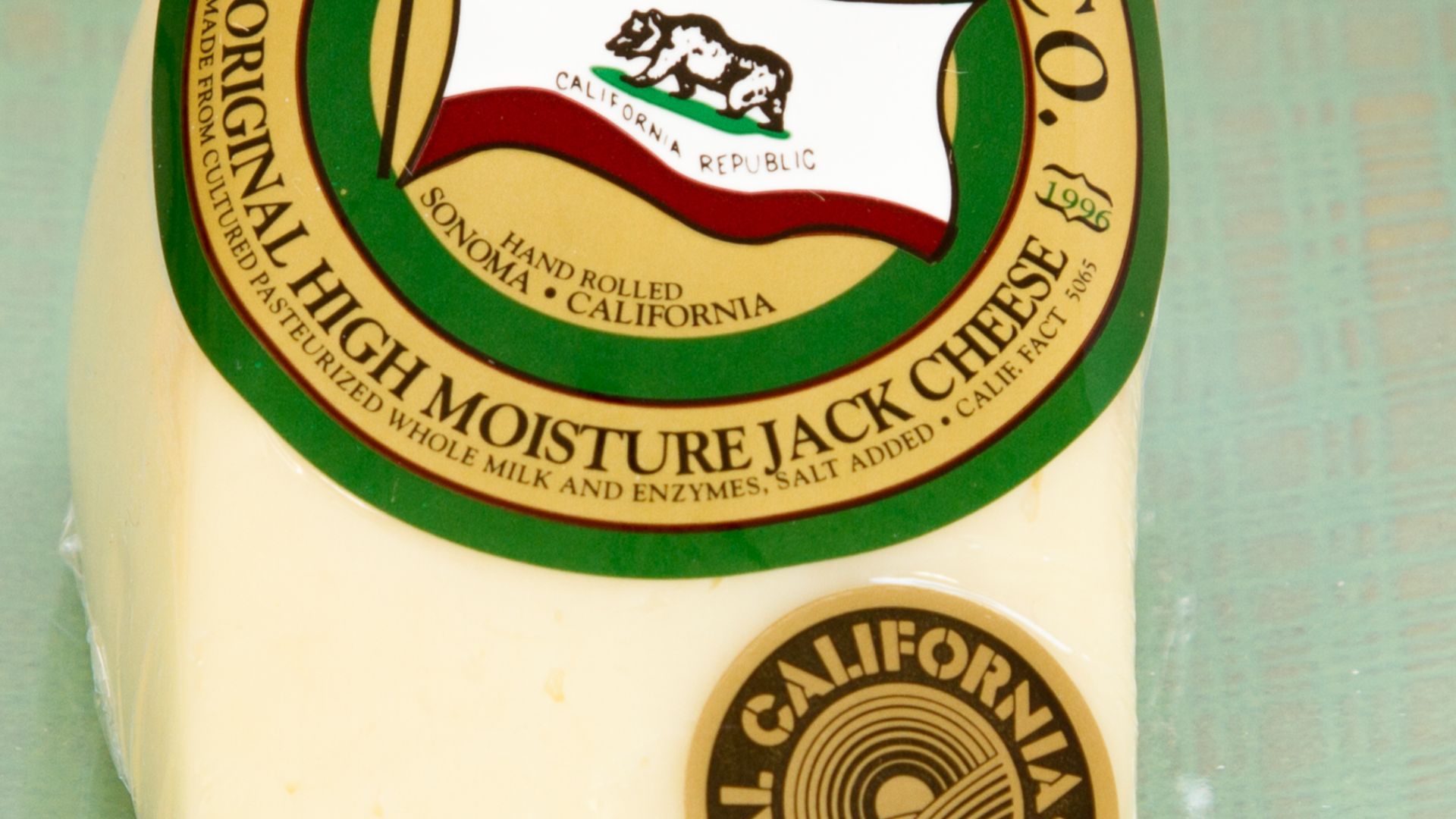
5. Tangy Monterey Jack
Monterey Jack melts smoothly on burgers or quesadillas. It pairs well with spicy ingredients and is ideal for cheese sauces due to its texture. Not to mention, it's an ideal choice for grilled cheese sandwiches.
 Frank Schulenburg on Wikimedia
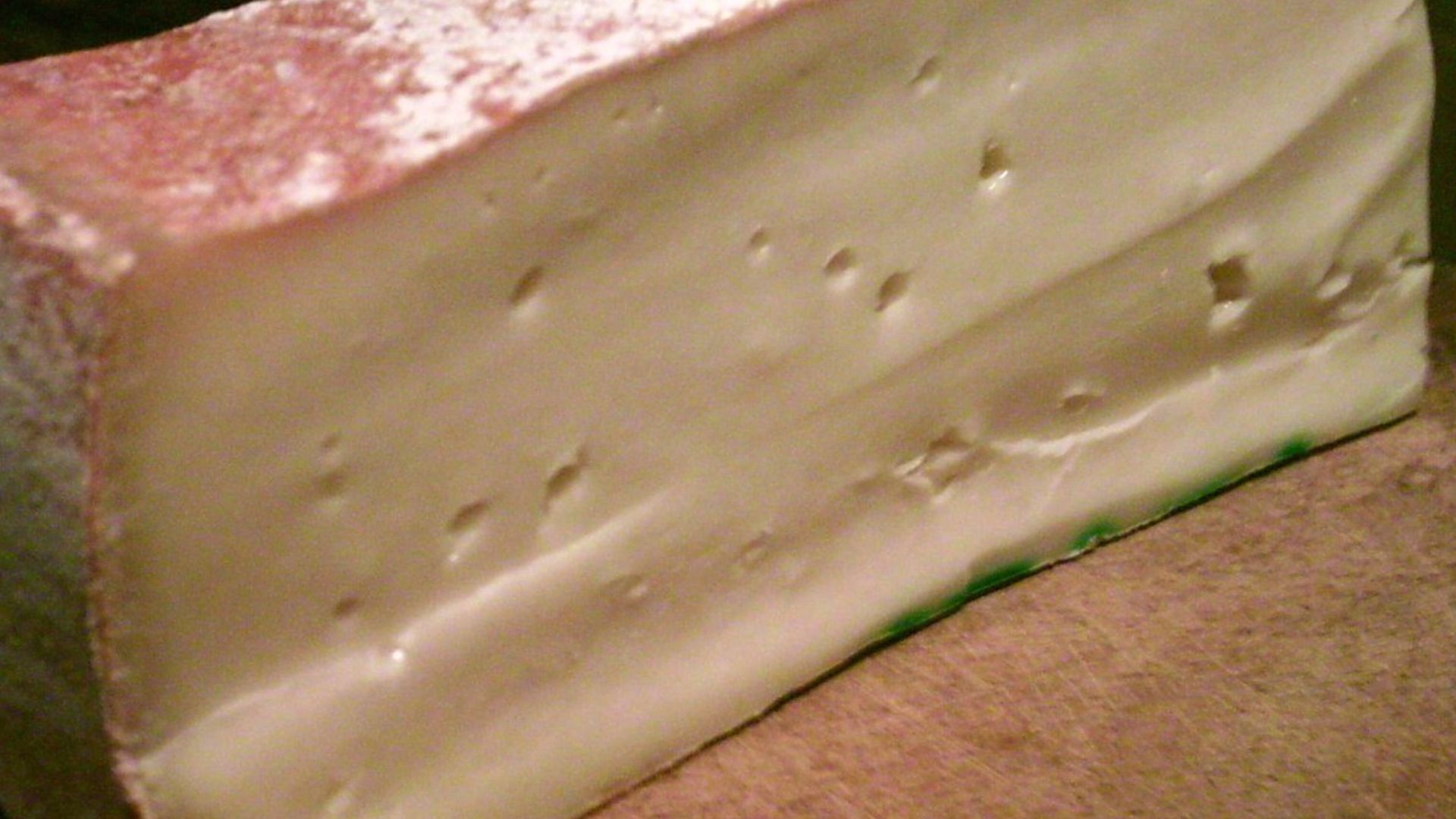
6. Earthy Fontina
Fontina is known for excellent melting qualities. It is creamy and mild with a nutty flavor, making it great for grilled cheese or sauces. Those earthy qualities really help it stand out compared to other cheeses.
 Dominik Hundhammer on Wikimedia
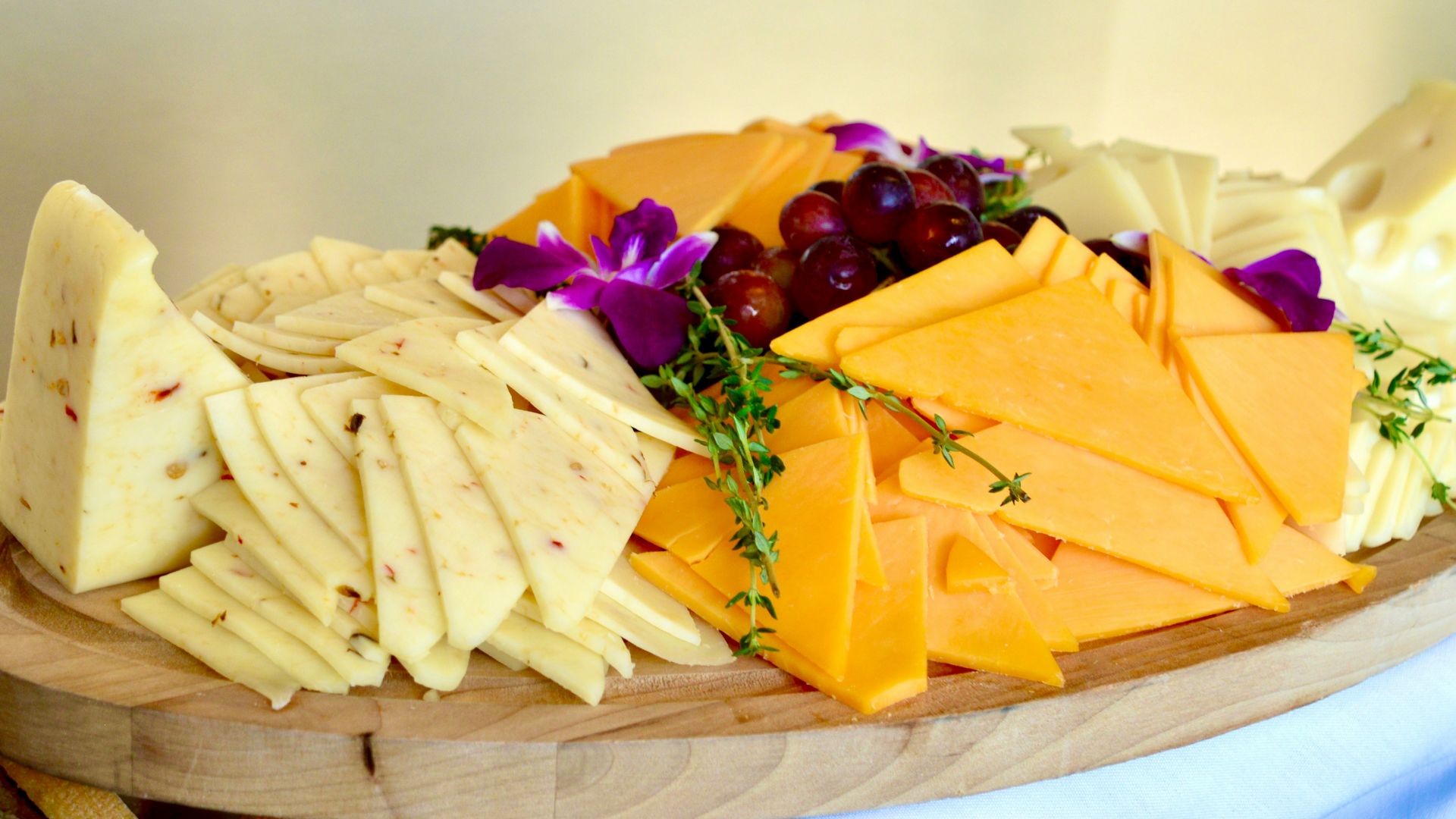
7. Bold Pepper Jack
Pepper Jack adds heat from evenly distributed spicy flecks. It balances spice with creaminess and works well in sandwiches and melts. Thanks to that balance, you can put this on just about anything savory.
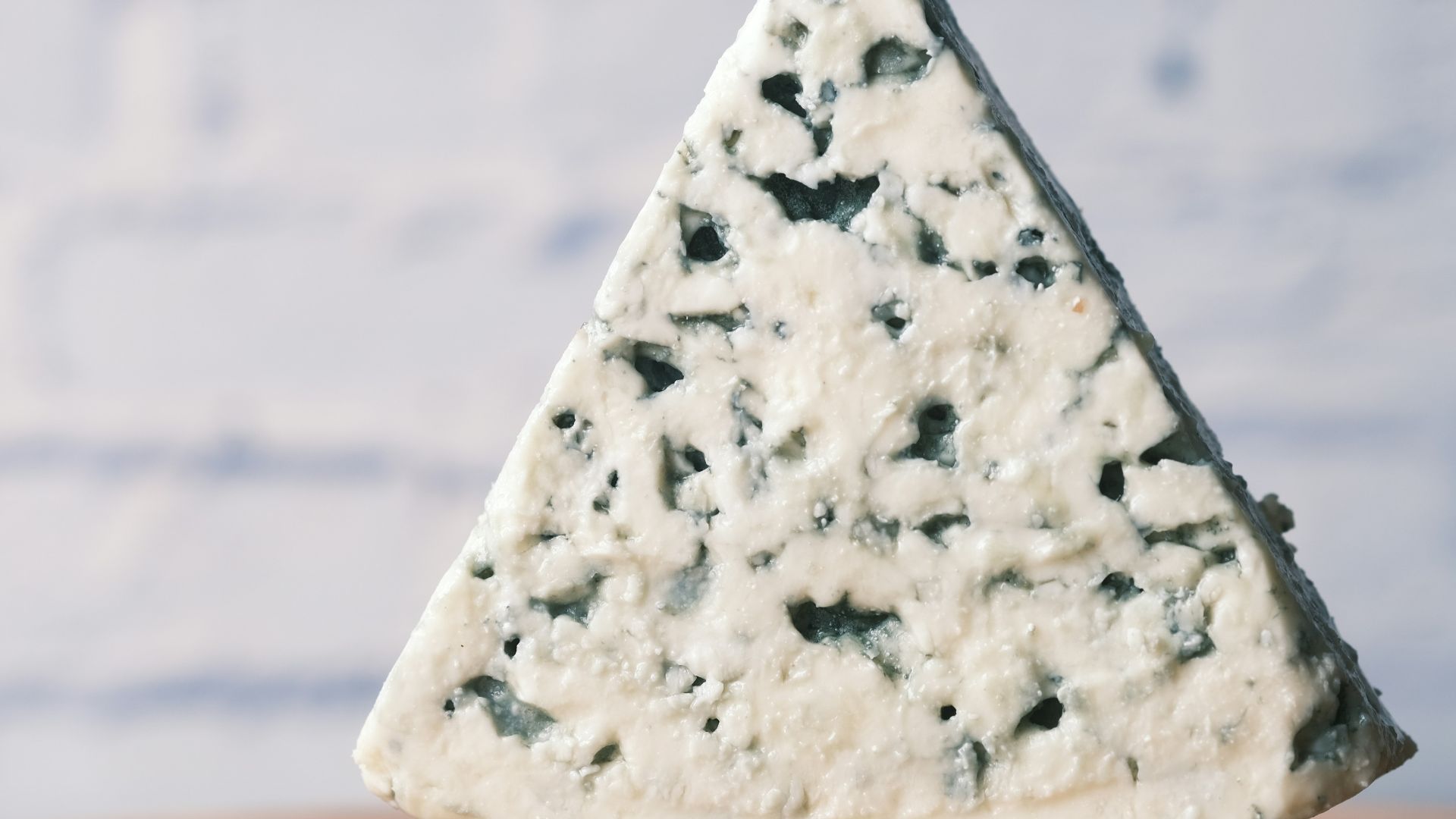
8. Pungent Gorgonzola
Firm “piccante” versions of Gorgonzola can be crumbled or grated over salads. It pairs well with sweet ingredients like honey or pears. So, bring this one out for your next charcuterie night.
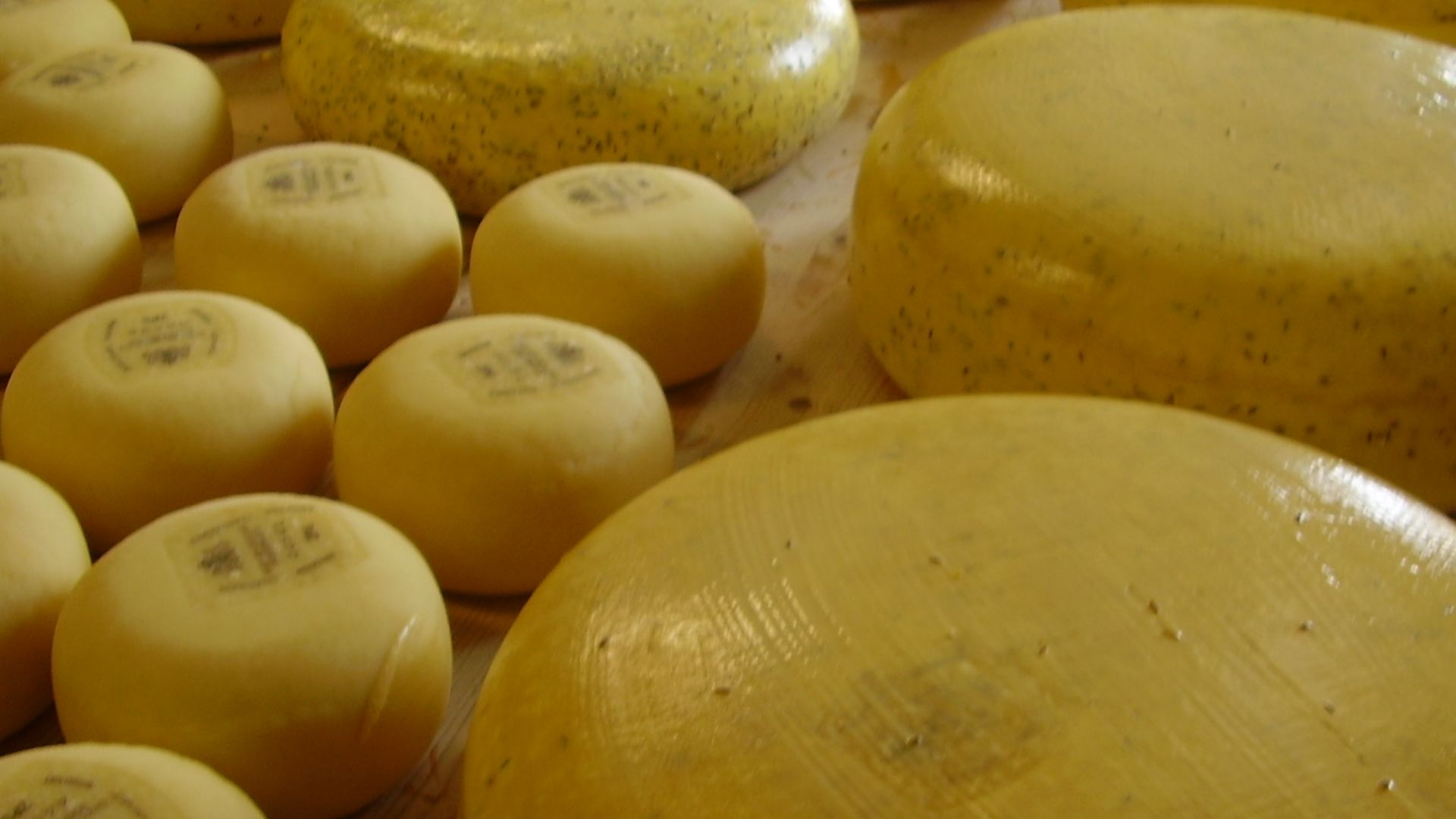
9. Sweet Gouda
Young Gouda is buttery and slightly sweet. It melts well into sauces and can also be smoked for added depth of flavor. So, whether you want it on your charcuterie board or in a sauce, it’s a great pick.
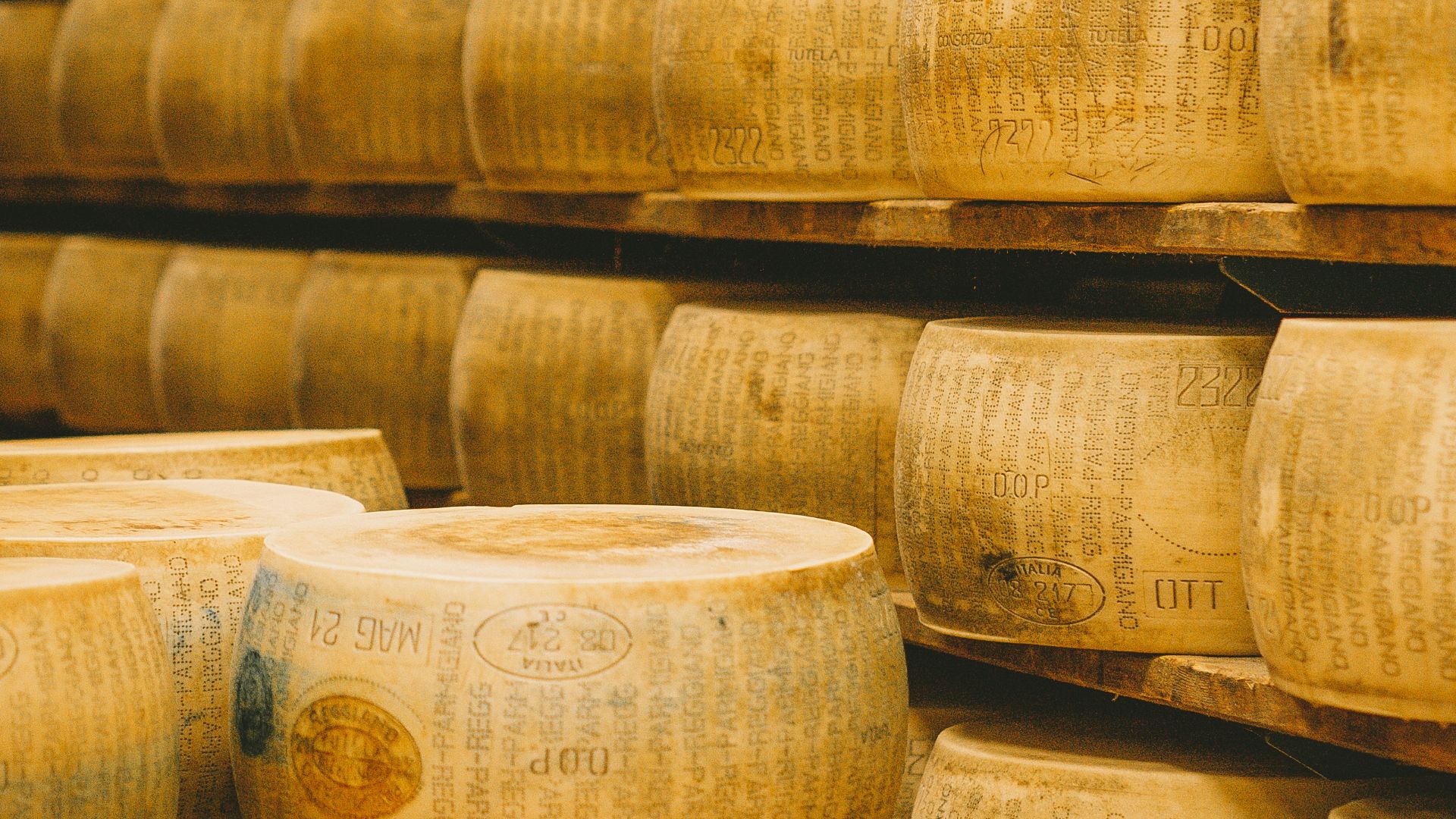
10. Authentic Parmigiano-Reggiano
Known as the king of cheeses, Parmigiano-Reggiano is aged for years and develops a rich, complex flavor. It is best used freshly grated over pasta or finished dishes. It’s definitely worth every penny.
KEEP ON READING
20 Fast Food Items With Surprisingly Weird Origins
20 Foods Only Rich Kids Ate Growing Up