Beans Worth Obsessing
Someone offers you instant coffee, and your face does that thing. The barely concealed wince that says everything without words. Congratulations, you might be a coffee snob, and honestly, that's not the insult people think it is. Having standards about what you drink every morning makes perfect sense. So, let's start by looking at some common signs of being a coffee snob.

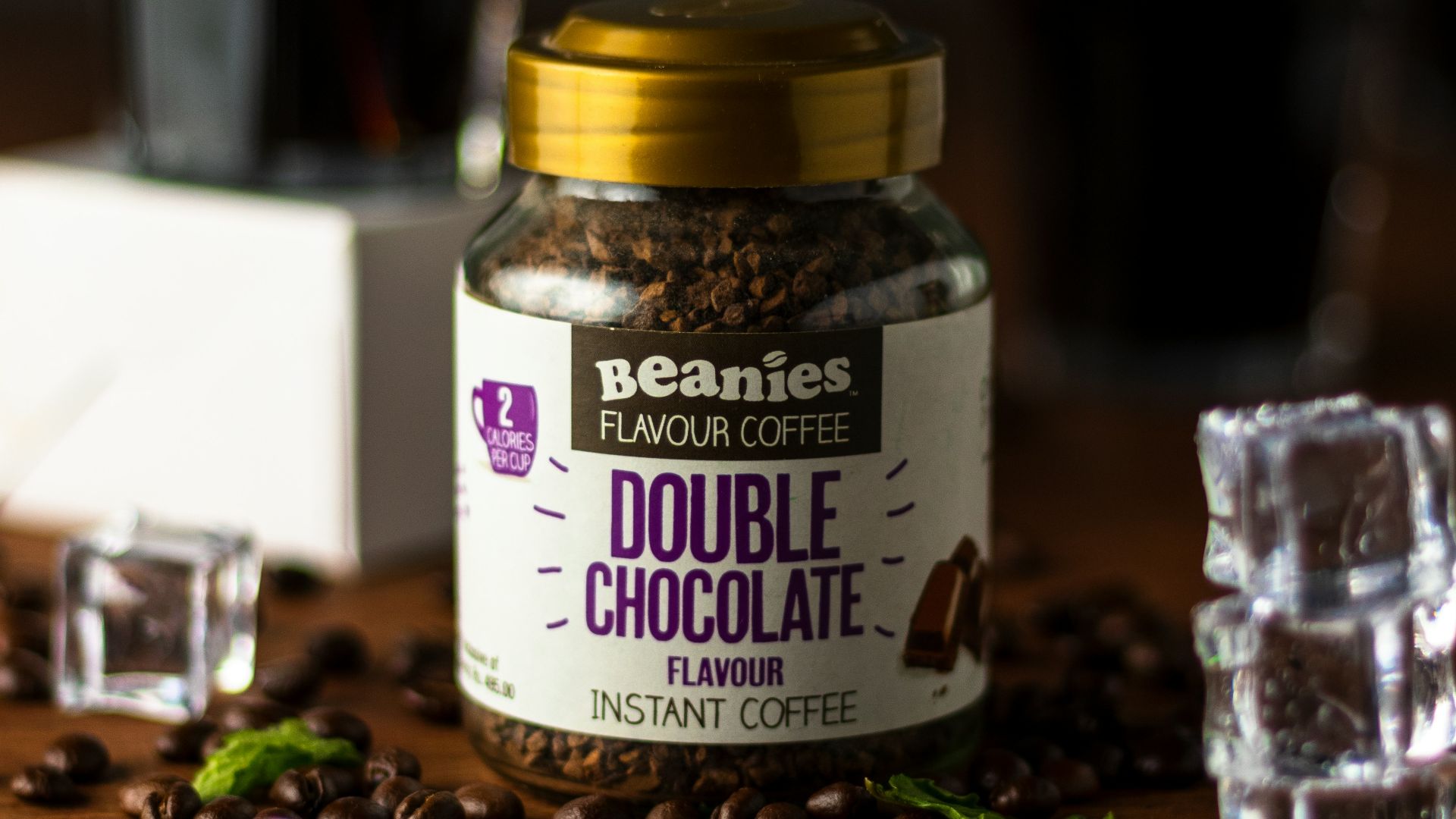
1. Refuse To Drink Instant Coffee
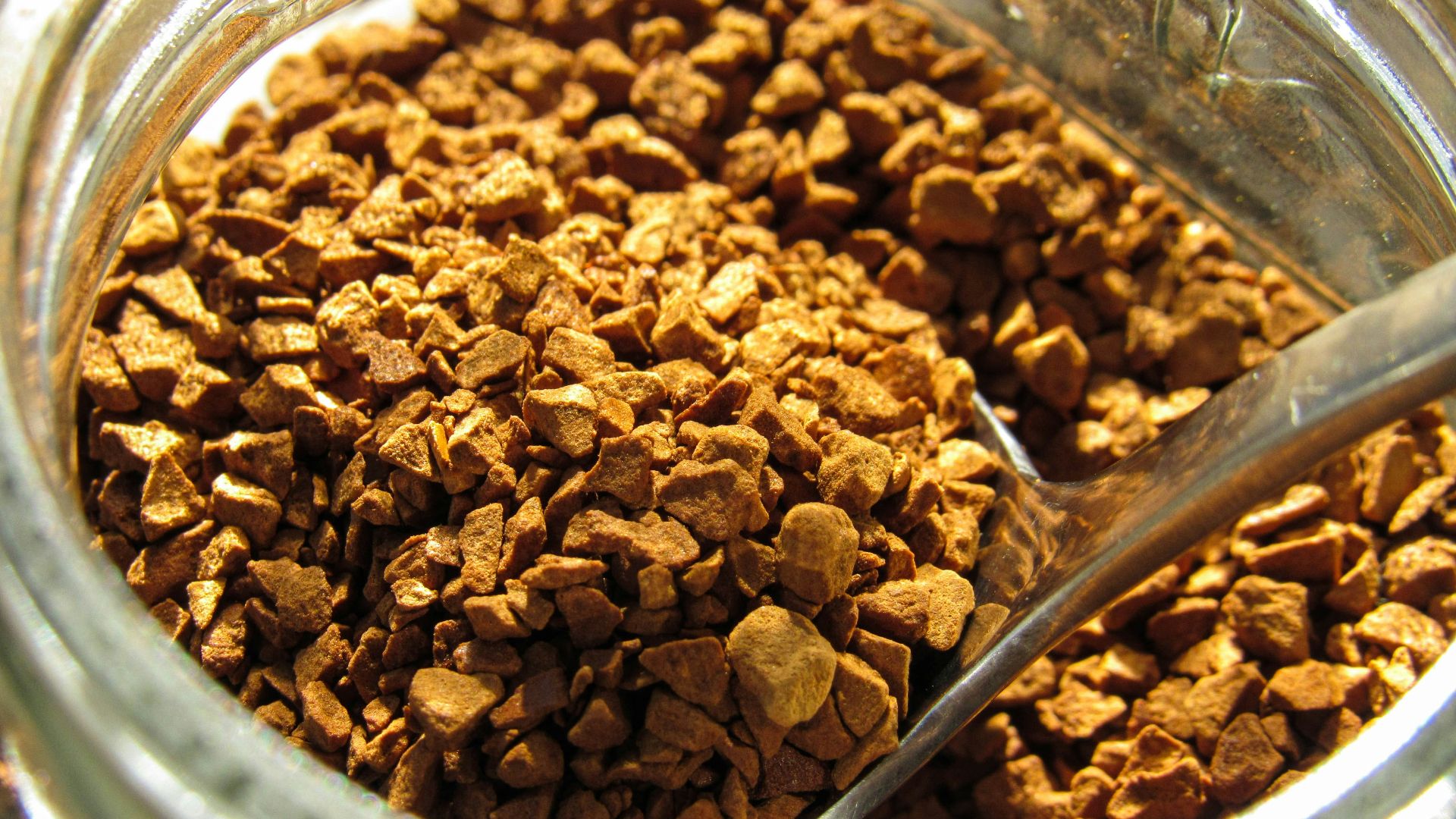
The moment someone offers you instant coffee, your face might betray a flicker of horror. This reaction isn't just snobbery. Instant coffee fundamentally differs from fresh brews because it's made from dried, pre-brewed coffee that's lost its freshly extracted aromas during processing.
2. Own Multiple Brewing Devices At Home
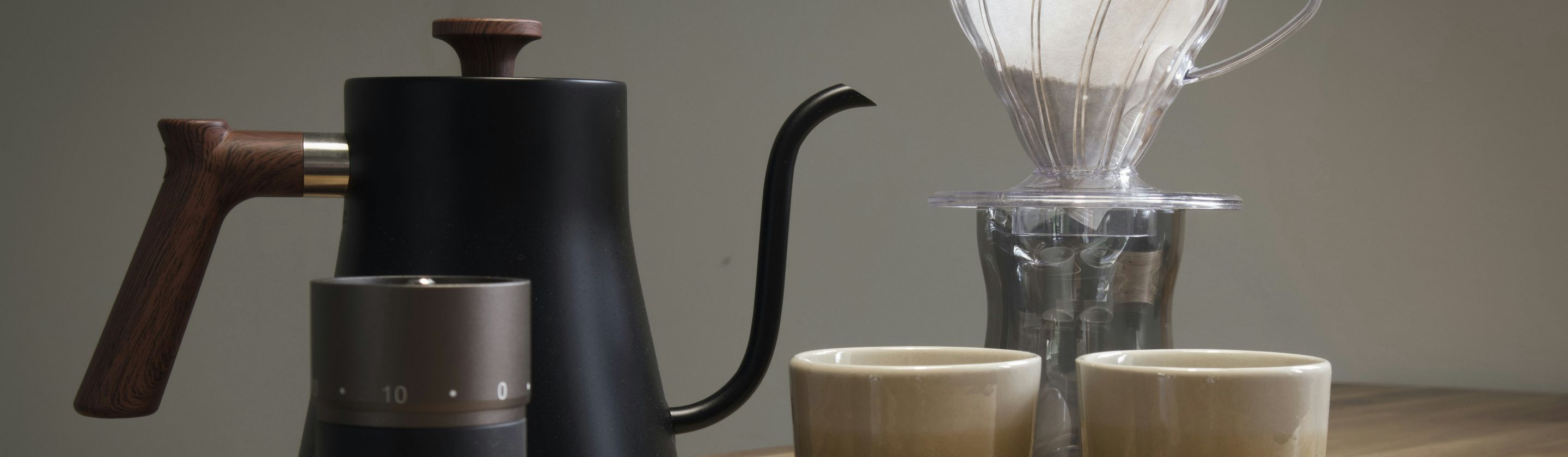
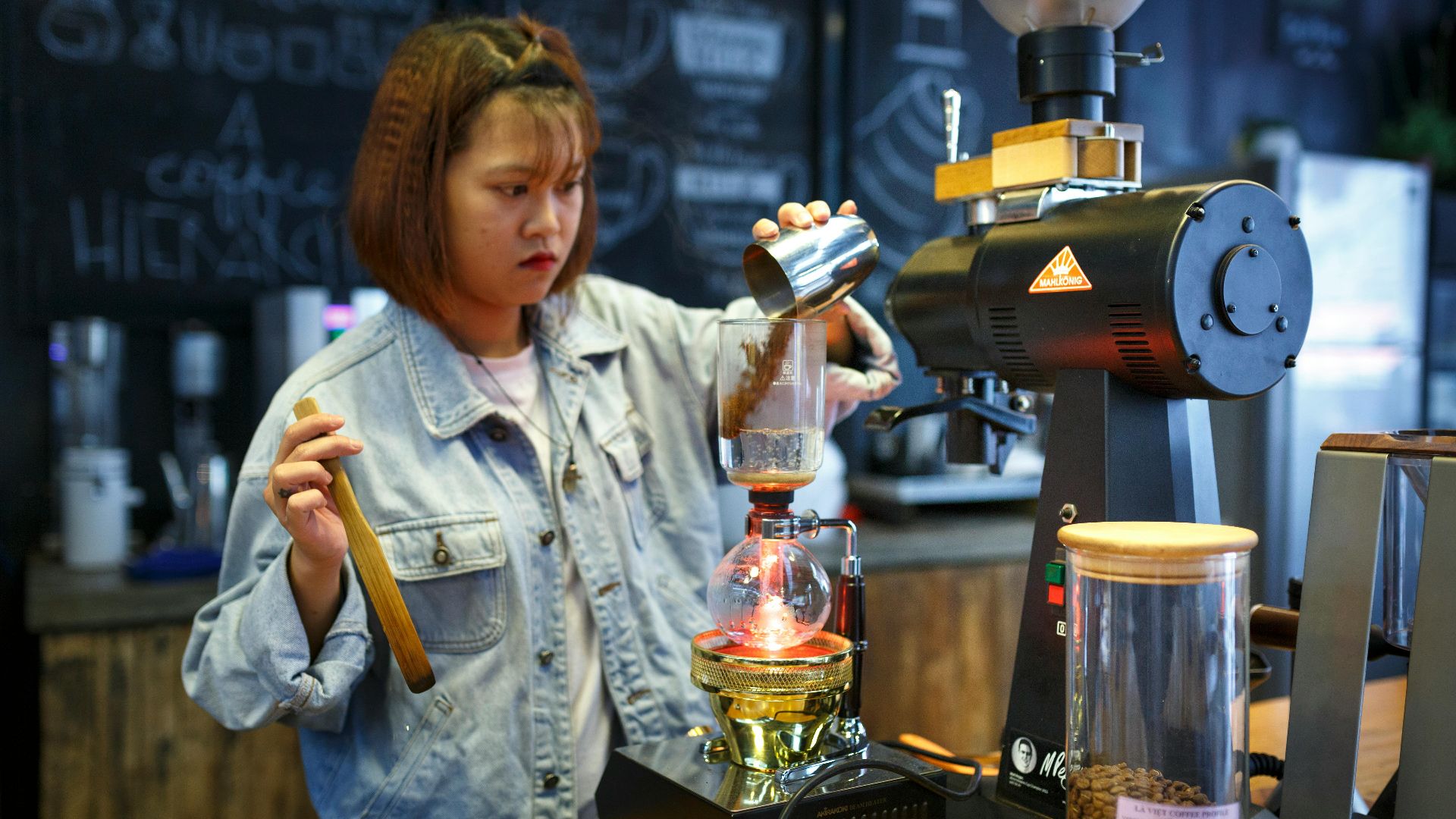
Your kitchen counter resembles a coffee laboratory, cluttered with pour-over cones, French presses, and perhaps an espresso machine. Each device extracts coffee differently, affecting both body and flavor clarity in ways that genuinely matter to the final cup.
3. Correct Others On Coffee Terminology
Nothing triggers your inner pedant quite like hearing someone order an "expresso" or describe any strong coffee as espresso. Coffee terms like espresso, latte, and cappuccino have defined meanings rooted in preparation methods and milk ratios that distinguish these drinks from one another.

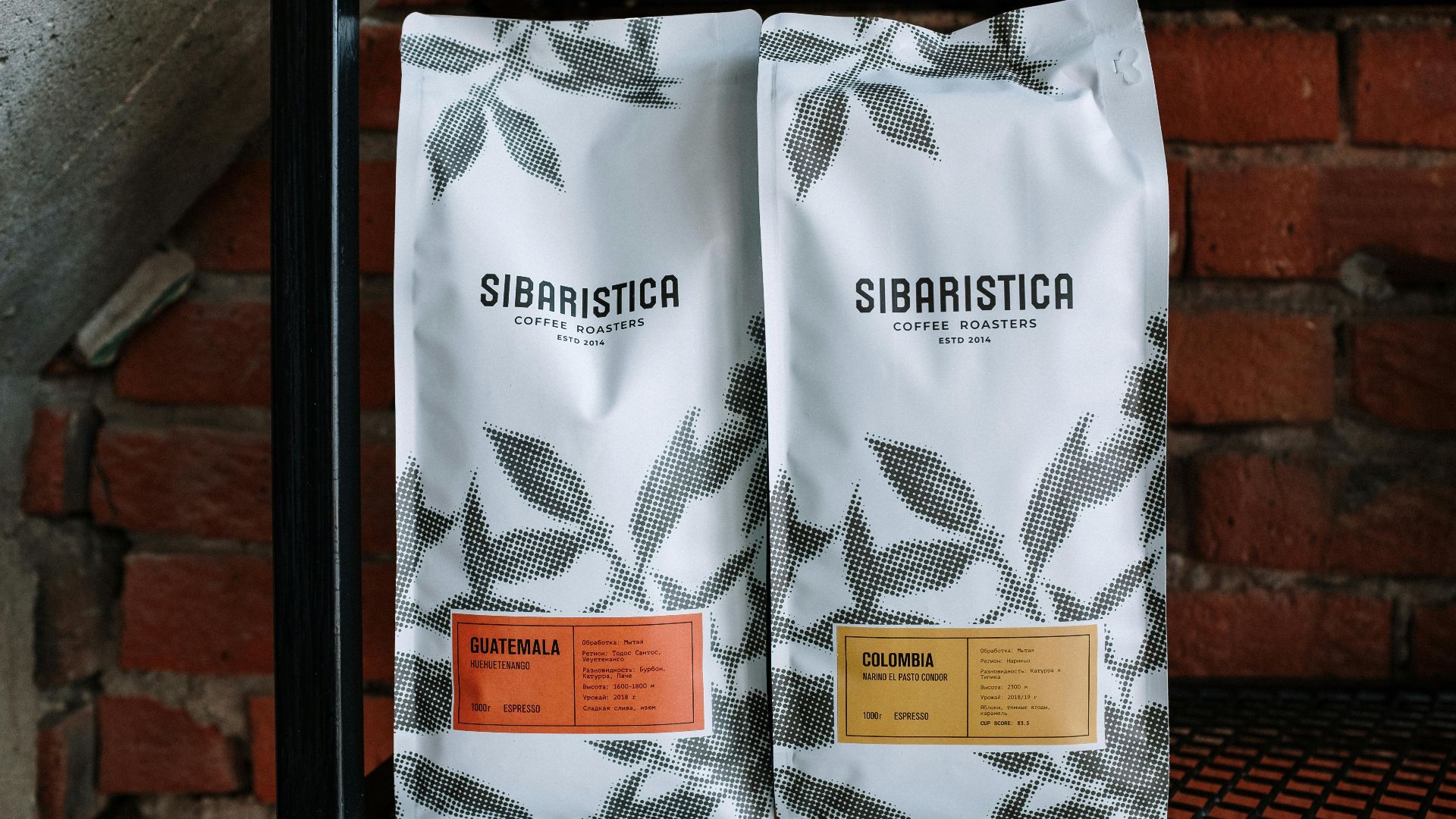
4. Only Buy Single-Origin Beans
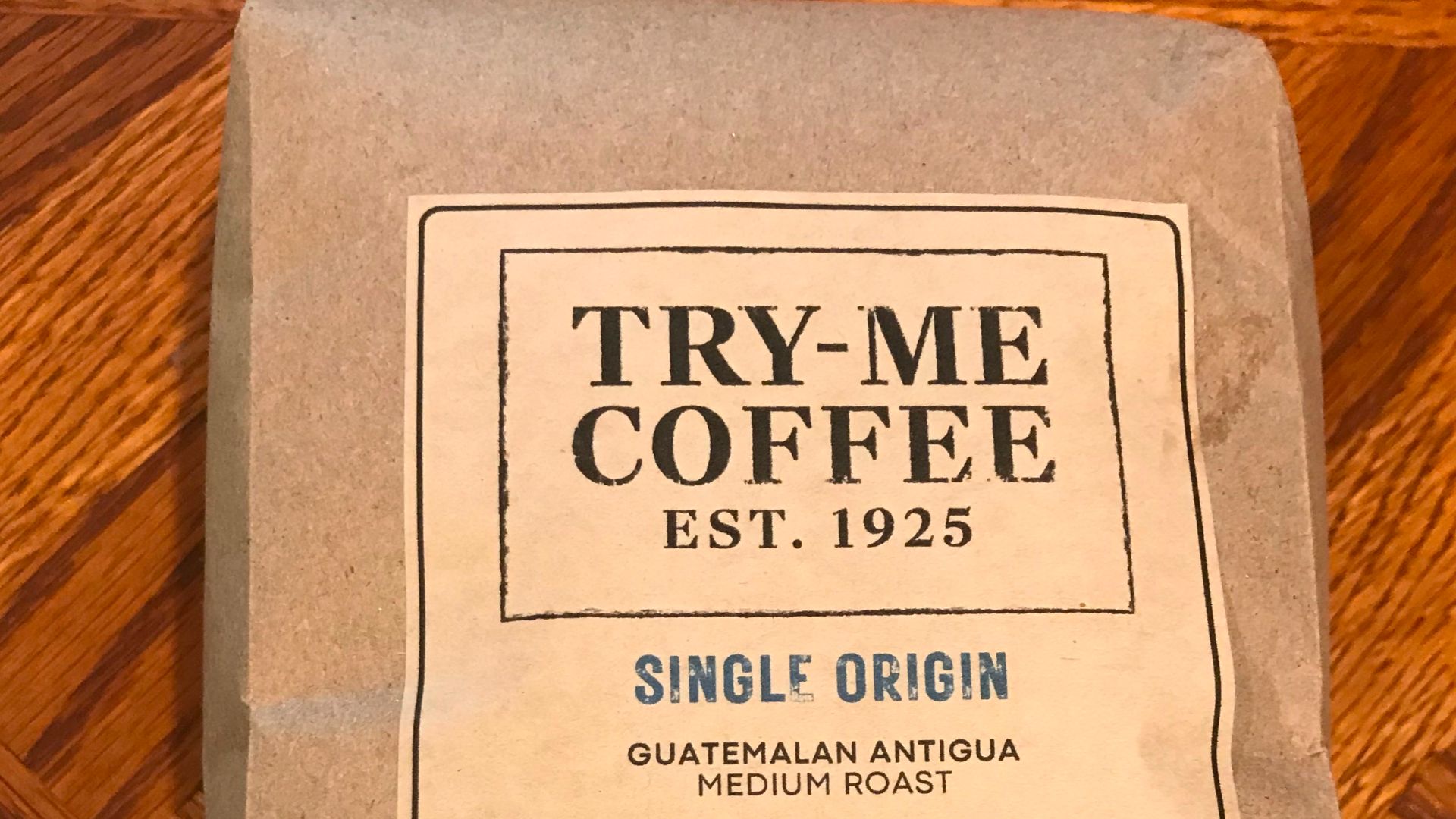
Blends leave you cold because you're chasing transparency and terroir. Single-origin coffee is a result of one specific region or farm, allowing traceability that reveals how soil composition and climate directly affect flavor profiles in measurable ways. Origin labeling is a geographical fact translated into taste.
 Infrogmation of New Orleans on Wikimedia
5. Grind Beans Fresh Before Every Brew
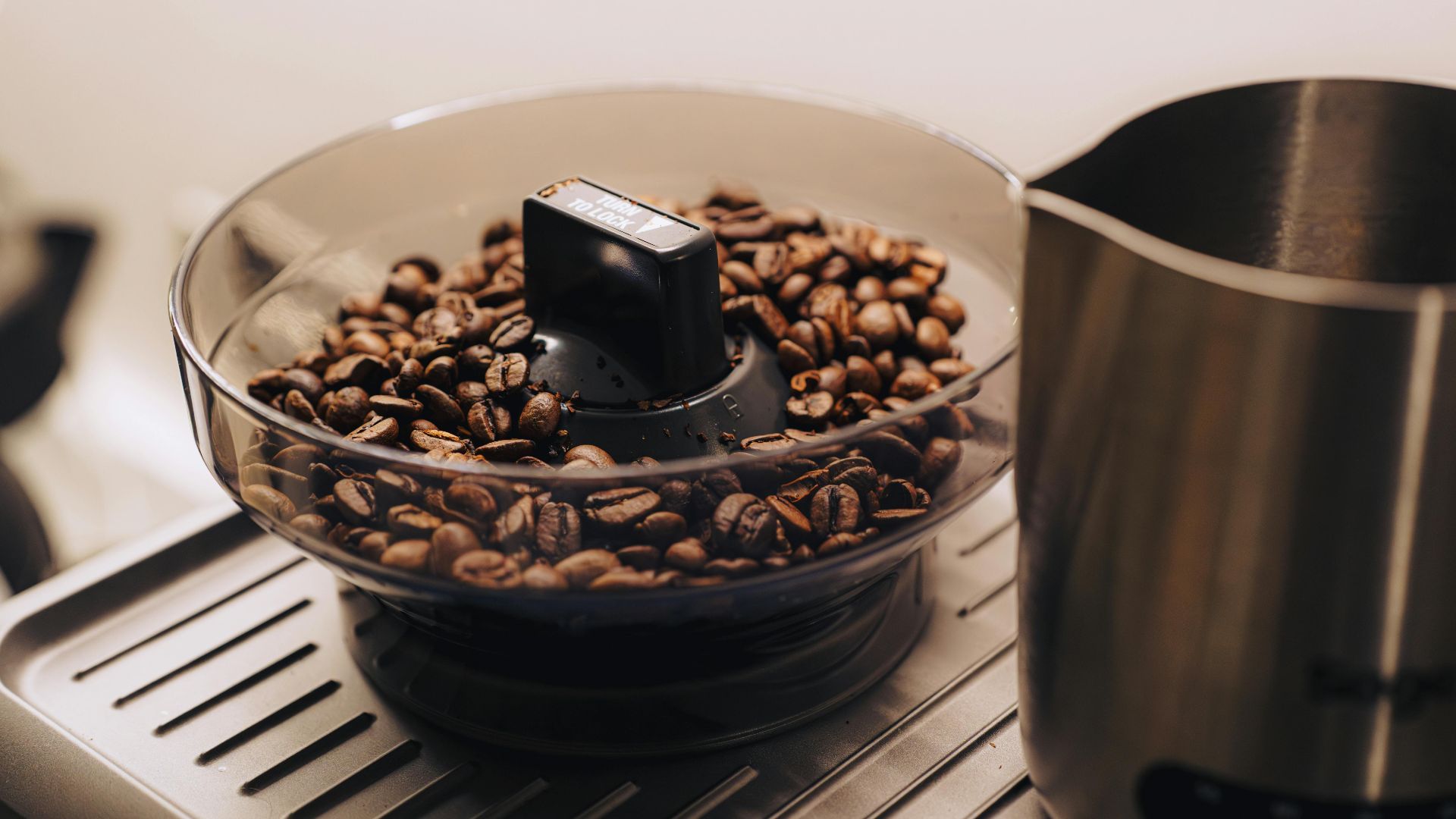
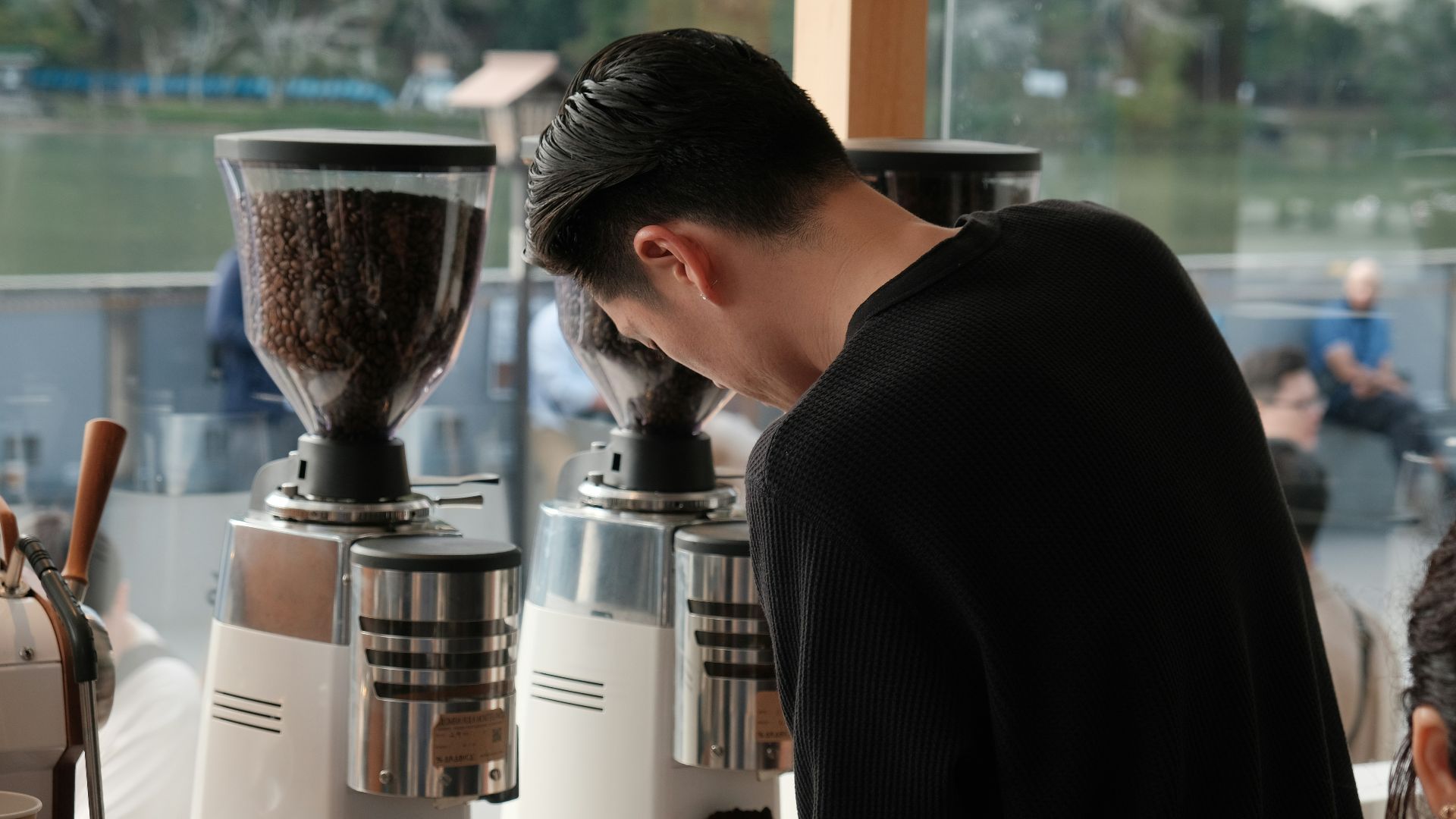
Pre-ground coffee might as well be stale dust in your estimation, and science backs this attitude. Ground coffee loses its aromatic compounds quickly after grinding, while whole beans act as protective vessels preserving flavor until the moment you need them.
6. Insist On Precise Water Temperature Control
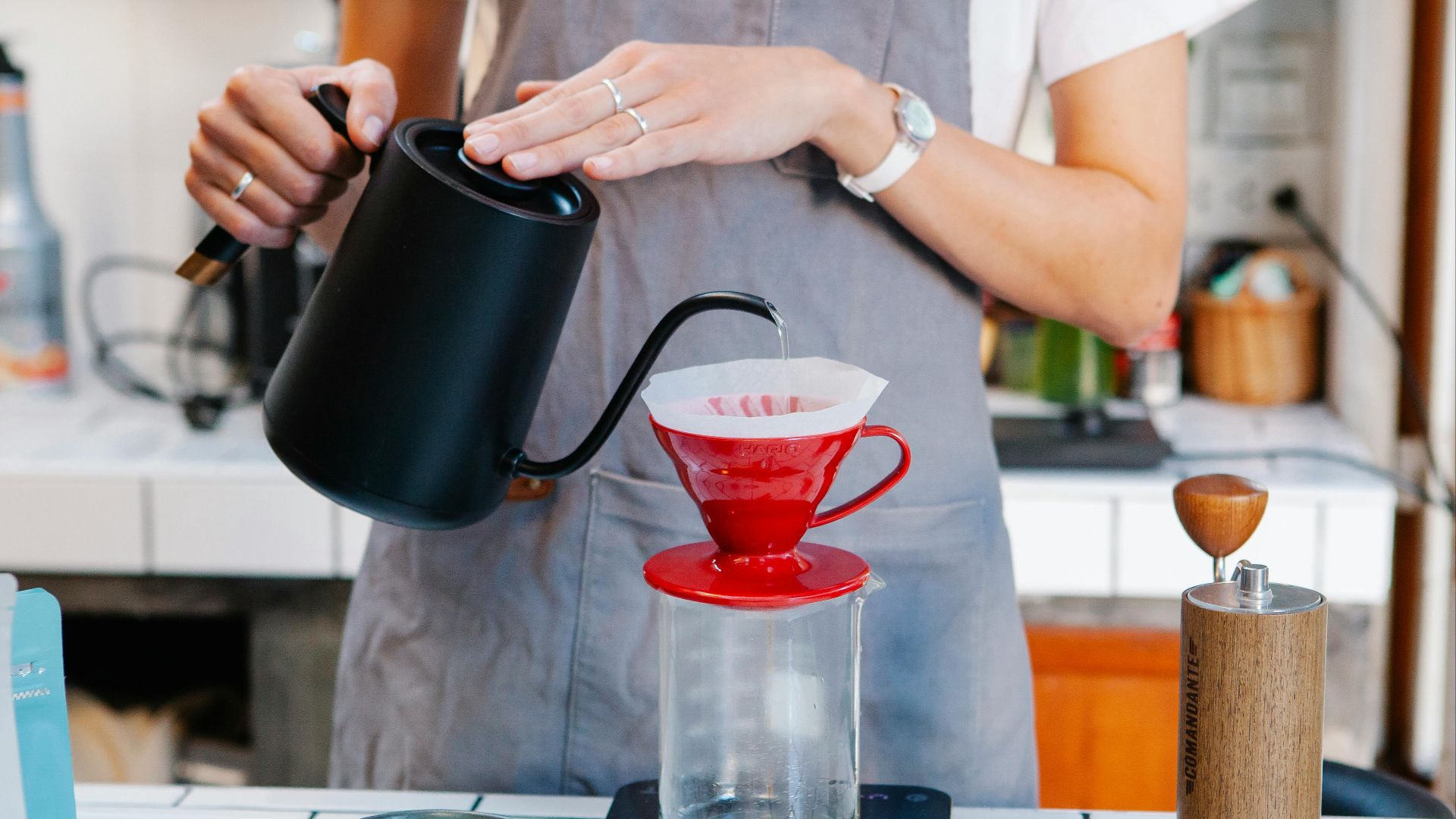
Your kettle has a digital thermometer, possibly programmable settings, because you've learned that careless heating ruins everything. Water temperature affects coffee extraction at a chemical level: excessively hot water strips out bitter compounds, while insufficiently heated water leaves desirable flavors locked inside the grounds.
7. Scoff At Flavored Syrups Or Creamers
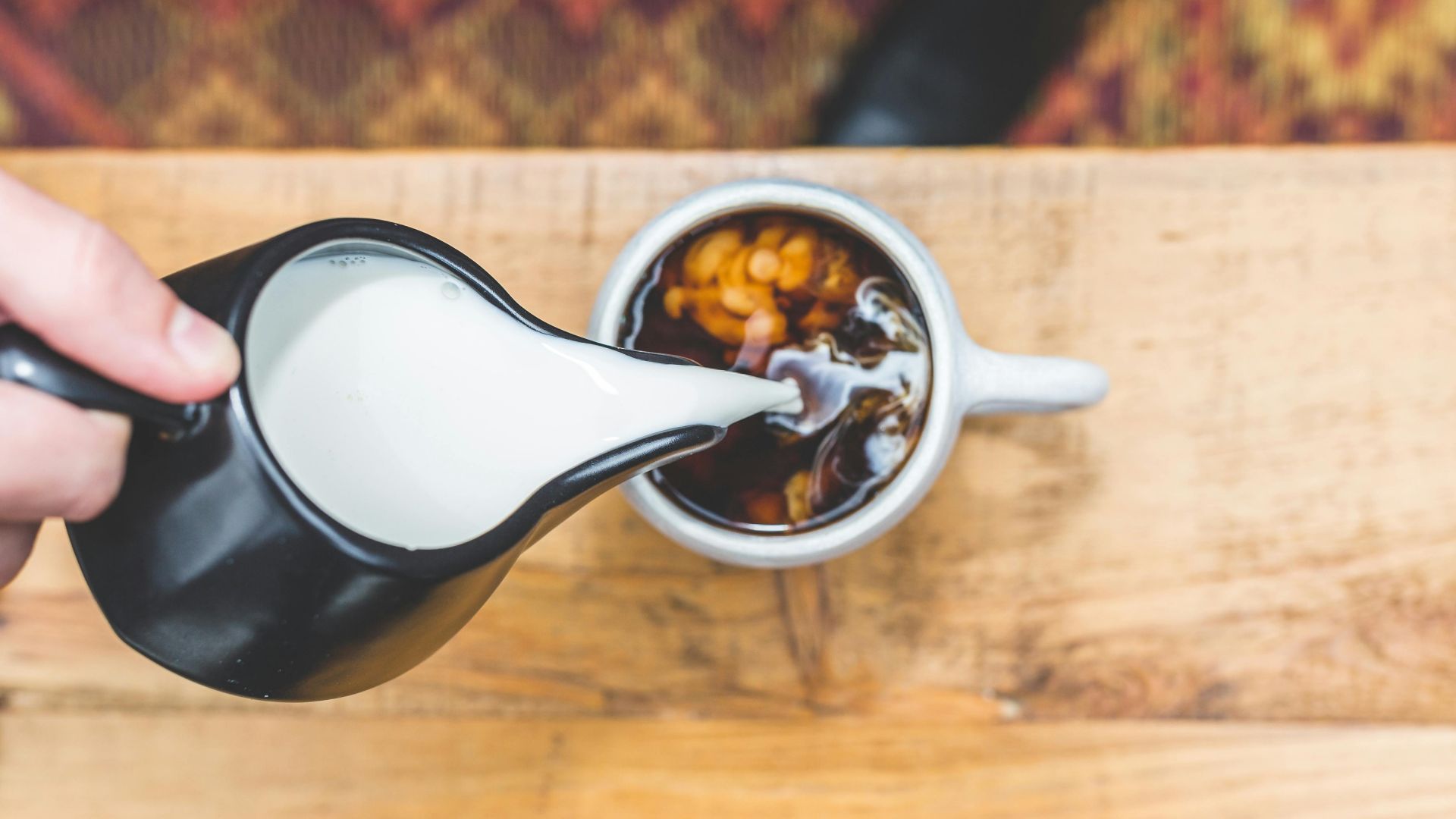
Watching someone pump hazelnut syrup into specialty coffee feels like witnessing culinary vandalism. Flavored syrups fundamentally alter the natural taste of coffee. Additionally, commercial creamers introduce added sweeteners that further obscure the bean's character.
8. Can Taste And Describe Subtle Flavor Notes
When you sip coffee, you're not just drinking caffeine but analyzing hundreds of aromatic compounds that create layers of flavor. Flavor notes derive from both origin characteristics and roast level, giving coffee its cherry, chocolate, citrus, or floral qualities.

9. Seek Out Micro-Roasters And Rare Blends
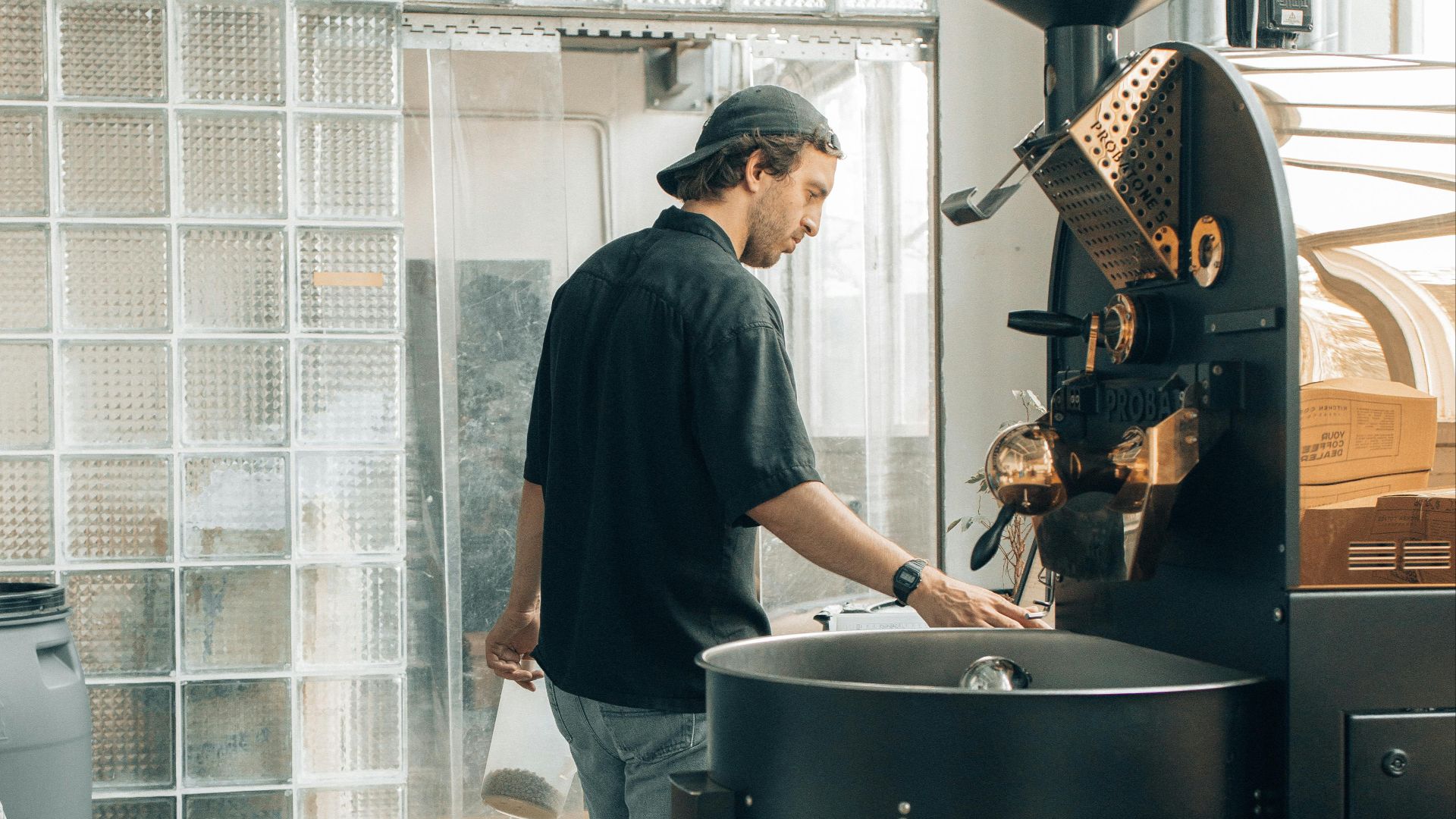
Big commercial roasters bore you because you're hunting for something exceptional. Micro-roasters produce coffee in small batches, allowing closer control over roasting profiles that larger operations can't match when processing thousands of pounds daily. Rare beans appear in limited quantities.
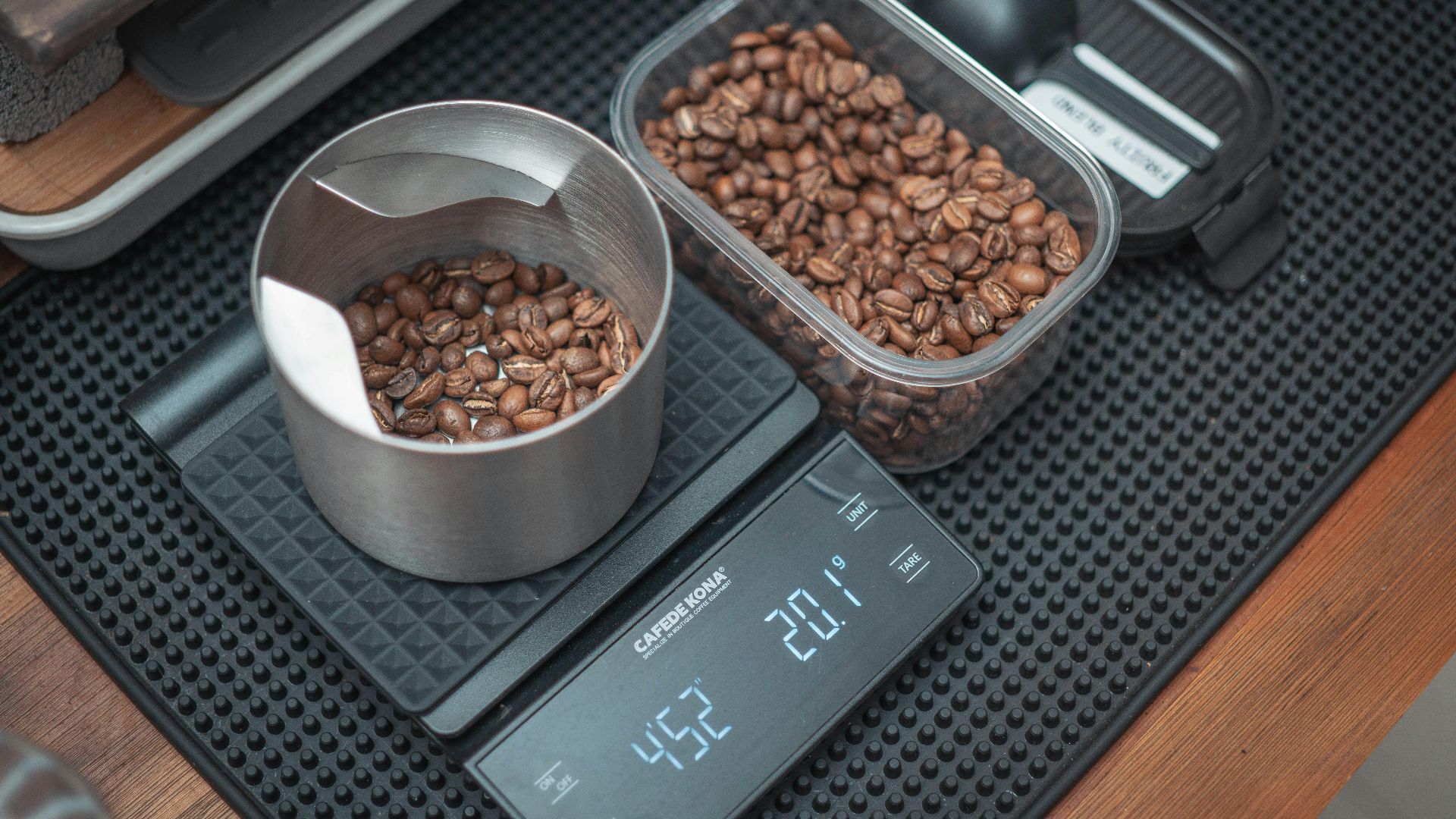
10. Measure Coffee With A Digital Scale
Eyeballing coffee amounts strikes you as barbaric when precision tools exist. Brewing ratios, typically expressed as grams of coffee per grams of water, affect strength and balance in ways that scoops simply cannot replicate accurately since scoops vary in size.
Well, your coffee pickiness actually pays off. Here's how.
1. Refined Palate Development
Tasting specialty coffee trains your tongue to detect subtle notes like fruit, spice, or floral characteristics that most people overlook entirely. Coffee cupping practices—the professional tasting methodology—encourage mindful evaluation of aroma and flavor, turning drinking into active sensory engagement.

2. Superior Taste Experience
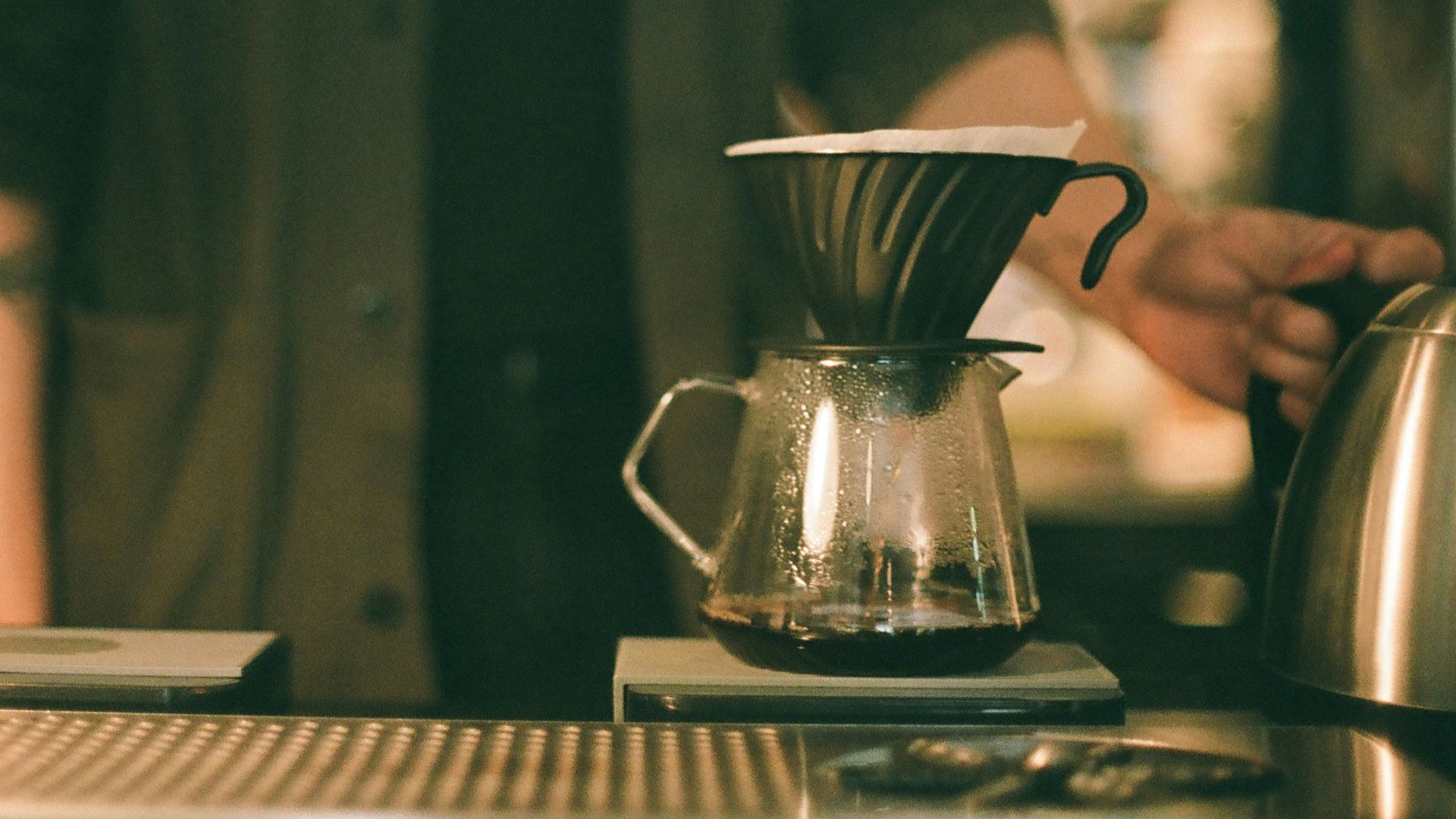
So, the difference between specialty and commercial coffee is objectively measurable quality. Brewing methods like pour-over highlight delicate notes that aggressive drip machines destroy, extracting clarity and complexity rather than just caffeine and bitterness. Single-origin coffees showcase unique terroir influences.
3. Better Health Benefits
Specialty coffee often avoids excessive additives or artificial flavorings found in commercial products, meaning you're consuming closer to pure coffee without chemical interference. Freshly ground beans reduce your exposure to stale oils that form when pre-ground coffee sits oxidizing in bags.
4. Supports Ethical Farming
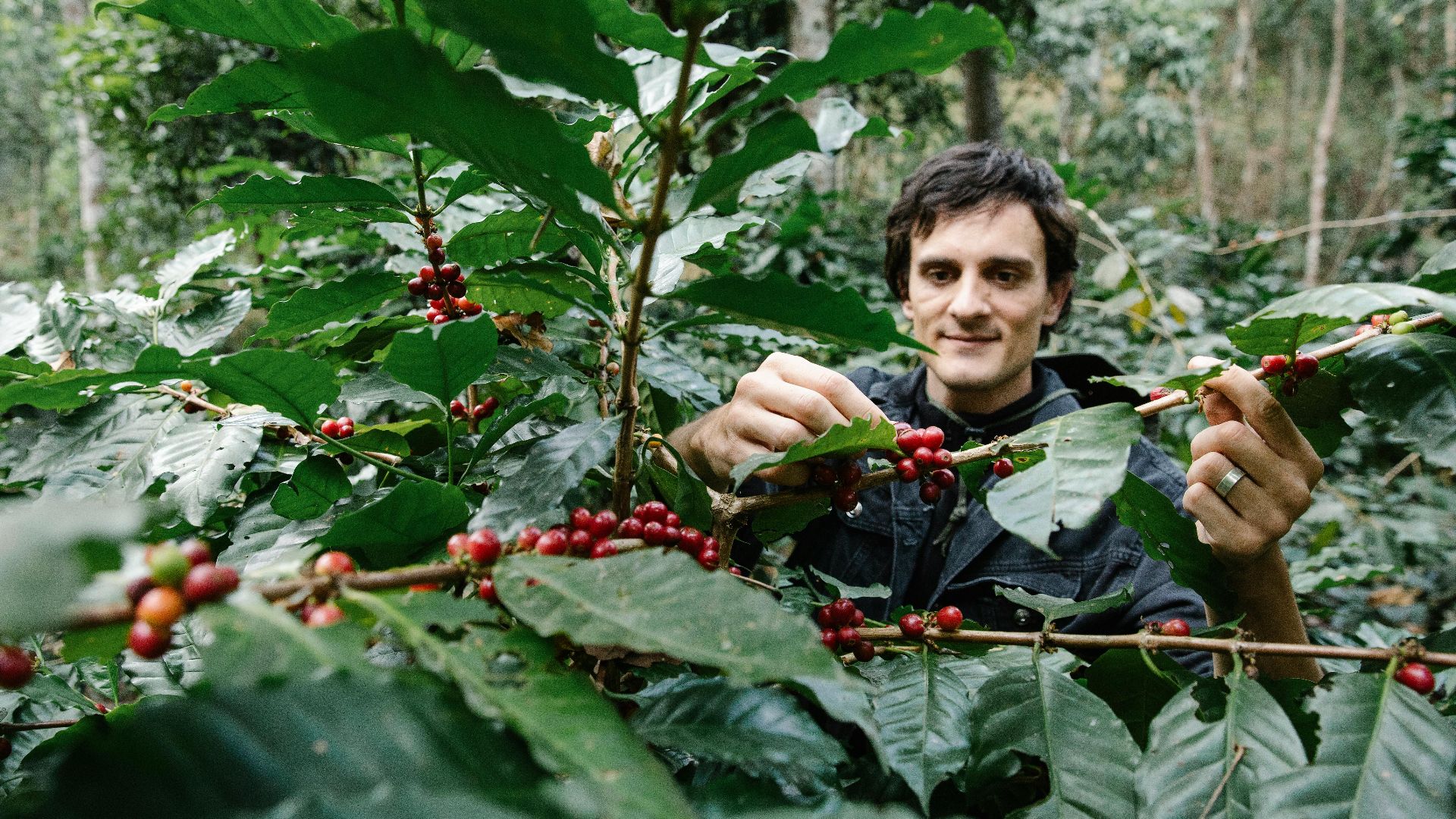
Specialty coffee often comes from fair trade cooperatives where farmers receive guaranteed minimum prices rather than fluctuating commodity rates. Direct trade relationships, where roasters buy straight from farmers, ensure producers receive better compensation by eliminating middlemen who typically capture much of the profit.
5. Morning Ritual Joy
Brewing coffee mindfully creates a calming daily routine that provides psychological anchoring before chaos begins. The aroma of fresh coffee signals the start of the day, triggering positive associations and preparing your mind for productivity through sensory ritual rather than just chemical stimulation.

6. Discovery Of New Flavors
Different regions produce beans with distinct taste profiles shaped by altitude, rainfall, soil composition, and local processing traditions. Processing methods like washed or natural alter flavor dramatically—washed coffees tend toward clarity and brightness while natural processing creates fruity, wine-like characteristics.
7. Home Brewing Mastery
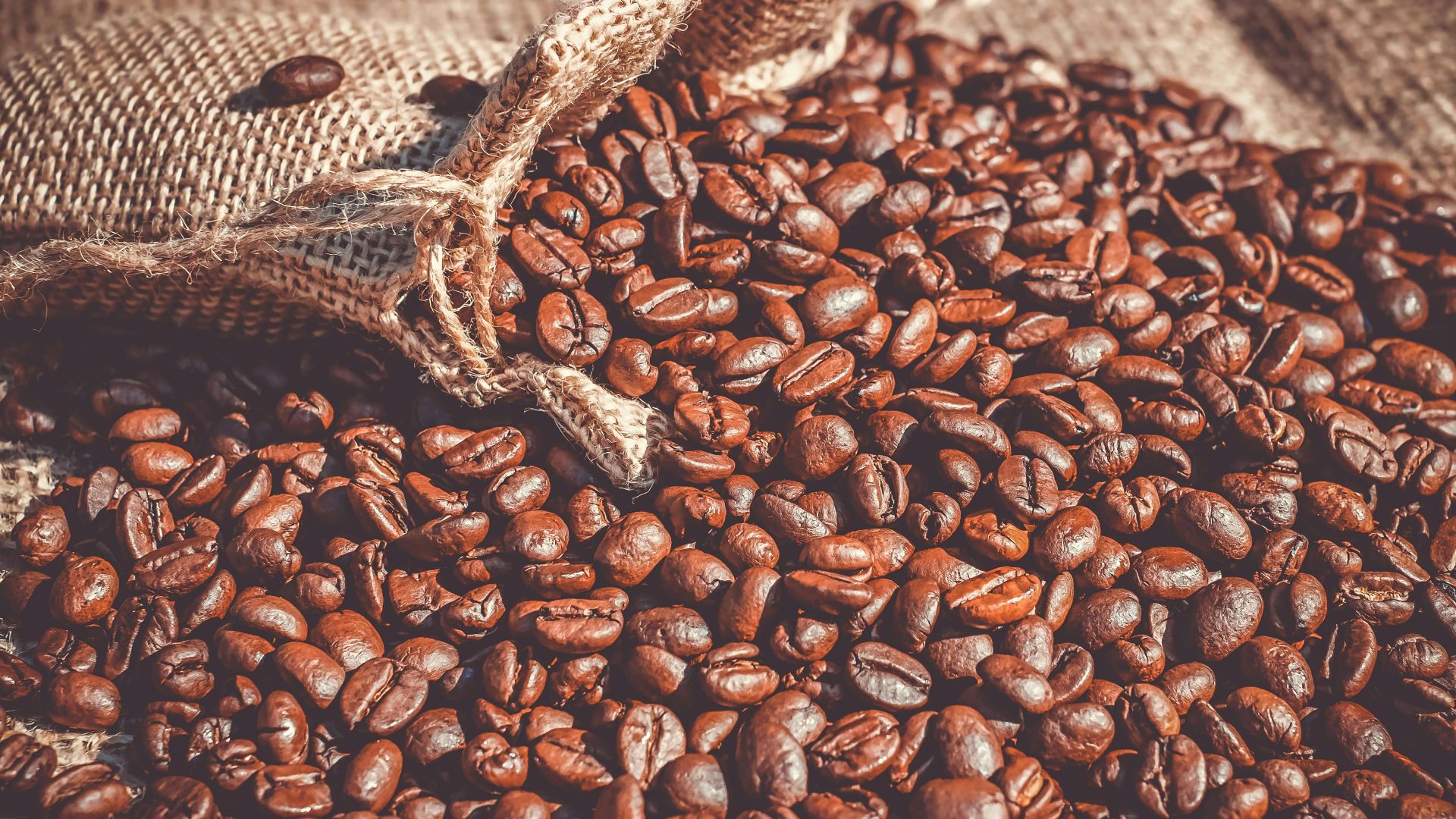
Learning brewing techniques improves consistency and quality, converting coffee from a random outcome into a reliable achievement you control. Equipment like burr grinders and digital scales enhances precision and eliminates variables that make one cup excellent and the next disappointing.
8. Avoids Mediocre Coffee
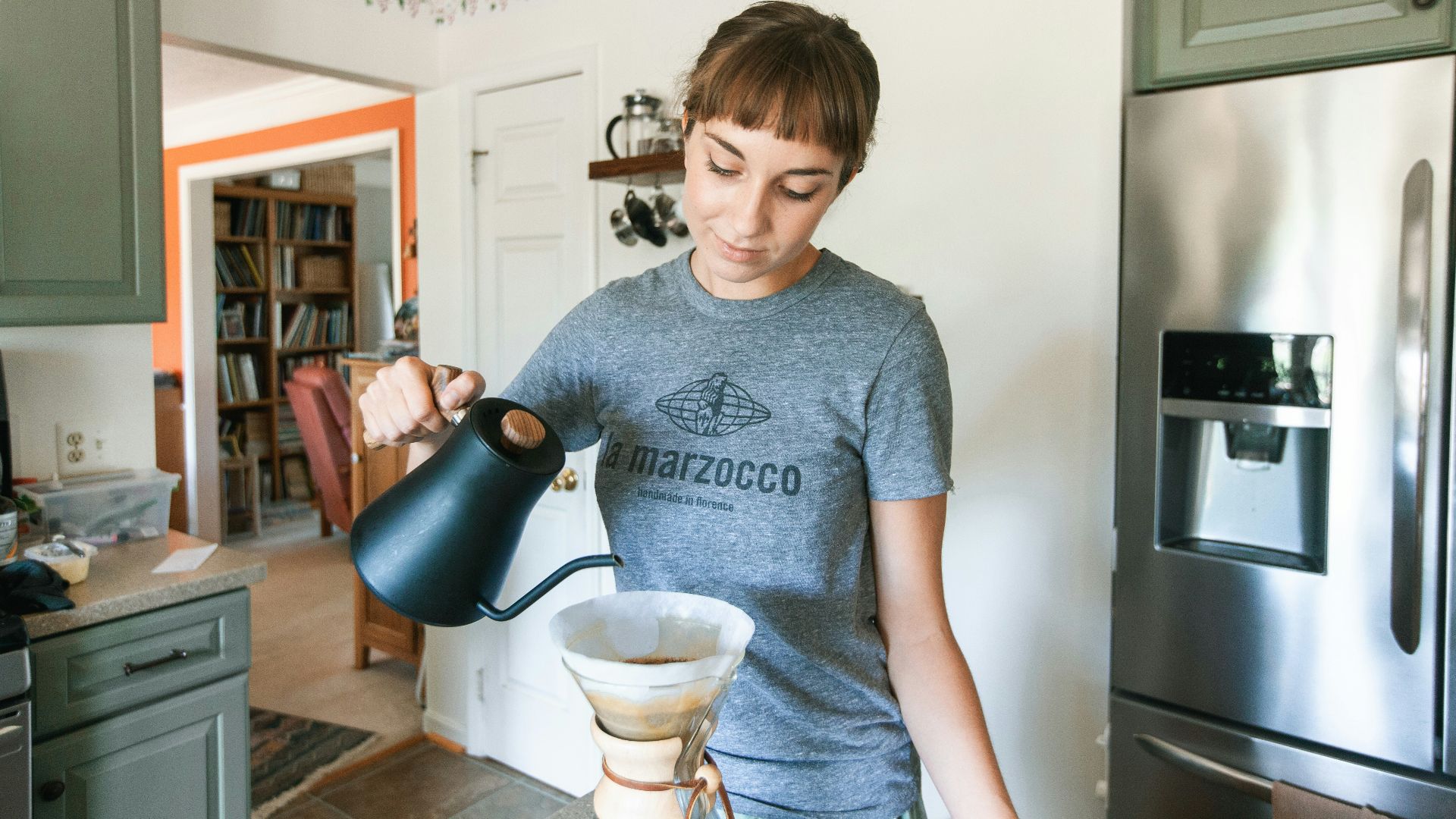
Specialty beans are roasted with care to avoid bitterness, typically stopping before the oils break down into acrid compounds that characterize over-roasted commercial coffee. Coffee snobs recognize stale or poorly brewed cups instantly, sensing oxidation, under-extraction, or low-quality beans.
9. Social Connection Boost
Coffee tastings bring enthusiasts together to share experiences. Specialty cafés foster community and conversation, becoming third places where people gather not just for beverages but for belonging and connection with like-minded individuals. Discussing flavor notes sparks engaging dialogue.

10. Environmental Awareness
Specialty roasters often prioritize eco-friendly packaging, using compostable bags and recyclable materials rather than the multi-layer plastic that protects commercial coffee through long distribution chains. Sustainable farming reduces deforestation and soil depletion, preserving ecosystems while producing coffee.