Flying Solo at the Table
Eating alone might seem like a simple act (or even a lonely one), but it can shape your behavior, preferences, and habits in more ways than you think. Research consistently shows that the social context of a meal has a surprisingly strong influence on what you order, how much you consume, and even how satisfied you feel afterward. Whether you're grabbing a weeknight dinner by yourself or regularly dining solo, understanding these patterns can help you make more intentional choices and actually enjoy the experience. Here's how eating for one changes your food choices, along with the perks that come with it.
1. You're More Likely to Keep It Simple
When dining alone, people tend to gravitate toward low-effort meals that require minimal preparation or decision-making. Without others at the table to factor in, there's little motivation to cook something elaborate or order from a multi-course menu. Single diners frequently default to familiar, convenient options simply because there's no social occasion demanding anything more impressive.
2. Portion Sizes Often Shrink
Cooking or ordering for one naturally produces smaller quantities, which means you're less likely to overeat purely out of availability. Many people find that without the abundance of a shared meal in front of them, they stop eating when they're actually full rather than continuing out of habit. Solo meals can unintentionally become a built-in form of portion control.
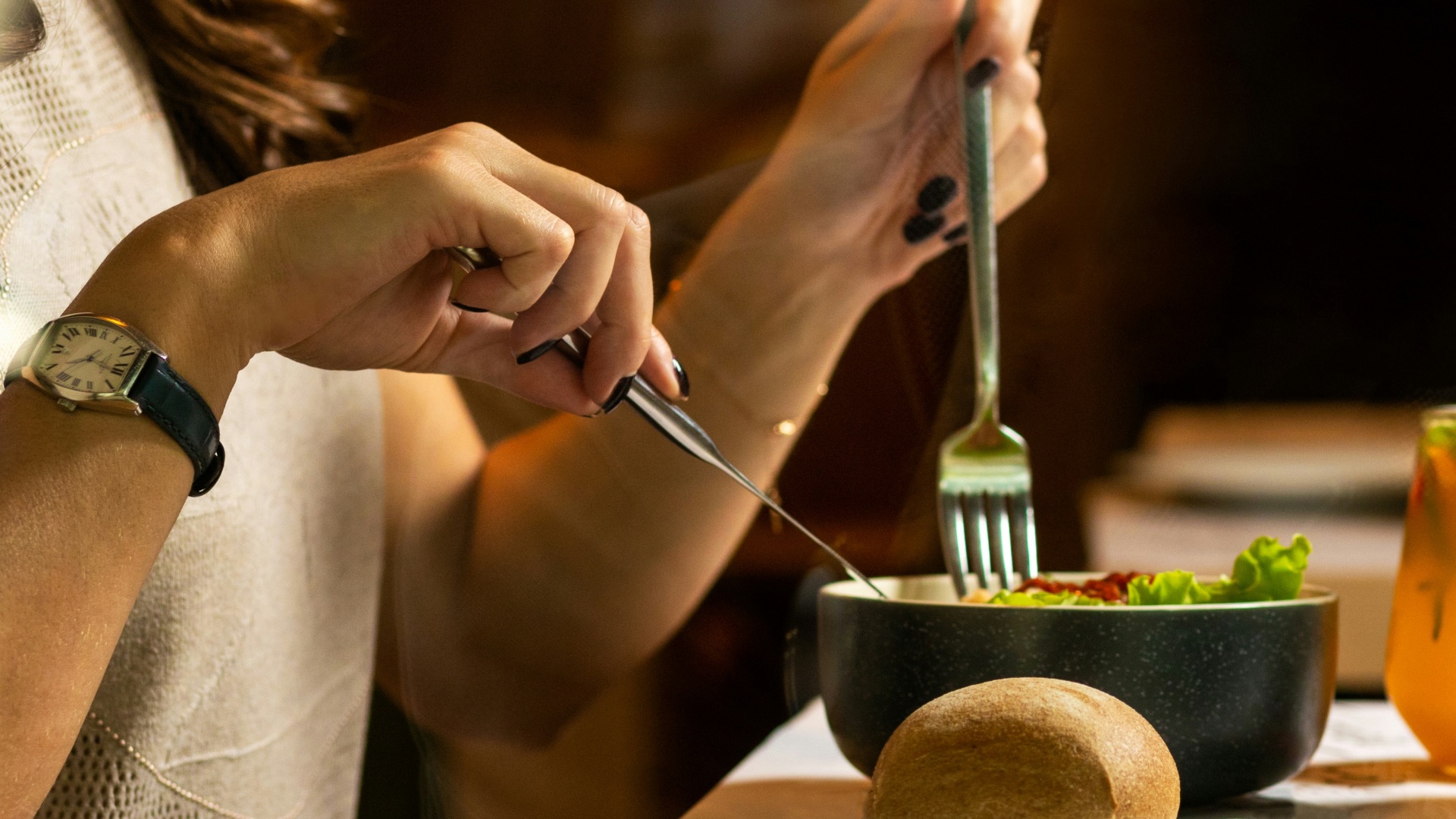 Farhad Ibrahimzade on Unsplash
3. Healthier Choices Come More Naturally
When you're eating alone, there's no social pressure to match what others are ordering or to opt for the indulgent option just because everyone else at the table is. Group dining tends to encourage mirroring behavior, where people unconsciously follow the lead of those around them, and that often means more calories, more courses, and more justification for skipping the salad. Flying solo removes that dynamic entirely, making it easier to eat in a way that actually reflects what your body wants.
4. You Might Eat Faster Than Usual
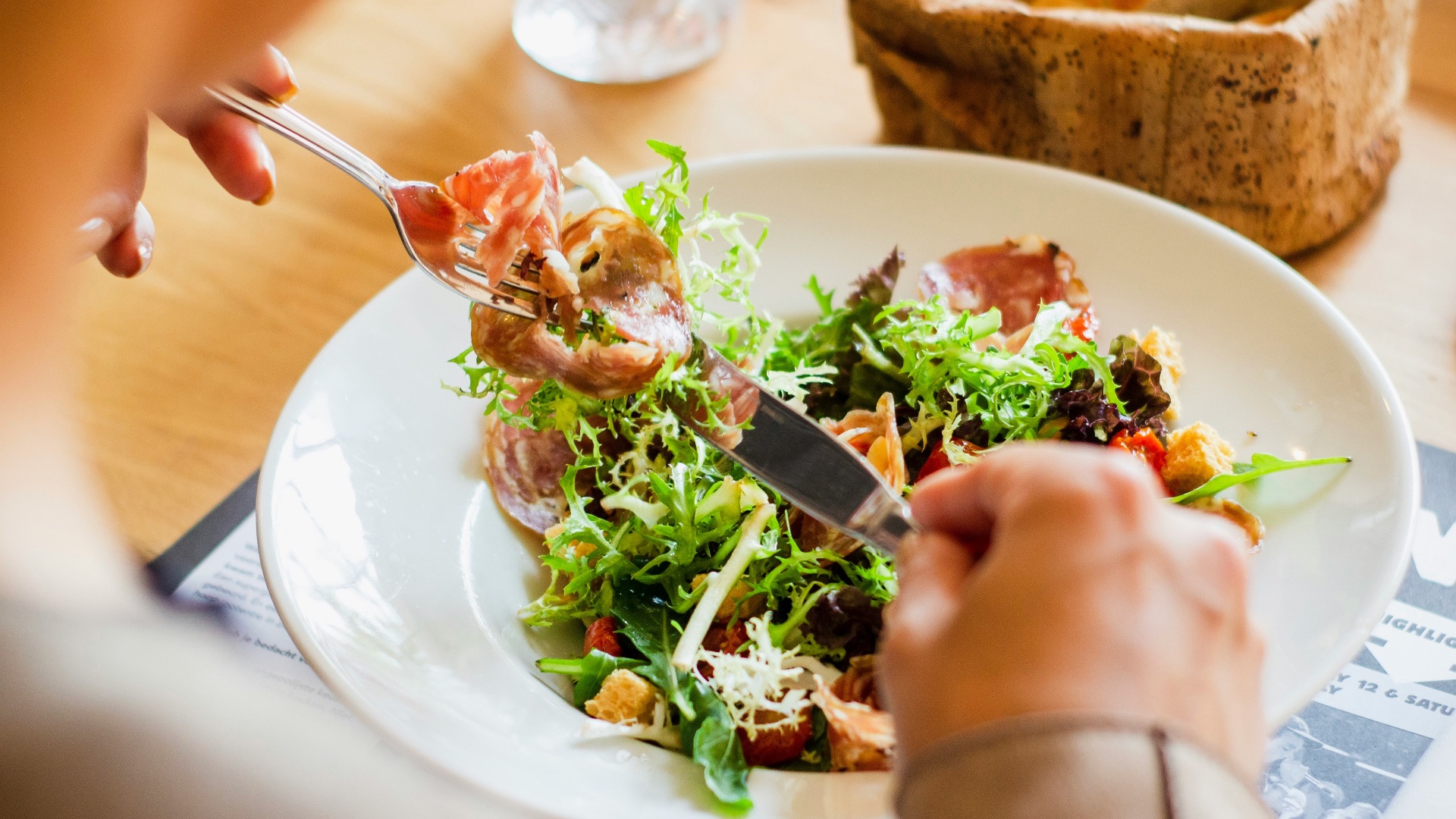
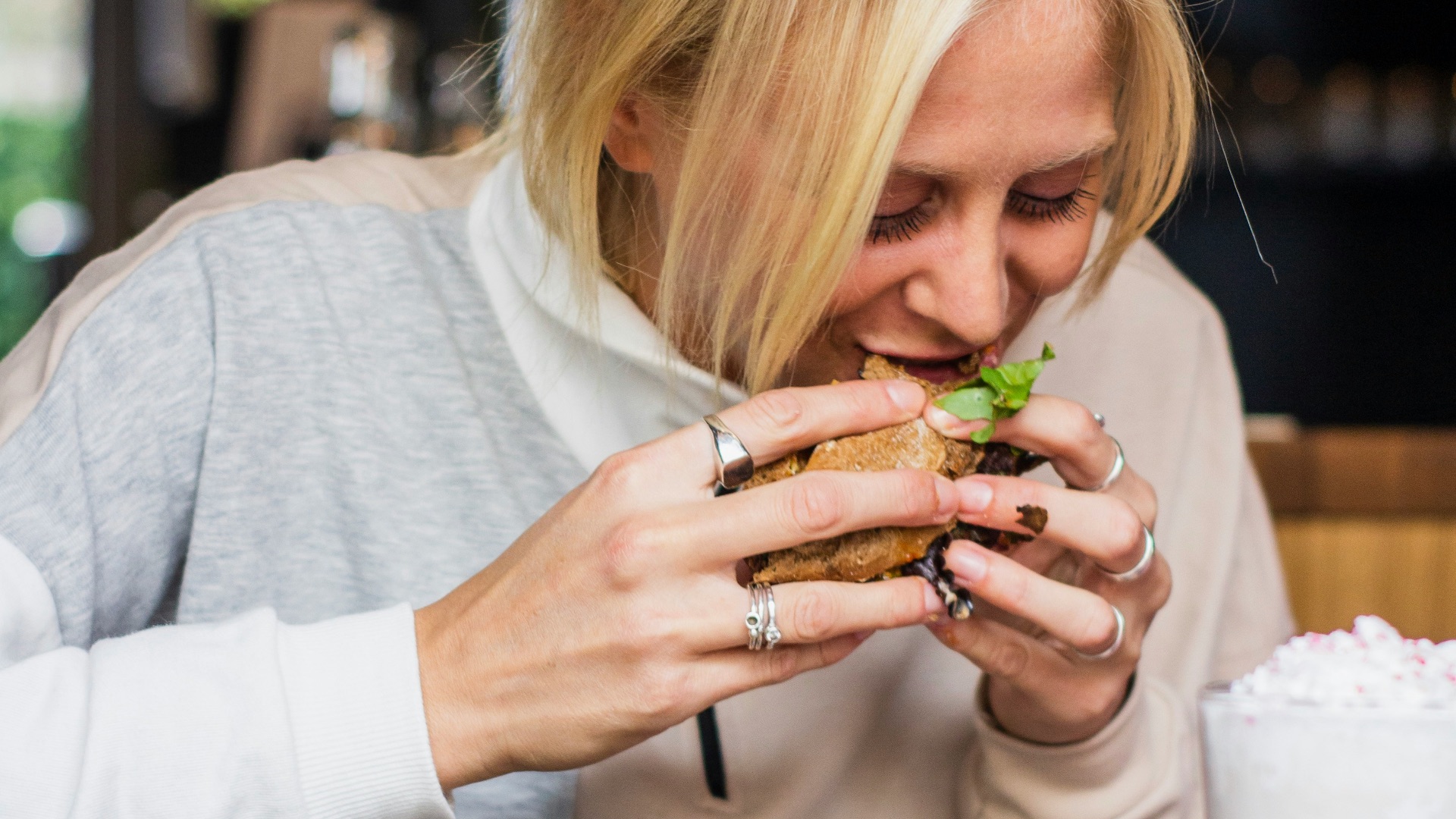
Social meals have a natural rhythm dictated by conversation, which slows down your eating pace without you even realizing it. Alone, there's nothing to interrupt the act of eating, so you're likely to finish your food significantly faster. Eating quickly doesn't give your body enough time to signal fullness, which can affect both digestion and how satisfied you feel after the meal.
5. Screen Time Becomes a Mealtime Companion
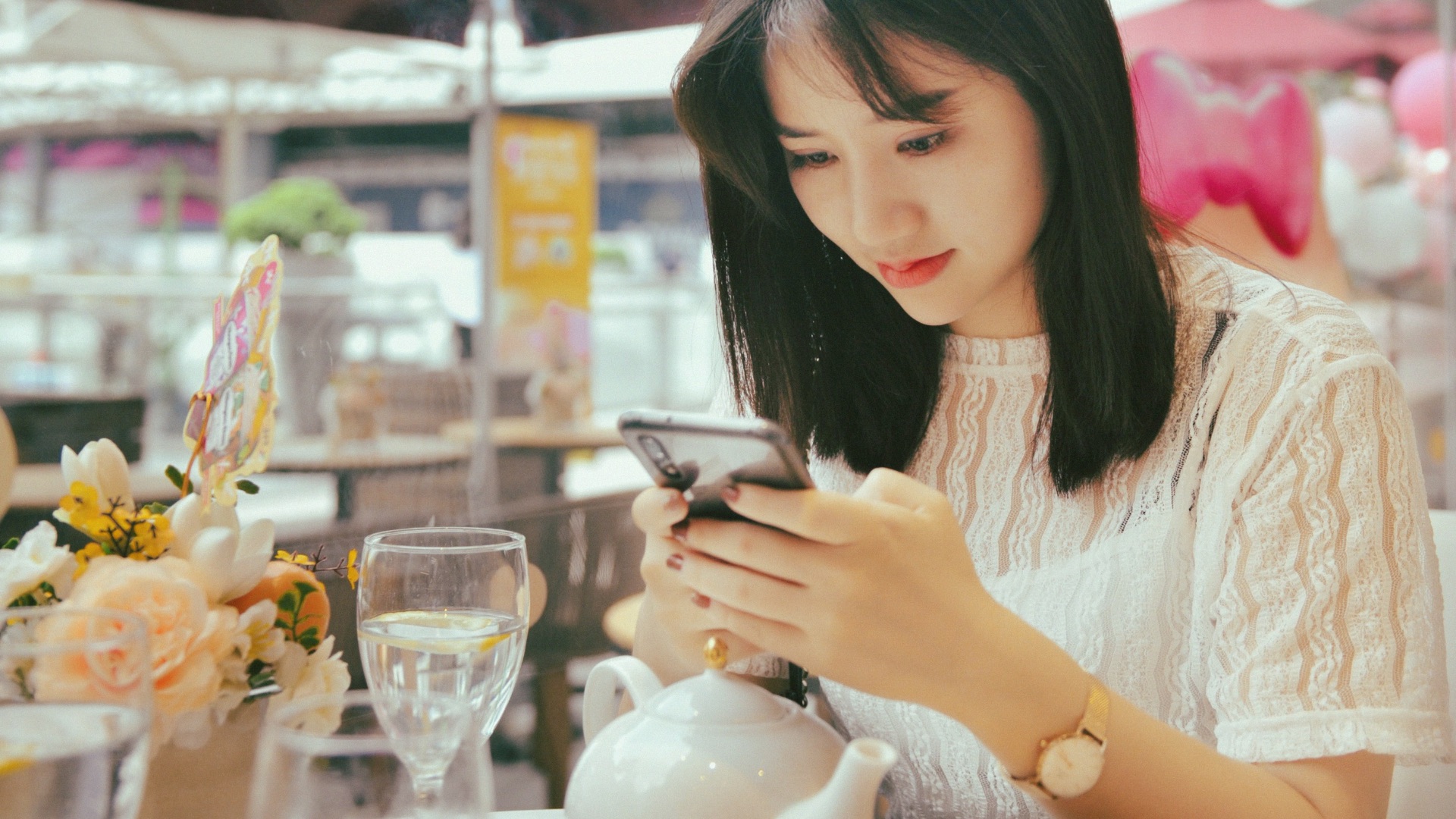
The absence of a dining companion often gets filled by a phone, tablet, or television, and this distraction directly affects what and how much you eat. Distracted eating has been linked to reduced awareness of portion sizes and a tendency to continue eating past the point of fullness. You're also less likely to savor what's on your plate when most of your attention is directed at a screen.
6. Budget-Friendly Choices Take Priority
Dining out alone tends to prompt more cost-conscious decision-making, since there's no shared bill to dilute individual spending. Solo diners are more likely to skip appetizers, desserts, or premium menu options when they're the only person footing the entire cost. This financial awareness can actually lead to more practical and even healthier ordering habits over time.

7. You're Less Adventurous with New Foods
Trying something unfamiliar at a restaurant or in the kitchen tends to feel more worthwhile when there's someone to share the experience with. When eating alone, the risk of disliking a new dish feels less worth taking, so you're more inclined to stick with what you already know you enjoy.
8. Comfort Foods Become More Appealing
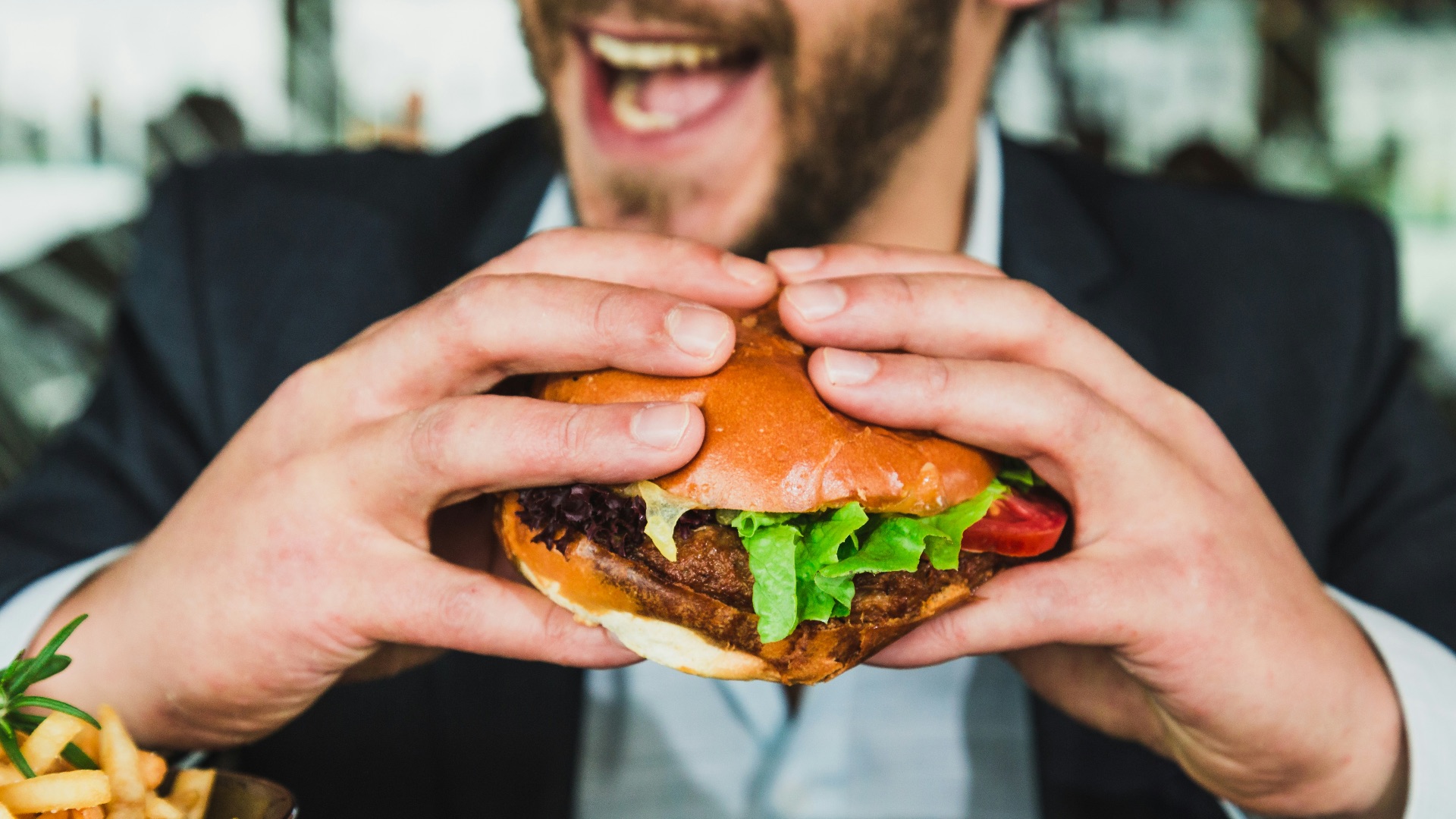
Solitary meals are more emotionally driven than social ones, and emotional states tend to pull people toward familiar, satisfying foods rather than nutritious ones. Stress, boredom, or loneliness can all increase cravings for high-fat, high-sugar, or high-salt options.
9. You're More Likely to Skip Meals
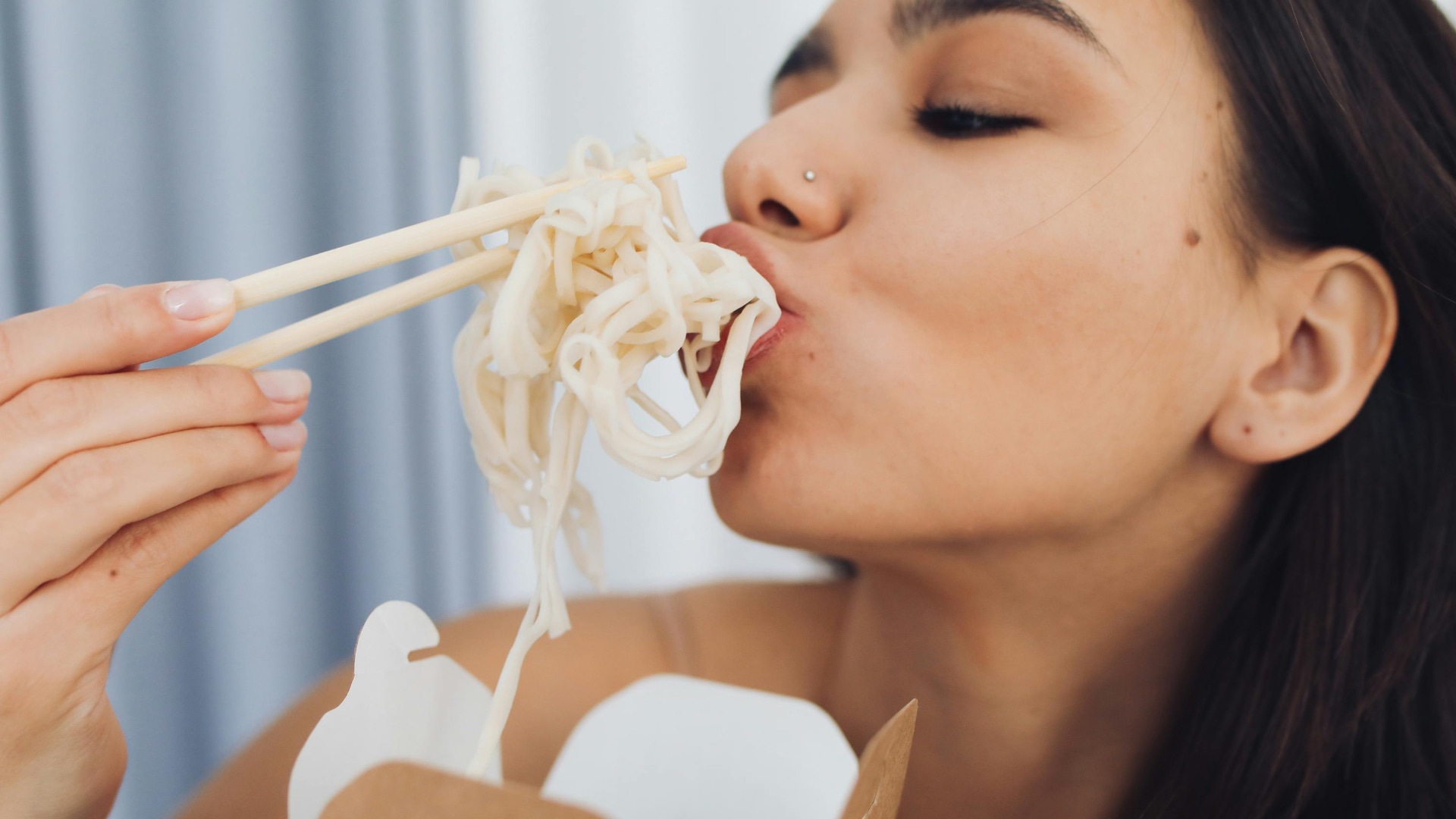
Without a set social dining time to anchor your schedule, solo meals are far easier to skip or push back indefinitely. Many solo eaters report that without anyone expecting them at the table, the motivation to prepare or seek out a full meal diminishes. This can lead to irregular eating patterns that affect energy levels, metabolism, and concentration throughout the day.
10. Grocery Shopping Habits Shift
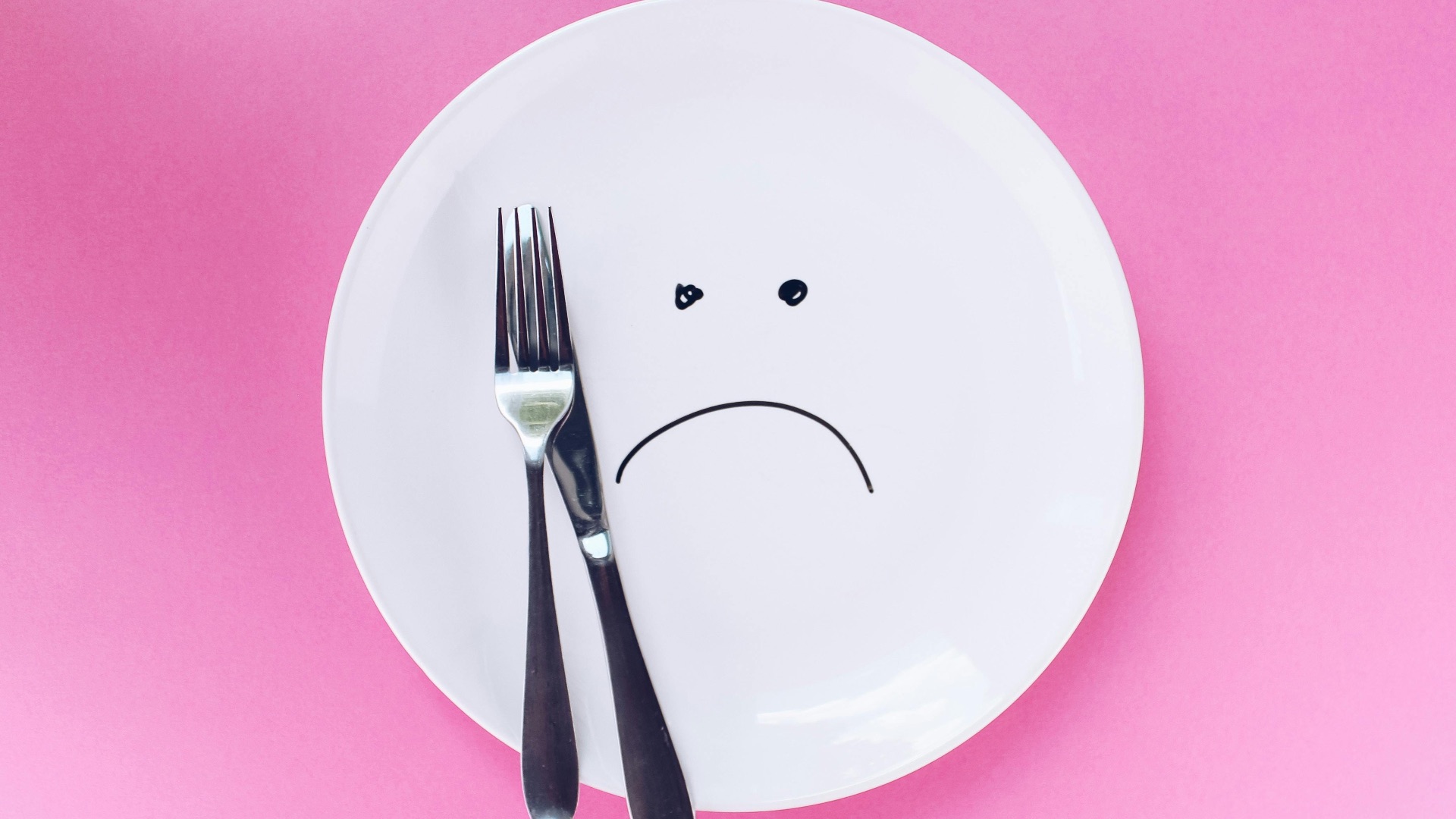
Feeding just yourself changes the way you approach the grocery store, often leading to smaller, more targeted purchases rather than stocking up on ingredients for varied meals. Bulk items and multi-serving recipes lose their appeal when you're the only one eating, which can result in a narrower and less diverse weekly shop. Over time, this pattern limits the range of foods making it onto your plate.
While dining solo certainly changes your perspective and choices, there are plenty of perks that come with it, too. Let's jump into that next.

1. You Eat Exactly What You Want
One of the most immediate pleasures of eating alone is that no one else's preferences, dietary restrictions, or dislikes factor into the equation. You can order the dish nobody else at the table would ever touch, cook with ingredients your household usually vetoes, or try a cuisine you've been curious about without needing consensus. Complete freedom over your plate is a surprisingly underrated luxury.

2. Mealtimes Are Genuinely Relaxing
Without conversation demands or social obligations, a solo meal can function as a true mental break in the middle of a busy day. There's no need to perform, catch up, or divide your attention between eating and keeping a dialogue going. Many people find that undistracted solo meals leave them feeling more refreshed and mentally reset than a lunch spent socializing.
3. You Develop a Stronger Sense of Your Own Preferences
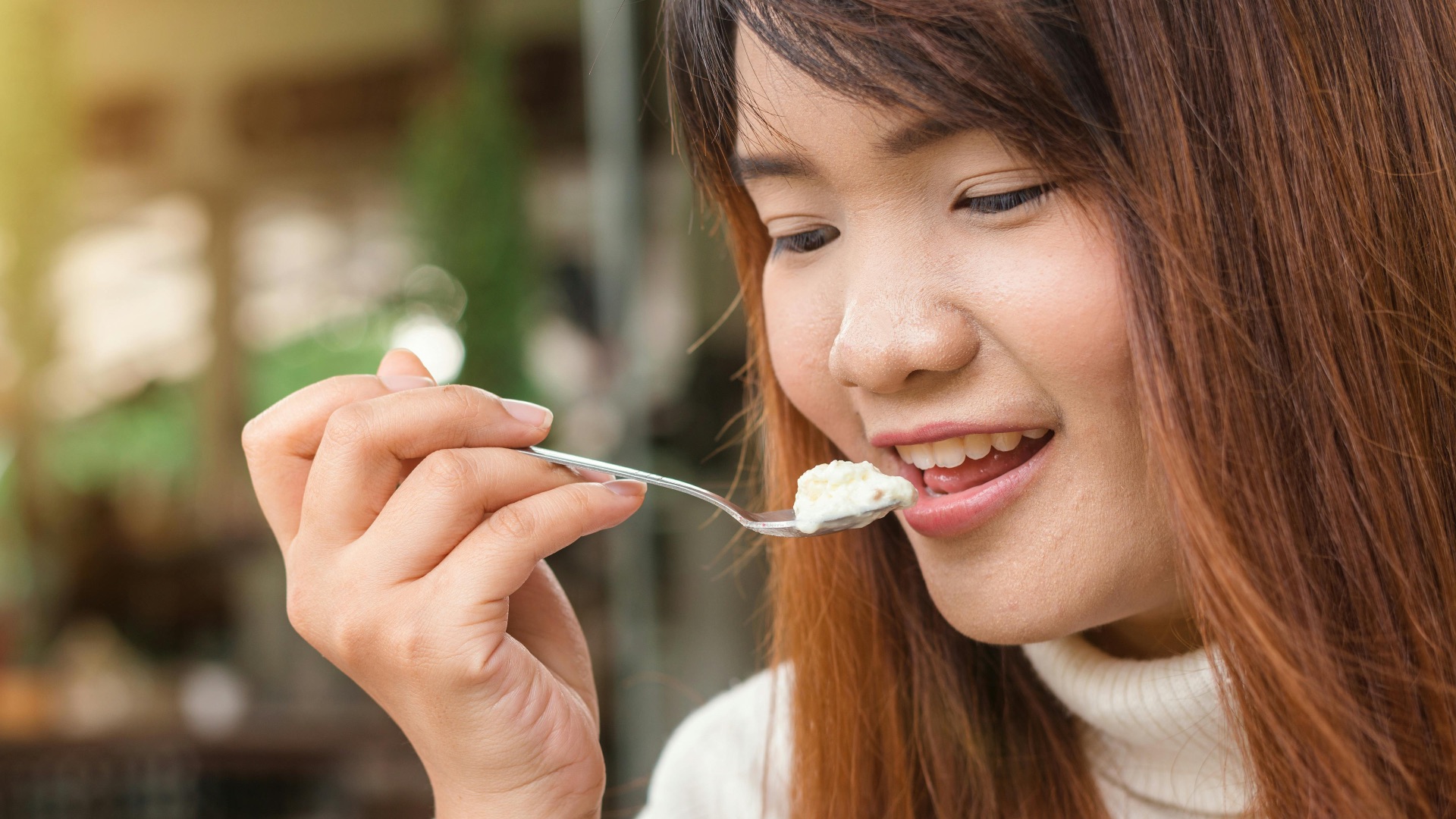
Regularly eating alone gives you the chance to tune into your own preferences without external influence shaping your choices. Over time, you become more attuned to what you actually enjoy versus what you order or cook because it's crowd-pleasing or socially expected. This kind of self-awareness around food tends to translate into more satisfying and intentional eating overall.

4. Dining Out Solo Builds Confidence
There's a particular kind of self-assurance that comes from comfortably walking into a restaurant, sitting at a table for one, and fully enjoying the experience without self-consciousness. Many people who make a habit of solo dining report feeling more comfortable in their own company in a wide range of situations, not just at restaurants. It's a small act of independence that tends to grow into something you look forward to rather than avoid.
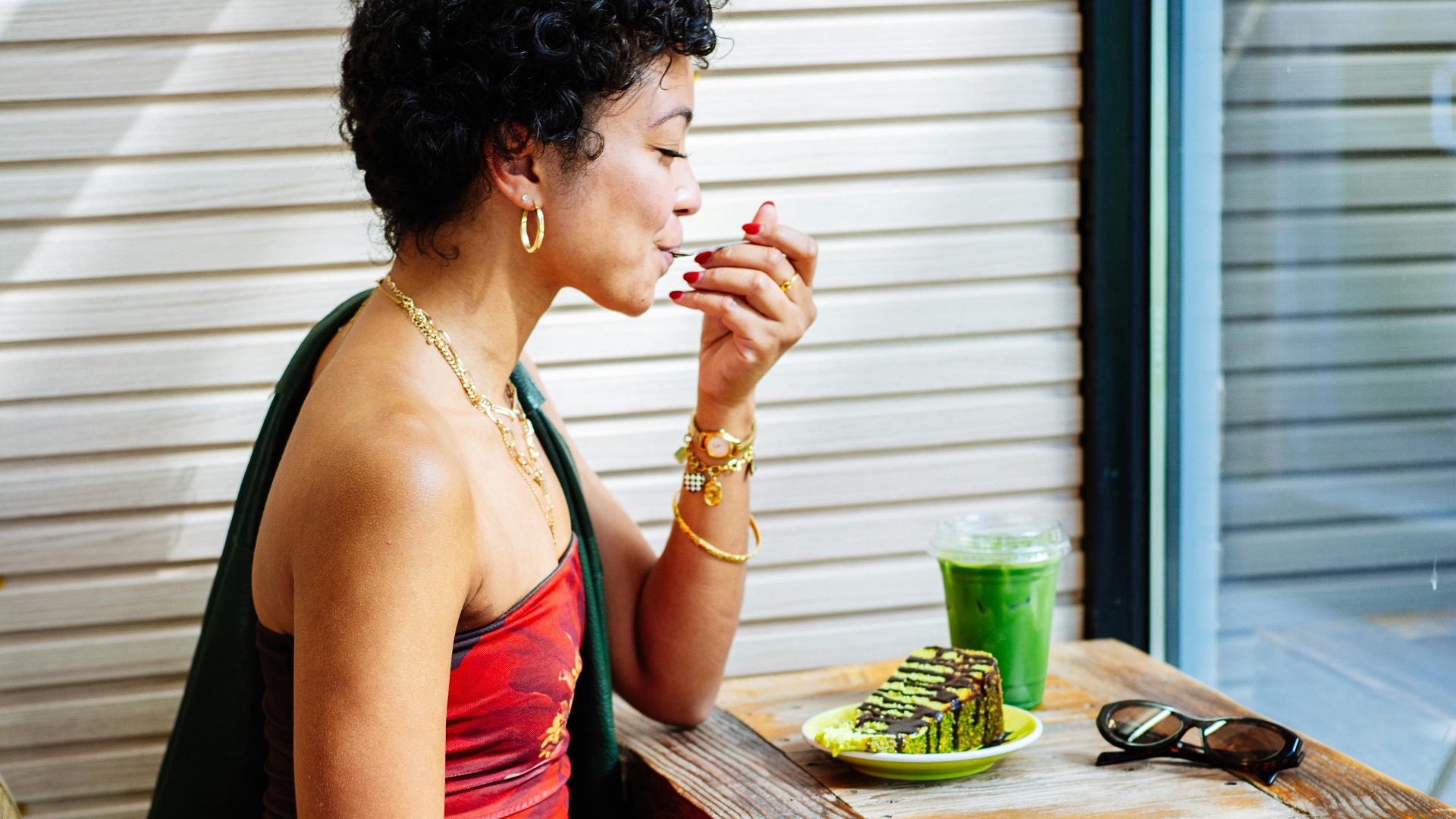
5. You Can Eat on Your Own Schedule
Coordinating mealtimes around other people's availability is one of the more underappreciated inconveniences of shared dining, and eating solo eliminates it entirely. Hungry at 5 p.m. or not ready to eat until 8? There's no negotiation required. Eating in alignment with your own hunger cues rather than a group schedule is genuinely beneficial for digestion and energy regulation.

6. It Encourages Mindful Eating Habits
Without the social pull of conversation drawing your attention away from your plate, solo dining creates the conditions needed for truly paying attention to your food. You're more likely to notice flavors, textures, and satiety signals when you're not simultaneously managing a social interaction. This awareness is one of the foundational elements of mindful eating, which is consistently associated with better long-term dietary choices.
 Pablo Merchán Montes on Unsplash
7. Restaurants Tend to Offer a Better Seat
Single diners are often easier to accommodate than larger parties, and many restaurants will seat you more quickly or offer you a coveted spot that would be impractical for a group. Counter seating, bar dining, and chef's table spots are all experiences that lend themselves particularly well to solo visits. That means you frequently end up with a more interesting vantage point than you'd get at a standard table for two or more.
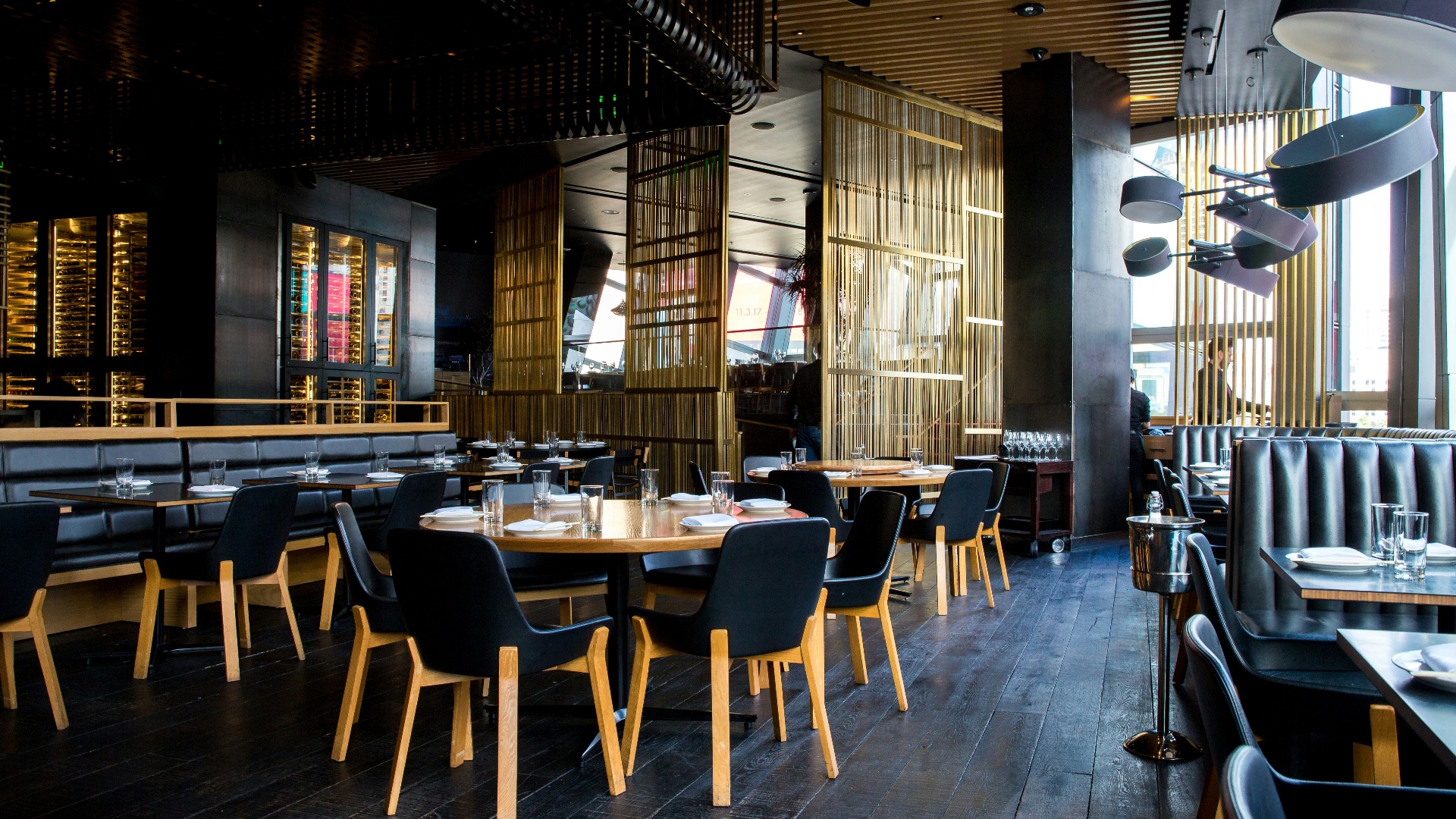
8. You Can Linger as Long as You Like
Group meals come with an unspoken social contract around timing; someone's always ready to leave before the others, or the table lingers long past when you'd have preferred to wrap up. Eating alone means you set the pace entirely, whether that's a brisk 20-minute lunch or a two-hour dinner with a book and a second glass of wine.
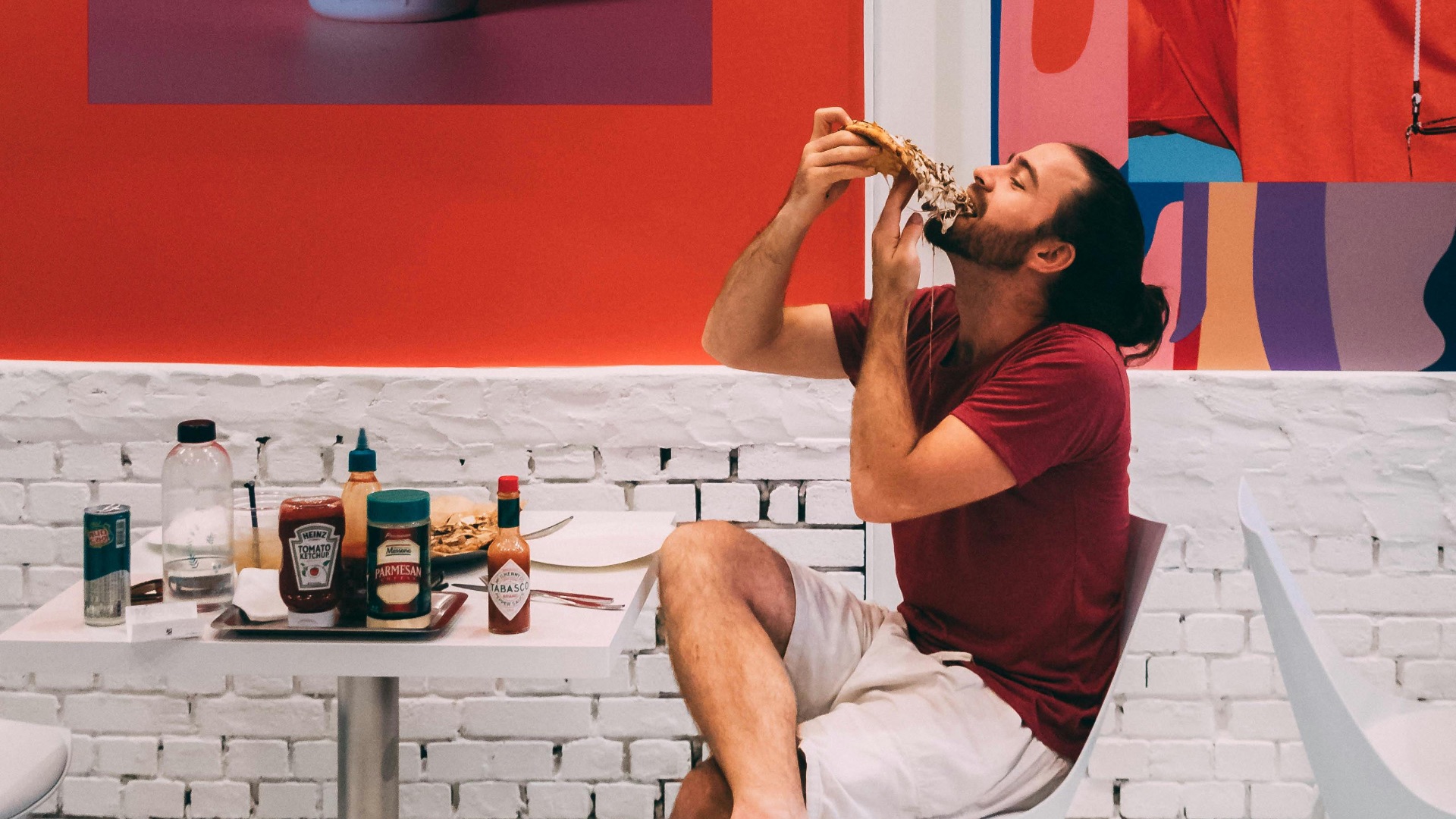
9. Solo Cooking Sparks Creativity
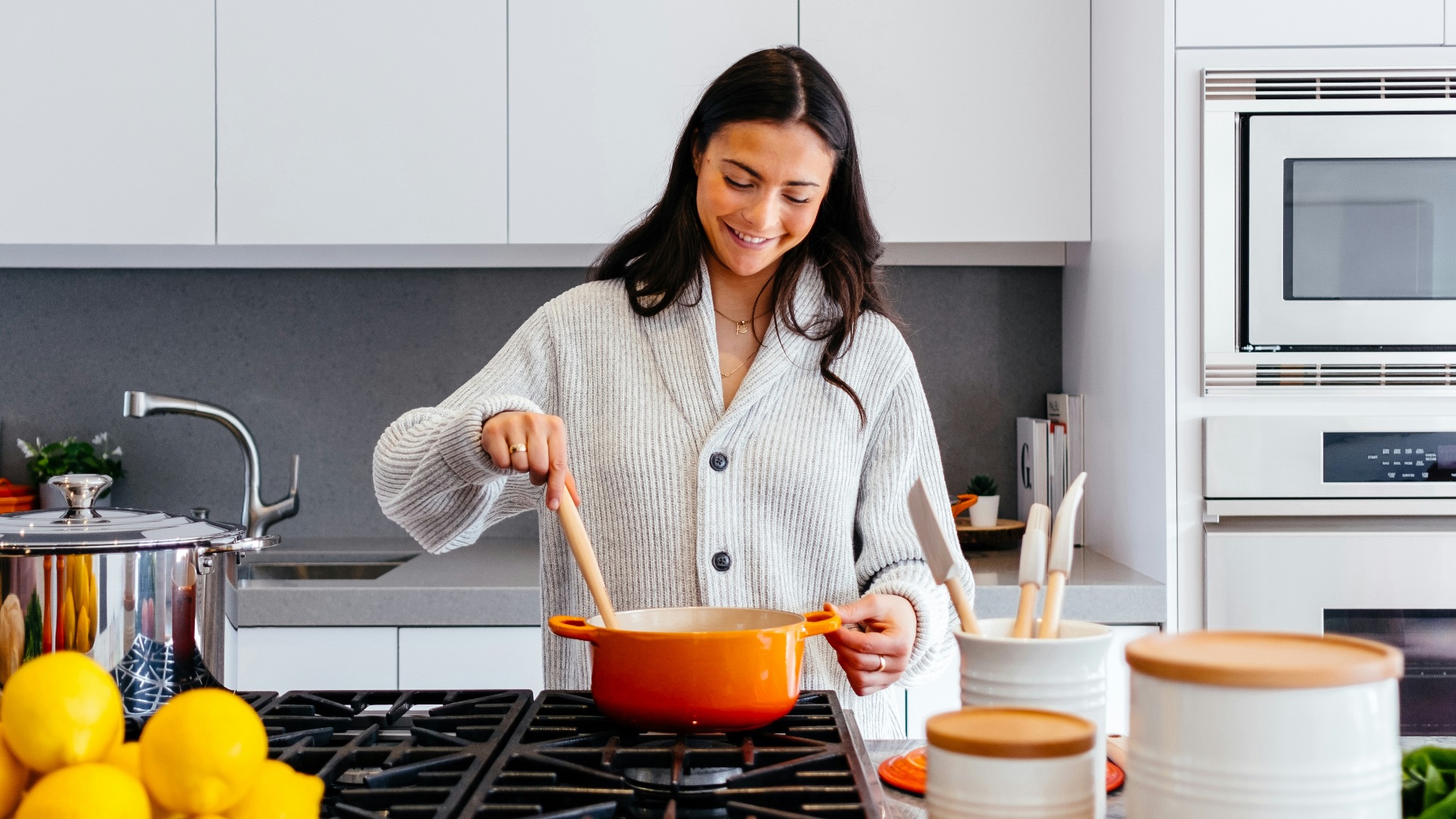
Cooking for one removes the pressure to produce something universally appealing, which can actually free you up to experiment in ways you wouldn't when feeding others. You can treat dinner as an opportunity to test a new technique, use up whatever's in the fridge, or scale down a recipe you've always wanted to try. Some of the most satisfying home cooking happens precisely because there's no audience to impress.
10. You Appreciate Shared Meals Even More
Spending regular time eating alone gives you a genuine baseline for comparison, making communal meals feel like something you've actively chosen rather than simply defaulted to. The pleasure of a great dinner with friends or family carries more weight when solitary meals are also a normal part of your routine. Ultimately, solo dining doesn't diminish the joy of eating with others; if anything, it sharpens it.