Is It Even Cheese?
Whether you're firing up the grill for a backyard barbecue or stacking a classic grilled cheese sandwich, American cheese is likely your go-to choice for that perfect, gooey consistency. While some snobbish foodies might look down their noses at these bright orange slices, there’s a whole lot of history and science packed into every single wrapper. With that in mind, here are 20 surprising truths behind this staple of the American kitchen.
1. It Isn't Just One Ingredient
You’ve probably noticed that the package often says "processed cheese product" instead of just "cheese" because it’s actually a blend of several different things. It usually starts with real cheddar or Colby that gets melted down and mixed with emulsifying salts to create that signature smooth texture. This process allows it to stay stable and creamy even when it’s heated up on a hot stove.
2. The Inventive Origins in Switzerland
The packaging is specifically marketed as a “processed cheese product” because it contains several ingredients. To create American cheese, manufacturers start with a traditional cheese such as cheddar or Colby and melt it together with emulsifying salts. The addition of these salts helps stabilize the product, allowing it to maintain a creamy texture even when heated on the stove.
 Ricardo Gomez Angel on Unsplash
3. James L. Kraft Changed Everything
A man named James L. Kraft popularized processed cheese in the United States during the early 1900s by patenting the steaming and whisking process that stops the cheese from ripening any longer. Thanks to Kraft, Americans were able to enjoy the same cheese taste in every city.
4. The Reason for the Uniform Melt
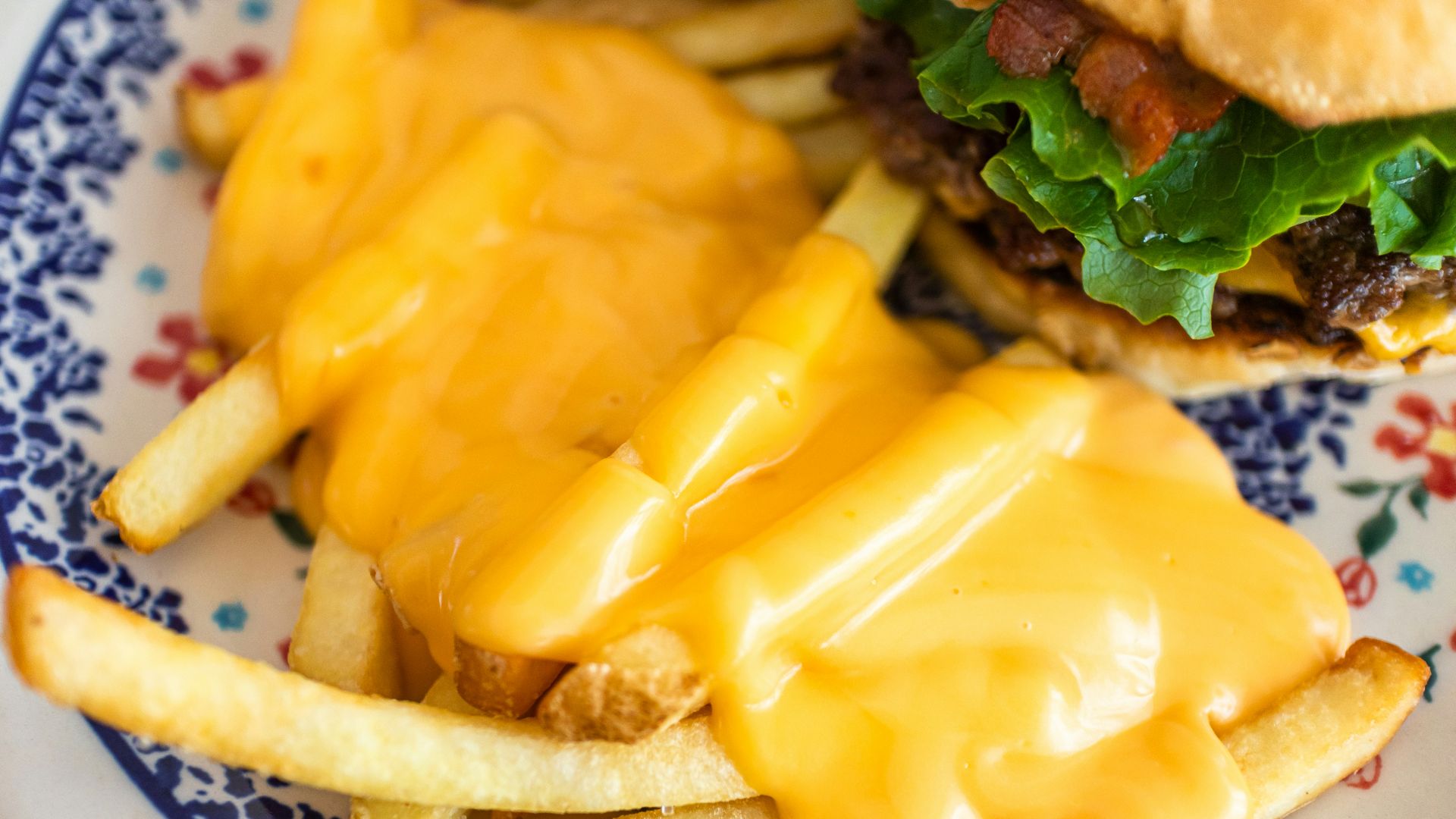
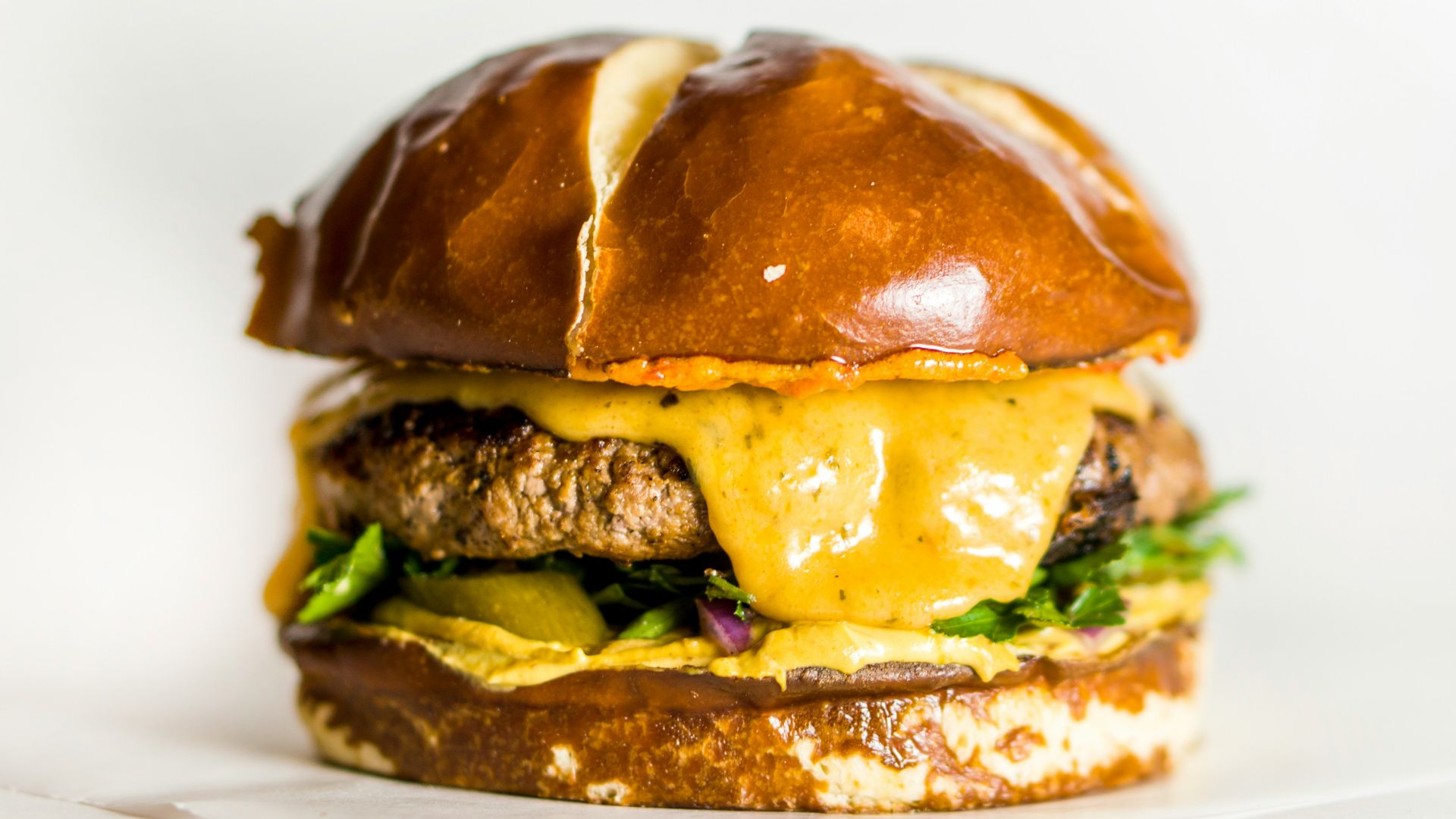
If you try to melt an aged cheddar, you’ll often end up with a greasy, clumpy mess because the proteins and fats separate. American cheese solves this problem by using sodium citrate to keep all those components bonded together, even at high temperatures. It can be counted on to flow evenly over a burger patty without ever breaking or getting oily.
5. A Huge Part of Military History
Millions of pounds of processed cheese were purchased by the government during WWI and WWII, since they didn’t require refrigeration or perish on long journeys. Canned or vacuum-sealed processed cheese was one of the only ways that soldiers were able to enjoy cheese while in the trenches.

6. The Individually Wrapped Slice Debut
Individually wrapped cheese slices are now taken for granted. Before the 1950s, people had to slice their own cheese from large blocks of American cheese. Plastic-wrapped slices were a game changer.
7. Not All Slices Are Created Equal
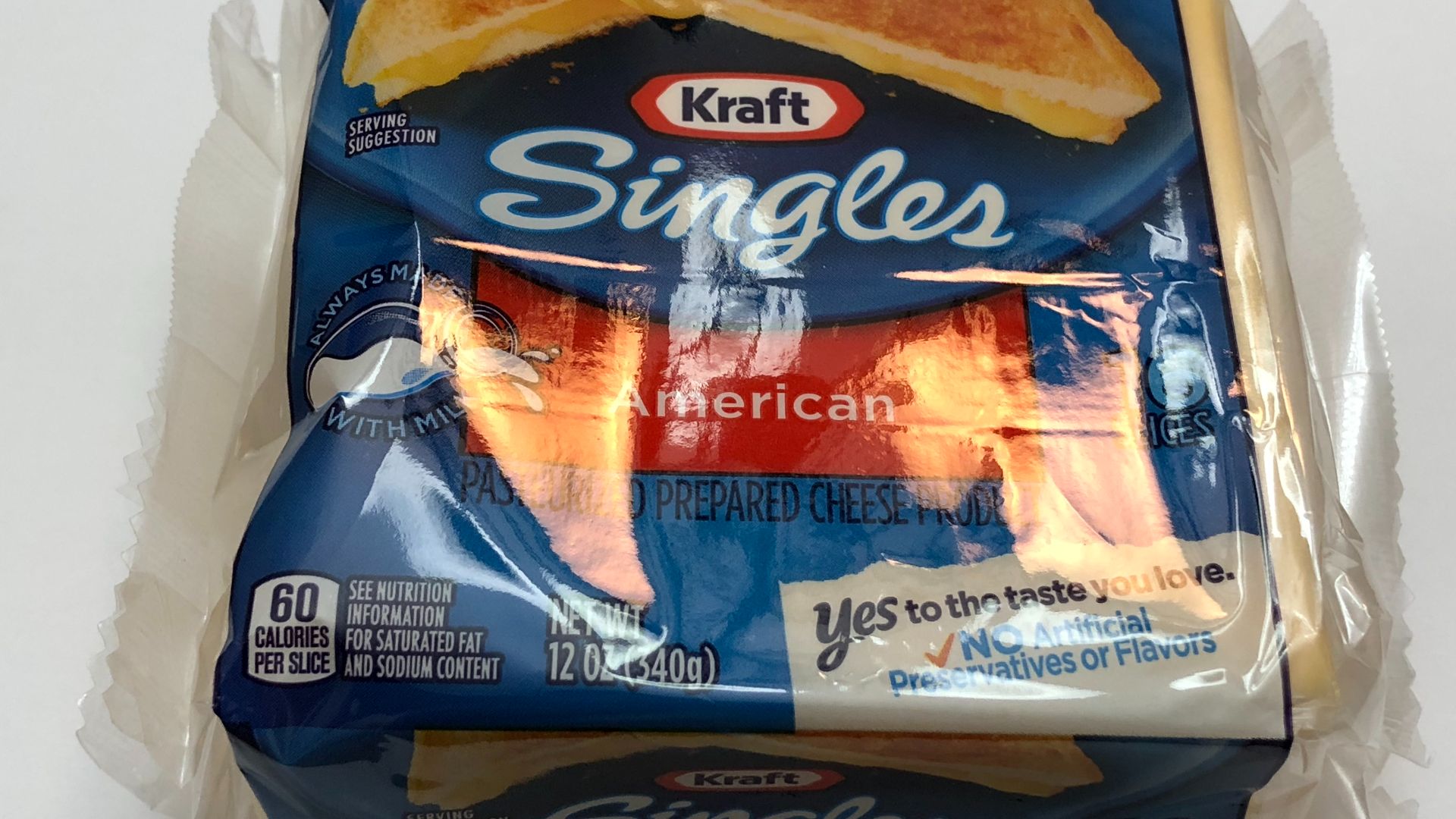
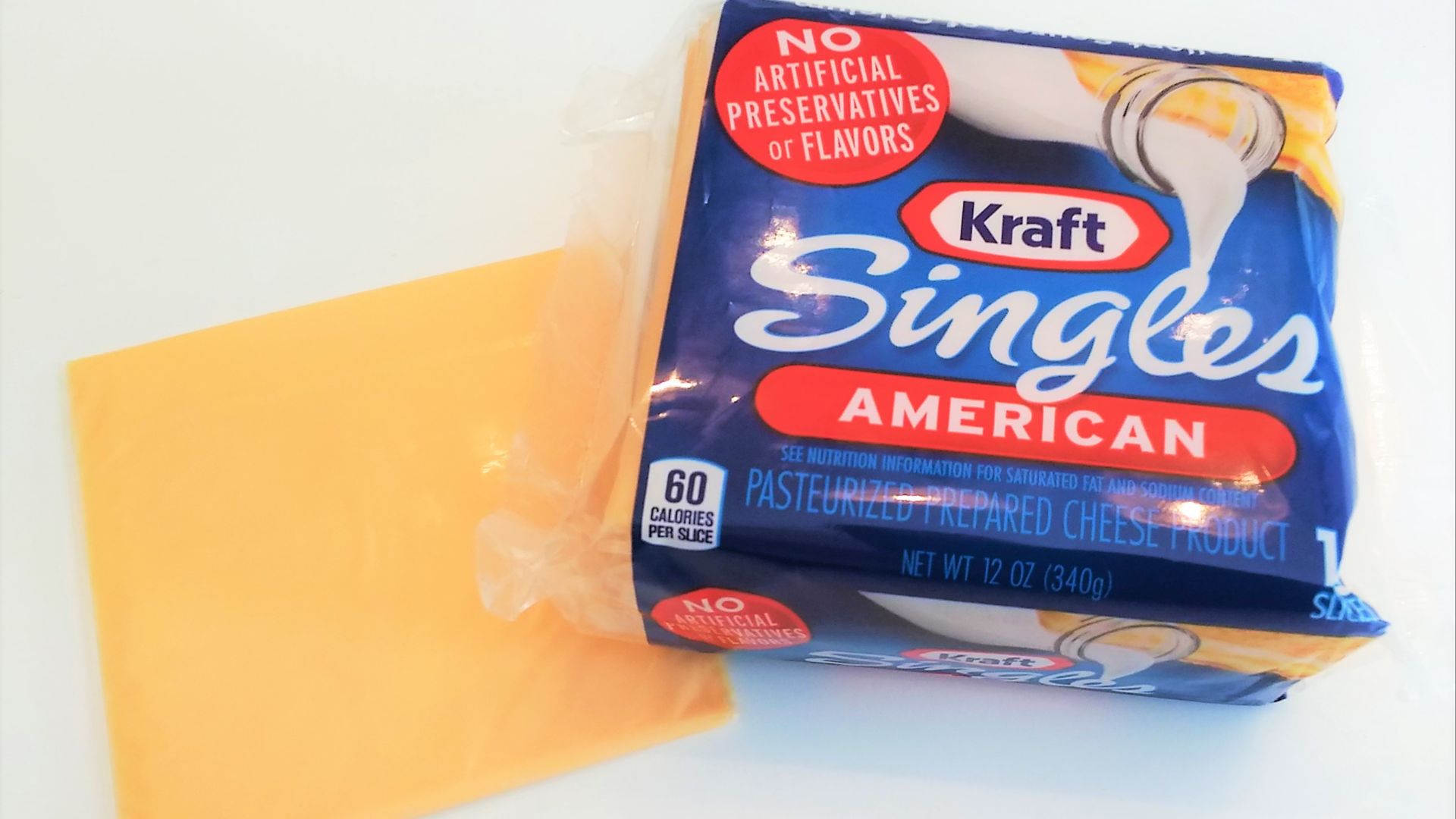
Take a look at the packaging on your favorite cheese, and you’ll notice that some brands are labeled “Pasteurized Process Cheese,” while others are labeled “American cheese.” The difference comes down to the amount of real cheese included in the ingredients.
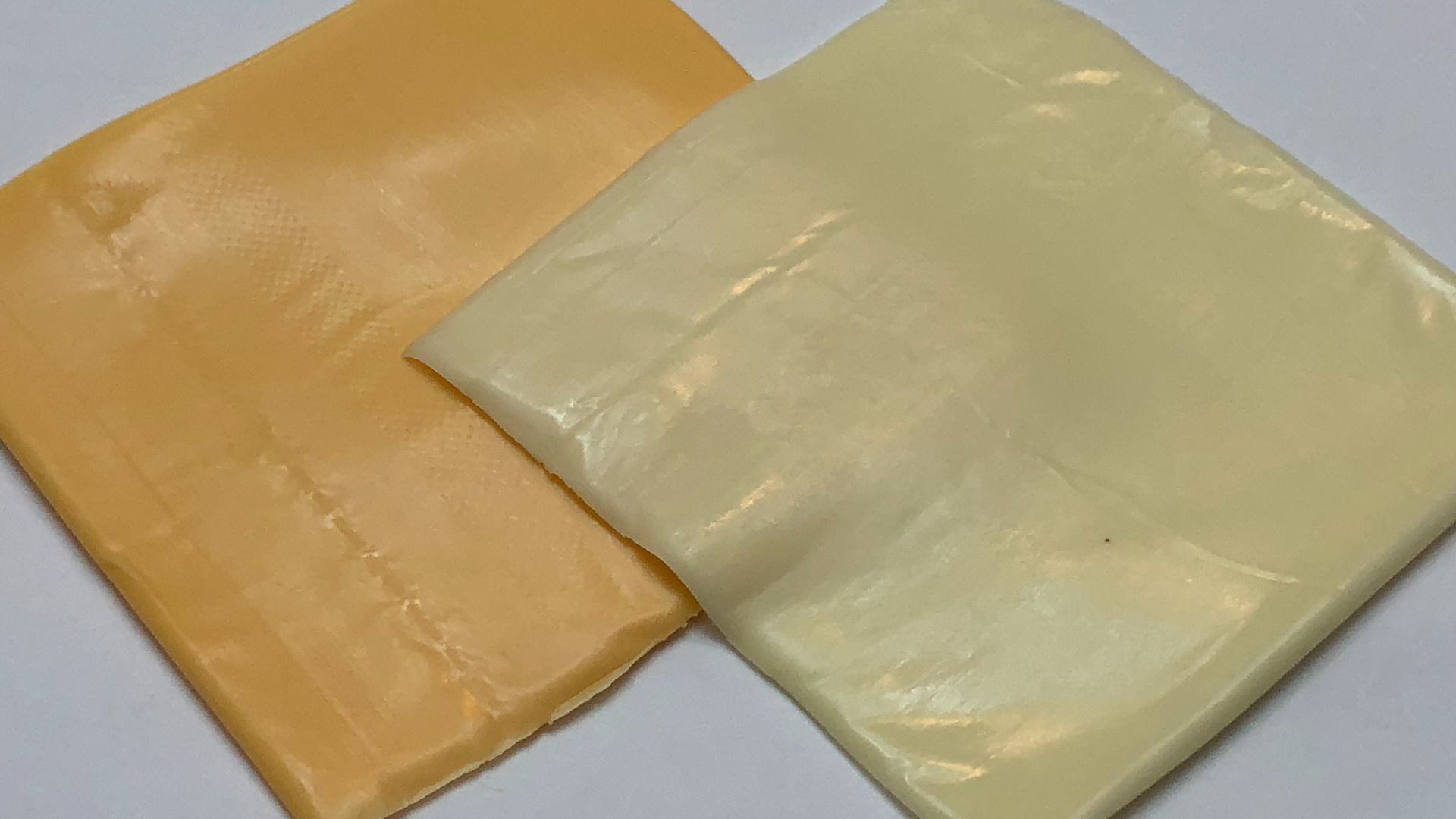
8. The Secret of the Color
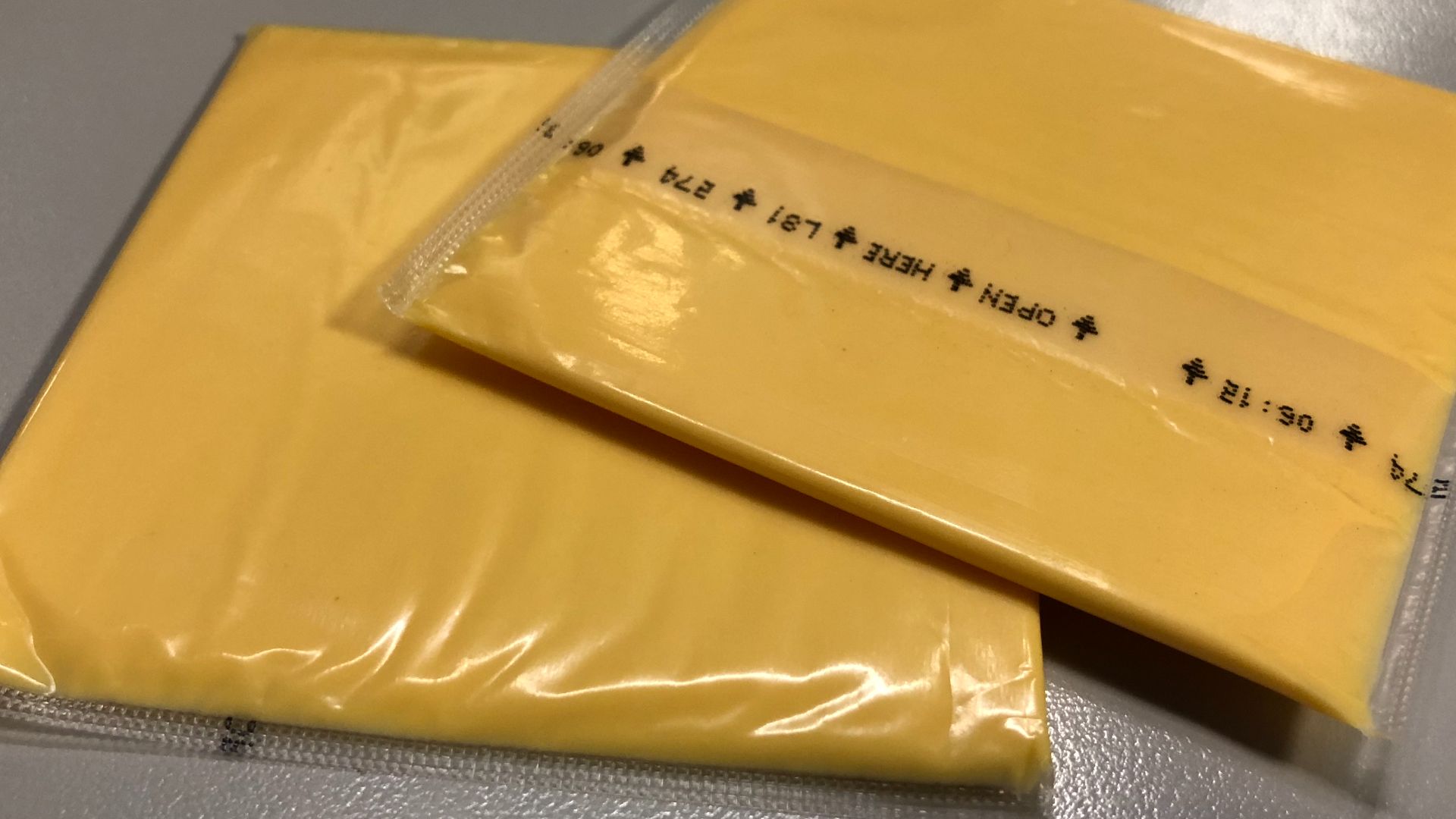
As strange as it may sound, that bright orange color has nothing to do with the cow’s milk. Most brands use a natural food coloring known as “annatto” to achieve that vibrant shade. Why orange is another question.
9. Longer Shelf Life Advantages
Pasteurized at extremely high temperatures, American cheese can sit in the refrigerator for months without going bad. There’s no need to toss leftovers just because a block of American cheese was forgotten in the fridge.
10. It’s a Deli Counter Staple
At the deli, it’s common to find brands like "Land O'Lakes" or other premium options sliced fresh from a large block. This version is typically much closer to traditional cheese than the pre-packaged singles found in the dairy case. Many professional chefs prefer this bulk version.

11. Strict Federal Labeling Rules
The Food and Drug Administration has very specific laws about what can be called "American cheese." If a product doesn't meet the required moisture and fat content levels, it must be labeled with a less prestigious name like "sandwich slices." A lot can be learned about quality just by reading the fine print.
12. The Role of Emulsifying Salts
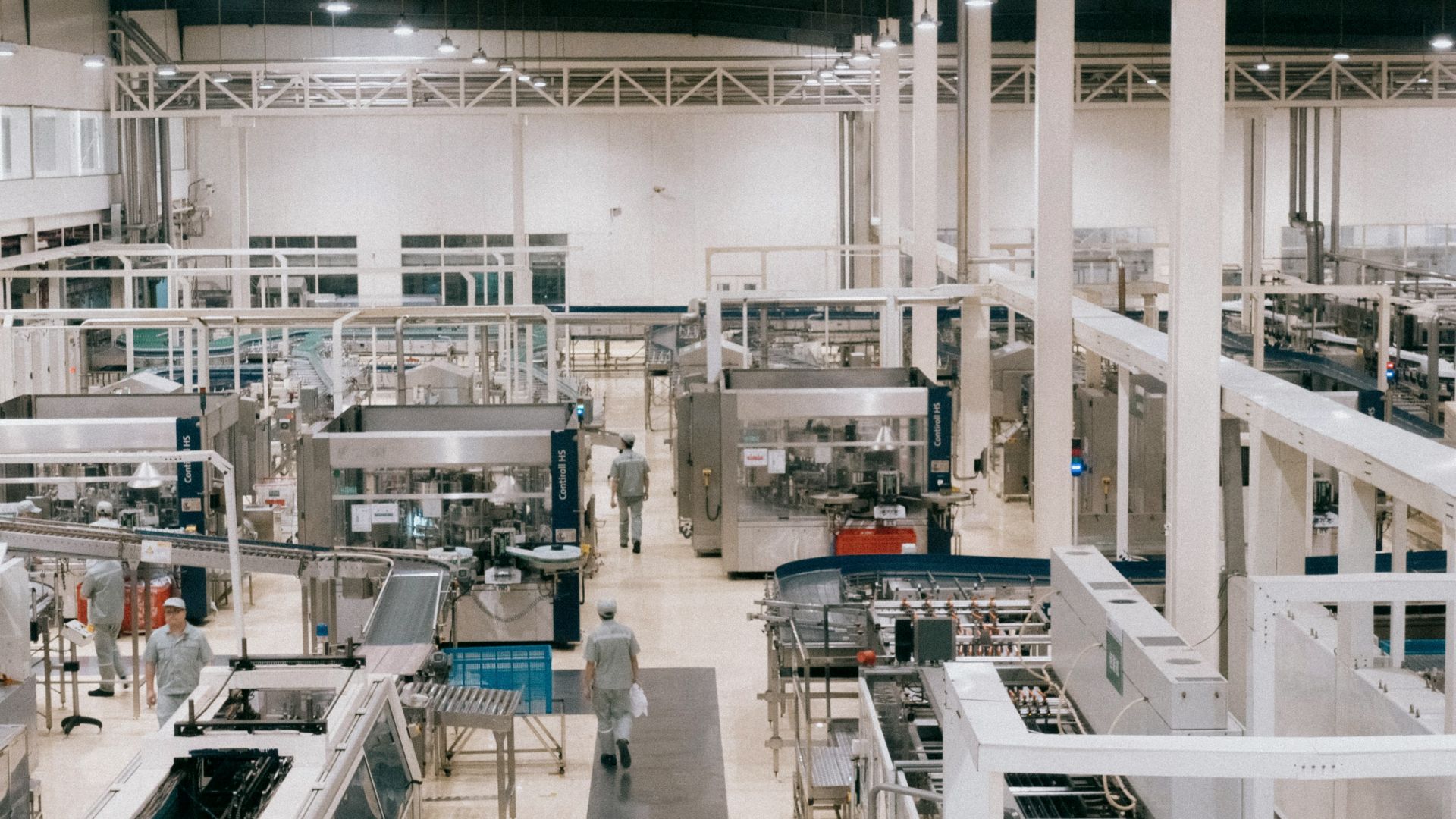
When refrigerated, American cheese maintains an almost plastic-like flexibility thanks to emulsifying salts. These salts alter the protein structures of the cheese, preventing them from locking up and turning hard.
13. White American Cheese Varieties
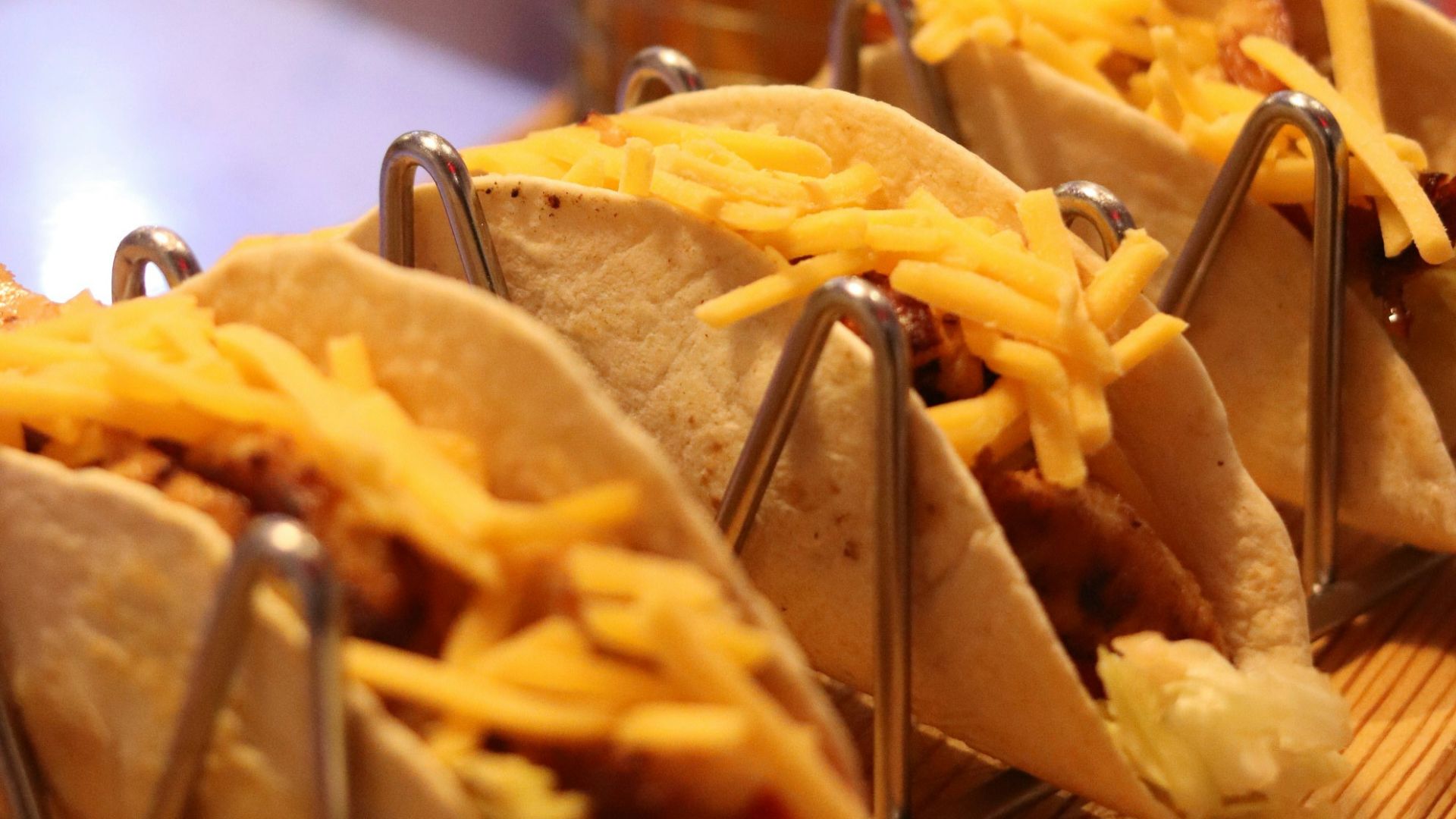
American cheese typically has a bright orange color, but white American cheese also exists. Delis and sub shops often use it because it creates a less overpowering look on sandwiches loaded with turkey or ham.
14. High Protein and Calcium Content
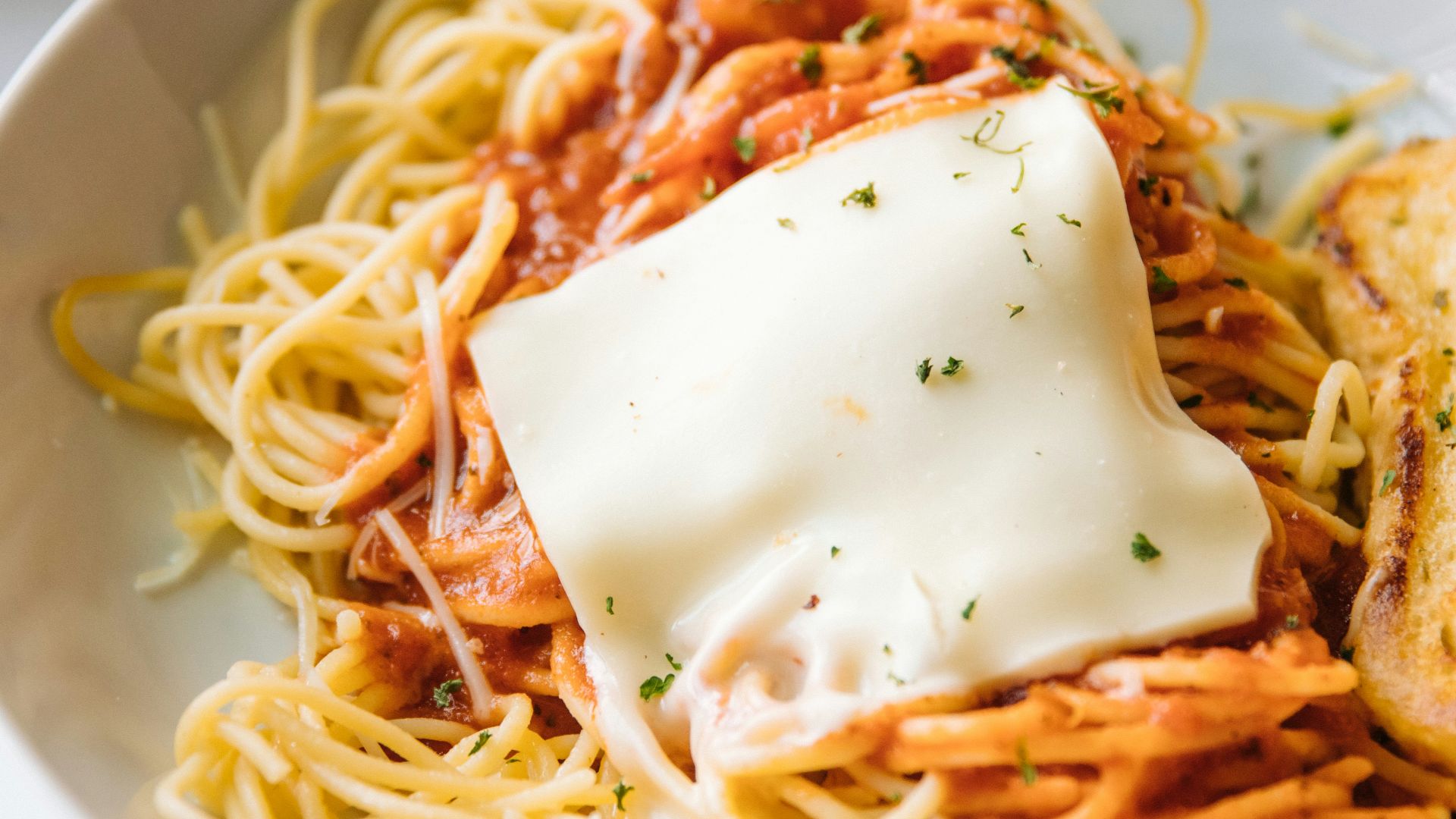
Despite its reputation as "junk food," American cheese still provides a decent amount of nutrition in every serving. It’s concentrated dairy, so it delivers a solid amount of calcium and protein with every slice. It’s probably best not to eat the entire pack.
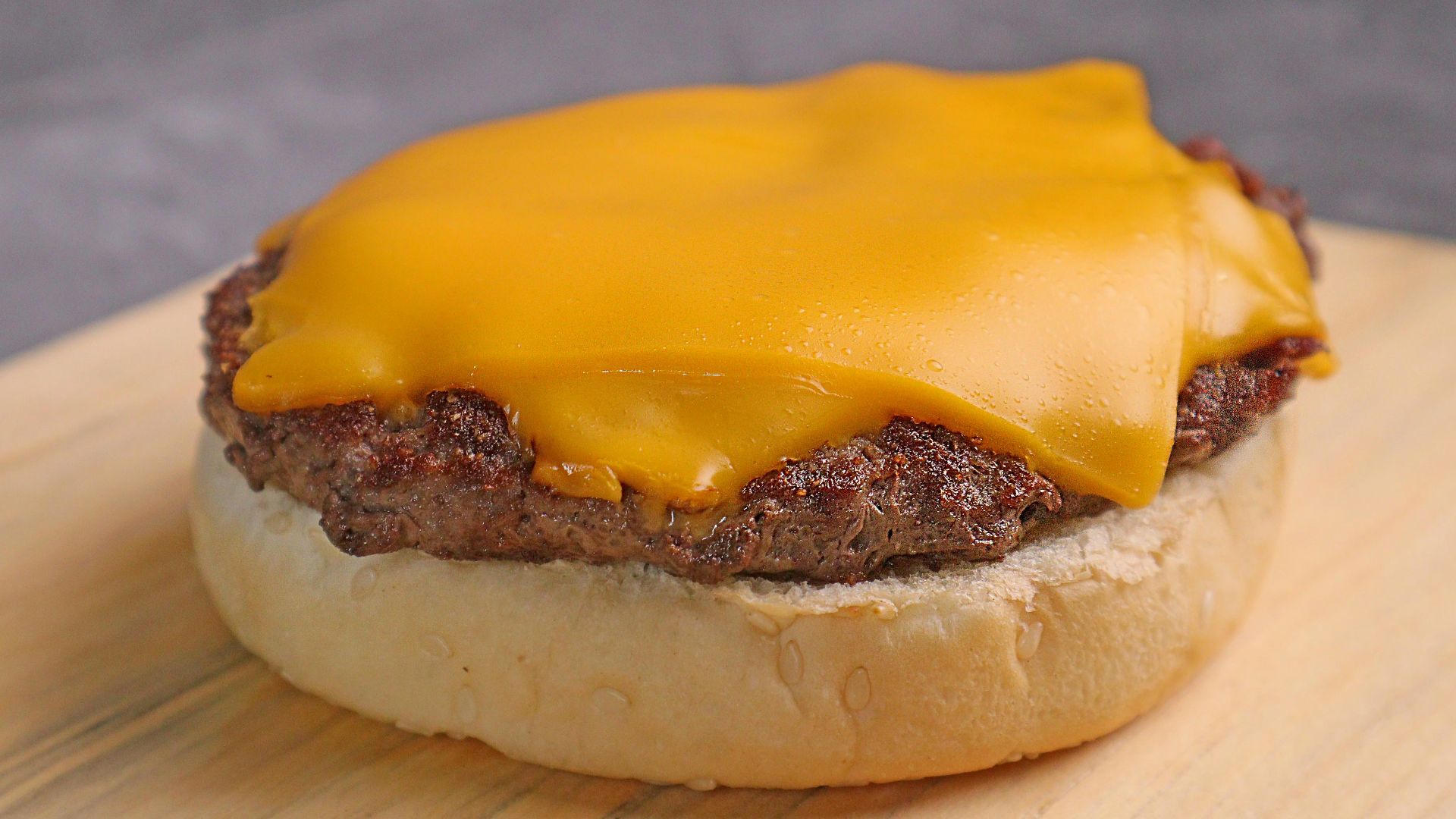
15. The Ideal Burger Topping
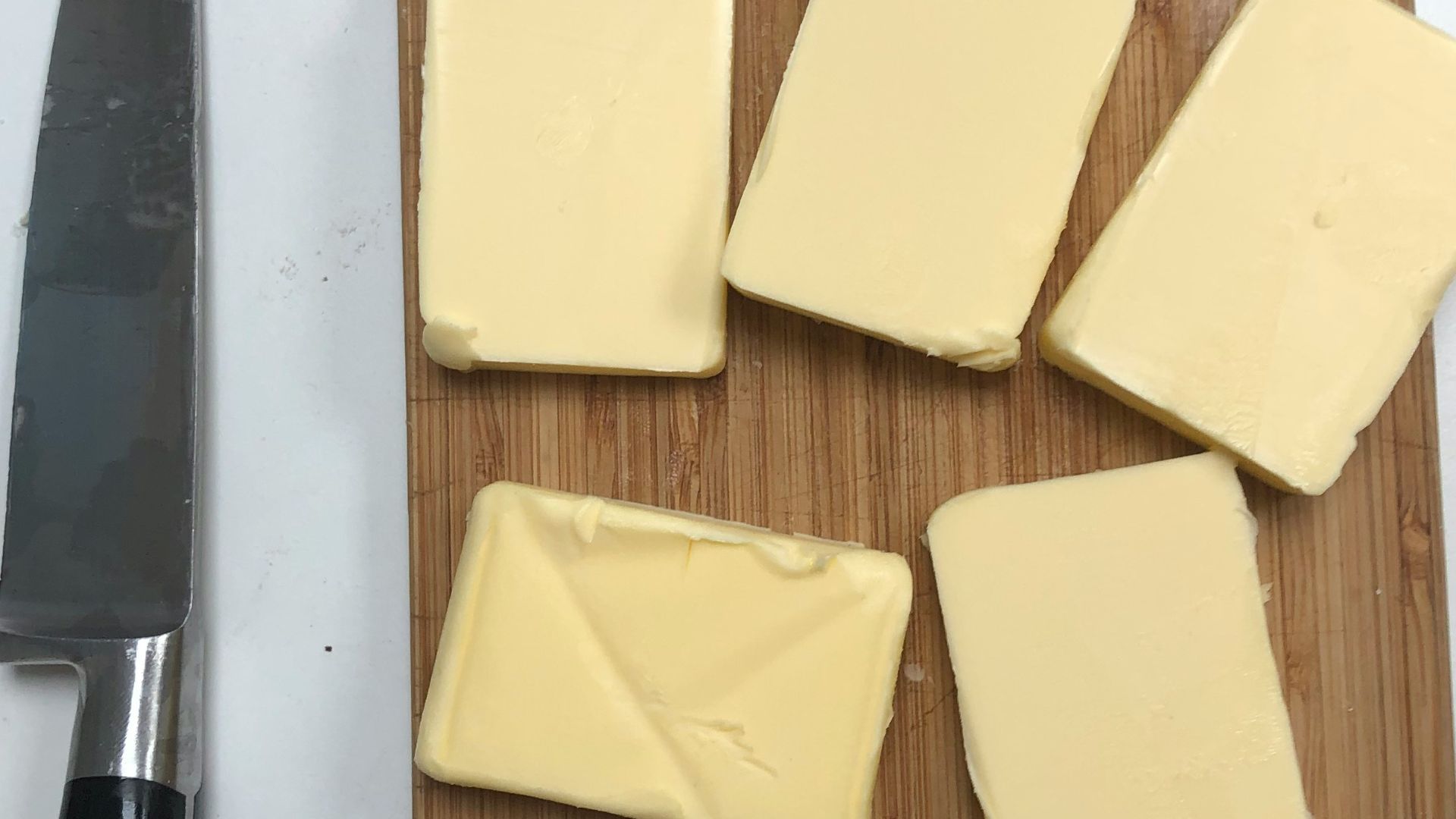
Despite its reputation as junk food, American cheese still contains high levels of protein and calcium. Since its primary ingredient is dairy, it provides useful nutrients with every slice added to a sandwich.
 amirali mirhashemian on Unsplash
16. Easy to Use in Sauces
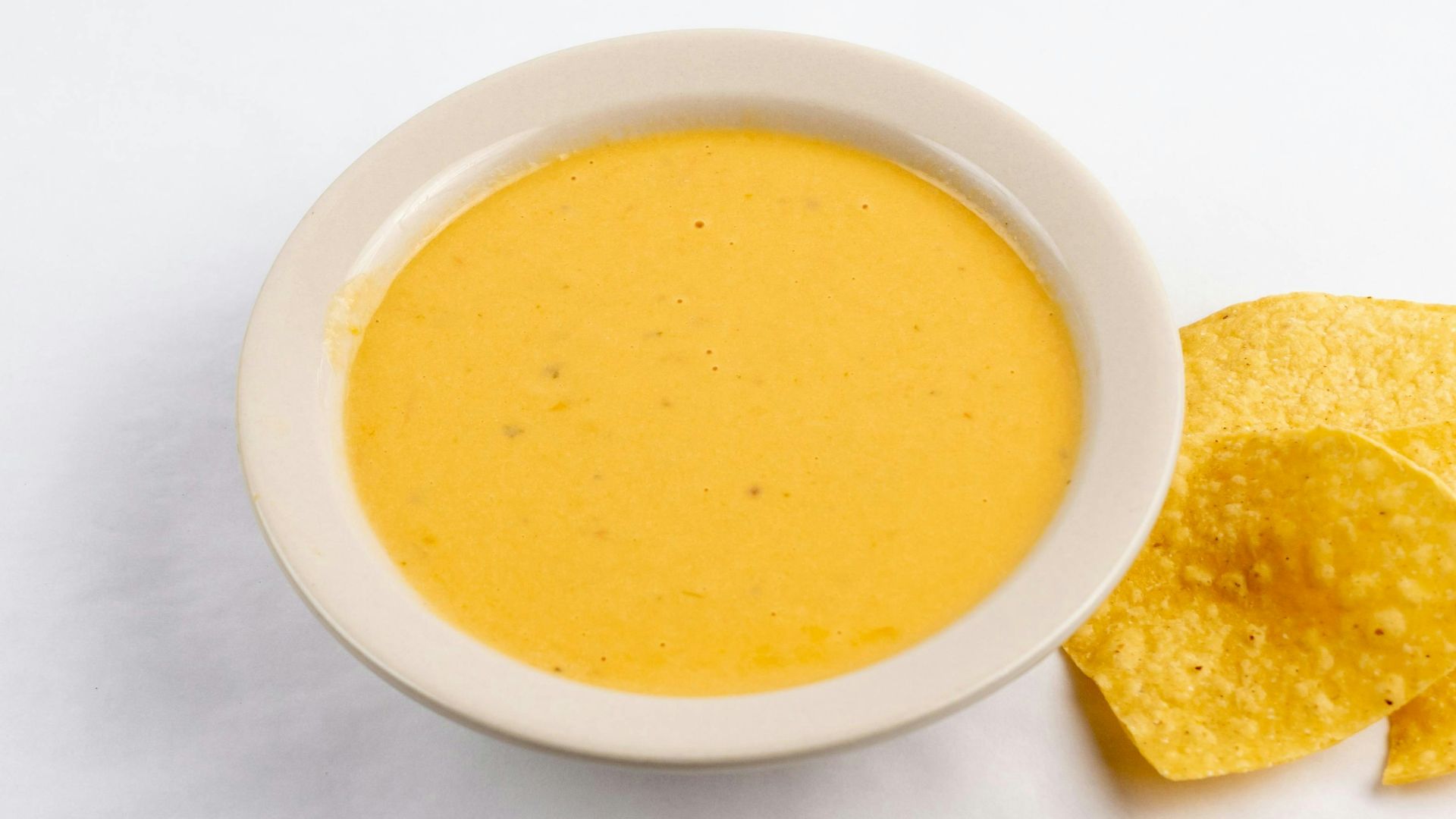
When making homemade mac and cheese, adding a few slices of American cheese can prevent the sauce from curdling. The emulsifiers help stabilize the mixture, ensuring a smooth, velvety finish. It’s a useful kitchen trick often used by professional cooks.
17. Global Popularity Outside the U.S.
People all over the world use this product, though it often goes by different names like "easy-melt" or "toast slices." International fast-food chains rely on it because it tastes the same whether served in Tokyo, London, or New York. Its reliability makes it a global favorite.
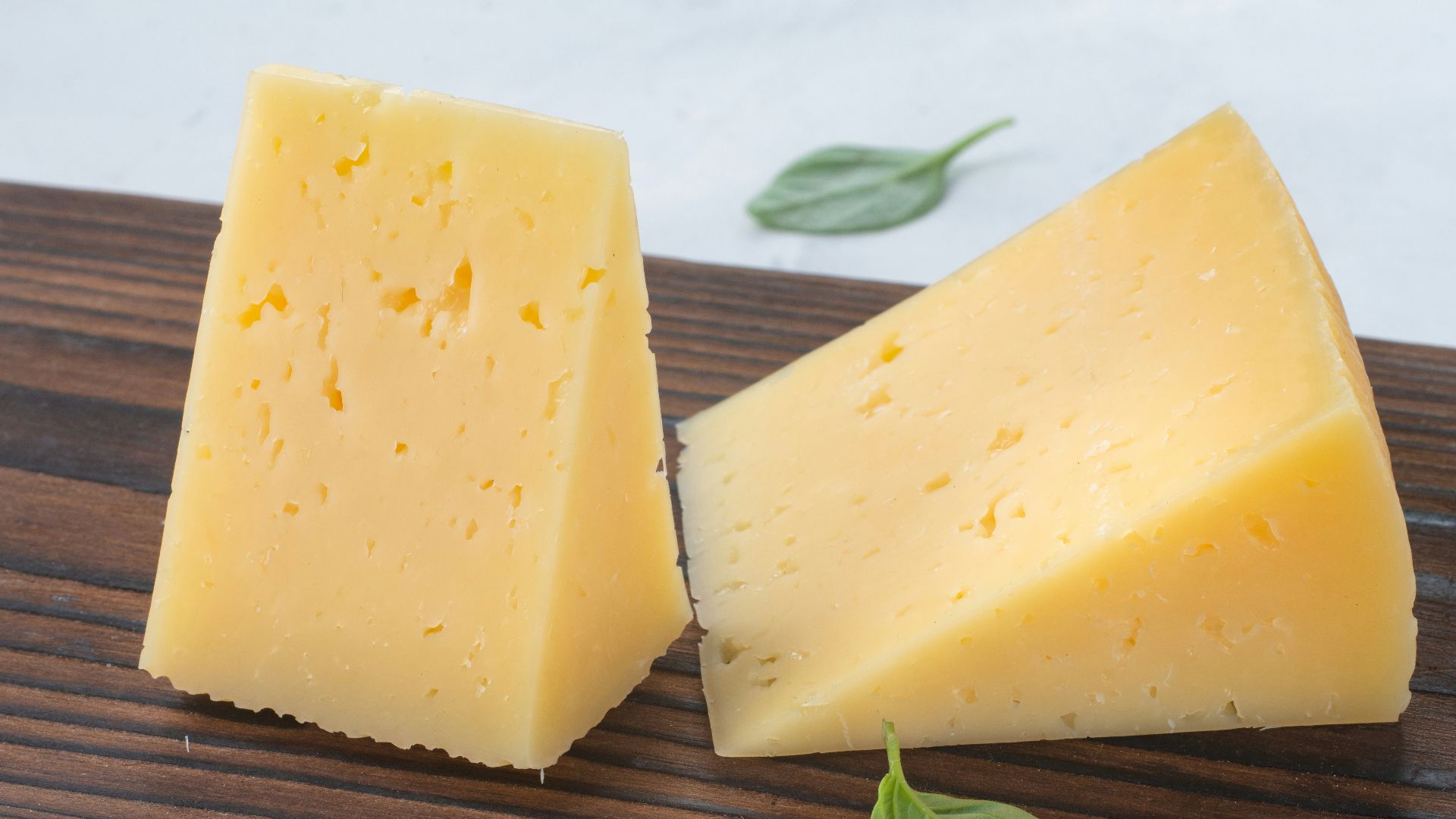 David Foodphototasty on Unsplash
18. The Cold Pack Alternative
There is a type of processed cheese known as “cold pack.” Unlike regular American cheese, it isn’t heated during production and has a texture similar to icing. Instead of melting slices, it can be spread on crackers.

19. Low Waste Production Methods
The process of making American cheese is incredibly efficient because it allows manufacturers to use smaller pieces of cheese that might not look perfect. Instead of discarding irregular blocks of cheddar, they can be melted down. This sustainability aspect helped the industry grow quickly.
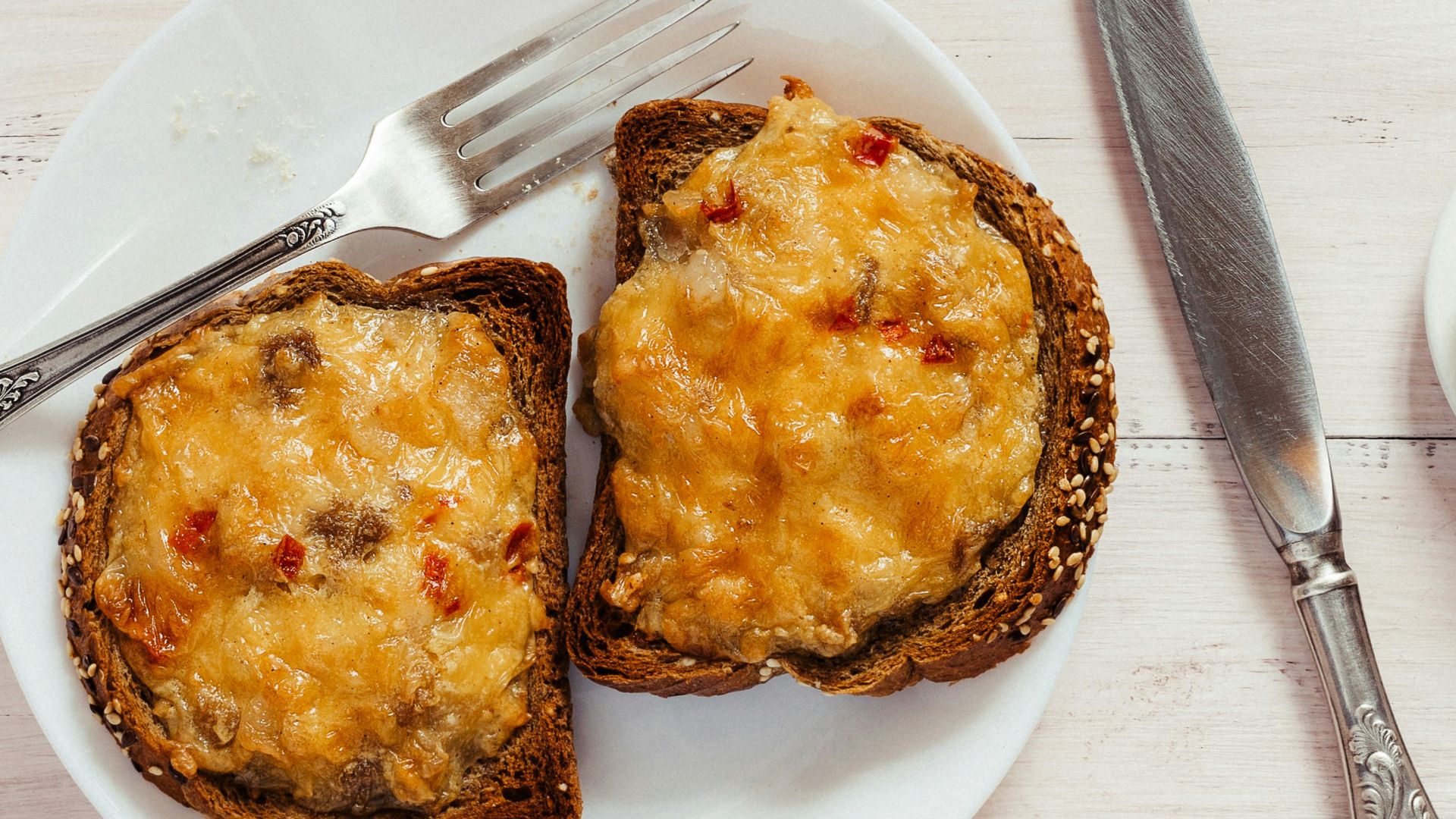
20. It’s Truly a Childhood Icon
For many, the smell of a melting slice of American cheese is a direct connection to childhood. It carries a nostalgic quality that fancy artisanal cheeses simply can’t replicate. The comfort of a simple, perfectly melted sandwich remains unmatched.
KEEP ON READING
The Most Popular Chocolate Bars in the USA
The Most Popular Candies in the USA

20 Annoying Foods That Get Stuck In Your Teeth