How to Really “Read” the Menu
Restaurants often use clever psychological tricks and subtle phrasing to steer you toward the items that have the highest profit margins rather than the best flavor. You don't have to be a professional food critic to spot these patterns if you know exactly what to look for before you place your order. By paying attention to how the dishes are described and where they're placed on the page, you'll be able to navigate the dining room like a seasoned pro.

1. The Overstuffed Catalog
When a menu is twenty pages long and covers everything from sushi to pasta, it’s a major sign that the kitchen isn't specializing in anything at all. You’ll likely find that the quality suffers because the staff has to manage an impossible number of different ingredients and cooking styles simultaneously. It's much safer to stick with a place that focuses on doing a few things exceptionally well.

2. Missing Currency Symbols
Fine dining establishments have recently discovered that by taking the dollar sign off the menu, you pay less attention to how much the food actually costs. Studies found that patrons spend significantly more when the prices of dishes aren’t clearly labeled as dollar amounts. Keep your wallet in mind when ordering.
3. Hyper-Specific Origin Stories
If every single vegetable has a biography explaining exactly which small farm it came from, the restaurant might be overcompensating for a lack of culinary creativity. While knowing where your food is grown is great, excessive storytelling is often used to justify an inflated price tag for a very basic dish. You're usually better off letting the taste of the ingredients speak for itself.
4. The "Market Price" Trap
Items listed as "MP" or "Market Price" are often the most expensive things in the building, and the price can fluctuate wildly depending on the day. You shouldn't feel embarrassed to ask for the specific cost before you commit to that lobster or special cut of steak. It’s a common tactic to catch you off guard.
5. Excessive Adjective Overload
When menus start using words like “succulent” or “artisanal” to describe steak or cereal, beware. Fancy words equal fancy prices. Chefs use descriptive words to make your mouth water without you knowing they’ll just be preparing food in a basic manner.
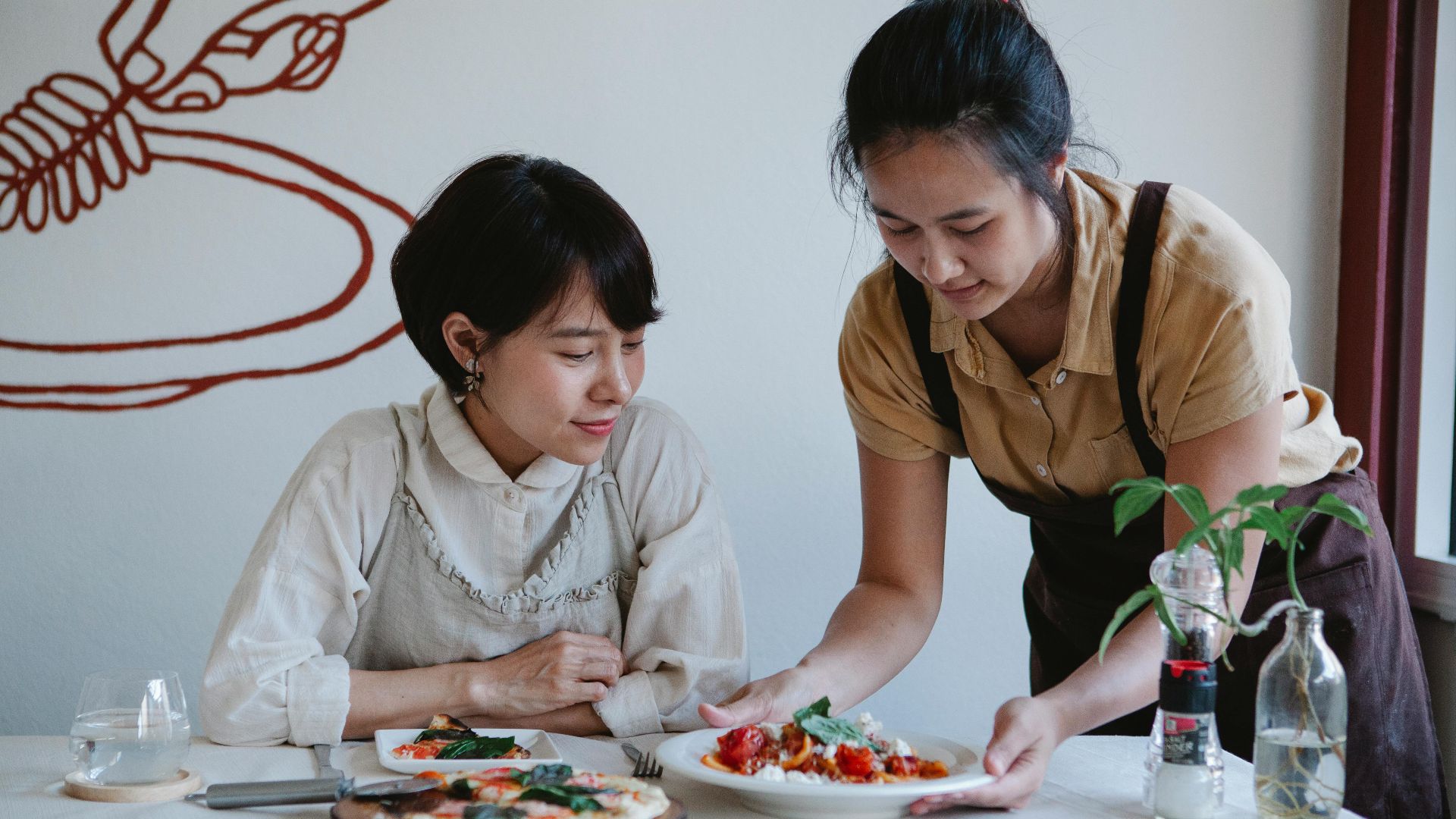
6. The Golden Corner Placement
Because the human eye is naturally drawn to the upper right side of any surface, restaurant owners know this and will place their highest-margin items there. Avoid these menu traps by starting your menu search on the bottom left corner and working your way to the opposite side.
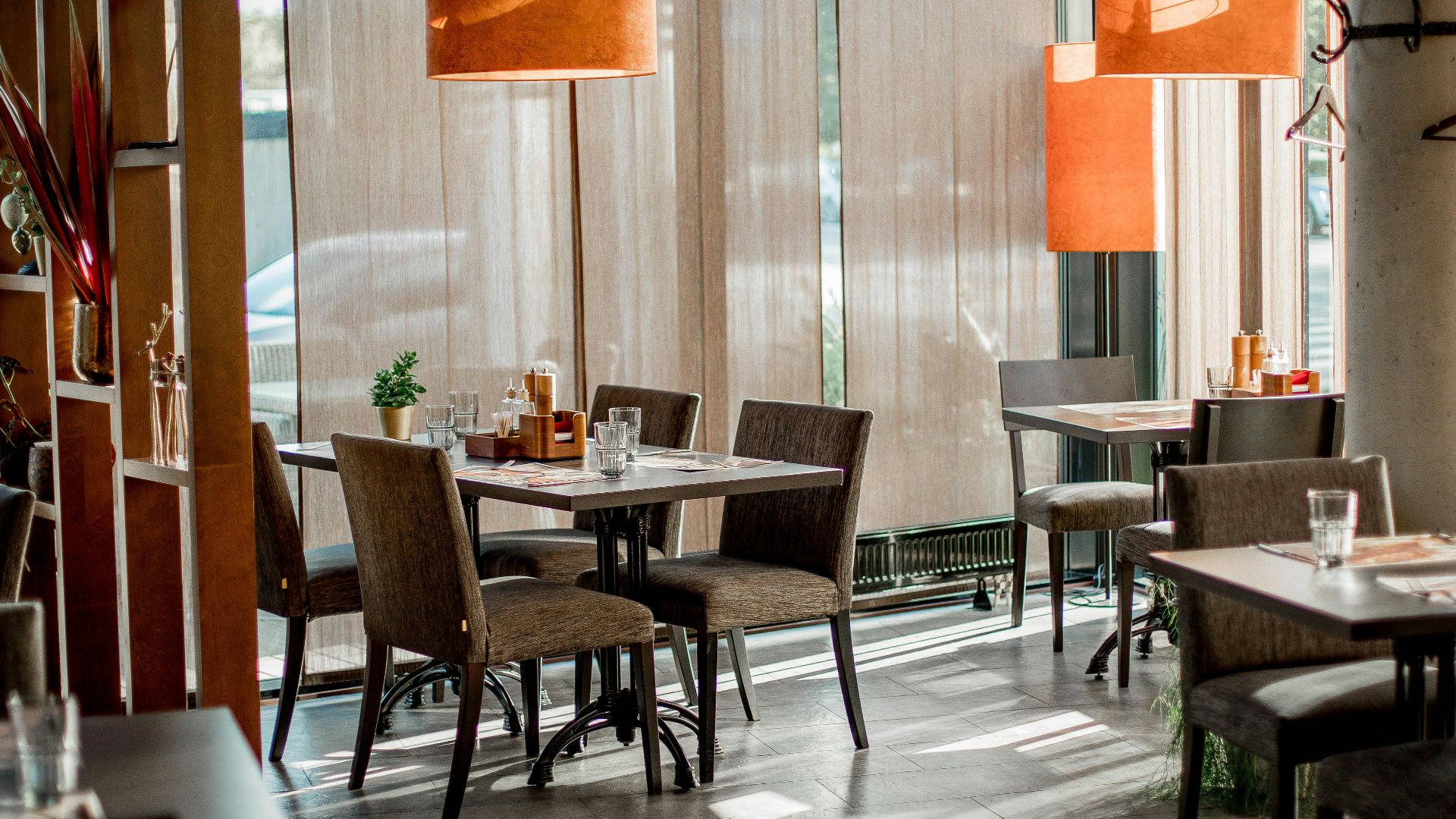
7. Photos of the Food
Unless you're at a casual diner or a specialized ethnic spot, seeing glossy pictures of the entrees is usually a sign of a lower-quality establishment. High-quality restaurants prefer to let the descriptions and service set the expectations for what’s about to come out of the kitchen. You might find that the actual plate rarely looks as vibrant or perfect as the professional photography used in plastic-sleeved menus.

8. The Decoy Dish
Just because the menu features a one-hundred-dollar steak doesn’t mean the seventy-five-dollar salmon isn’t still overpriced. Restaurants will list one item that is significantly more expensive than the rest to make other items seem cheaper. Price anchoring is a common psychological tactic.
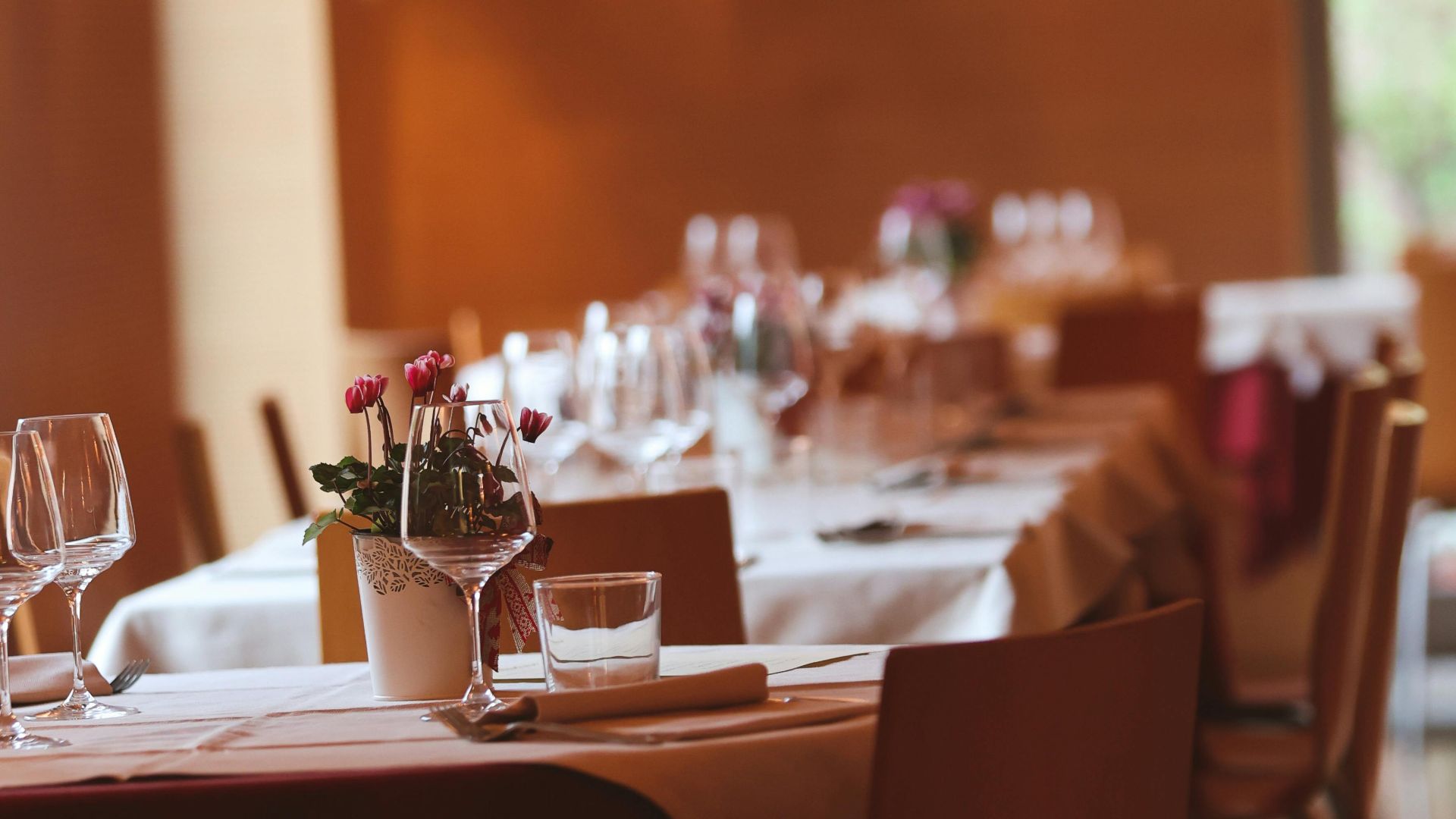
9. Generic "Catch of the Day"
When a server can't tell you the specific type of fish being served as the daily special, it’s a red flag regarding seafood freshness. Truly fresh fish usually comes with a name and a clear preparation style that changes based on what was available at the docks that morning. You should probably skip the mystery seafood.

10. Too Many "Signature" Items
You can only have one signature dish. Stop menus from tricking you into thinking that the creamy pistachio onion soup is their specialty just because it has a star next to it. Restaurants will mark items as signature to move excess food.
 Aleksandr Bushmakin on Unsplash
11. The Upsell in Disguise
Watch out for phrases like "would you like to add truffle oil" or "want to make that a premium side" without a clear price mentioned nearby. These small additions can easily tack on an extra ten dollars to your bill without you realizing it until the end of the night. It's always okay to double-check the cost of an add-on.

12. Laminated or Plastic Sleeves
If you received your menu in a plastic folder rather than it being printed on plain paper, chances are it hasn’t been updated since the year it opened. A kitchen that refuses to change with the seasons will typically serve older, frozen food rather than working with fresh ingredients. Fresh is best.
13. Misleading "Health" Labels
Just because a dish is marked with a green leaf or a "light" symbol doesn't mean it’s actually the healthiest choice on the table. Many of these items are still packed with sodium or hidden sugars to make them taste better despite having lower fat content. You should take a closer look at the actual ingredients.

14. Dirty or Sticky Menus
If the physical menu you're holding is covered in stains or feels tacky to the touch, it’s a pretty good indicator of the general cleanliness of the restaurant. You have to wonder how much attention they’re paying to the kitchen if they can’t even be bothered to wipe down the one thing every customer handles. It’s usually a safe bet that hygiene standards are lax.
15. The "Famous" Claim
Unless the restaurant has been around for fifty years, claiming a dish is "world-famous" is usually just empty bravado. This branding is used to create an artificial sense of prestige for a recipe that might be perfectly ordinary. You’re better off looking for actual reviews or awards online.
16. Out-of-Season Ingredients
Seeing a fresh strawberry tart in the middle of winter or asparagus in late fall is a sign that the kitchen is sourcing from far away. These ingredients won't have the same vibrant flavor as local, seasonal produce and were likely picked before they were actually ripe. You'll get much more value by ordering items that naturally grow during the current time of year.
17. Identifying "Authentic" Styles
When every other word out of your waiter’s mouth is “authentic,” they’re probably lying through their teeth. Traditional foods are traditional for a reason and don’t need to be labeled as authentic in order for patrons to believe it. Trust the food you’re eating by looking at how it’s prepared, not what the menu says.

18. Cluttered Graphic Design
Menus that list pizza pies instead of pizzas probably can’t manage to properly run a kitchen. If they put that much effort into misspelling words and condensing their menus into iPhone-readable screens, who knows what else they aren’t paying attention to.
19. Excessive Use of "House-Made"
While it sounds impressive, some places use the term "house-made" for things that really should be standard, like basic salad dressings or simple bread. If they’re bragging about making their own ketchup, they might be focusing on the wrong details. You should look for house-made items that actually require a high level of skill to produce from scratch.
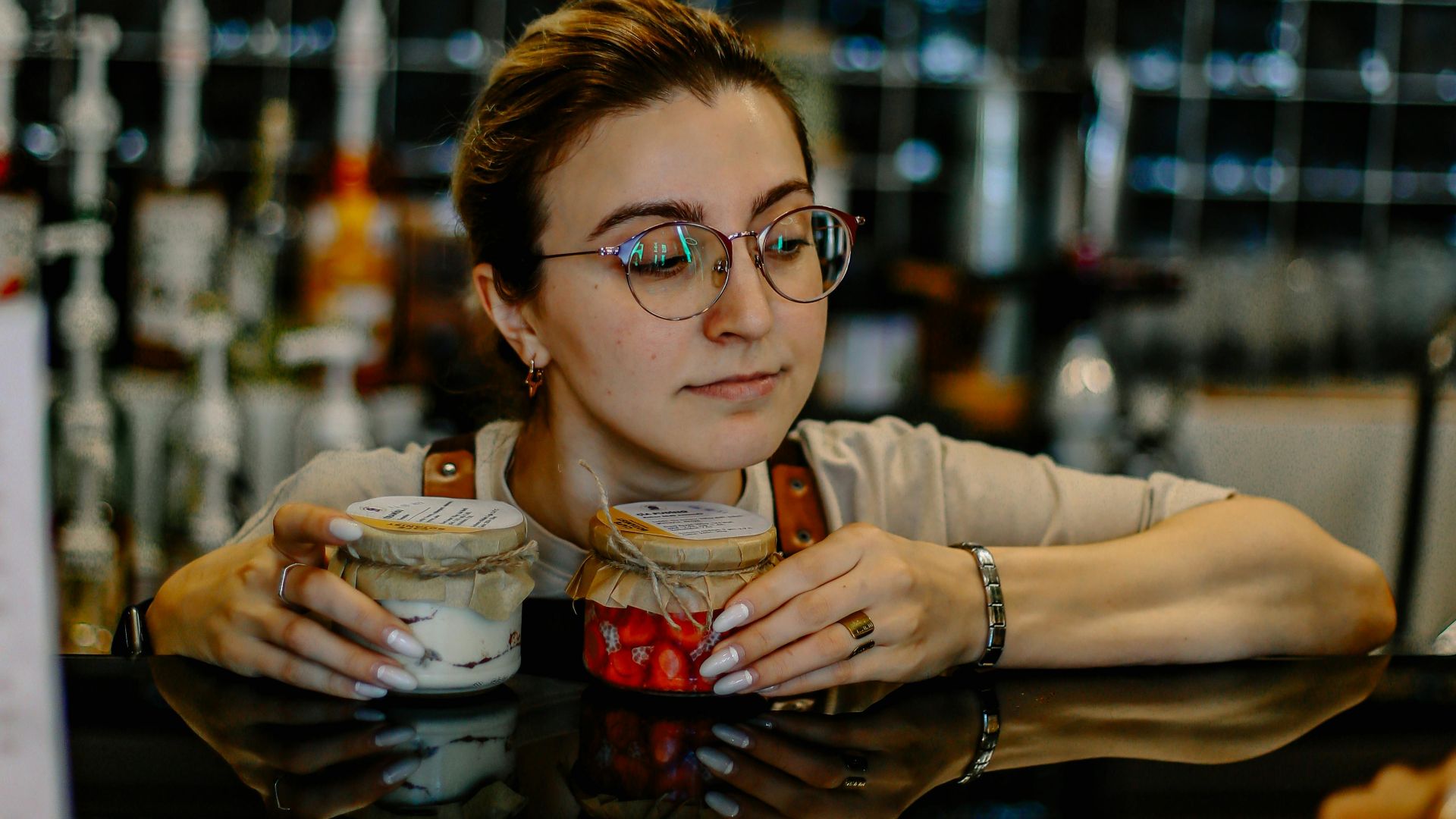 Masud Allahverdizade on Pexels
20. Translation Errors and Typos
Restaurants will often misspell items so they can copyright their own version of it. While it used to be illegal to call a salad a Caesar salad without it actually being one, chefs found a way around this by simply changing one letter. Why support a menu that doesn’t respect language?
KEEP ON READING
The 5 Most Consumed Foods in the Entire World