Before You Toss It in Your Cart
Grocery shopping feels simple until you get home and realize you bought three versions of the same thing, none of which you actually want to eat, but in the moment it'd felt like a good idea because you were hungry. To help you avoid headaches, save money, reduce waste, and keep your kitchen from becoming a museum of seemed-like-a-good-idea purchases, we've rounded up a list of 20 questions to ask yourself before you put anything in your cart. Next time you hit the aisles, you'll be more than prepared.

1. Do I actually want this, or am I just hungry right now?
Shopping while hungry can make everything look like a great decision. If you’re craving it in the moment, pause and picture whether you’ll still be excited about it at home (and if you'll actually eat it). If the answer feels shaky, put it back on the shelf.

2. What specific meal or snack am I buying this for?
It’s easy to buy ingredients that don’t have a plan. Before you mindlessly place it in your cart, decide where it fits: whether it'll be for breakfast, lunch, or dinner, or it's a realistic snack you'll actually enjoy. If you can’t name the moment you’ll use it, it may end up forgotten in your pantry.
3. Do I already have something like this at home?
Before you commit, mentally scan your fridge and pantry for duplicates. You might already have two half-used jars of the same thing hiding behind the milk and all the other impulse purchases you've made in the past month. If you’re not sure, choose the safer option and skip it.
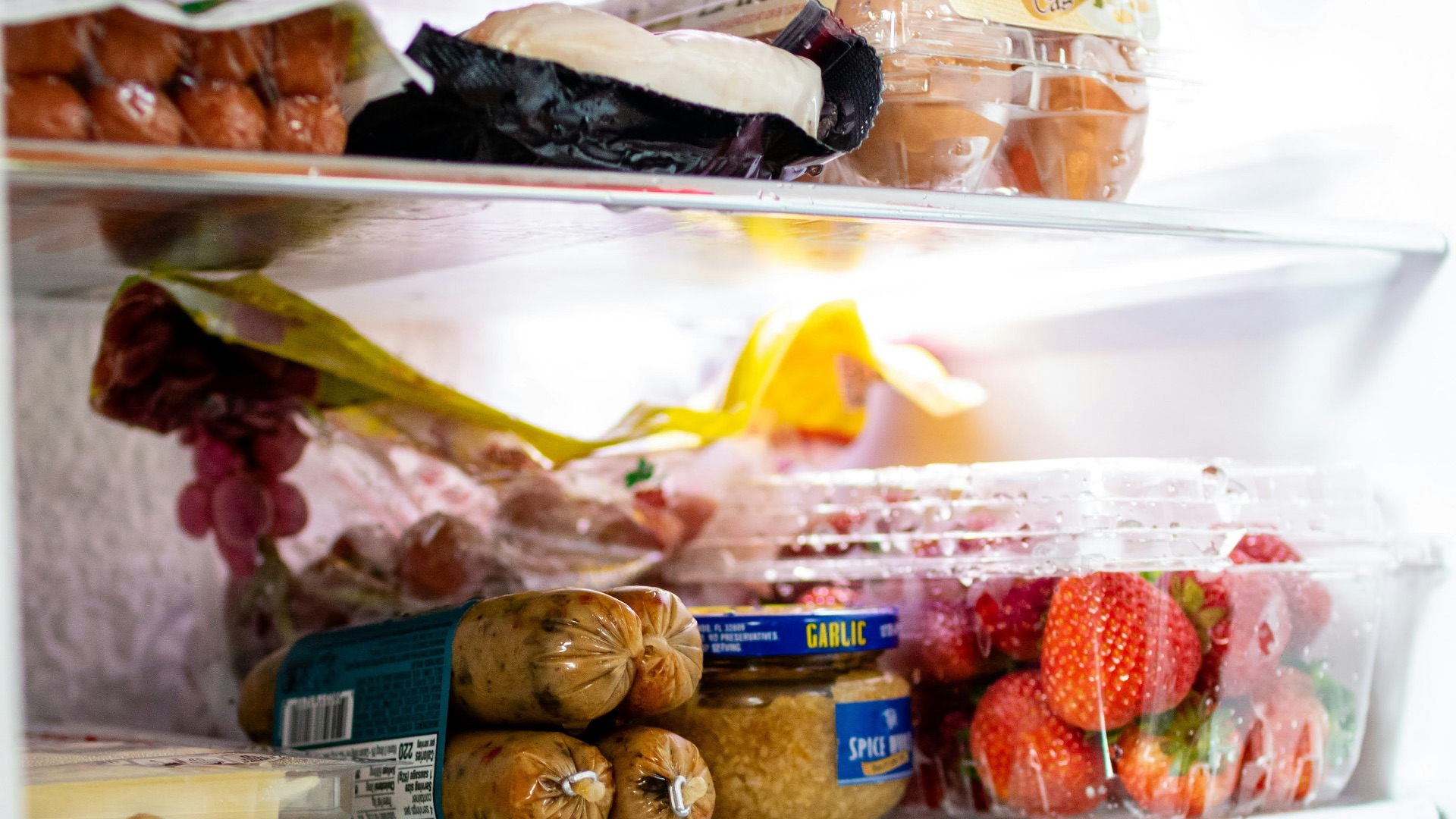
4. Will I eat this before it goes bad?
Be honest about your schedule and energy this week. Short-shelf-life items are great, but only if you’ll actually get to them before they go bad. If you’ve got a busy few days ahead and no time to cook, it’s smarter to buy less or pick a longer-lasting version.
5. Does this match how I’m realistically cooking this week?
Some weeks are cooking weeks, and some weeks are takeout-and-leftovers weeks. If you know you won’t have enough energy to do any chopping, sautéing, or baking, don’t buy food that requires you to be in the kitchen. Pick options that fit your real-life bandwidth.

6. Is this a need, a want, or a curiosity buy?
Not everything has to be practical, but it helps to label the purchase. If it’s a want or a curiosity item, make sure you’re comfortable with the trade-off. Calling it what it is keeps you from feeling annoyed later.
7. What’s the cost per unit, and is it actually a good deal?
A bigger package isn’t automatically a better value, even if it looks impressive. Check the price per ounce, pound, or count so you’re comparing apples to apples. If you think ahead, sometimes the “deal” is just more of something you won’t finish.
8. Will I still enjoy this after the first time I eat it?
Some foods are fun to try once and then lose their charm quickly. Think about whether it’s something you’ll reach for again, not just try for novelty. If you’re unsure, consider a smaller size (if it's available) so you’re not stuck with a big bag of it after you find out you're not a fan.
9. Does this fit my dietary needs or goals right now?
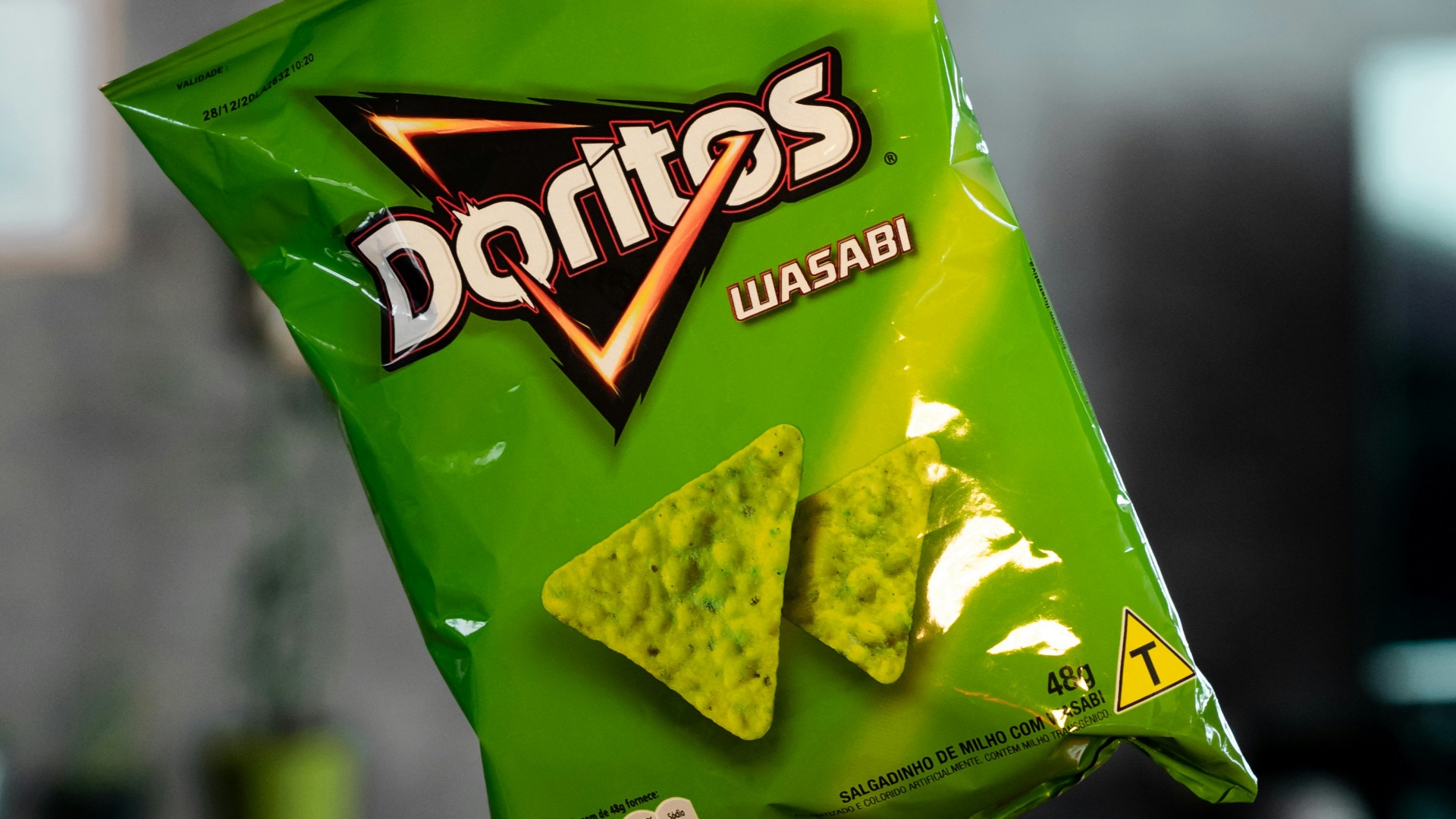
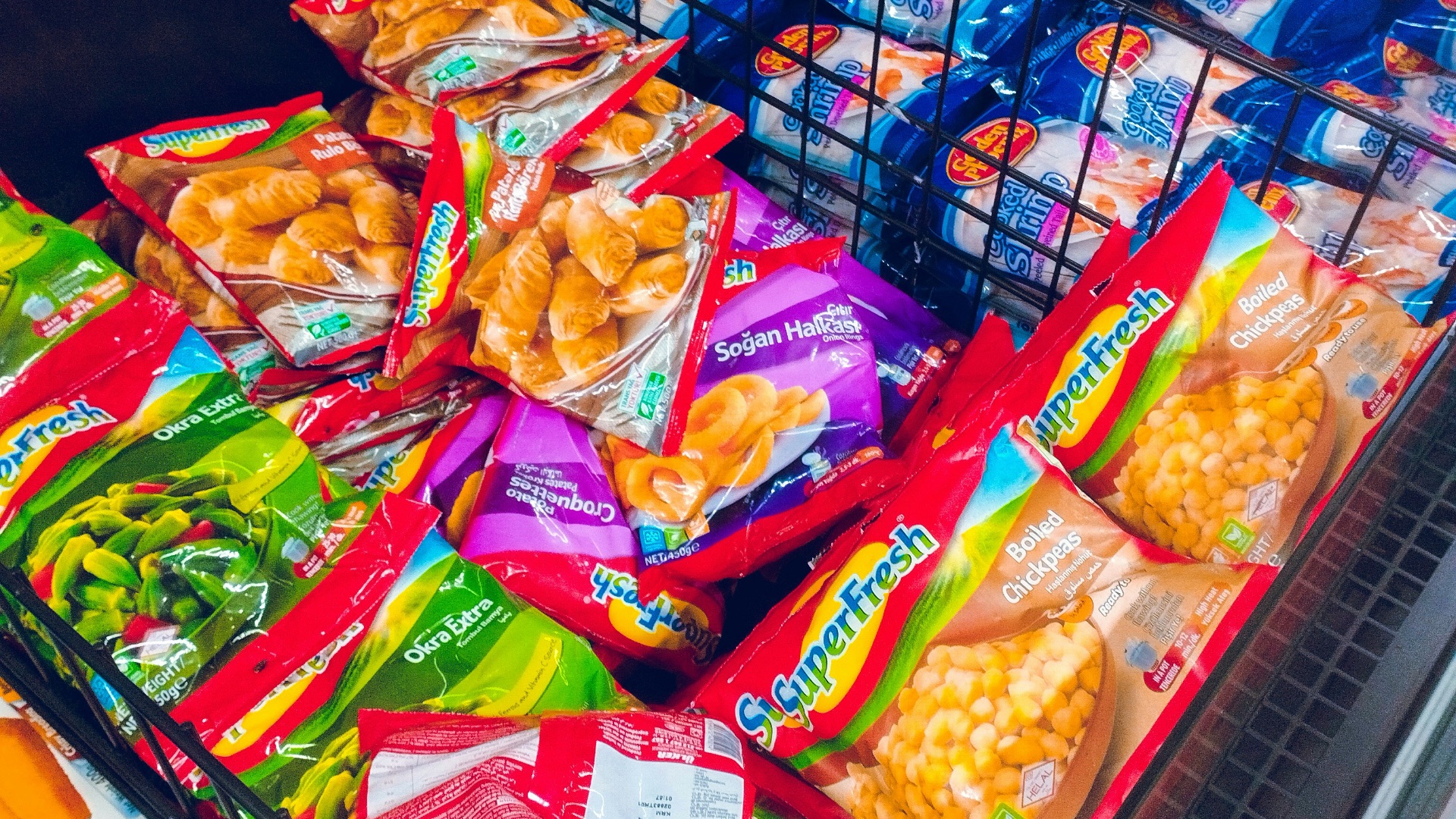
Whether you’re watching sugar, sodium, allergens, or anything else, it’s worth double-checking. You don’t need to be strict all the time, but surprises on the label can be frustrating. If it doesn’t align with what you’re aiming for, leave it behind.
 Muhammed A. Mustapha on Unsplash
10. Am I okay with what’s in the ingredient list?
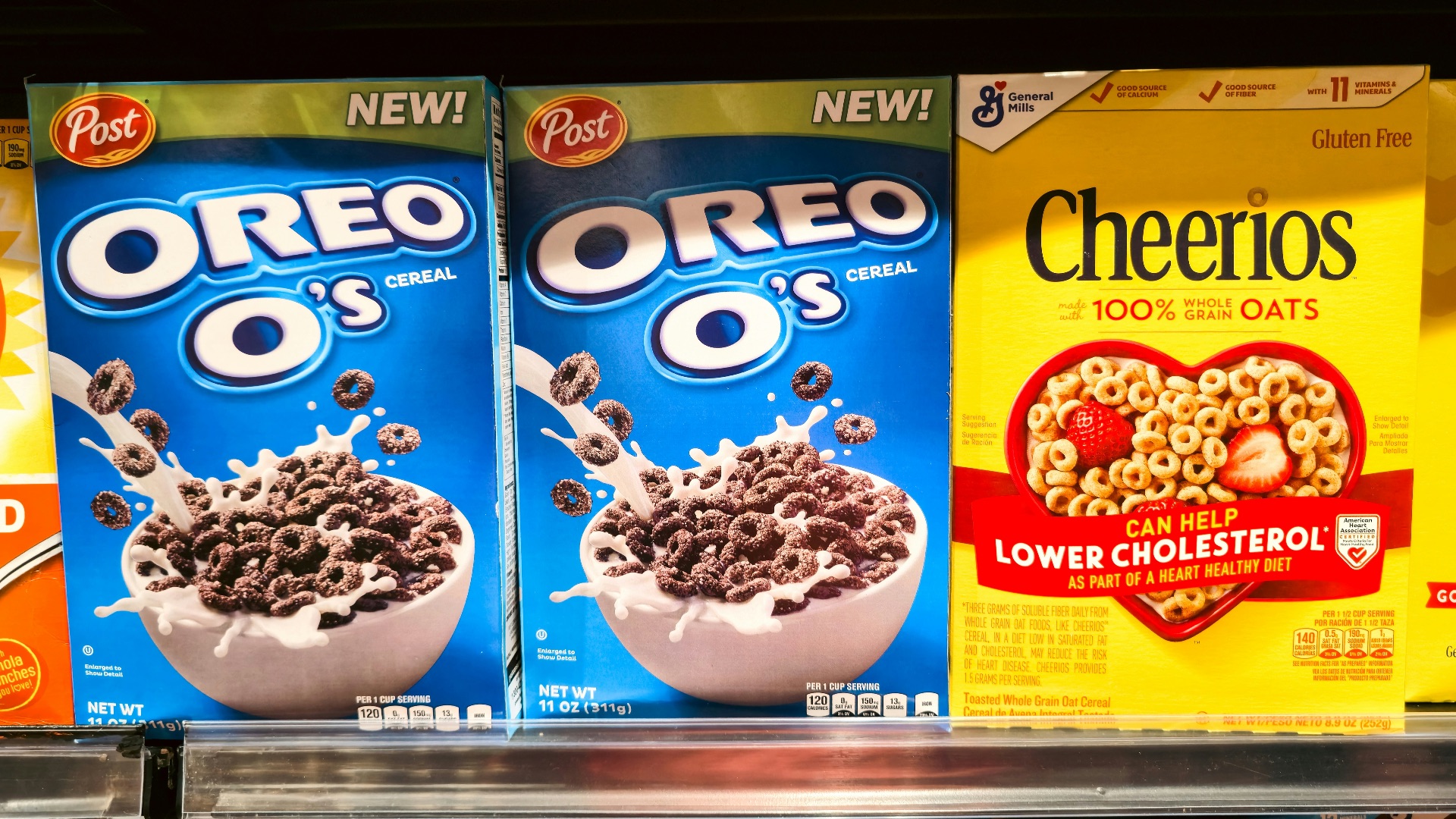
Ingredients aren’t automatically “bad” just because you can’t pronounce them, but you should still feel comfortable with what's listed. Look for anything you’re avoiding, like certain oils, sweeteners, or additives. If the list makes you hesitate, trust that hesitation.
11. How much prep time does this actually take?
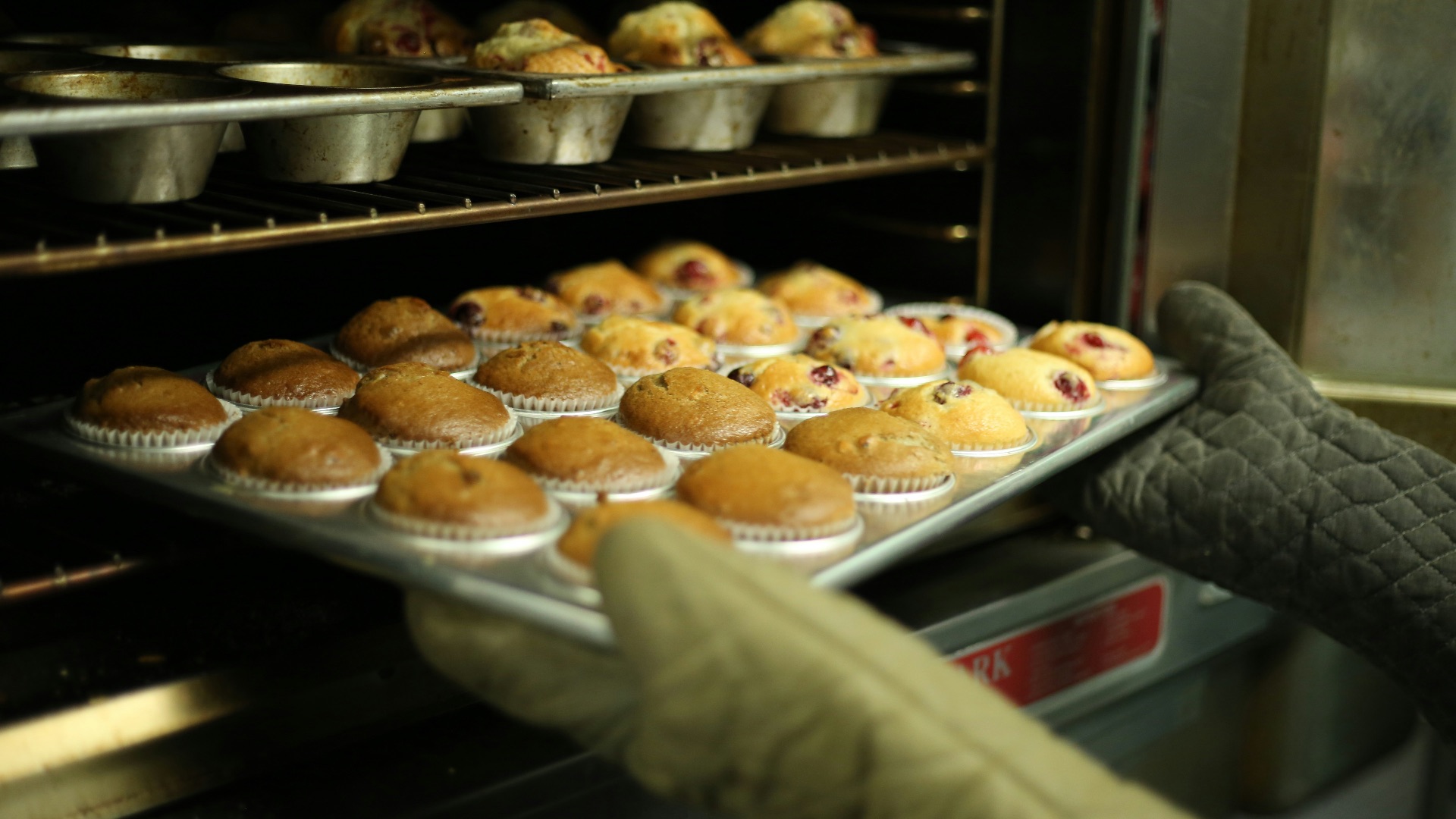
Packages love to imply things are quick to make when they’re actually not. Consider what’s required (and how long, realistically, would you take): washing, chopping, cooking, and cleanup all count. If the prep feels like a chore you won’t do, pick something easier.
12. Do I have the tools and staples to use this properly?
A new ingredient can be exciting until you realize you don’t have the tools and basics to make it work. Ask yourself if you’ve got the spices, oils, equipment, or even storage containers needed. If it requires extra purchases, it might not be worth it today.
13. Will this create leftovers I’ll actually eat?
Leftovers can be a gift or a burden, depending on what they are. Think about whether you enjoy the item on day two, not just when it's fresh. If you usually ignore leftovers, choose smaller portions or different foods, and leave it on the shelf.
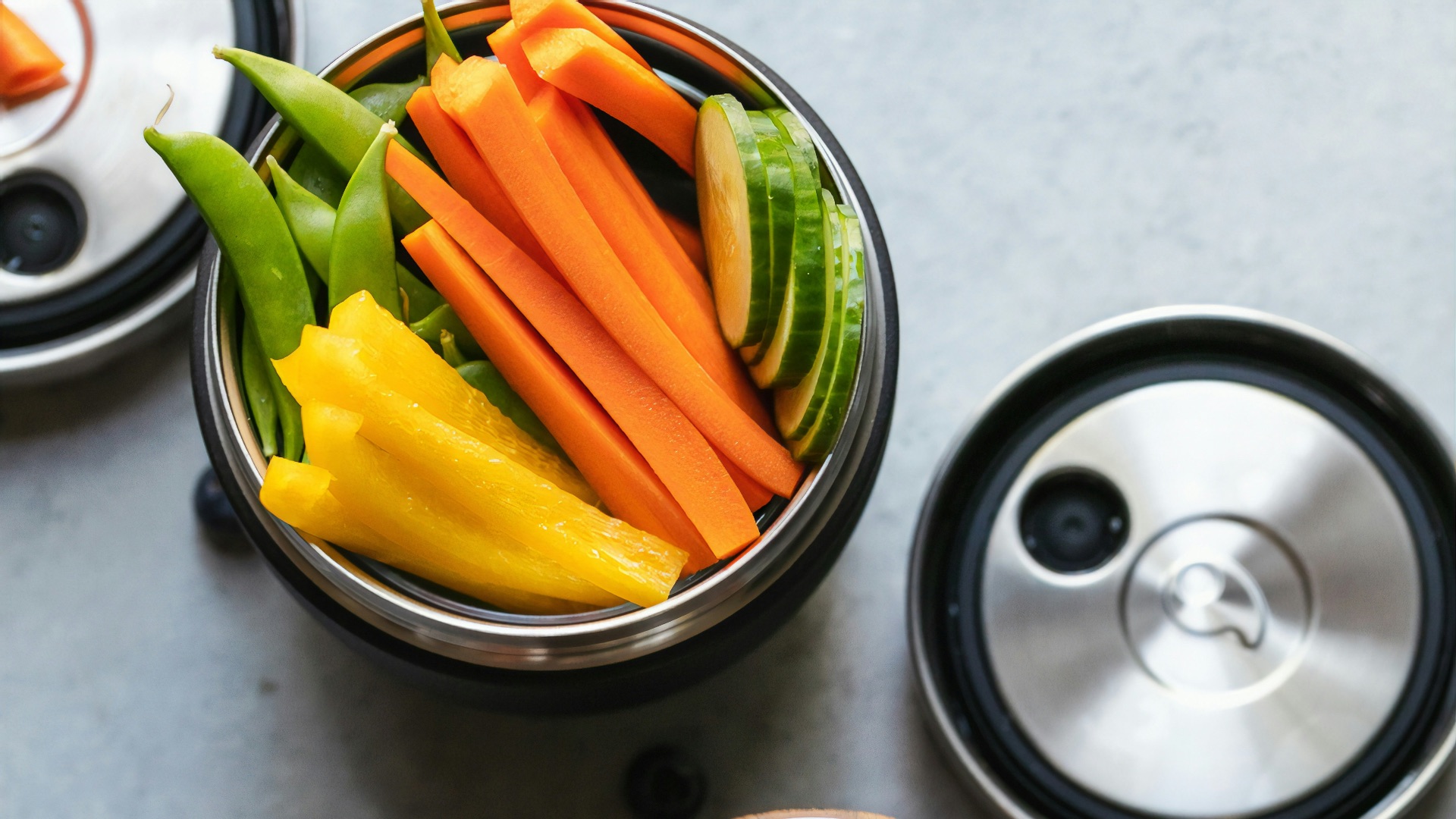
14. Is this brand or version the one I truly like?
You don’t have to be loyal to a label, but you should know what you enjoy. If you’re switching to a new version, recognize that you’re taking a gamble. When it’s something you rely on, it’s okay to stick with what works.
 Centre for Ageing Better on Unsplash
15. Is the freshness date giving me enough time?
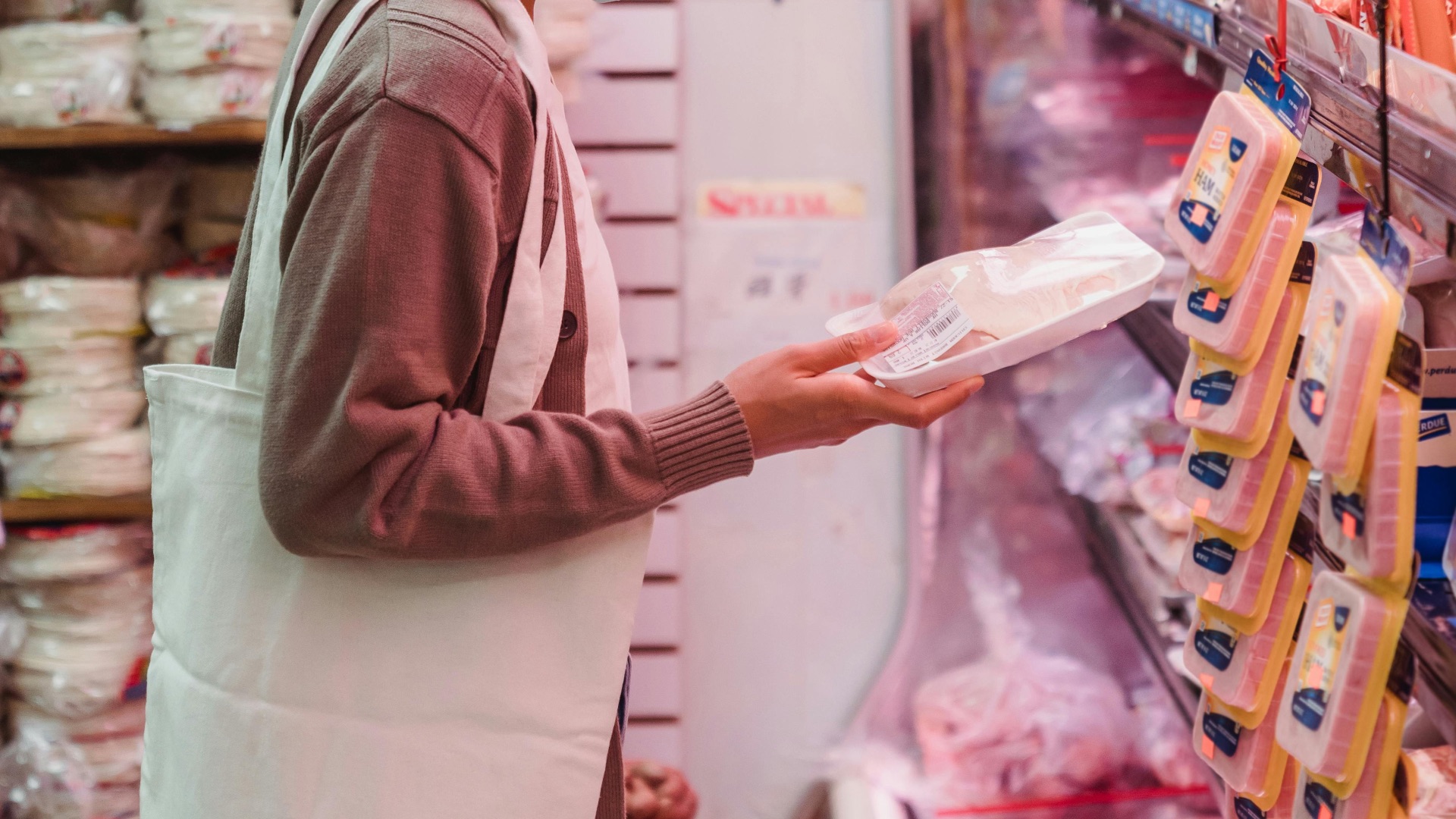
Check sell-by and use-by dates, especially for meat, dairy, and ready-to-eat items. If it’s cutting it close, you’re basically buying a deadline, and that can put pressure on you. Only put it in your cart if you’re confident you’ll use (and finish) it quickly.
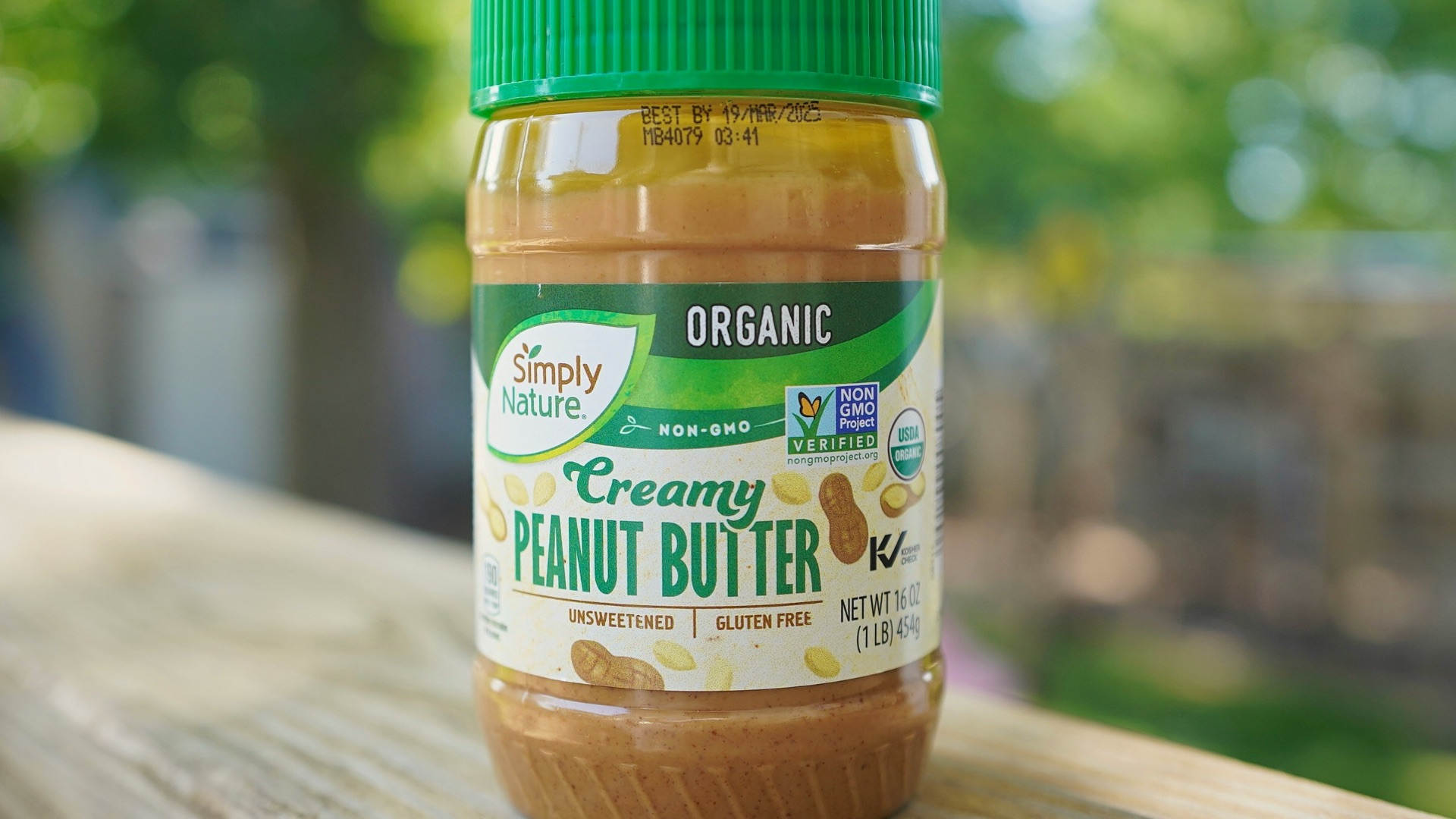
16. Does this need to be refrigerated or frozen right away?
Some groceries demand fast action once you get home. Consider how long it’ll sit in a cart, a car, or on the counter while you unload. If you’re running errands after, it's probably best to put it back on the shelf and come back for it another day.
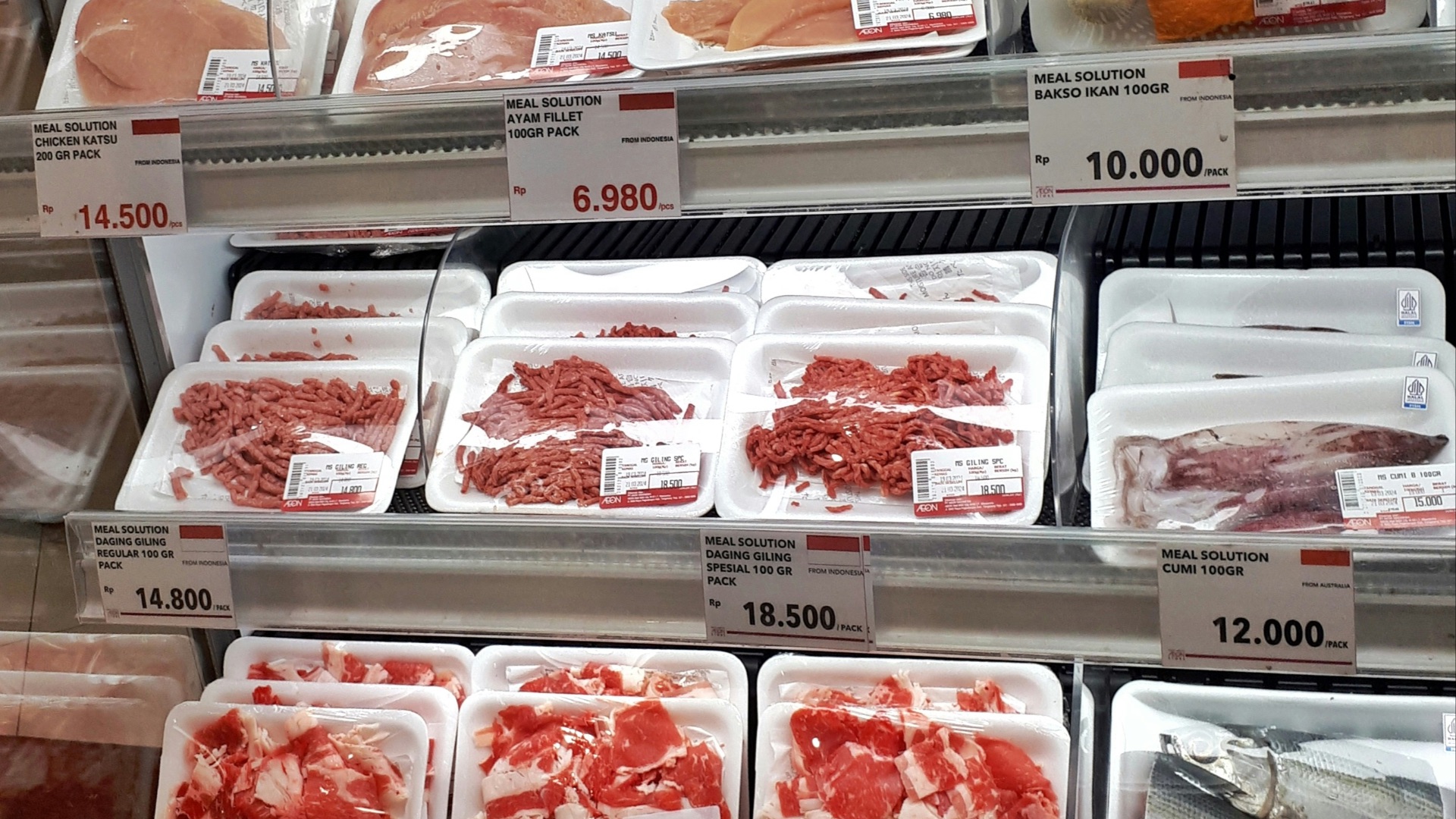
17. Is the packaging size right for my household?
Buying for one person is different than buying for a family, and the same goes for storage space. Large packs can be great, but only if you’ll finish them or have the room to freeze or store any leftovers. If you know it’ll linger, get the smaller option.
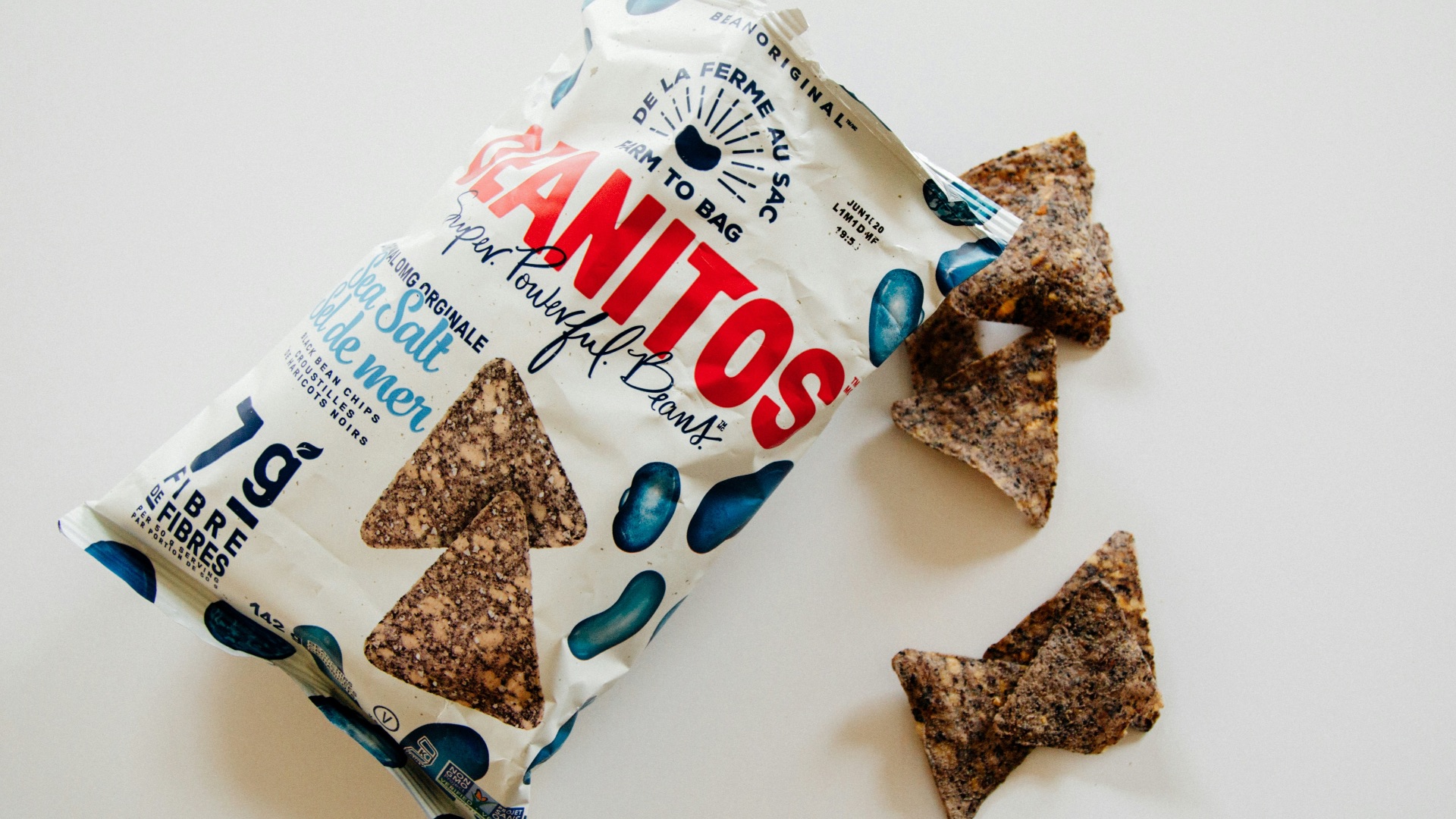
18. Does this support the kind of snacks and meals I want available?
Your kitchen and pantry shape your choices, whether you like it or not. Think about what you realistically want to reach for when you’re tired, busy, or bored. If this item nudges you away from how you want to eat, it may not be the best pick.

19. What am I giving up in my budget to buy this?
The grocery store is designed to make you linger, browse, and buy more. Even if the items are small, these extras add up, especially if you’re buying several at once. Ask yourself what you’d skip or downgrade if you add this to the cart. If it crowds out essentials you’ll use more, it’s not a smart trade.

20. If I put this back, will I regret it later?
This is the final reality check, and it’s surprisingly helpful. If you’d genuinely miss it and you know you’ll use or eat it, go for it. If you won’t remember it tomorrow after you've stored it somewhere in your pantry or fridge, you’ve got your answer.
KEEP ON READING

20 Easy to Digest Meals for Sensitive Stomachs