
20 Things Grandma Knew About Cooking That Modern Recipes Leave Out
The Kitchen Wisdom That Comes With Experience
Modern recipes provide precise measurements, detailed instructions, and convenient shortcuts, but they don't always explain the little techniques that make home cooking exceptional. Grandmothers often developed their culinary skills through years of experimentation, family traditions, and making the most of whatever ingredients were available. They understood that preparing a delicious meal involved paying attention to textures, aromas, temperatures, and other details that aren't easily communicated through written instructions.
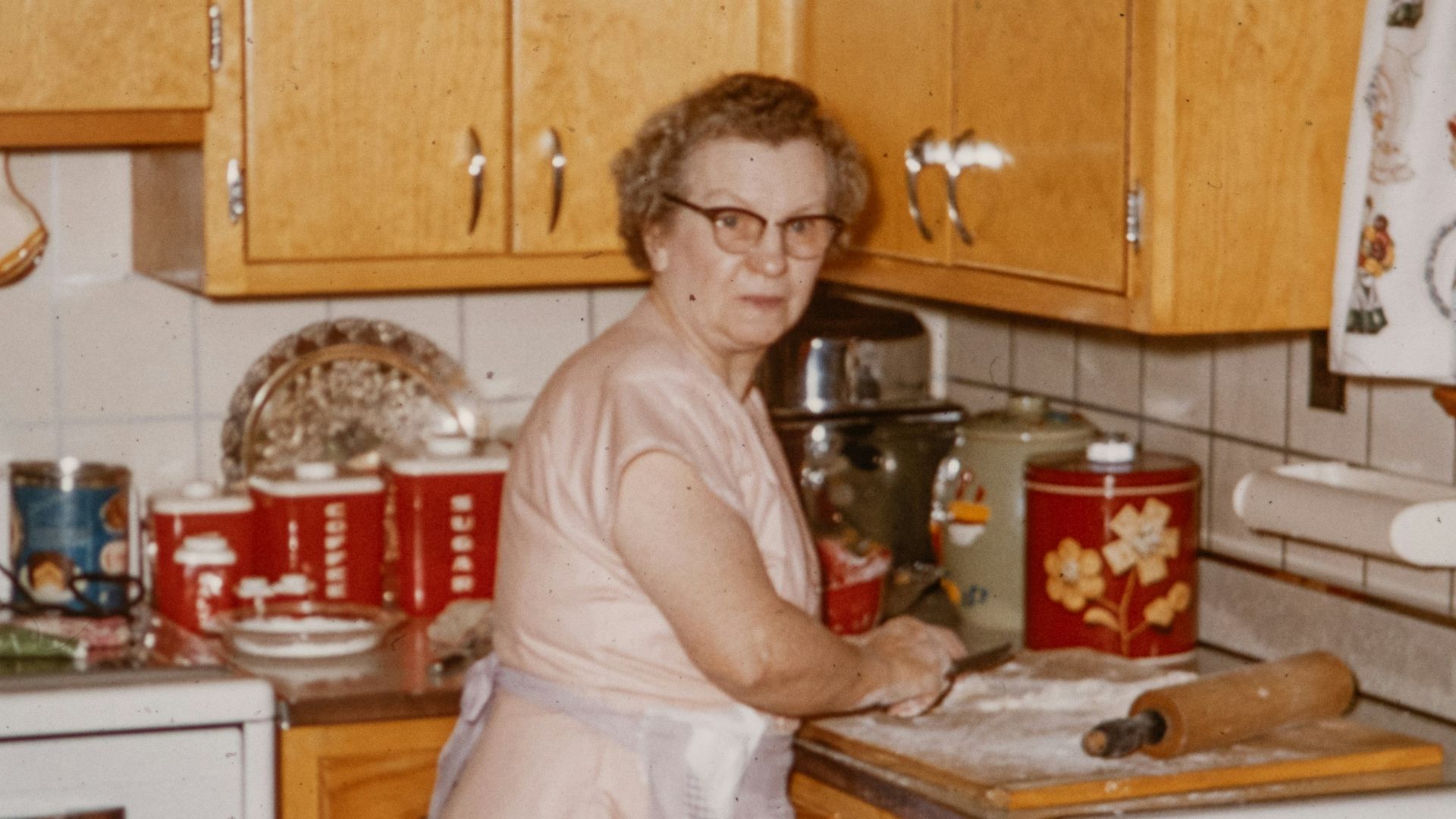
1. Measurements Don't Always Need to Be Exact
Many dishes can be very successfully made with approximate amounts of various liquids, seasonings, and so on. With sufficient practice, it's fairly easy to judge what amount of each is required for a given quantity of food. While precision is important when baking, many savory dishes benefit from a more flexible approach that accommodates individual preferences for more or less of various ingredients.
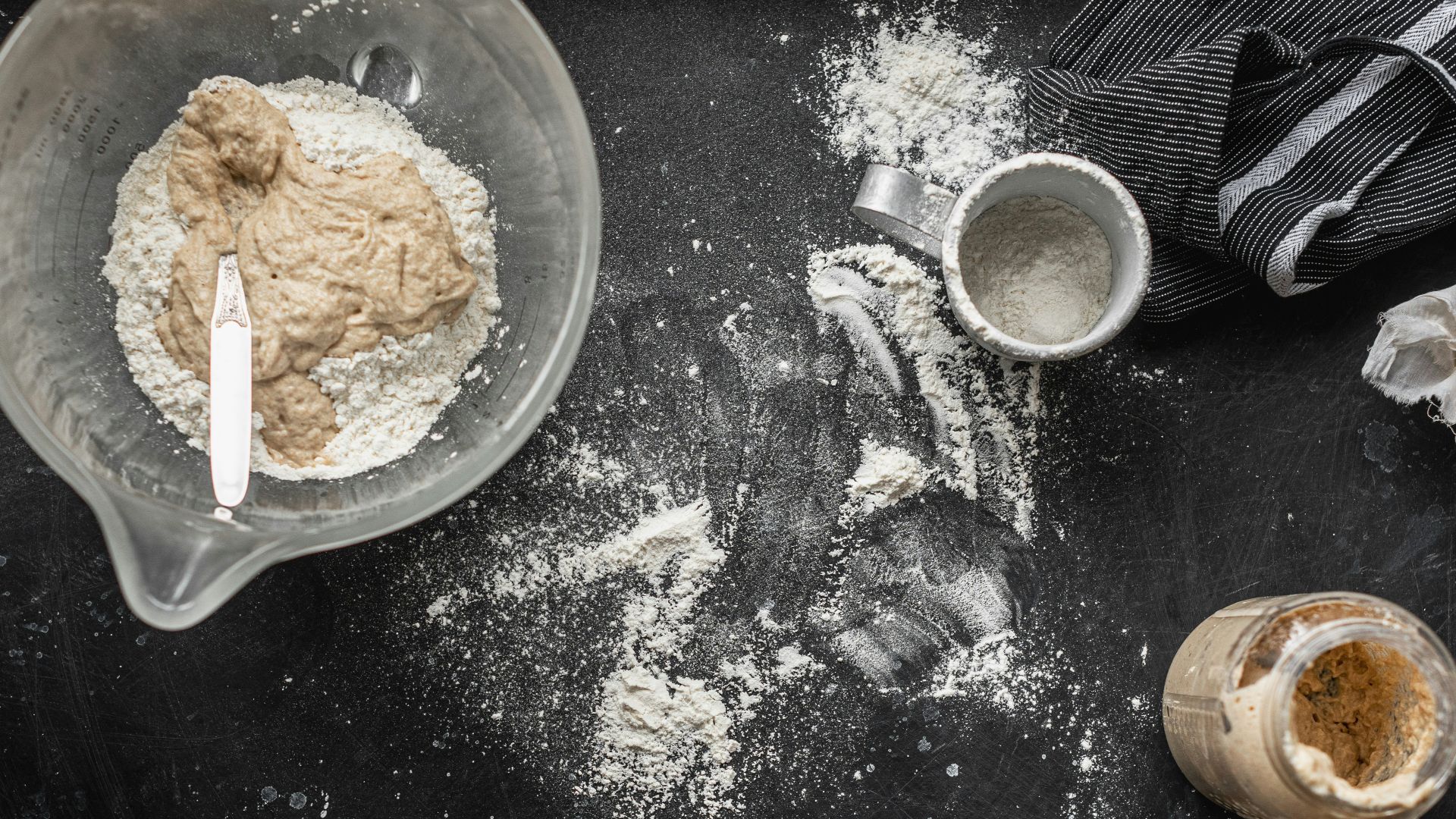
2. Browning Butter Adds Incredible Flavor
If heated slightly longer after melting, butter takes on a delicious nutty taste. It just needs to be carefully watched so that the milk solids turn a light to medium nutty brown color without burning. It's lovely on many things, including mashed potatoes and other vegetables straight from the oven, as well as in some types of cookies.
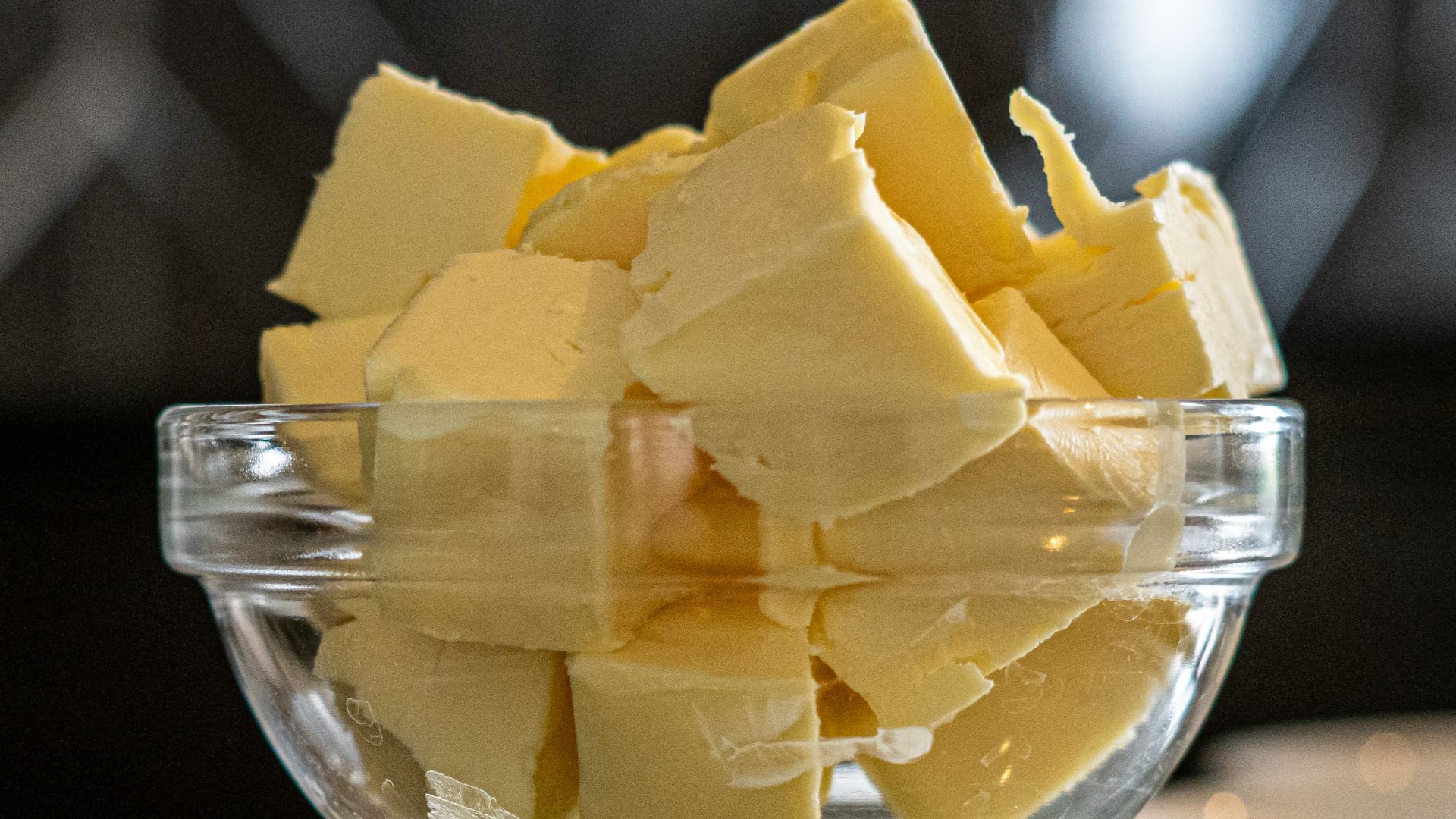
3. Leftovers Are Ingredients for Another Meal
Most grandmas would balk at throwing away edible food. There would be soup of some sort to follow a roast chicken, while leftover cooked or mashed potatoes could well be made into potato patties, and so on. If food is suitably stored, there are all sorts of things it can be used for subsequently, which will often greatly shorten the cooking time of the following meal.
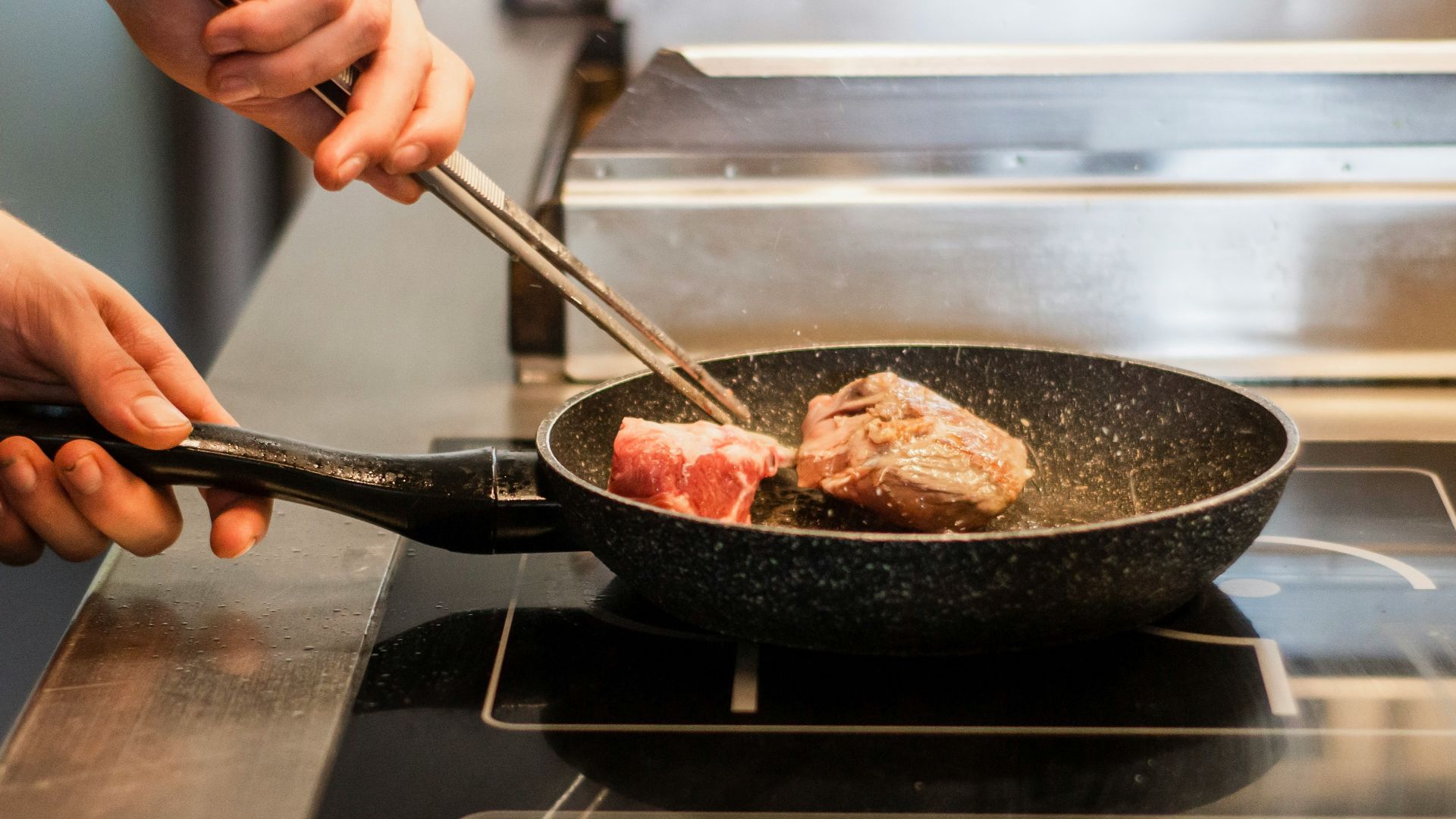
4. A Hot Pan Makes All the Difference
If food is added to a pan that isn't sufficiently hot, this may adversely affect browning and other qualities of the finished product. Whether by the appearance of the oil or by the sound made as food was placed in it, a grandma would know when the pan was sufficiently hot for her purposes. Giving suitable cookware enough time to heat up helps develop golden crusts on meats, vegetables, and other ingredients.
5. Homemade Stock Is Worth the Effort
A surprising amount of material is suitable for making stock, from various vegetable peelings and herb stems to chicken or other bones. It was common practice to keep many of these to use later instead of putting them straight into the trash. A good stock brings additional depth to soups, gravies, sauces, and rice dishes without requiring an expensive collection of ingredients.

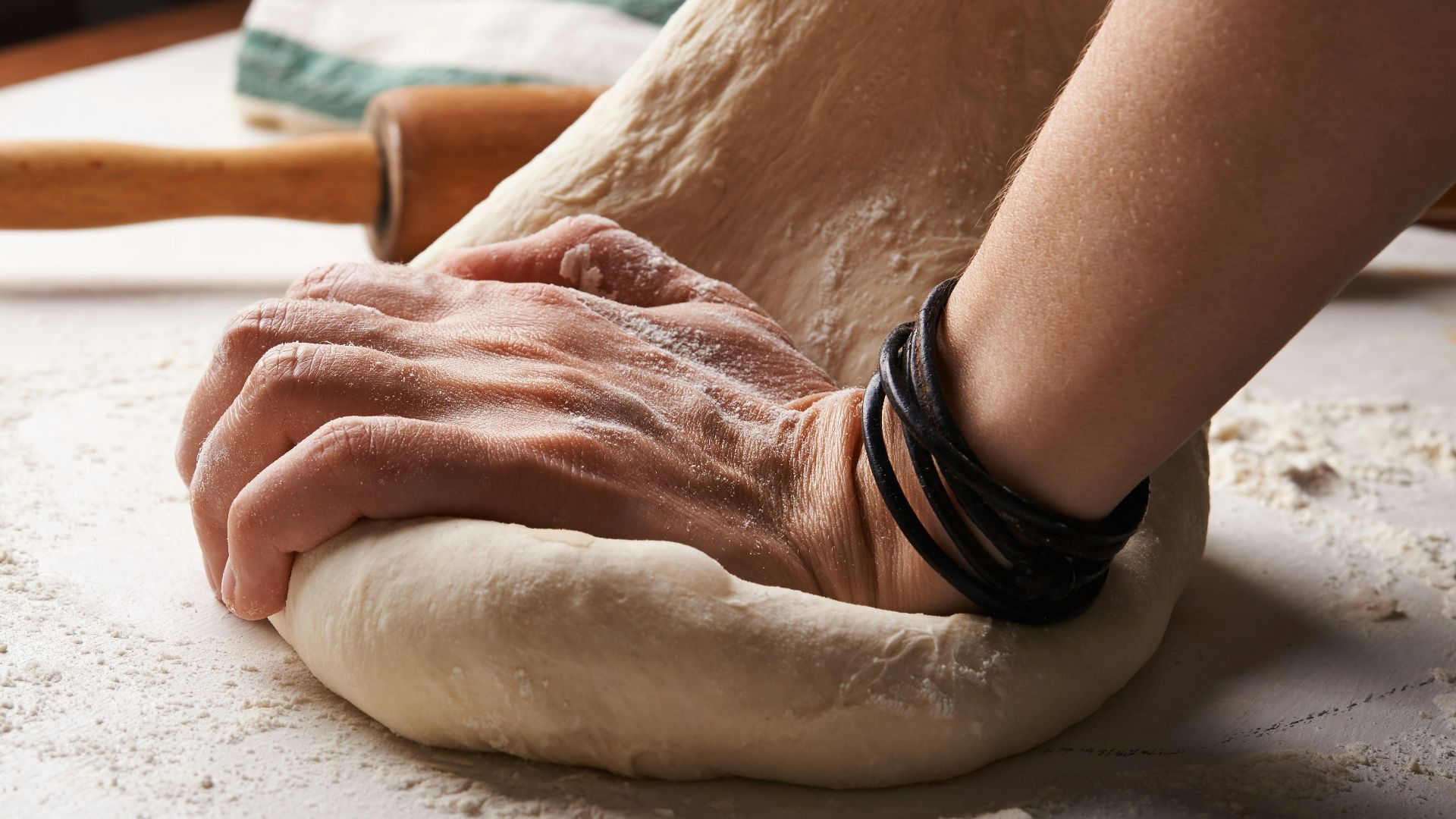
6. Dough Needs Time to Rest
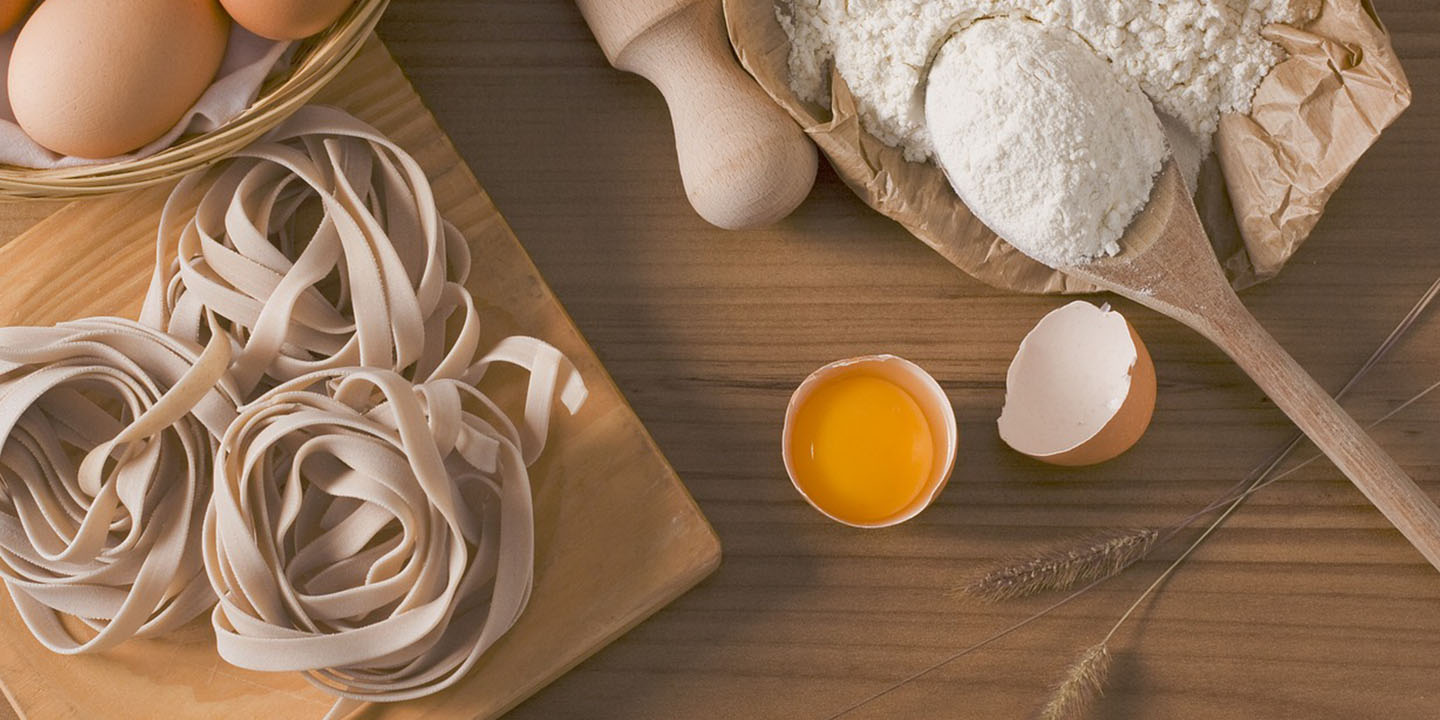
It can be very exasperating trying to roll out fresh dough that seems to spring back to its original size no matter how firmly it's rolled. Many doughs are much more manageable after being allowed to rest for some time. It's well worth doing so, for example, with dough for flatbreads, pie crusts, and so on.
 Nadya Spetnitskaya on Unsplash
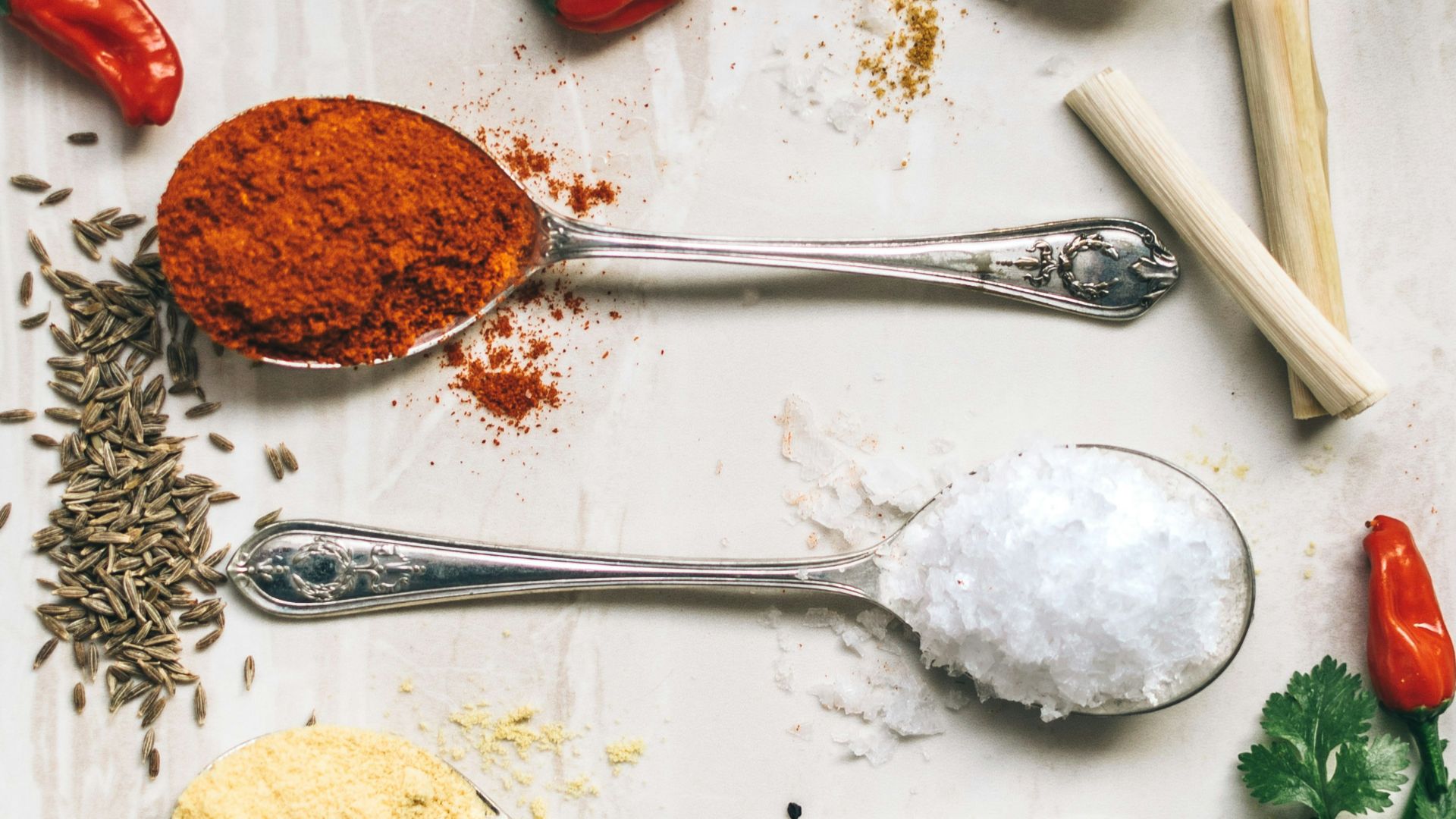
7. Seasoning Should Happen Throughout Cooking
It's often better to add a proportion of salt and other seasonings during various stages of the cooking process rather than all at the end. This allows the seasonings to have more effect on various ingredients while they're cooking. There will also be several opportunities to taste the food and add more seasoning, if desired, before the end.
8. Overcrowding the Pan Ruins Browning
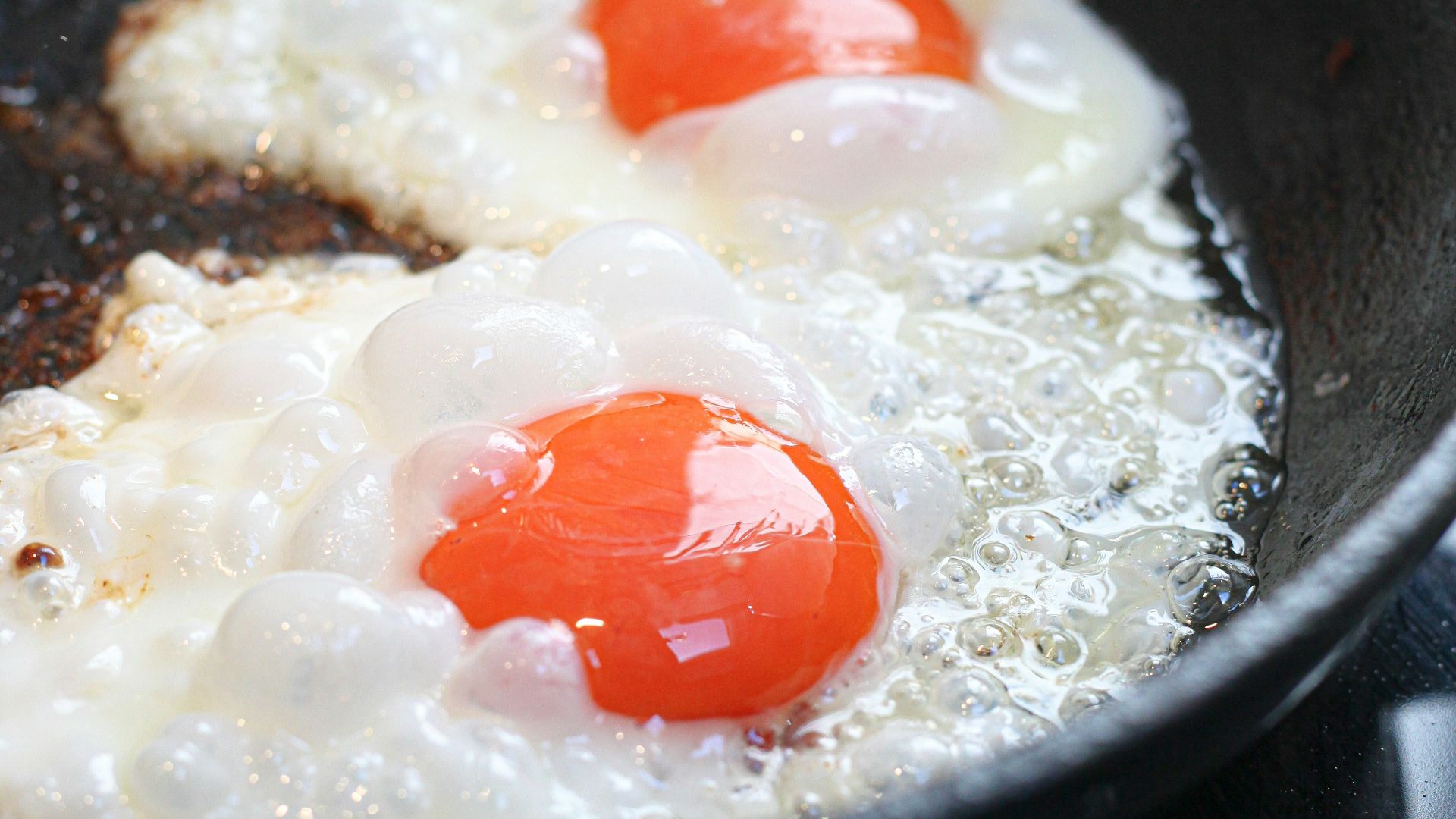
It may be tempting to put as much food as possible into one pan to save time. However, all the moisture given off by the ingredients while cooking can pool on the surface of the pan, so that they're almost poached in their own juices instead of browning. Preparing smaller batches takes a little longer, although the improved texture and flavor are often worth the additional effort.
9. Stale Bread Still Has Plenty of Uses
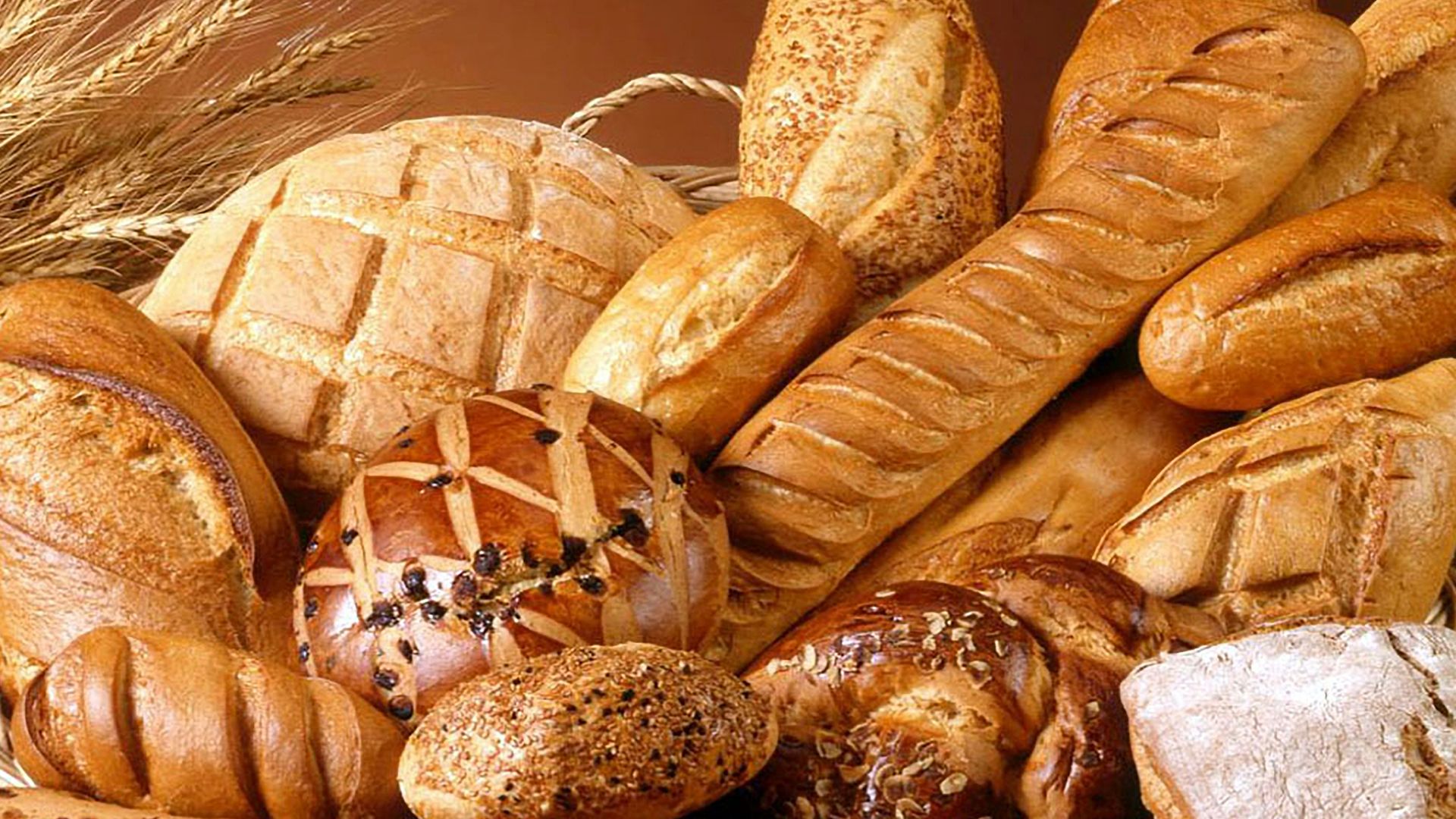
As long as it isn't moldy or otherwise spoiled, there are many uses for bread that's no longer fresh. Breadcrumbs, French toast, bread pudding, and croutons are just a few examples of things a grandma might make with stale bread. It's also desirable for some other dishes, as it will absorb more liquid while remaining reasonably intact.
10. Meat Should Rest Before Being Sliced
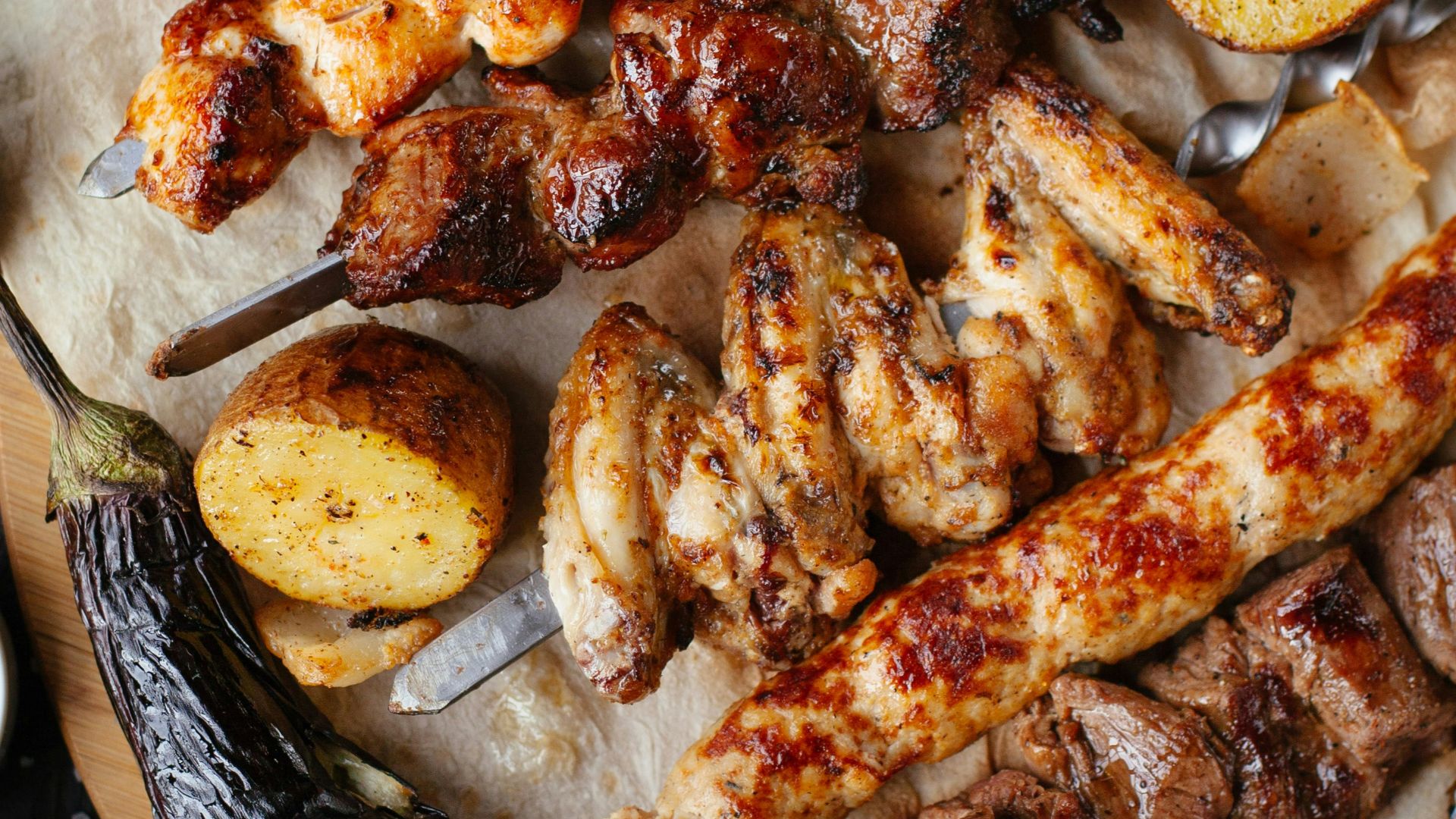
It would be easy to cut into a roast as soon as it was removed from the oven and start carving to feed the hungry. However, it will generally lose less juice during carving if left to rest for a few minutes first. This allows time to be usefully spent completing the other components of the meal.
11. A Little Acidity Can Rescue a Bland Dish
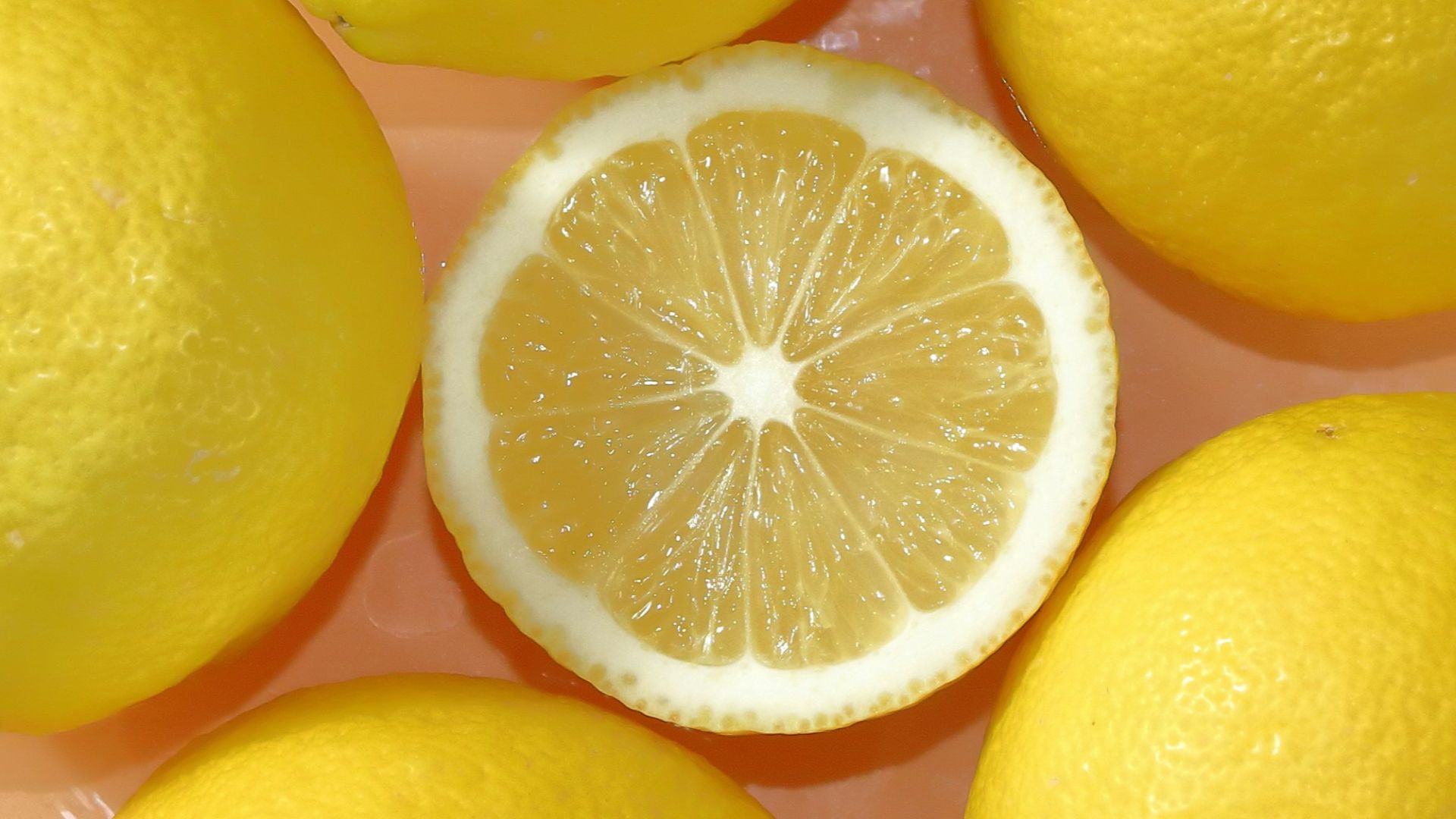
A little lemon juice or another acidic ingredient, such as vinegar, can go a long way toward improving many dishes that are thought to require more salt. This can be very beneficial if there are quite rich elements in the dish, as it helps cut the richness a little. This technique works beautifully with soups, stews, salad dressings, and vegetables that seem to be missing something.
12. The Brown Bits in the Pan Are Valuable
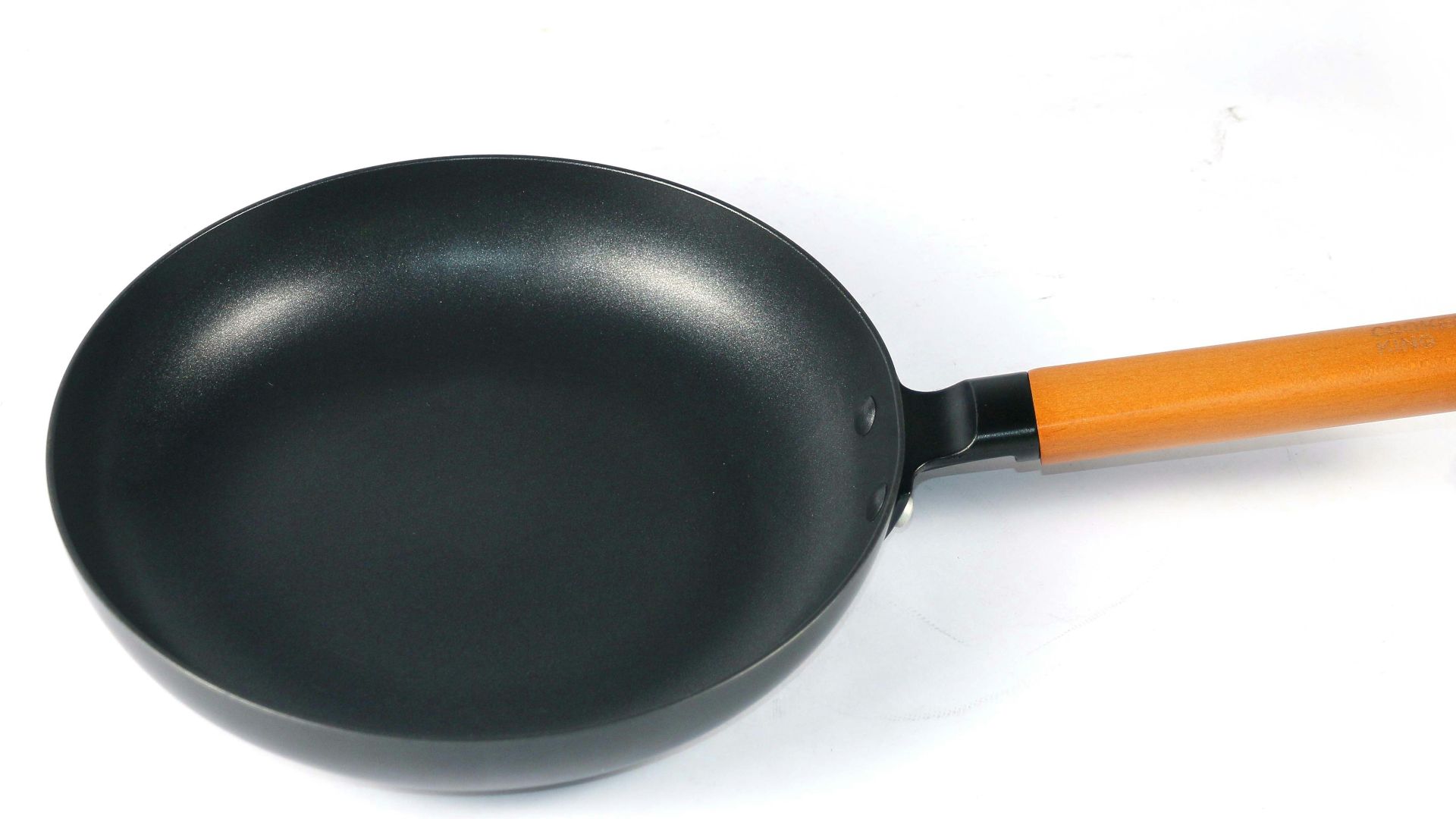
When meat or other foods have been fried, a lot of brown material will usually be left stuck to the bottom of the pan. It may taste rather unpleasant if scraped directly off a cold pan, but it can make an excellent base for a sauce or similar preparation. Hot stock, wine, or another liquid can be added to the pan, and the brown bits can then be scraped up and stirred into the liquid to help them dissolve.
13. Cooking Times Are Only Guidelines
Even assuming the oven is correctly set at the stated temperature, a wide variety of factors can affect the actual time needed for any particular recipe. Varying sizes of pans and ingredients, as well as the efficiency of the oven, are all possibilities. Food should therefore always be inspected and tested as appropriate to be sure that it's ready.
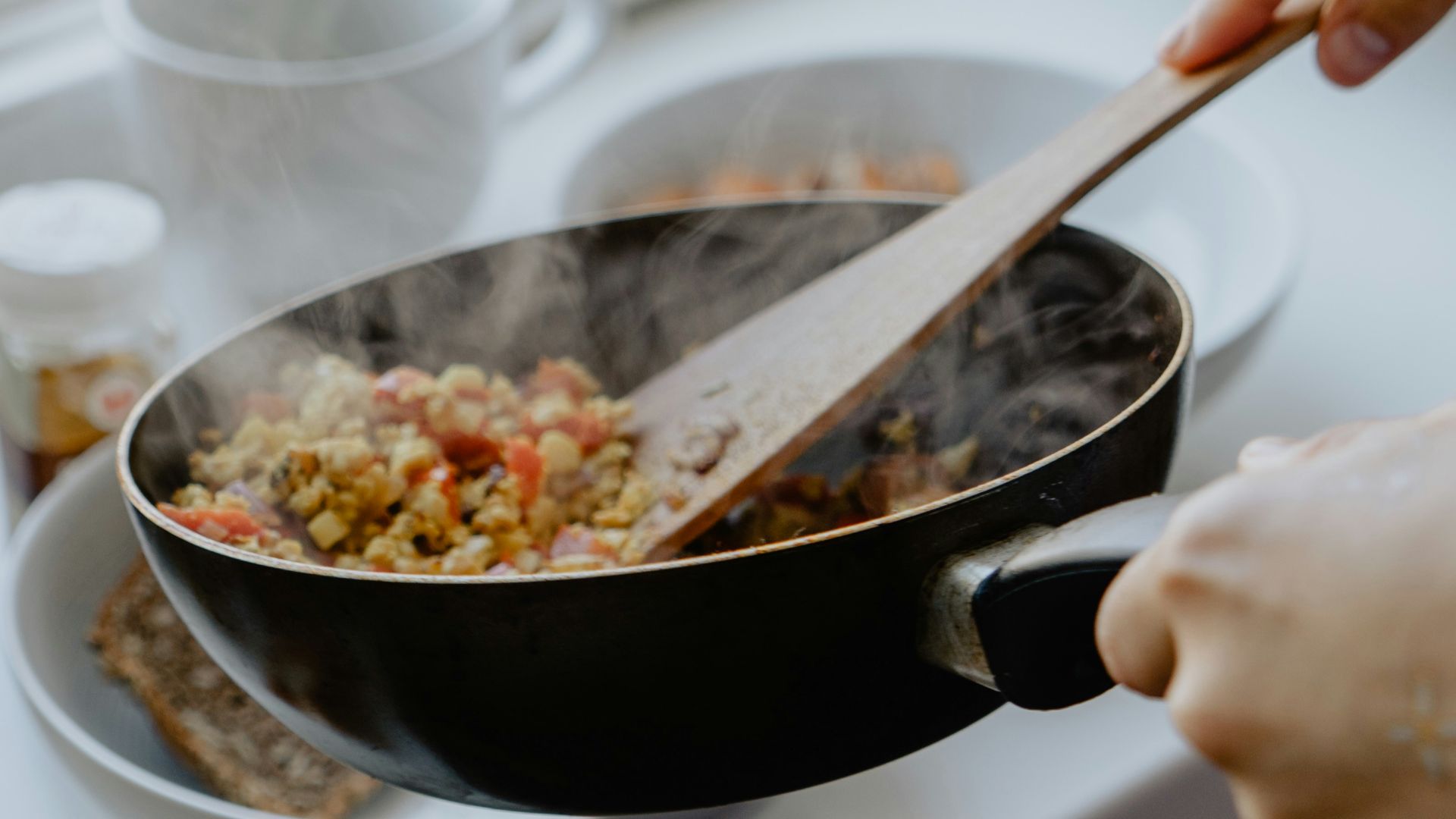
14. Tough Cuts of Meat Can Be Delicious
Many cheaper cuts have a good amount of connective tissue throughout. If these are cooked sufficiently long using moist heat, the resulting meat can be extremely tender and succulent. Traditional pot roasts and hearty stews demonstrate how patience can turn relatively inexpensive ingredients into satisfying meals.
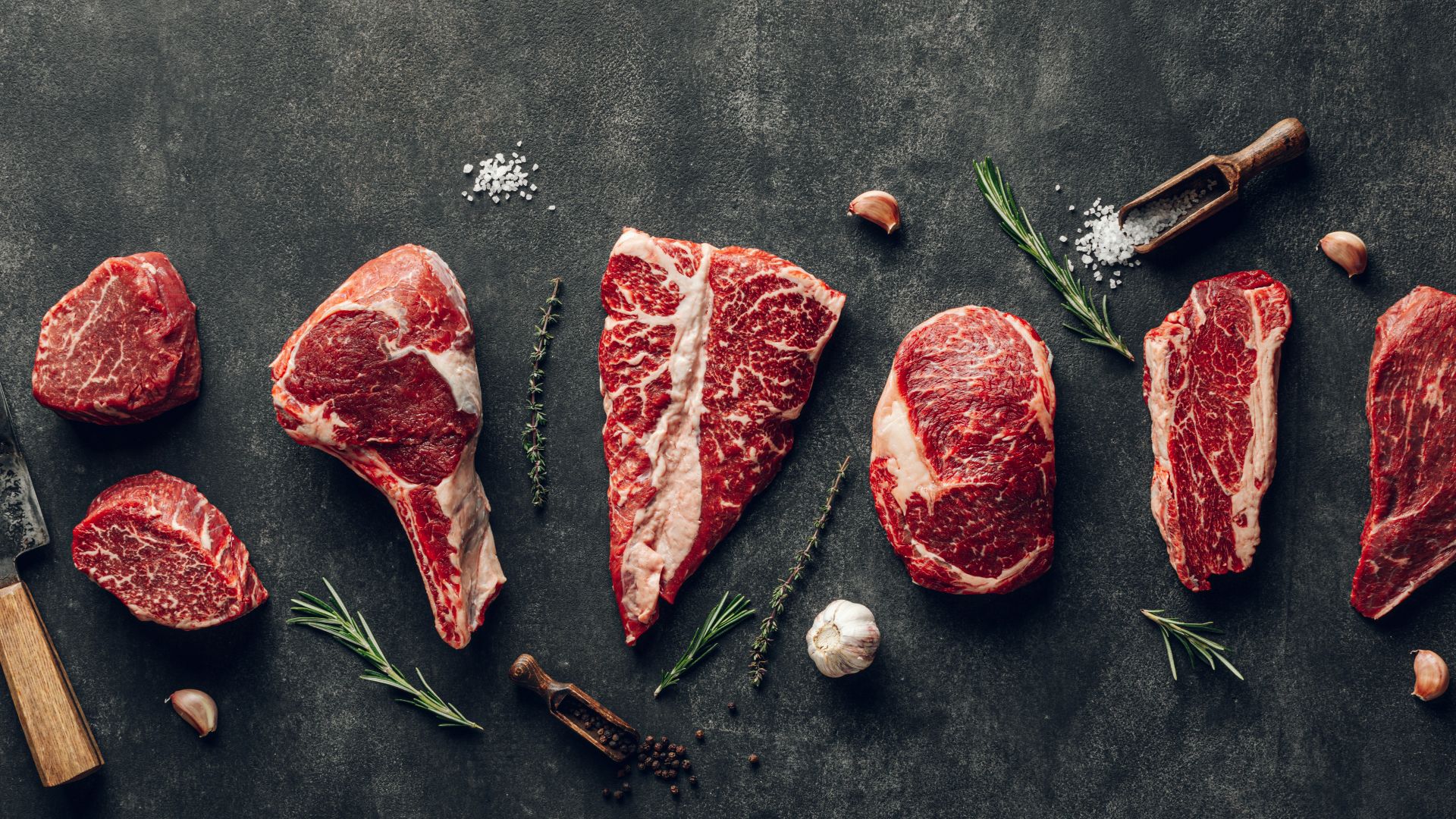
15. Toasting Spices Wakes Up Their Flavor
Many spices, especially if they're whole, can be lightly toasted in a hot, dry pan, which greatly enhances their aroma and flavor. Some ground spices will also benefit from being heated for a short time, usually in some fat. Careful attention is necessary, though, because spices can burn surprisingly quickly.
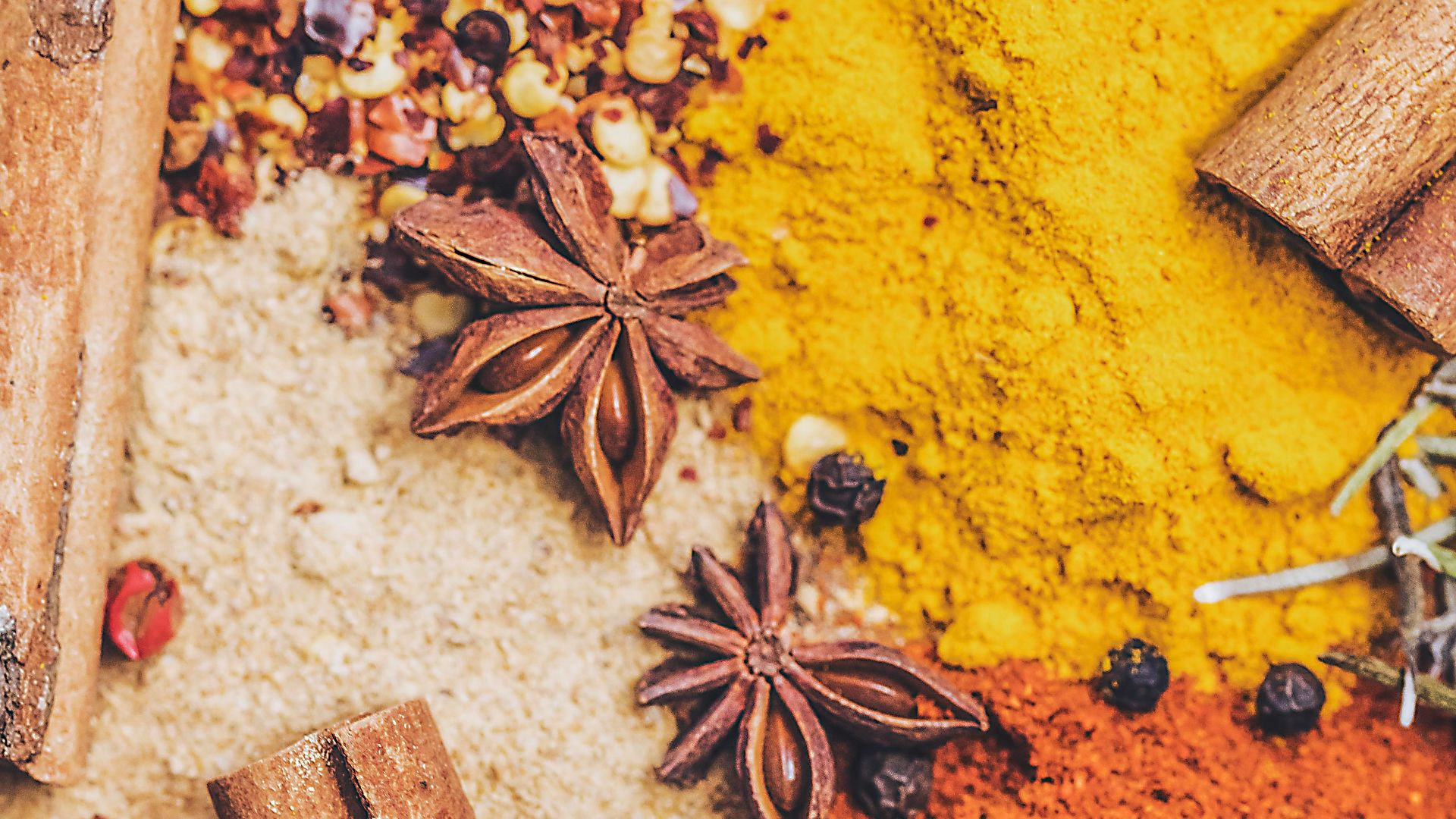
16. Cold Ingredients Make Better Pie Crusts
The proportions and method used are important, but another factor essential to success with many types of flaky pastry is ensuring that the fat remains in small lumps. These help create flaky layers in the finished baked product. It's therefore desirable to keep the butter cold, and it often helps to leave the prepared pastry dough in the refrigerator before attempting to roll or otherwise shape it.
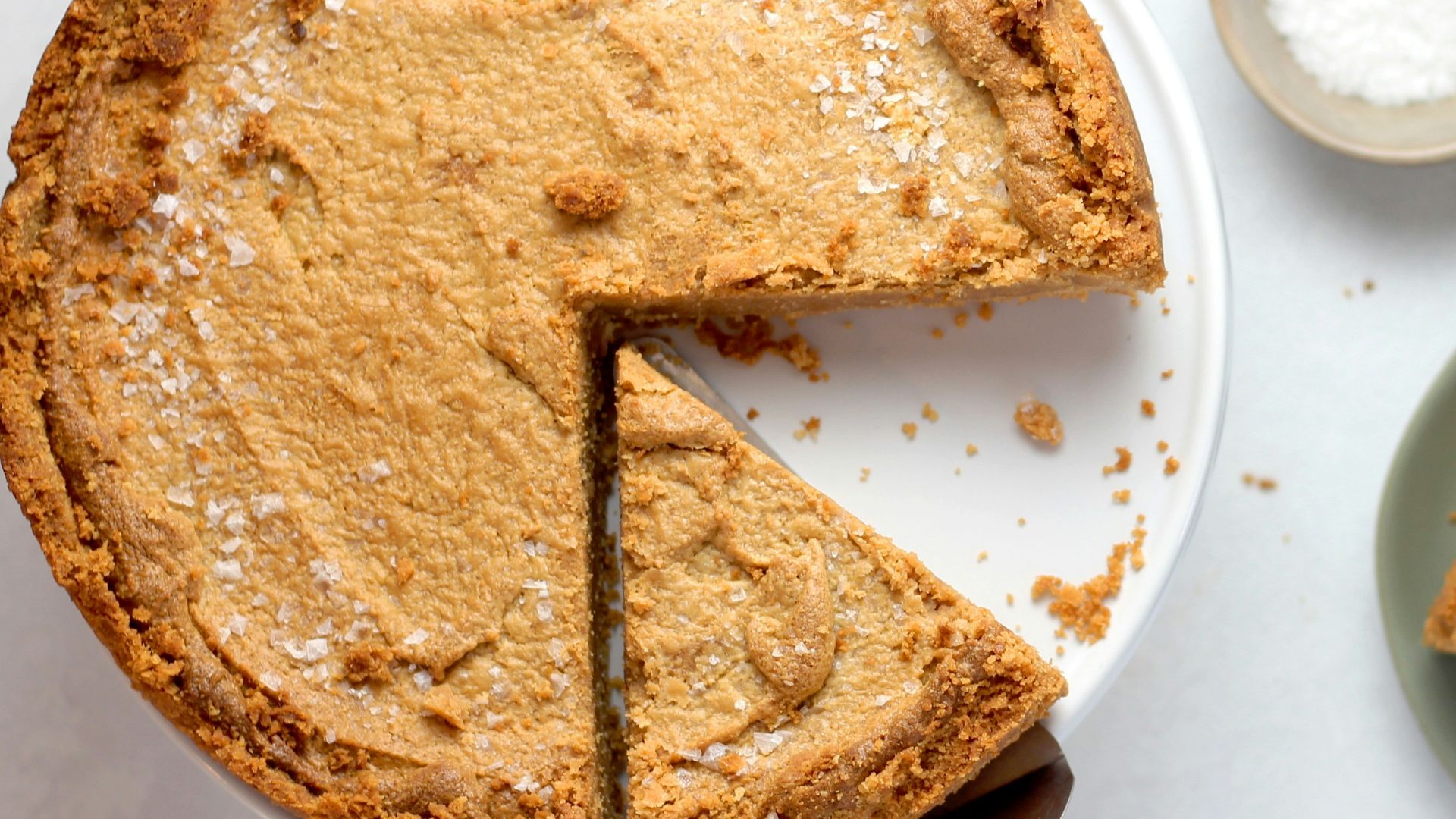
17. Vegetable Cooking Water Doesn't Have to Go to Waste
Many vegetables lose flavor and some vitamins to the water in which they're cooked. If they've been boiled in water with little or no salt, it's often advantageous to use some of this water to make up part of the required liquid content of another dish. It's a particularly convenient option when a dish requires additional liquid and there's no prepared stock available.
18. A Good Gravy Takes Patience
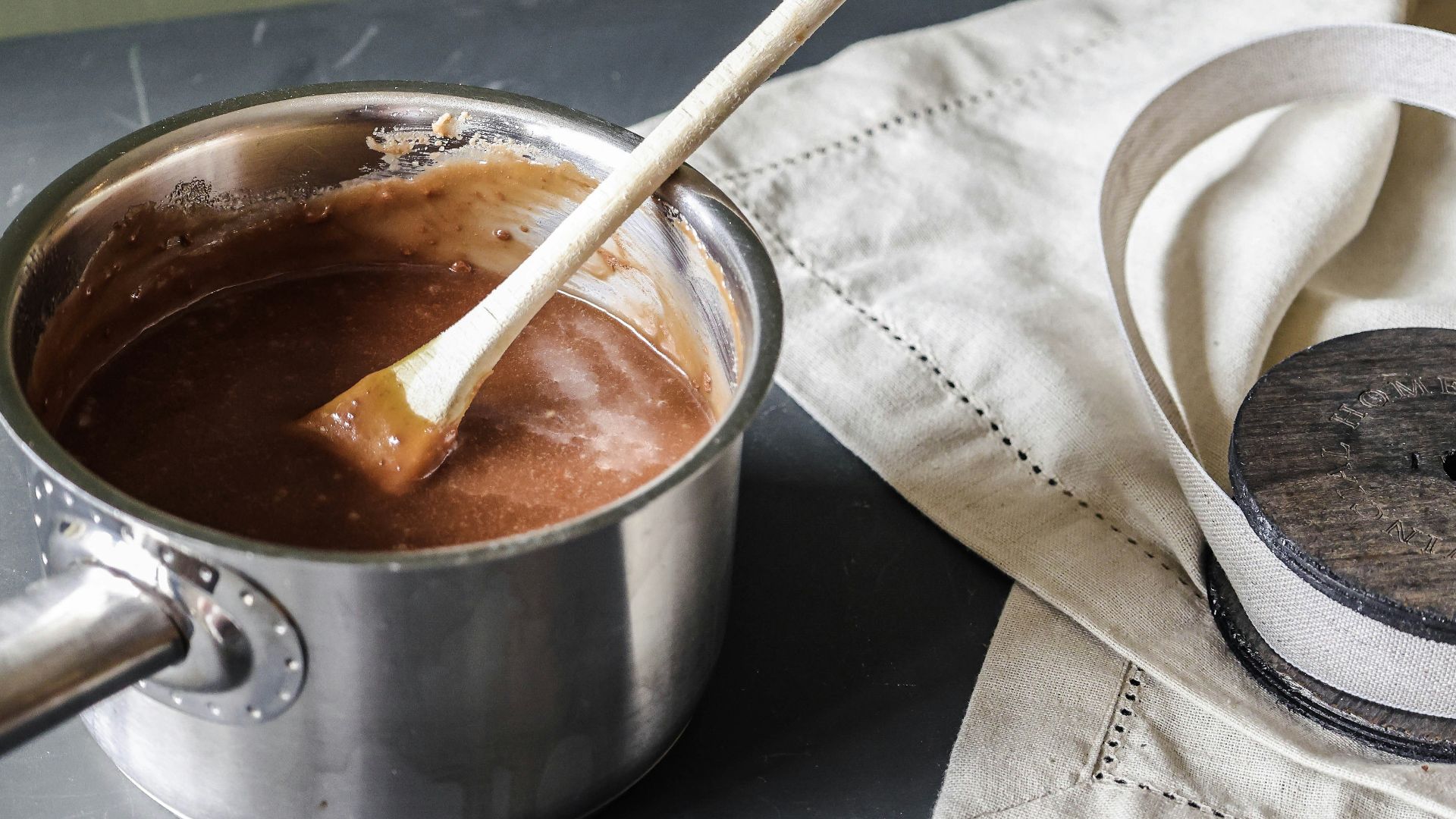
Lumps can result if liquid is poured too quickly into a flour-based gravy. It's better, therefore, to add it gradually, stirring well. Subsequent simmering is also helpful in ensuring that the flour is fully cooked and the required thickness is achieved.
19. Room-Temperature Ingredients Can Improve Baking
There can be advantages to having certain ingredients, such as butter and eggs, warmer than they are straight from the refrigerator. More air can be beaten into softened butter and sugar, and other benefits can result, such as more even mixing with other ingredients if the eggs aren't too cold. When a recipe calls for these ingredients to be at room temperature, giving them sufficient time to warm up can noticeably improve the finished product.

20. Some Dishes Taste Better the Next Day
Freshly prepared food isn't necessarily at its most flavorful immediately after cooking. Refrigerating soups, stews, curries, and certain casseroles overnight allows their flavors to continue developing and blending. As long as the leftovers are cooled, stored, and reheated safely, yesterday's dinner might turn out to be even more enjoyable the second time around.
KEEP ON READING


The 5 Most Consumed Foods in the Entire World