Get Better in the Kitchen by Doing, Not Watching
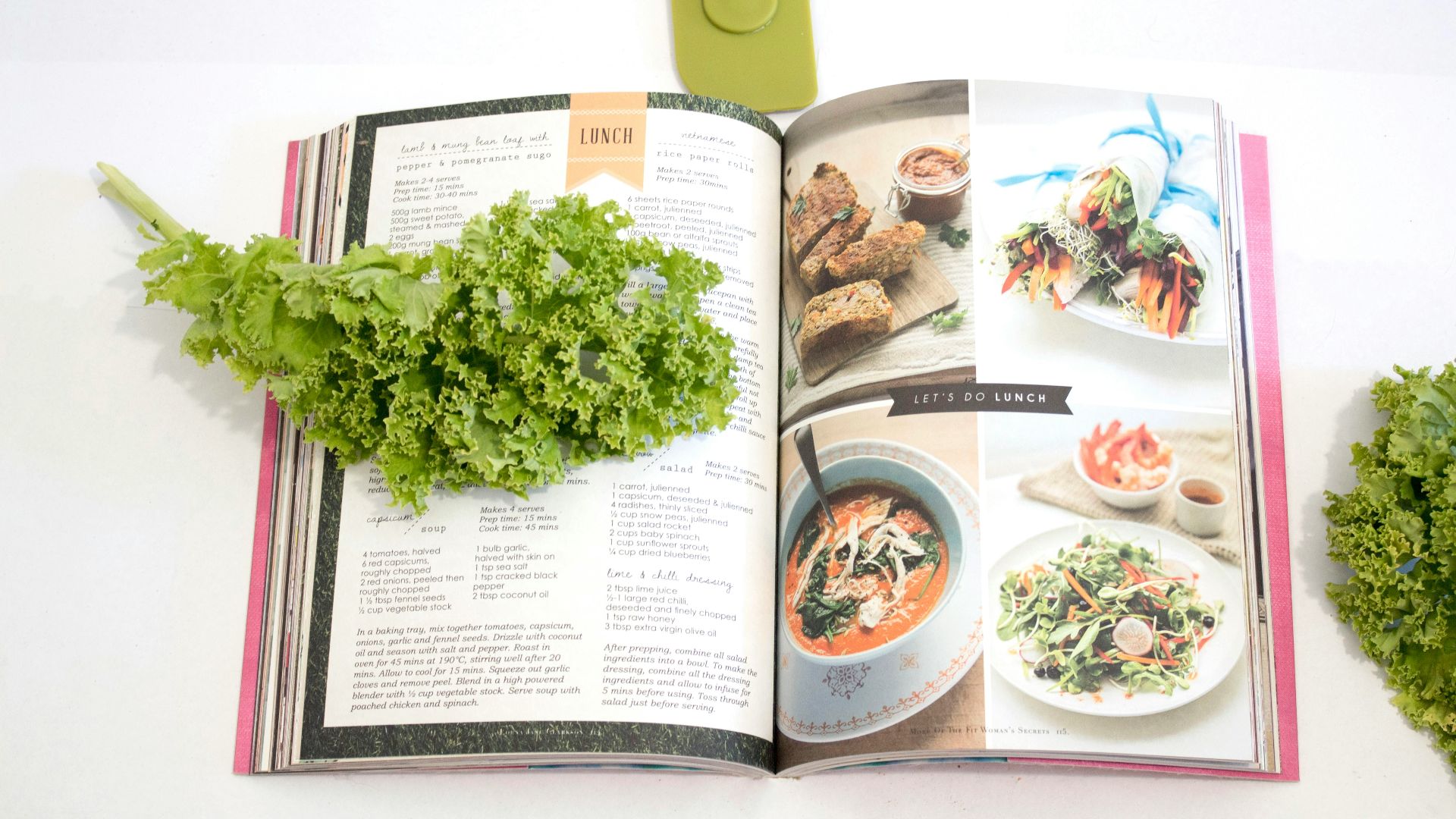
You don’t need a classroom, a certification, or a chef hovering over your shoulder to become a better cook. Most real improvement happens at home, through repetition, curiosity, and paying attention to what actually works for you. When you treat cooking as a skill you build over time rather than something you’re supposed to already be good at, progress feels more natural and far less stressful. Here are 20 ways to improve your cooking skills without taking a class.

1. Cook the Same Dish Again and Again
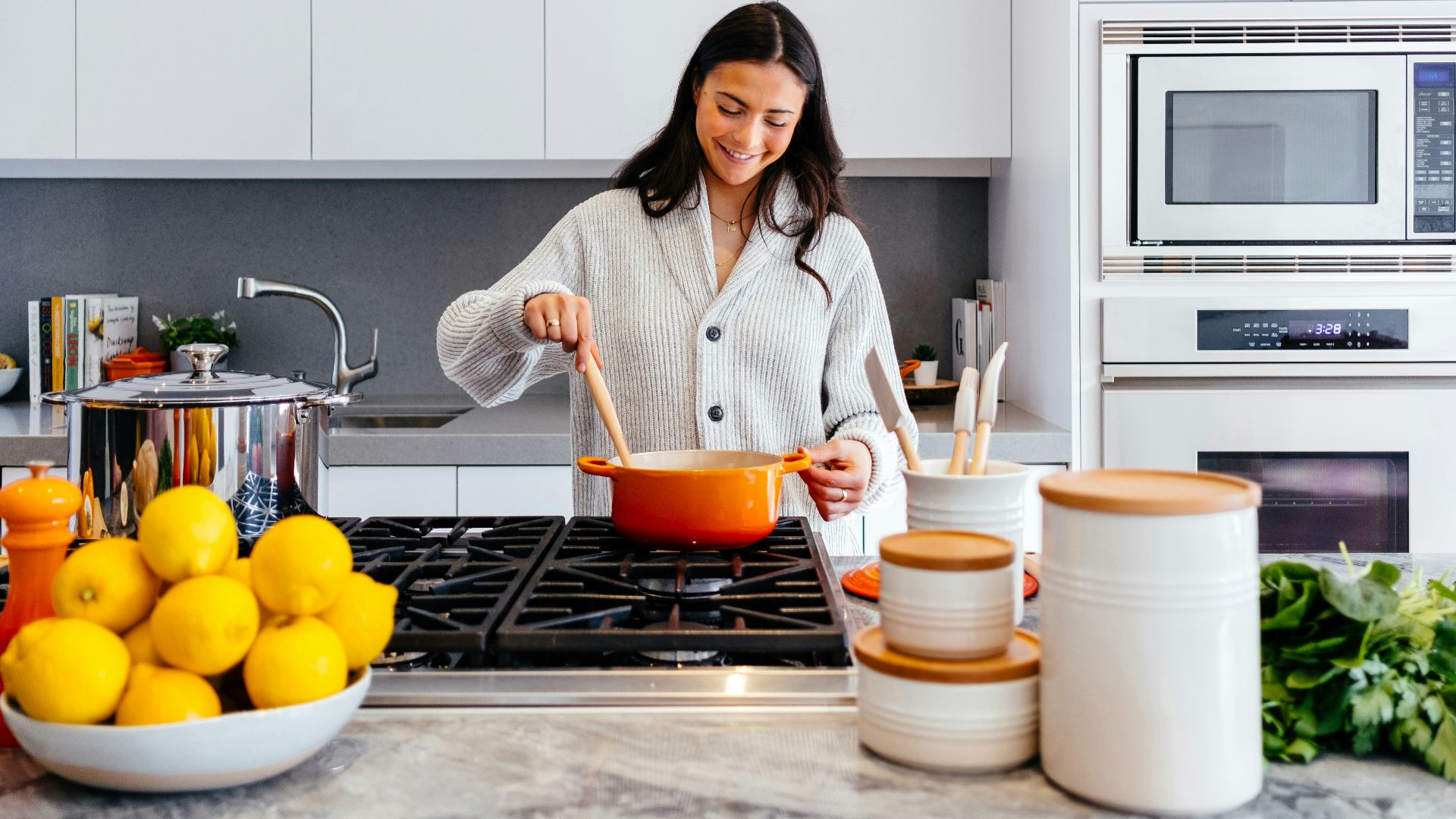
Cooking a dish once teaches you what it tastes like, but cooking it repeatedly teaches you how to construct it, so that it tastes its best. Each time you make it, you’ll notice small differences in timing, seasoning, and texture that weren’t obvious before. Repetition builds muscle memory and confidence, turning guesswork into instinct.
2. Read the Entire Recipe Before You Start Cooking
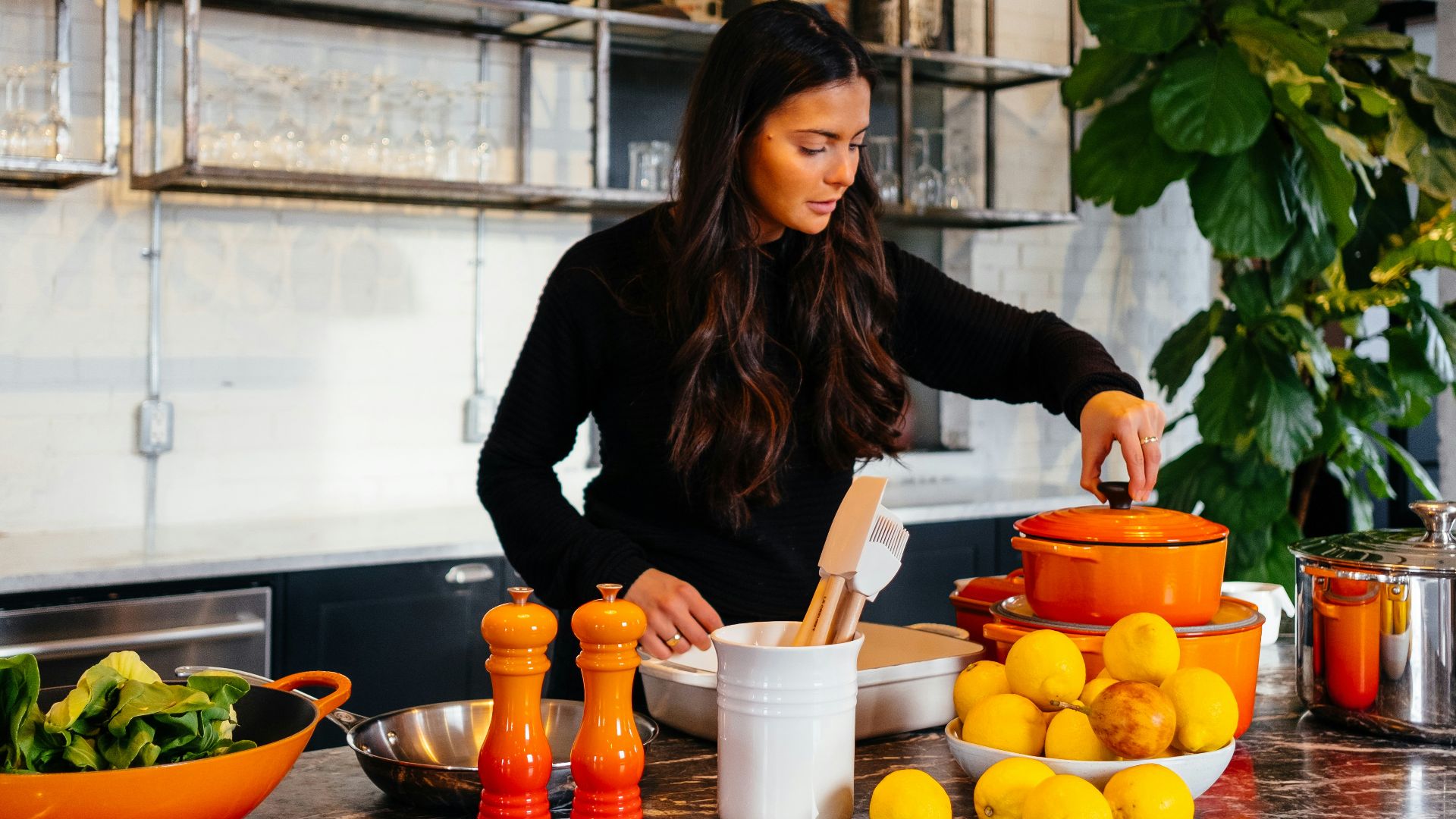
Jumping into a recipe without reading it fully is one of the easiest ways to feel overwhelmed halfway through. When you know what’s coming, you can prep ingredients properly and avoid last-minute surprises. That sense of control makes cooking calmer and more enjoyable.
3. Taste Your Food Throughout the Process
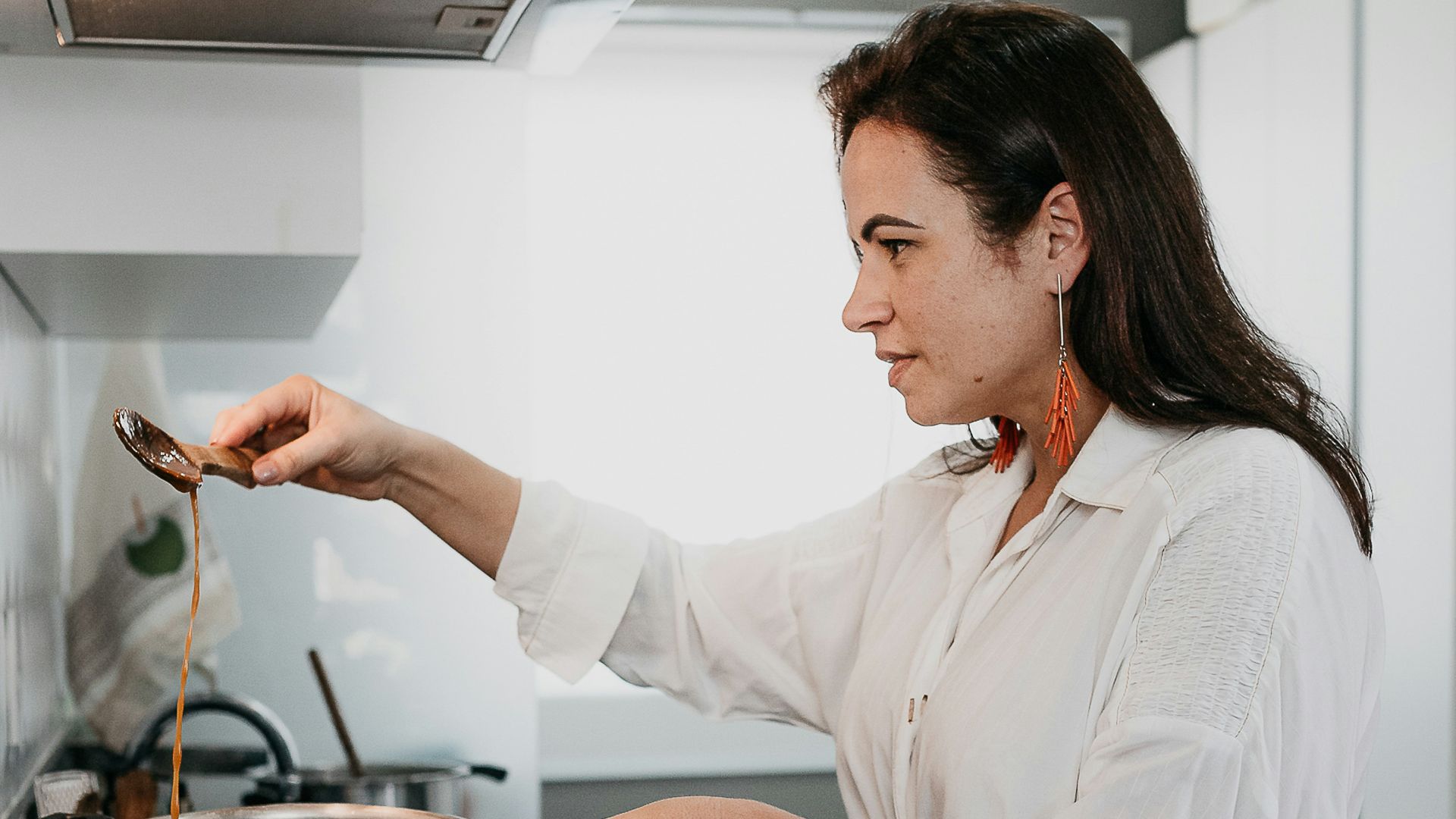
Flavor develops in layers, not all at once at the end. Tasting as you go teaches you how seasoning changes with heat and time. This habit sharpens your palate and helps you fix problems before they ruin your entire dish.
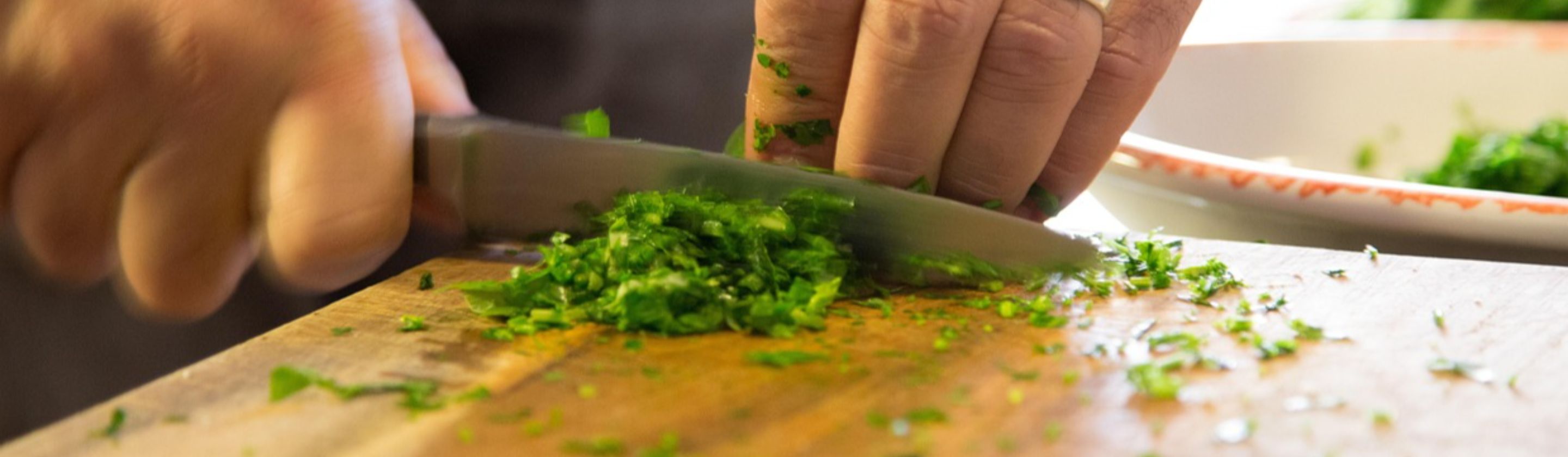
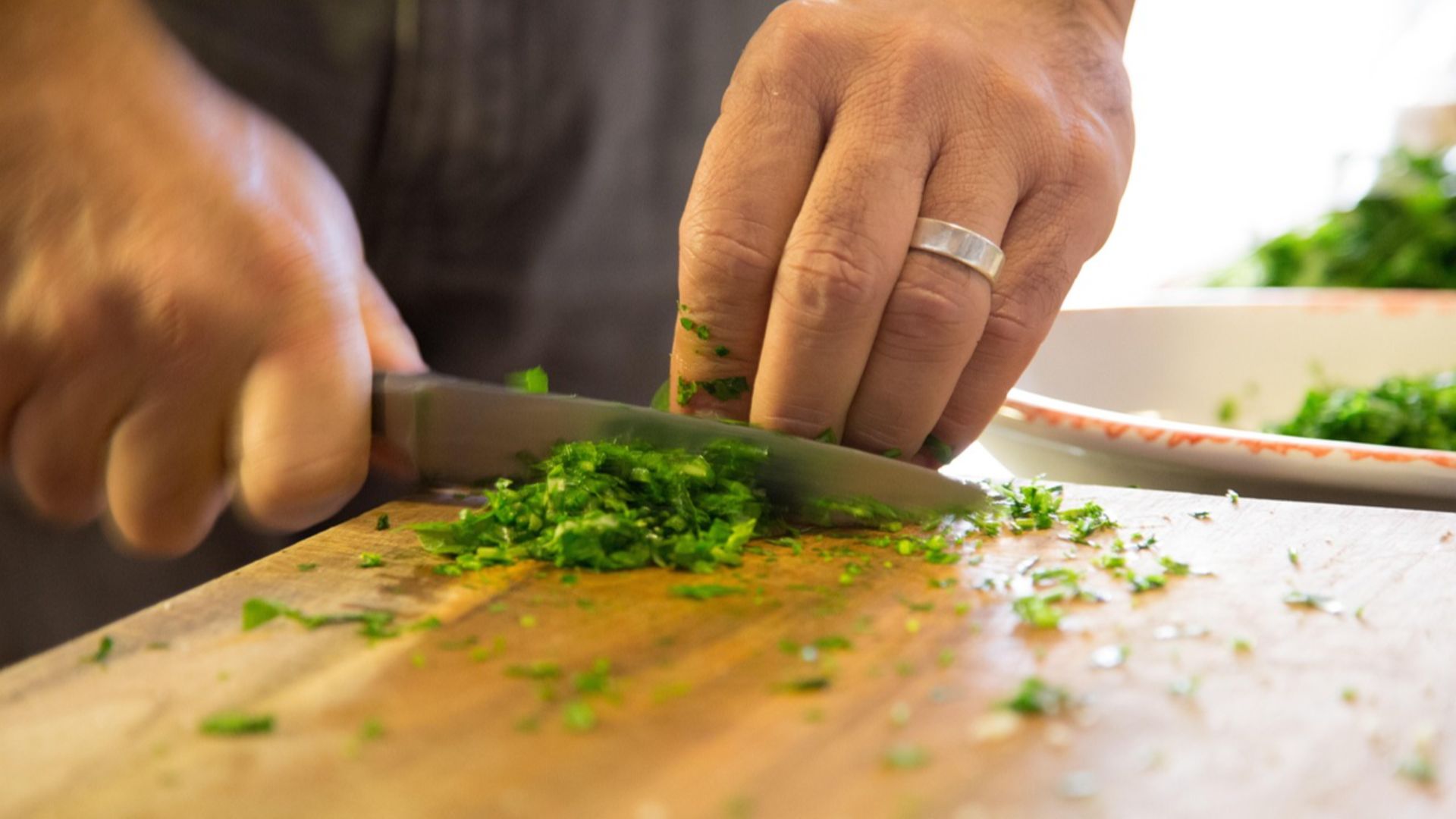
4. Improve Your Knife Skills
When it comes to honing your knife skills, speed isn’t the goal even if it looks impressive. Slowing down helps you focus on consistency, safety, and control, which all matter more than speed. Over time, smooth and efficient movements come naturally without forcing them.
5. Learn What Ingredients Taste Like on Their Own
Understanding ingredients individually makes combining them far easier. When you know how something tastes by itself, you can predict how it’ll affect a dish. This knowledge helps you avoid overpowering flavors and improves balance overall. Plus, you get to sample lots of delicious ingredients.
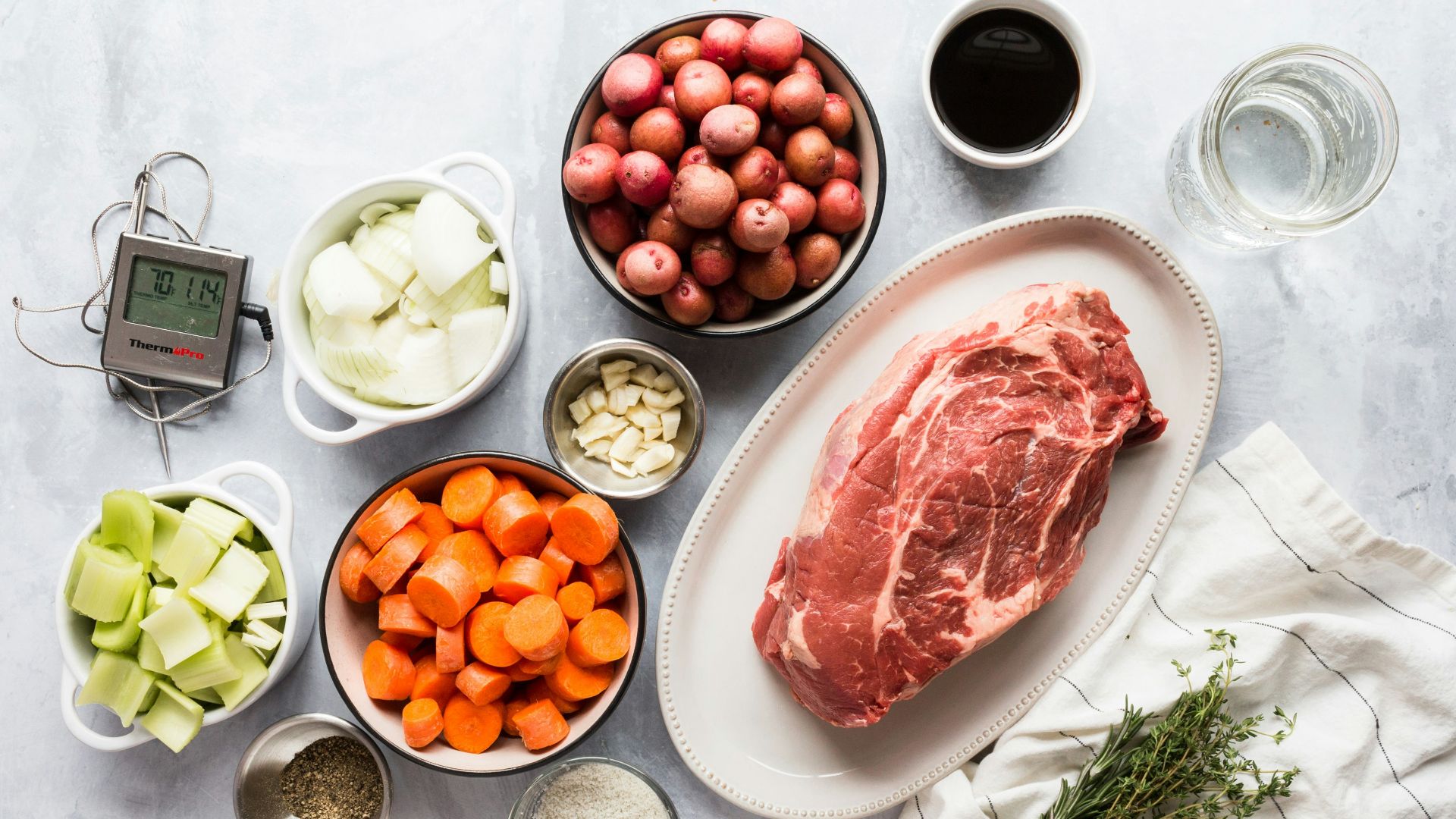
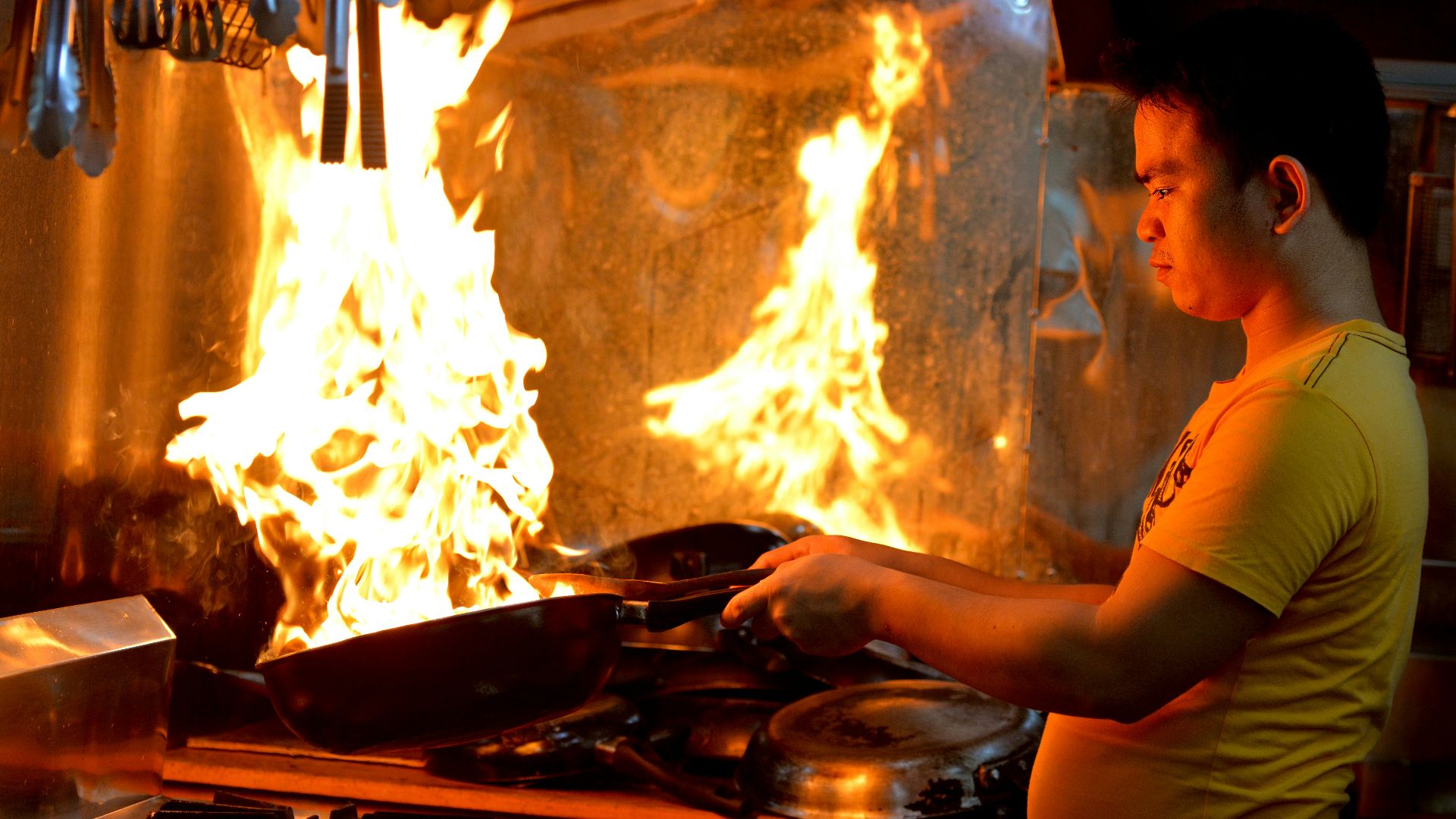
6. Understand Heat Instead of Following Labels Blindly
Heat isn’t just low, medium, or high, even if recipes say it is. Watching how food reacts teaches you when to adjust the temperature based on sound, smell, and color. This awareness prevents burning, uneven cooking, and frustration.
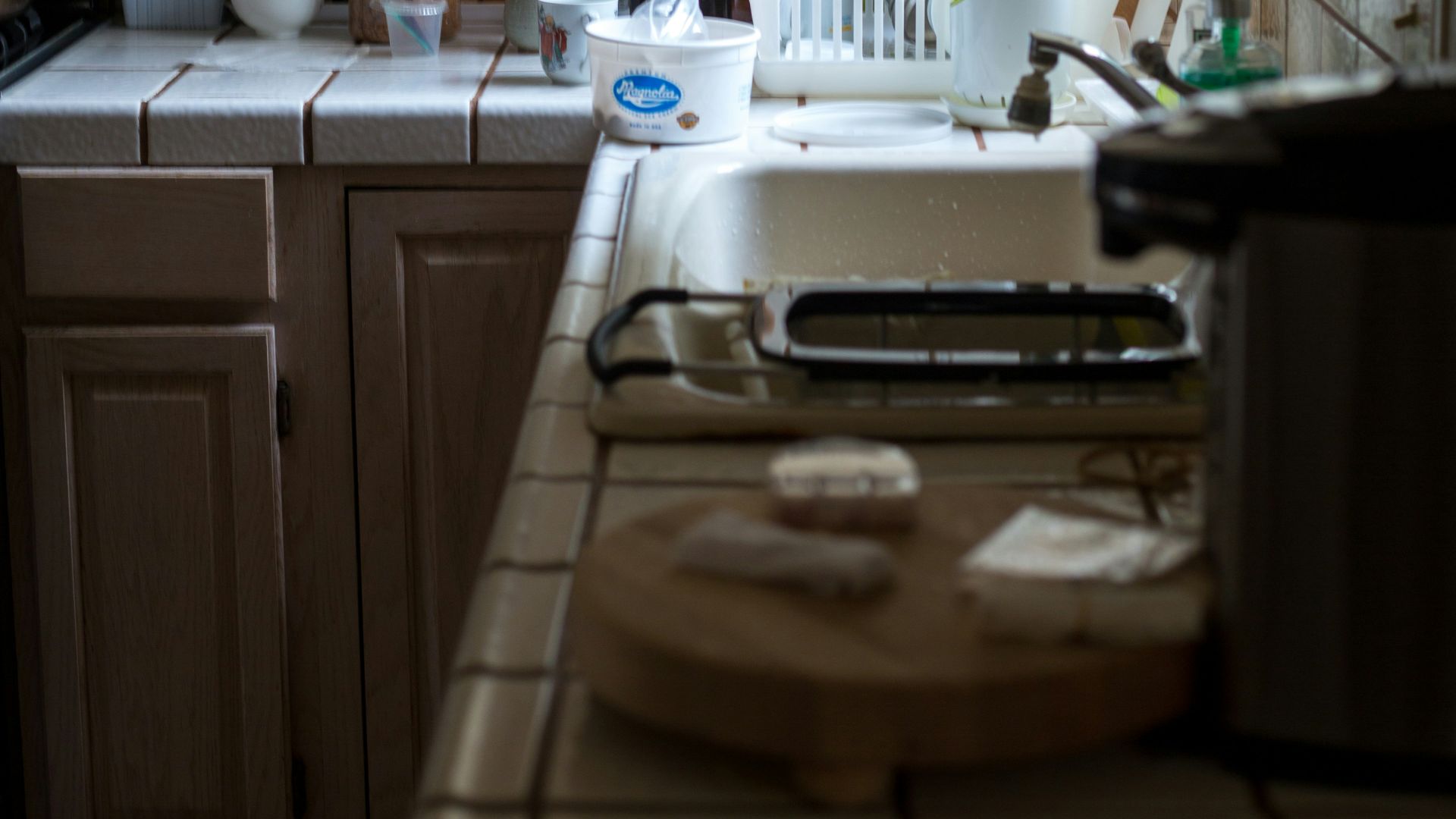
7. Clean as You Cook to Stay Focused
A cluttered kitchen creates unnecessary stress. Cleaning as you go keeps your workspace manageable and your attention on the food instead of the mess. When your environment feels calm, decision-making becomes easier. The best part is that you won't have to spend two hours cleaning your kitchen after dinner.
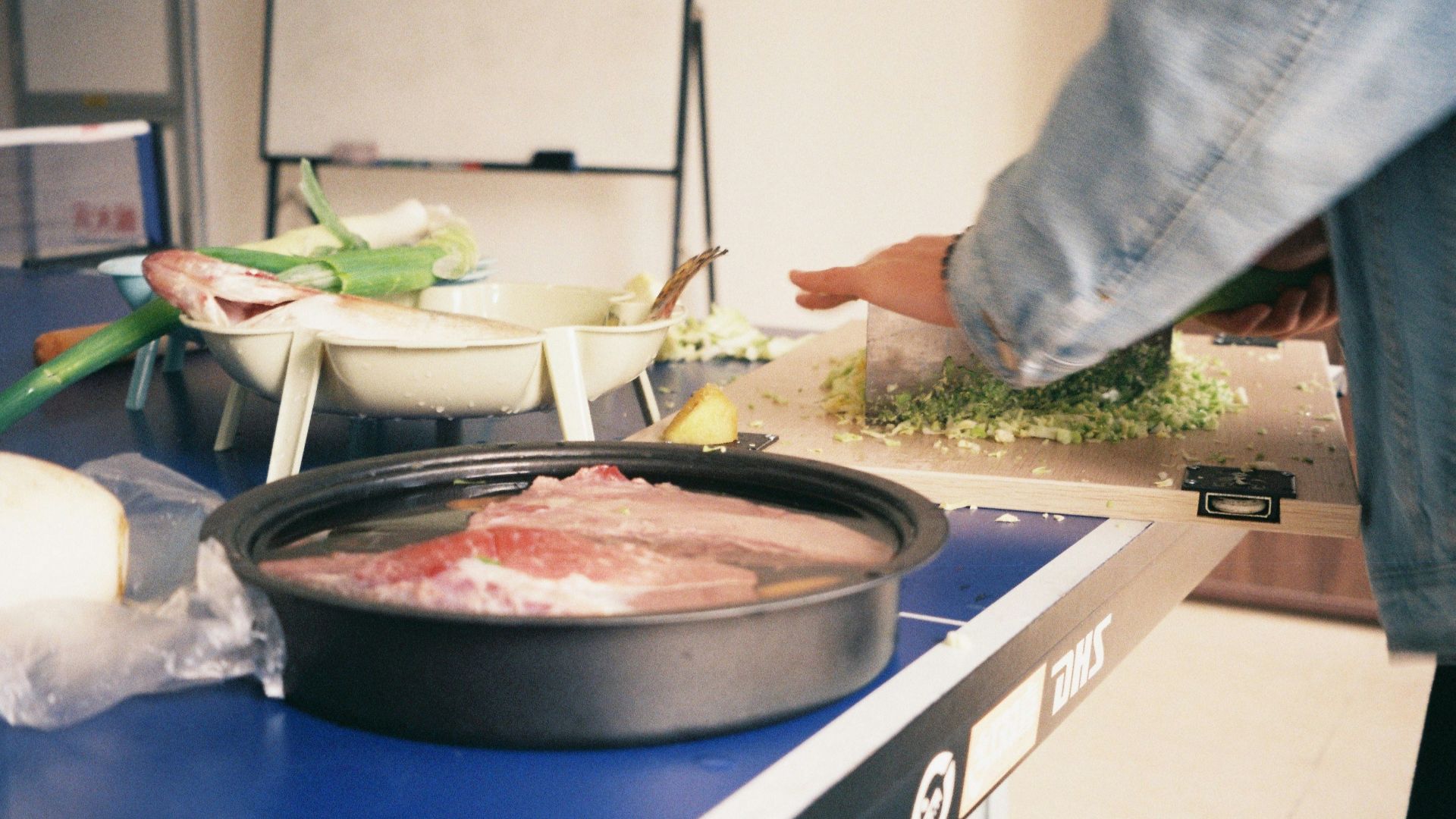
8. Pick One Skill and Practice It Often
Trying to master everything at once spreads your attention too thin. Choosing one technique lets you focus and notice improvement faster. Small, visible progress keeps motivation high. So, get that bushel of onions and start chopping.
9. Watch Cooking Videos With a Critical Eye
Passively watching Bobby Flay won’t teach you much on its own. Pay attention to timing, visual cues, and technique rather than just ingredients. Those details translate directly into better cooking habits.

10. Use Your Sense of Smell While Cooking
Smell often signals changes before you see them. Learning what “almost done” or “about to burn” smells like is incredibly useful. Your nose becomes a reliable tool with practice.
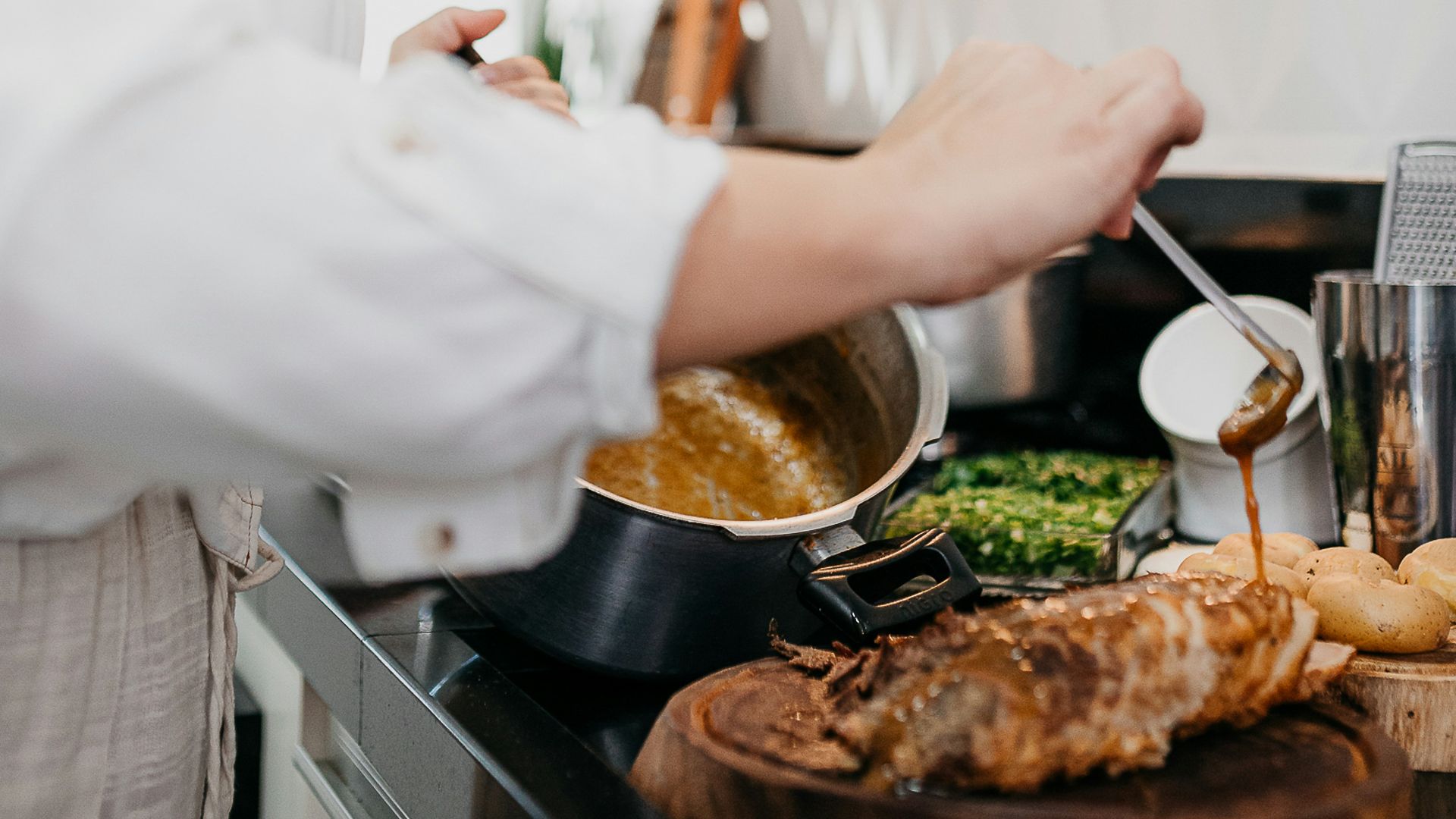
11. Reduce Distractions While You Cook
Constant notifications pull attention away from important details. Staying present helps you notice texture, color, and timing more clearly. Better focus usually means fewer mistakes.
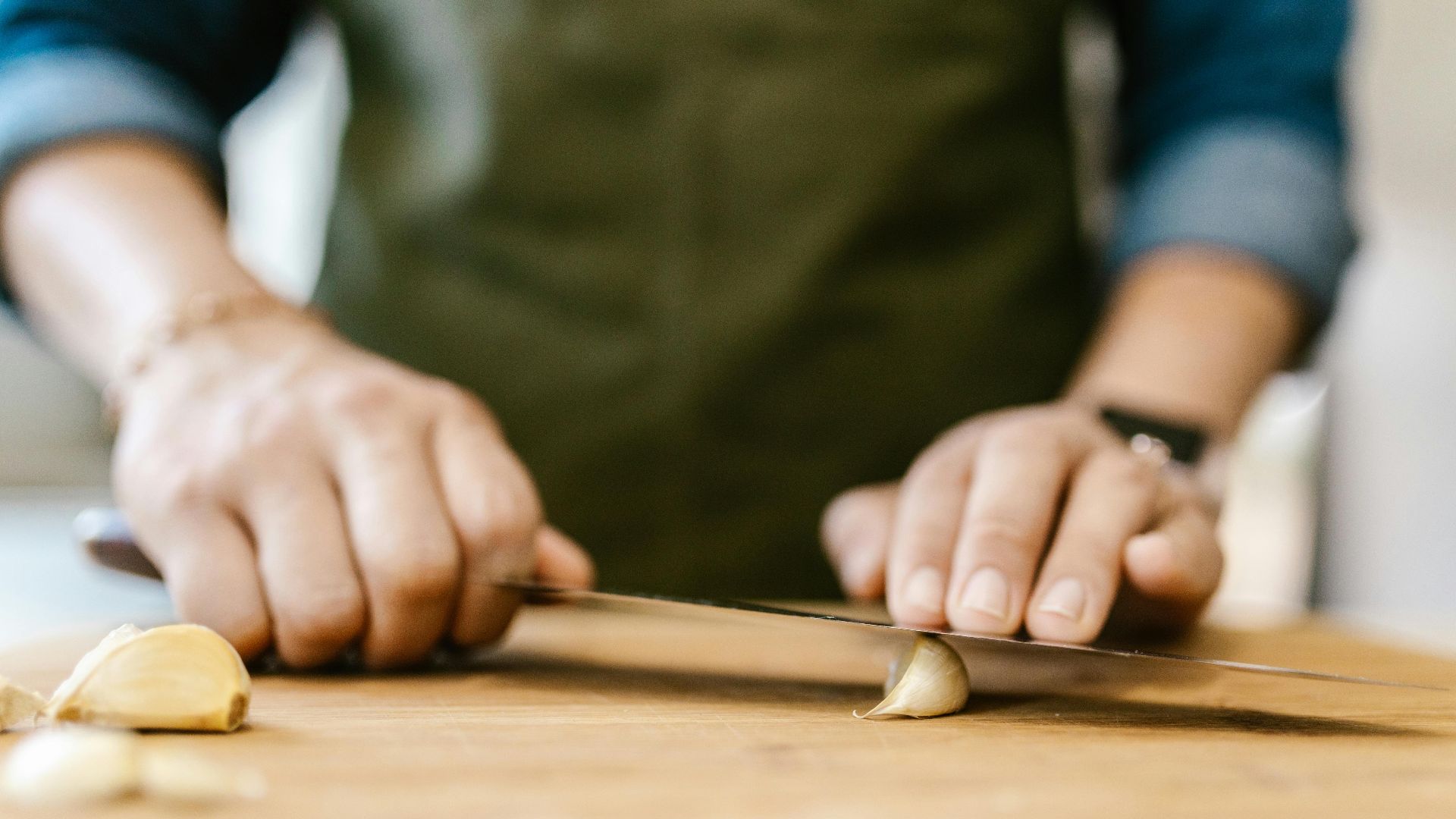
12. Season Gradually Instead of All at Once
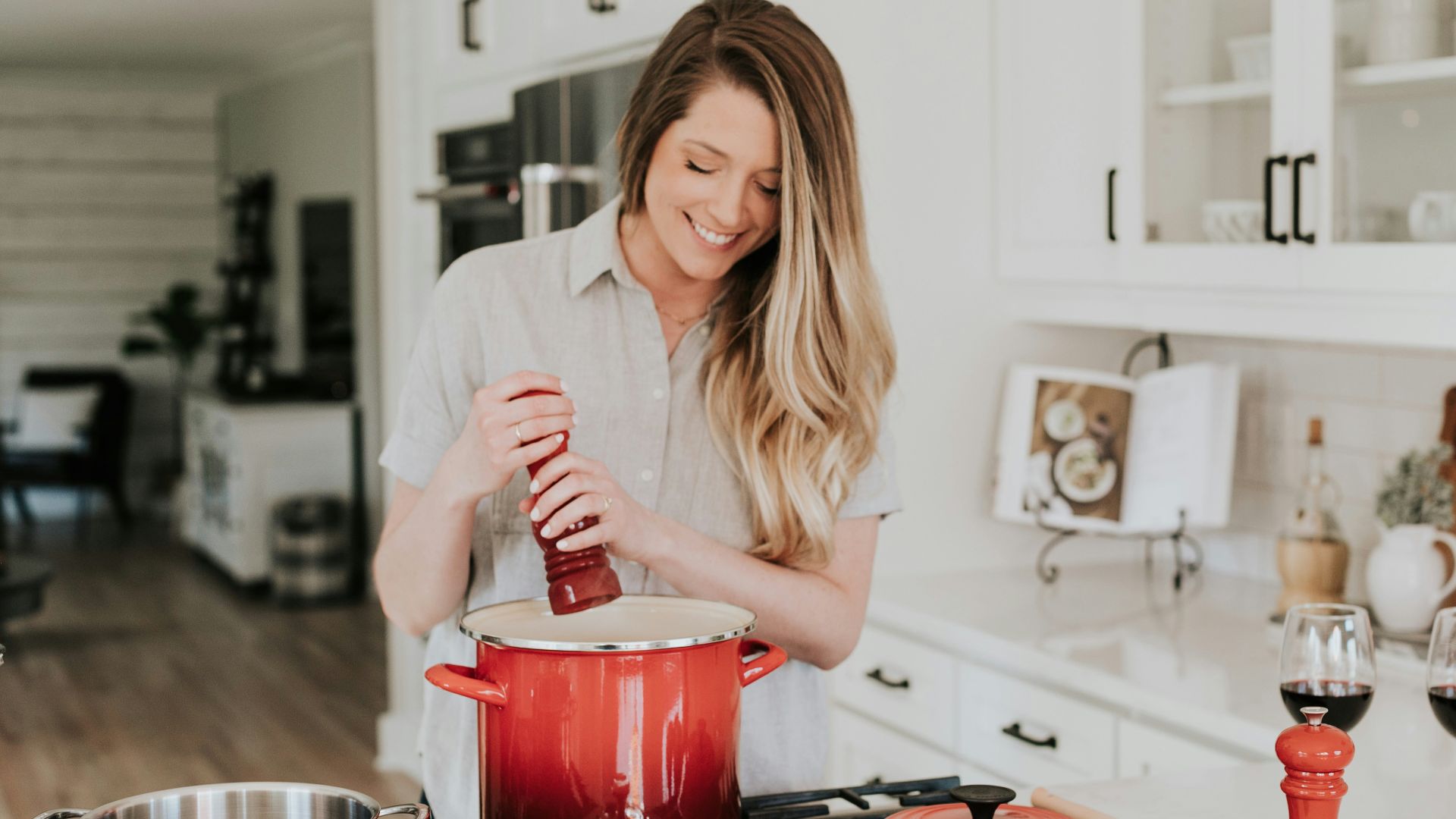
Adding seasoning slowly gives you control. You’ll learn how flavors build instead of overwhelming a dish early. This habit leads to more balanced meals.
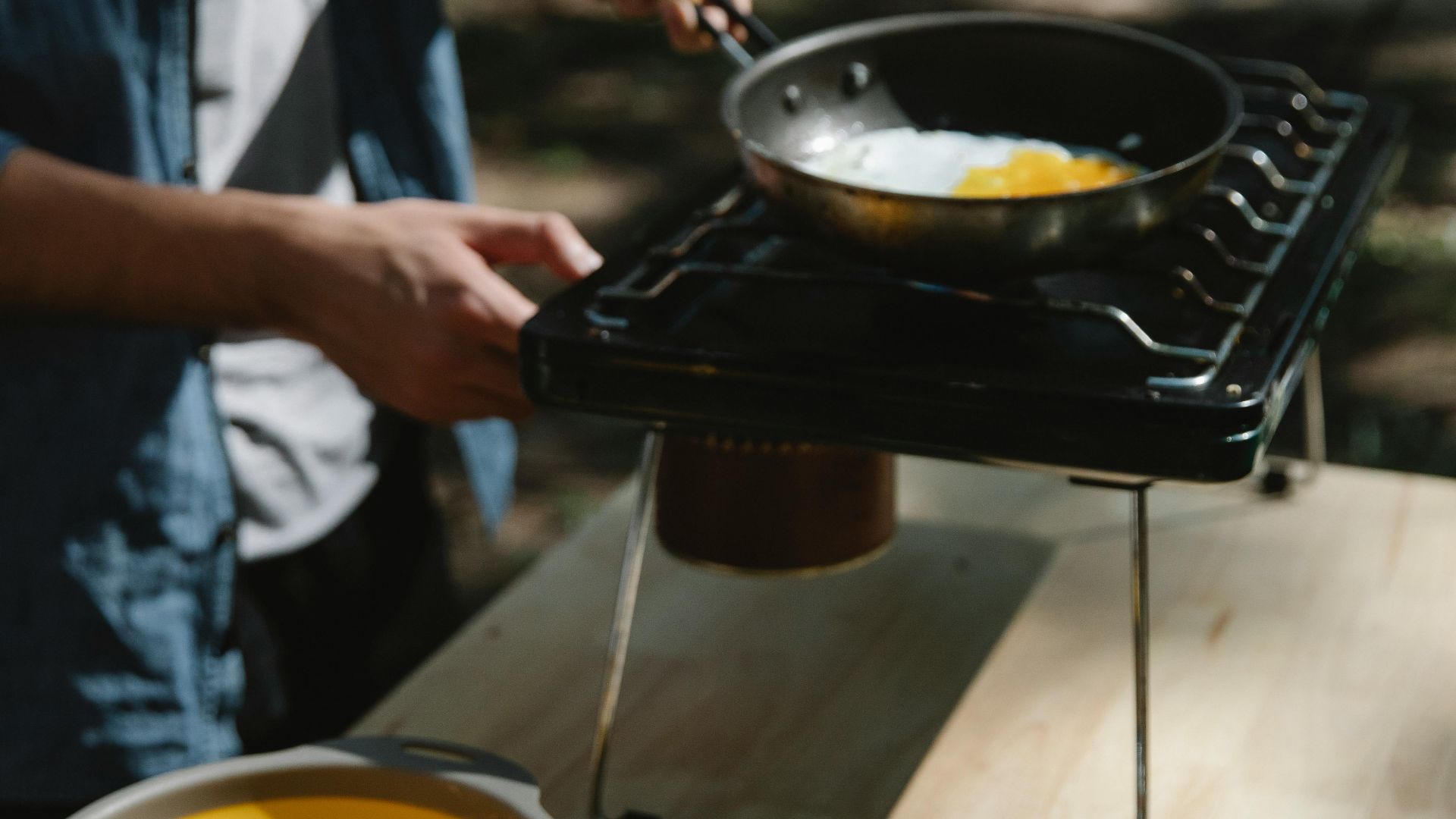
13. Treat Mistakes as Learning
Mistakes aren’t failures if you learn from them. Understanding what went wrong sharpens your problem-solving skills in the kitchen. Those lessons can even stick longer than successes alone.
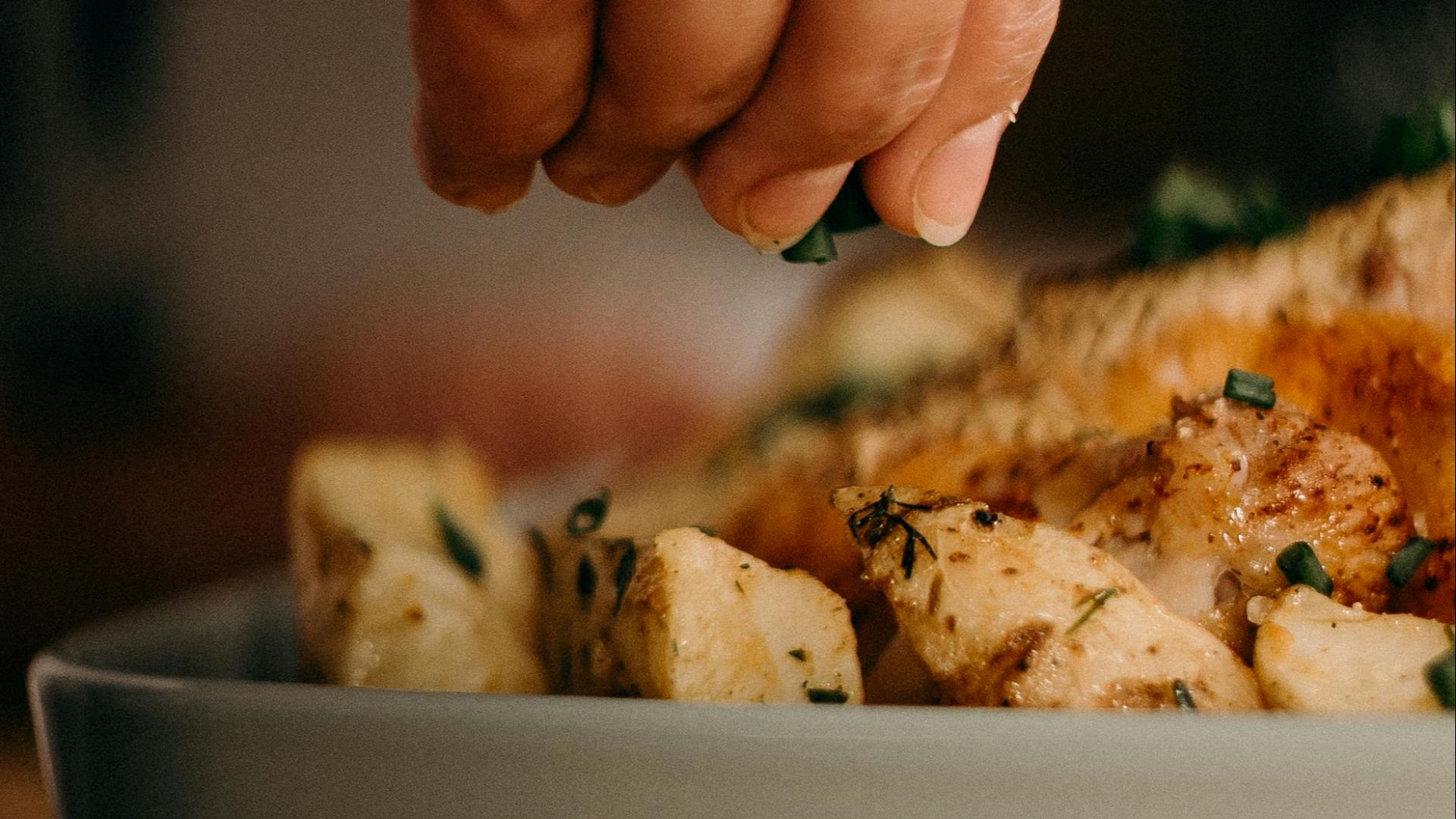
14. Use Leftovers as a Testing Ground
Leftovers remove pressure and expectations. You can experiment freely without worrying about waste. That freedom encourages creativity and lets you expand your culinary ambitions and limits.
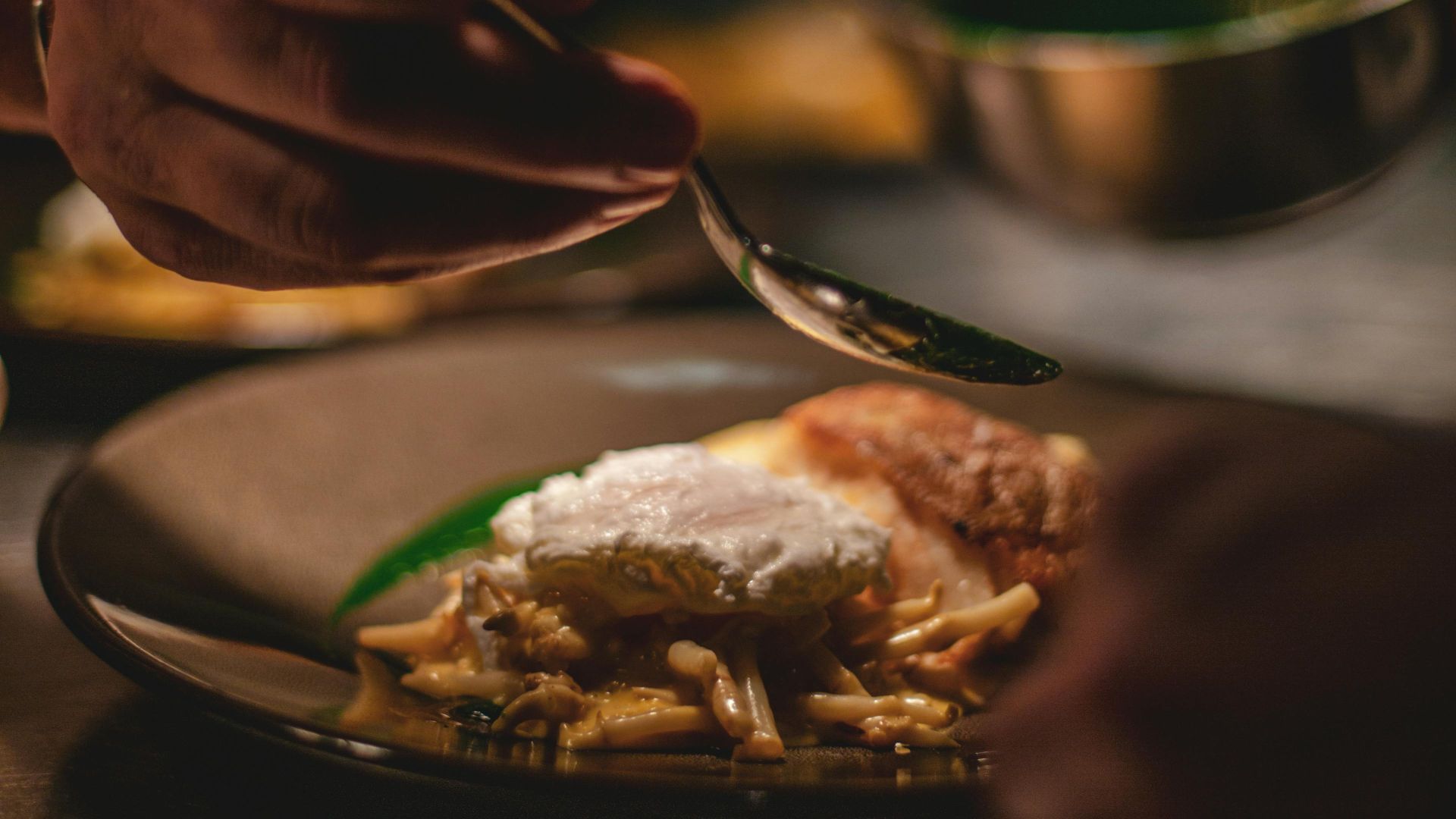
15. Pay Attention to Texture, Not Just Flavor
Texture affects how satisfying food feels and tastes. Learning when something should be crisp, tender, or creamy elevates simple meals. This awareness adds depth without complexity.
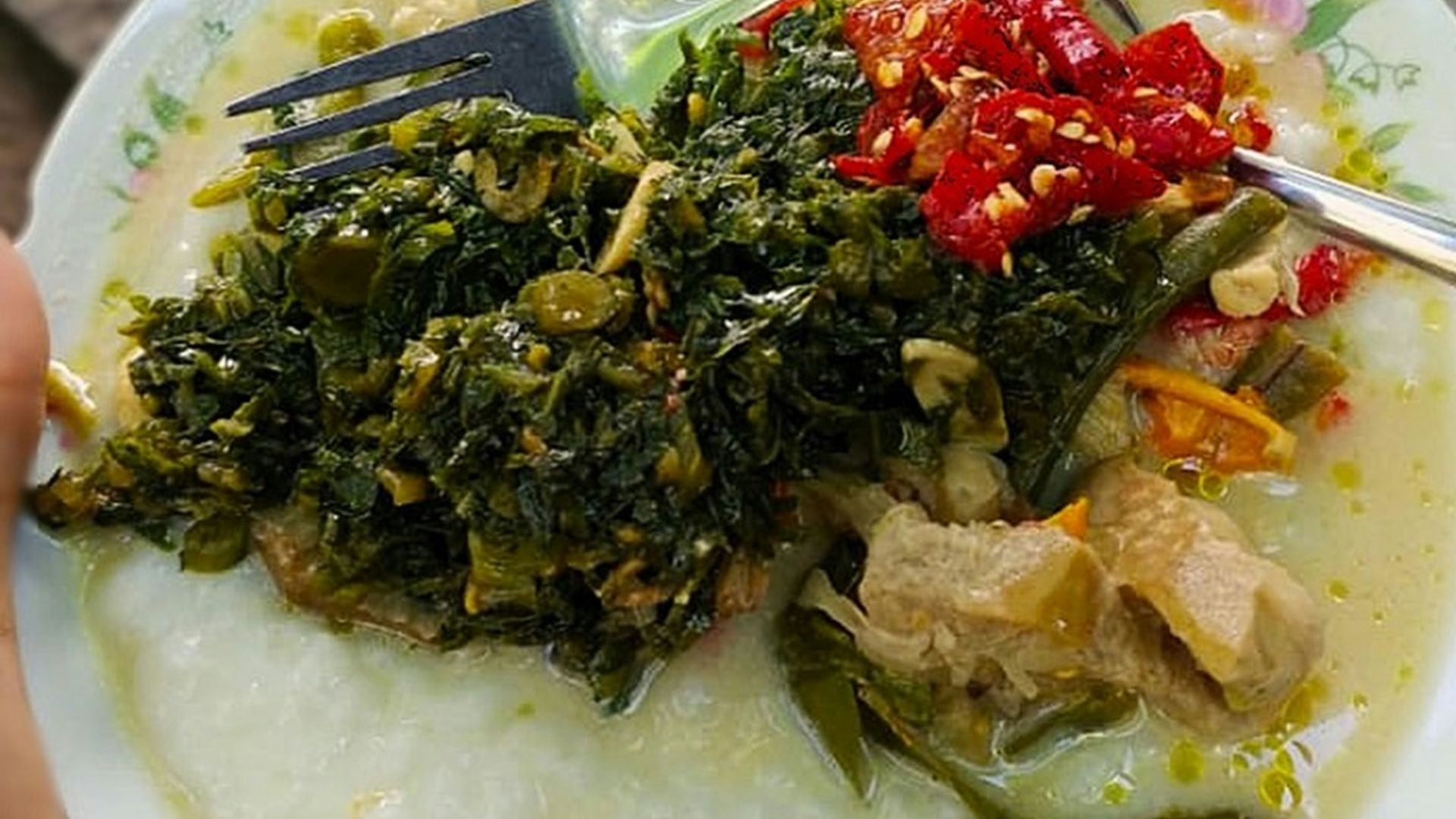
16. Trust Your Senses More Than Timers
Timers are helpful but not absolute. Watching color changes and listening to sounds gives better information. Your senses adapt to different conditions and honing them will make you a better home cook.
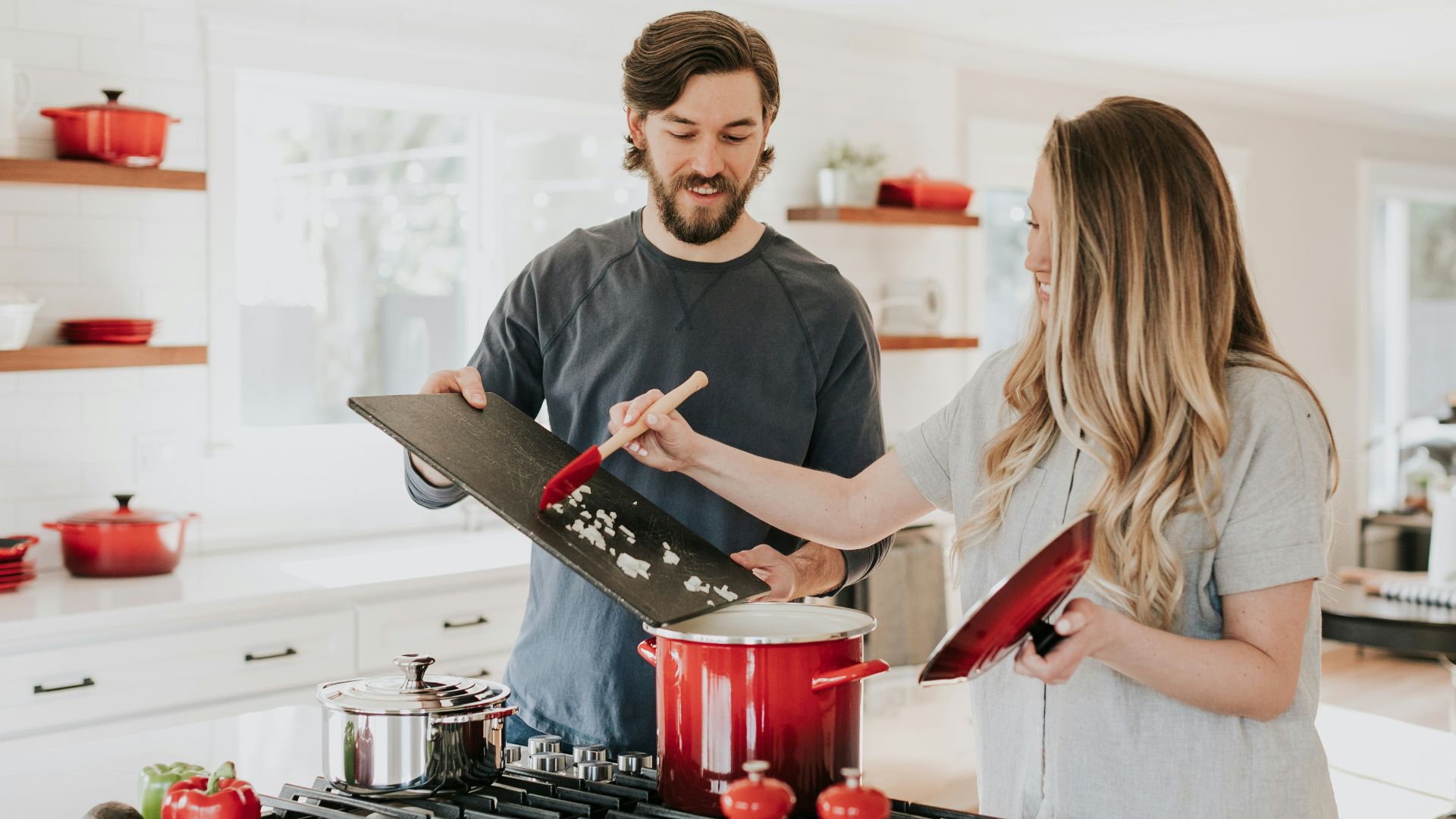
17. Cook for Other People Occasionally
Cooking for others raises your level of care naturally. Feedback helps you notice patterns you might miss alone. Sharing food also makes practice more rewarding.
 OurWhisky Foundation on Unsplash
18. Keep a Simple Cooking Journal
Writing notes after meals reinforces lessons. You’ll remember what worked and what didn’t without guessing later. Patterns become easier to spot over time.
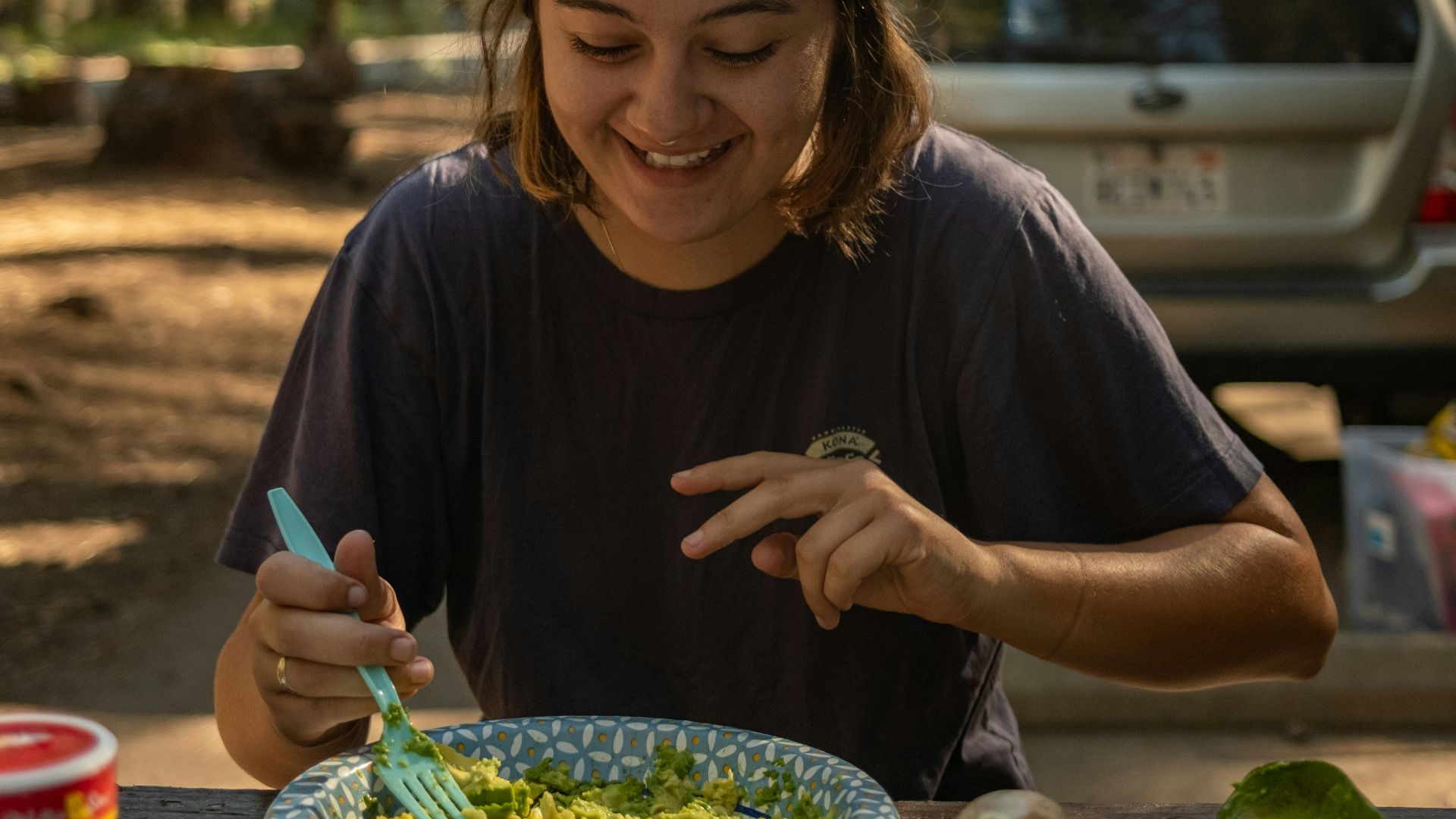
19. Adjust Recipes Instead of Following Them Rigidly
Recipes are guidelines, not strict rules. Tweaking them teaches you why techniques work, and flexibility builds real confidence. Over time, you'll create your own versions of your favorite recipes, or even make your own from scratch.
 S O C I A L . C U T on Unsplash
20. Cook Often, Even When You’re Not Inspired
Consistency matters more than motivation. Regular cooking builds familiarity with tools and ingredients. The more time you spend in the kitchen, the more natural improvement feels.
KEEP ON READING

20 Foods Used in Fertility Rituals Around the World
20 Foods That Taste Better the Next Day