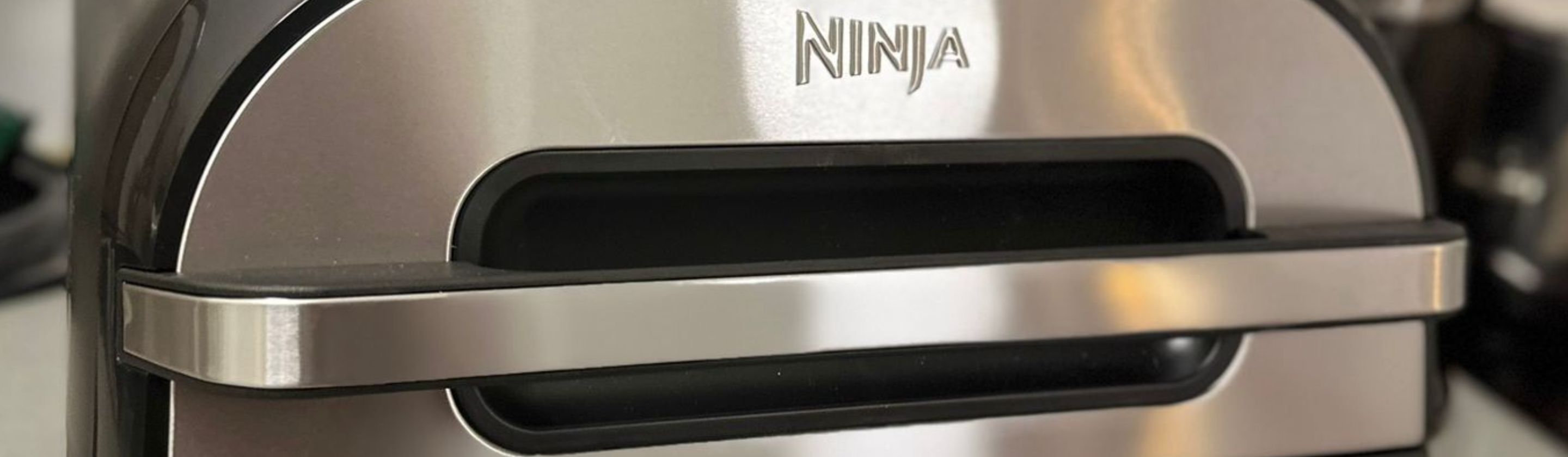

Plenty of kitchen gadgets have come and gone, but air fryers arrived with a kind of enthusiasm usually reserved for new phones or holiday sales. These handy little kitchen appliances are more than just a passing internet fad—they're a way of life!
You probably already know someone who swears that their air fryer changed the way they cook forever. Still, one important question remains: are air fryers actually healthier, or have we just convinced ourselves they are? Well, pull up a chair and keep reading because we're about to take a closer look.
Less Oil, Same Crunch
The biggest reason air fryers earn their healthy reputation comes down to the way they handle oil. Traditional frying requires enough oil to immerse food completely. That oil brings calories that pile up fast. Air fryers, on the other hand, rely on powerful fans that move hot air around the food. The result is a crisp texture without the heavy oily finish. Most recipes only need a quick spray or a small drizzle of oil to get the job done.
When you remove cups of oil from your diet, you naturally cut the number of calories you take in. That can make favorite foods like fries, chicken strips, or onion rings feel a little lighter.
A Friendly Option For Heart Health
Lower oil use also means fewer saturated fats on your plate. Traditional deep frying absorbs those fats quickly, and they tend to linger in the finished product. Air fryers help reduce that absorption because food is never sitting in a bath of hot fat.
Another advantage shows up when you cook meat. In a deep fryer, fat stays trapped. In an air fryer, excess fat can drip away or collect in the bottom of the basket.
As a bonus, air fryers work well with lean proteins and vegetables. Roasted Brussels sprouts crisp up around the edges. Salmon develops a tender center. Chicken thighs cook evenly with little fuss. These small wins add up, especially when you are trying to build meals that feel nutritious but still taste great.
Fewer Compounds You Do Not Want

There is another health angle that does not get as much attention, yet it matters. High-heat frying can create certain compounds you would rather avoid in large amounts. Acrylamide is one of them. It forms when starchy foods sit in very hot oil. French fries and potato chips are classic examples. Air fryers reach high temperatures, too, but they usually produce lower levels of that compound.
You also sidestep the issue of repeatedly heated oil. In restaurants, oil is used over and over. At home, you probably do not reuse oil many times, yet it still degrades when heated. Air fryers remove that concern almost entirely.
Of course, air fryers cannot magically turn a plate of food into something perfectly healthy. But compared to traditional frying, they offer meaningful advantages. If you want meals that feel crisp, quick, and a little better for you, an air fryer makes a strong case for staying on the counter.
KEEP ON READING


20 Reasons You Should Stop Eating Out