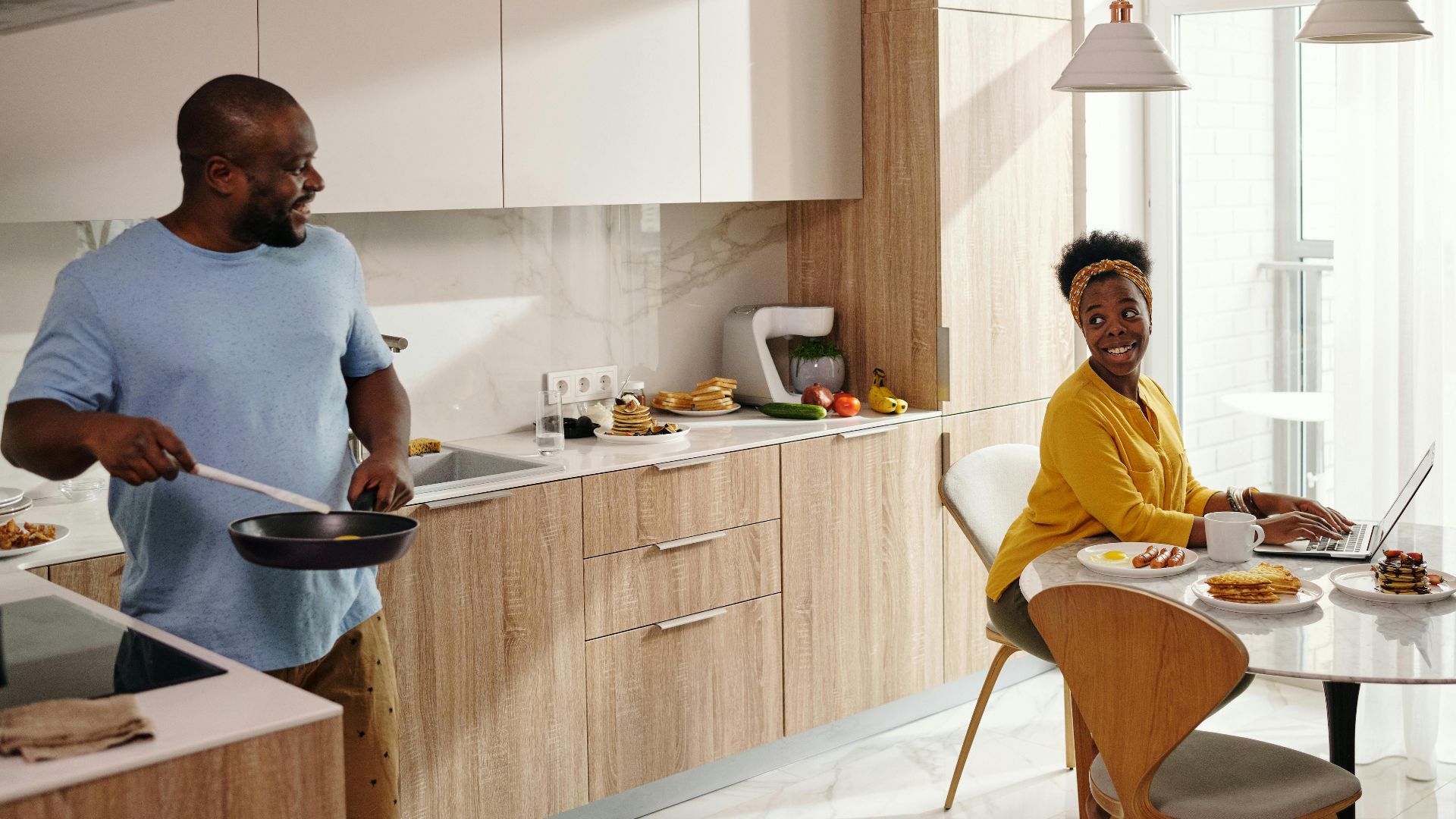
A kitchen is a funny little stage: you might be serving tacos from a foil pan, yet everyone still takes in the “set design” before they even sink their teeth in. Even guests who swear they don’t care clock certain details in seconds, usually without realizing it. It’s not malicious, and it’s rarely about perfection. It’s simply human nature to read a space for cues.
The good news is that what people notice first is mostly controllable, and it doesn’t require a renovation budget. You’re not trying to impress a panel of design critics; you’re trying to make the room feel cared for. With a few intentional tweaks, your kitchen can quietly bring decent feng shui to the room, and yes, anyone can pull it off!
The Sink and Counter Zones
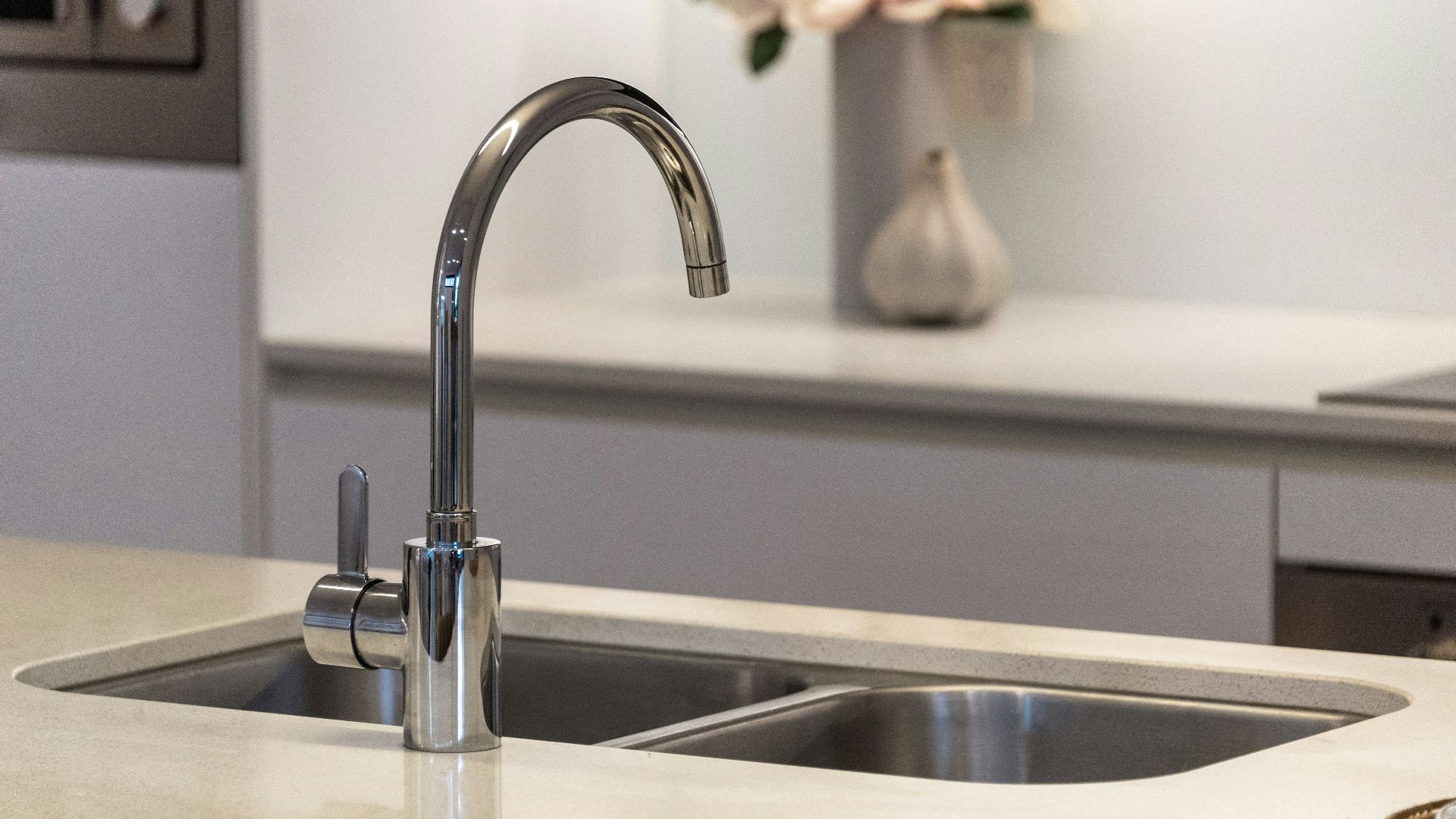
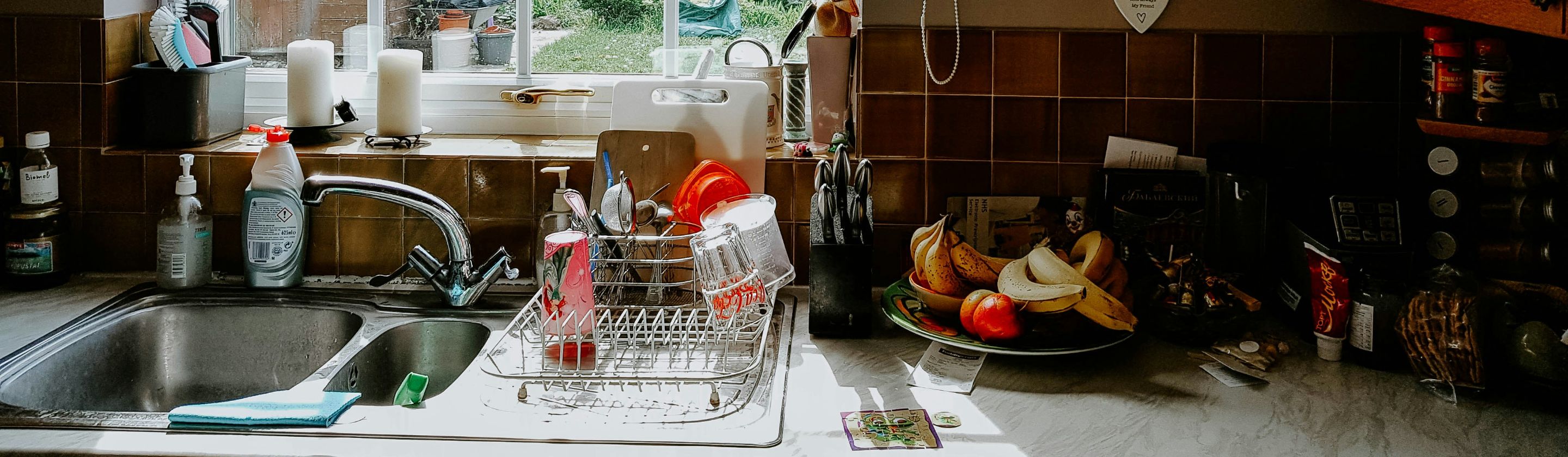
Your kitchen is basically centered around your sink. A pile of dishes won’t fly with guests. However, a mostly clear sink reads as calm and capable, which makes guests feel comfortable asking for a glass of water. If you do nothing else, clear the basin and give the faucet a quick wipe.
Counters get judged less for how expensive they are and more for whether they look intentional. When every surface is crowded—mail, appliances, half-used condiments—people assume the kitchen always operates at maximum clutter. A simple landing strip of open space creates breathing room and makes the kitchen feel larger than it is.
Then there’s the mysterious category of “sticky” and “grimy.” Smudges near cabinet pulls, crumbs along the edges, and tacky residue around the soap dispenser spell neglect, even if the rest of the room is spotless. A damp cloth and a tiny bit of dish soap can erase that entire impression in under two minutes. People may not comment, but they’ll relax more when everything looks touch-friendly.
Smell, Sound, and the Unseen First Impression
Before your guest has time to admire your backsplash, their nose sniffs out hidden odors. Smells from the trash, old sponges, or lingering frying can make a kitchen feel tired, no matter how pretty it is! You don’t need a perfume cloud; you need neutrality, which is far more sophisticated. Take out the trash, rinse the sink, and let fresh air do its work.
The sponge is also a small object with a big reputation, and it’s not a flattering one. If it smells even slightly off, guests will assume everything it touches is questionable, including that “clean” cutting board. Swapping it out or running it through a sanitizing cycle isn’t glamorous, but it’s effective. It’s also important to remember that a fresh sponge signals hygiene faster than a bowl of lemons ever could.
Sound matters too! A blaring vent, a loud dishwasher, or a timer that screams like a smoke alarm can make conversation feel like a competition. Lower the volume where you can, and let background music do the polite lifting. When the room sounds steady and controlled, the whole gathering feels smoother, even if you’re still juggling plates.
Making Everyone Feel Welcome
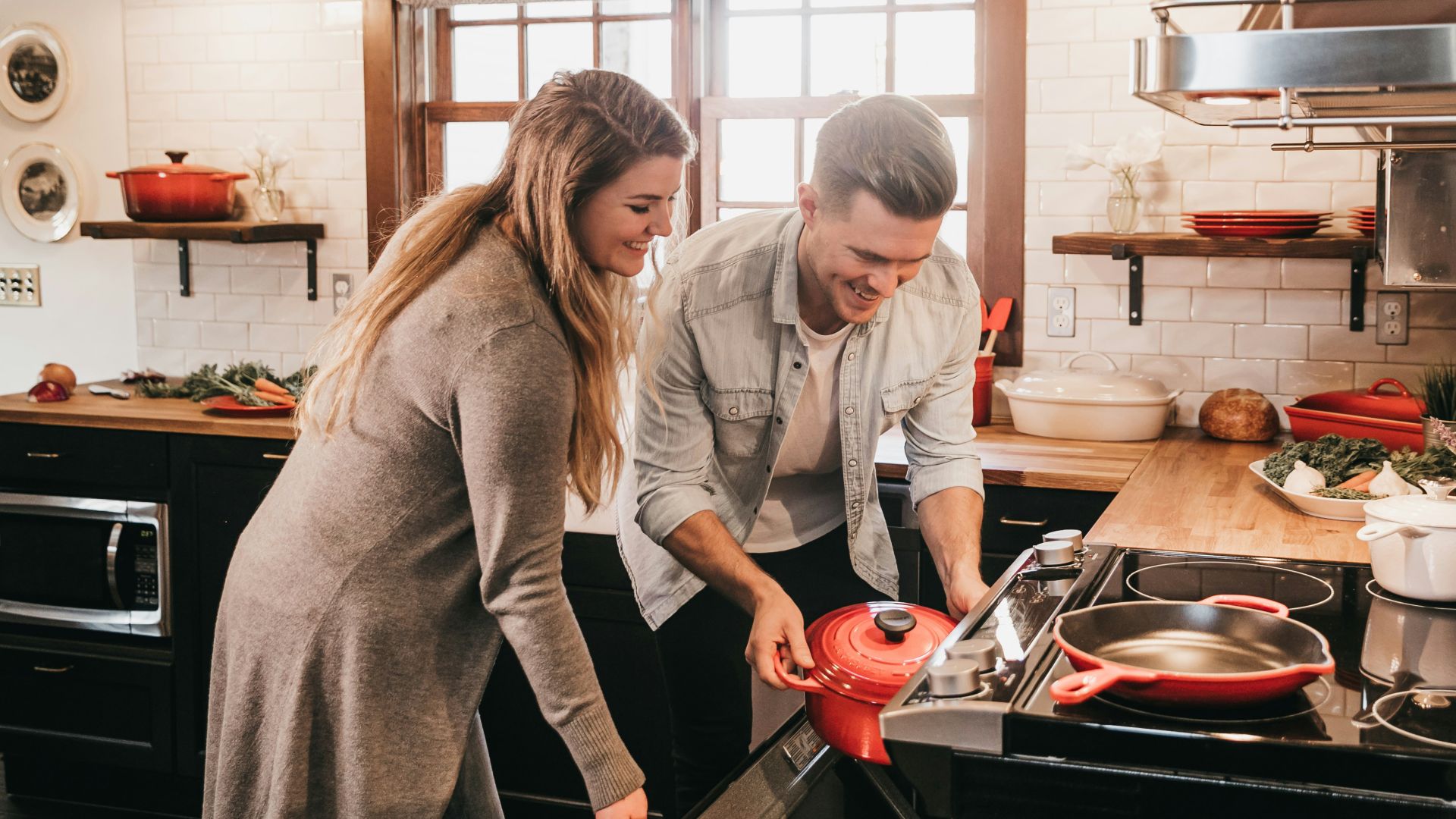
Guests immediately notice whether they can move without bumping into things. If chairs block the walkway, or if the island is jammed with serving pieces, people will hover awkwardly instead of settling in. A clear path makes the room feel hospitable; think of it as traffic design, but with better snacks.
Lighting is another silent judge, and it’s often kinder than you expect when you use it well. Harsh overhead lights can make even a clean kitchen look clinical, while dim corners can feel a bit suspicious. Mixing a bright task light with a softer ambient option creates a balanced, flattering glow. Guests won’t name the technique, but they’ll feel like the space has good manners.
People also notice whether your kitchen helps them participate or forces them to ask permission for everything. If glasses are easy to spot, napkins are within reach, and there’s a clear spot to set a bag, guests can relax! A kitchen that’s slightly “self-serve” feels generous—not casual in a sloppy way.
A small finishing touch can also shape the verdict, especially if guests linger while you plate food. A clean, dry hand towel hung neatly communicates that you’ve thought about the practical details. A simple bowl for keys or a tray for drinks prevents that “Where do I put this?” moment that makes people feel in the way. None of this needs to look staged; it just needs to look ready.
If you want an easy rule, aim for “fresh, clear, and reachable” before the doorbell rings. Open the window for five minutes, clear one counter section, and set out what guests will likely search for first. When the kitchen anticipates their needs, people interpret it as hospitality rather than fussiness. In the end, the best impression is the one that lets everyone focus on each other, not the room!
KEEP ON READING