
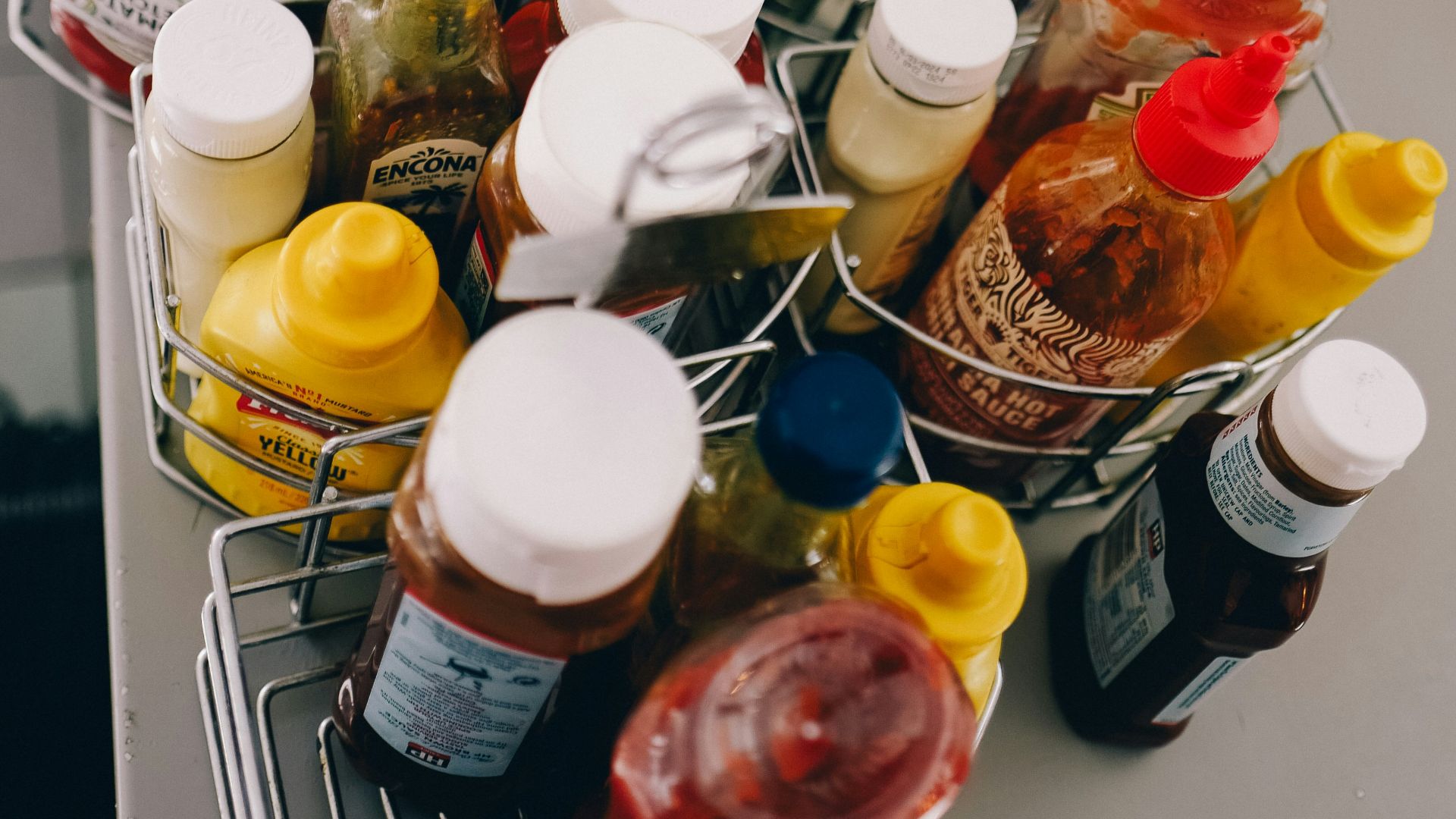
Open almost any refrigerator door, and you'll probably find a collection of condiments that ranges from everyday essentials to mysterious bottles purchased for one specific recipe. There's the ketchup for fries, mustard for sandwiches, mayonnaise for everything from tuna salad to burgers, and a few sauces that looked exciting at the grocery store but haven't been touched in months. Before long, the refrigerator door becomes crowded enough that finding the soy sauce requires moving three other bottles out of the way.
So how many condiments does a household actually need? There's no universal magic number because cooking habits, cultural preferences, dietary needs, and household size all influence what's useful. Still, a little planning can help you keep the favorites you genuinely enjoy without letting half-used bottles take over your refrigerator.
The Everyday Essentials Most Kitchens Can Use
These three will probably last you through many meals. Ketchup goes with fries, burgers, and meatloaf. Mustard goes on sandwiches and makes great dressings. Mayo can go on tons of things! So, if those are staples in your house, then yes, keep all three in your house.
Hot sauce and salsa are great if your diet consists of tacos, eggs, burritos, or anything that may call for spice. You should keep both in your house if you enjoy these foods. There is a difference between the two, so keep that in mind. You probably don't need five bottles of hot sauce, but having a favorite and a jar of salsa would be ideal.
You can make many recipes with soy sauce and BBQ sauce as well. Having both can help when making meals and give you a wide variety of options without needing multiple bottles of different sauces.
Salad dressing can earn its place if you eat salads regularly, but buying several bottles at once may not be necessary. A versatile vinaigrette can work with greens, roasted vegetables, and grain bowls, while a creamy dressing might suit your household's preferences better. Consider buying one or two varieties at a time, then replacing them when you finish the bottles rather than collecting options that rarely leave the refrigerator door.
Sandwiches can be enhanced with pickles and relish. They're not something everyone needs in their house, but if you're one of those people, make sure to have some on hand. Maybe you only use relish during the summer once a season, so perhaps you should get a small jar. The same goes for horseradish, chutney, and other fun condiments that you enjoy using but will never eat every day.
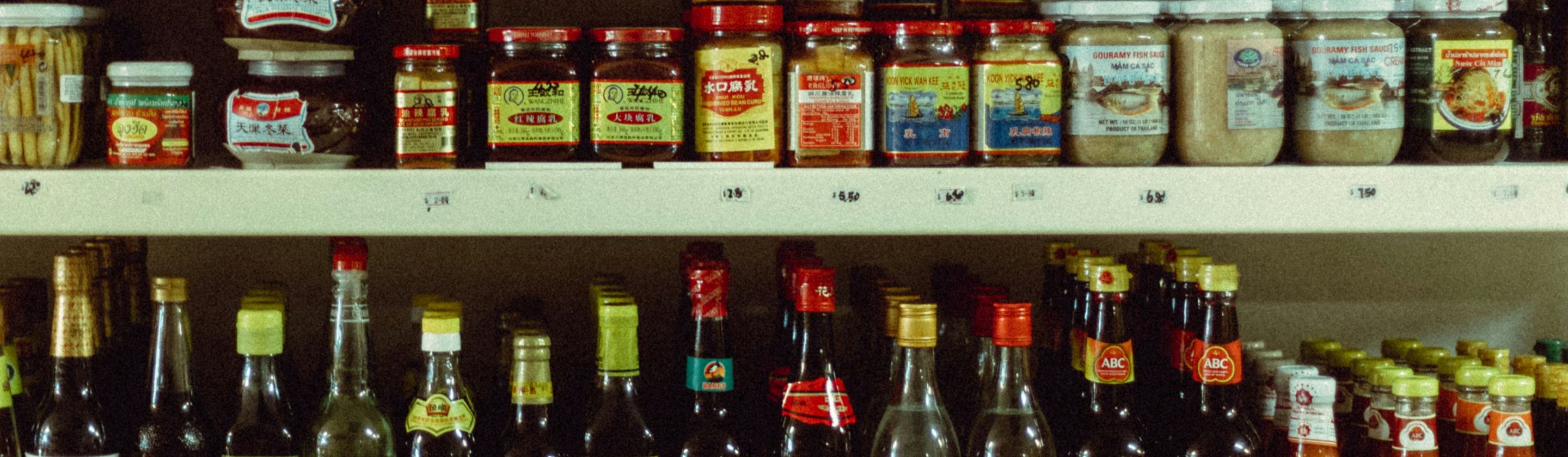
There are also condiments we have because we need one tablespoon for a recipe. That leftover fish sauce or hoisin sauce, chili crisp, and exotic curry paste can be great to have on hand, but just know what recipes you'll use them in before picking up that new bottle. Or maybe there's an alternative you already have in your kitchen.
Keeping Your Condiment Collection Under Control
The right number depends on how many people you feed and what you actually cook, rather than a universal kitchen rule. A household that grills frequently, makes homemade dressings, and enjoys international cuisines will naturally need more options than one that relies on simple weeknight meals. Start with the condiments you use every week, then add specialty products when there's a clear reason to buy them.
Even shelf-stable items have expiration dates once opened, so it's good to know how long things have been open. With some condiments, such as ketchup, you should store them in the refrigerator once opened and consume them within six months. Mustard will last you about a year if stored correctly. Check the packaging to be sure, as some items may need to be consumed sooner than others, especially if they're homemade.
A practical condiment collection might contain somewhere around eight to twelve regularly used options, with additional specialty sauces added according to your cooking habits. Again, this is just a suggestion, and by no means should everyone have this many. If you have a few meals for each type of sauce and can use them all before they expire, you most likely have an adequate amount.
Ultimately, the goal isn't to own as few condiments as possible; it's to keep the ones that make your meals more enjoyable without wasting money or refrigerator space. A well-chosen selection can handle everyday sandwiches, weekend grilling, quick stir-fries, and the occasional new recipe. If a bottle has been sitting untouched for months and you can't remember why you bought it, that might be a good sign that your kitchen could use a little editing.
KEEP ON READING