Fast food sells a simple promise: dinner in minutes, no dishes, and a total that feels easy to predict. When you’re tired, that predictability can look like savings for many people. Still, the menu-board price is only one slice of the cost, and the comparison changes once you add drinks, sides, and the urge to size up.
Cooking at home can feel expensive upfront because you’re buying ingredients that won’t be eaten tonight, plus basics like oil and spices. Yet those purchases can become several meals, and the economics shift again when you factor in waste, time, and consistency with your schedule. The real question isn’t just what costs less, but what you’ll actually choose on a busy week.
The Sticker-Price Trap of Fast Food
On paper, a combo meal can look like a bargain because you’re comparing one purchase to a cart of groceries. Yet, totals are designed to grow. A “value” item steers you toward a combo, the combo invites an upgrade, and an add-on treat feels harmless because it’s framed as extra. Add sales tax, delivery fees, and tipping, and the number you expected can climb quickly, especially when ordering becomes routine.
Price trends reinforce that convenience has been getting costlier. USDA’s Food Price Outlook has reported higher year-over-year inflation for food away from home than for food at home in recent updates. Similar research also shows the “food away from home” index rising over the year, including both full-service and limited-service meals. It doesn’t look like much, but even small percentage gaps matter if you’re buying prepared meals several times a week.
Spending patterns also reveal what you’re paying for. USDA estimates put takeout expenditures at about $1.52 trillion in 2024, compared with about $1.06 trillion for food at home. That difference reflects labor, rent, and packaging—costs that don’t exist when you cook in your own kitchen. Convenience can be worth it, but it usually isn’t the lowest-cost way to get a filling serving on the table, which is especially true when ordering for two.
The Real Math of Cooking At Home
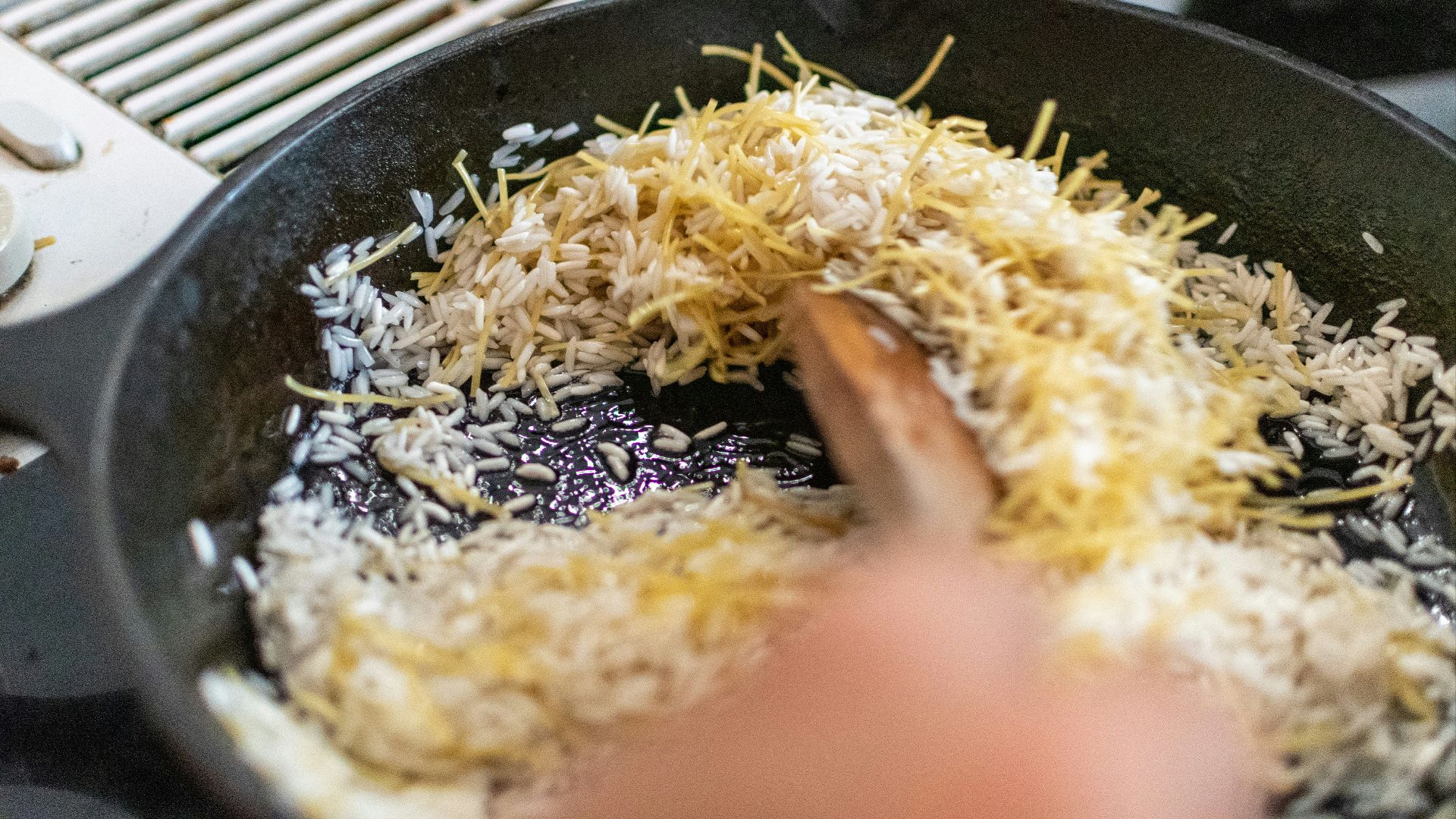
Home cooking looks different once you measure cost per portion instead of cost per trip. Chicken, rice, and vegetables can become multiple dinners plus leftovers, while fast food resets the meter every time. If you reuse staples in bowls, soups, and wraps, a single purchase keeps working for days.
Still, groceries aren’t “cheap” if they spoil. Fresh produce bought with no plan, specialty sauces used once, and ambitious recipes with single-purpose ingredients can erase savings fast. That’s why a practical rotation beats a perfect pantry. Choose meals that share components—tortillas that become tacos and wraps, beans that fit salads and chili, and frozen vegetables for quick stir-fries. By buying what you’ll actually eat, you spend less and waste less without obsessing over every coupon.
Time matters, even if you never put a dollar value on it. The workaround is to avoid treating every dinner as a fresh project. Cook once and build inventory: roast extra protein, make a big batch of sauce, or prep chopped vegetables for two nights. Reheating a meal you already made can rival drive-thru speed, and it lowers the odds you’ll default to takeout when you’re exhausted. Systems, not willpower, are what make home cooking cheaper.
So, Which One is Best For You?
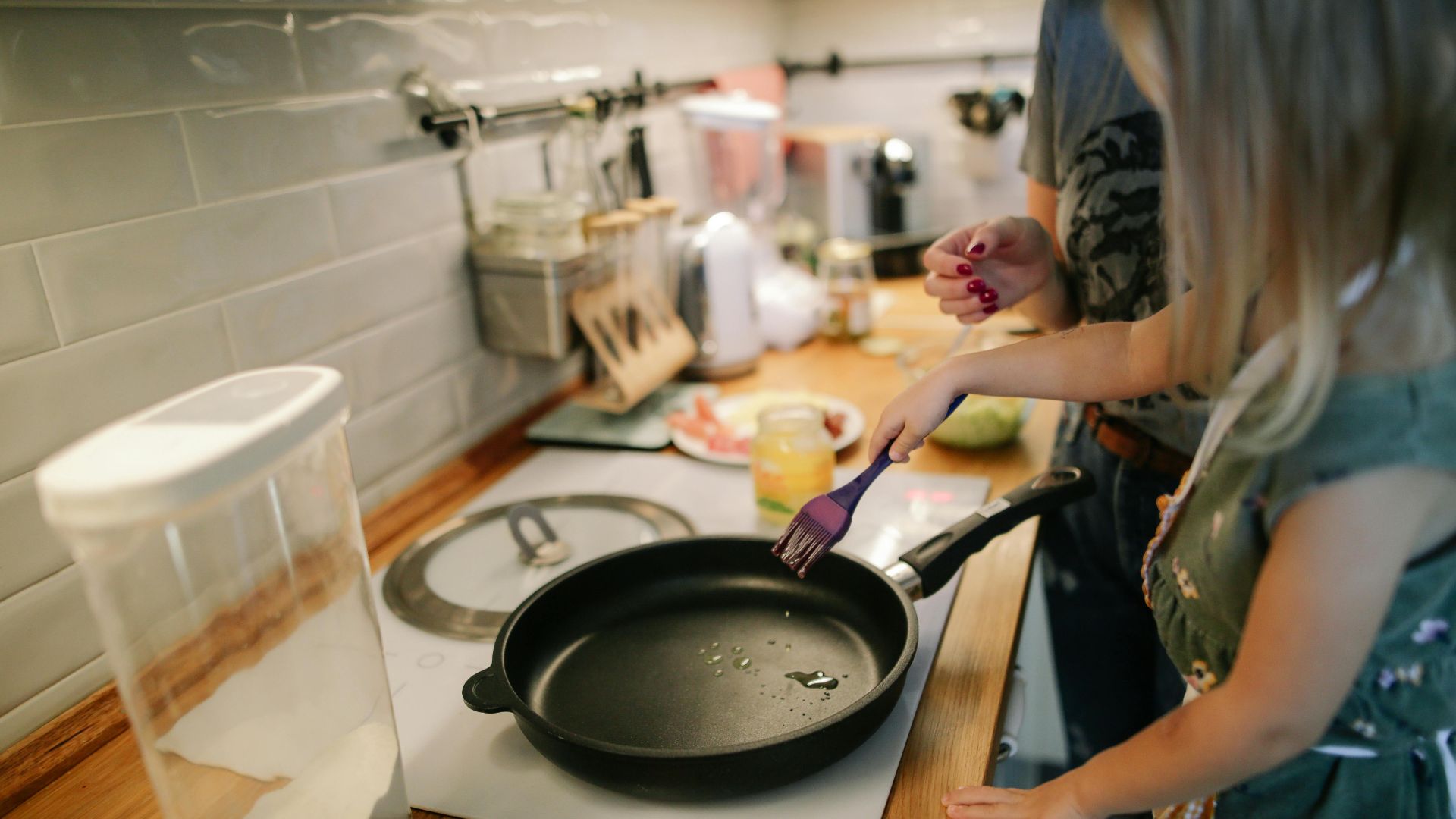
Which choice is cheaper depends on what fast food replaces. If you live alone and waste groceries, a small takeout order can look competitive on some nights. Yet when meals are matched for fullness, restaurant pricing usually carries more overhead than home preparation.
Convenience doesn’t have to mean the drive-thru, either. Supermarket shortcuts (frozen vegetables, canned beans, rotisserie chicken, bagged salad, microwavable grains) let you eat dinner without paying full restaurant markup. They may cost more than raw ingredients, but they also reduce spoilage and make follow-through easier. When one meal becomes tomorrow’s lunch, the per-portion cost drops again, and fast food has to compete with a leftover that’s already paid for. The best part is, it hardly takes any effort on your part.
Fast food is cheaper mainly in edge cases. Things like travel days, no kitchen access, or weeks when groceries would go to waste often make takeout look enticing. However, if you do order, control the extras by skipping drinks and refusing the upsizing prompts!
At the end of the day, home cooking wins for most households; you just need to crunch the numbers. Ingredients are often repurposed and portioned, while prepared food prices include labor and operating costs. If you really want to save money, put together a short list of five-minute meals—and the staples to make them—to keep convenience high without turning your budget into a drive-thru subscription at all!
KEEP ON READING