 José Ignacio Pompé on Unsplash
Few meals inspire as much debate as a well-cooked steak, especially when people start discussing doneness, seasoning, and whether steak sauce belongs anywhere near the plate. Everyone has personal preferences, but there are a few practical techniques that can help you enjoy steak at its best, from choosing the right cut to slicing it properly. You don't need an expensive restaurant kitchen or years of culinary experience to get good results at home.
Of course, there's no single correct way to enjoy steak, and anyone who insists otherwise might be taking dinner a little too seriously. Still, understanding how to prepare, cook, and serve it can make a noticeable difference in flavor and texture. If you want to get the most out of your next steak dinner, these tips will help you approach it with confidence.
Choose the Right Cut
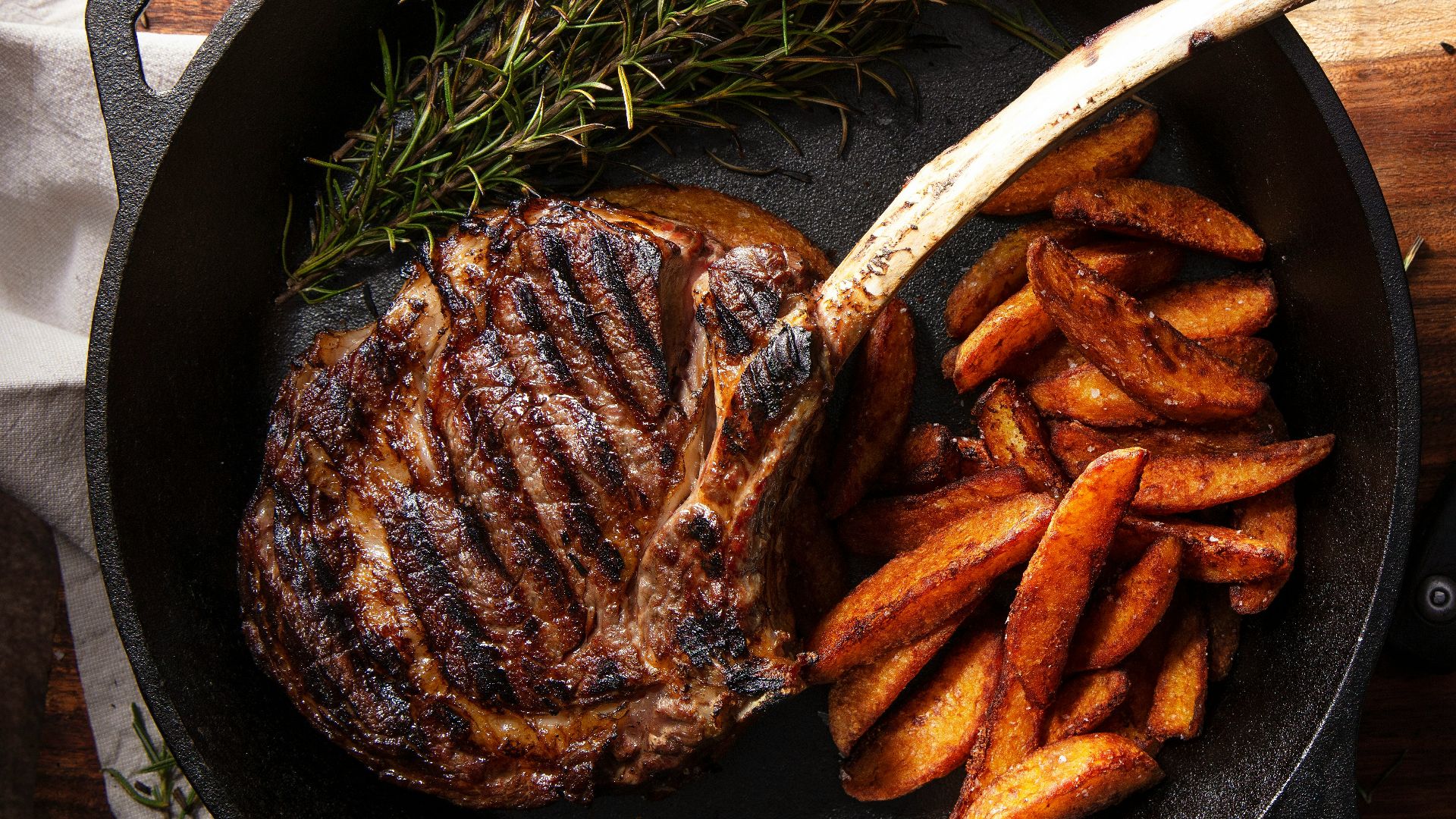
Different steak cuts offer different combinations of tenderness, flavor, and fat, so your choice should depend on what you enjoy. Ribeye is known for its rich marbling, while filet mignon is particularly tender and generally has a milder beef flavor. New York strip offers a balance of tenderness and beefy flavor, making it a popular choice for straightforward steak dinners.
Salt is good to add to your steak because it will complement the steak's taste. You can salt your steak beforehand to get it seasoned throughout. If you have time, you can leave your steak uncovered in the fridge with salt on it. This can also help dry the steak. If you don't have time, you can always season your steak right before you cook it, so there's no reason to skip dinner just because you forgot.
Having moisture on the steak will make it difficult to brown. Pat your steak dry before you place it in the pan or on the grill. This will allow your steak to brown and create a nice crust on the outside.
Thicker steaks generally benefit from methods that allow you to develop a crust without overcooking the center. You can sear a steak in a hot skillet and finish it in the oven, or use a two-zone grill setup that provides both direct and indirect heat. Thinner cuts cook quickly, so keeping a close eye on them is often more useful than following a complicated cooking routine.
Don’t Overcomplicate Things
A properly heated cooking surface helps brown the steak instead of leaving it pale and steamed. For pan-searing, use a heavy skillet that can retain heat, and choose an oil suitable for high-temperature cooking. Add the steak once the pan is hot, then allow the surface to develop a crust before moving it unnecessarily.
There are many people who will tell you there are too many types of doneness when it comes to steak. Whether you like your steak rare, medium, or well-done, it's all about what you like best. I prefer medium-rare, as it's nice and warm on the inside with good moisture. There is no right answer when it comes to how you want to cook your steak. According to the USDA, you should cook your steaks to 145 degrees Fahrenheit and let them rest for 3 minutes, using a meat thermometer.
Experienced cooks sometimes judge doneness by touch, but even skilled cooks can benefit from checking the internal temperature. Insert an instant-read thermometer into the thickest part of the steak, avoiding large pockets of fat or bone. This simple step makes it easier to cook steak consistently and helps you follow food-safety recommendations instead of relying on color alone.
There's no reason you have to turn your steak only once. Some people believe that if you're flipping it too often, you're fudging the steak, but that isn't always the case. You want your steak to have a nice crust on it and cook through to your desired temperature.
Adding butter to your steak when searing it in a pan is also optional. Adding butter, garlic, and some herbs can be great; just make sure not to let the butter burn. Angle your pan and scoop the butter over your steak.
Cutting into a steak immediately after cooking can release juices onto the plate before you've had a chance to enjoy them. Letting it rest briefly gives the temperature time to even out and allows the juices to redistribute as the meat settles. A few minutes is often enough for thinner steaks, while thicker cuts may benefit from a longer rest.
Serve It, Slice It, and Enjoy Every Bite
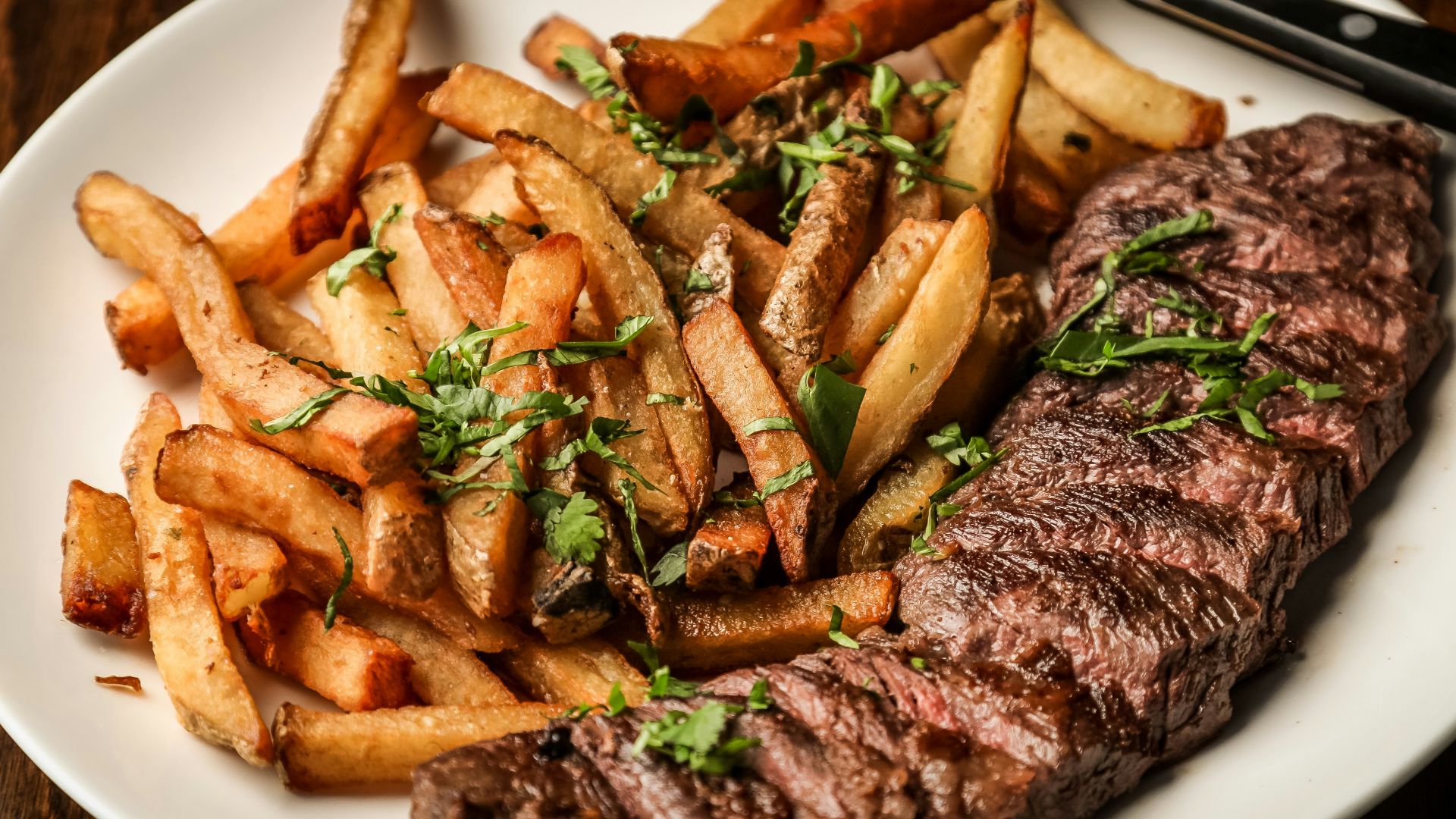
Muscle fibers run in particular directions through a steak, and cutting across those fibers shortens them, making each bite easier to chew. Look closely at the meat before slicing so you can identify the direction of the grain. This is especially useful for cuts such as flank steak and skirt steak, where slicing technique can make a noticeable difference in tenderness.
Sauce goes great on steak, but it's not necessary. Always try a piece plain to enjoy the taste of the beef and how it was seasoned. There's a crust on your steak that you'll want to savor. Chimichurri, peppercorn sauce, or steak sauce is all fine; just enjoy your dinner and don't argue about what you put on your food.
Have side dishes that will pair well with your steak. You could have roasted potatoes or vegetables, maybe some salad or sautéed mushrooms. Side dishes are a great way to spice up your steak and give you something that contrasts with it if it's fatty. There's no need to go overboard with five side dishes and have no room for your main course.
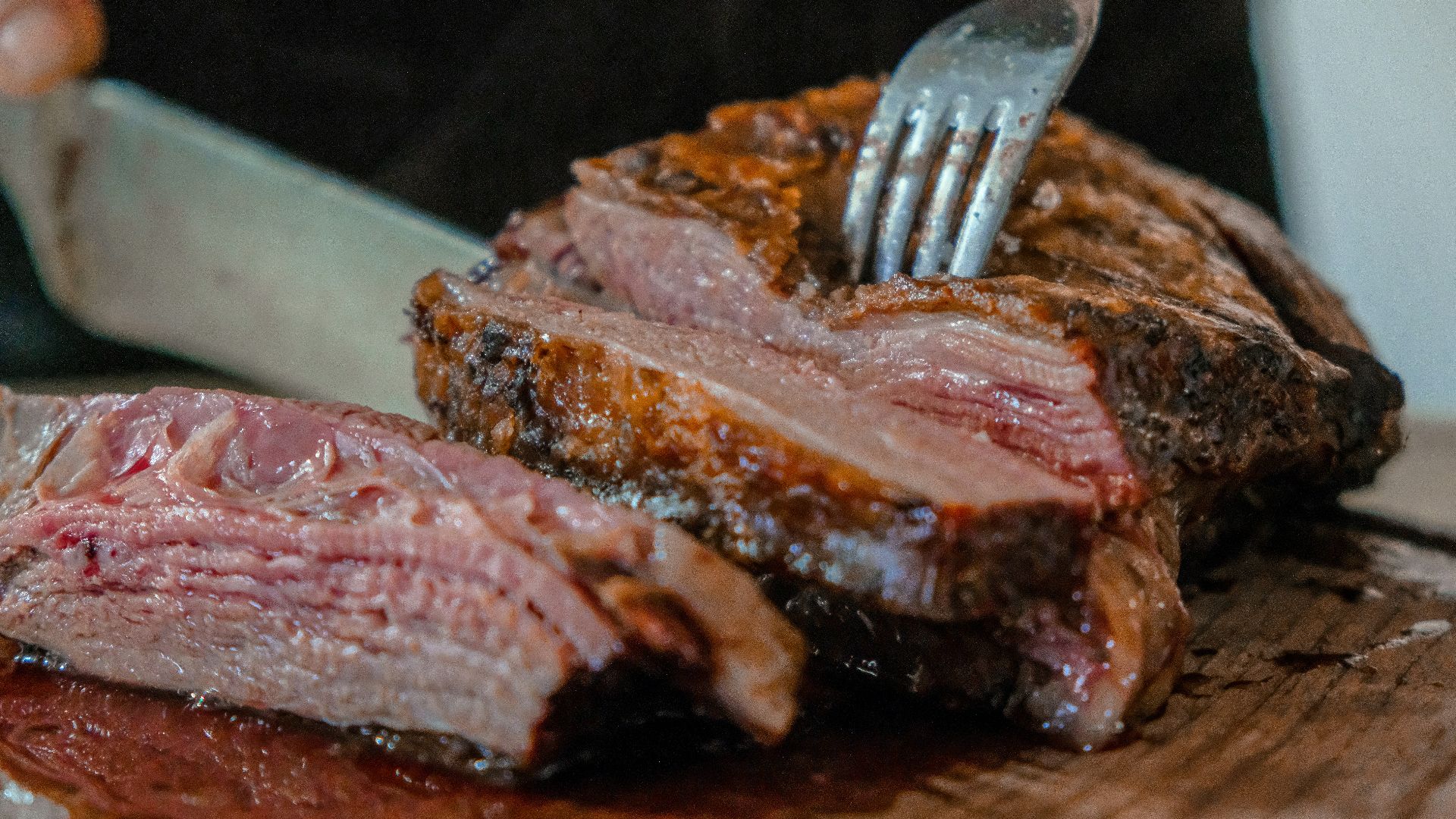
A sharp steak knife makes cutting easier and helps you avoid pressing too hard on the meat. Cut manageable bites as you eat, or slice the steak into strips before serving if that suits your preferences. There's no special dining technique required, although taking your time gives you a better chance to notice the texture and flavor.
KEEP ON READING