
You've probably experienced it before. A spicy dish sets your mouth on fire, and your eyes start watering. Yet somehow you keep reaching for another bite. It seems completely irrational to seek out food that causes discomfort, but millions of people across the globe do exactly that every single day.
The relationship between pain and pleasure when it comes to spicy food isn't just about taste. It's a complex interaction between chemistry, psychology, and culture that keeps us hooked.
The Burn Explained
Capsaicin is the molecule behind the intense heat of chili peppers. This compound binds to TRPV1 receptors in your body. These receptors normally respond to heat and pain, so when capsaicin activates them, your brain interprets the signal as burning.
That's why a bite of jalapeño can feel like you touched a hot stove, even though no actual damage is happening. Your body reacts with sweating and tearing. Sometimes your heart even races. These are all signs that your nervous system thinks it's under stress.
Pain Turned Into Pleasure
Here's where things get interesting. Instead of making you run away, this discomfort triggers a fascinating response. Your brain releases endorphins. These are natural painkillers that dull the sting and create a mild euphoria. At the same time, dopamine reinforces the experience by activating reward pathways.
Together, these chemicals transform pain into pleasure. That explains why spicy food can feel addictive. Psychologists call this "benign masochism." It's the same reason people enjoy roller coasters or horror films.
Regular spice eaters build tolerance over time. Their TRPV1 receptors adapt. This means the same chili feels less intense after a while. It pushes enthusiasts toward hotter varieties. They go from jalapeños to habaneros to Carolina Reapers in search of the same chemical payoff.
The escalation mirrors other sensation-seeking behaviors where novelty and intensity drive satisfaction. Some dedicated fans participate in spice challenges and compete to handle the hottest peppers available. It becomes a badge of honor.
Culture And Craving
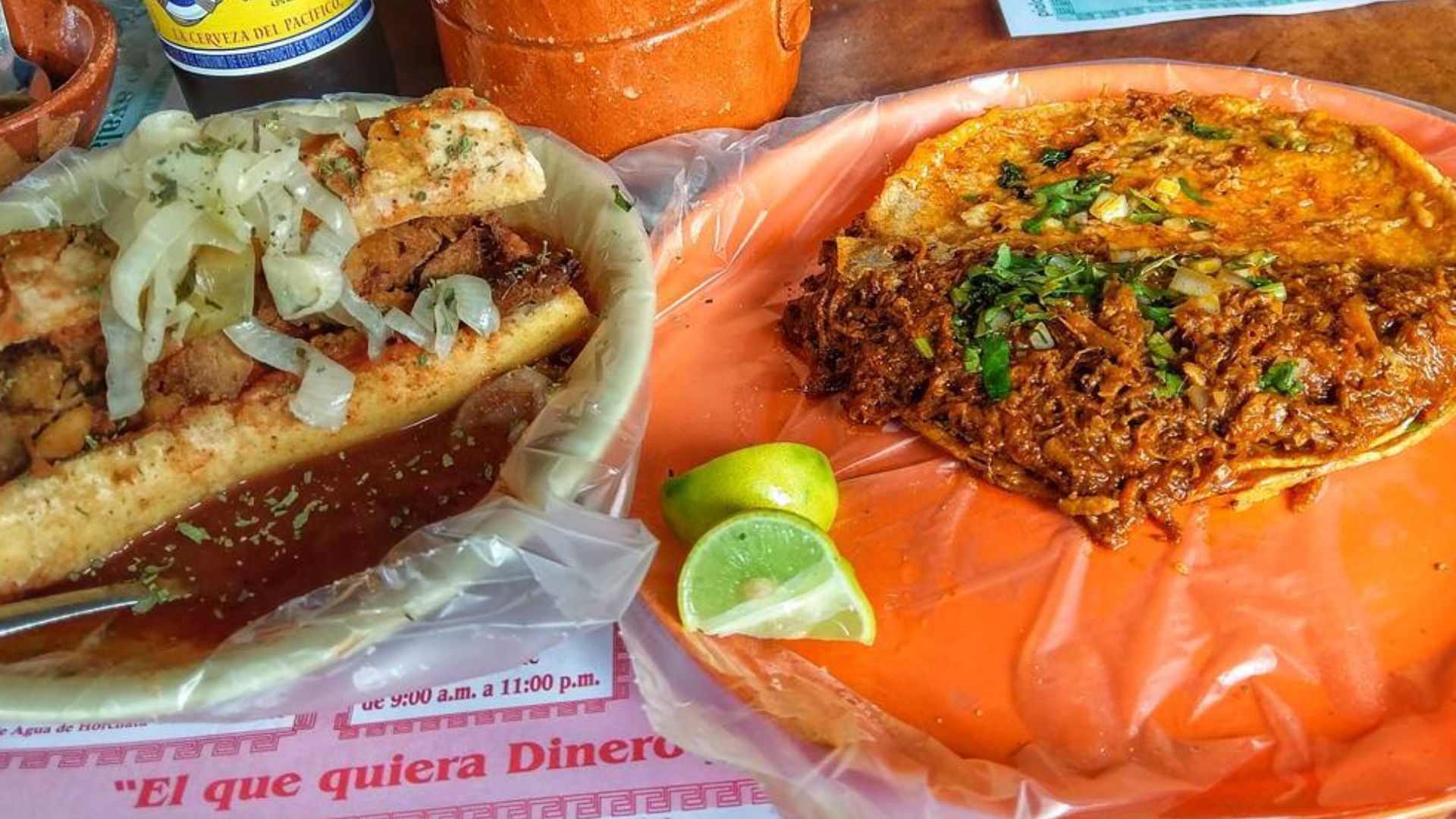
Biology isn't the whole story, though. In cuisines from India to Mexico to Thailand, chili heat is celebrated as part of identity and tradition. Sharing spicy meals often becomes a ritual. It reinforces bonds through collective endurance.
The cultural embrace amplifies the craving and makes spice not just a chemical thrill but a communal experience. Families pass down recipes that carry specific heat levels. Regional pride often centers around who can handle the most fire.
The Lasting Appeal
What starts as a biological reaction grows into something far more complex. Spicy food becomes a personal challenge and a social experience rolled into one. You're not just eating dinner—you're testing yourself against something that makes you sweat and reach for water. That shared struggle at the table creates unexpected camaraderie.
Meanwhile, your brain keeps rewarding you with each bite, ensuring you'll remember this meal long after milder flavors fade. The pain stops being the point. What matters is proving you can push through it and enjoying the high that comes after.
KEEP ON READING