Why Americans Stopped Cooking the Meals Their Grandparents Grew Up Eating
Many traditional American meals that once appeared regularly on dinner tables are now reserved for special occasions, family reunions, or nostalgic trips to old-fashioned diners. Dishes such as liver and onions, homemade chicken and dumplings, tuna casseroles, and pot roasts were familiar components of everyday cooking for previous generations. Although some of these recipes remain popular, others have gradually disappeared from weekly meal rotations.
The shift in American eating habits reflects considerably more than changing tastes. Developments in food production, employment, household technology, and international cuisine have transformed what people purchase at grocery stores and how they prepare their meals. Even families that cherish their grandparents' recipes may find that those dishes don't necessarily suit their modern lifestyles.
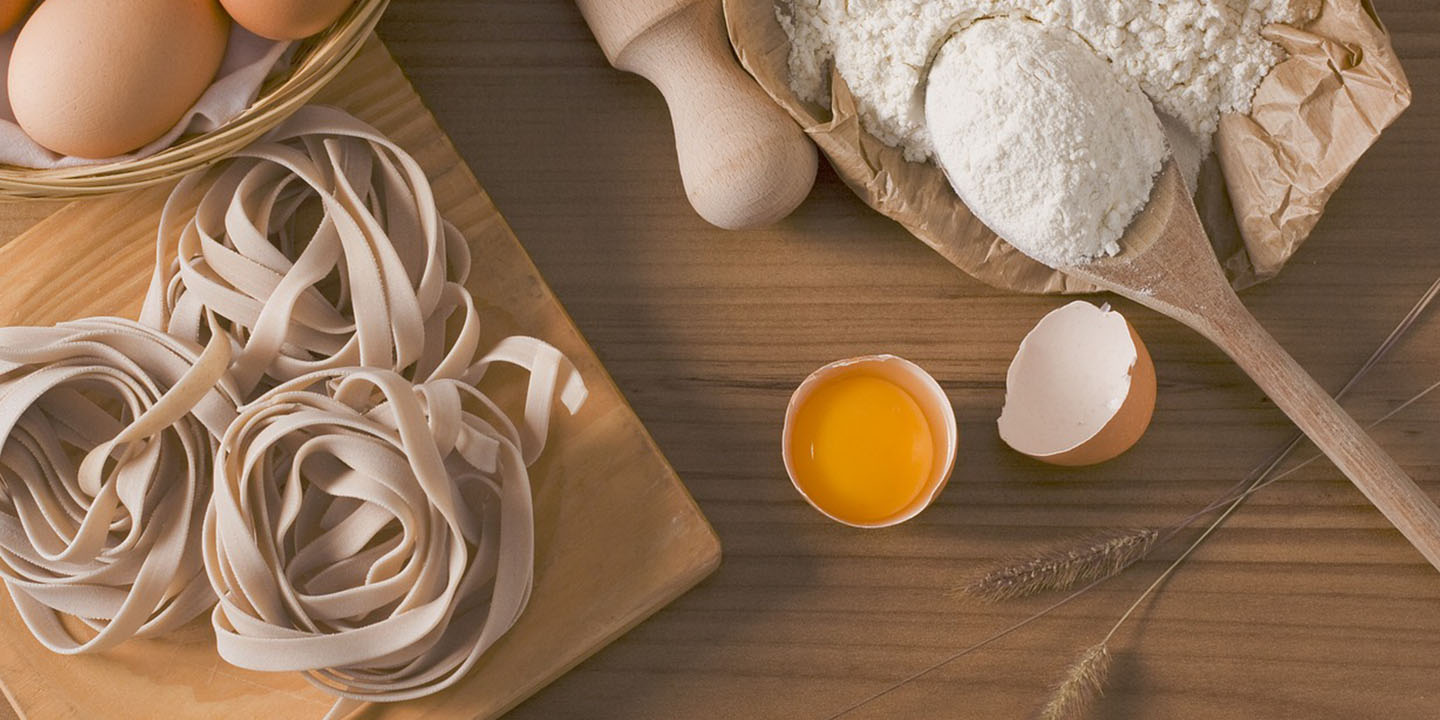
Preparing meals from scratch was once a substantial part of the daily household routine, particularly when one family member was primarily responsible for domestic duties. According to the U.S. Department of Agriculture, American adults spent an average of 65 minutes per day preparing meals and cleaning up in 1965. By 2014, that figure had fallen to just 37 minutes, illustrating how dramatically household cooking habits had changed.
With increasing numbers of women working during the latter half of the 20th century, it's not surprising that some of the gender stereotypes surrounding cooking and other housework began to break down. However, Americans as a whole spent less time cooking. It would be inconvenient to spend many hours preparing a recipe while working, looking after children, and so on.
A roast, homemade gravy, potatoes, and a couple of vegetables or more all take quite some time to assemble and cook. Then there are all the utensils to wash. Many other simple dishes, such as stir-fries or foods cooked on a single baking sheet, would provide an adequate and similarly enjoyable meal but allow for more free time.
The number of people to be fed will determine what's convenient to cook. Few people wish to eat the same food from day to day, so cooking a huge amount suitable for six people isn't very attractive if you're living on your own. You could, of course, freeze portions, but in many ways, it's simpler to cook for fewer people.
Convenience Foods Transformed the American Kitchen
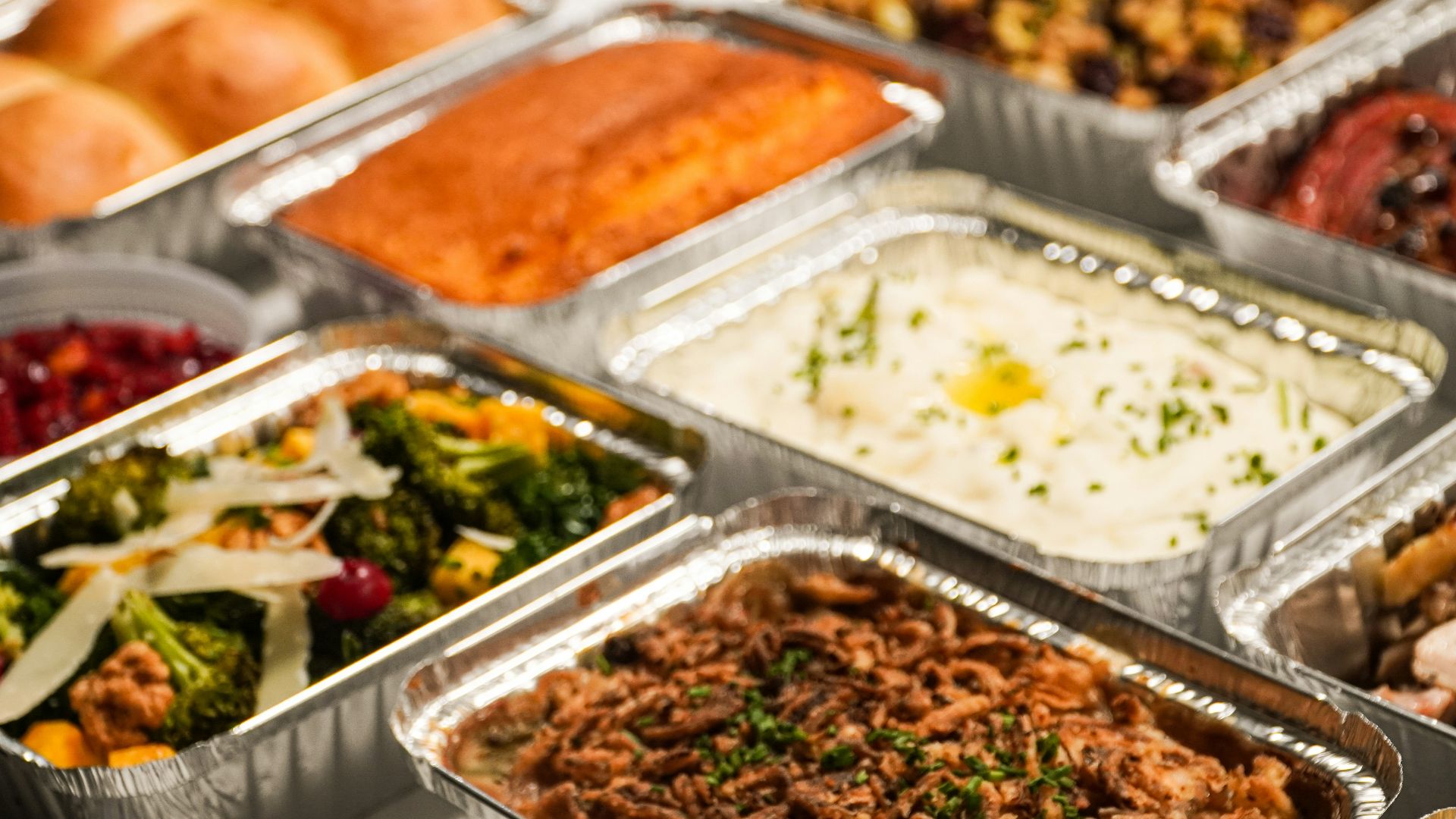
The growing availability of commercially prepared meals changed American cooking long before food delivery apps existed. Frozen TV dinners became commercially successful during the 1950s, offering households an opportunity to enjoy complete meals without individually preparing each component. By the mid-1960s, the frozen food industry was thriving, with manufacturers introducing increasingly diverse selections.
Interestingly, many recipes now associated with grandparents were themselves products of an earlier convenience food revolution. Tuna noodle casseroles frequently incorporated condensed cream soups, while gelatin salads relied on commercially produced ingredients that simplified preparation. What seems like traditional home cooking today wasn't necessarily considered old-fashioned when those dishes first became popular.
Microwaves became widely available in homes, so it took even less time to heat an individual serving of food. This could be food from a previous meal or some ready-made product. A host of newer kitchen aids, including pressure cookers and air fryers, all lend themselves to quicker and easier meal preparation.
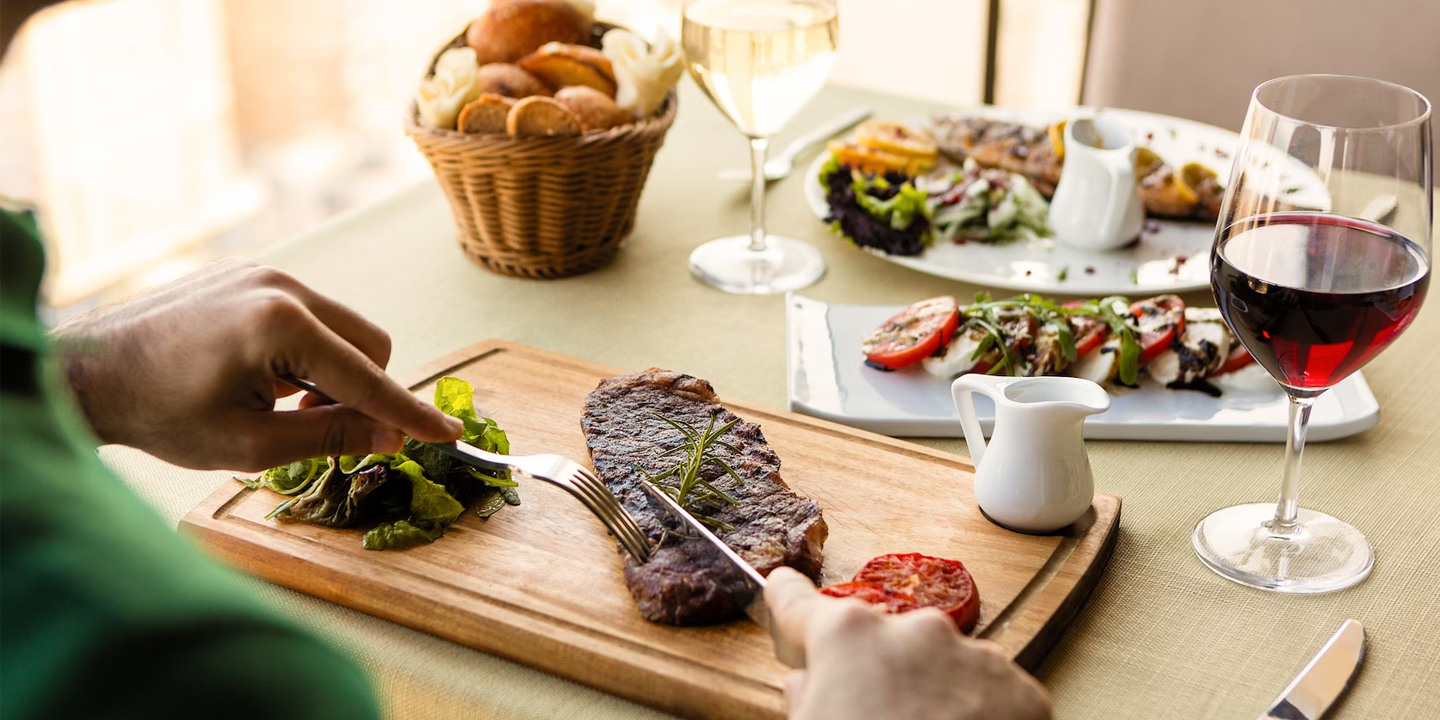
An increasing proportion of food spending has gone toward eating out over the years. Food away from home represented about 26% of food spending in 1960, rising to just under 50% by 2013, according to the USDA. There are, therefore, many convenient options available instead of taking the time and effort to cook a substantial variety of foods for one family meal.
Evolving Tastes Changed What's on the Dinner Table
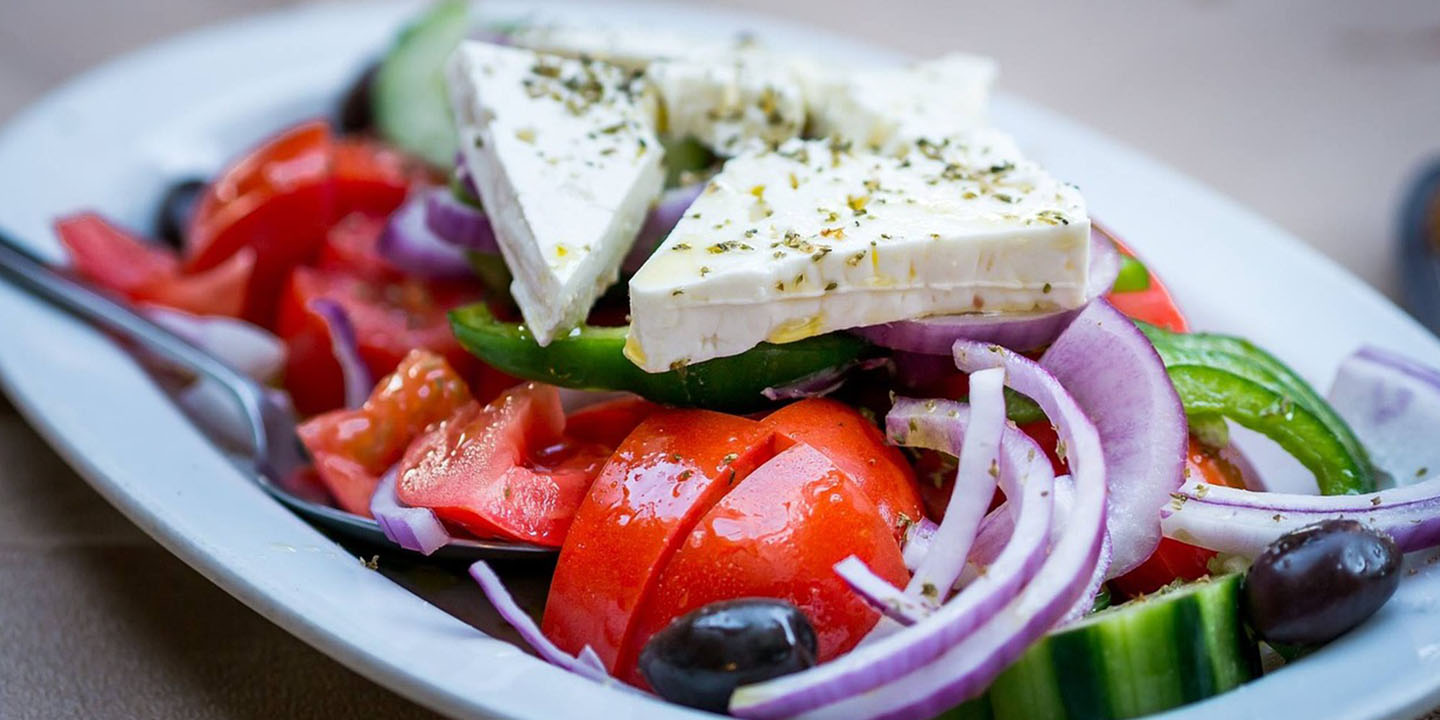
American cuisine has never been entirely uniform, and different communities have maintained distinctive culinary traditions throughout the country's history. However, immigration, international trade, and wider access to ingredients have introduced more households to an impressive variety of cuisines. Someone whose grandparents regularly served meatloaf and potatoes might now alternate between Thai curries, Mediterranean grain bowls, and Mexican-inspired dinners throughout the week.
Shifts in people's diets have also affected the frequency with which some foods are cooked and eaten. There may be little enthusiasm among those wishing to limit their intake of saturated fat and salt for recipes requiring large quantities of butter, shortening, bacon, and cream products. However, it's common to alter recipes to some degree to suit individual requirements.
It's less necessary to can, preserve, and pickle food to have a wide variety available throughout the year. Home canning was particularly prevalent in rural areas to enable fruits and vegetables to be eaten out of season. There's a very wide choice of all types of fresh, frozen, canned, and preserved produce available in most supermarkets today, so home preserving may be little more than a pastime.
Fortunately, traditional American cooking hasn't disappeared altogether, and family recipes continue to carry considerable sentimental value. Holiday gatherings still provide opportunities to prepare homemade pies, slow-cooked roasts, and casseroles that have been passed down through generations. These meals may not appear on the dinner table every Tuesday anymore, but their ability to bring back fond memories remains an important reason to keep the recipes around.
KEEP ON READING

The 5 Most Consumed Foods in the Entire World