 Joshua Rawson-Harris on Unsplash
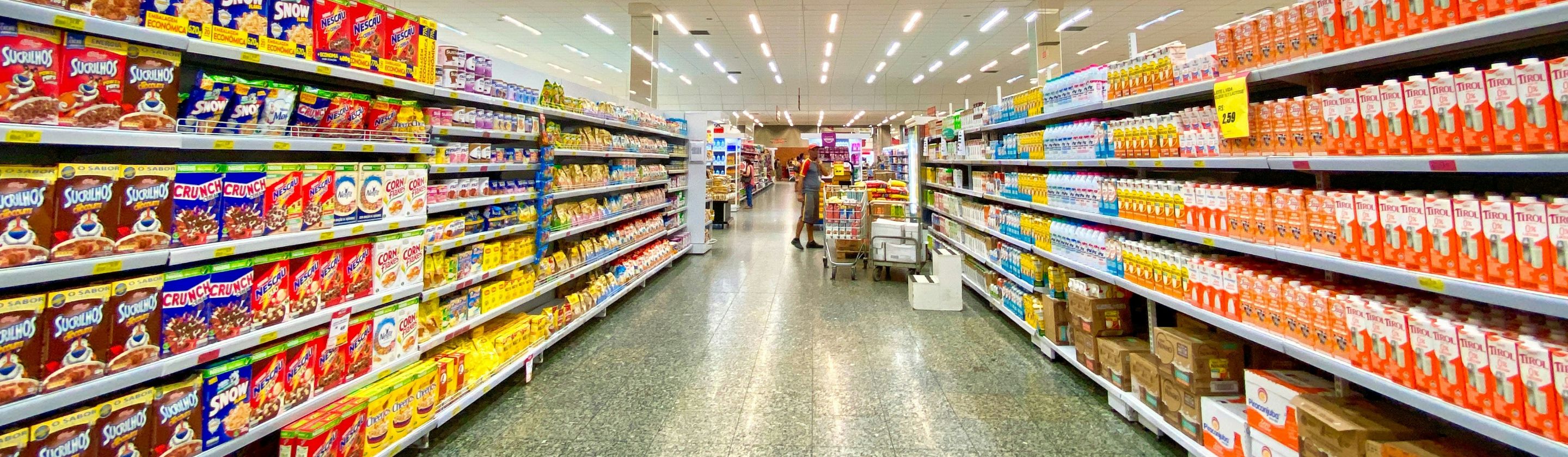
You walk into your grocery store for milk and somehow end up staring at a wall of granola you’ve never seen before. The bread’s moved, the coffee’s in a different aisle, and your brain does a reboot. It’s not personal, and it’s not a conspiracy, but it is intentional. Stores tweak layouts the way playlists get shuffled: to keep things fresh and to keep you browsing.
If you’ve ever grumbled, “Why can’t they just leave it alone?” you’re not the only one. Rearranging shelves can nudge your attention, steer foot traffic, and even help stores manage inventory and labor. Some changes are about sales, sure, but others are about safety, seasonal needs, and making the whole place run smoother. Once you know the logic, the shuffle feels a lot less random.
They’re Trying to Break Your Autopilot
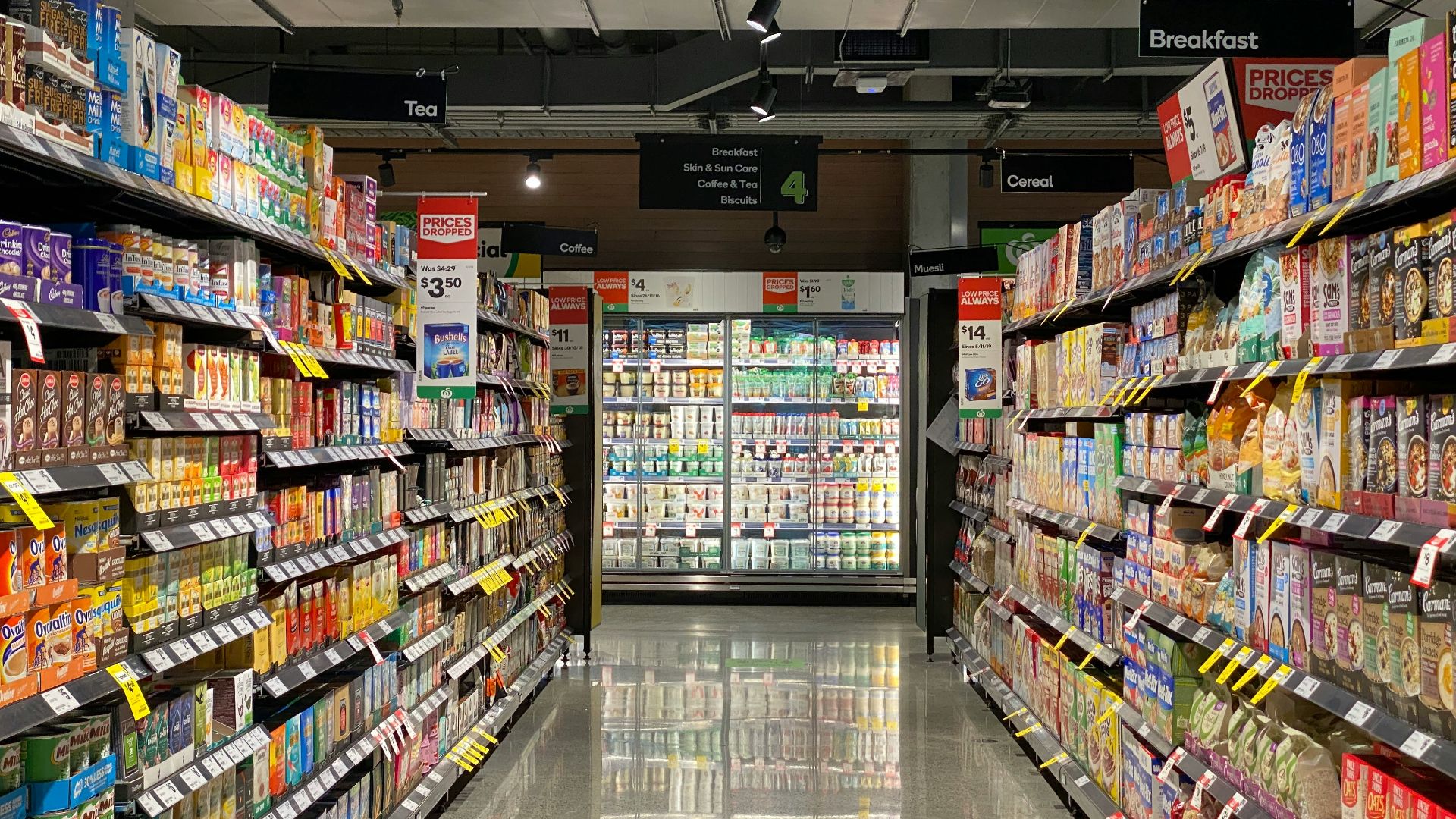
The biggest reason layouts change is simple: routine makes you fast. When you know exactly where everything lives, you zip in, grab your usual stuff, and zip out without thinking about any new products. That’s great for your schedule, but it’s not great for a store that wants you to notice special promos. A small rearrangement slows you down just enough to look around, even if you don’t notice at first.
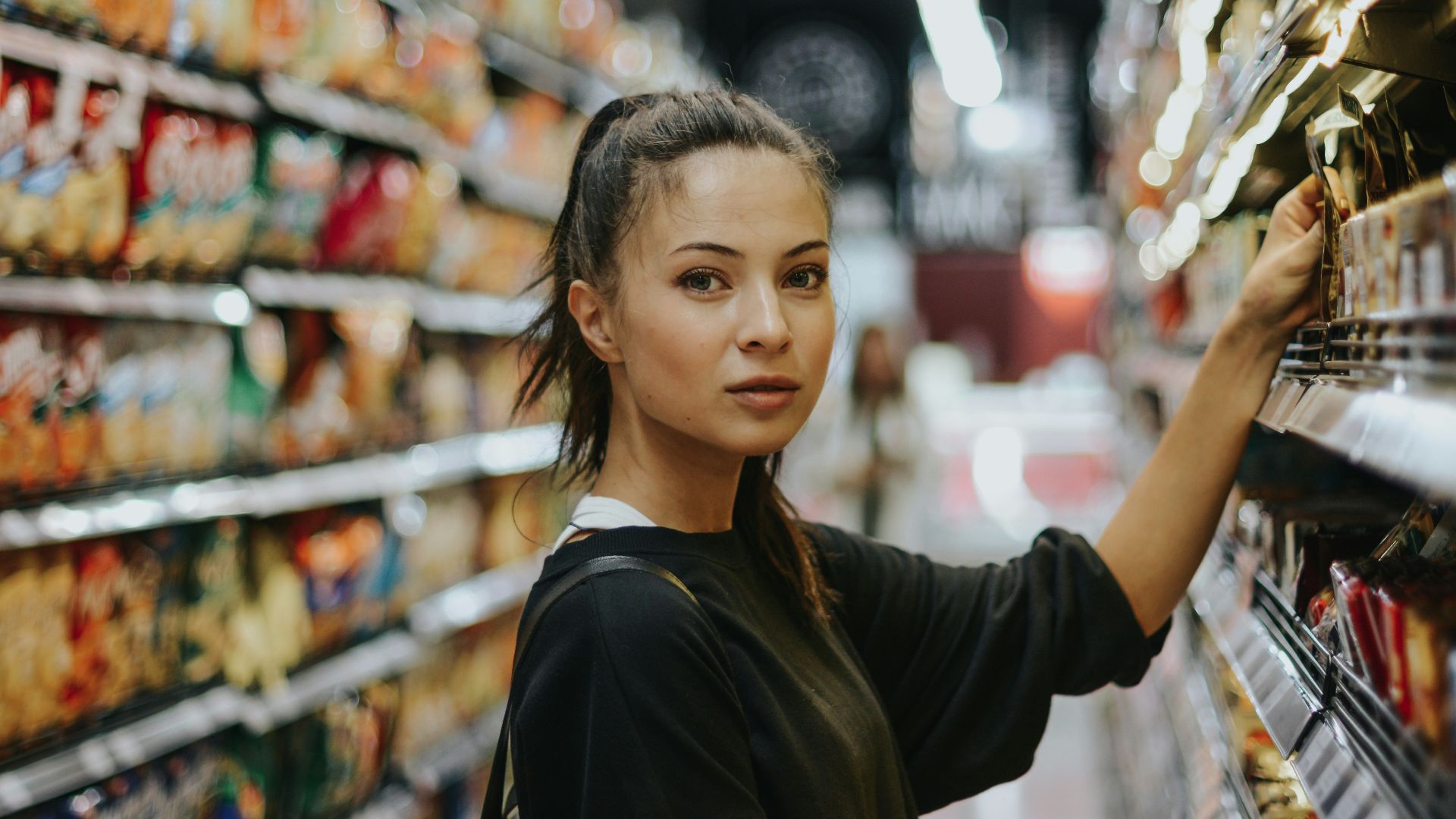
From the store’s perspective, “lost” shoppers are often just “wandering” shoppers, and wandering is where extra purchases happen. When the cereal aisle shifts or the condiments swap sides, you’re forced to scan shelves again instead of walking straight to the one spot you always hit. That extra minute turns into discoveries—you didn’t plan it, but your cart doesn’t care.
There’s also a sneaky psychological perk: novelty feels like progress. A refreshed layout can make the store seem updated, better stocked, and more interesting, even if the products are mostly the same. It’s like rearranging your living room and suddenly feeling like you live in a new place.
They’re Merchandising Your Path on Purpose
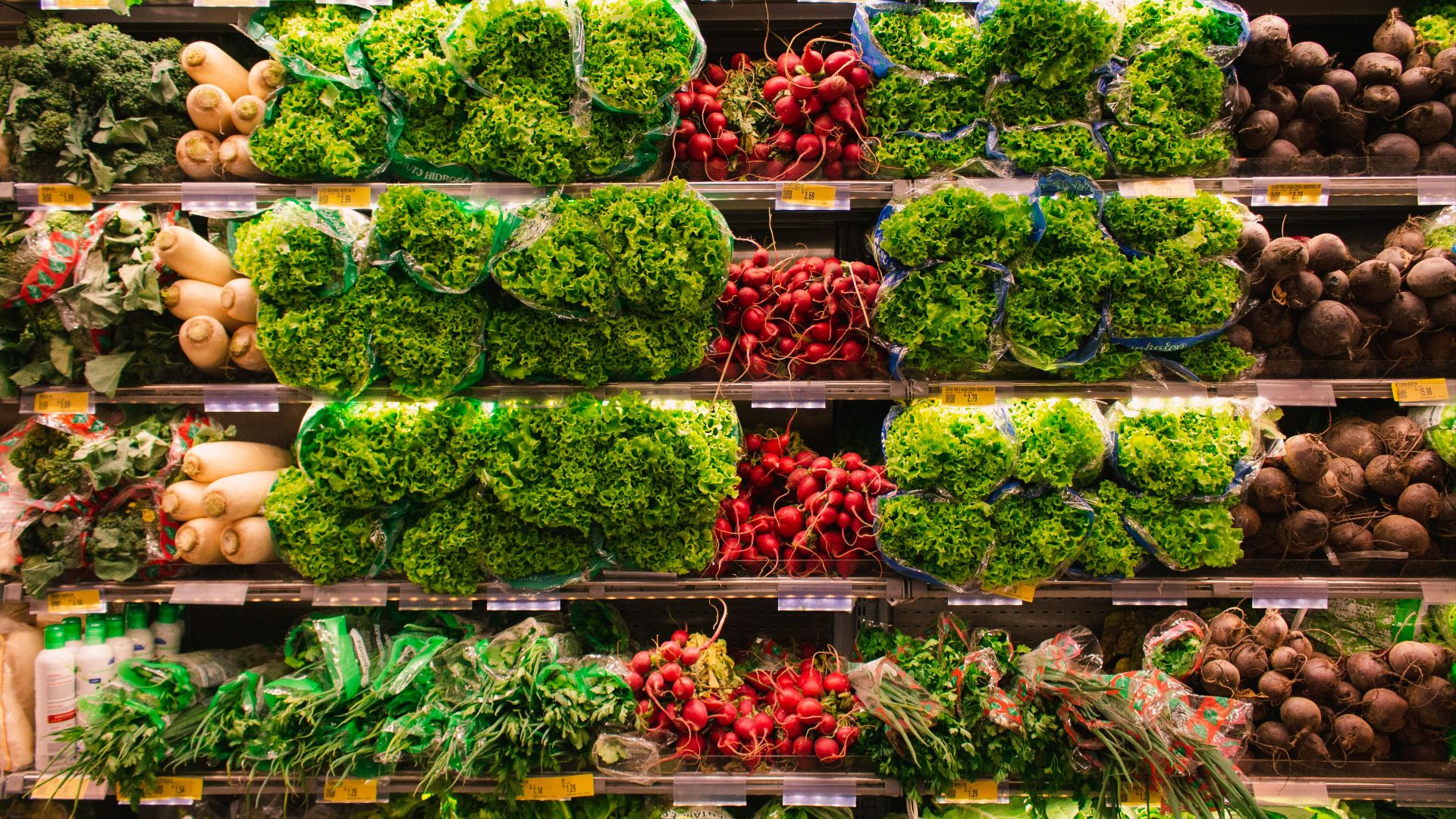
Layout changes aren’t random; they’re often built around how people move. Stores watch traffic patterns and design “routes” that gently pull you past profitable sections. That’s why you’ll see high-margin items in places you can’t ignore, like endcaps, aisle entrances, and displays near the checkout. When they rearrange, they’re usually adjusting the flow.
Pricing strategy plays a role, too. If a store is promoting a brand, placement becomes a huge part of how they sell it to you. Moving chips closer to the soda isn’t just tidiness; it’s a cross-selling nudge that says, “These belong together.” Likewise, shifting baking supplies before the holidays or pushing grilling gear in summer is about meeting your cravings head-on. And since we’re often on autopilot in grocery stores, we don’t even realize what’s happening to our subconscious!
Then there’s the battle for shelf space, which sounds boring until you realize it’s basically free real estate. Brands pay for premium placement, and stores negotiate those spots. If a deal changes, the shelf changes with it. A new contract, a new promotion, or a new supplier can trigger a reshuffle, which is why your favorite cookies might suddenly be eye-level while a different brand gets bumped to the bottom
Sometimes It’s Not About You, It’s About Logistics
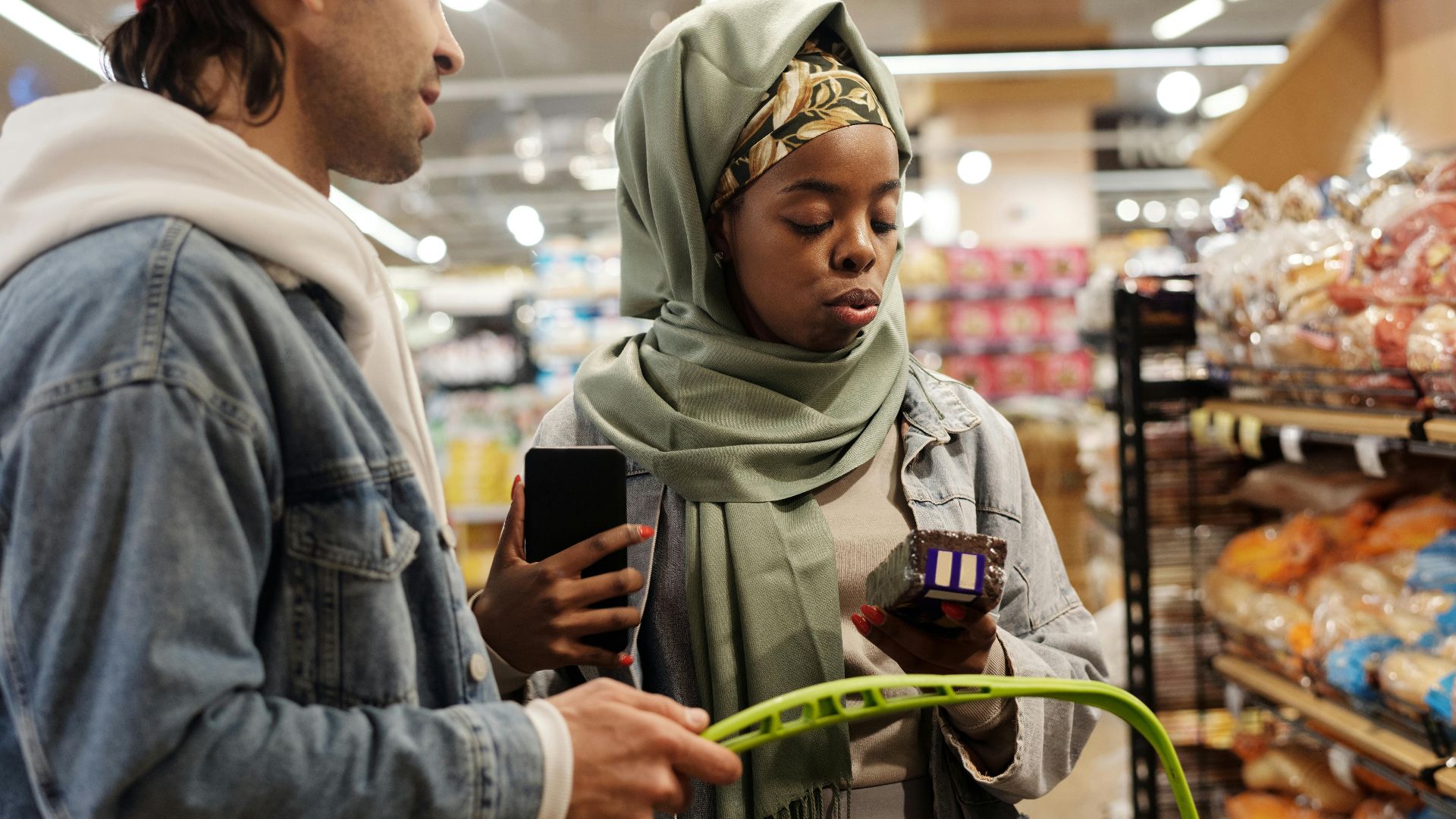
Behind the scenes, grocery stores juggle a lot more than what goes into your cart. Inventory shifts constantly, and the layout has to keep up with what’s arriving, what’s selling, and what’s about to expire. If a store increases its selection of ready-to-eat meals, that section needs more room, better refrigeration, and easier access for restocking.
Labor and restocking efficiency matter more than most shoppers realize. If employees are spending extra time walking back and forth with carts, reaching awkward shelves, or dealing with bottlenecks in tight aisles, that costs money and slows everything down. A rearrangement can improve everything from reducing congestion to keeping shelves filled during busy hours. While it might feel inconvenient to you, it can be a big win for the store’s daily grind.
Safety and compliance can also trigger changes, especially in areas like fresh foods, freezer sections, or products with allergens. Stores may rework layouts to improve visibility, reduce cross-contamination risks, or make emergency routes clearer. Even small tweaks—like widening an aisle, moving glass items away from heavy-traffic corners, or reorganizing cleaning products—can be driven by practical concerns. In other words, sometimes the “shuffle” is less about selling you cookies and more about keeping the place functional.
If you want to turn the tables next time, go in with a short list, give yourself a time limit, and treat the new layout like a mini scavenger hunt. You’ll still find what you need, and you might even enjoy the adventure—just don’t be surprised if that “milk run” ends with an unplanned bag of fancy potato chips.
KEEP ON READING

The Most Popular Signature Dishes Around the World