Why Passing Down Family Recipes Is One of the Most Meaningful Things Parents Can Do
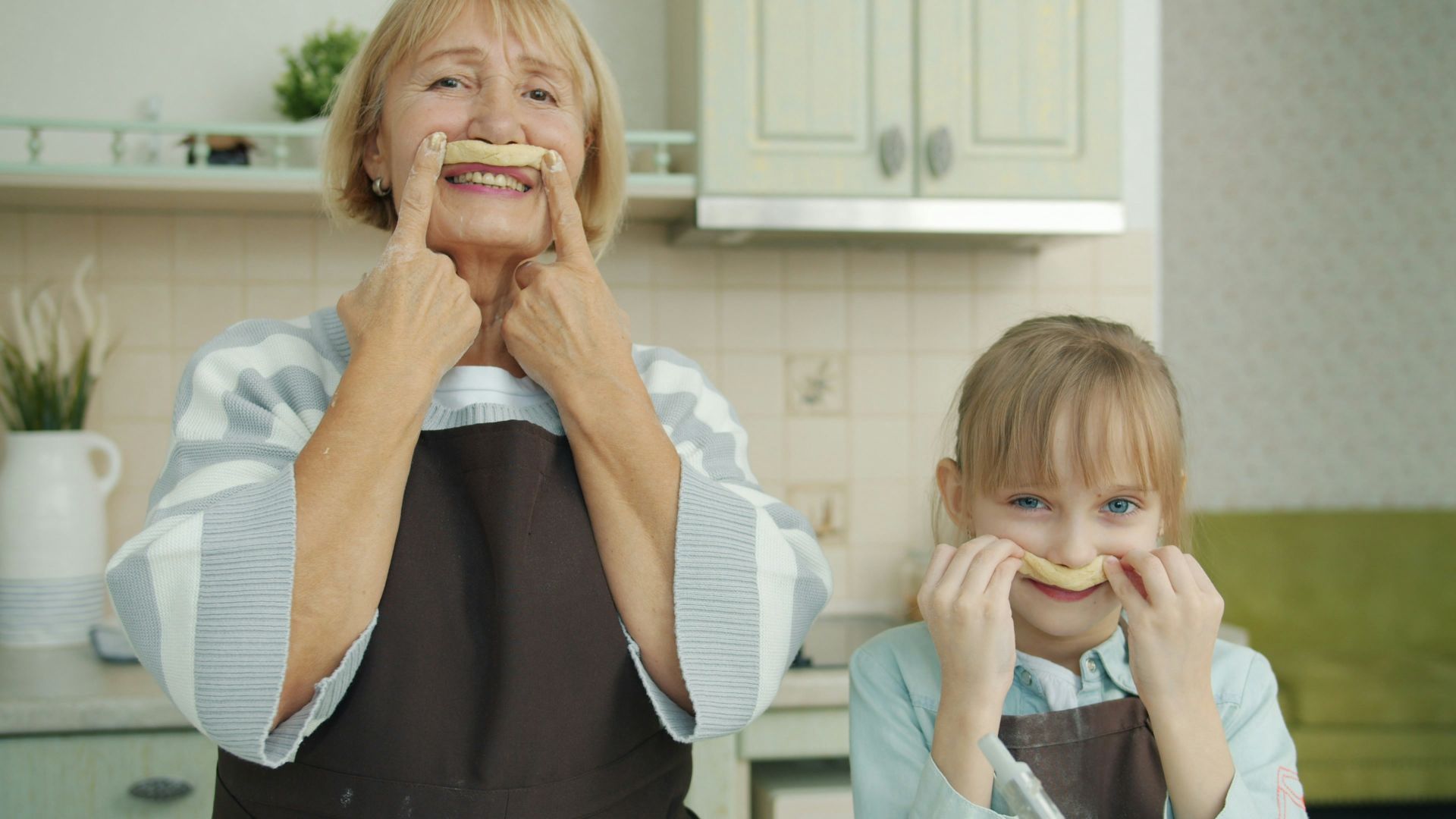
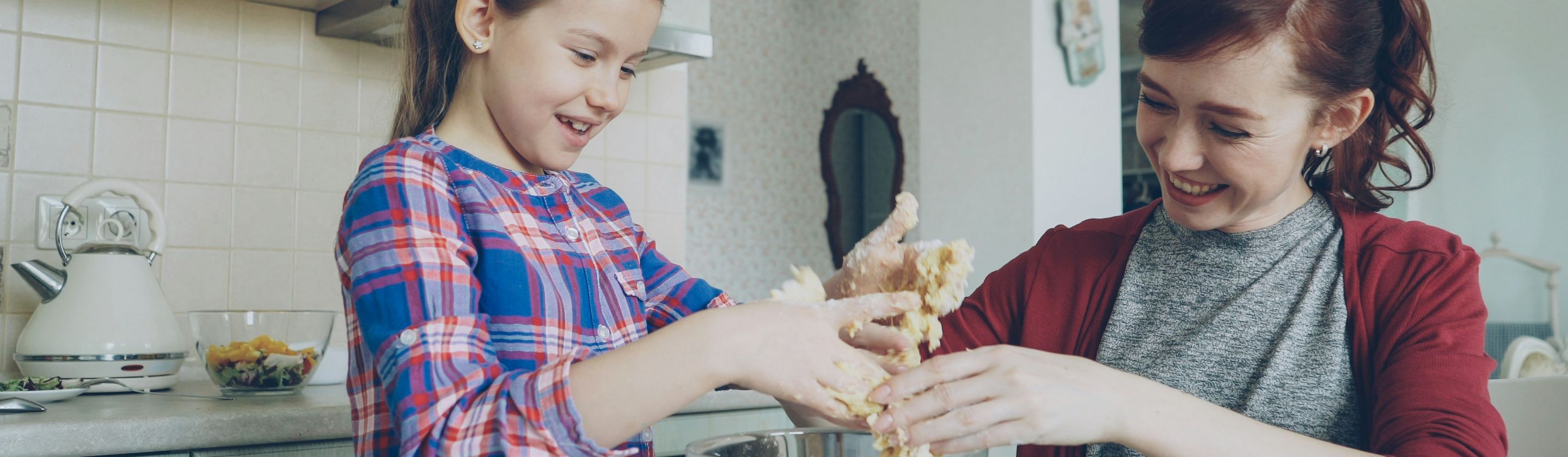
There’s something magical about watching a child learn a family recipe for the first time. The way they flour the counter too heavily, ask why the dough feels “right,” or sneak a taste when they think no one is watching. Family recipes hold memory, identity, and connection. In a world that moves quickly and digitally, passing down recipes is one of the simplest, most powerful ways parents can anchor their children to their roots.
Family Recipes Carry Stories, Not Just Flavors
Holiday pies are a perfect example. Maybe it’s a flaky apple pie that only appears once a year, or a pumpkin pie whose spice ratios were never written down, just memorized. Every time it’s made, it brings with it the memory of crowded kitchens, grandparents giving advice from a distance, and generations sharing the same table.
Stews and soups often hold similar weight. A slow-simmered beef stew, a chicken soup made when someone was sick, or a tomato-based sauce cooked all Sunday afternoon. These recipes are built on patience and care. Dumplings, too, are rarely just food. Whether folded for Lunar New Year or Sunday dinners, the act of shaping them together teaches children that cooking is communal and imperfect.
Even something as everyday as pizza dough or pasta sauce can become tradition. Many families pass down their own method. How long should we let the dough rise? How sweet should the sauce be? Do we add garlic in early or later? These details may seem small, but they become markers of “how our family does things.”
Teaching More Than Cooking Skills
When parents teach their children family recipes, they’re also teaching patience, resilience, and creativity. Recipes passed down are rarely exact. Measurements are done by feel, timing by instinct. Children learn to trust their senses and adapt when something goes wrong. They understand that perfection isn’t the goal. Connection is.
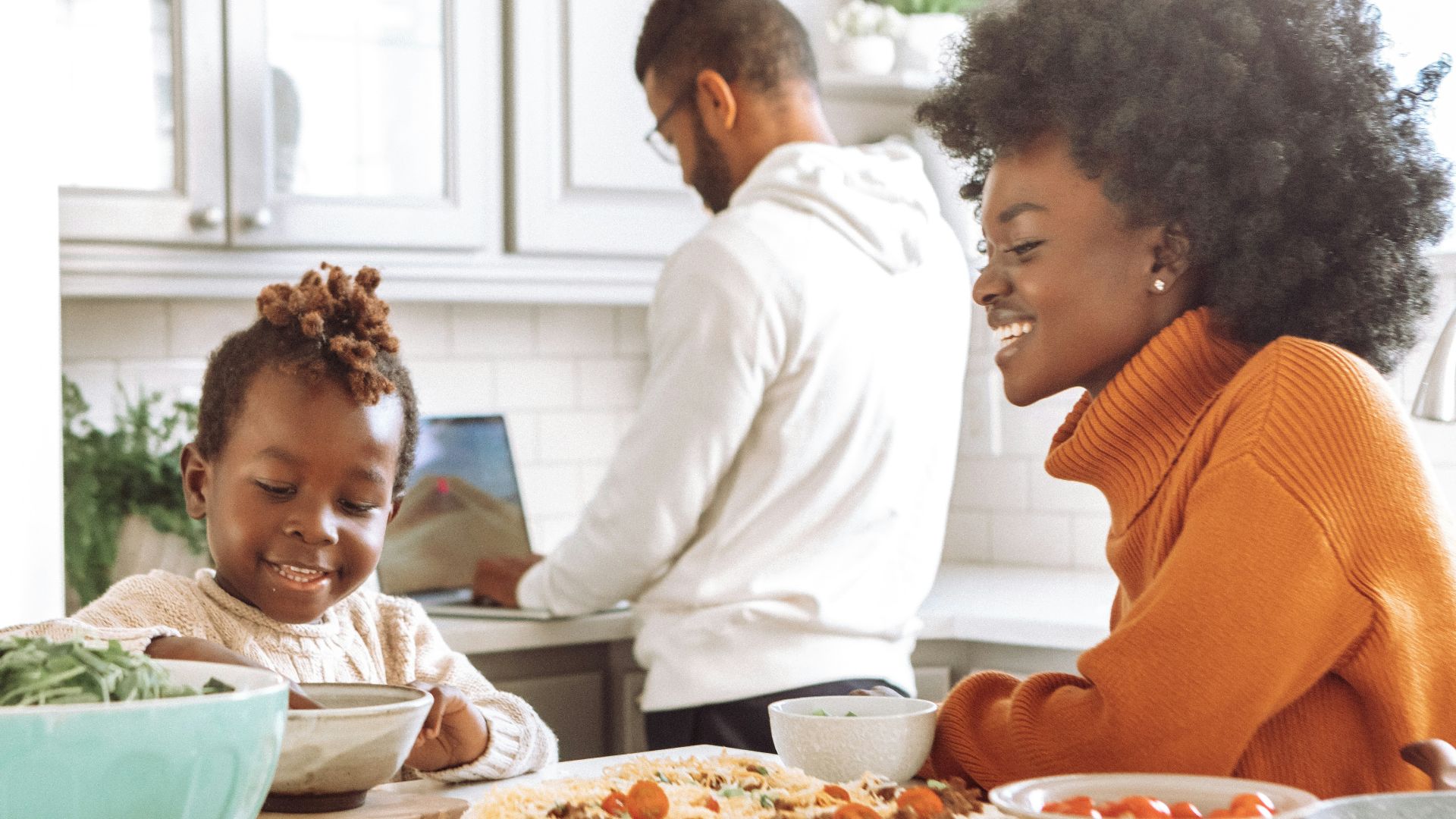
These moments also open space for storytelling. Cooking together invites conversations that don’t always happen elsewhere. While hands are busy, stories surface naturally. We chat about where a recipe came from, who first made it, or why it matters. These shared moments often become memories children carry well into adulthood.
Creative Ways to Document and Preserve Family Recipes

Preserving family recipes doesn’t have to mean a faded index card in a drawer, though that has its own charm. Many families now create handwritten recipe journals, adding notes, dates, and memories alongside ingredients. Others record short videos of grandparents or parents cooking, capturing gestures, commentary, and laughter that written recipes simply can’t convey.
Digital recipe books are another powerful option. Families can build shared online folders where recipes are stored alongside photos, voice notes, and stories about when and why each dish is made. Some parents even involve children in illustrating recipe cards, turning documentation into a creative project rather than a chore.
Trends change. Toys break. But the smell of a familiar dish can instantly transport a child back to home. Passing down family recipes gives children something enduring: a sense of belonging they can recreate wherever life takes them. In the end, these recipes become more than food. They become a living legacy, passed from hand to hand, generation to generation.