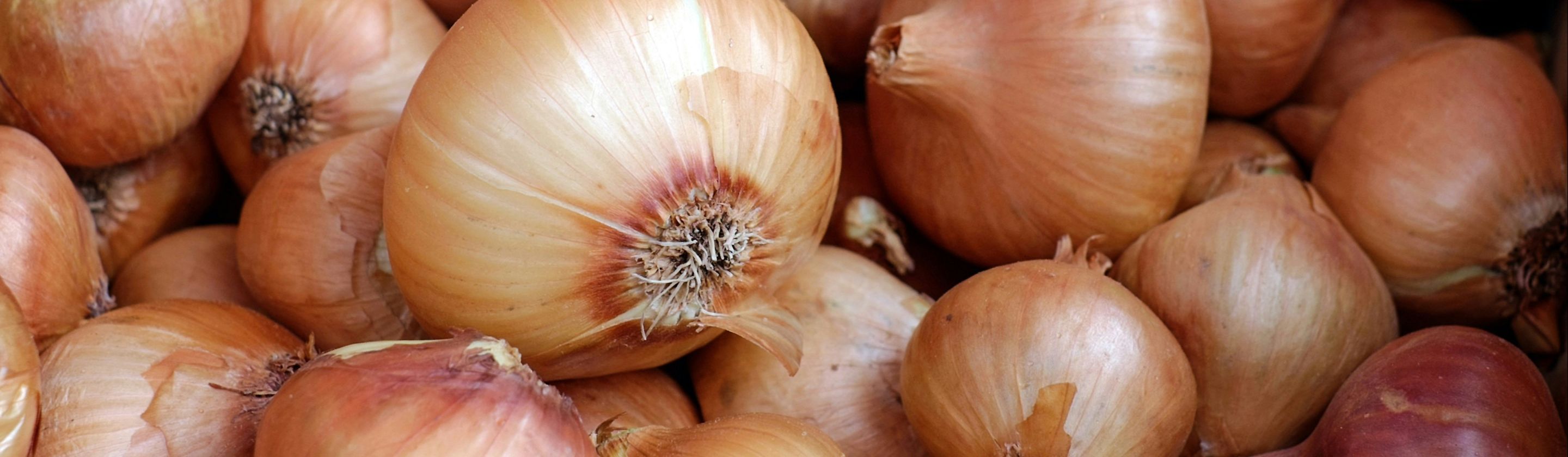
Most kitchen habits begin innocently enough. You buy a bag of onions, toss a few into a drawer, and—without thinking—slide the rest into the fridge because it feels like the logical place for anything that isn’t immediately needed. Cold equals fresh, right?
But onions don’t play by the same rules as your greens or berries. In fact, putting them into the refrigerator may actually shorten their life and invite problems you never expected. And once you understand why, you’ll never look at that crisper drawer the same way again.
The Science That Explains The Spoilage Spiral
Onions may look rugged with their papery skins and earthy smell, but their relationship with temperature is more nuanced than it seems. Mature, fully cured onions are actually quite tolerant of cold, and temperatures just above freezing are ideal for long-term storage in commercial settings. The issue at home isn’t the cold itself—it’s the moisture that comes with refrigeration. Household fridges create a humid environment, and that excess moisture settles on the onion’s outer layers. With nowhere to evaporate, it seeps inward to soften the bulb and sets the stage for rot.
But the flavor shift is its own story. Chilled onions tend to absorb surrounding odors, taking on everything from last night’s leftovers to the cheese in the deli drawer. Instead of the clean, sharp bite they’re meant to have, they begin to taste muddled—almost like a shadow of themselves. The damp environment accelerates sprouting, too, which is why refrigerated onions often grow those pale green shoots long before they should.
The Sweet Spot Where Onions Actually Thrive
Once you remove the refrigerator from the picture, onions suddenly become very easy to please. What they want is a place that mimics the cool, dry soil they once grew in—somewhere dark, airy, and not too moist. It’s the kind of environment where their skin can breathe instead of sweating.
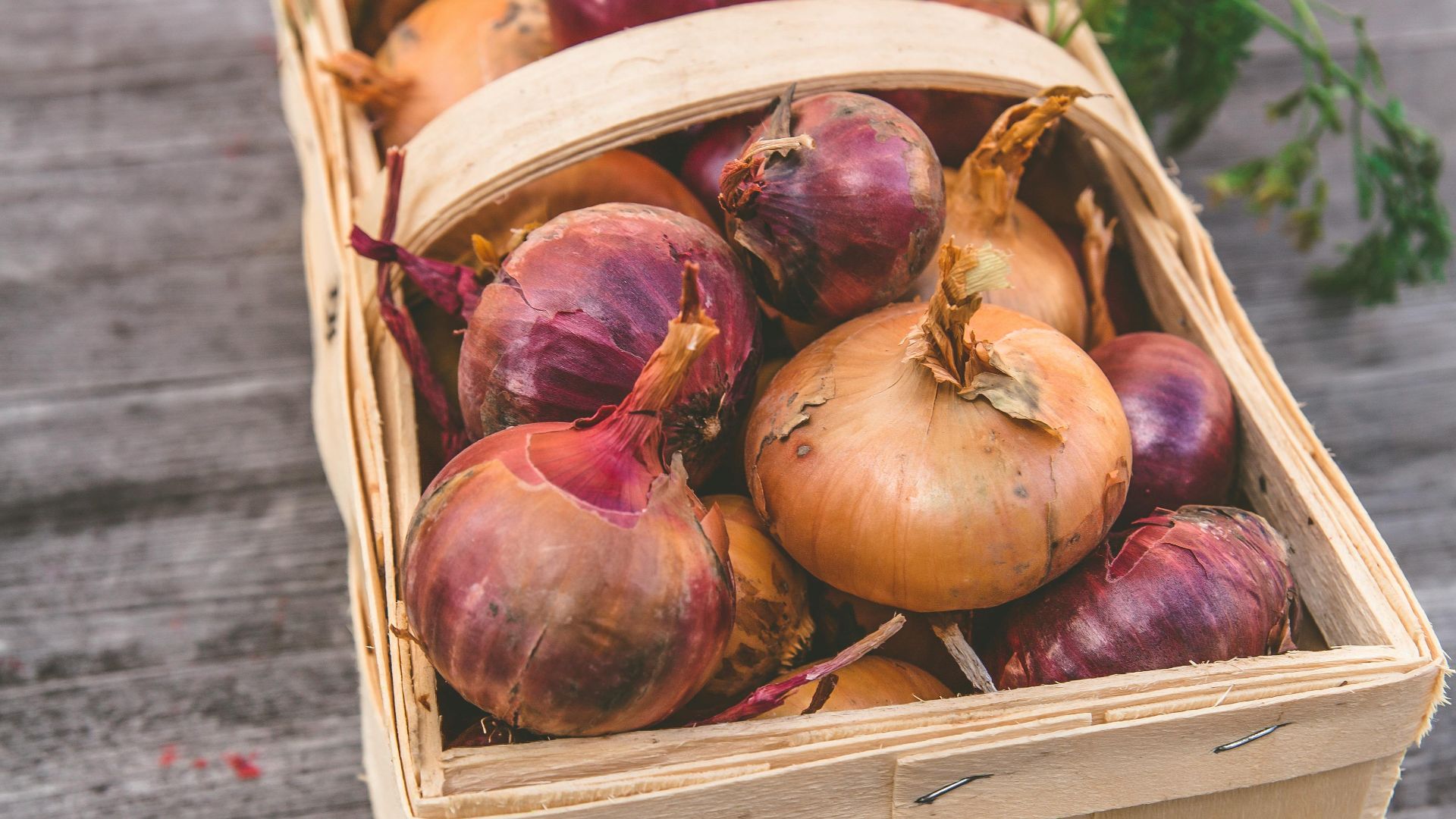
A pantry shelf can work beautifully, especially if it’s away from heat sources. A mesh basket or open bowl allows enough airflow to keep the moisture balance in check, and the bulb stays firm for weeks, sometimes even months. Even a cabinet with good circulation can support its longevity.
The key is space and air. Onions stored in sealed bags encourage the same softening you’d see in the fridge.
The Real Consequences Of Storing Onions Wrong
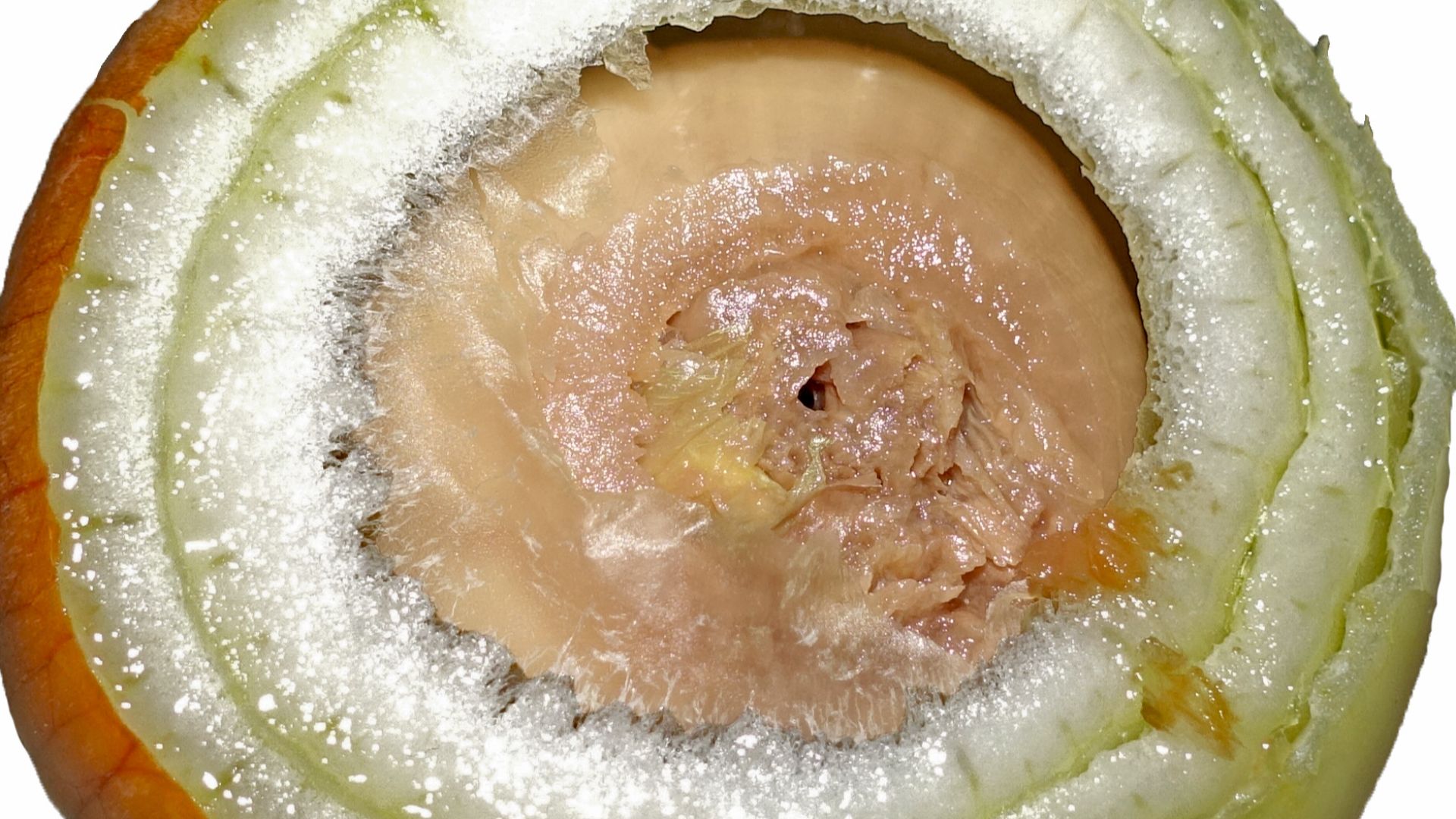 Tiia Monto on WikimediaOnce moisture from the fridge seeps into the layers, the bulb becomes an ideal environment for mold to spread. This is where the real health concerns come in—not from the refrigeration itself, but from what it does to the onion over time.
A spoiled onion can harbor bacteria such as E. coli or Salmonella, especially if it has been stored near raw foods or has begun leaking juices. Mold can also develop between layers, and while the surface might look clean, the spores often travel inward.
KEEP ON READING
You’re Storing Tomatoes Wrong in This Heat
You’re Storing Potatoes Wrong in This Heat
You’re Storing Peppers Wrong in This Heat
You’re Storing Carrots Wrong in This Heat