Brighten Your Food Carefully
The peel of a lemon holds potent flavor and fragrance that can enhance both savory and sweet recipes. When used correctly, it can brighten a dish without adding extra liquid or acidity. But some foods just don’t pair well with its sharpness. Let’s first check out the list of dishes that benefit most from a sprinkle of lemon zest.

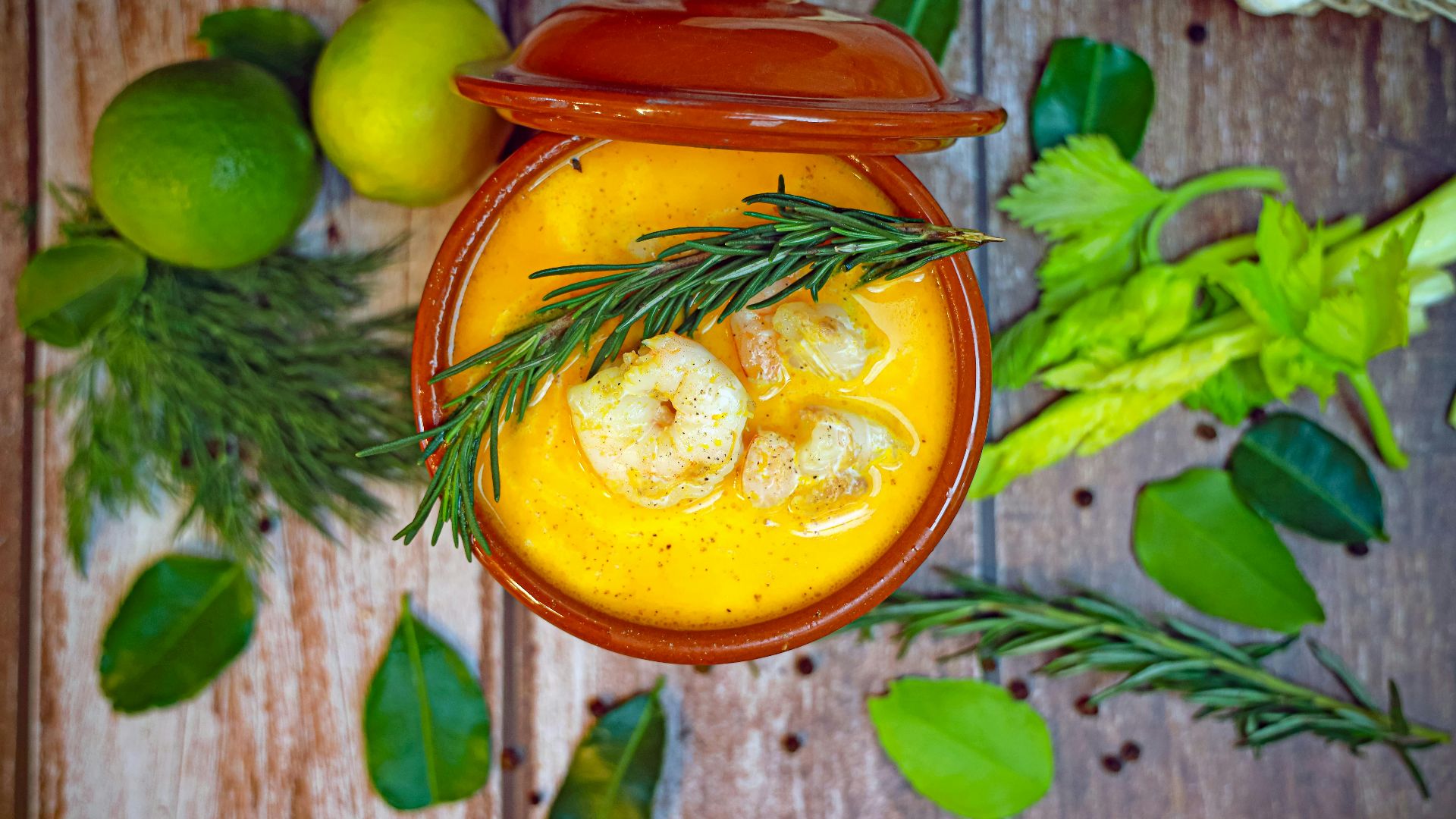
1. Lemony Shrimp And Bean Stew
Mild shrimp absorbs bright citrus easily, while creamy beans add earthy balance to the flavor. Zest brings fragrance without thinning the broth, and keeps it concentrated and rich. Add it right before serving so the aromatic oils stay fresh under heat.
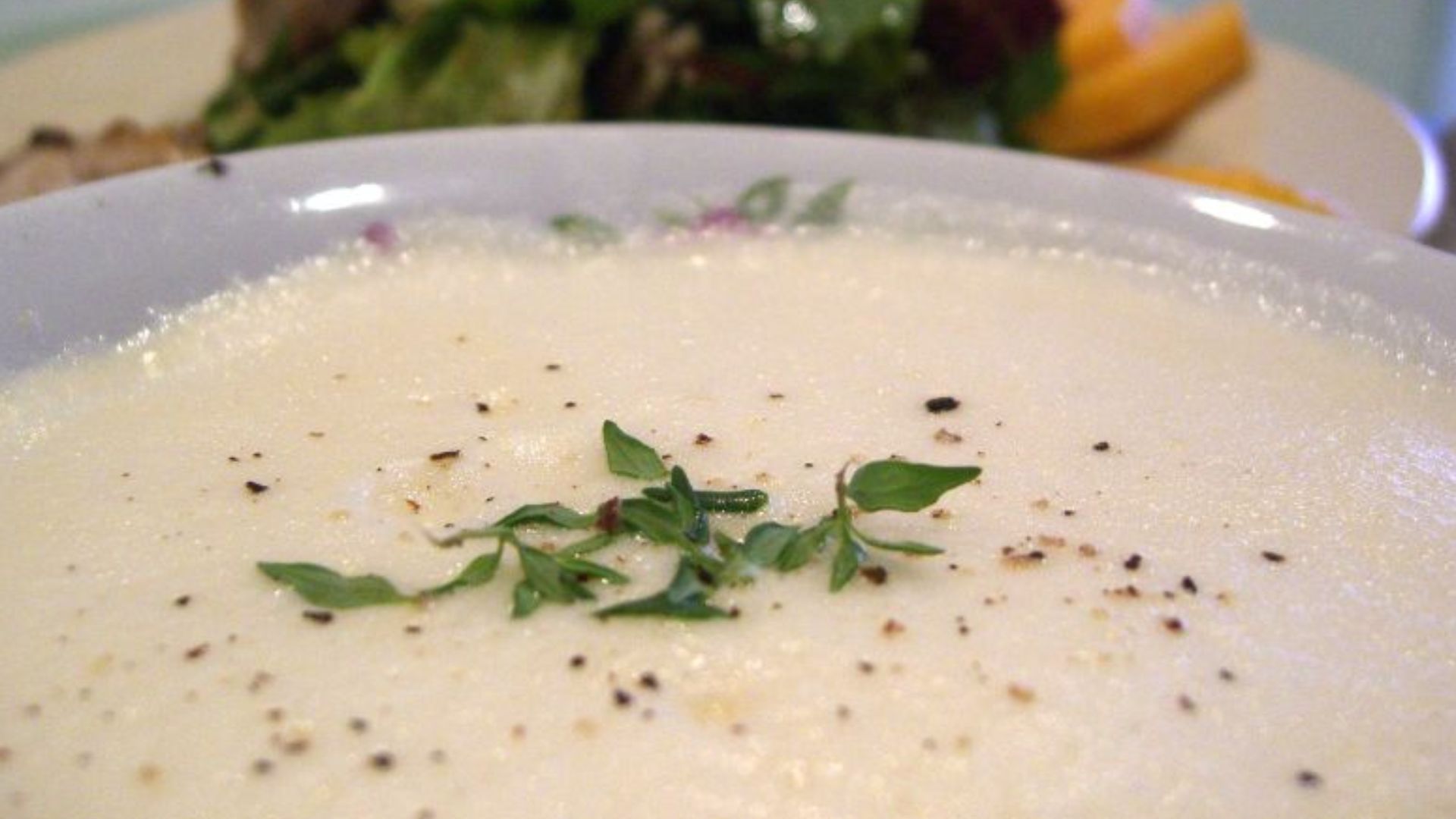
2. Avgolemono Chicken Soup With Gnocchi
This traditional Greek soup combines lemon and egg for a silky texture, with chicken broth letting those citrus notes shine through clearly. Lemon zest boosts flavor without cranking up acidity, adding subtle depth that Greek cooks often prefer over plain juice.
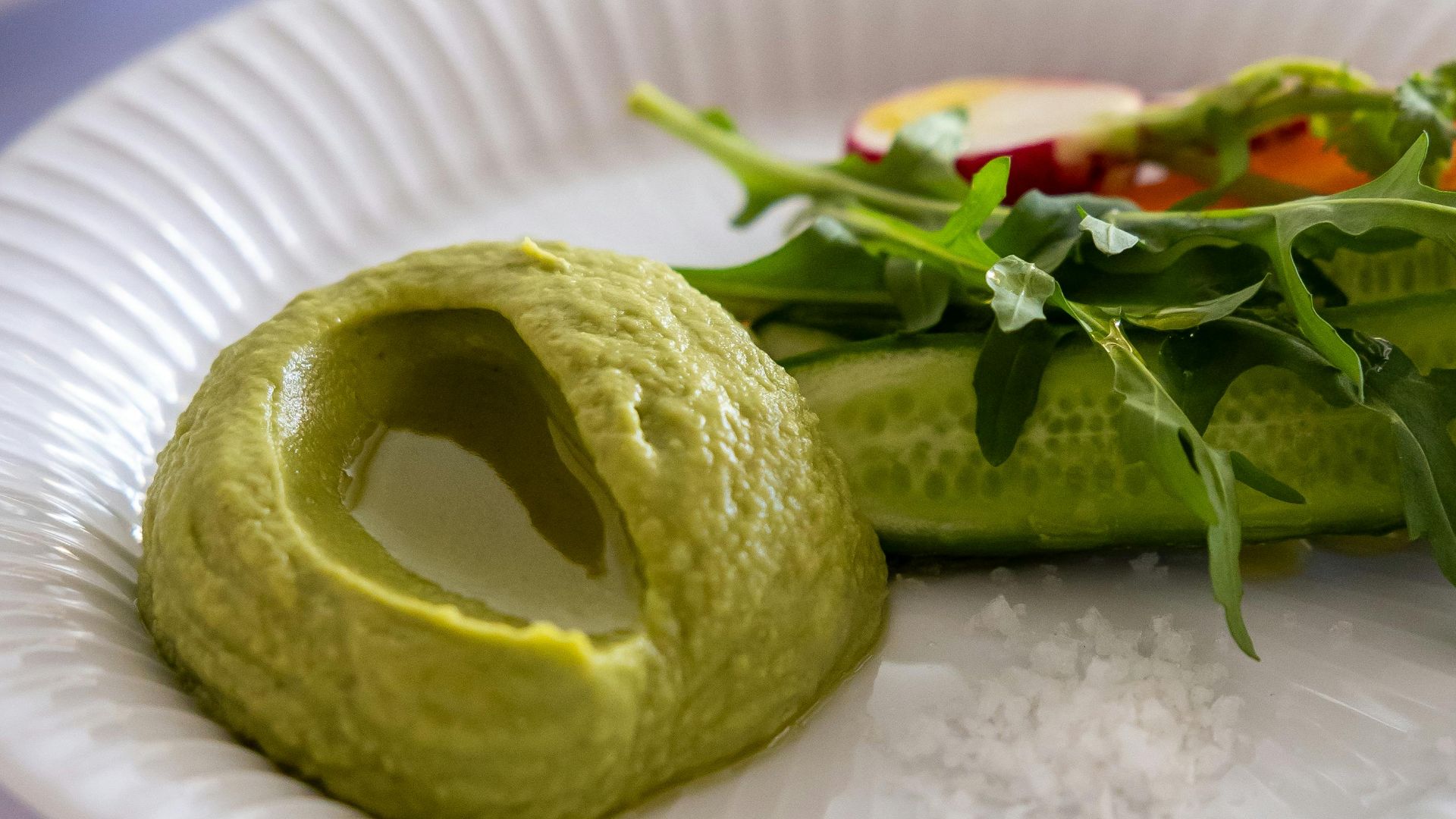
3. Green Feta Dip
Salty feta meets lemon constantly across Mediterranean cooking, where citrus lifts herbal flavors without drowning the cheese's tang. Green herbs like parsley or dill benefit from that brightness, which creates layers instead of flatness.
4. Zucchini And Fennel Salad
Fennel brings sweet, aromatic licorice-like notes that pair perfectly with lemon zest, and raw zucchini's mild personality also needs citrus help. Italian cooks regularly add citrus zest to raw vegetable salads for this exact reason.
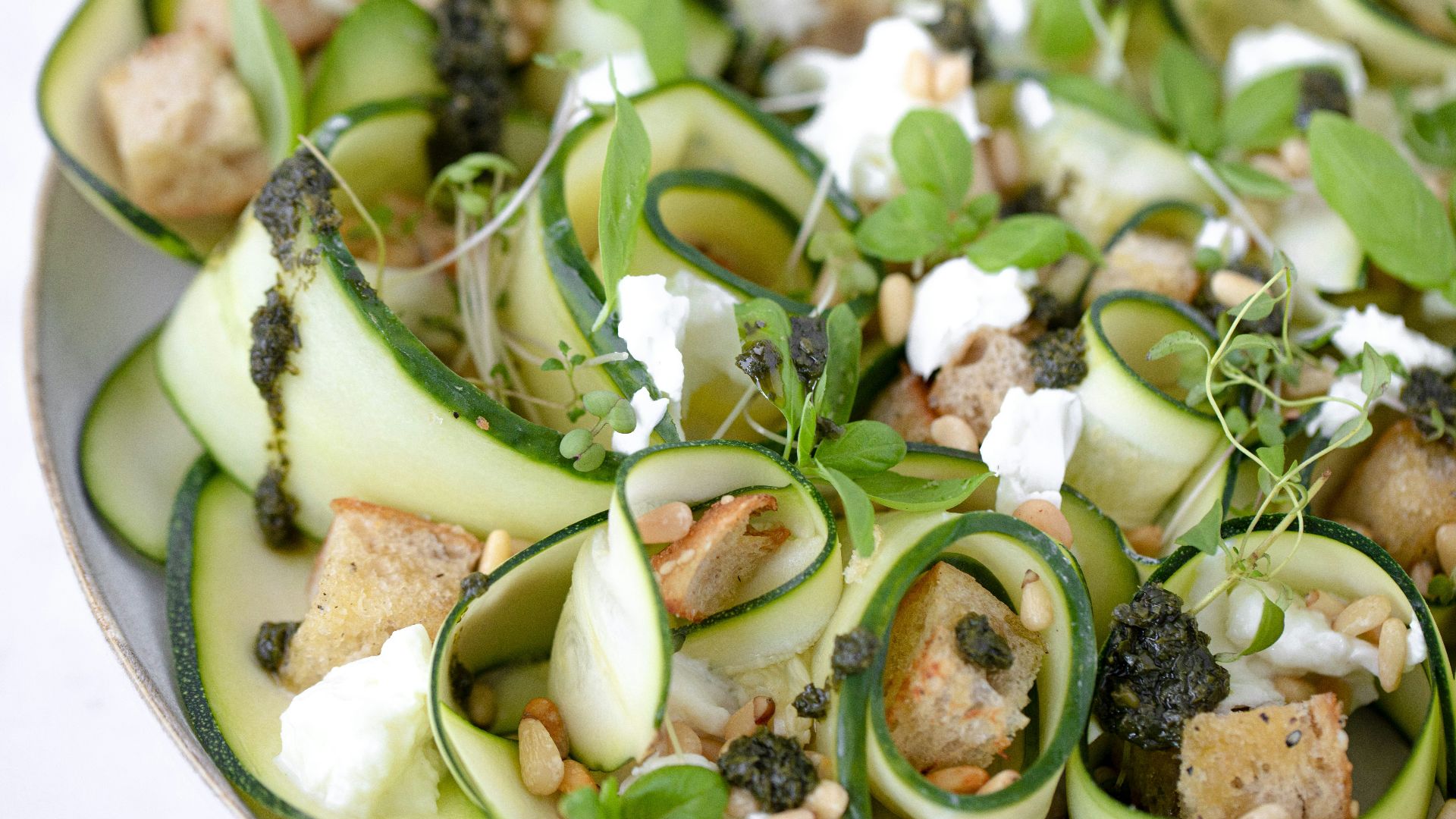 Bakd&Raw by Karolin Baitinger on Unsplash
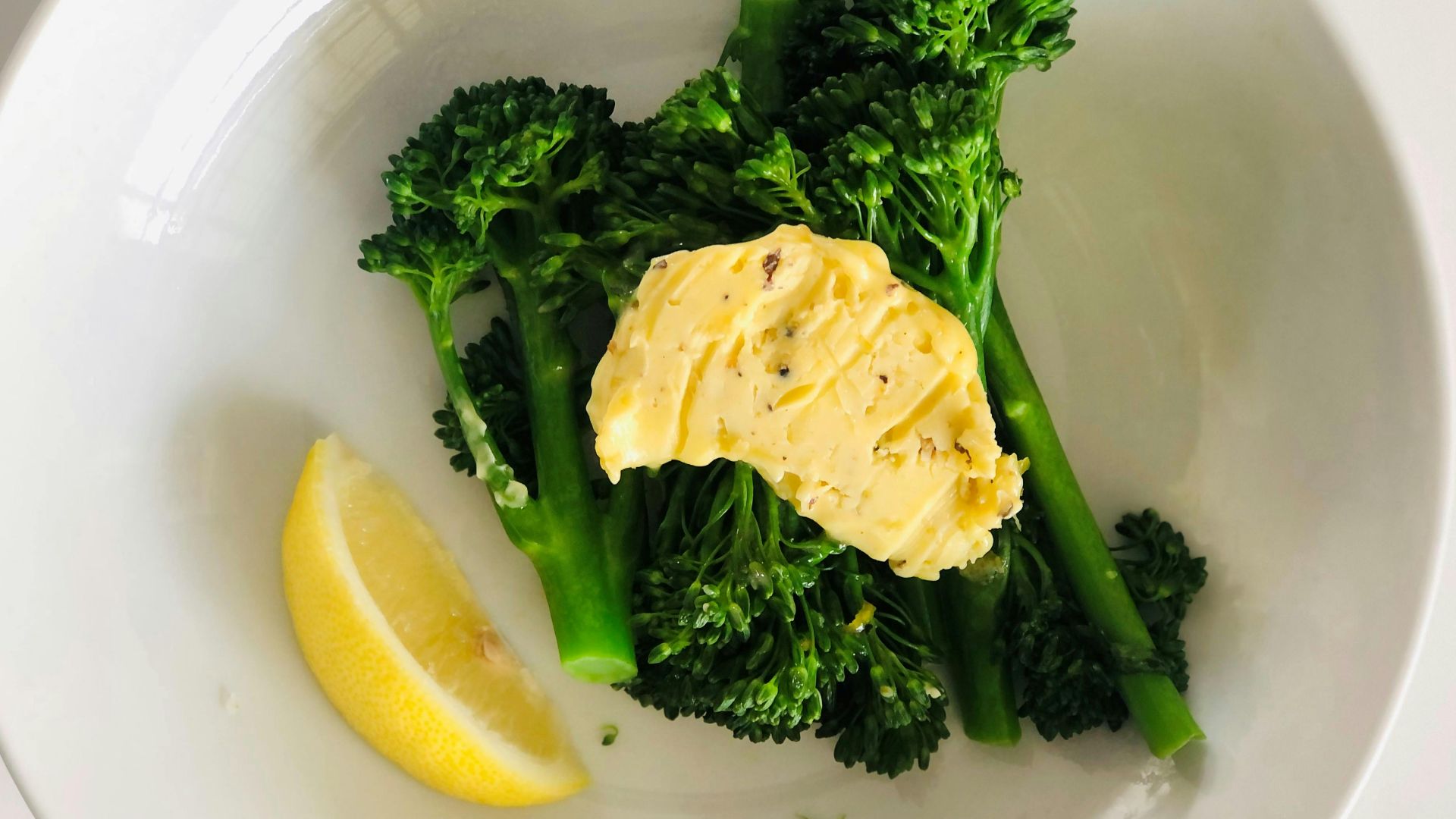
5. Lemony Steamed Broccoli
Steamed broccoli's neutral base absorbs whatever you add, and lemon zest brings freshness while cutting through natural bitterness effectively. Unlike juice, zest won't soften your vegetables or make them soggy during cooking. Restaurants often skip heavy sauces and reach for lemon zest instead.
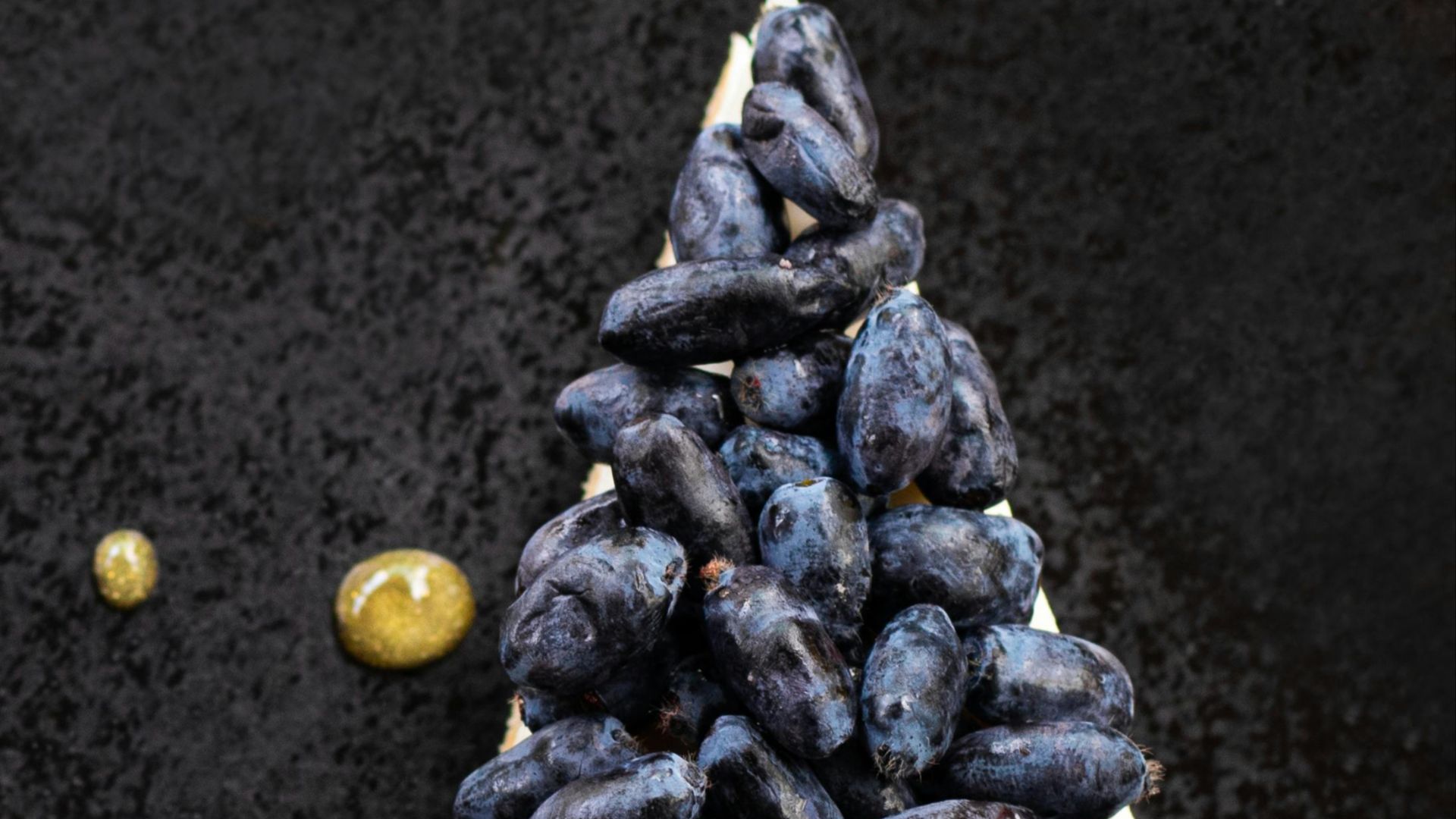
6. Blueberry, Almond, And Lemon Cake
Most of that bright lemon taste in cakes actually comes from zest rather than juice. Blueberries naturally pair well with citrus, and almonds' nutty aroma creates another layer that complements the lemon beautifully. Zest enhances sweetness without adding moisture.
7. Grilled Salmon
Grilled salmon benefits from a touch of lemon zest sprinkled just before serving. The zest enhances the fish’s natural richness with aromatic brightness, complementing smoky char from the grill. It adds fragrance without altering texture.

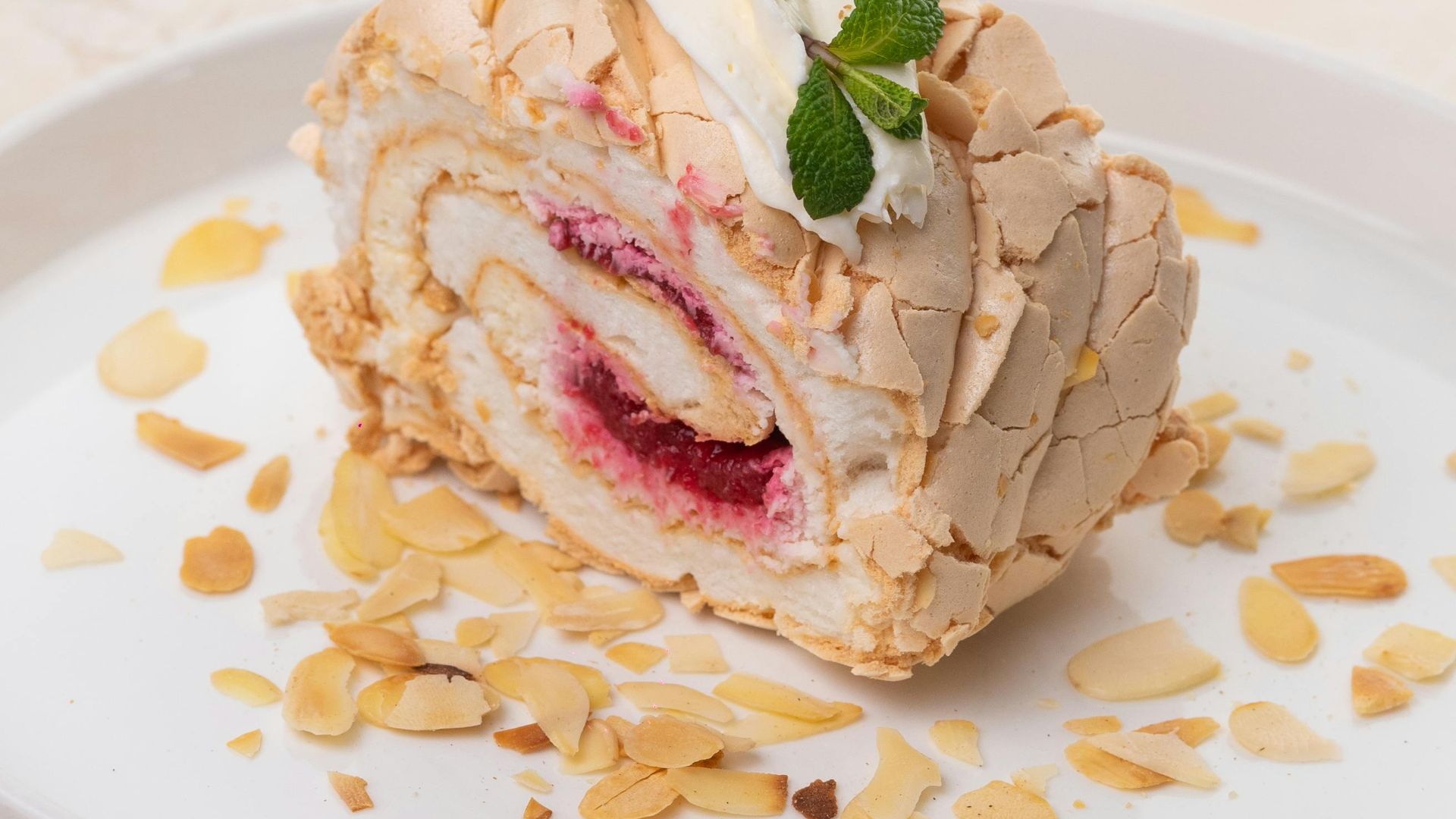
8. Lemon Curd Roulade
Sponge cakes soak up citrus aroma easily, making them perfect for rolling around tangy lemon curd filling. Finely grated zest gives the curd its signature fragrance that everyone recognizes instantly. Traditional lemon curd uses both juice and zest, but zest adds concentrated flavor without thinning that creamy texture.
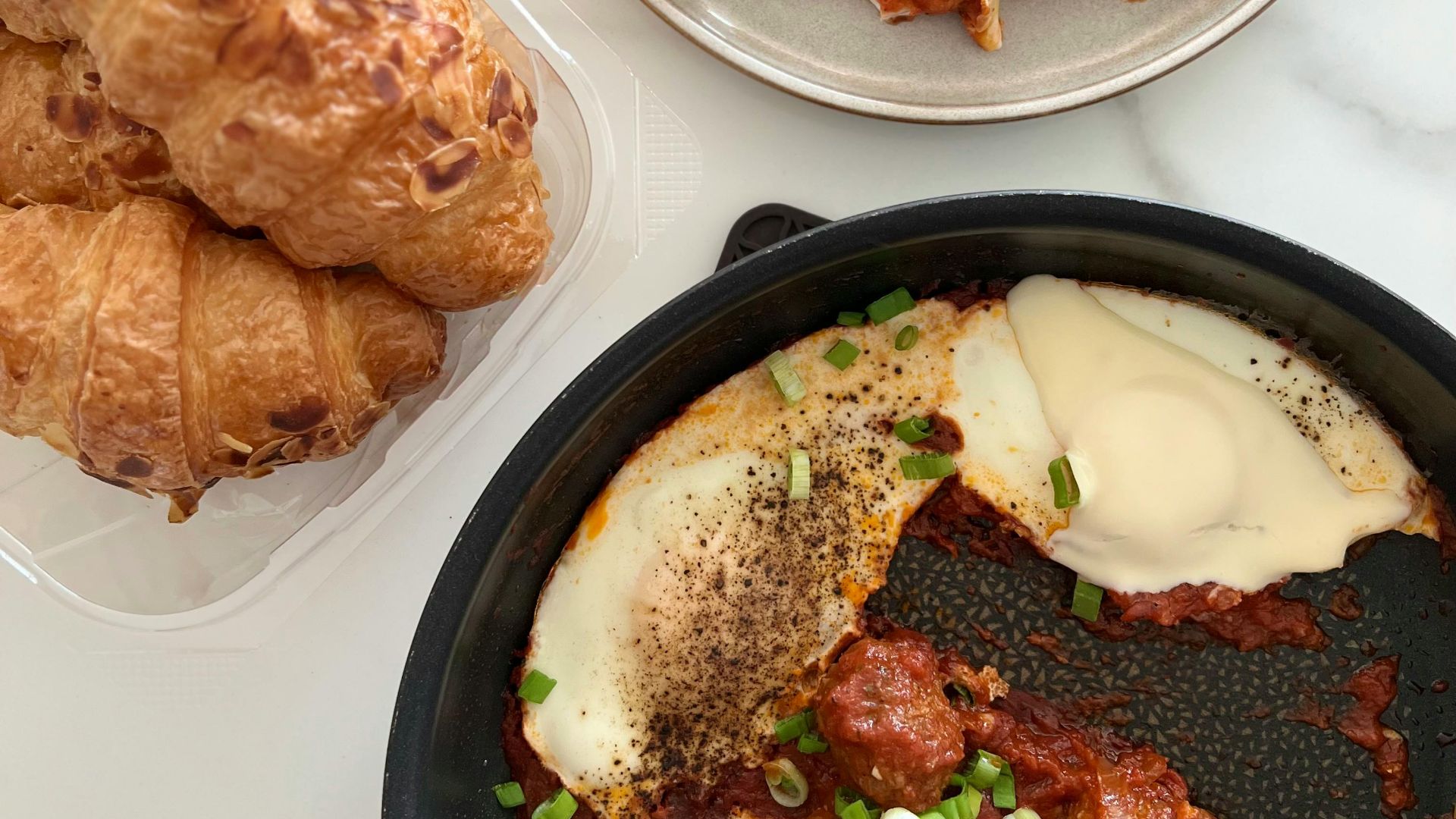
9. Sheet-Pan Eggs With Croissant Bread Crumbs
Brunch menus frequently feature citrus zest since it adds flavor without changing moisture levels. Egg dishes taste brighter when paired with zest, which offsets their richness. Croissants, heavy with butter, also achieve balance through that citrus edge.
10. Crunchy Chickpeas With Aleppo Pepper
Lemon zest lifts savory spice blends on roasted surfaces. Unlike juice, it sticks to roasted chickpeas, so every handful tastes consistent and stays crispy. Plus, Aleppo pepper brings mild heat that complements citrus without overwhelming it.

While lemon zest shines in many recipes, some dishes can’t handle its bright, citrusy punch. So, continue to the next section to learn which dishes should skip the citrus twist.
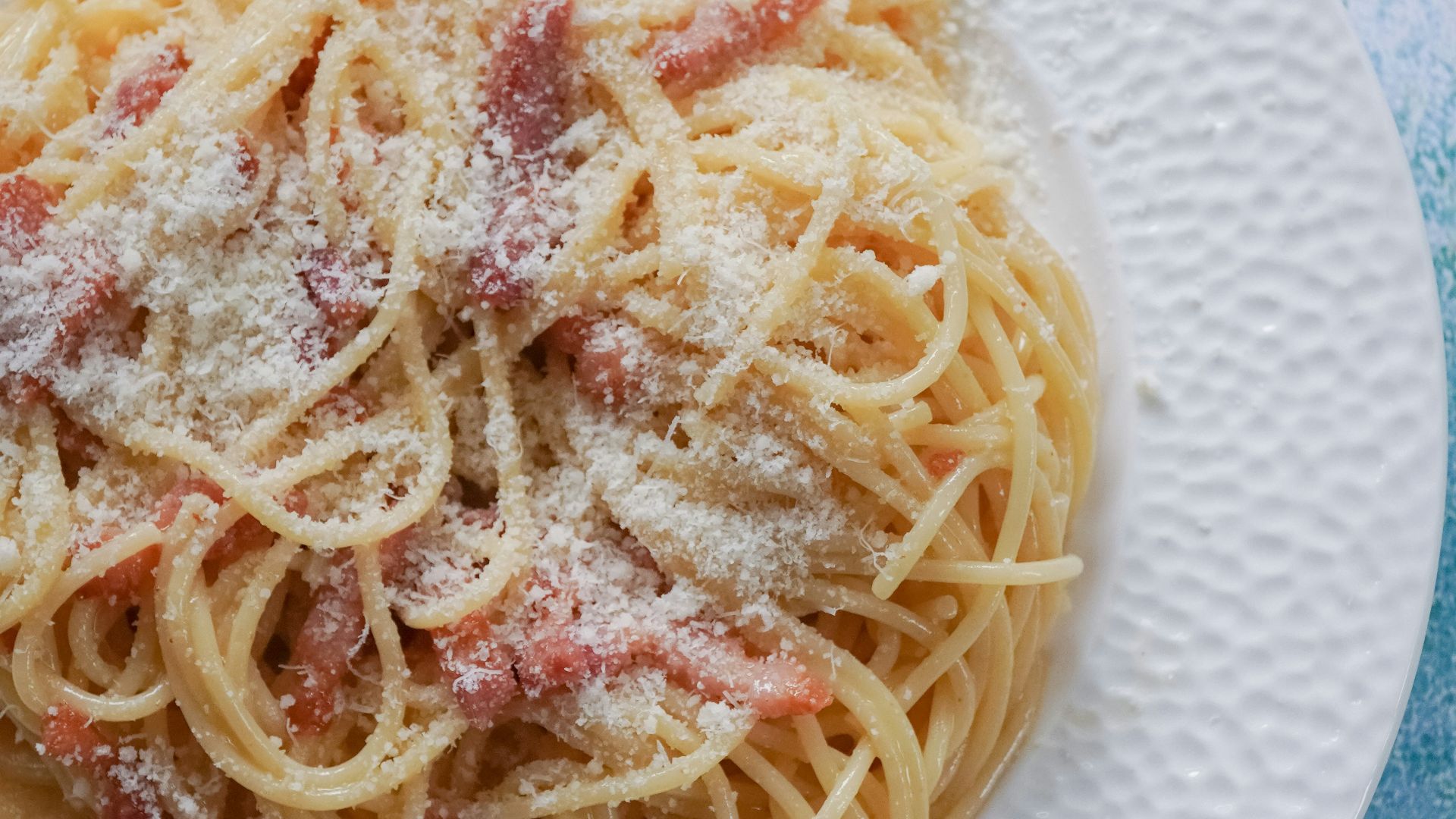
1. Spaghetti Carbonara
Authentic carbonara recipes in Rome often stick to just four core ingredients for good reason—eggs, cheese, pork, and black pepper. Lemon zest introduces citrus notes not found in classic Roman recipes, and that brightness doesn’t work with the rich, savory fat of guanciale or pancetta.
 Karolina Kołodziejczak on Unsplash
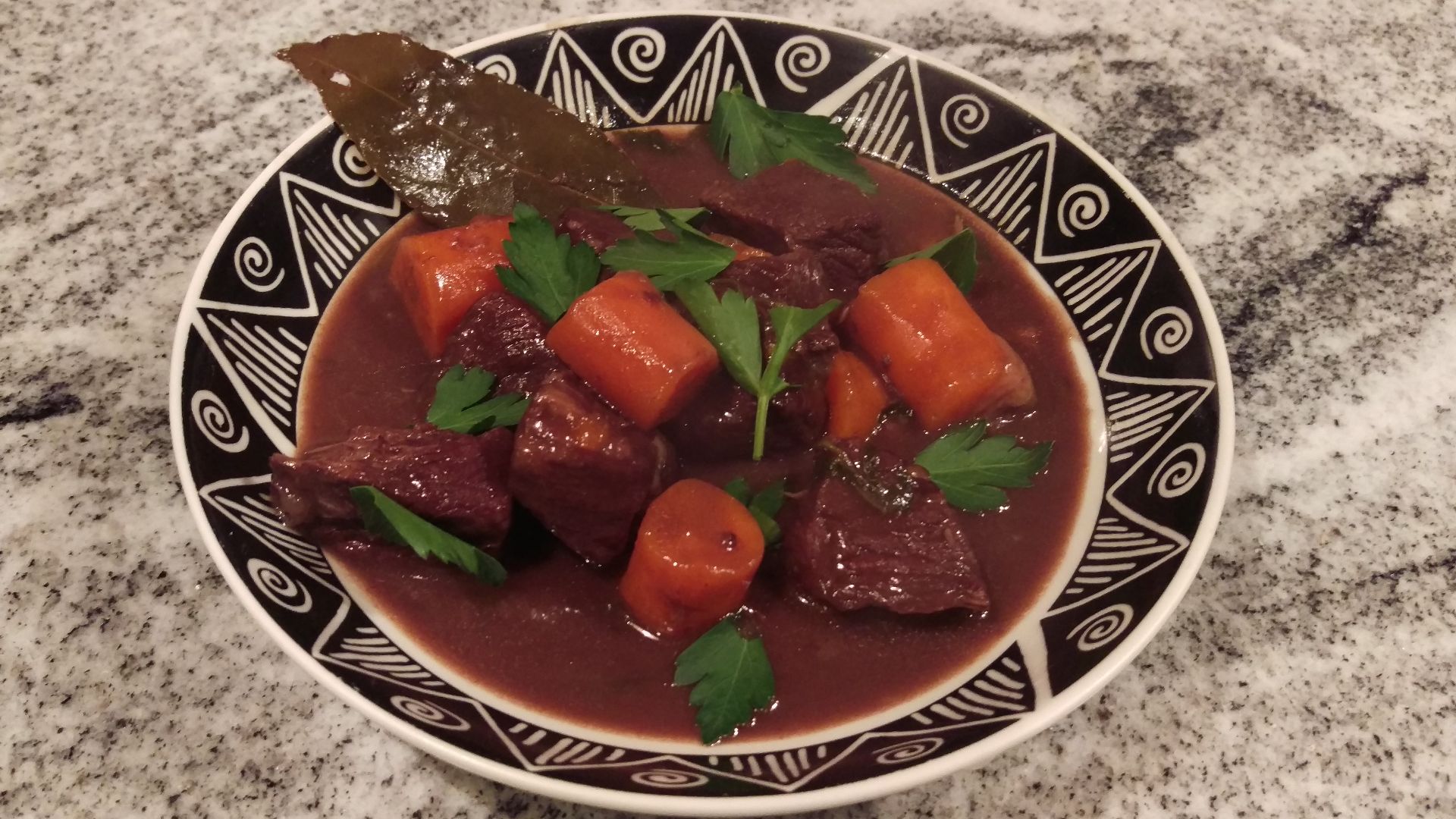
2. Beef Bourguignon
This slow-cooked French stew bases everything on red wine and deep, savory flavors developed through long braising. Its character depends on earthy richness, but citrus notes clash with the wine‑forward profile instead of enhancing the dish’s traditional balance.
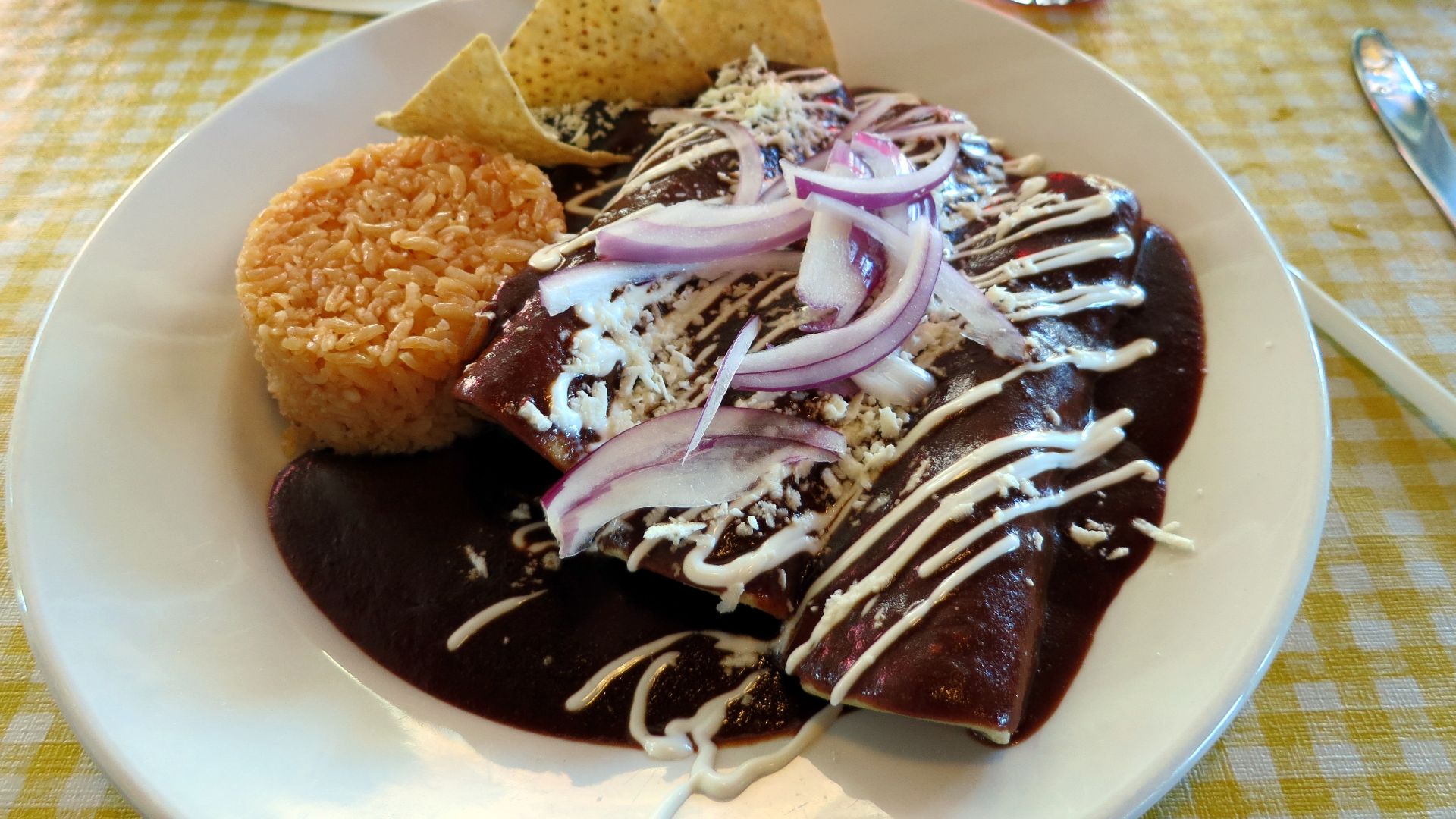
3. Mole Poblano
Mole poblano contains chili peppers, spices, nuts, and chocolate that build complexity through careful combinations. The sauce is known for its deep flavor, with some versions using more than twenty ingredients. Citrus notes are not part of tradition because they upset those balanced layers.
 Ruth Hartnup from Vancouver, Canada on Wikimedia
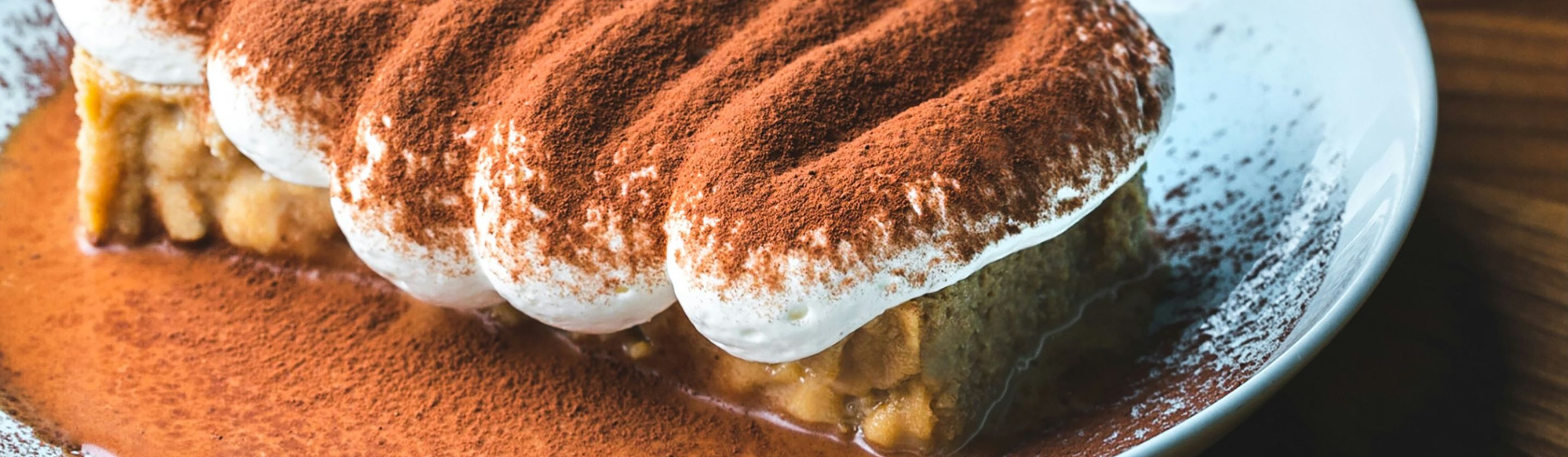
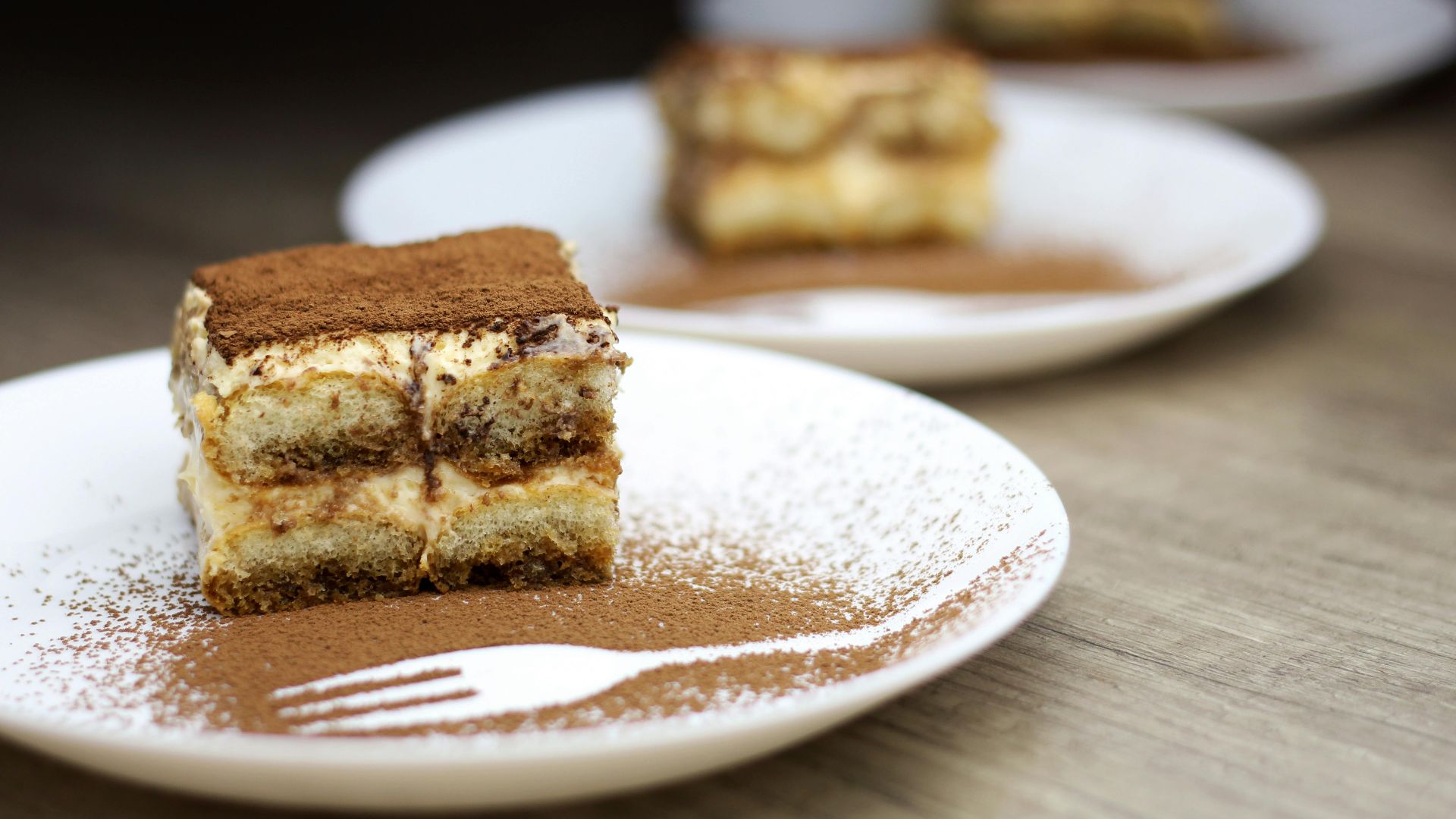
4. Classic Tiramisu
Lemon zest doesn’t fit well with the creamy, coffee-forward balance that defines this Italian dessert completely. Tiramisu relies on coffee, cocoa, and mascarpone for its signature flavor combination, and traditional versions don't include citrus elements at all.
5. Chili Con Carne
American chili builds flavor through slow‑simmered beef, beans, tomatoes, and smoky spices. Adding lemon zest disrupts its hearty character. The dish already balances tang from tomatoes; citrus would just feel intrusive and unnecessary.

6. Cinnamon Rolls
Cinnamon rolls became especially popular in Northern Europe, where warm spices and sugar define their comforting appeal. Traditional recipes highlight vanilla for sweetness and depth, while lemon zest introduces sharp notes that disrupt the cozy balance, leaving the pastry less harmonious.

7. Cheeseburgers
A cheeseburger depends on beefy flavor, melted cheese, and smoky char. Citrus notes clash with that richness instead of enhancing it. Pickles already deliver tang, so extra acidity throws off the balance and weakens the burger’s classic, indulgent appeal.

8. Dark Chocolate Truffles
Dark chocolate truffles rely on cocoa richness and fat for their signature flavor. Bright citrus notes contrast with that balance, overpowering the natural bitterness instead of deepening it. That’s why classic recipes rarely include citrus.

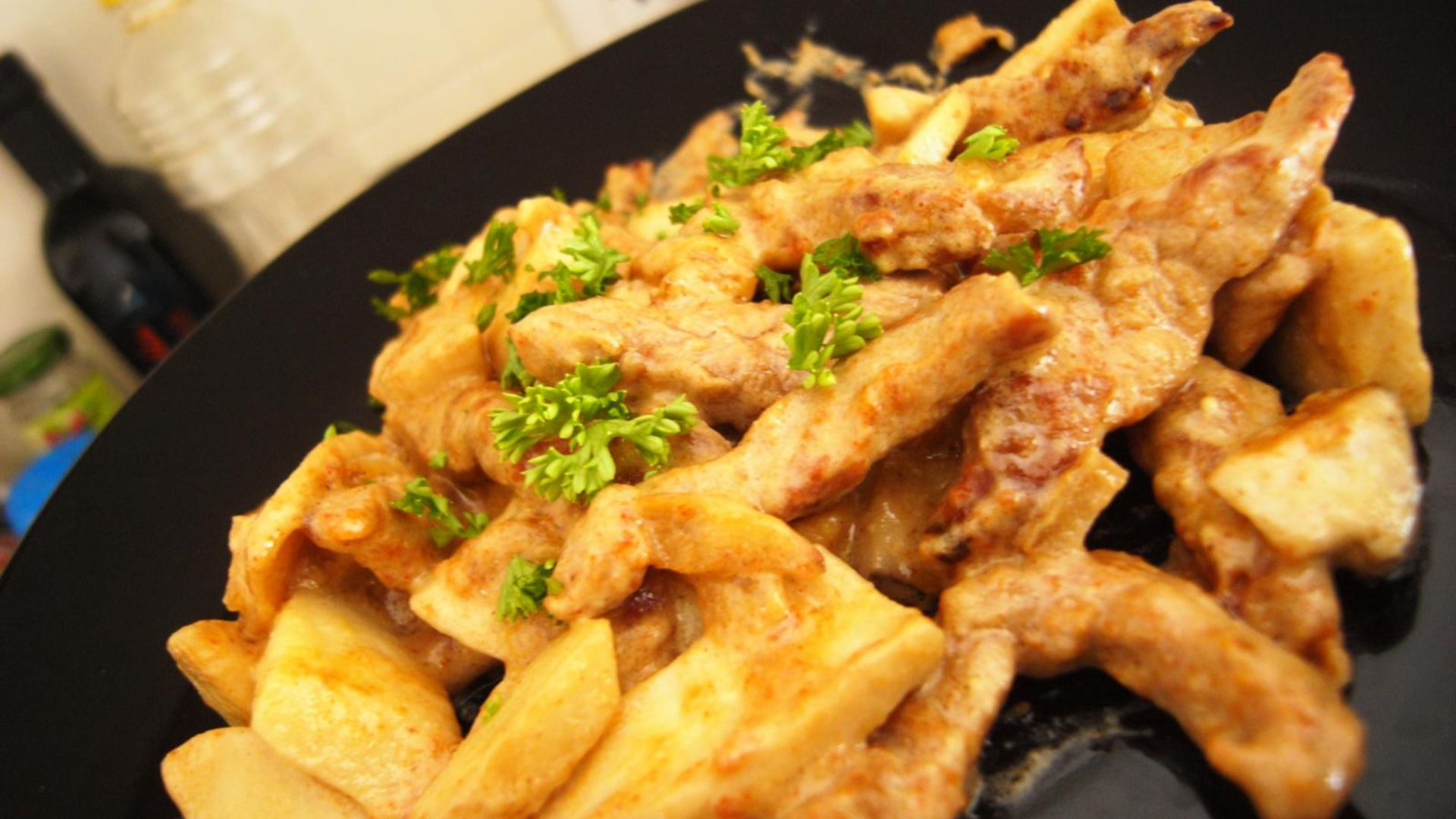
9. Beef Stroganoff
Stroganoff originated in 19th-century Russia, where sour cream and savory beef flavors formed its foundation. The dish already has tang from dairy, providing all the acidity it needs naturally. Lemon zest adds unnecessary acidity that throws off the balance.
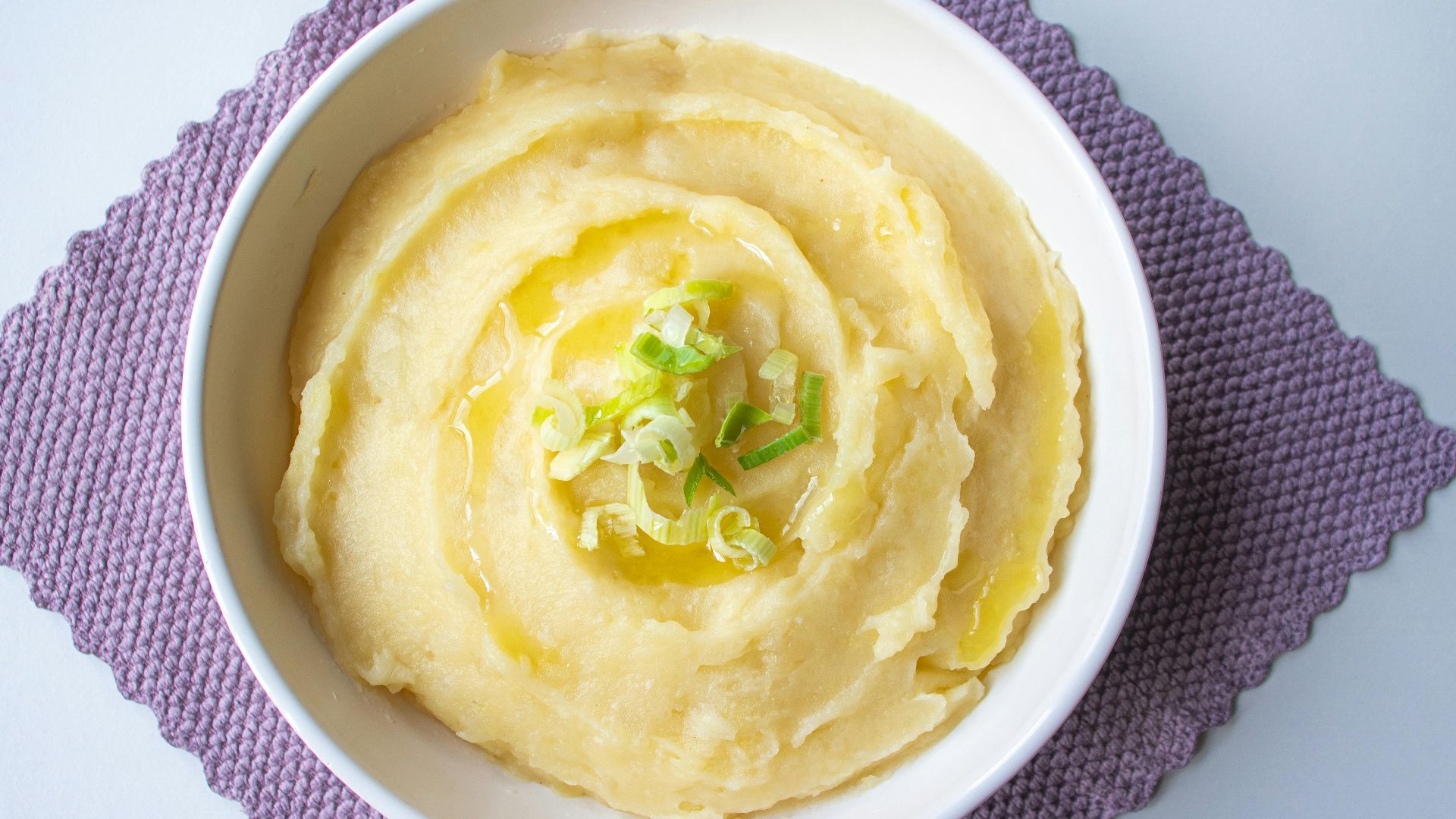
10. Mashed Potatoes
Creamy mashed potatoes are built on butter, cream, and salt. Lemon zest might sound like a way to freshen them up, but it actually interferes with the mellow, savory flavor. The dish already balances richness and comfort, so citrus notes feel sharp and out of place.
KEEP ON READING