Avoid The Pitfalls, Keep The Flavor
Pasta salad has that sneaky way of looking easy until you try making it. One minute you’re mixing promising ingredients, the next you’ve created a soggy side no one touches. The truth is that with a few small tweaks, your bowl can go from sad to spectacular without fancy ingredients or complicated steps. So, first, let’s take a look at ten common mistakes that can ruin a perfectly good pasta salad before it even hits the table.
1. Choosing Shapes That Can’t Hold Dressing
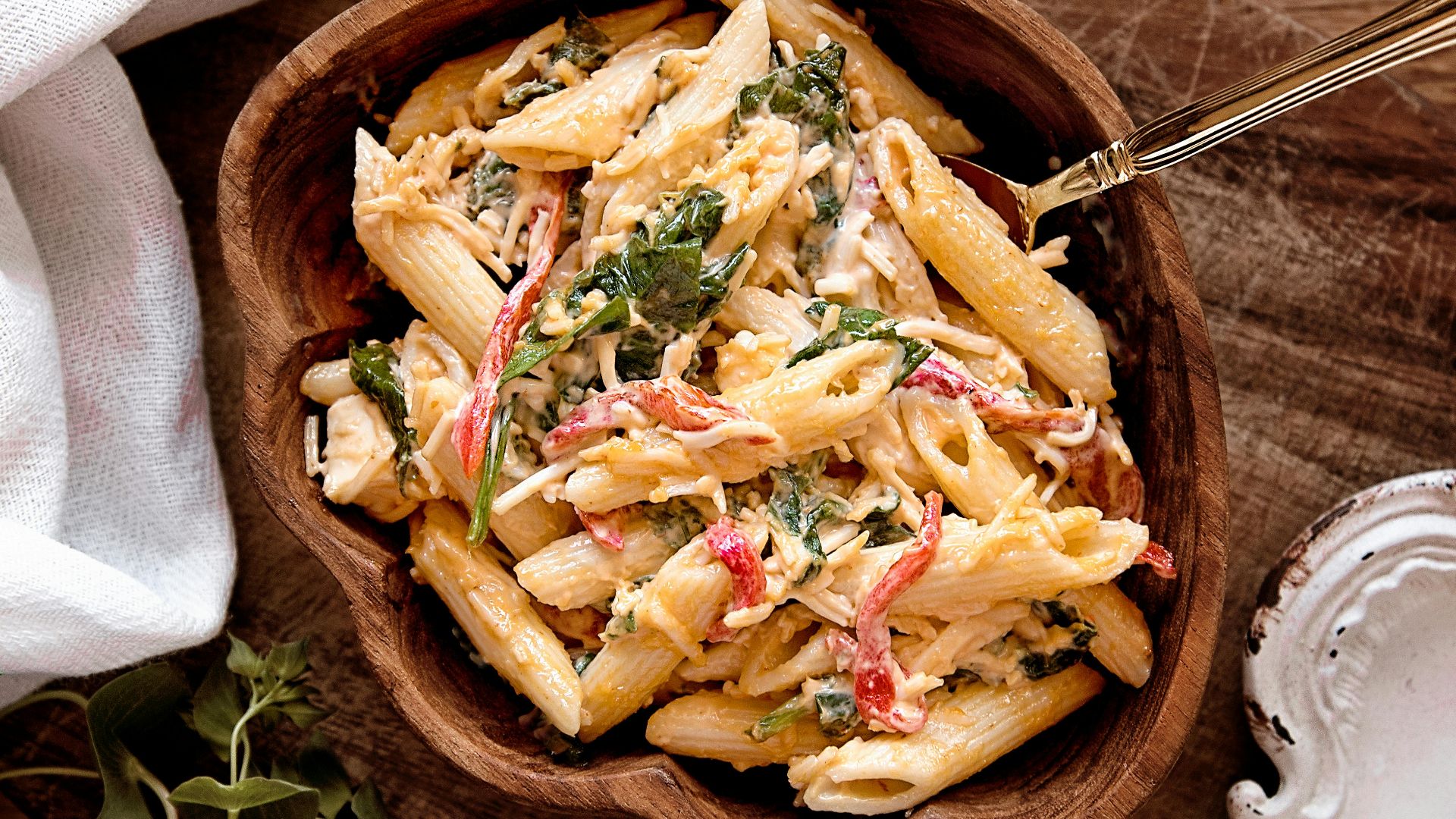
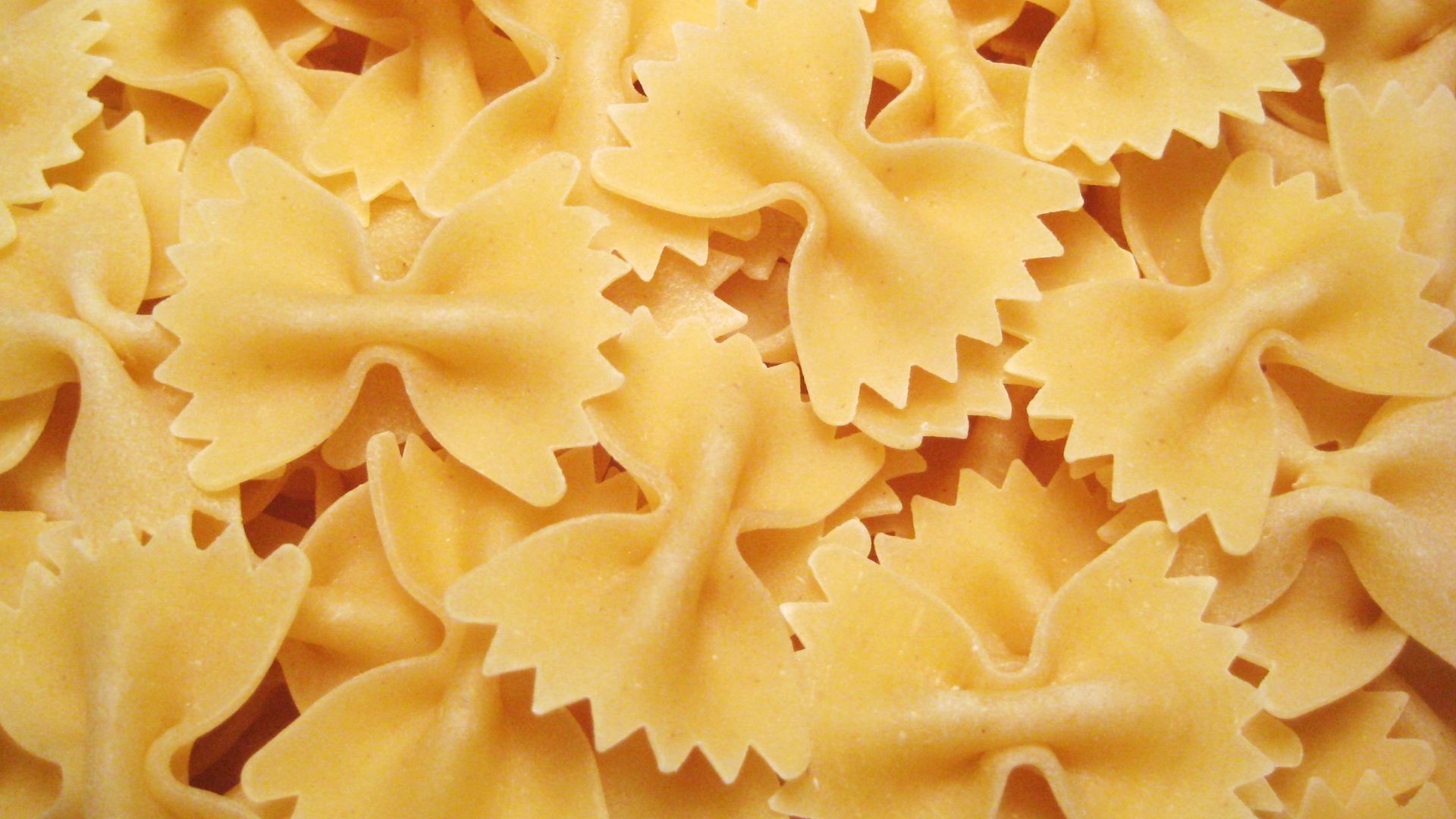
Using smooth pasta shapes that struggle to cling to dressing leads to bland, uneven bites. For instance, Farfalle and other sleek varieties tend to let sauces slip away, leaving the salad dry. Plus, ignoring ridged, curved, or textured pasta means losing the flavorful coating that makes every bite satisfying.
 Liveon001 © Travis K. Witt on Wikimedia
2. Overcooking The Pasta Completely
Nobody enjoys biting into a mushy pasta salad, yet it's a common kitchen mishap when pasta is cooked too soft. The problem compounds as the overcooked noodles continue softening while they sit, especially once dressed.
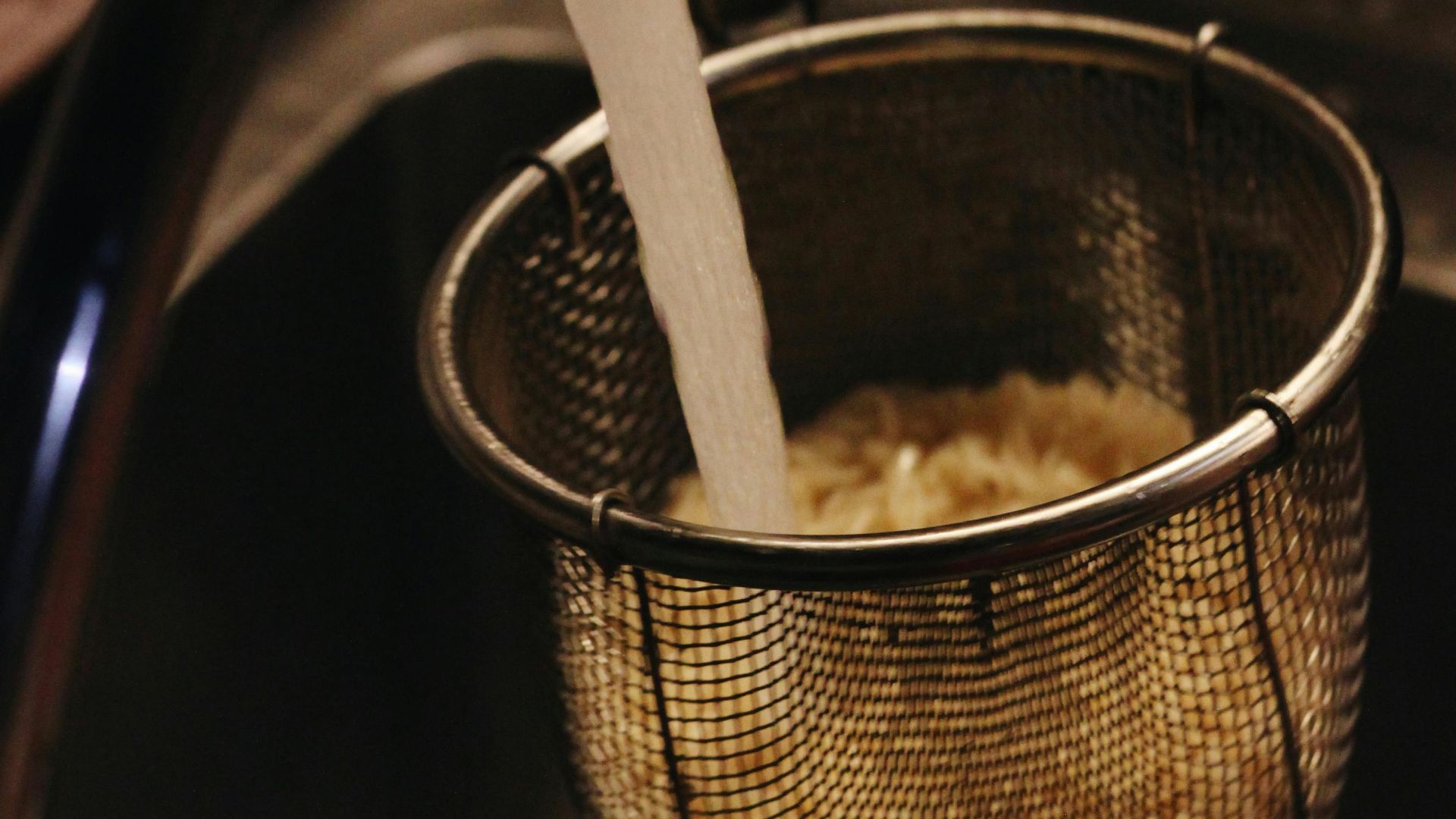
3. Skipping The Cold Rinse After Boiling
Neglecting a cold rinse after draining leaves pasta overly soft, sticky, and unreceptive to dressing. Heat trapped in the noodles continues to cook them, turning once-perfect pasta into mush. Besides, the excess starch clings to every piece.
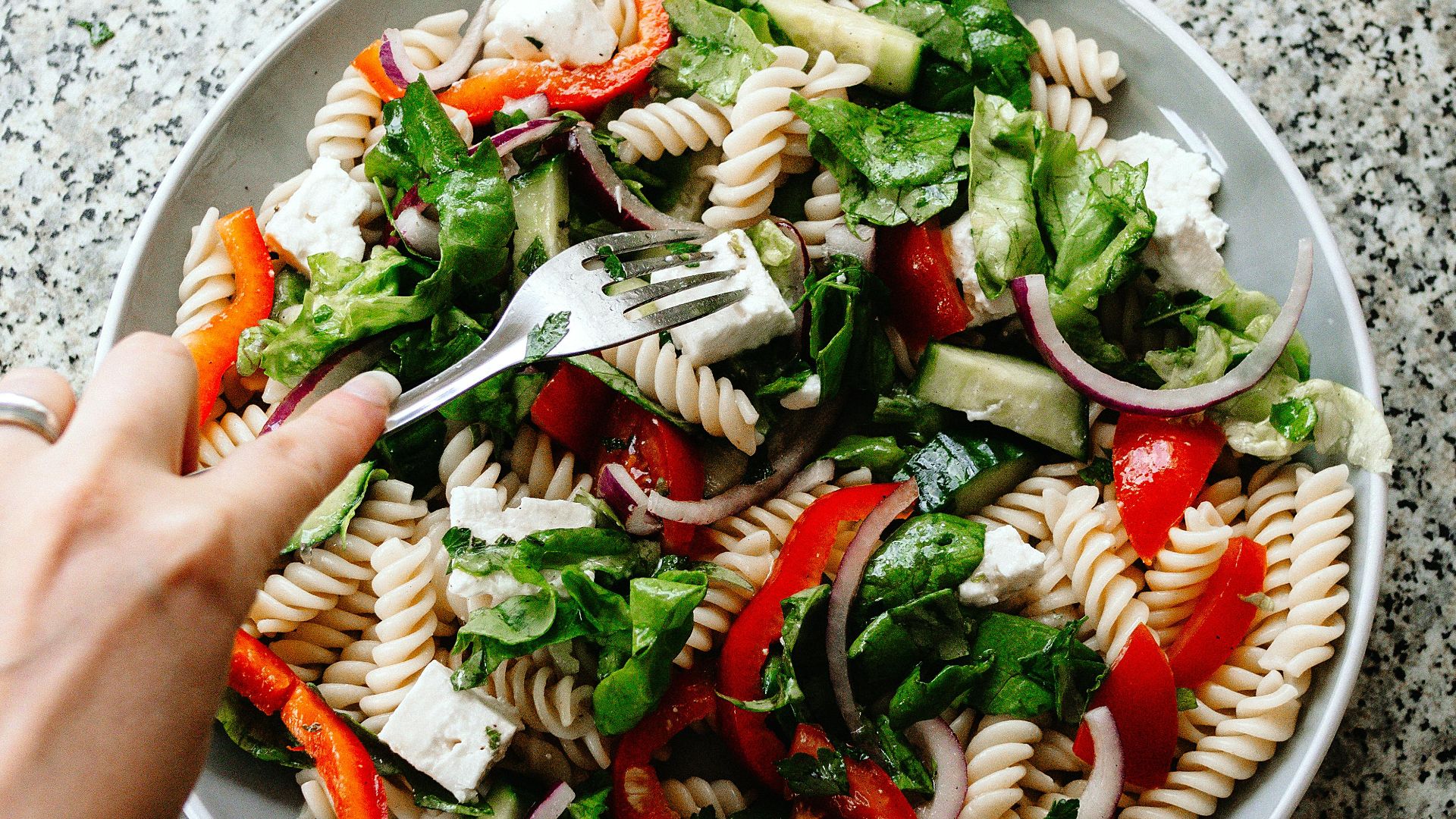
4. Tossing Dressing On Piping Hot Pasta
Adding dressing to steaming pasta causes the mixture to separate and lose its intended flavor balance. The heat breaks emulsions, dulls fresh ingredients, and prevents the dressing from coating evenly. And instead of absorbing flavor, the pasta turns slick and greasy.
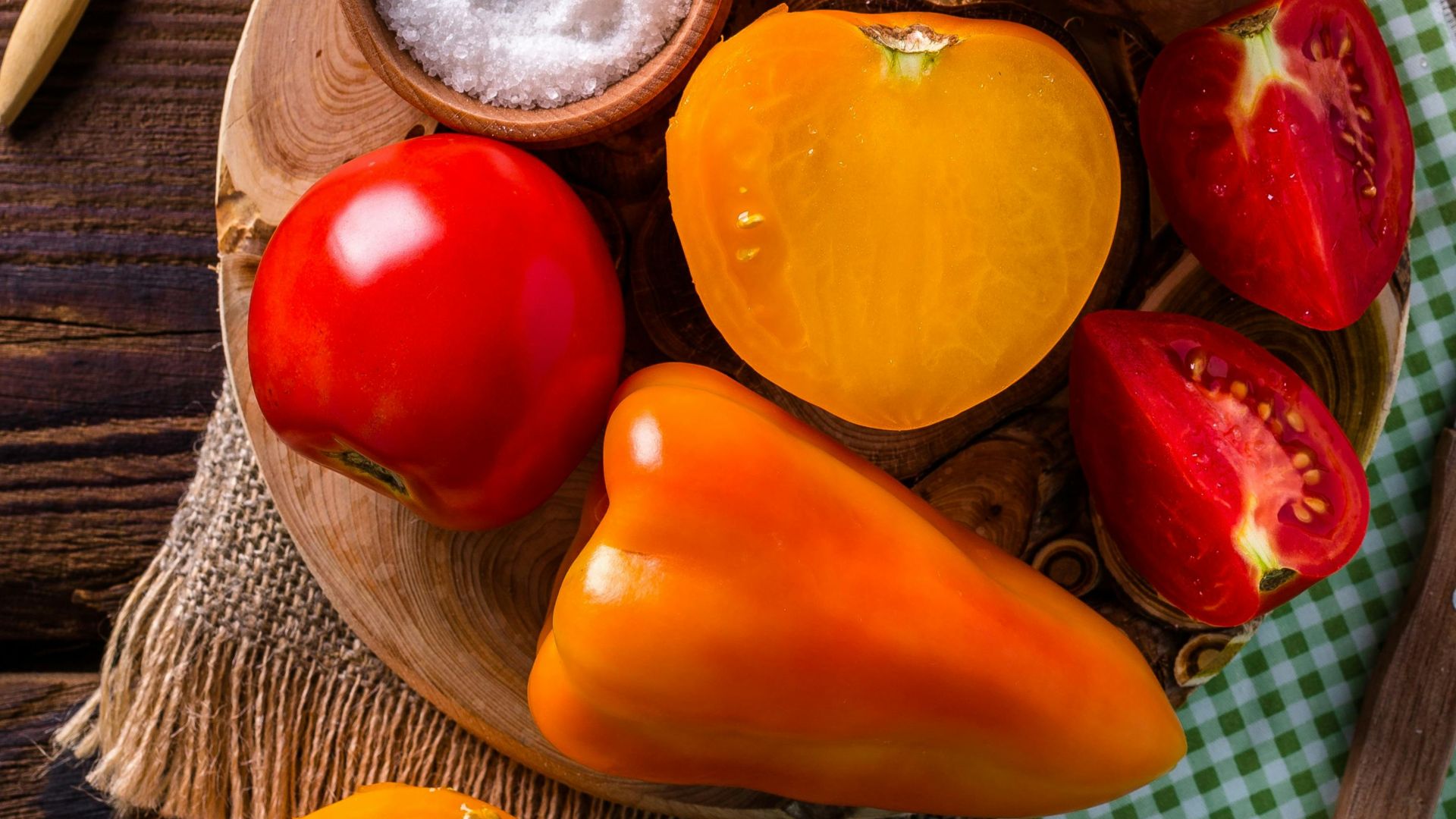
5. Adding Vegetables Without Draining
Skipping the draining step leaves the salad waterlogged and limp. Juicy vegetables like tomatoes and bell peppers release moisture that floods the mix. Over time, excess liquid seeps into the pasta, turning what should be a crisp, colorful dish into a soggy, diluted mess.
6. Neglecting Proper Pasta-To-Dressing Ratio
Ignoring the balance between pasta and dressing leads to disappointing results. Too little leaves the salad dry and bland, with every bite feeling unfinished. On the other hand, too much overwhelms the ingredients, turning the dish greasy and heavy.
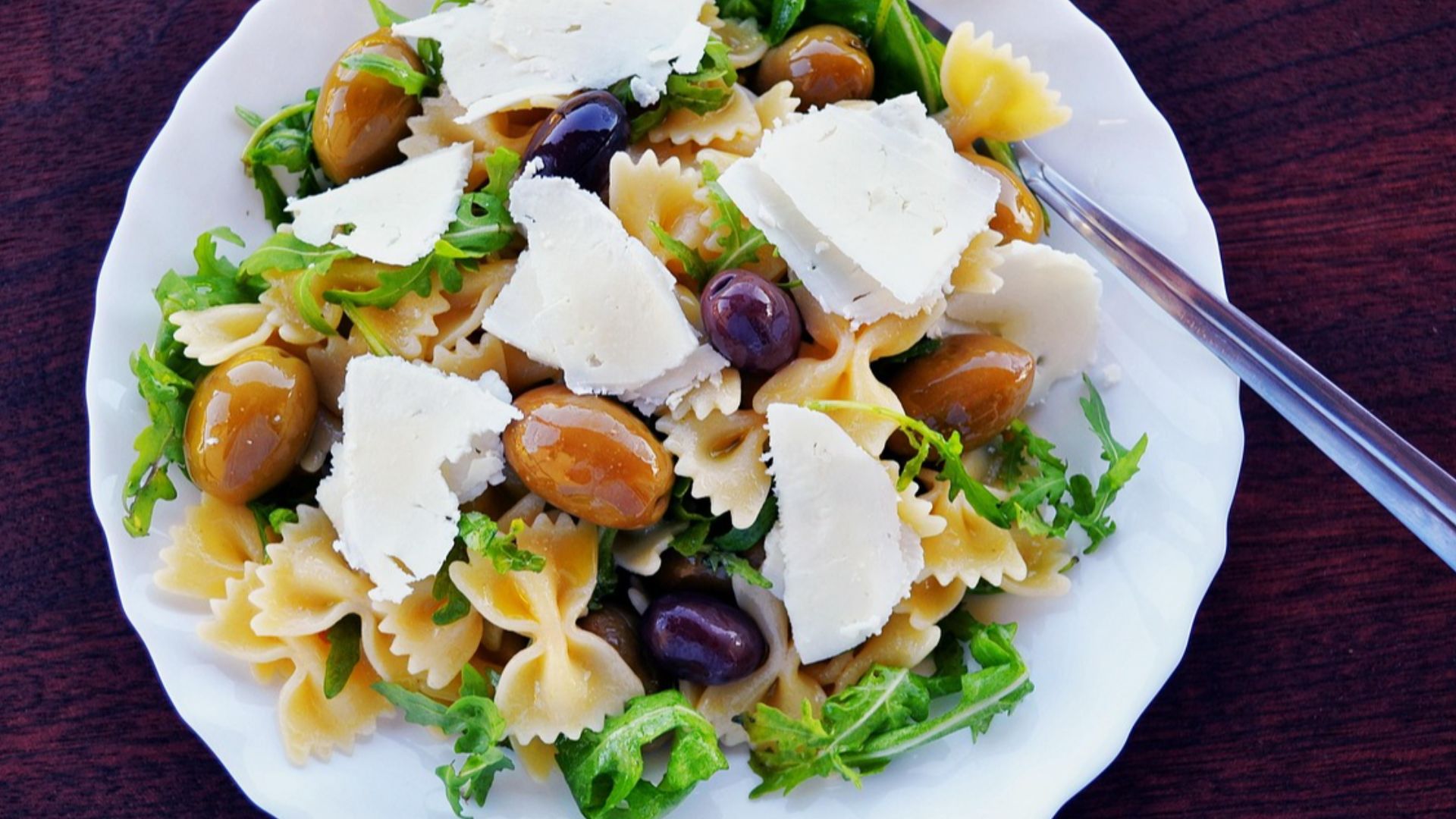
7. Overloading With Too Many Ingredients
Packing a pasta salad with endless add-ins turns it into a chaotic jumble of clashing flavors. Each new ingredient competes for attention, drowning out the pasta’s natural taste and the dressing’s balance. What should feel harmonious instead becomes a muddled mix with no clear flavor direction.
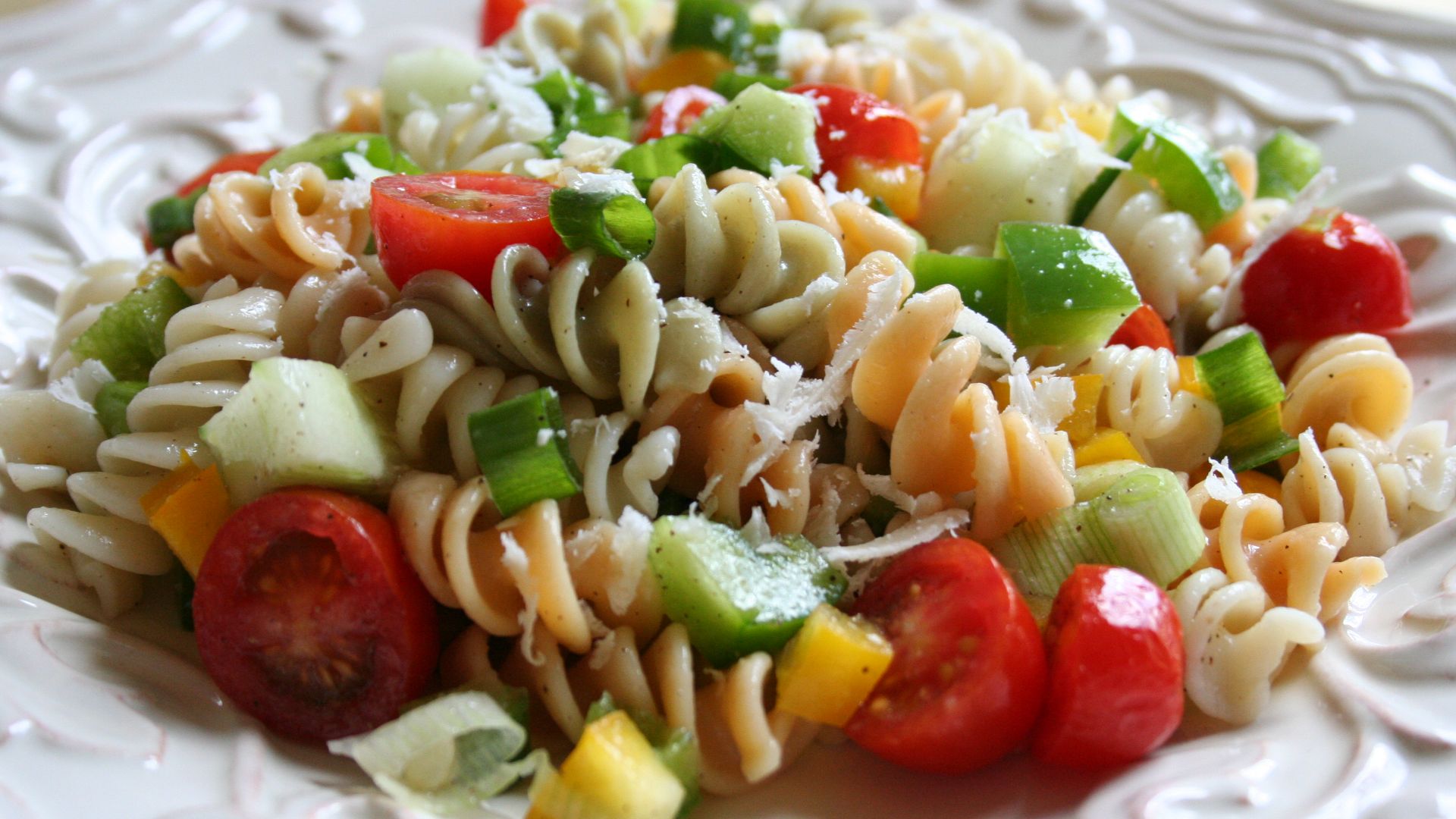
8. Relying Only On Mayonnaise For The Dressing
Using only mayonnaise as the dressing traps the salad in a dense, monotonous flavor. Its richness overwhelms lighter ingredients, masking herbs, spices, and acidity. This way, the result feels cloying, turning a refreshing pasta salad into a uniform bite lacking contrast or freshness.
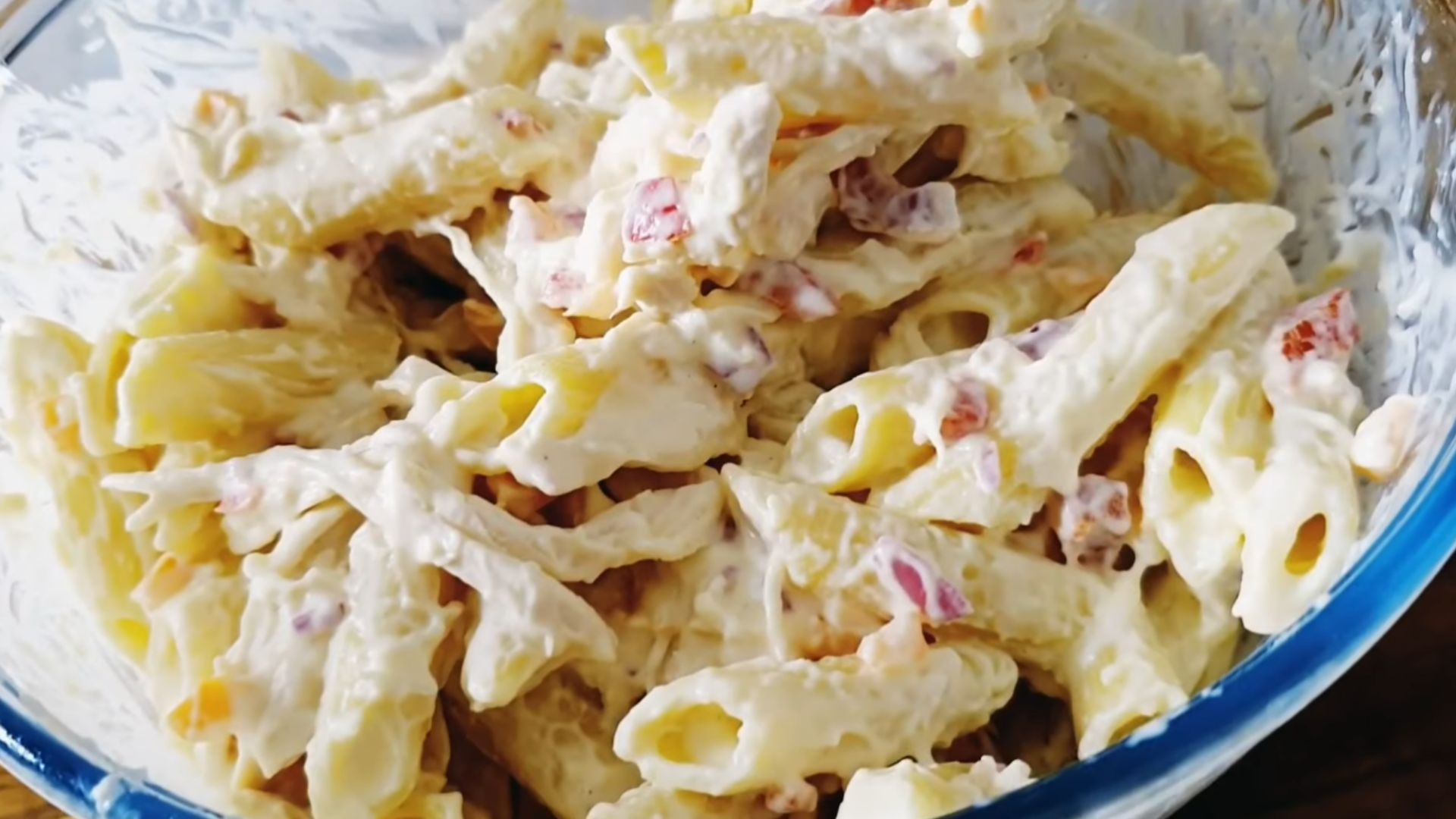 How To Make Chicken Mayo Pasta Salad-Quick And Easy Delicious Chicken Salad by Cooking With Mirah!
9. Skipping The Chill Before Serving
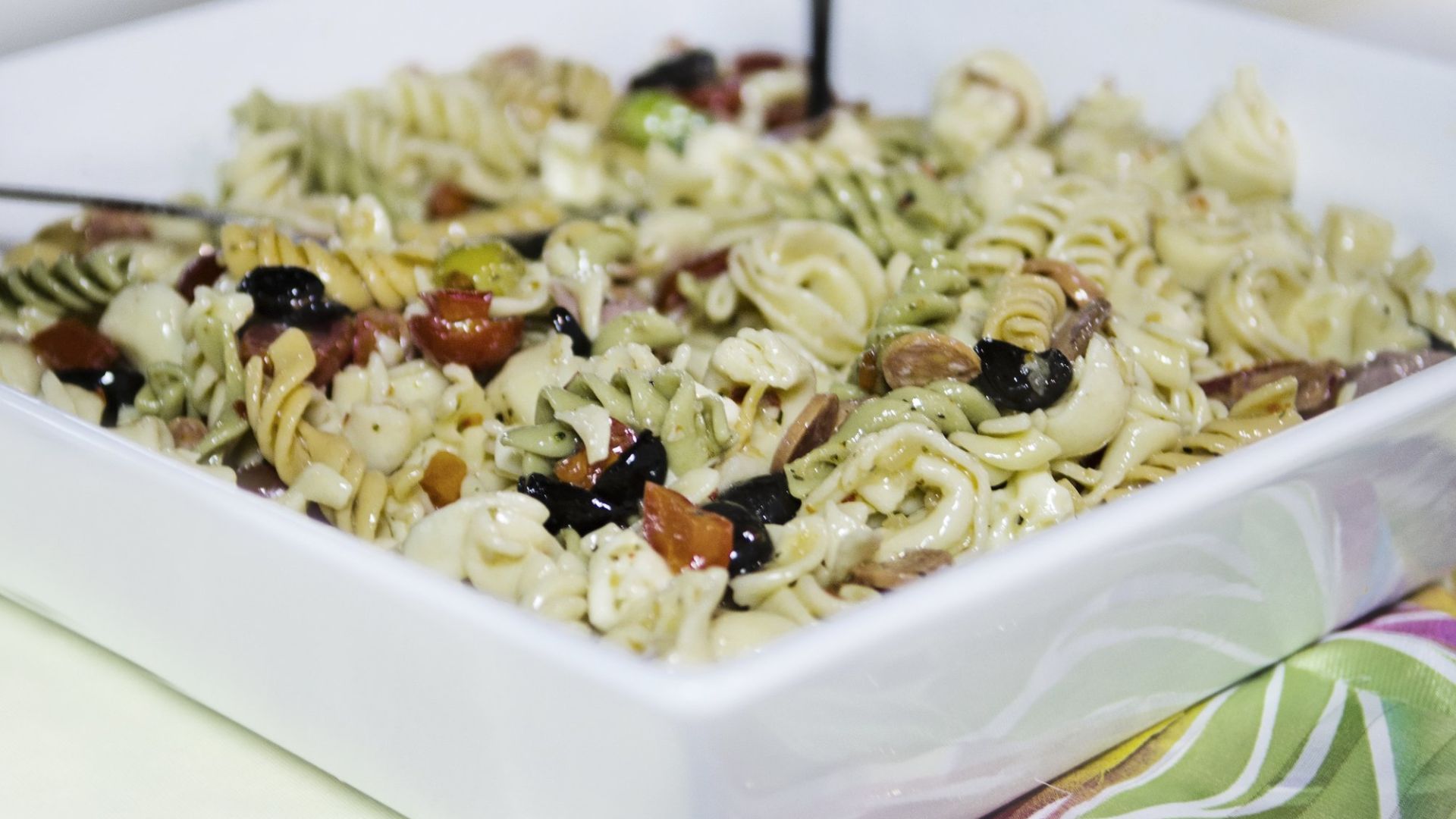
Serving pasta salad immediately after mixing leaves it tasting disjointed and underdeveloped. Without time to rest, the dressing sits on the surface instead of infusing each bite. Flavors remain separate and sharp, giving the dish a rushed quality.
 Javcon117* from USA on Wikimedia
10. Assembling The Salad Too Far In Advance
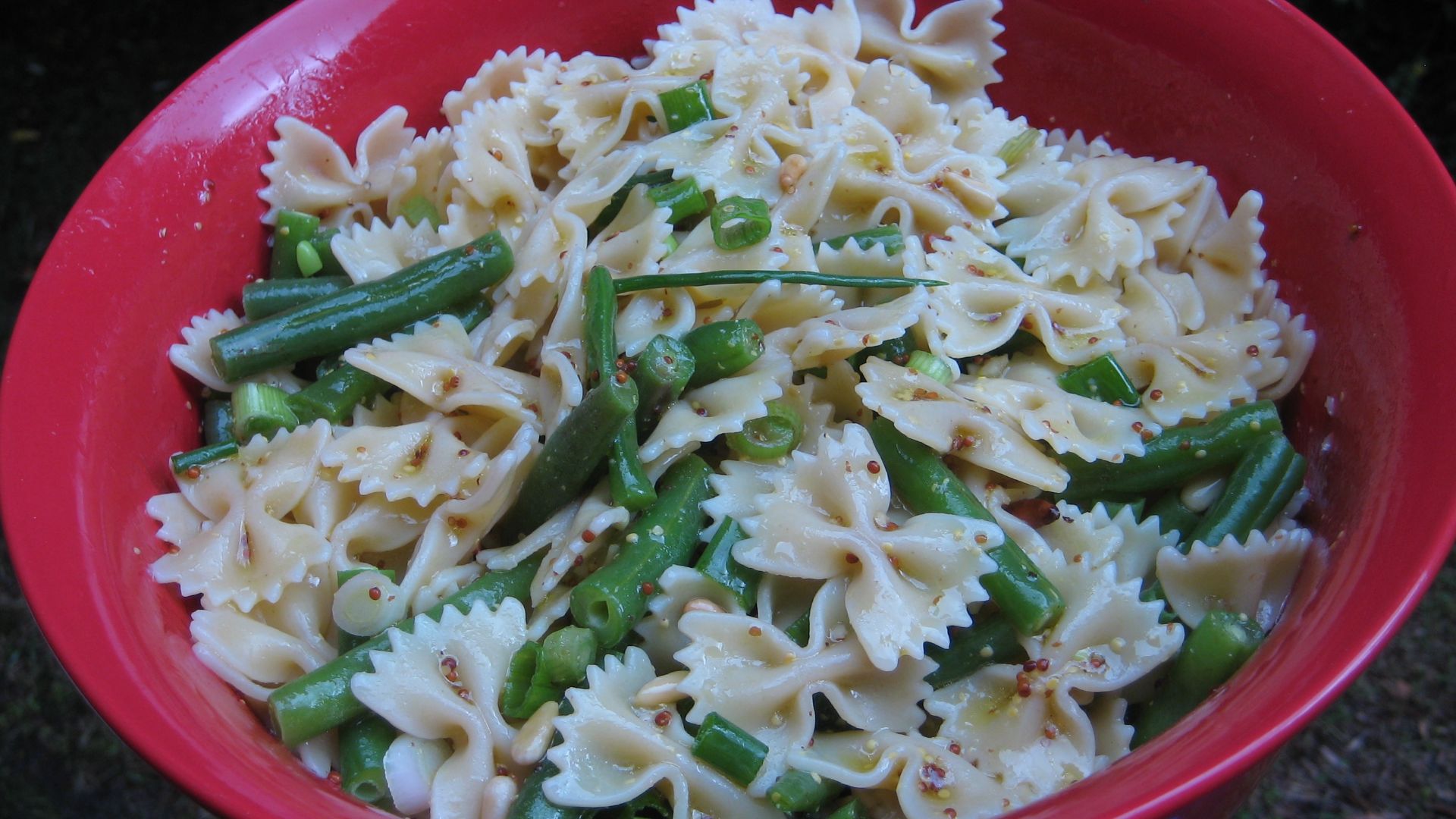
Preparing pasta salad too early leads to a slow breakdown of balance and texture. The pasta steadily absorbs moisture, draining the dressing and leaving the noodles dry. Meanwhile, vegetables and proteins grow limp, creating a dish that feels uneven.
 Selena N. B. H. from Fayetteville, USA on Wikimedia
Now, here are ten foolproof ways to make every bowl taste like a summer win.
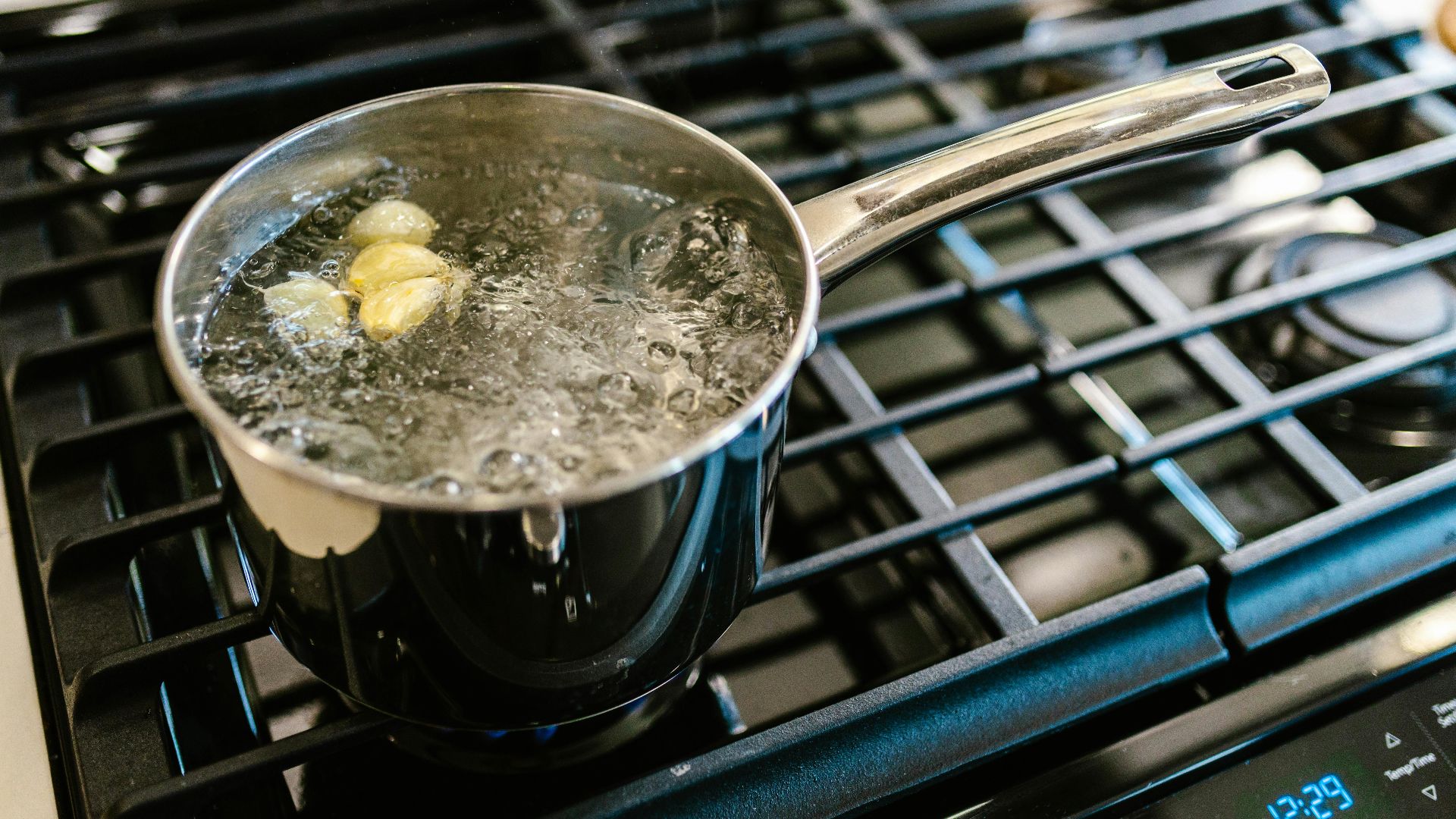
1. Infuse The Pasta Water With Aromatics
Adding herbs, garlic, or citrus peels to the pasta water gently layers the dish with flavor from the start. The aroma seeps into the noodles, giving them subtle depth that pairs beautifully with dressings and vegetables later.
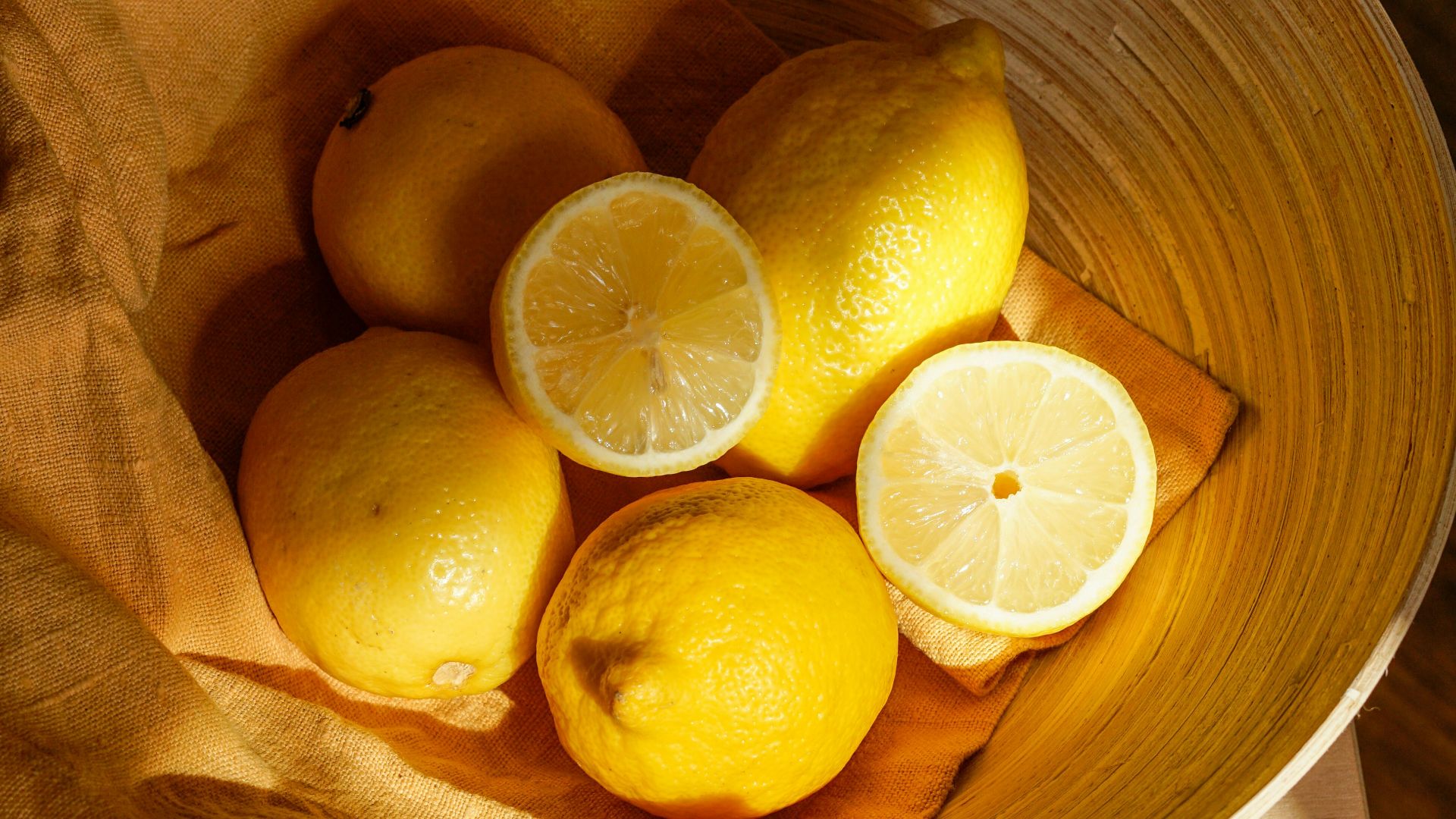
2. Balance Flavors With A Bright Acidic Kick
Even the most carefully prepared pasta salad can fall flat, tasting one-dimensional and heavy. But a simple splash of lemon juice or vinegar turns those dull flavors into something magical, brightening every bite while perfectly balancing the richer elements.
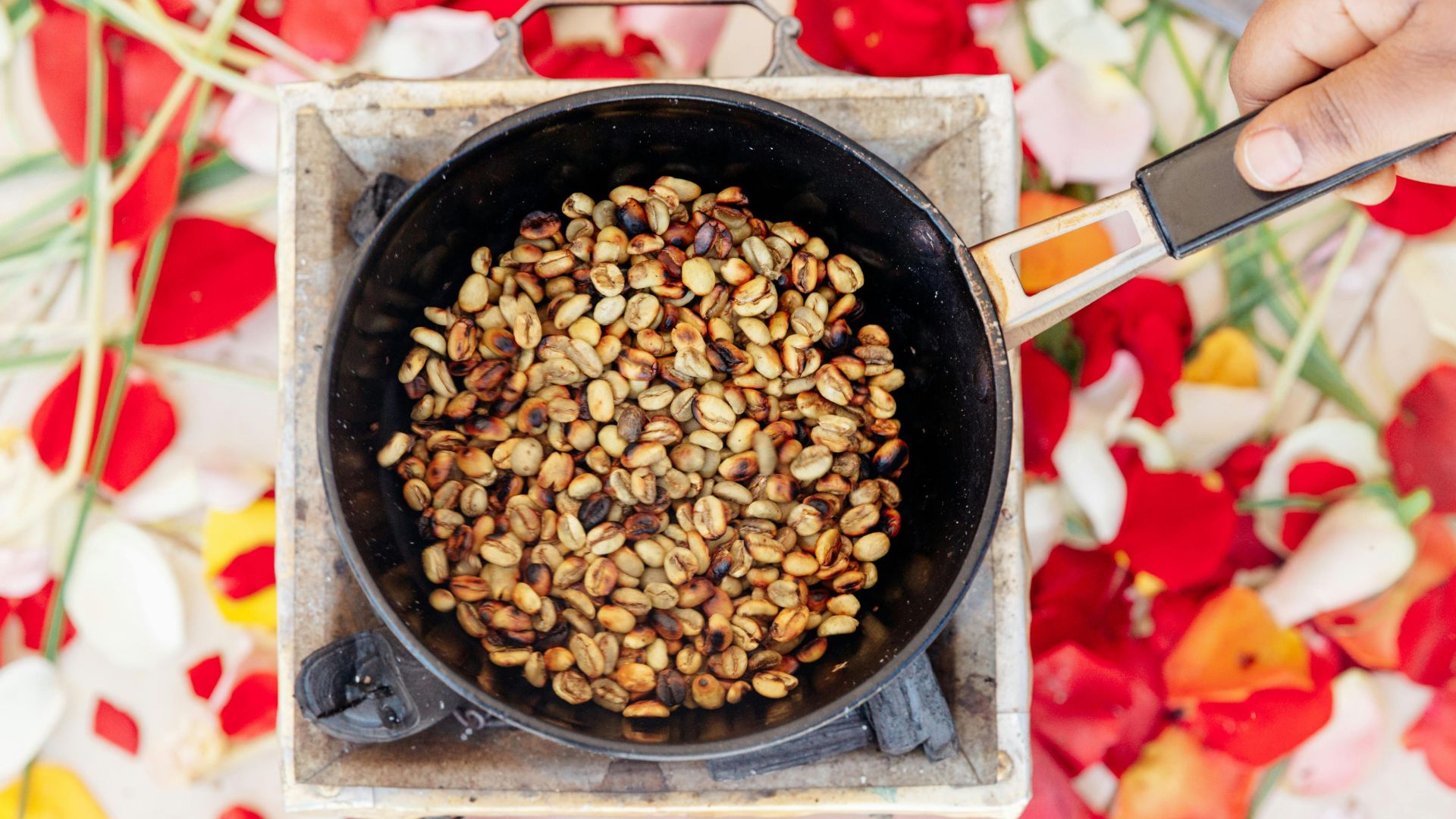
3. Toast Seeds Or Nuts For Crunch
Give your nuts and seeds a quick toast before adding them to the mix. The heat deepens their natural flavor and brings out a satisfying crunch. Sprinkled over any pasta salad, these golden bites add a nutty contrast that ties everything together beautifully.
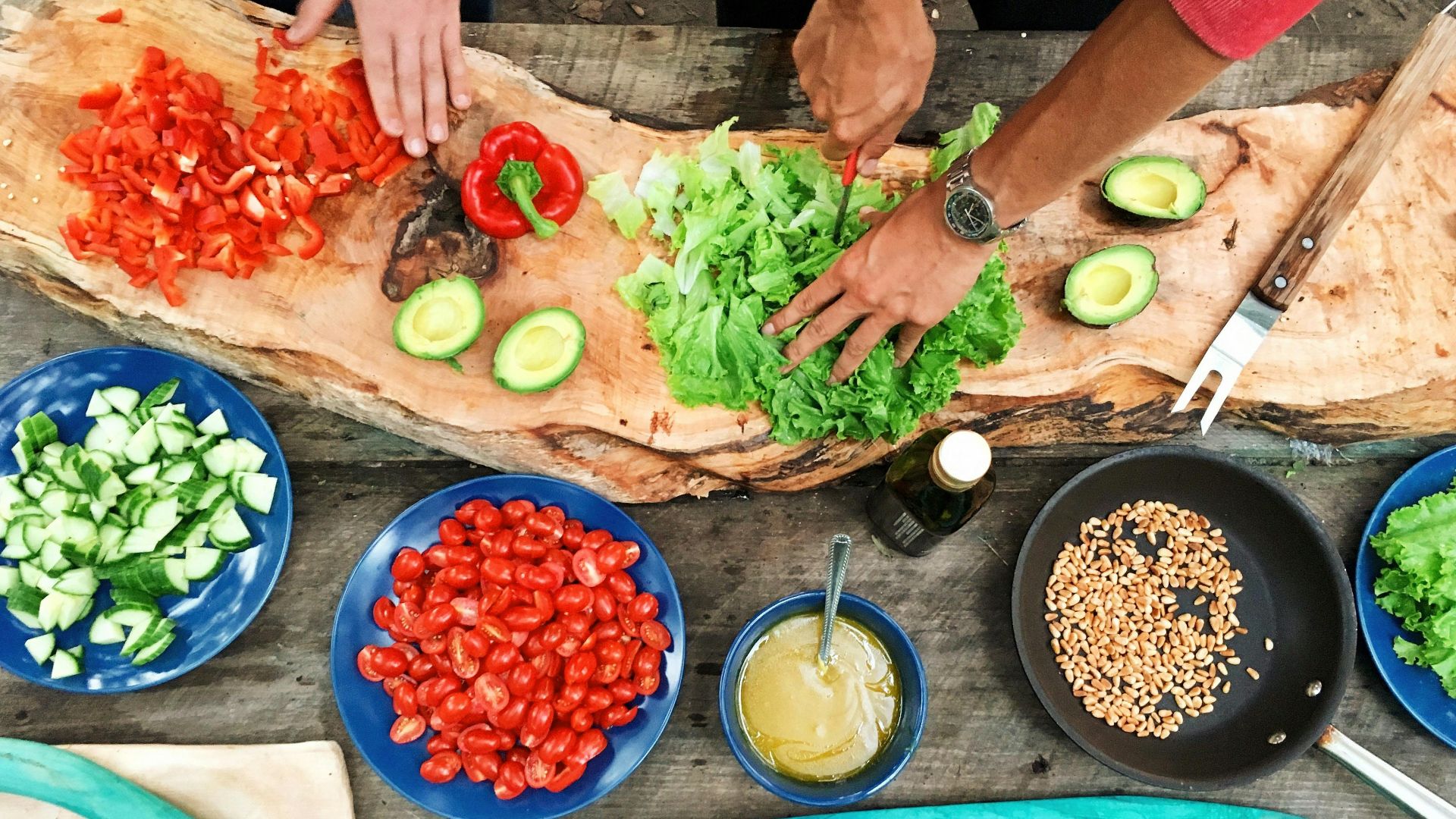
4. Play With Contrasting Cuts And Textures
Begin your salad presentation journey with basic straight cuts, then advance to diagonal and spiral techniques that make vegetables visually striking. Professional chefs enhance presentations further through specialized cuts.
 Maarten van den Heuvel on Pexels
5. Layer Ingredients With Smart Timing
Build your pasta salad in layers to keep every ingredient at its best. Begin with the heavier, marinated components that can handle extra moisture. Add crisp vegetables next, then finish with tender greens or cheese just before serving.
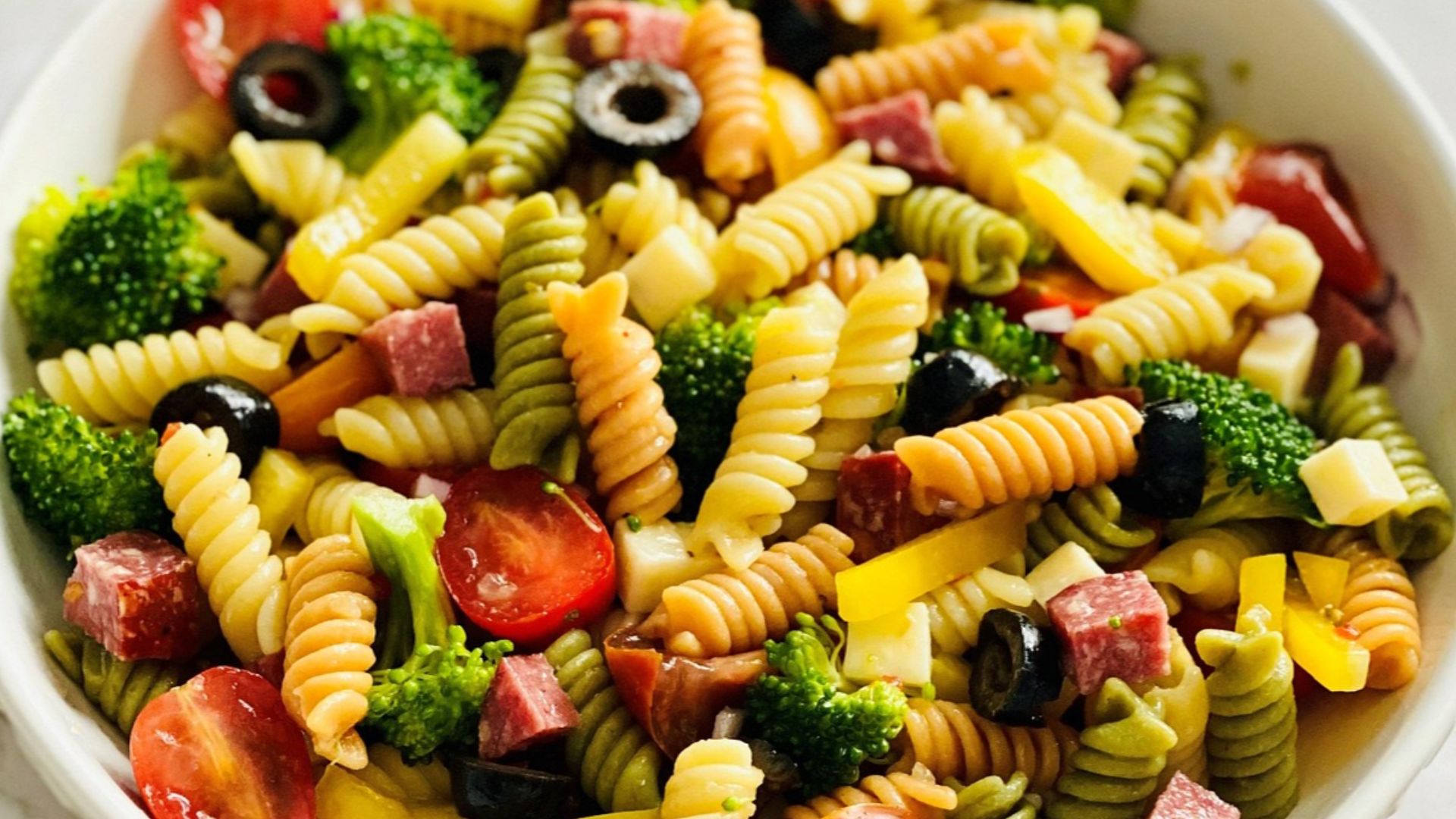
6. Marinate A Key Ingredient For Extra Flavor
The science of flavor extraction works wonders when you isolate a single pasta salad ingredient for marination. This targeted approach allows flavor compounds to fully develop in ingredients like onions, mushrooms, olives, or artichokes without competing interactions.
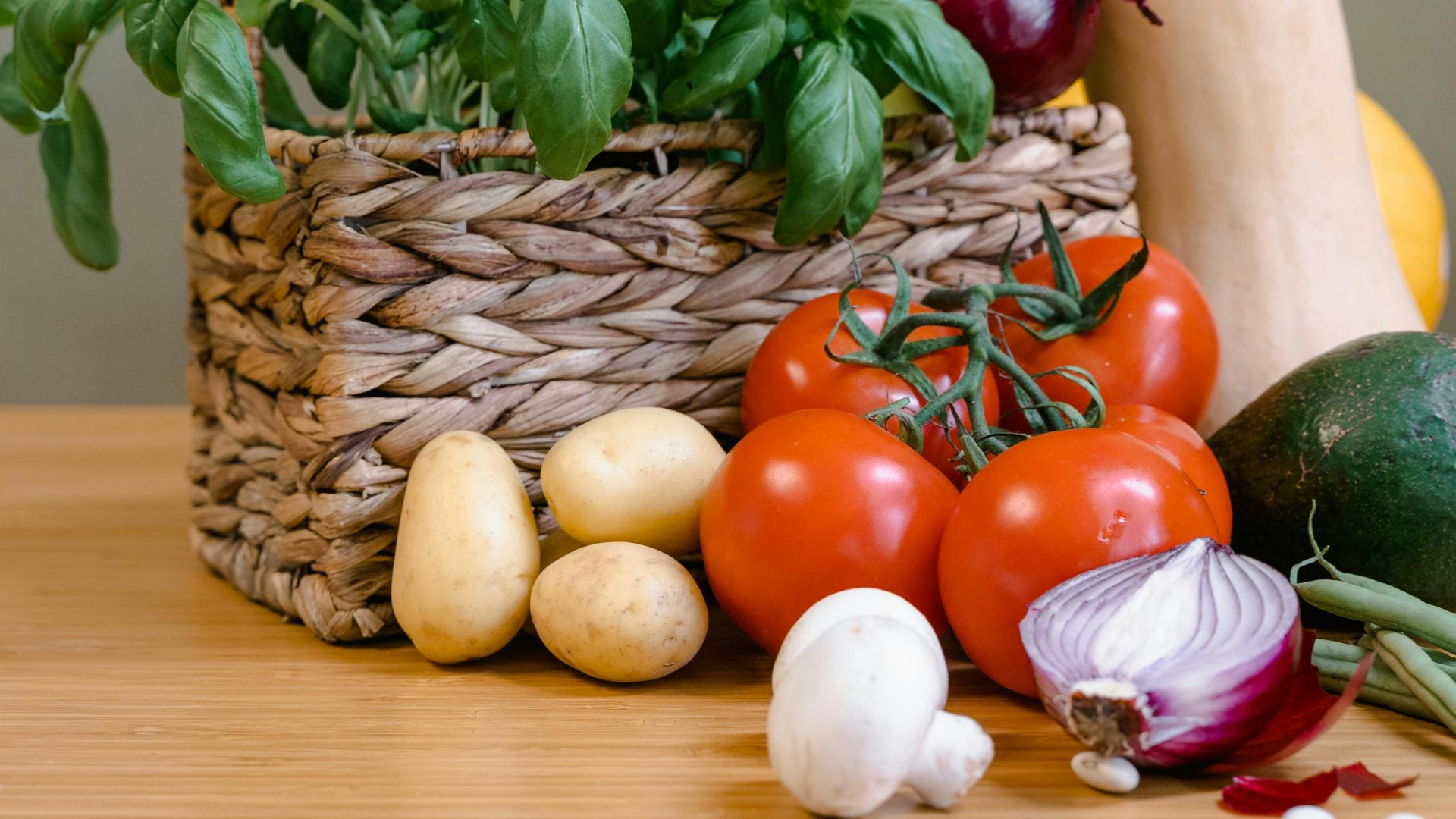
7. Sneak In A Gentle Hint Of Sweetness
Traditional pasta salads often fall flat with one-dimensional flavors and predictable profiles. The solution lies in strategic sweet elements: dried cranberries and apple slices inject color and complexity, while honey or maple syrup provides subtle sweetness that perfectly balances savory and acidic components.
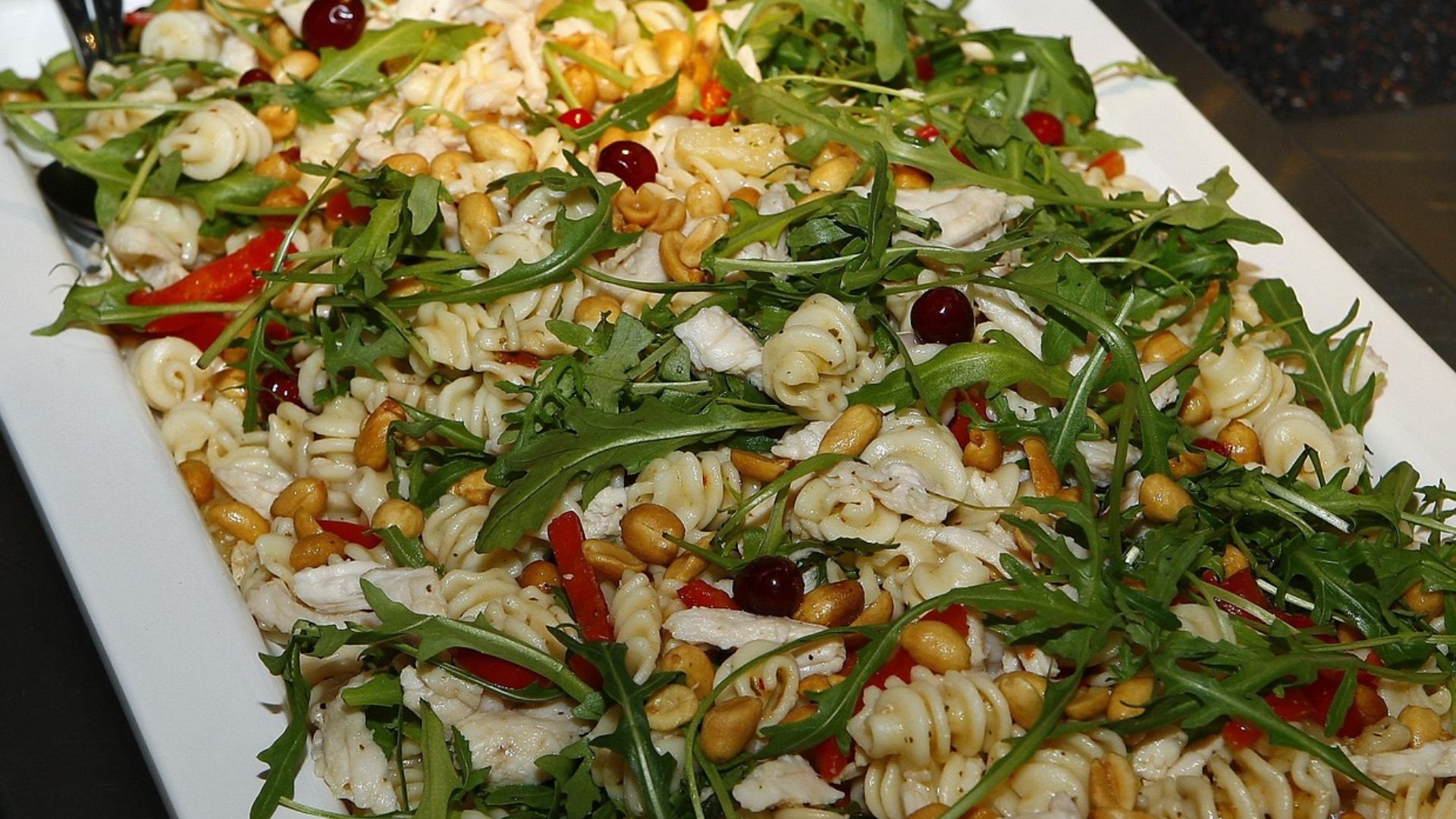
8. Keep One Warm Element For Contrast
Skilled chefs know that a touch of temperature contrast can turn a simple pasta salad into something memorable. Add a freshly grilled or roasted ingredient—like chicken, shrimp, or vegetables—to your chilled mix. This warmth enhances aroma and gives each bite a satisfying texture.
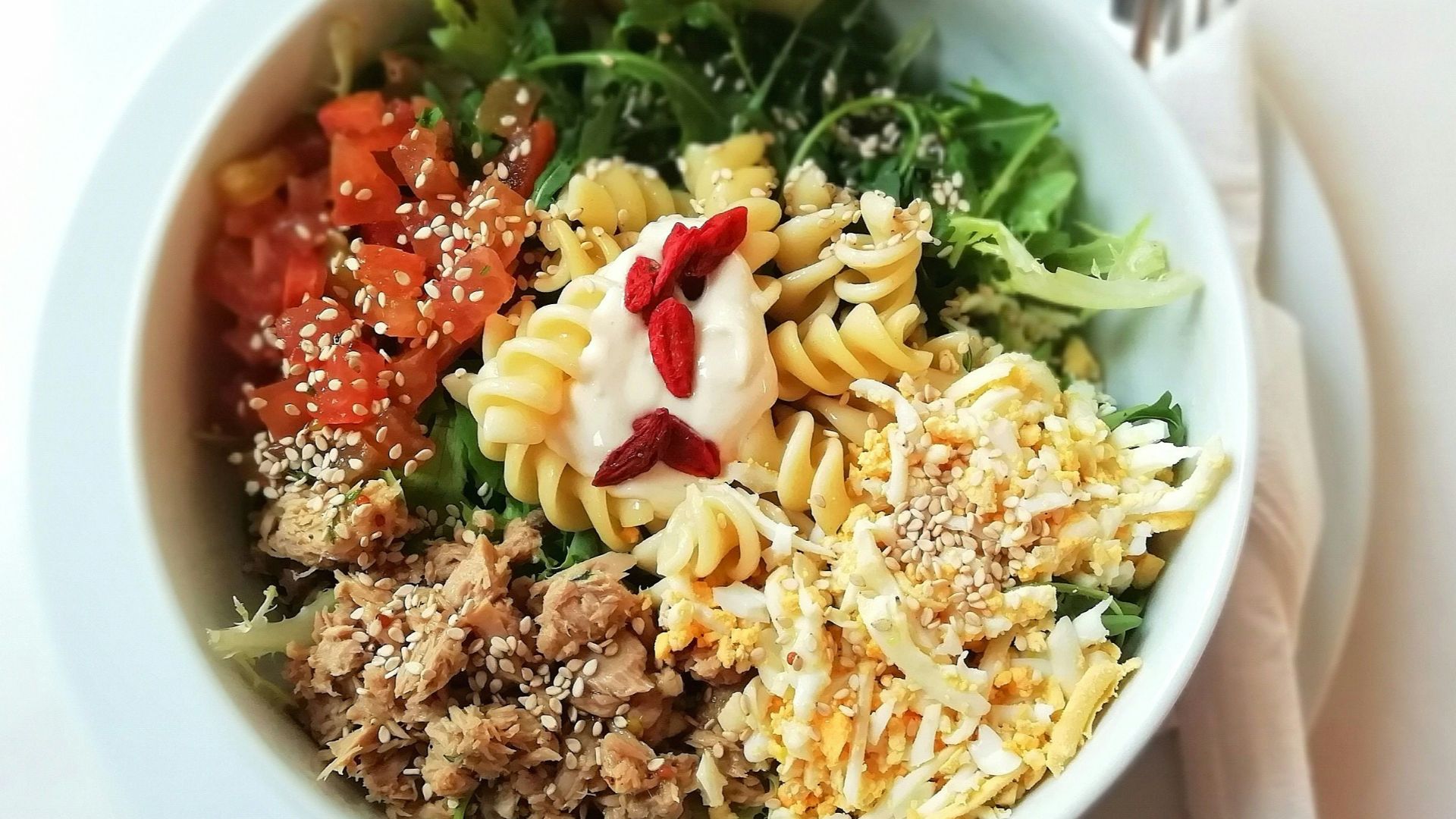
9. Finish With Warm Infused Oil
Many home cooks serve pasta salad straight from the fridge, missing a key chef's secret: drizzling warm infused oil just before serving. It gently coats each ingredient, releasing intense aromas of garlic, herbs, or chili while adding a vibrant final layer of flavor depth.
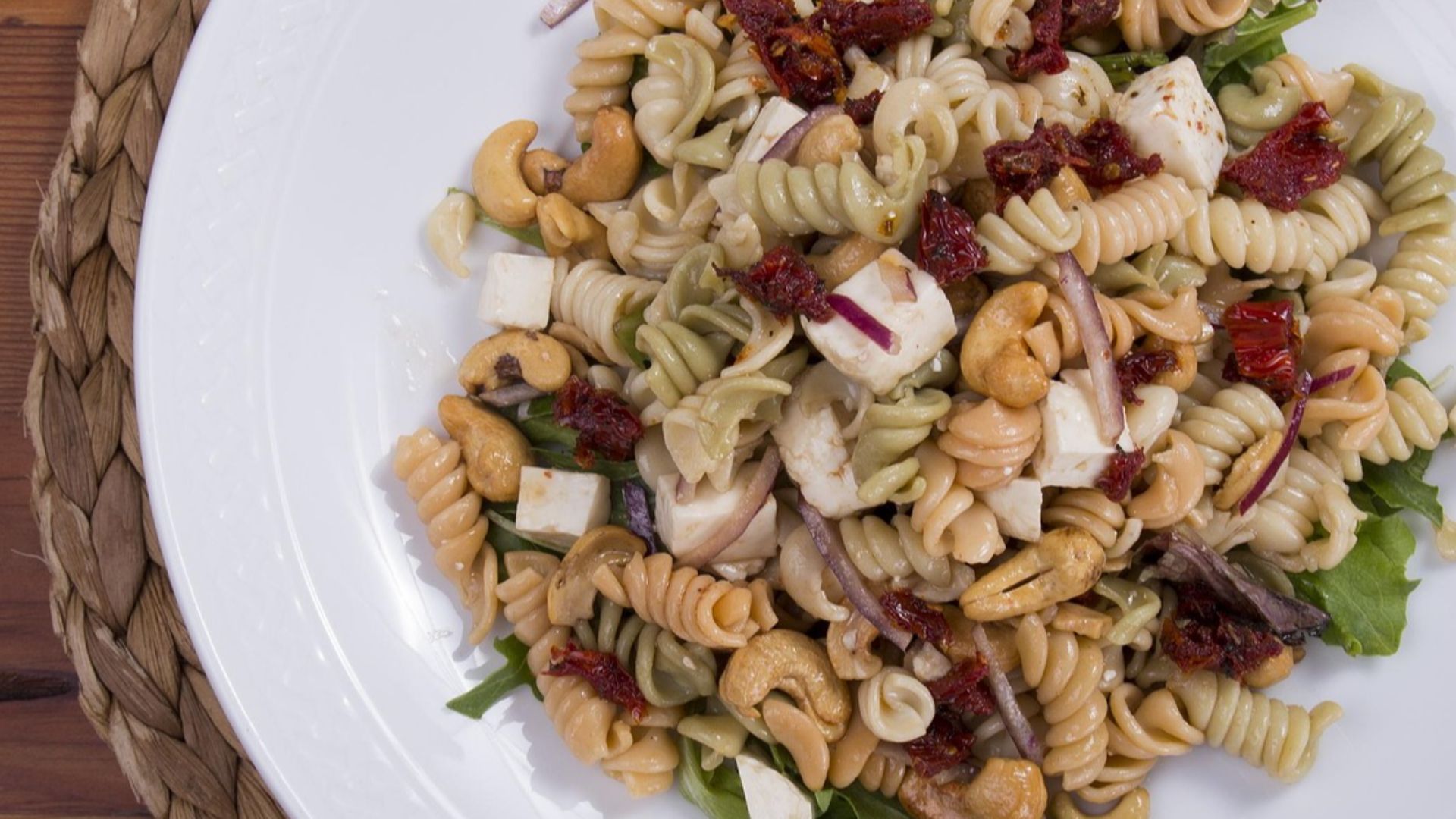
10. Serve In A Chilled Bowl
By keeping your pasta salad in a chilled bowl, you maintain its crisp texture and vibrant flavor. Choose a white serving bowl for extra visual appeal, as it highlights every colorful ingredient, making your dish irresistibly bright and inviting.
KEEP ON READING