What Is Black Matcha, The Trendy New Gen Z Coffeeshop Obsession?
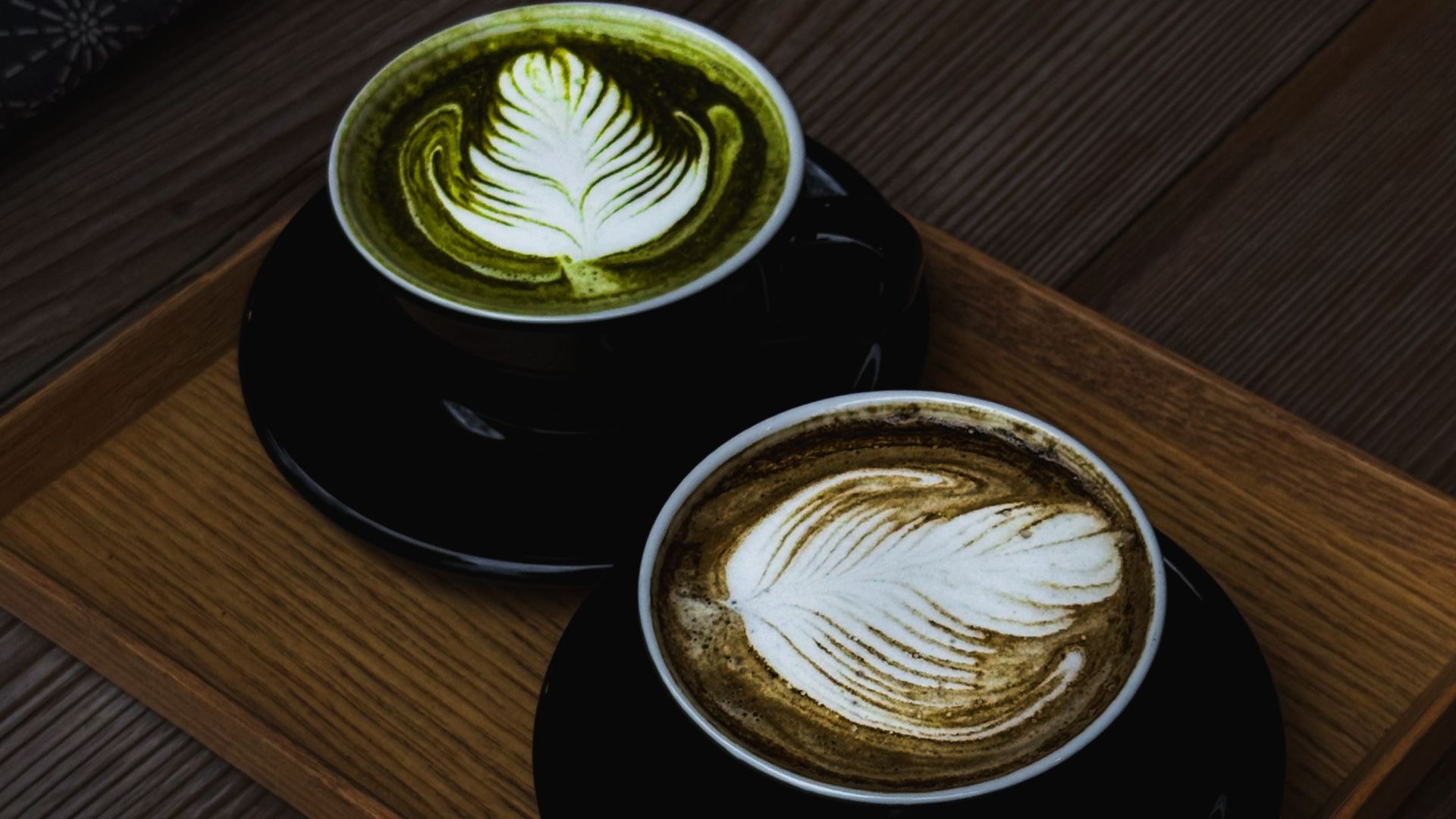
Walk into a trendy coffee shop today, and there's a good chance you'll spot a drink that's almost as dark as an espresso but marketed as an alternative to both coffee and matcha. Known as black matcha, it's become the latest beverage to dominate social media, with influencers praising its striking appearance, earthy flavor, and potential wellness benefits. For many Gen Z consumers, it's another way to experiment with something that feels fresh, aesthetic, and a little mysterious.
Despite its name, black matcha isn't simply green matcha that's been roasted or dyed. It's a completely different product made from finely ground leaves of the tropical Terminalia ferdinandiana tree, which is native to parts of Australia and Southeast Asia. While it's still relatively new to many consumers, coffee shops and wellness brands have quickly embraced it as the latest addition to the ever-growing lineup of functional drinks.
Black Matcha Isn't Actually Matcha
Traditional matcha is made by grinding specially grown green tea leaves into an ultra-fine powder. Black matcha, on the other hand, contains no tea leaves at all. Instead, it's produced from dried and finely milled leaves of the Terminalia ferdinandiana plant, giving it a naturally dark color and a flavor that's quite different from its green counterpart.
Although black matcha may seem like the latest wellness invention, the ingredient itself has been around for generations. The leaves come from the Terminalia ferdinandiana tree, which has a long history of traditional use by Indigenous communities in Australia. What feels new today is largely the way it's being marketed and prepared, with modern cafés and wellness brands introducing it to a global audience under the catchy name "black matcha."
The name "black matcha" is largely a marketing choice rather than a botanical description. Since the powder is prepared and whisked much like traditional matcha, companies have adopted the familiar term to help consumers understand how it's used. That approach has certainly worked, even if it causes some understandable confusion.
Its taste is often described as earthy, slightly smoky, and mildly bitter, although many people detect subtle herbal notes as well. Because the flavor is fairly bold, cafés frequently pair it with oat milk, vanilla, honey, or maple syrup to create a smoother, more approachable drink. The result is a drink with a rich and malty flavor profile characterized by deep notes of dark chocolate, roasted grain, and a subtle coffee-like warmth.
Why Gen Z Can't Get Enough of It
Social media has played a huge role in black matcha's rapid rise. The dramatic charcoal-like color stands out in photos and videos, making it ideal for platforms where visual appeal often drives food and drink trends. It's the kind of beverage that immediately sparks curiosity before anyone even takes the first sip.
Many younger consumers are also looking for alternatives to traditional coffee. Some enjoy experimenting with drinks that feel unique, while others are trying to reduce their caffeine intake without giving up the ritual of visiting a coffee shop. Black matcha fits neatly into that growing demand for beverages that offer something beyond a simple caffeine boost.
Its popularity also reflects the continued interest in functional foods and wellness products. Brands often promote black matcha as being rich in antioxidants and plant compounds, although research on the ingredient itself is still fairly limited compared with green tea. For many customers, the appeal comes from trying something that feels both fashionable and potentially beneficial.
Coffee shops have embraced the trend because it offers endless opportunities for creative drinks. Black matcha lattes, iced beverages, lemonades, and even smoothies have begun appearing on specialty menus. Since consumers are constantly searching for the next viral drink, cafés have been eager to keep up with changing tastes.
Is Black Matcha Worth Trying?
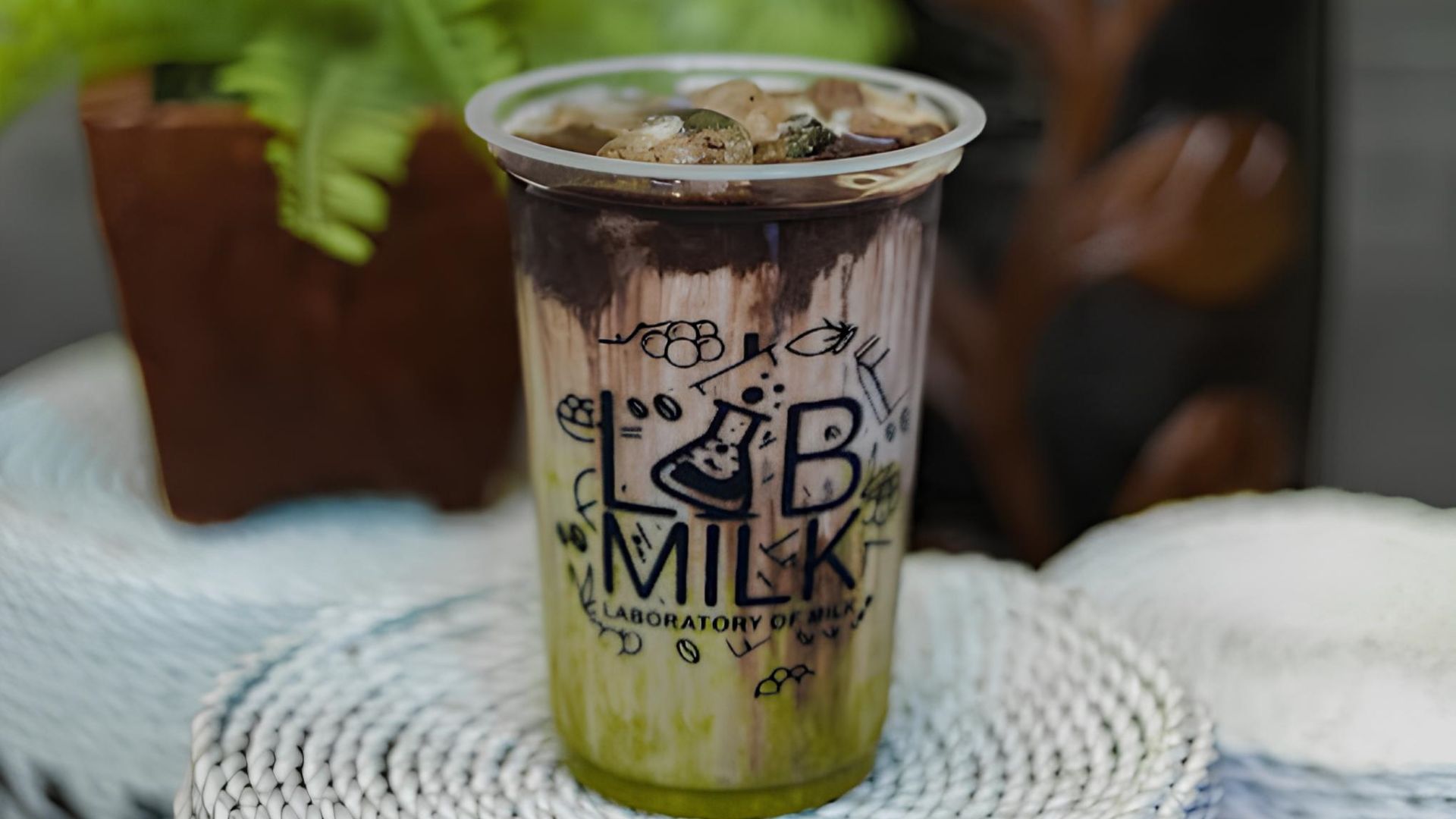 Lampalampa Indonesia on Pexels
If you're expecting it to taste exactly like green matcha, you may be surprised. The flavor profile isn't grassy or bitter, with robust, earthy notes that some people enjoy immediately, while others need time to appreciate. Like many specialty beverages, personal preference plays a big role in whether it becomes a favorite.
One important distinction is that black matcha naturally contains far less caffeine than traditional matcha because it isn't made from tea leaves. Depending on the specific product, some versions may contain virtually no caffeine at all. That makes it an attractive option for anyone who wants a warm café drink later in the day without worrying about staying awake all night.
As with many wellness trends, it's worth keeping expectations realistic. While black matcha does contain naturally occurring plant compounds and antioxidants, scientists haven't studied it nearly as extensively as green tea. Drinking it can certainly be part of a balanced diet, but it shouldn't be viewed as a miracle ingredient or a replacement for healthy eating habits.
Ultimately, black matcha's popularity says just as much about today's coffee culture as it does about the drink itself. Consumers are increasingly drawn to beverages that combine eye-catching presentation with an interesting story and potential health benefits. Whether it becomes a long-term café staple or simply another viral trend, it's clear that black matcha has earned its moment in the spotlight.
KEEP ON READING
You’re Storing Tomatoes Wrong in This Heat
You’re Storing Potatoes Wrong in This Heat
You’re Storing Peppers Wrong in This Heat
You’re Storing Carrots Wrong in This Heat