Is Coffee Running Your Life?
Caffeine is the most widely consumed stimulant on the planet, and most people probably don't think twice about their daily cup of coffee or can of soda. But there's a difference between enjoying your morning brew and depending on it just to function normally. If you've started to notice that your mood, energy, and even your body seem to revolve around your next hit of caffeine, it might be time to take a closer look at your habits. Here are 10 concerning signs you're addicted to caffeine, and 10 ways to help you cut back without feeling miserable in the process.

1. You Get Headaches When You Skip Your Usual Cup
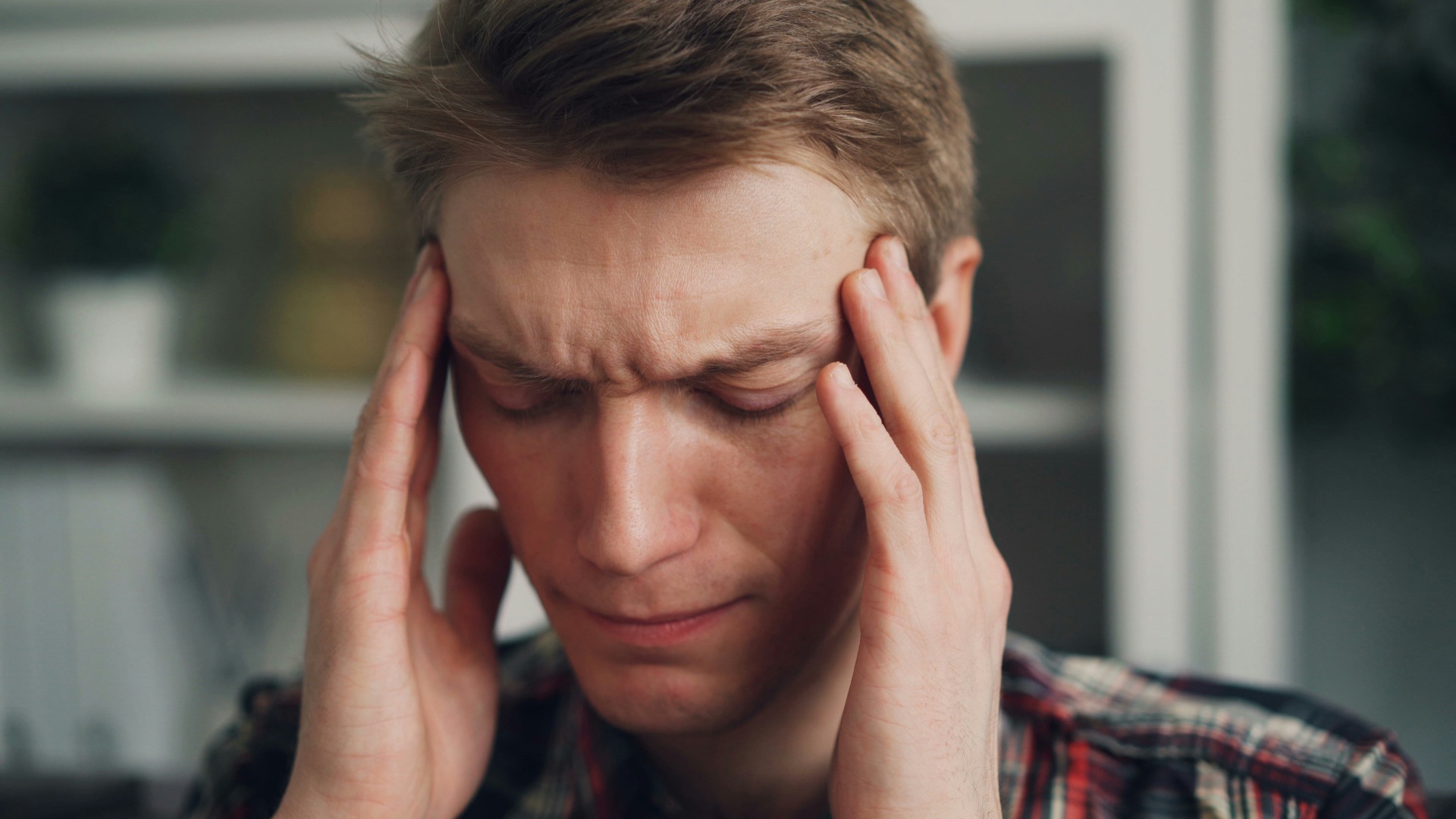
One of the clearest signs of caffeine dependency is a pounding headache that shows up when you miss your regular dose. This happens because caffeine narrows blood vessels in your brain, and when you stop consuming it, those vessels widen again and trigger pain. If you've ever had to leave work early or pop a painkiller just because you forgot your morning coffee, your body is telling you something important.
2. You Feel Sluggish and Foggy Without It
Beyond headaches, many people report feeling mentally slow or unfocused when they haven't had their usual caffeine intake. This brain fog can make simple tasks feel more difficult and can leave you struggling to concentrate at work or school. It's a telltale sign that your brain has adjusted to functioning with a stimulant boost and struggles to operate at full capacity without it.

3. You Need More Caffeine to Get the Same Effect
Tolerance builds over time, and what once felt like a jolt of energy from a single cup might barely register after weeks or months of regular consumption. If you find yourself adding an extra shot of espresso or reaching for a second energy drink just to feel normal, your body has adapted to your usual dose. This escalating pattern is a hallmark of dependency and often goes unnoticed until you're drinking far more than you intended.

4. Your Mood Takes a Hit When You Don't Have It
Irritability, anxiety, and even mild depression can surface when caffeine levels drop in someone who's used to regular consumption. These mood swings often catch people off guard because they don't immediately connect their crankiness to a missed cup of coffee. Over time, this emotional rollercoaster can affect relationships and daily interactions in ways that are easy to overlook.
5. You Feel Anxious or Jittery After Drinking It
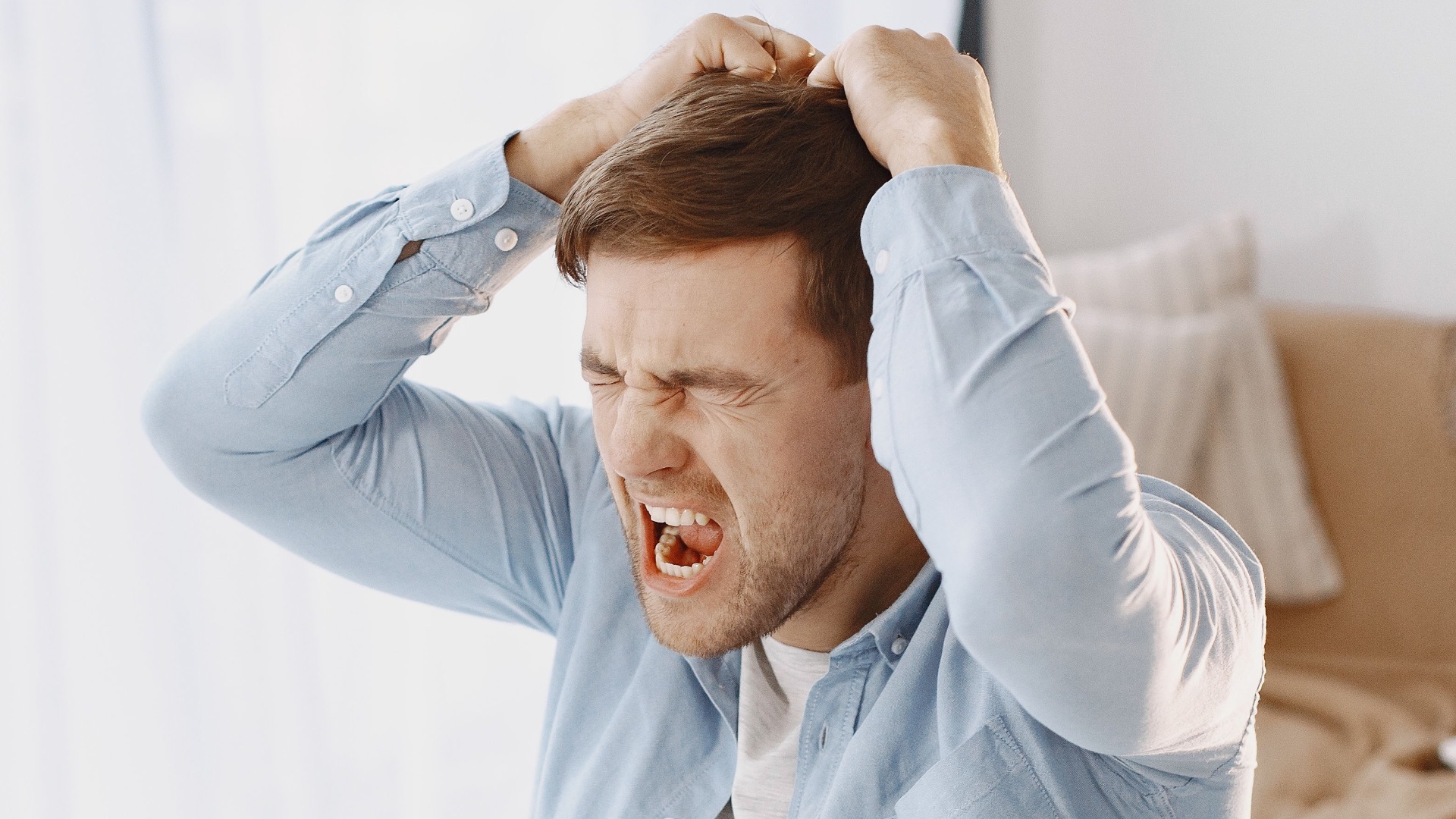
While caffeine dependency often shows up as withdrawal symptoms, it can also manifest as overstimulation when you do consume it. Racing thoughts, a pounding heart, and restless energy are common complaints among people who've built up a tolerance and then overcorrect by drinking too much. This paradox, feeling both dependent on caffeine and overwhelmed by it, is a strong indicator that your relationship with the substance needs some adjusting.

6. Your Sleep Quality Has Taken a Nosedive
Caffeine has a half-life of several hours, meaning that afternoon cup of coffee could still be affecting you well into the evening. People who are dependent on caffeine often don't connect their restless nights to their consumption habits earlier in the day. If you're tossing and turning at night and can't figure out why, your caffeine intake might be the hidden culprit.

7. You Reach for It Out of Habit, Not Because You Want It
There's a difference between wanting a cup of coffee because you enjoy the taste and reaching for one because your hands feel empty without it. Many people go through the motions of their caffeine routine without ever actually craving the drink itself. This automatic behavior suggests that the habit has become more about routine than genuine enjoyment.
8. You've Tried to Cut Back and Failed
If you've attempted to quit or reduce your caffeine intake in the past and found yourself back at your old habits within days, that's a significant red flag. Failed attempts at cutting back often stem from underestimating how uncomfortable withdrawal symptoms can be. This cycle of trying and relapsing is common among people who don't realize just how physically dependent they've become.
9. You Experience Symptoms Like Nausea or Tremors
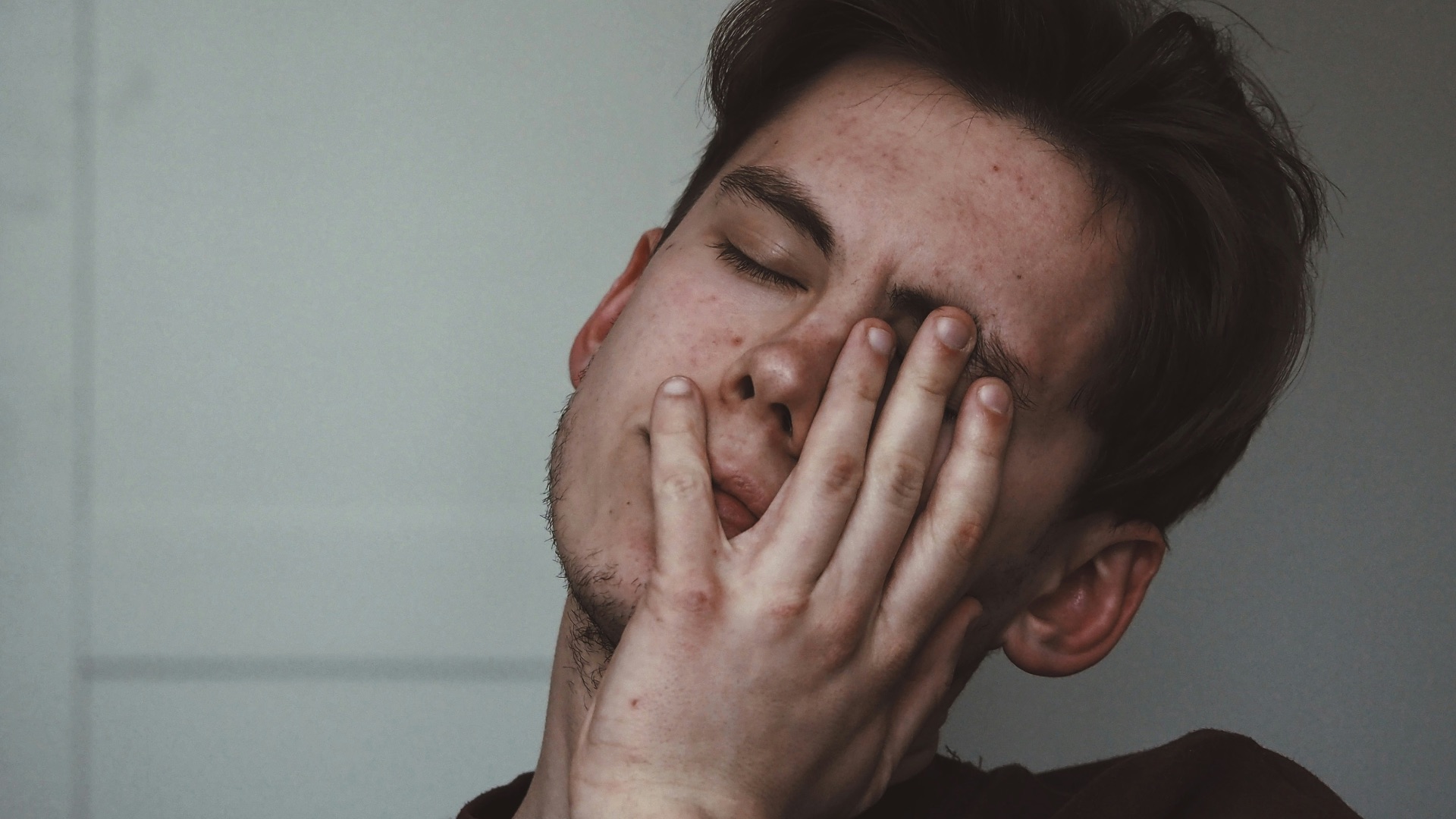
Some people notice shaky hands, an upset stomach, or even muscle tension when they go too long without caffeine. These physical symptoms can be mistaken for other health issues, leading people to overlook the real cause. When these symptoms disappear shortly after consuming caffeine, it's a strong sign that your body has built a dependency on it.
10. Your Daily Schedule Revolves Around Your Next Dose
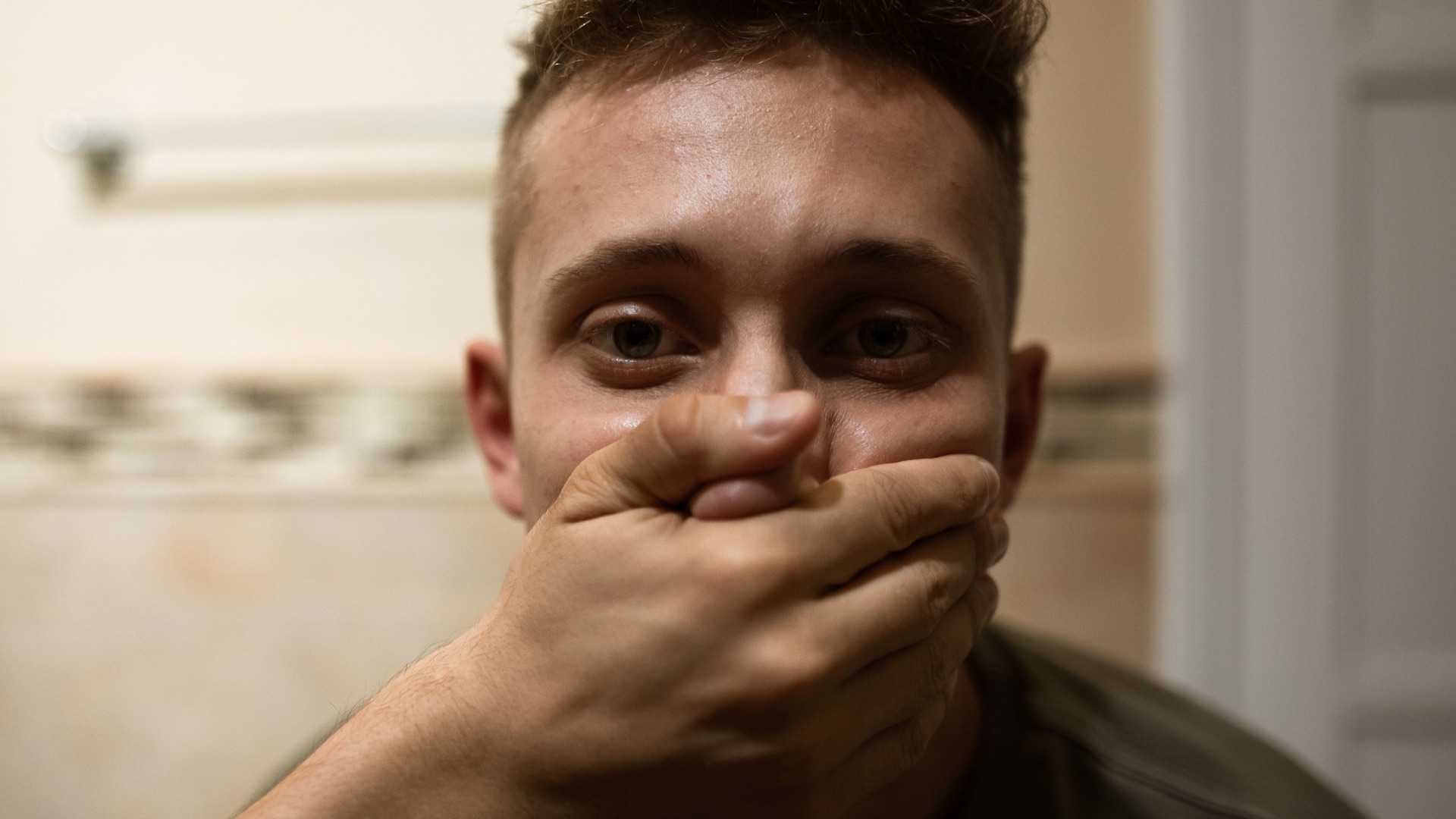
When you start planning your day around when and where you'll get your next caffeine fix, it's worth pausing to consider how much control the substance has over your life. This might look like timing meetings around a coffee run or feeling anxious if you're somewhere without access to your preferred drink. Recognizing this pattern is often the first step toward making meaningful changes.
Now that we've identified some patterns, the next step is figuring out how to break free from them without cutting caffeine cold-turkey. Here are 10 strategies that can help you reduce your intake gradually while minimizing withdrawal symptoms along the way:
1. Start by Tracking Your Actual Intake
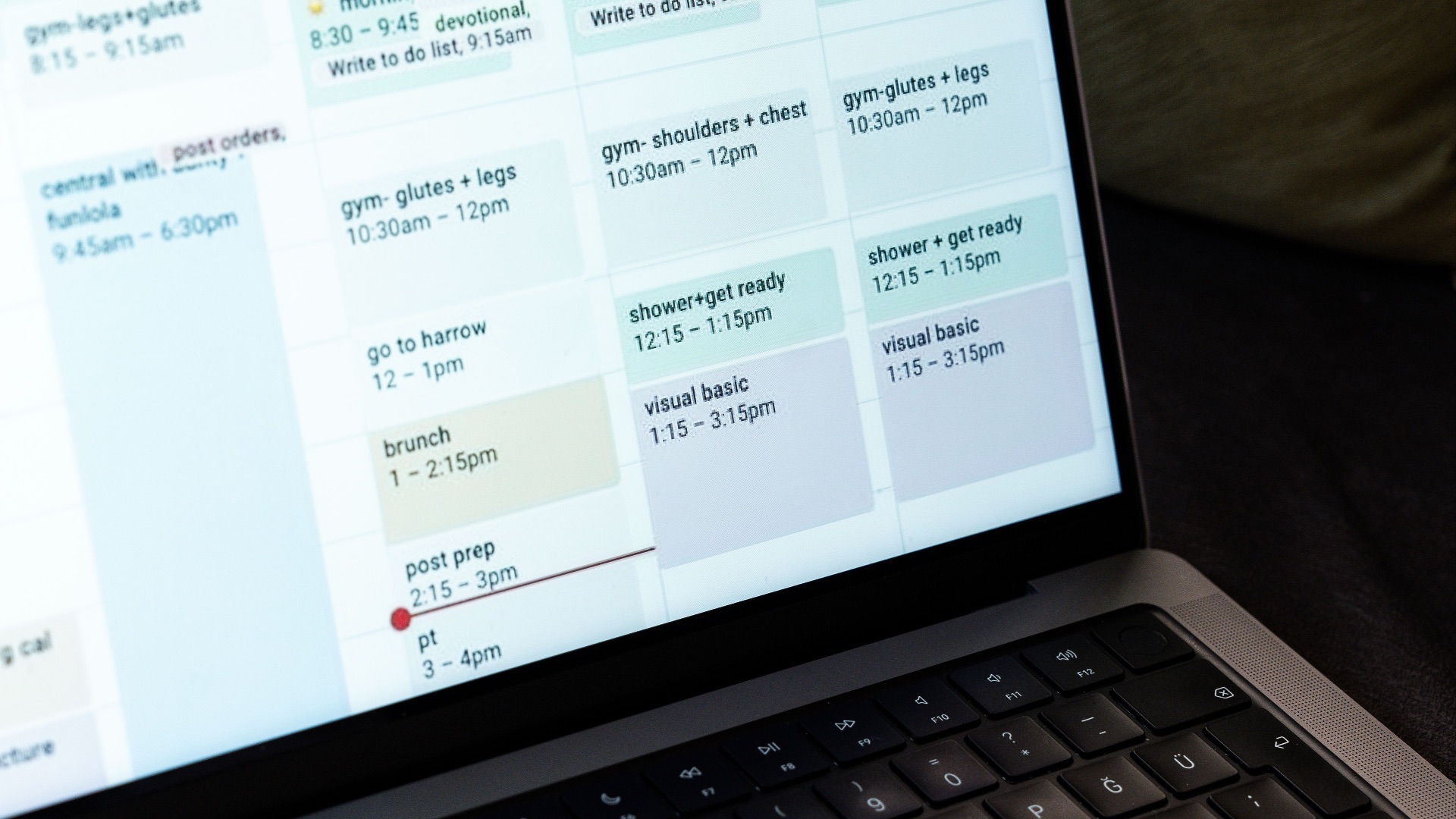
Before you can cut back, you need a clear picture of how much caffeine you're really consuming each day. Keep a log for a week that includes coffee, tea, soda, energy drinks, and even chocolate, since these all contribute to your total intake. This honest assessment often surprises people and gives you a solid baseline to work from as you begin reducing.

2. Taper Gradually Instead of Quitting Cold Turkey
Cutting your caffeine consumption slowly over several weeks is far easier on your body than stopping all at once. Try reducing your daily intake by small increments, such as switching from three cups of coffee to two and a half, then adjusting further every few days. This gradual approach helps your body adjust without triggering severe withdrawal headaches or fatigue.

3. Mix Regular and Decaf Coffee Together
A simple trick many people use is blending decaf grounds with their regular coffee to slowly lower the caffeine content without changing the ritual. You can start with a small ratio of decaf and gradually increase it over time until you've reached your desired level. This method lets you keep the habit and flavor you enjoy while reducing the stimulant effects.

4. Stay Hydrated Throughout the Day
Dehydration can make caffeine withdrawal symptoms feel worse, so increasing your water intake is a simple way to ease the transition. Proper hydration helps flush your system and can reduce headaches, fatigue, and irritability that often accompany caffeine reduction. Keeping a water bottle nearby and sipping consistently throughout the day makes this an easy habit to build.

5. Get More Sleep to Compensate for Lower Energy
Since caffeine is often used to combat tiredness, prioritizing better sleep can help offset the temporary energy dip you'll feel while cutting back. Aim for consistent bedtimes and wake times, and consider going to bed earlier during the adjustment period. Better rest naturally reduces your reliance on stimulants to get through the day.

6. Swap in Herbal Tea or Naturally Caffeine-Free Drinks
Replacing your usual caffeinated beverages with herbal teas, sparkling water, or other flavorful alternatives can help satisfy the habitual craving without the stimulant effects. Many people find that peppermint or chamomile tea provides a comforting substitute during the withdrawal period. This swap keeps your hands and mouth busy while breaking the chemical dependency.

7. Get Moving with Light Exercise
Physical activity, even something as simple as a brisk walk, can naturally boost your energy levels and improve your mood without any caffeine involved. Exercise increases blood flow and releases endorphins, which can help combat the fatigue and irritability that come with cutting back. Incorporating movement into your daily routine gives you a healthier way to fight fatigue than reaching for another cup.

8. Watch Out for Hidden Caffeine Sources
Caffeine isn't just in coffee and energy drinks; it also hides in chocolate, certain medications, and some sodas you might not expect. Reading labels carefully can help you avoid accidentally consuming more caffeine than you realize while trying to cut back. Being aware of these hidden sources ensures your reduction efforts actually pay off.
9. Adjust Your Timing to Avoid Afternoon Slumps
If you're used to reaching for caffeine in the afternoon to combat a slump, try shifting your schedule so your last cup is earlier in the day. This adjustment can improve your sleep quality, which in turn reduces your need for caffeine the following day. Over time, this creates a positive cycle where better sleep lessens your dependency on stimulants.
10. Be Patient with the Withdrawal Process
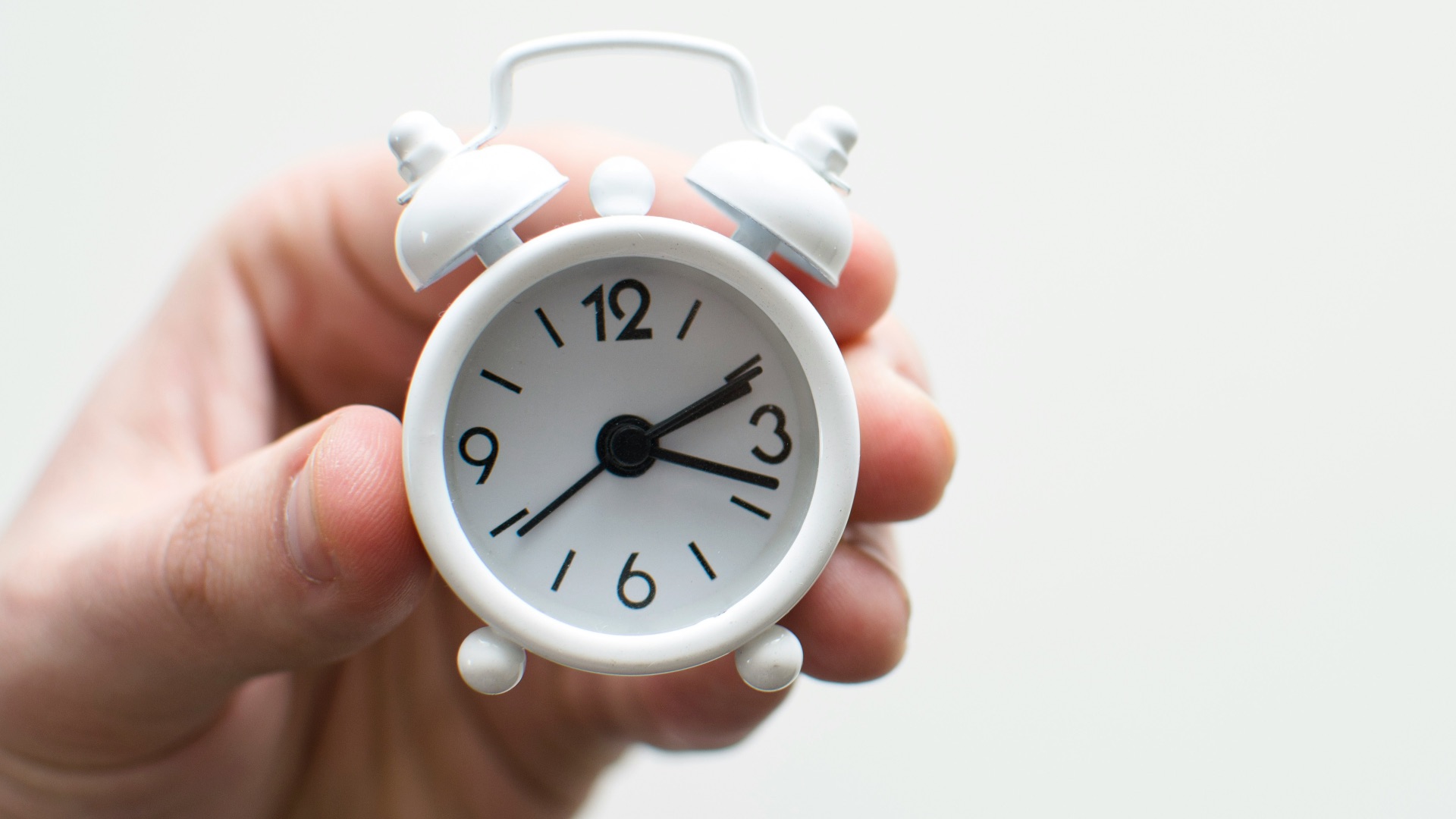
Caffeine withdrawal symptoms typically peak within the first two days and can last up to a week, so give yourself grace during this adjustment period. Headaches, fatigue, and irritability are temporary and will fade as your body recalibrates to functioning without the substance. Remembering that this discomfort is short-lived can help you stay committed to your goal instead of giving up partway through.