When you go grocery shopping, you're likely always tempted to buy in bulk. Why not, right? If you bought two loaves of bread instead of one, or more produce instead of your usual stash, you could save yourself from making repeated trips. Yet, you probably already know this same logic doesn't hold for everything in the store.
As you'll see, some products break down faster than their packaging or their price tag, so buying too much at once really just means you're wasting your own money. If you don't want to make this mistake, think twice about purchasing these three items in bulk.
Eggs
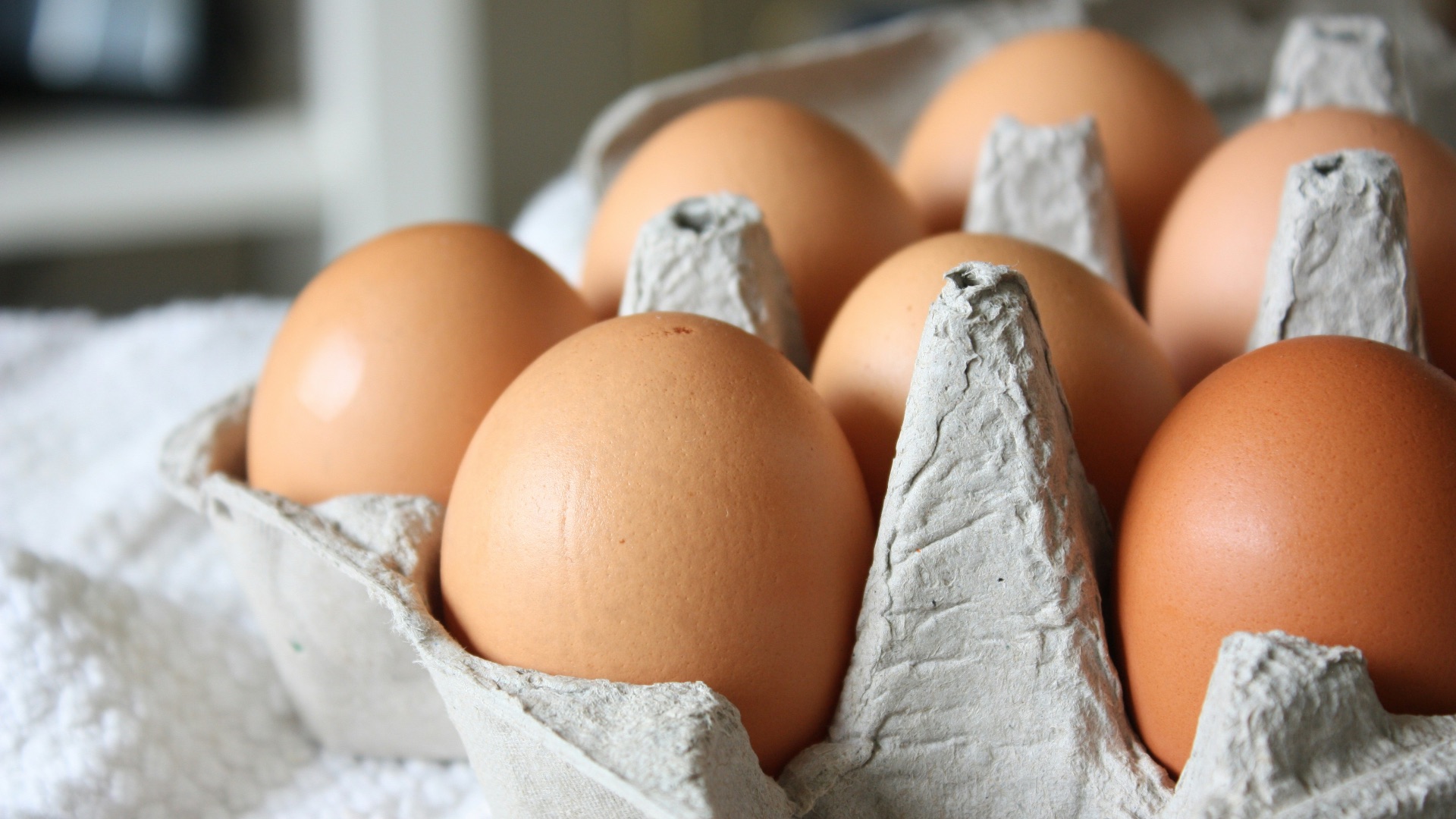
Sorry, but eggs are first on the list. No matter how good an idea it might seem to buy them in bulk, they don't last as long as you think in the refrigerator. On average, eggs are safe in the fridge for three to five weeks, and the sell-by date printed on the carton will often expire before that window closes. Even if that sounds like plenty of time, unless you're eating them daily or need a few for a recipe, you probably won't finish them before they spoil.
With that said, the math only works in your favor if you have the entire household to help finish them. Cooking scrambled eggs for a family of five or six every morning, for example, means you can plow through two or three dozen eggs well within that five-week window without any trouble. A single person or a couple, on the other hand, might not get through them as quickly. Keep in mind, too, that eggs don't just become unsafe once they're old, but they also lose freshness in ways that affect how they cook and taste. No one wants to bite into a rotten egg!
Nuts
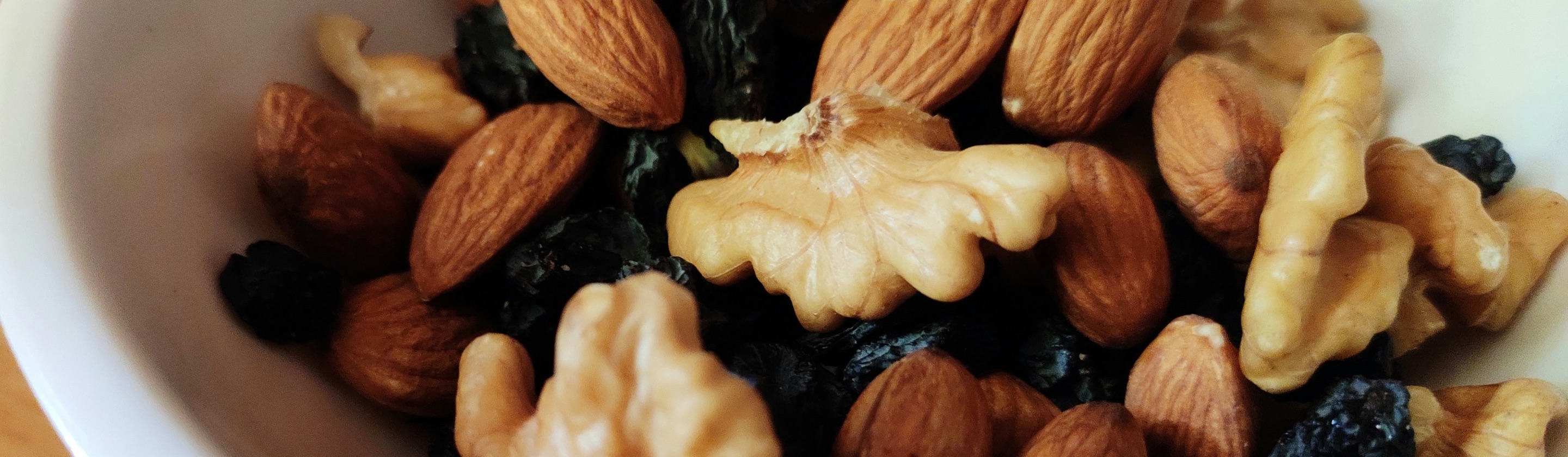
You might be surprised that nuts are on the list. After all, you may think, nuts have a reputation for being a shelf-stable snack, which makes them an easy target for bulk bins and oversized bags at the warehouse store. But here's the issue: since nuts are loaded with unsaturated fats, those fats can start breaking down the moment they're exposed to heat, light, or oxygen. If you leave them at room temperature, they'll only stay fresh for around three months—but that, too, depends on the variety you buy. Thankfully, eating a few rancid nuts won't make you sick (though you shouldn't test out that theory), but it's still not an experience anyone wants after buying a big bag of cashews or almonds.
There is a silver lining, though: refrigeration and freezing can slow the speed at which nuts spoil. Shelled walnuts, for example, can last nine to 12 months in the fridge and up to two years in the freezer, compared to just two to four weeks in a pantry. So, if you want to buy nuts in bulk to save money, your best bet is to split the bag into smaller airtight portions: keep a small amount out for snacking, then freeze whatever you know you won't finish immediately.
Cooking Oil
Cooking oil doesn't come with an obvious spoilage timeline the way eggs or dairy do, but there's still a catch you should be aware of. Once a bottle is opened, the oil will be exposed to oxygen every time you use it, which sets off the same oxidation process that ruins nuts. No matter if you're using vegetable, canola, corn, or peanut oil, they'll need to be replaced about six months after opening—that is, unless you're okay with cooking with rancid oil.
It's important to note, too, that different oils break down at different speeds. While refined oils like canola and vegetable oil, for example, tend to hold up longest, oils higher in polyunsaturated fat, such as flaxseed, walnut, or sesame oil, can start turning bad within six to 12 months even if you store them right. Remember: heat and light speed the whole process up considerably, so never keep a bottle next to the stove. Always keep them stored in a dark, cool place, like your pantry.
At the end of the day, while buying in bulk sounds like the smart thing to do, it only works when the product in question can actually hold up long enough for you to use it. While there are certainly foods out there that can (and should) be purchased in bulk, for anything that breaks down faster than its packaging suggests, it's best to leave it on the shelf, even if buying more might seem like it'll save you more money. In most cases, you should remember that less is more: buying fresh, less frequently, will often save you more money in the long run than a bulk purchase ever will.
KEEP ON READING