10 Ancient Snacks That Sound Good & 10 That Sound Like a Dare
History Was Hungry, Creative, & Occasionally Alarming
Ancient people knew how to snack, though their idea of a casual bite could range from honey cakes to stuffed rodents. Many snacks were simple, practical foods made from grains, fruit, nuts, cheese, olives, and honey, which still sound perfectly inviting today. Others were luxury items, preservation experiments, or status dishes that modern diners might approach with deep caution. Here are 10 ancient snacks that sound tasty and 10 that sound alarming.
 The New York Public Library on Unsplash
1. Roman Stuffed Dates
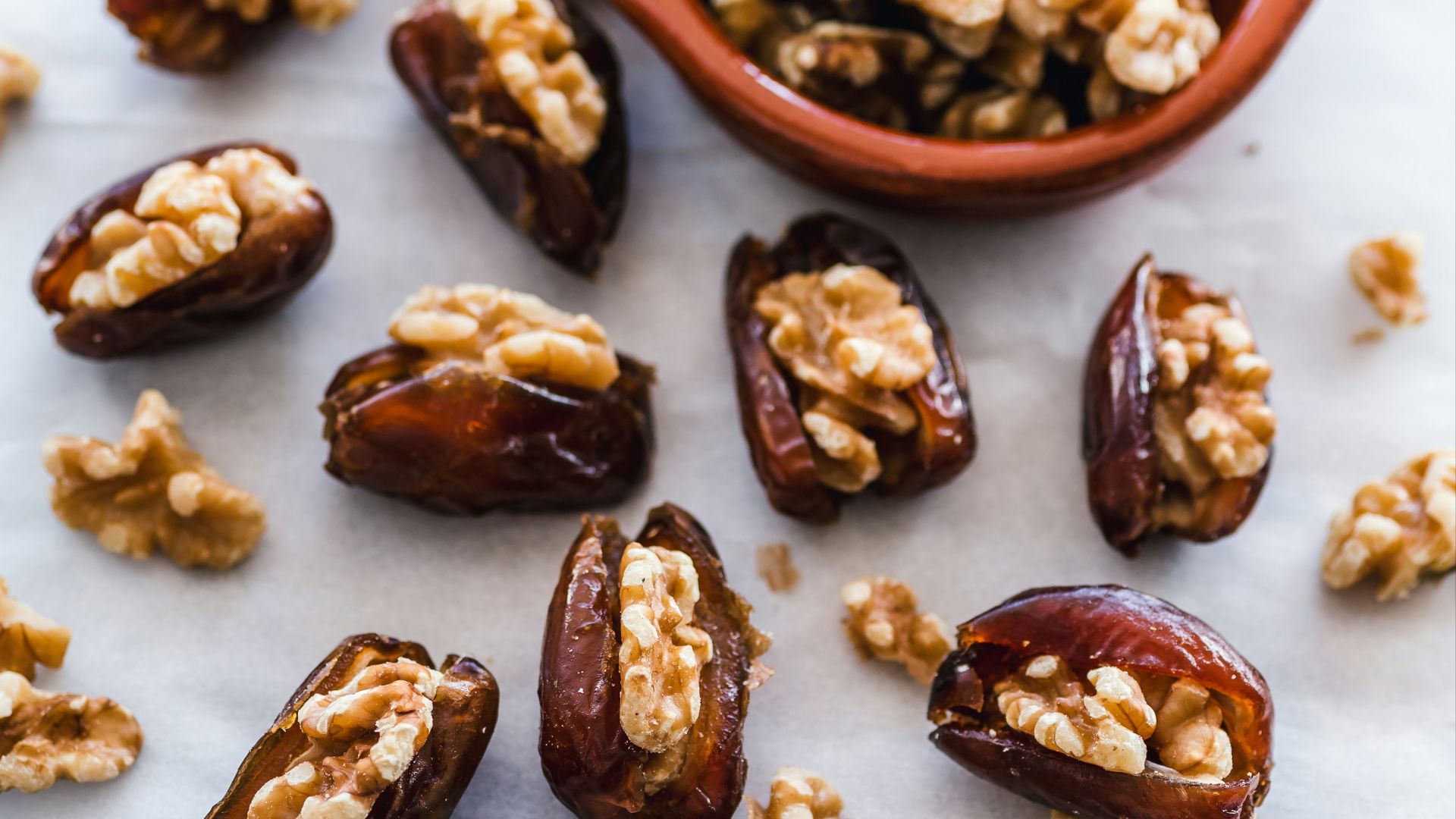
Ancient Roman stuffed dates sound genuinely delicious because they were basically sweet, sticky, and nutty little treats. Recipes inspired by Apicius describe dates filled with nuts, sometimes seasoned with pepper, then coated in honey. That combination of fruit, crunch, spice, and sweetness still feels very snackable today.
2. Greek Barley Cakes
Ancient Greek barley cakes, often called maza, were simple but practical. They were made from barley and could be eaten with ingredients like cheese, honey, dates, or nuts. That makes them sound less like ancient survival food and more like a rustic breakfast someone would charge extra for at a trendy café.
3. Figs & Olives
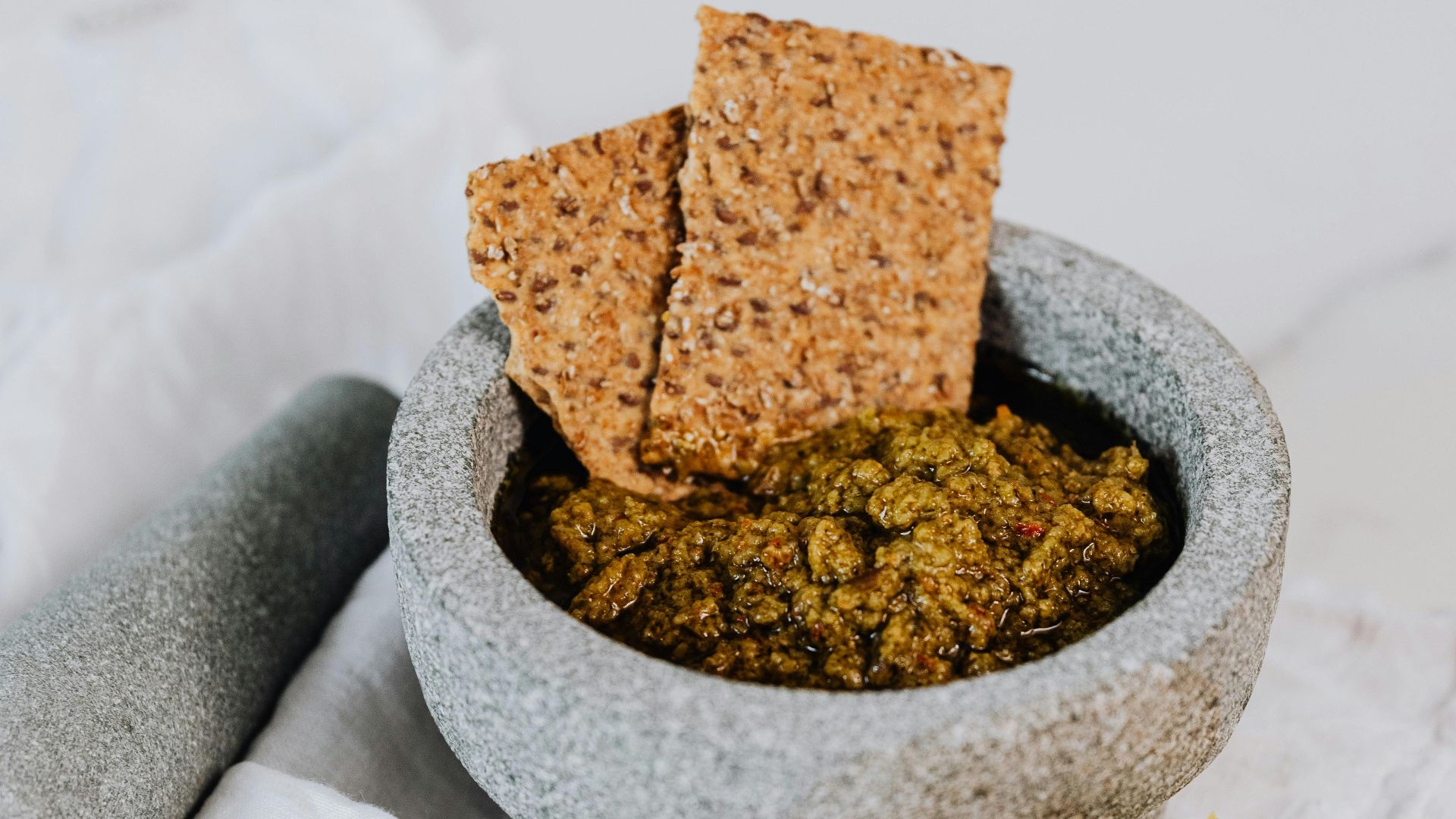
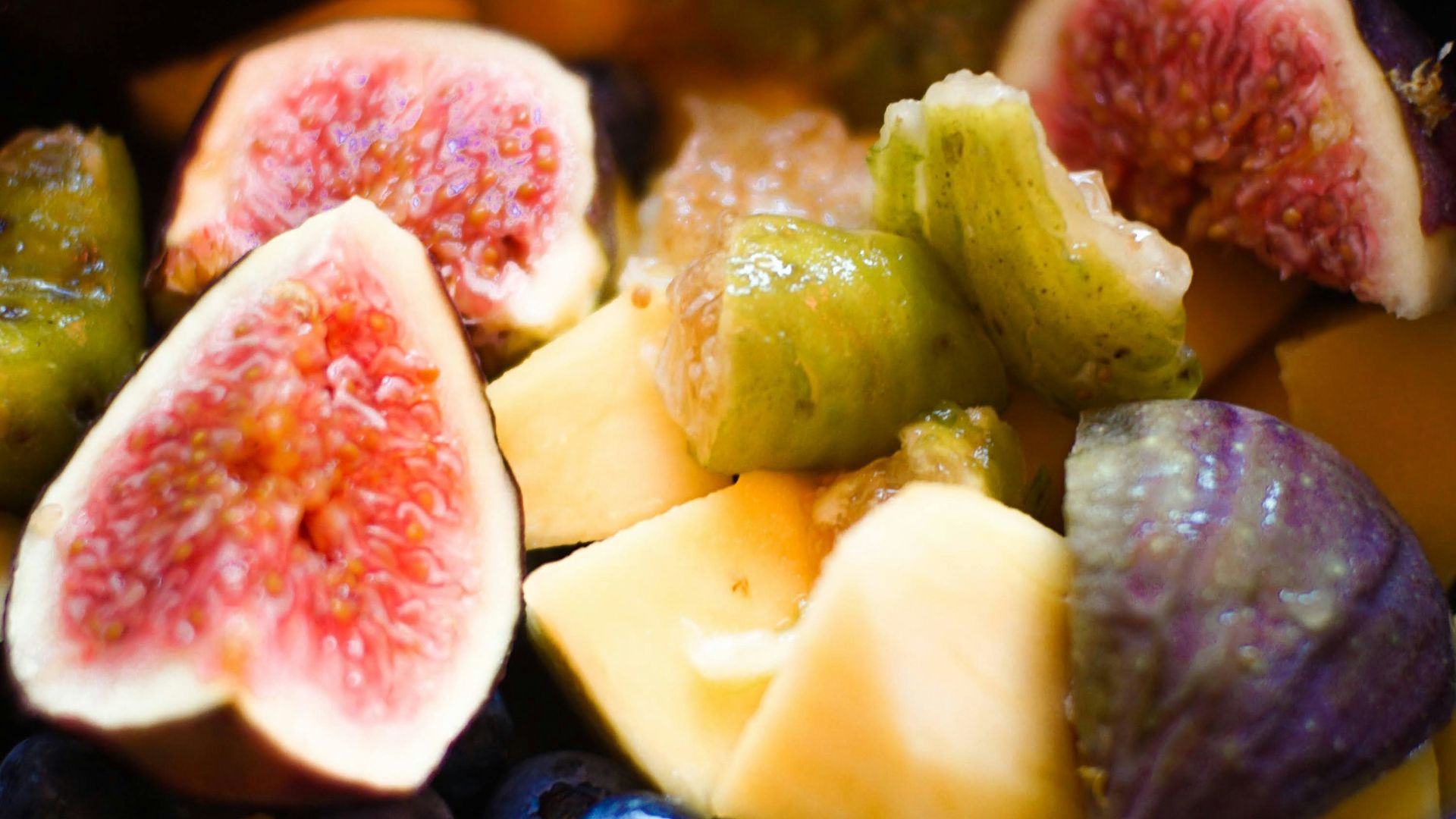
Figs and olives were everyday favorites in the ancient Mediterranean. Ancient Greek meals often included simple foods like bread, figs, olives, cheese, and wine, depending on class and region. Sweet figs and salty olives still make perfect sense together, especially if you’re grazing rather than sitting down to a formal meal.
4. Egyptian Bread With Onions
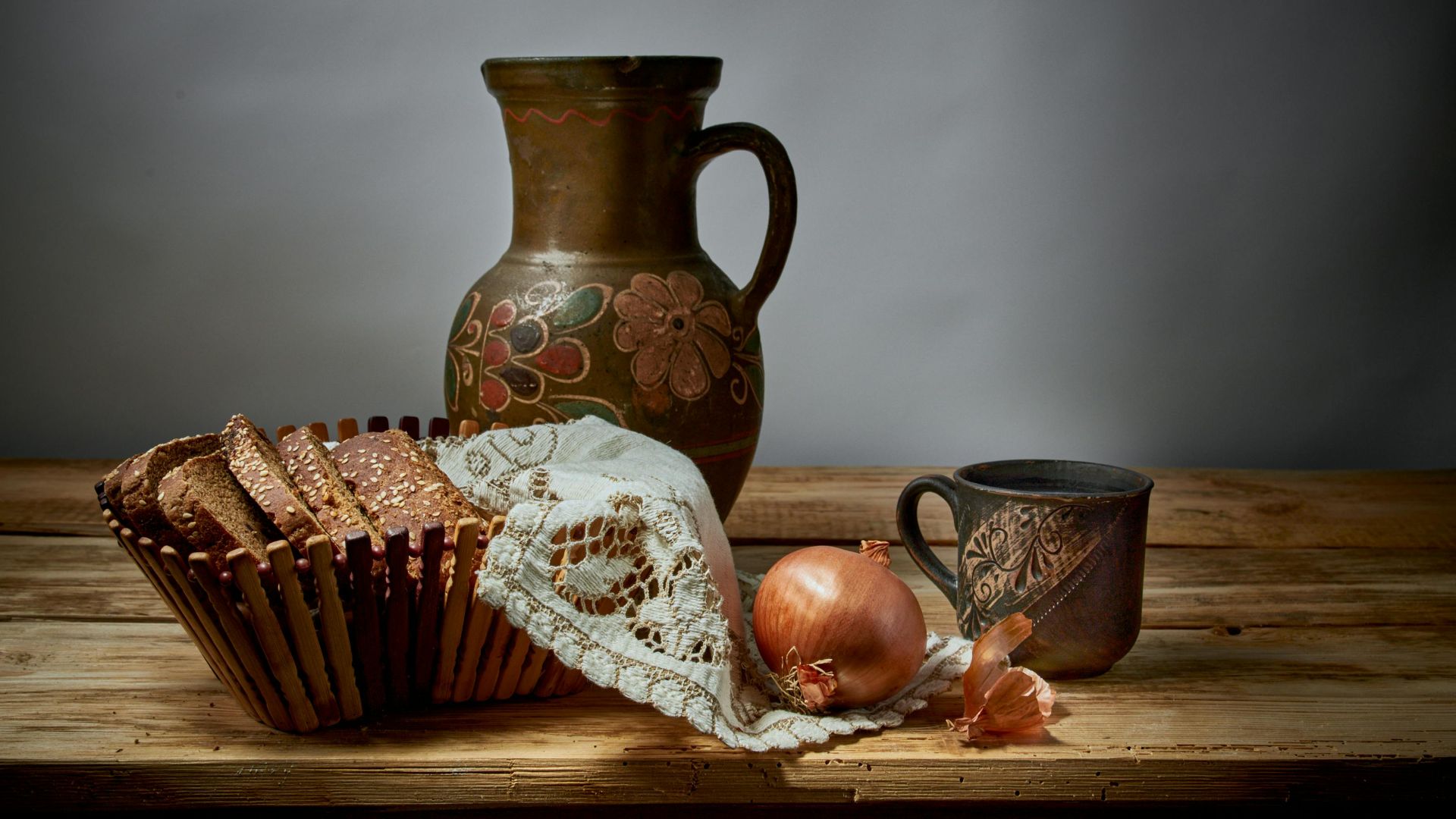
Ancient Egyptians relied heavily on bread, beer, and vegetables, including onions and other produce. A chunk of bread with green onions may sound plain, but it’s easy to imagine it being satisfying after a long day of work. It had crunch, sharpness, and enough substance to keep people going.
5. Honey Cakes
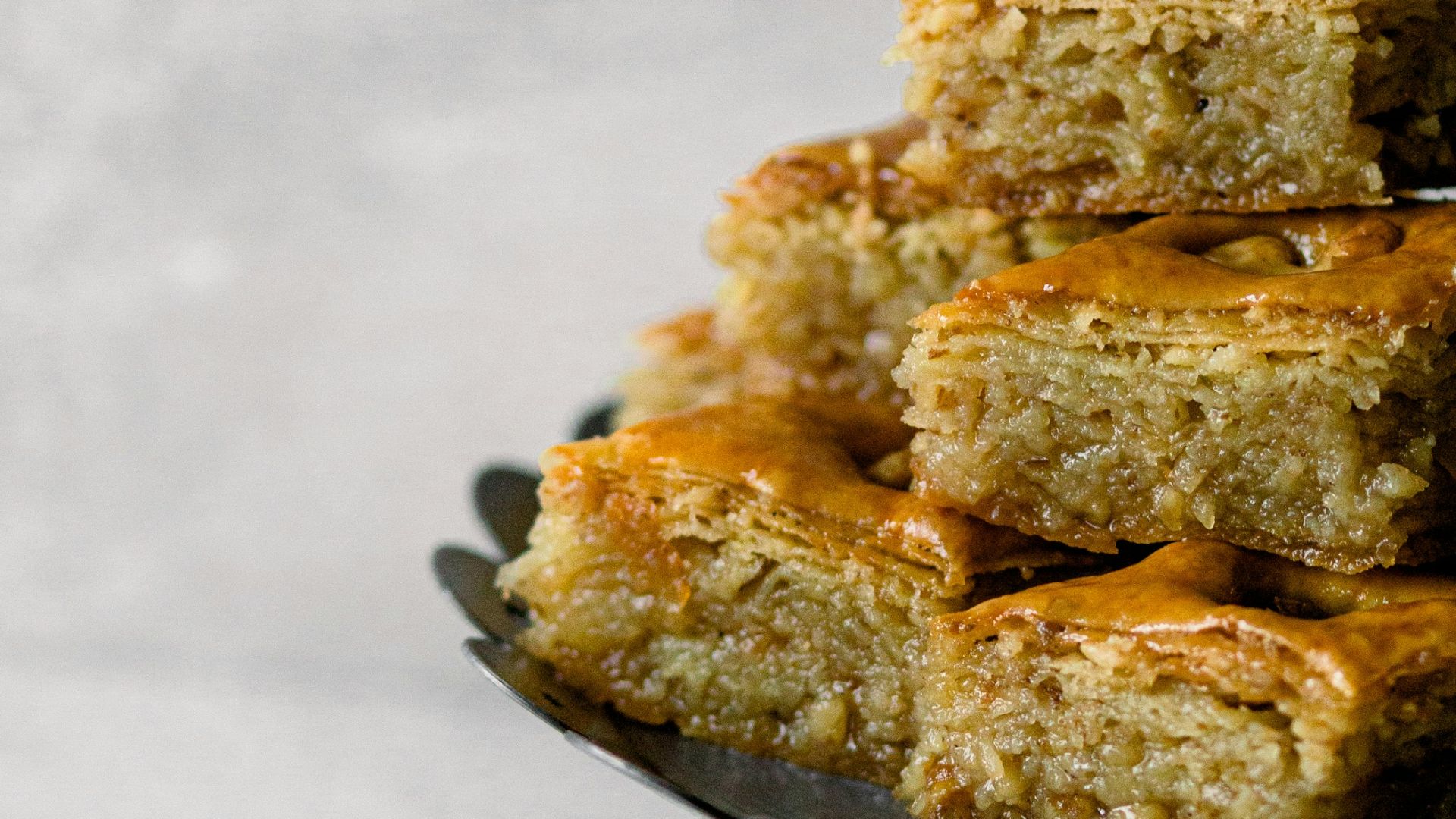
Honey-sweetened cakes and pastries were enjoyed in ancient Greece and Rome. Without refined sugar, honey brought the sweetness, while grains, nuts, and cheese could make the snack more filling. No matter who's making them, ancient honey cakes sound delightful.
6. Dates & Nuts
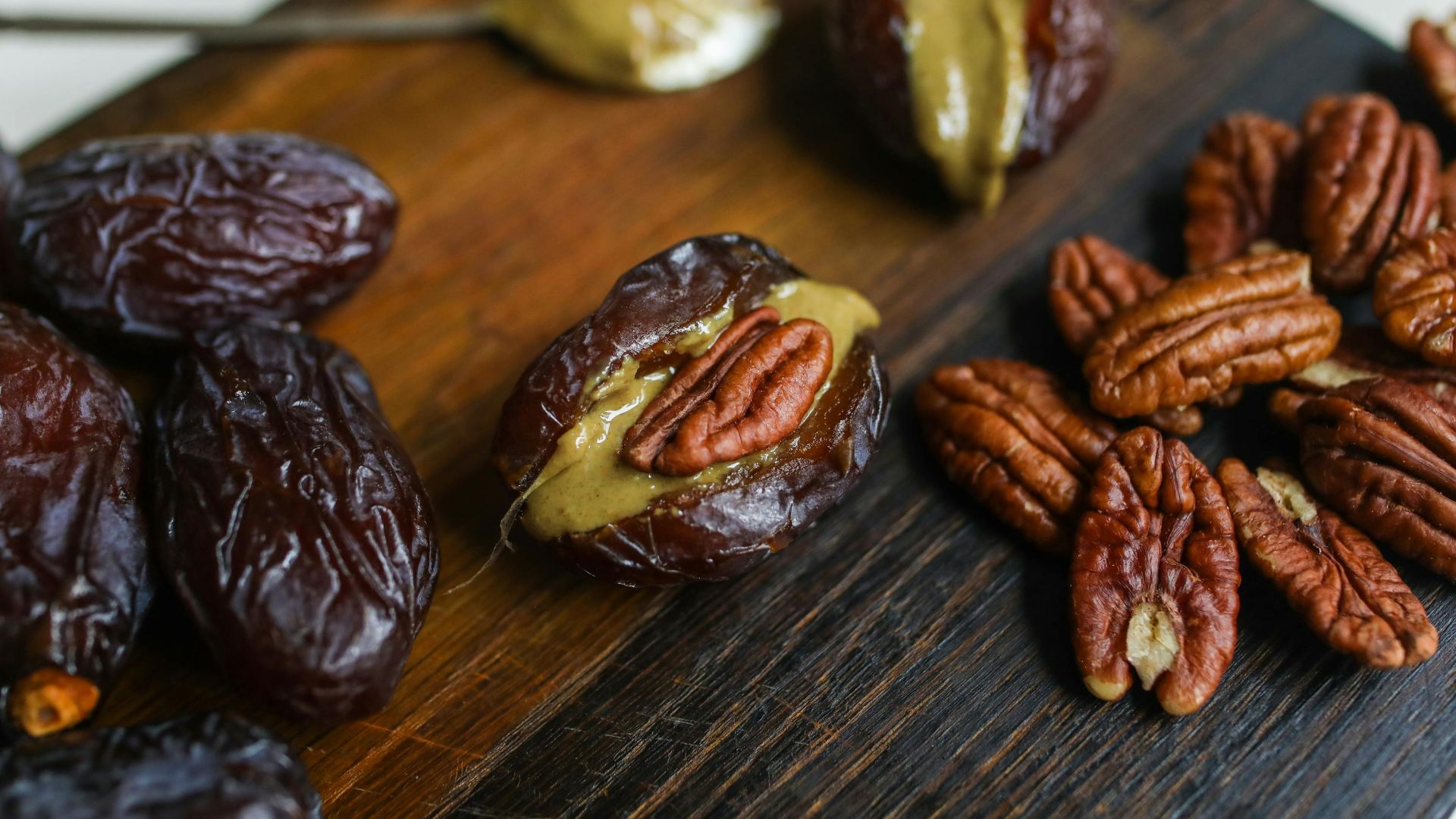
Dates and nuts were portable, energy-rich, and available across many ancient food cultures. They were easy to eat by hand, which is important when your snack has to travel without a plastic wrapper and a barcode. Sweet fruit and fatty nuts also made a practical pairing for people who needed quick calories.
7. Cheese With Bread
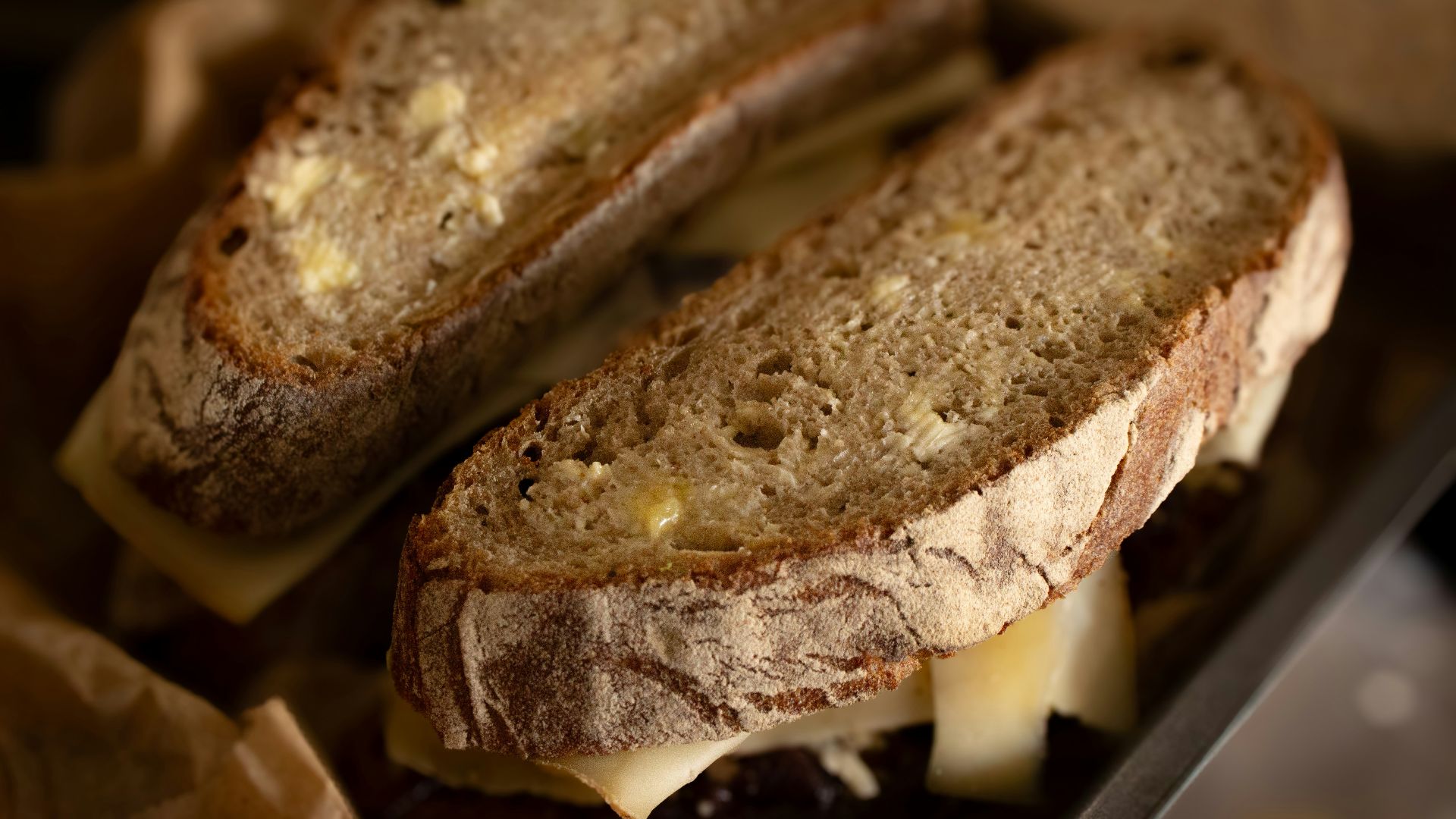
Cheese and bread are about as timeless as snacking gets. Ancient Greeks ate dairy products, including cheese, and paired simple foods with grains in everyday meals. The appeal isn't hard to understand, because bread plus cheese remains one of humanity’s more reliable decisions.
8. Roasted Chickpeas
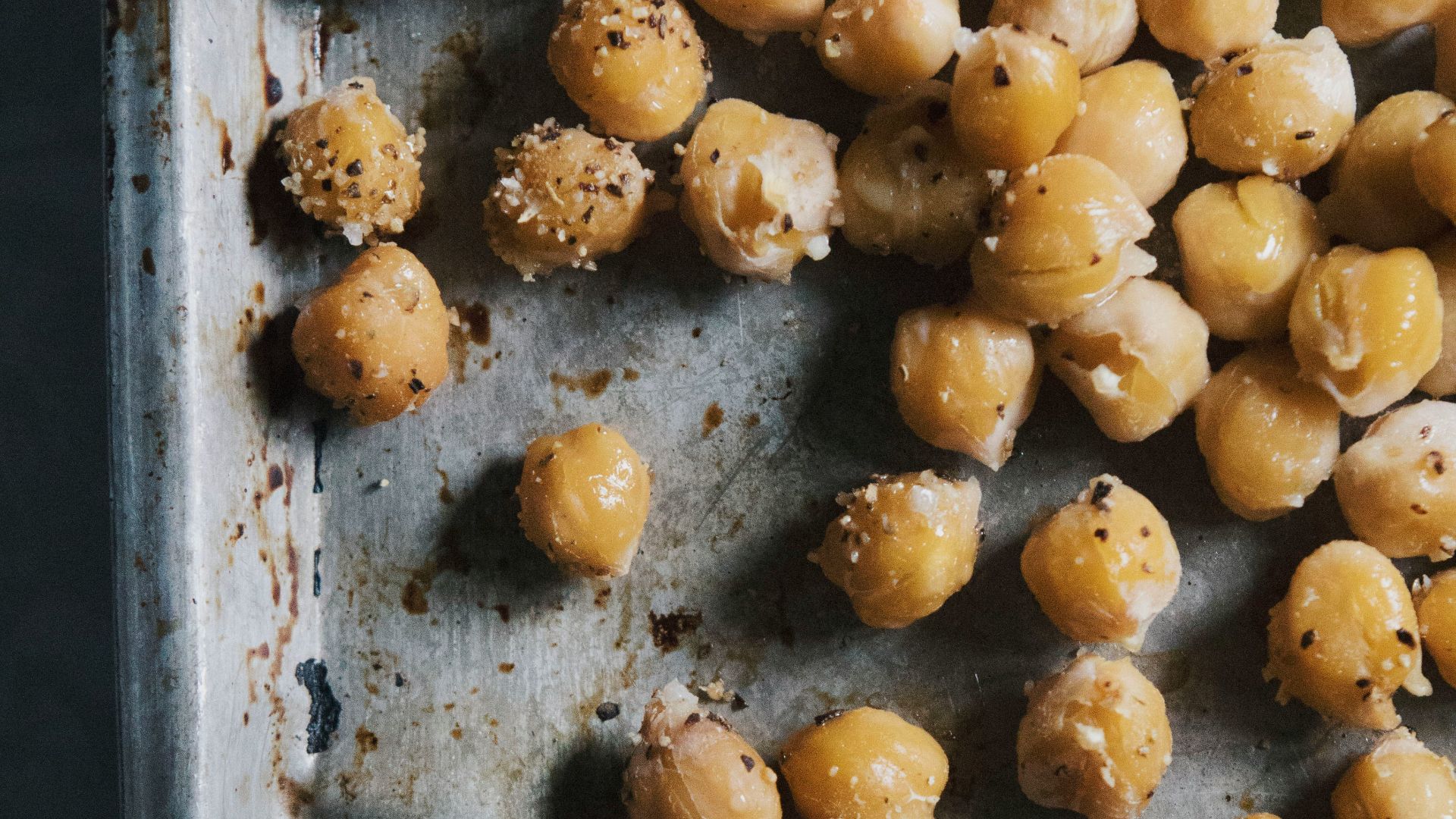
Legumes were important in ancient Mediterranean diets, and roasted chickpeas make perfect sense as a crunchy snack. They’re filling, simple, and easy to season with salt or spices. Modern snack aisles have basically rediscovered the concept and placed it in a resealable bag.
9. Fresh Grapes
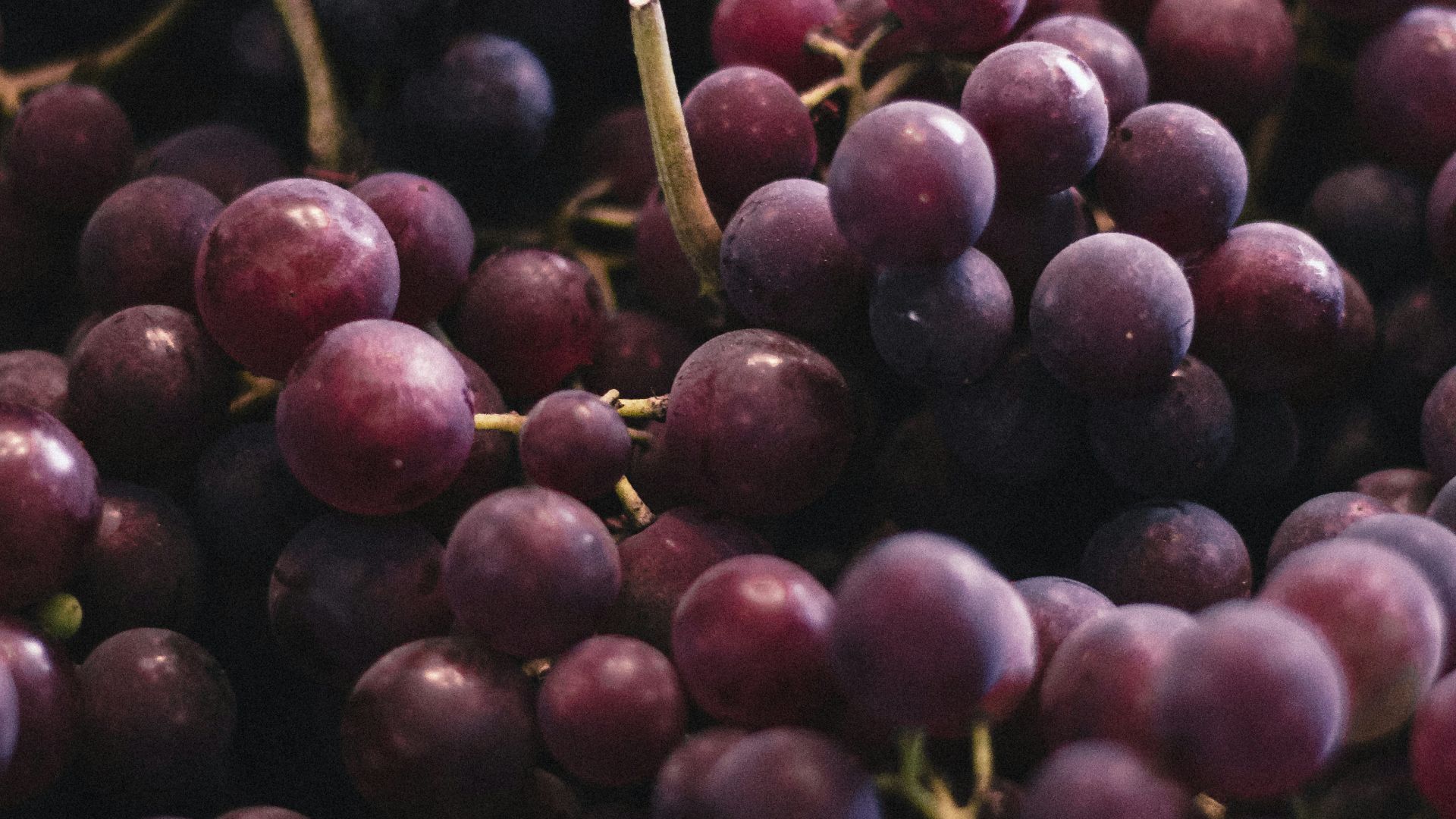
Grapes were a major part of ancient Mediterranean agriculture and food culture. Sure, many of them were destined for wine, but fresh grapes also made an easy snack. They’re sweet, refreshing, and require no cooking, which is always a nice quality in food.
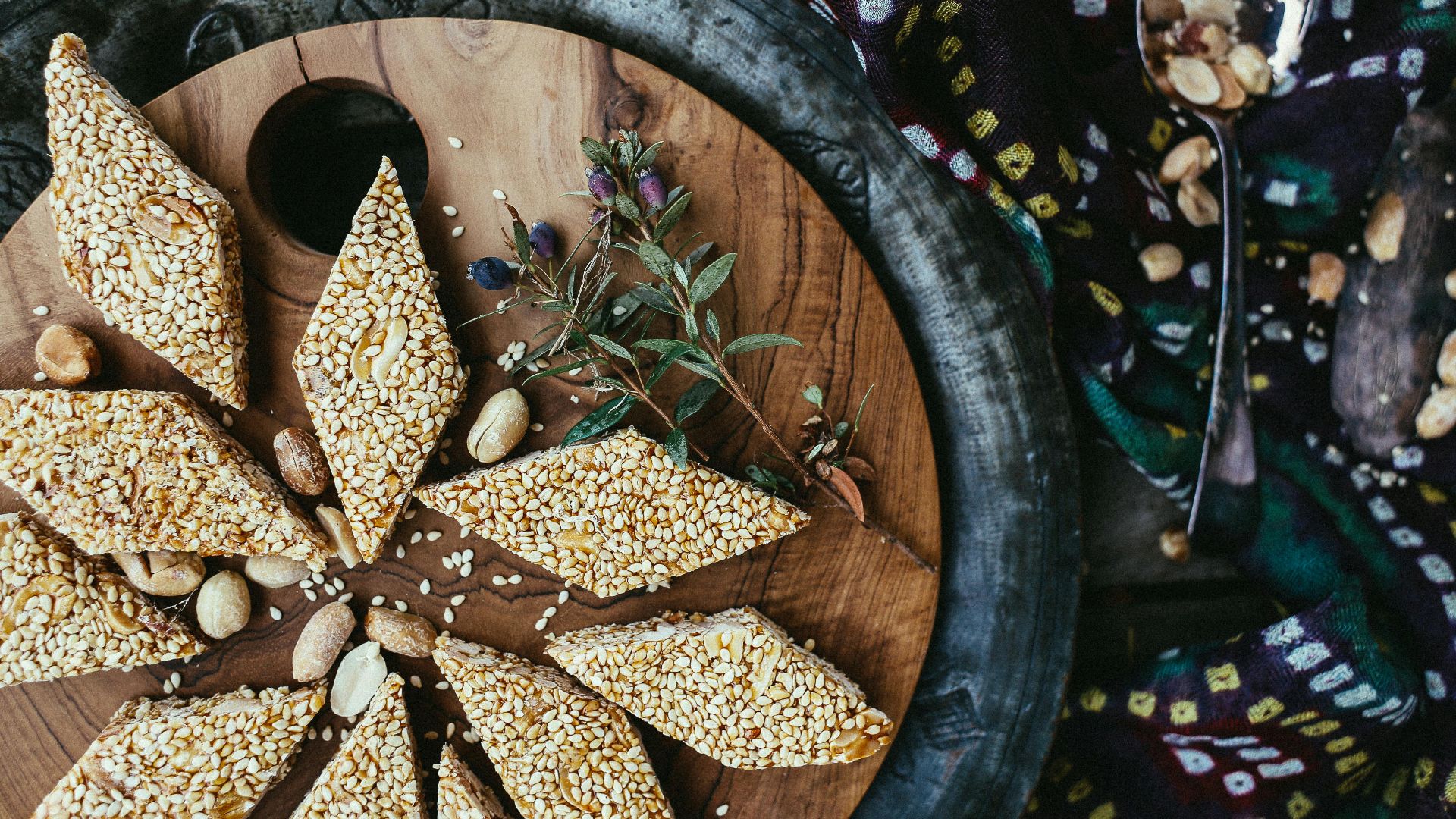
10. Sesame & Honey Treats
Sesame and honey treats have ancient roots and still appear in various forms around the Mediterranean and Middle East. The combination is nutty, sweet, chewy, and pleasantly simple. It also travels well, which would have made it useful long before modern snack bars showed up, looking very impressed with themselves. This one sounds less like ancient food and more like a very sensible dessert.
Now that we've talked about the ancient snacks we'd still be down for, let's cover the ones that are a little more questionable.
1. Stuffed Dormice
Stuffed dormice were a real Roman delicacy, especially among wealthy diners. Ancient Romans even fattened edible dormice in special containers called gliraria before cooking them, and some recipes describe them stuffed with other meats like pork. It may have been popular back then, but for most modern diners, a meaty little bite-sized rodent doesn't sound like an ideal snack at all.

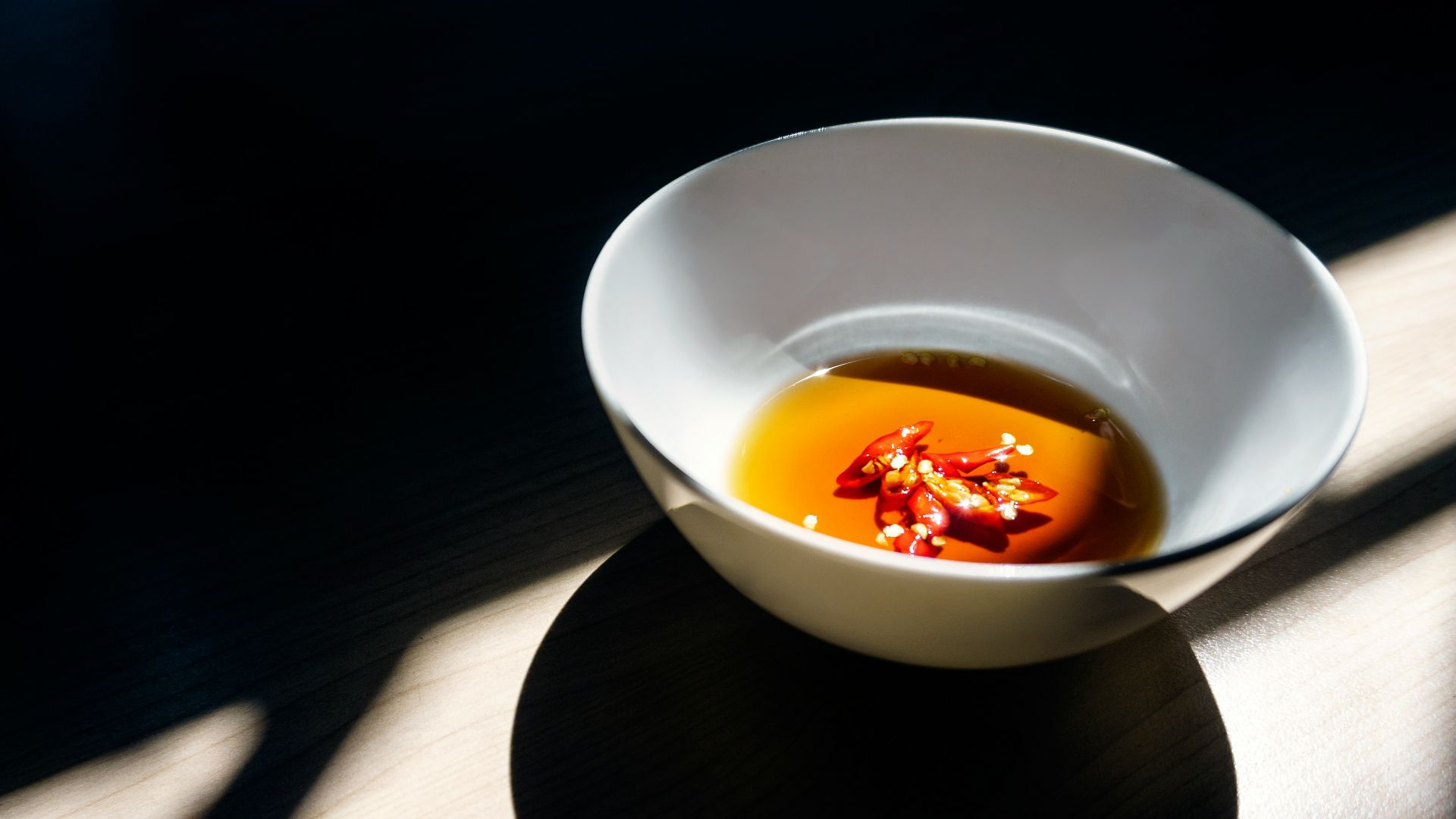
2. Garum-Dipped Anything
Garum was a fermented fish sauce beloved by ancient Romans. It added salty, savory flavor to all kinds of foods, but the idea of fermented fish liquid can be a lot for modern noses to process. To be fair, many cuisines today use fermented fish sauces beautifully, so the flavor idea isn’t as strange as it sounds, but still, if someone says “ancient Roman fish sauce snack,” you may want a very small first bite.
3. Flamingo Tongue
Flamingo tongue was considered a delicacy among wealthy ancient Romans, which tells you about Roman luxury dining. It was rare, expensive, and prized partly because serving it showed off just how far a host could go to impress guests. Someone really looked at an exotic bird, wondered what its tongue would taste like, and it actually caught on.

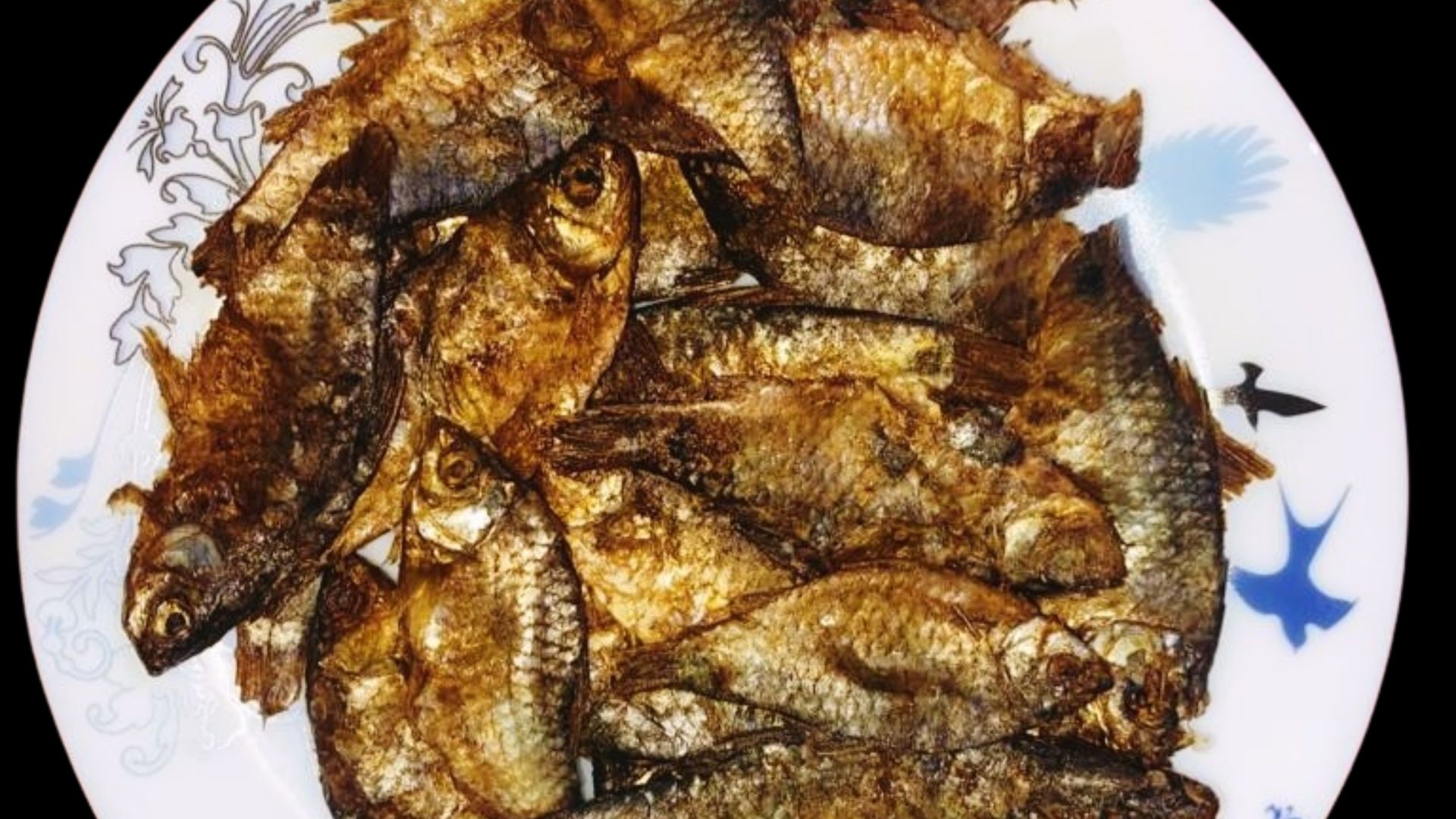
4. Fermented Fish
Fermented fish was a practical preservation method in several ancient societies. It could be salty, pungent, and intensely flavored, which is great if you enjoy snacks that announce themselves from across the room. Preservation mattered before refrigeration, so the logic is easy to respect. The smell, however, would be difficult to stomach even to adventuraous eaters in the modern world.
5. Roasted Locusts
Roasted locusts and other insects have been eaten in many parts of the world for a very long time. They’re protein-rich, portable, and practical, which makes them much more reasonable than modern squeamishness admits. Still, a bowl of roasted insects would feel like a dare to plenty of people today, no matter how much seasoning you add.

6. Sow’s Womb
Ancient Roman elite dining could get adventurous, and sow’s womb appears in discussions of unusual Roman foods. It was one of those luxury items that signaled wealth, access, and a willingness to make dinner guests talk. From a nose-to-tail perspective, it fits the ancient habit of using the whole animal, but from a modern appetizer perspective, it would need a very persuasive menu description.

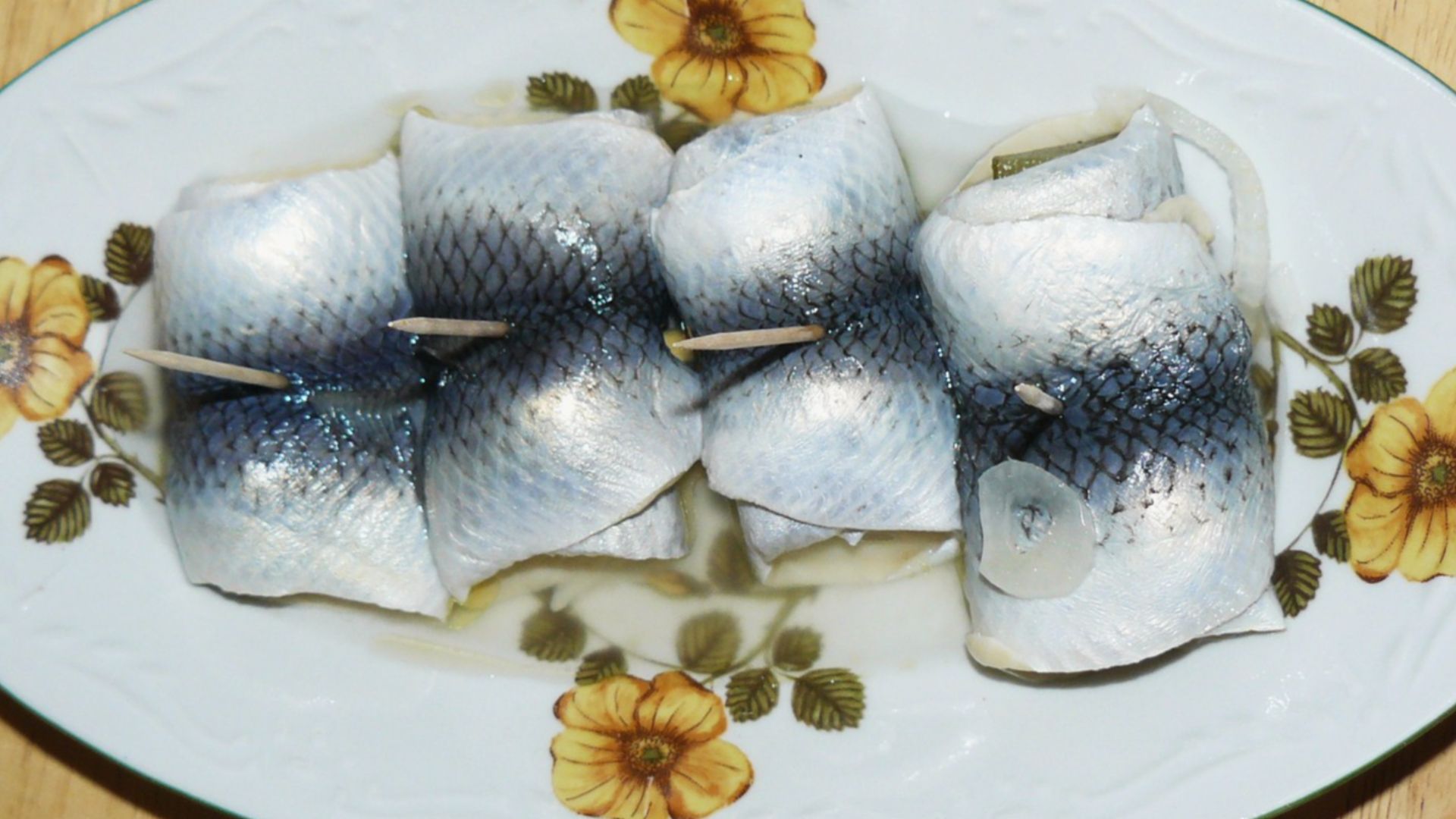
7. Fish Pickled in Brine
Salted and brined fish helped ancient people preserve food for longer periods. The idea is practical, especially in coastal regions where fish could be abundant but spoil quickly. The final snack, though, could be extremely salty and intense by modern standards.
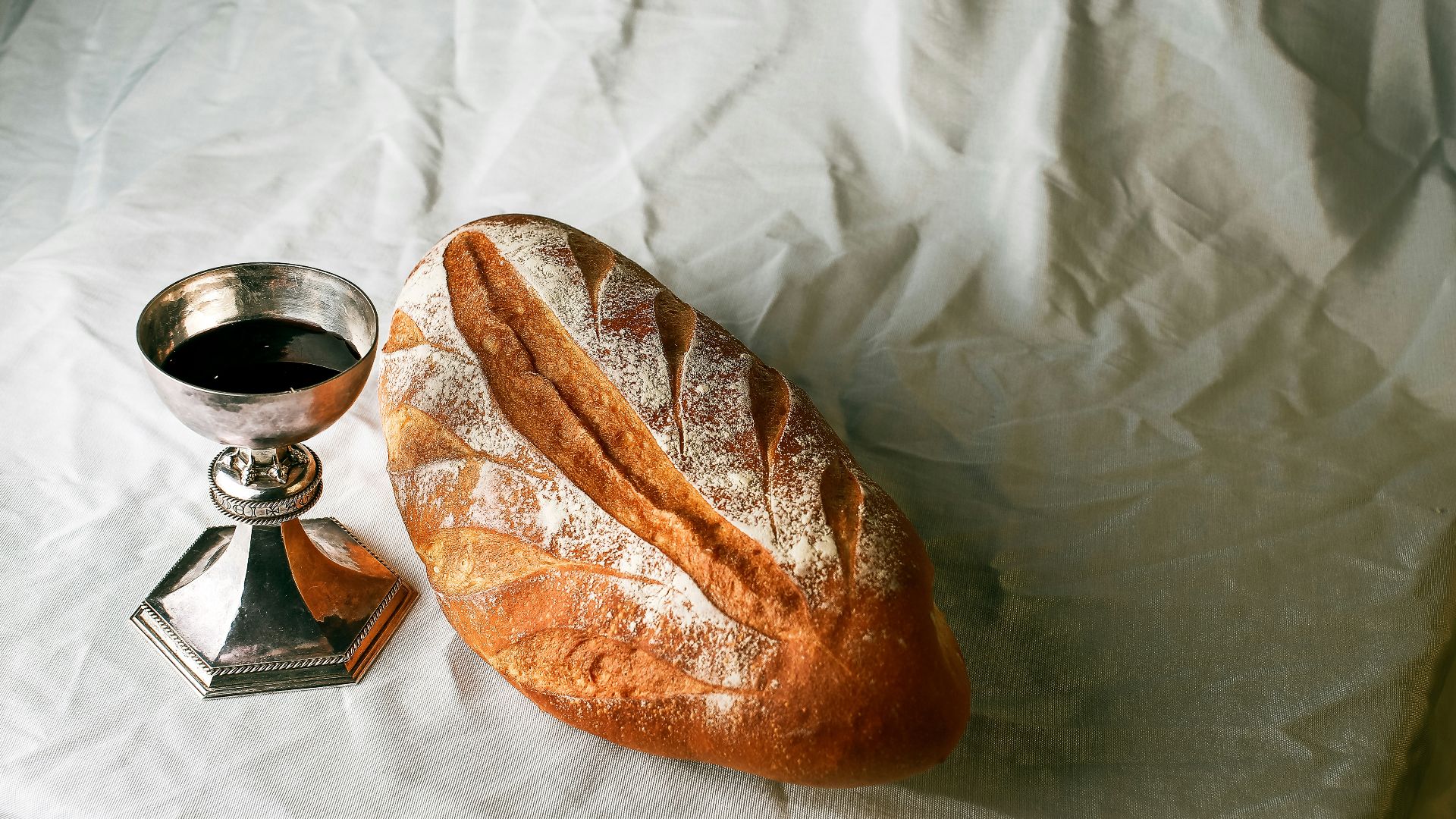
8. Barley Bread Dipped in Wine
Ancient Greek breakfasts could include barley bread dipped in wine. It was a simple and frugal meal, sometimes accompanied by figs or olives. The bread part is perfectly normal, but the breakfast wine may raise modern eyebrows.
9. Curdled Milk Snacks
Before refrigeration and modern dairy processing, people used fermentation and curdling to make milk last longer. That gave ancient diets cheeses, yogurts, and sour dairy products that could be delicious when done right, but the line between “cultured dairy” and just eating spoiled milk can feel thin to modern eyes.
10. Vinegar-Soaked Bread
Crusty bread dipped in a little balsamic vinegar is delicious, but that's not what we're talking about here. Roman soldiers and laborers sometimes consumed simple sour drinks and rough foods that could involve vinegar, water, and bread-like staples. Bread soaked in sharp liquid might have been practical, refreshing, or just what was available, but it doesn't sound very joyful.
KEEP ON READING
20 Food-Related Art Projects