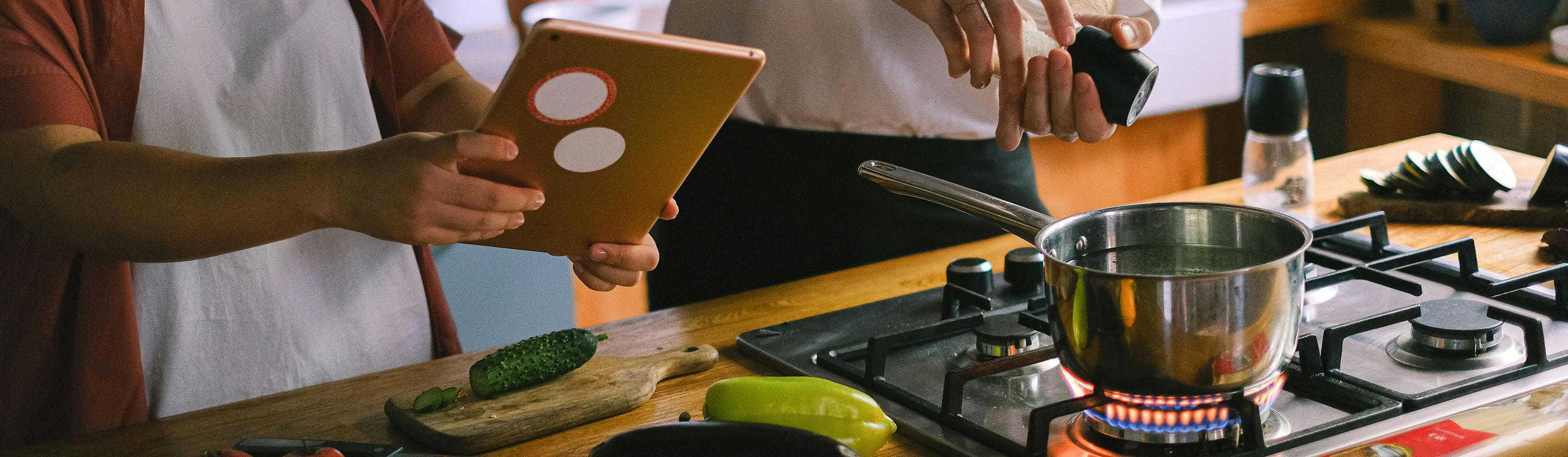
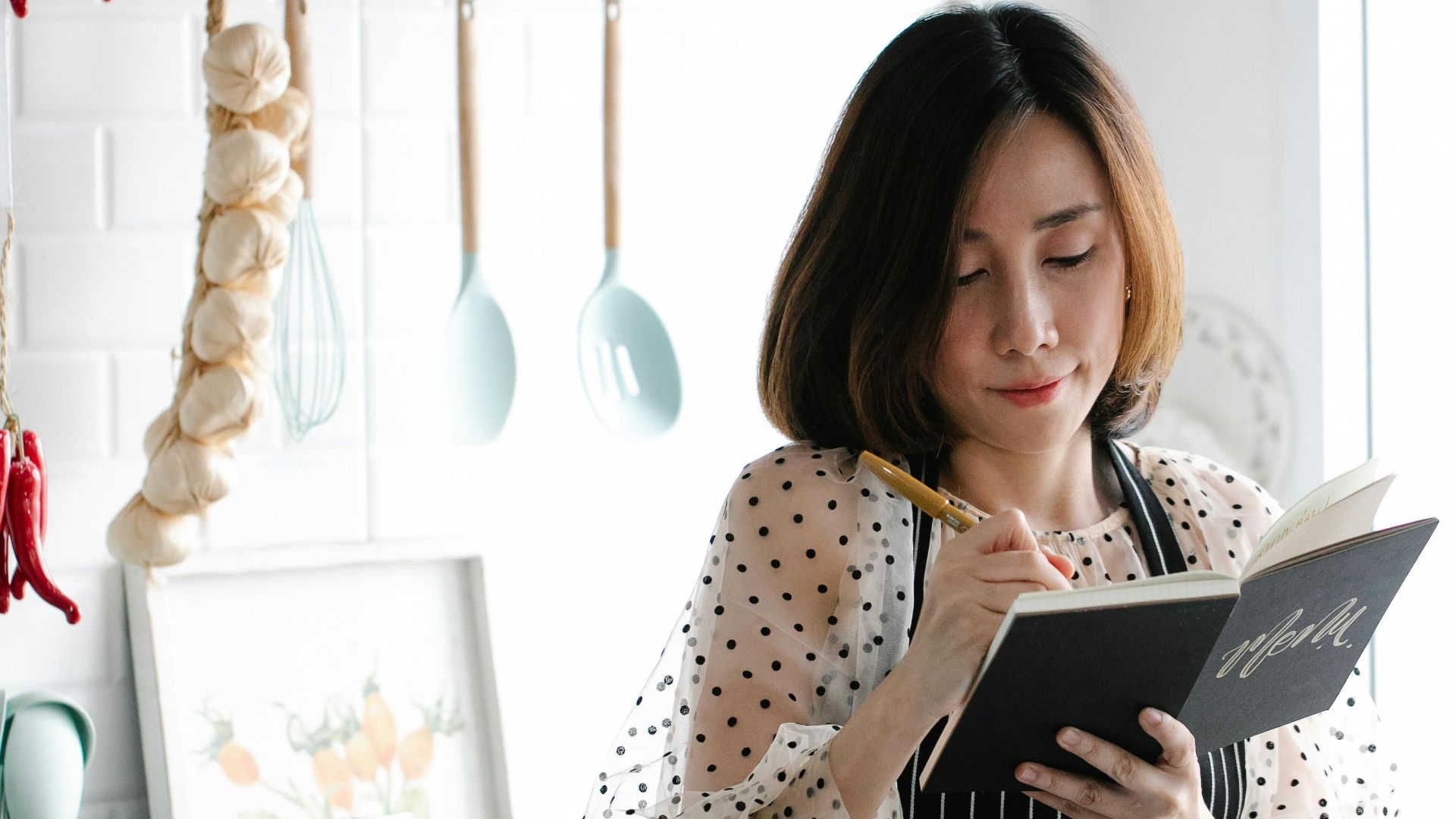
Cooking without a recipe can seem intimidating when you’ve spent years relying on measurements and step-by-step instructions. Many home cooks assume experienced chefs simply memorize hundreds of dishes, but that usually isn’t true. Most confident cooks rely more on instincts, observation, and understanding ingredients than on strict written guidance. They learn patterns that repeat across different meals and cuisines instead of depending entirely on exact instructions every single time. Once you understand those patterns, cooking starts feeling much more flexible and far less stressful.
Recipes are useful for learning techniques and flavor combinations, yet depending on them too heavily can make cooking feel rigid. The moment an ingredient is missing or a meal doesn’t match the instructions exactly, people often lose confidence quickly. Learning how food behaves allows you to adapt naturally instead of treating every small change like a disaster. That adaptability becomes especially useful when working with leftovers, seasonal ingredients, or limited pantry options at home.
Learn How Flavor Balance Actually Works
Most successful dishes depend on balancing a few core elements like salt, acid, fat, sweetness, and texture. Salt enhances flavor, acid brightens heavy foods, and fat gives meals richness and body. Once you understand those relationships, fixing bland or unbalanced dishes becomes much easier without needing exact instructions. A soup that tastes dull may only need lemon juice or vinegar rather than additional spices or seasoning blends. Understanding flavor balance helps you solve cooking problems calmly instead of guessing randomly and hoping for improvement.
Acidic ingredients like vinegar, tomatoes, citrus juice, or yogurt often solve problems people mistakenly try fixing with extra seasoning alone. A rich soup may simply need brightness, while a sharp sauce can become smoother with butter or olive oil. Understanding those adjustments helps you react naturally while cooking instead of panicking when something tastes slightly off. Fat also affects texture and mouthfeel in ways many beginner cooks underestimate during meal preparation.
Tasting constantly is one of the most valuable habits you can build in the kitchen. Ingredient quality changes depending on freshness, season, brand, and preparation, so recipes can’t perfectly predict what every dish will need. Sampling food regularly trains your palate to notice when meals feel too salty, too flat, too rich, or lacking balance before serving them. Frequent tasting also helps you recognize how flavors change as ingredients continue cooking together over time.
Focus On Techniques Instead Of Memorizing Dishes
People who cook confidently without recipes usually think in terms of techniques rather than individual meals. Once you understand roasting, sautéing, boiling, searing, steaming, or braising, those methods apply to countless ingredients and cuisines. That flexibility makes cooking feel far less restrictive because you’re working from skills instead of memorized directions.
Heat control is another major part of recipe-free cooking that many beginners underestimate. High heat creates browning and crisp edges, while lower heat allows ingredients to soften gradually without drying out or burning. Paying attention to smell, color, and texture helps you decide when to adjust the temperature instead of relying entirely on timers.
Meal structures can also simplify improvisation dramatically. Soups, stir-fries, pasta dishes, grain bowls, tacos, and omelets all follow flexible patterns that allow endless ingredient substitutions. Once you recognize those structures, you can create satisfying meals from whatever ingredients happen to already be available in your kitchen.
Trust Your Senses More Than Measurements
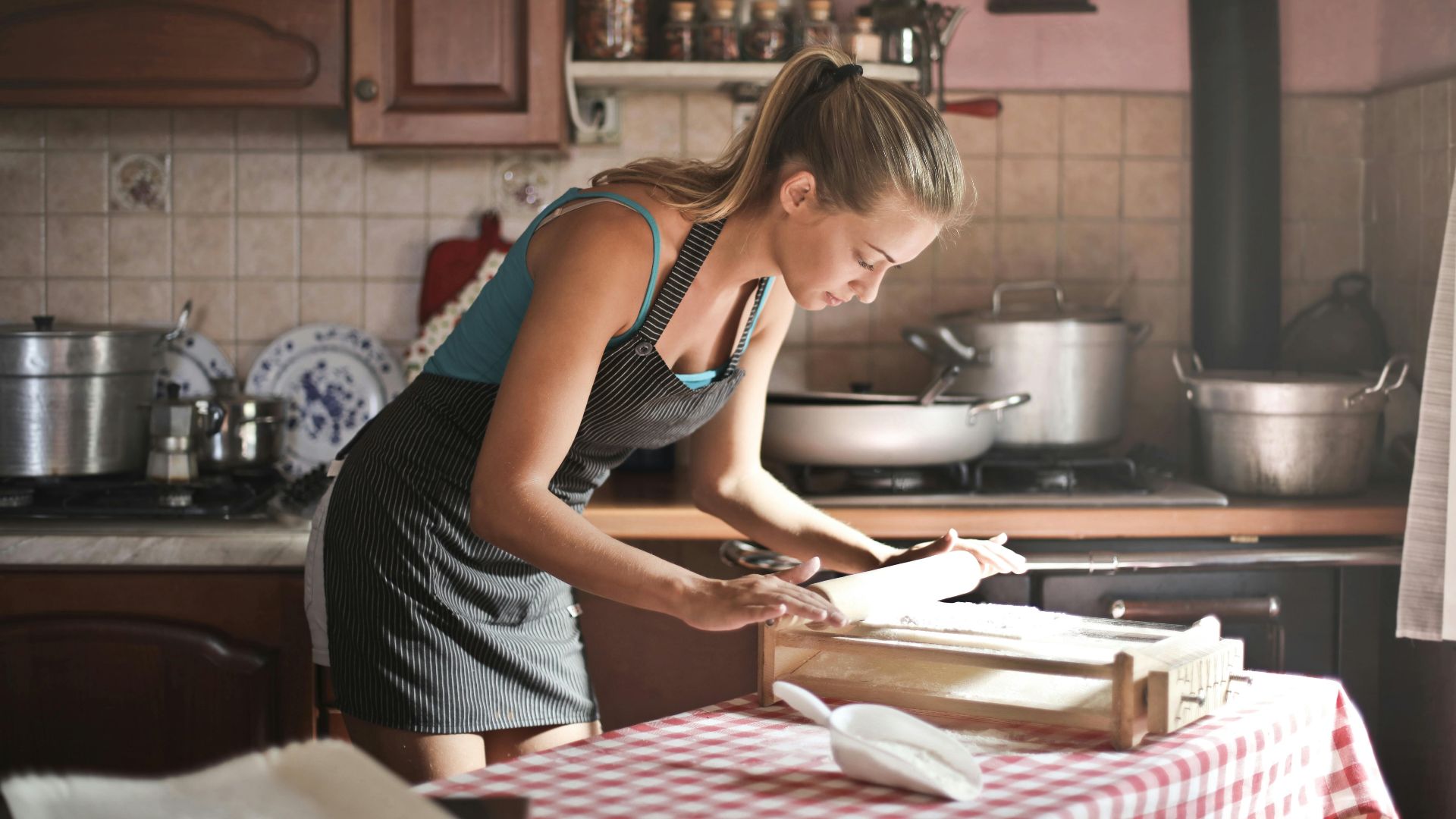
Your senses often provide more reliable guidance than exact measurements ever can. Garlic becomes fragrant before burning, onions deepen in sweetness as they brown, and toasted spices release stronger aromas as their oils warm up. Recognizing those sensory changes helps you respond naturally during cooking instead of waiting for a timer to tell you what’s happening. Smell is especially useful because it often warns you about problems before food becomes visibly overcooked or burnt.
Visual cues matter just as much as smell during the cooking process. Pancake batter forms bubbles before it’s ready to flip, roasted vegetables darken as sugars caramelize, and meat changes firmness as it cooks through. Those details help you make smarter decisions even when your equipment, ingredients, or kitchen setup differs from someone else’s recipe.
Texture also reveals whether dishes are progressing properly. Pasta should usually stay slightly firm, bread dough should feel elastic after kneading, and vegetables often taste better with some structure remaining instead of complete softness. The more attention you pay to texture, smell, and appearance, the more natural cooking without recipes starts to feel over time.
Cooking freely doesn’t mean abandoning recipes forever or pretending mistakes won’t happen occasionally. It means understanding food well enough to adapt confidently when circumstances change or ingredients aren’t available. Once you stop treating recipes as strict rules and start seeing them as flexible guides, cooking becomes far more creative, practical, and enjoyable in everyday life.
KEEP ON READING
10 Most Hated Foods in the Entire World