What to Do When You're Choking
Uh-oh, you ate your lunch too fast and now you feel the large bite lodged in your throat. What do you do? Choking on food is surprisingly common, yet it's one of those things that most people never think or worry about until an emergency happens. By then, every second counts. You might not know it, but certain habits and health conditions (such as distracted eating and neurological disorders) can make some people far more vulnerable than others. You don't want to be clueless and panicking if this ever happens to you or a loved one, so here are the most common choking risks you should be aware of, and what to do when it happens.

1. Taking Oversized Bites
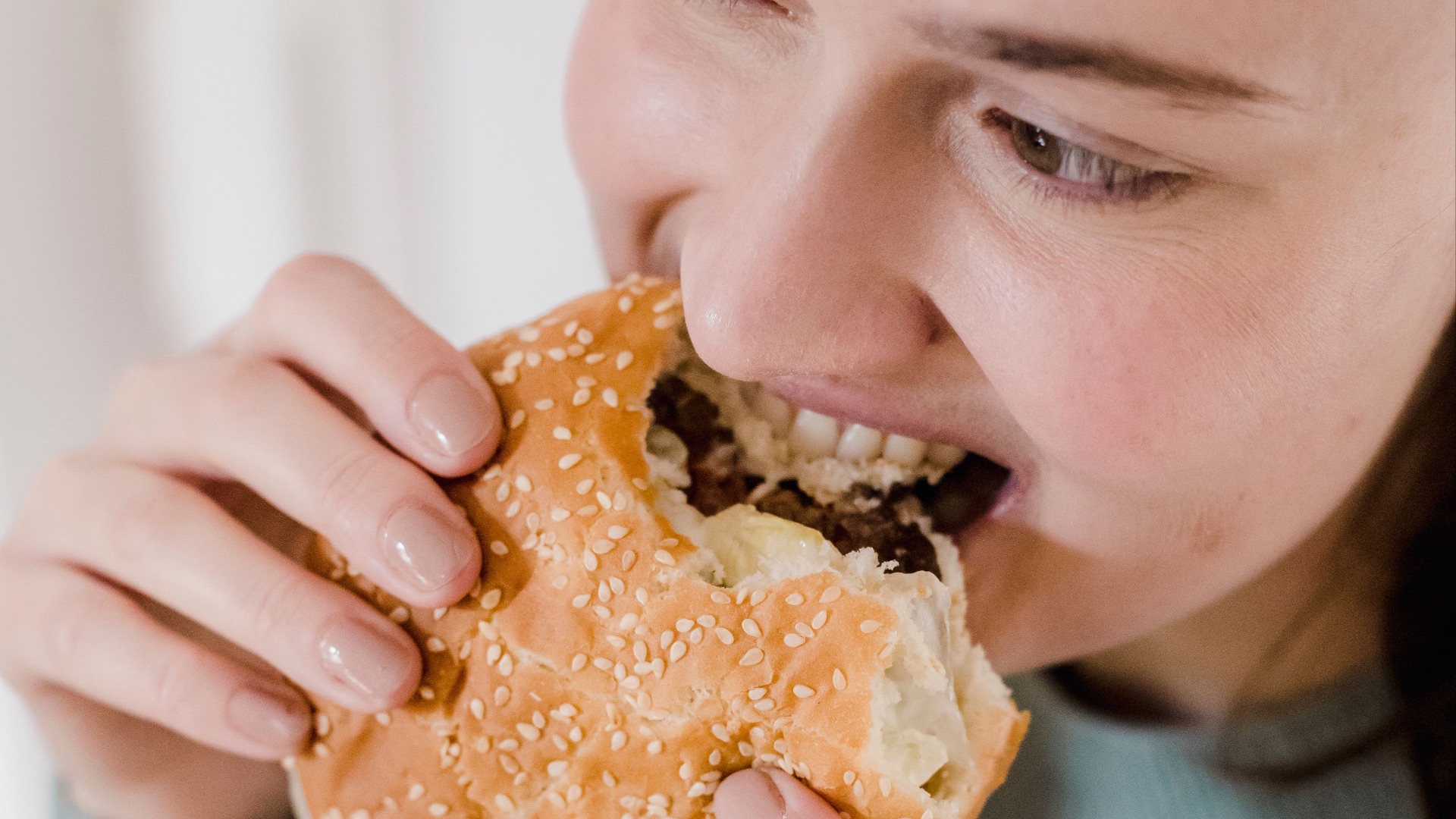
It's tempting to shove in a big forkful when you're hungry, but bites that are too large for your mouth to chew properly are one of the leading causes of choking in adults. When a chunk of food is too big, it can't be broken down adequately before you swallow, and it's far more likely to lodge in the throat on its way down. Cutting your food into smaller, manageable pieces before eating is one of the simplest and most effective ways to lower your risk.
2. Eating While Distracted
Scrolling through your phone, watching TV, or getting caught up in a conversation while eating is more dangerous than it might seem. When your attention isn't on the act of swallowing, your coordination between breathing and swallowing can easily fall out of sync, increasing the odds of something going down the wrong way. Focusing on your meal, even just for a few minutes, can make a real difference.

3. Talking or Laughing While Chewing
Sharing a funny story over dinner sounds harmless, but combining chewing with talking or laughing at the same time creates a coordination issue in the throat. Your body has to manage both breathing and swallowing simultaneously, and doing so while your mouth is moving in multiple directions introduces unnecessary risk. It's worth making a habit of swallowing before you speak, no matter how good the story is.

4. Eating Too Quickly
Rushing through meals significantly raises the likelihood of choking. When you eat fast, you're less likely to chew food thoroughly, and pieces that are still too large can catch in the throat before you've had a chance to notice. Slowing down and taking your time between bites isn't just better for digestion; it's a meaningful safety measure.

5. Drinking Alcohol Before or During Meals
Alcohol affects your body's swallowing mechanism and dulls the gag reflex, both of which are critical for safe eating. Even a moderate amount of alcohol can impair the coordination required to move food from your mouth to your stomach without incident. If you're drinking with a meal, it's especially important to be mindful of how quickly and how much you're eating.

6. Advanced Age
As people get older, the gag reflex naturally becomes less responsive, and the muscles involved in swallowing can weaken over time. Older adults are also more likely to have dental issues that affect how well food is chewed, which compounds the risk further. For elderly individuals, paying close attention to food textures and portion sizes is a particularly important part of staying safe at the table.

7. Neurological and Swallowing Disorders
Certain medical conditions, including Parkinson's disease, stroke, and other neurological disorders, can directly affect a person's ability to swallow properly. These conditions disrupt the coordination of the throat muscles, making it much harder to move food safely through the airway. People living with these diagnoses are at a significantly elevated risk of choking and should work with their healthcare team on safe eating strategies.

8. Eating Certain High-Risk Foods
Some foods are more prone to causing choking than others, particularly those that are round, sticky, or hard to break apart. Items like whole grapes, hard candies, nuts, chunks of meat, and raw vegetables are among the most frequently cited culprits, especially for children. Being aware of which foods carry a higher risk and preparing them accordingly can go a long way toward prevention.

9. Giving Food to Young Children
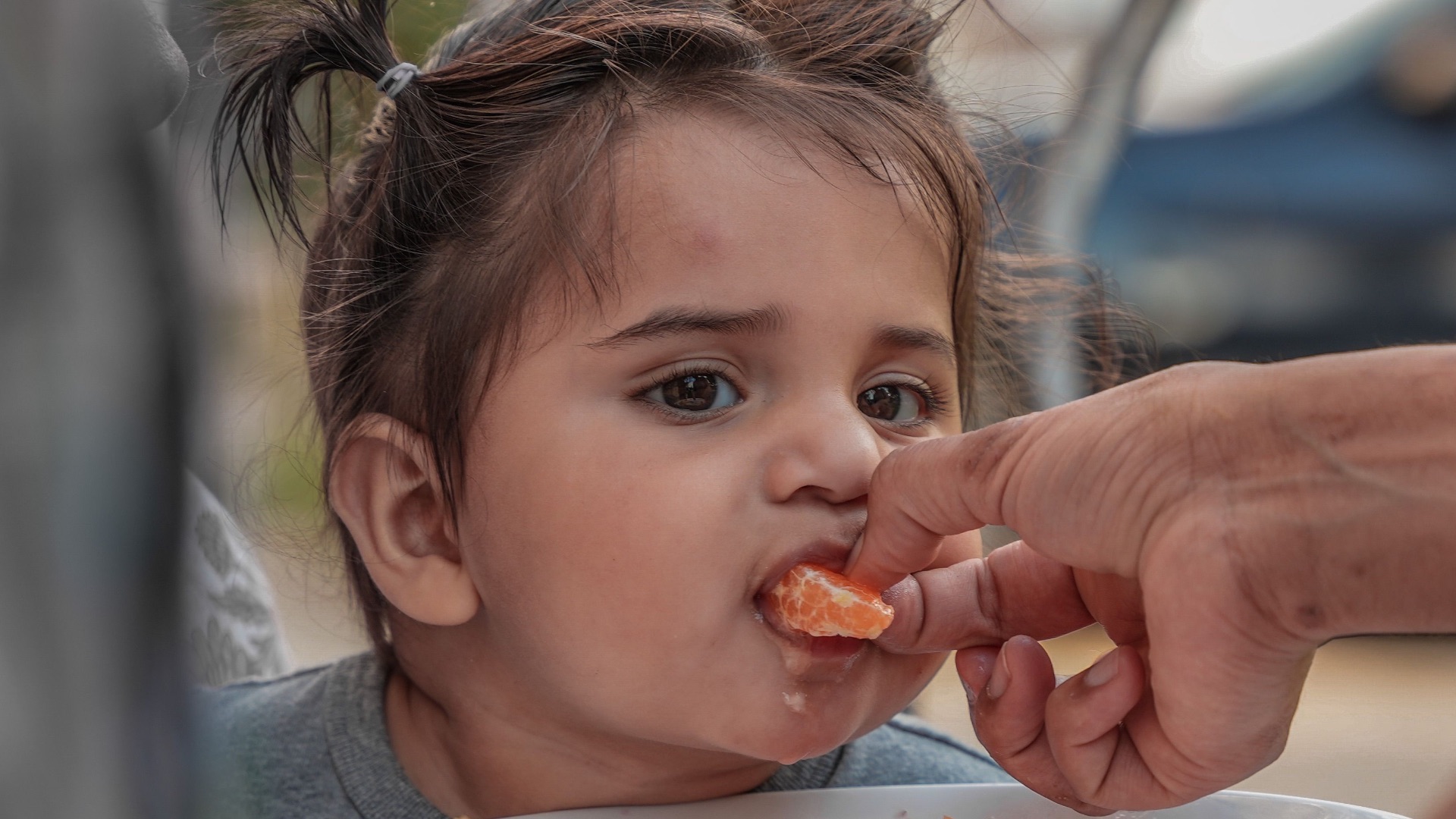
Children under the age of four are especially vulnerable to choking because their airways are narrow and their chewing skills are still developing. Foods that adults eat without a second thought, like raisins, popcorn, or peanut butter, can be serious hazards for small children who can't fully process them. Supervising young children during mealtimes and avoiding high-risk foods for their age group are two of the most important steps a caregiver can take.
10. Physical Activity Immediately After or During Eating
Running, playing, or any vigorous movement right around mealtimes dramatically increases the chances of choking, particularly in children. When a child takes a deep breath mid-run, they can inadvertently inhale a piece of food that's still in the mouth or throat. It's best to keep activity levels calm while eating and to allow some time to settle after a meal before getting physically active.
Now that you know what puts people at risk, the next step is knowing what to do when something actually gets stuck. Whether you're the one choking or you're the person in the room when it happens, being prepared can save a life—so here's exactly what to do.

1. Stay Calm and Assess the Situation
The first thing to do when food gets stuck is to take a breath and quickly assess how serious the blockage is. If you can still cough, speak, or breathe, the airway is only partially blocked, and a strong, deliberate cough is often enough to dislodge the food on its own. Panicking can cause you to gasp or make sudden movements that worsen the situation, so keeping as composed as possible in those first few seconds matters.

2. Encourage Coughing
A forceful cough is the body's natural mechanism for clearing an obstruction, and it's always the first thing to try when the airway isn't completely blocked. Encourage the person who is choking (or yourself, if it's you) to cough as hard and as deliberately as possible, rather than in short, weak bursts. If coughing alone resolves the issue and normal breathing resumes, no further intervention is needed.

3. Call Emergency Services Immediately
If the blockage doesn't clear within moments or the person can't breathe, speak, or make noise, calling emergency services right away is non-negotiable. A complete airway obstruction is a medical emergency, and brain damage can begin within just five minutes of interrupted breathing. Don't wait to see if the situation improves on its own; make the call and keep the line open while you act.

4. Perform Back Blows
Stand slightly to one side and behind the choking person, lean them forward, and support their chest with one hand. With the heel of your other hand, deliver up to five firm blows between their shoulder blades, checking after each one to see if the blockage has cleared. Back blows can be surprisingly effective and should always be attempted before moving on to abdominal thrusts.

5. Perform Abdominal Thrusts (the Heimlich Maneuver)
If back blows haven't worked, move on to abdominal thrusts by standing behind the person and placing your arms around their waist. Make a fist with one hand, position it just above the navel, and cover it with your other hand before pulling sharply inward and upward. Repeat this up to five times, alternating with rounds of back blows if necessary, until the object is dislodged or emergency help arrives.
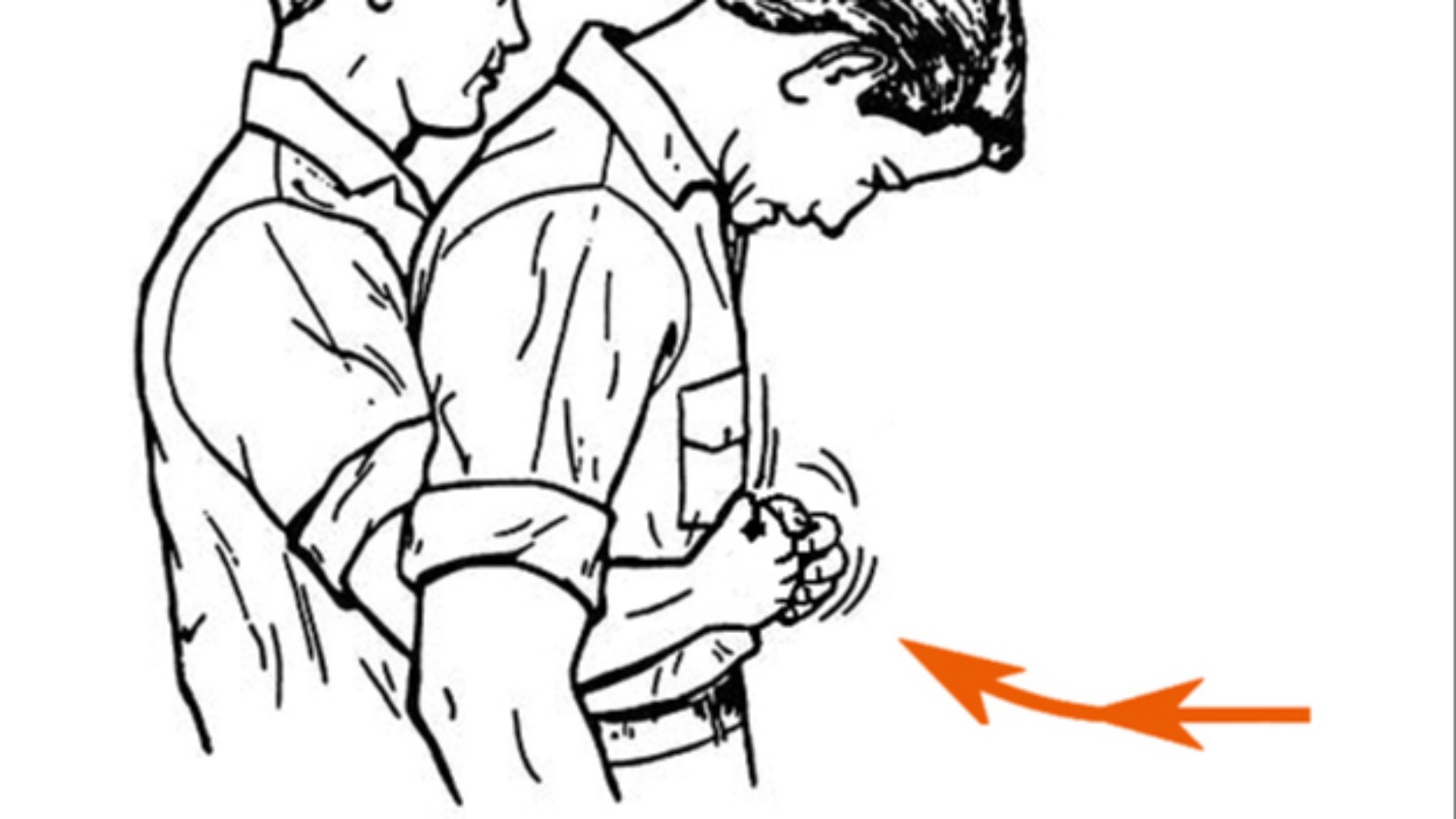 US ARMY MEDICAL DEPARTMENT CENTER AND SCHOOL FORT SAM HOUSTON, TEXAS 78234-6100 on Wikimedia
6. Perform the Self-Heimlich if You're Alone
If you're choking and no one else is around, you can attempt to perform abdominal thrusts on yourself before help arrives. Make a fist, position it above your navel, grab it with your other hand, and thrust inward and upward; you can also lean forward against a hard surface like a chair or countertop to increase the force. Call emergency services first if at all possible, since self-administered techniques are less reliable than having someone else assist you.

7. Try Drinking Water for a Minor Throat Obstruction
When food has gone down the correct pipe but feels stuck in the throat rather than blocking the airway, sipping water (or swallowing a chunk of cooked rice or bread) can sometimes help move it along. This is only appropriate in situations where the person can breathe normally and there's no sign of a complete obstruction. If drinking water doesn't resolve the discomfort within a short time, or if symptoms worsen, seek medical attention rather than continuing to wait it out.

8. Don't Try to Remove a Bone Yourself
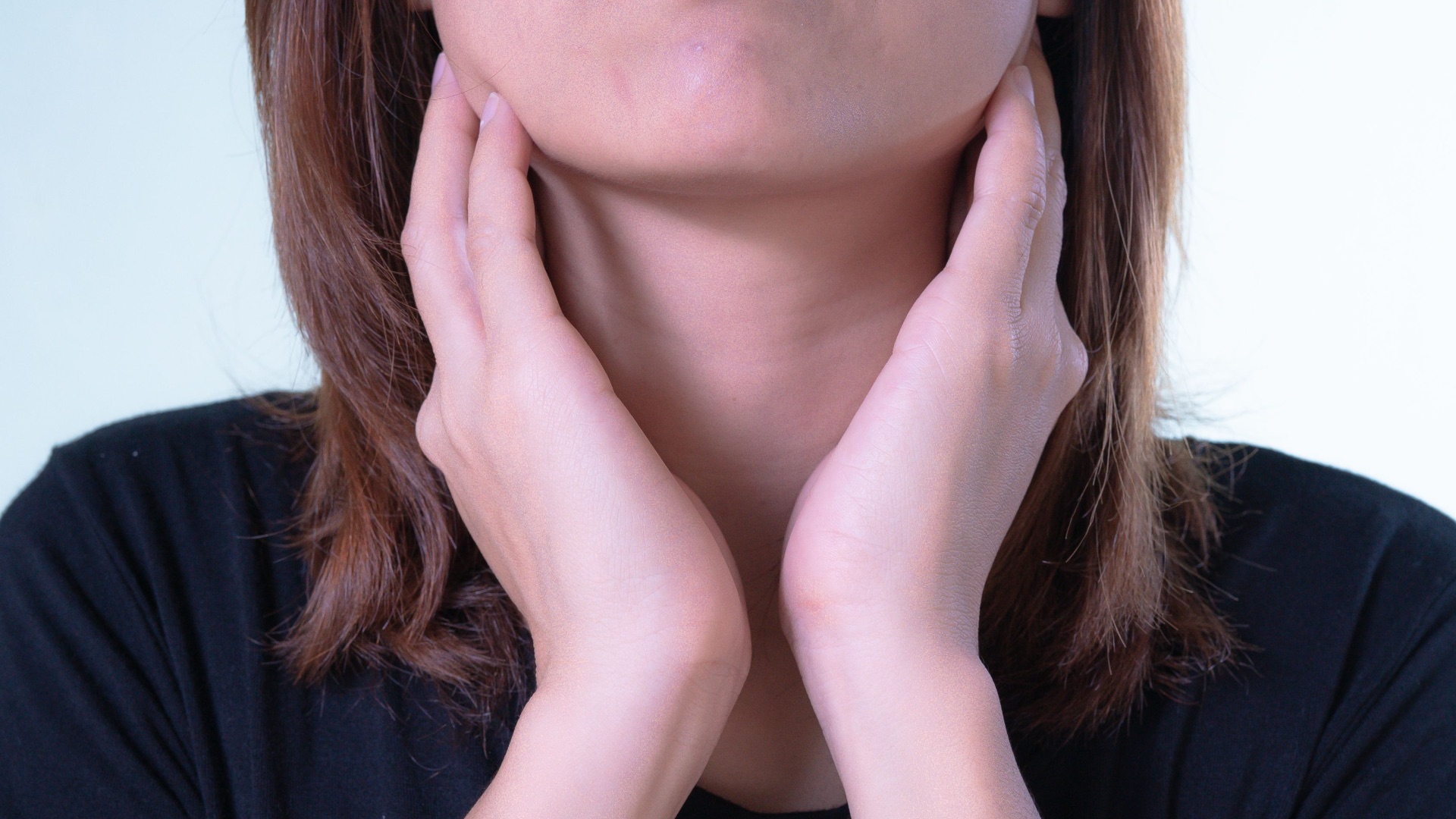
If a fish or chicken bone is stuck in the throat, it can be very tempting to try to fish it out with your fingers or to swallow bread or mashed food to push it down, but both approaches can cause serious injury. Prodding around in the throat can drive the bone deeper or cause lacerations to the surrounding tissue, turning a manageable situation into a much more serious one. This type of obstruction requires professional removal, so head to an urgent care center or emergency room as soon as possible.
9. Begin CPR if the Person Loses Consciousness
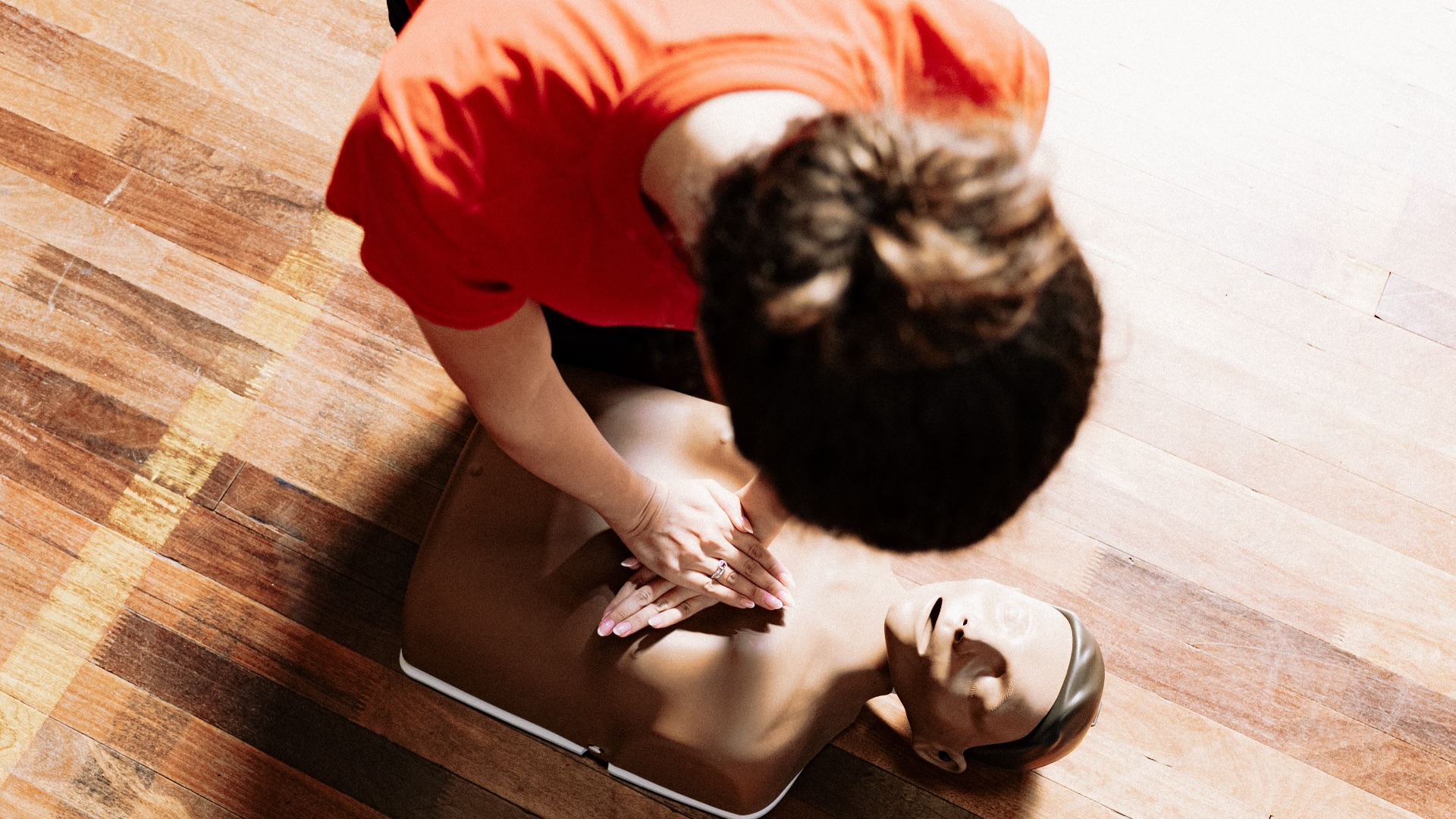
If someone who has been choking becomes unresponsive, lower them carefully to the ground and begin CPR immediately. Each time you open the airway to give rescue breaths, check inside the mouth and remove any visible obstruction before continuing. CPR keeps oxygen circulating to the brain and other vital organs, buying critical time until emergency responders arrive.
10. Seek Medical Attention Even After the Obstruction Clears
Even if the food eventually dislodges and normal breathing is restored, it's worth getting checked out by a medical professional afterward, especially if the episode was prolonged or involved significant force. Abdominal thrusts and back blows can occasionally cause bruising or internal injury, and it's important to rule those out. A doctor can also assess whether any food entered the windpipe during the episode, which can increase the risk of chest infection if left unaddressed.

KEEP ON READING

The Most Popular Signature Dishes Around the World