Loyalty You Can Almost Taste
Fast food loyalty can be surprisingly intense, especially when a chain gives customers something distinctive enough that competitors can't easily replace it. Some brands have protected their signature menus, regional character, or unusual restaurant experience so carefully that devoted customers will happily make a special trip for them. Others have expanded, modernized, or repeatedly reinvented themselves until the qualities that once made them easy to recognize have become less obvious. These are 10 fast food chains with devoted followings and 10 that seem to have lost some of their original identity along the way.
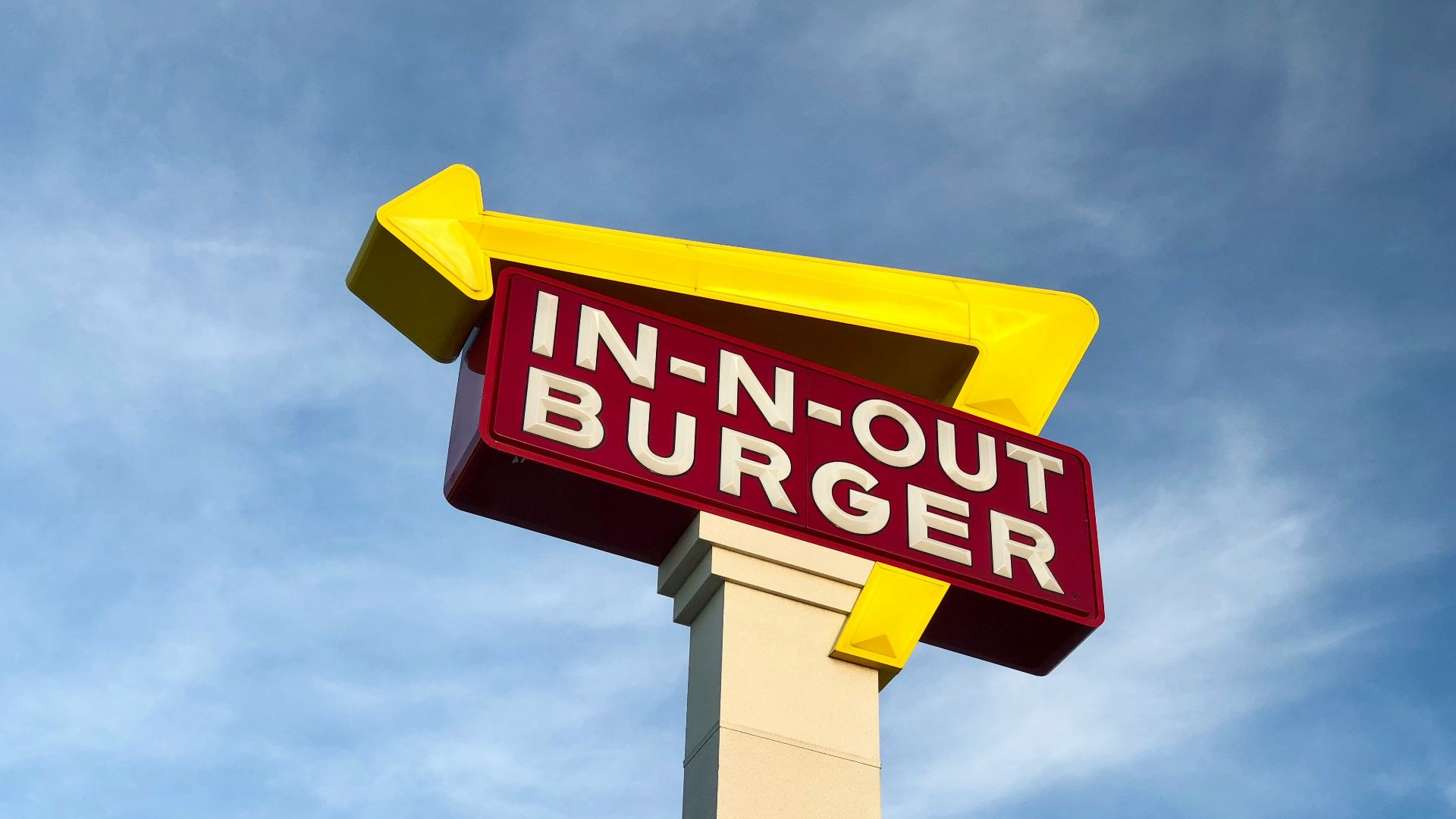
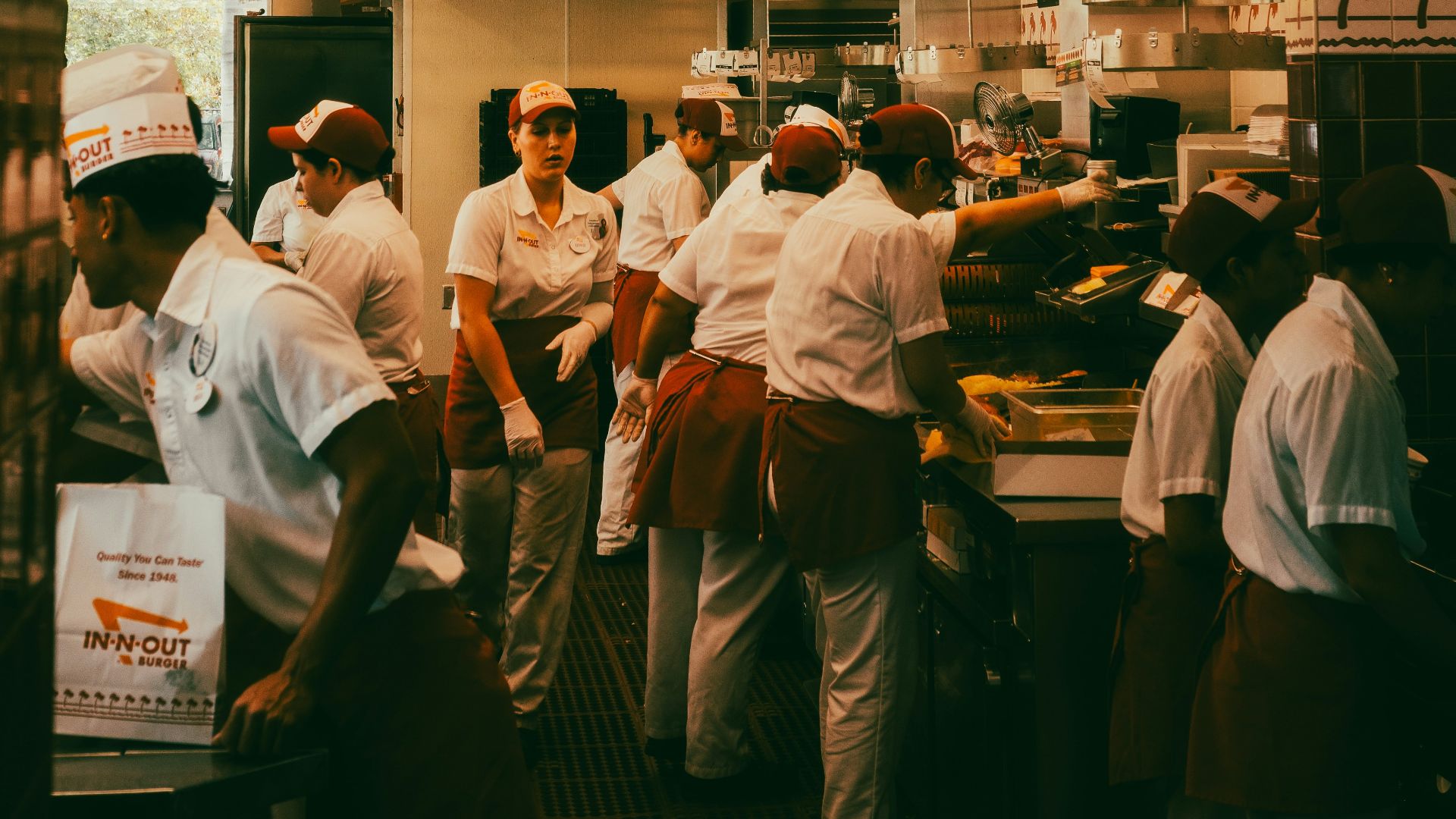
1. In-N-Out Burger
In-N-Out has resisted the temptation to build an enormous menu, which is a major reason fans remain so attached to it. Burgers, fries, shakes, and a handful of unofficial-style customizations still dominate the experience. Its gradual expansion has also helped each new market feel like an event.
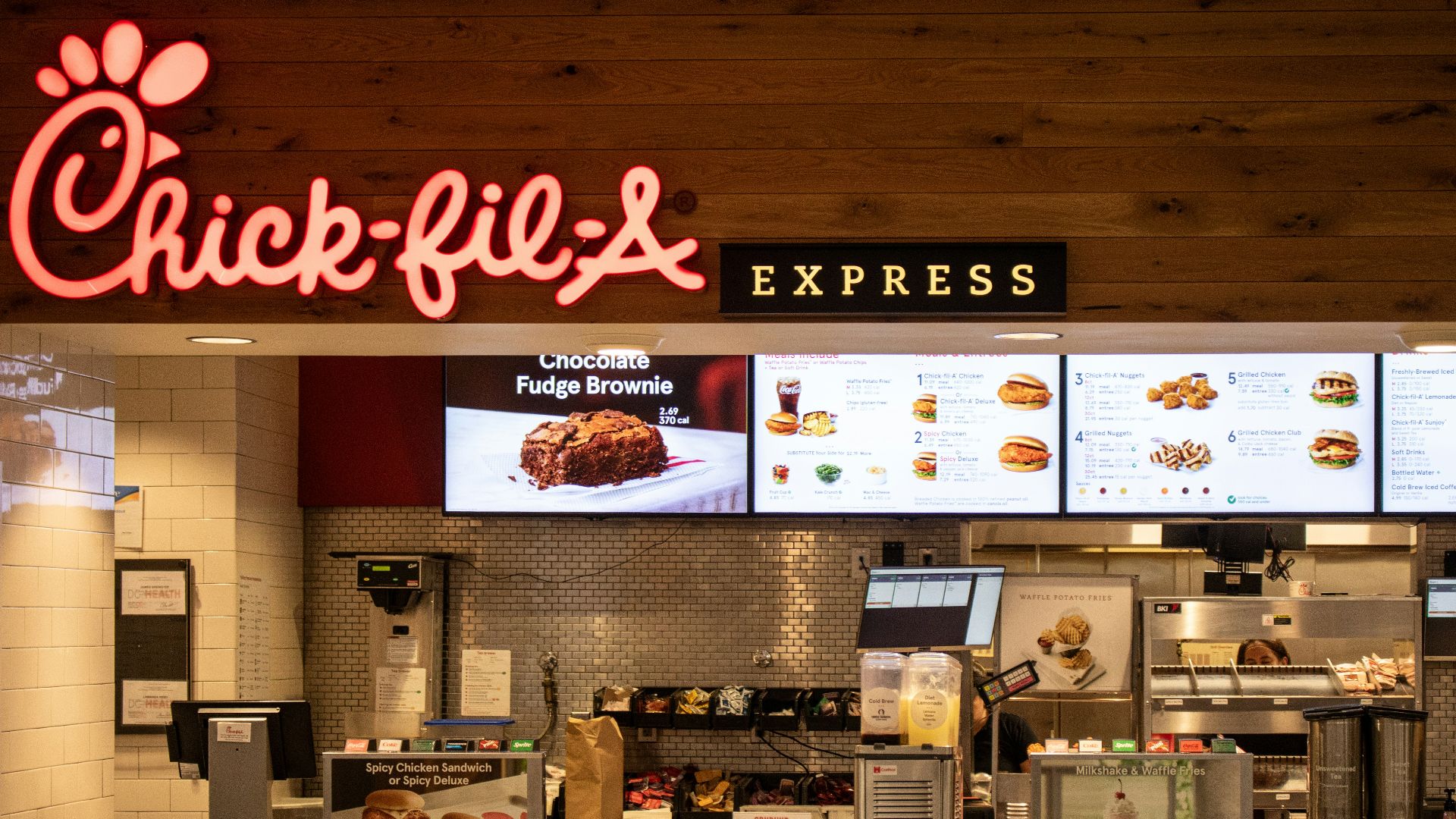
2. Chick-fil-A
The Original Chick-fil-A Chicken Sandwich remains closely connected to the company's identity decades after Truett Cathy developed it. Customers also associate the chain with waffle fries, its sauces, and notably attentive service. Even as the menu has grown, the basic experience remains unusually recognizable.
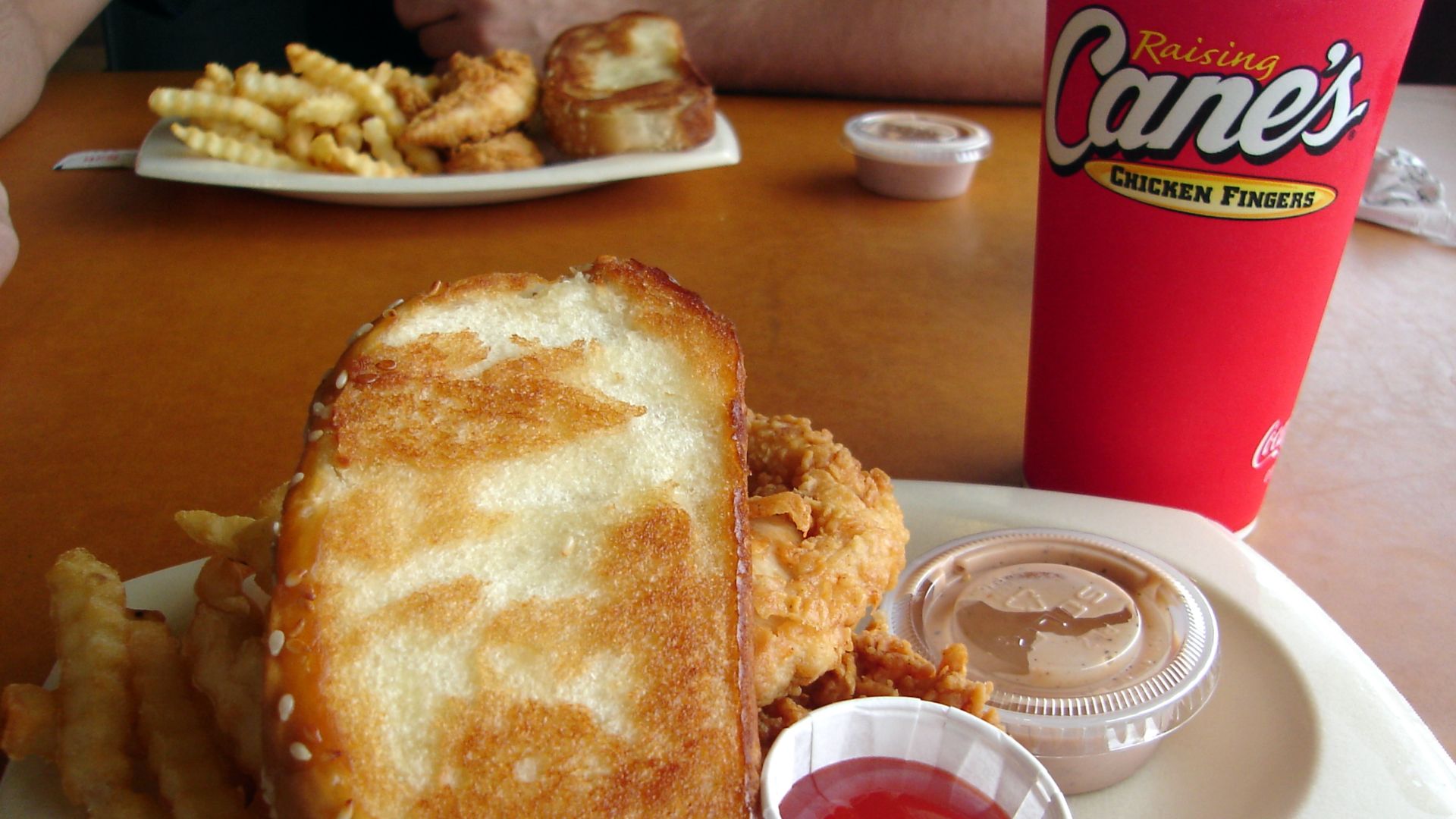
3. Raising Cane's
Raising Cane's built an entire business around doing remarkably few things, most importantly chicken fingers. Its compact lineup includes fries, Texas toast, coleslaw, drinks, and the heavily promoted Cane's Sauce. That narrow focus gives regular customers little reason to wonder what the restaurant is supposed to be.
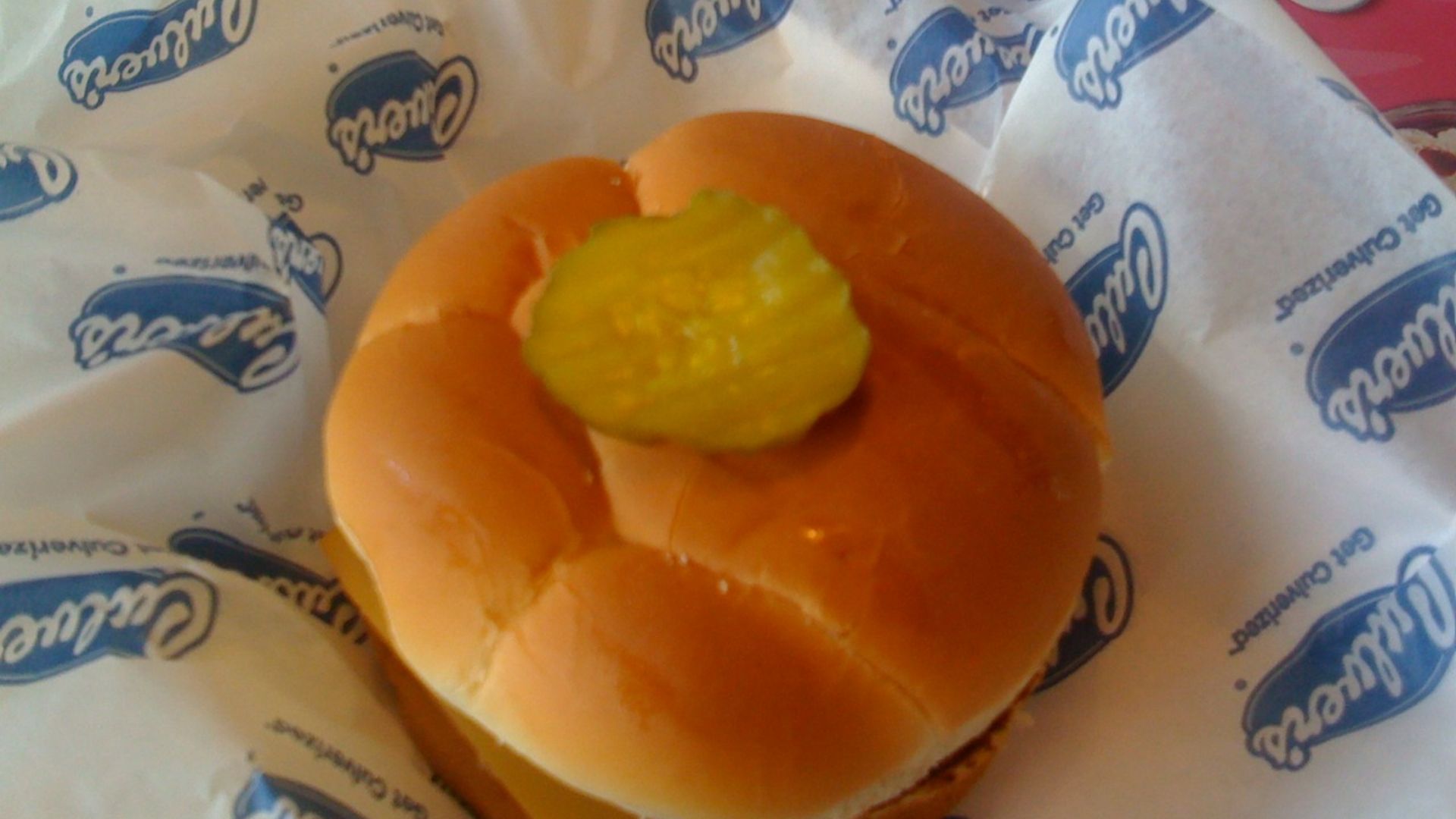
4. Culver's
Wisconsin roots remain obvious at Culver's, which opened its first restaurant in Sauk City in 1984. ButterBurgers and fresh frozen custard have stayed central while Wisconsin cheese curds add even more regional personality. Fans get a combination that's difficult to duplicate at a typical national burger chain.
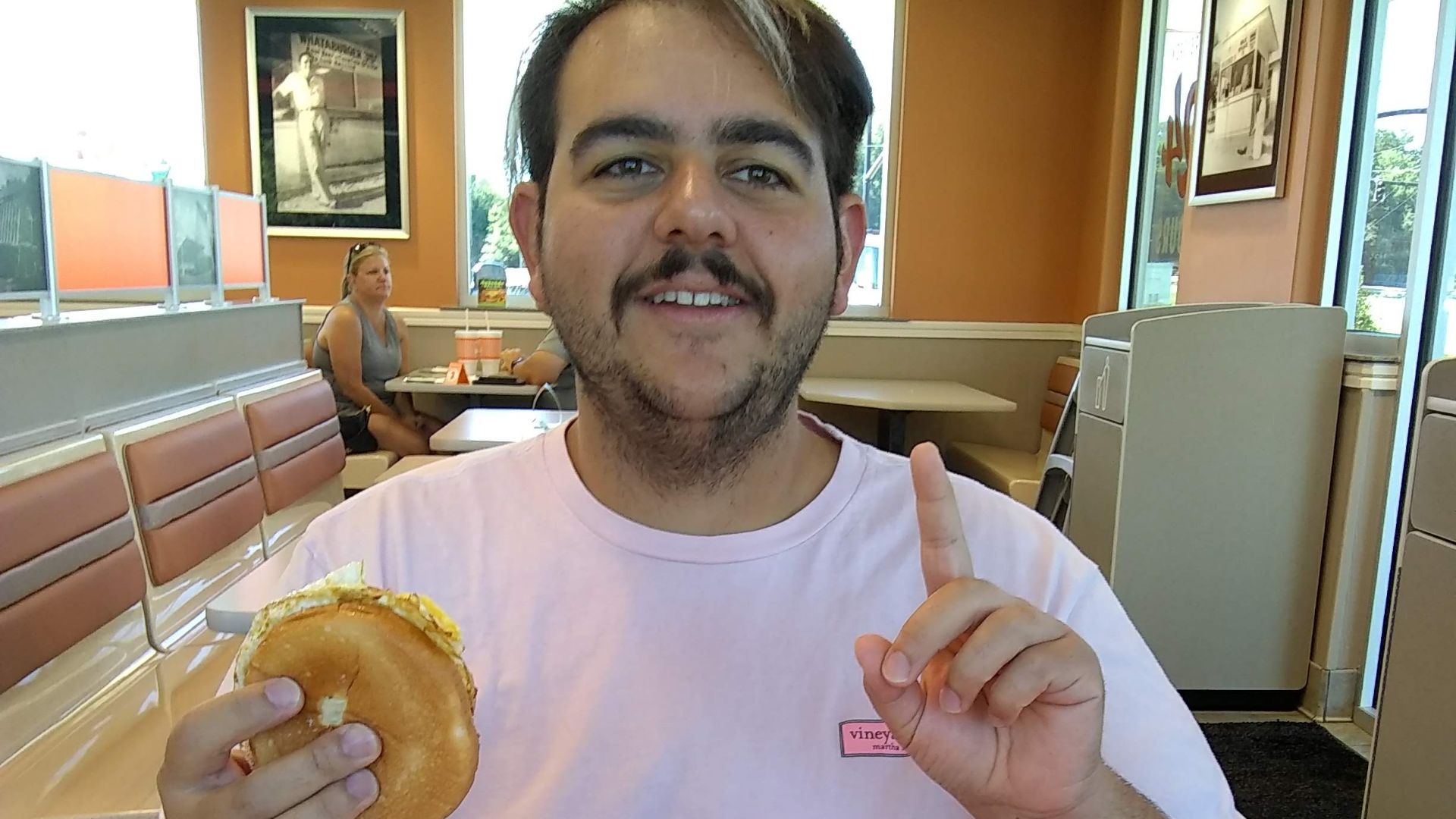
5. Whataburger
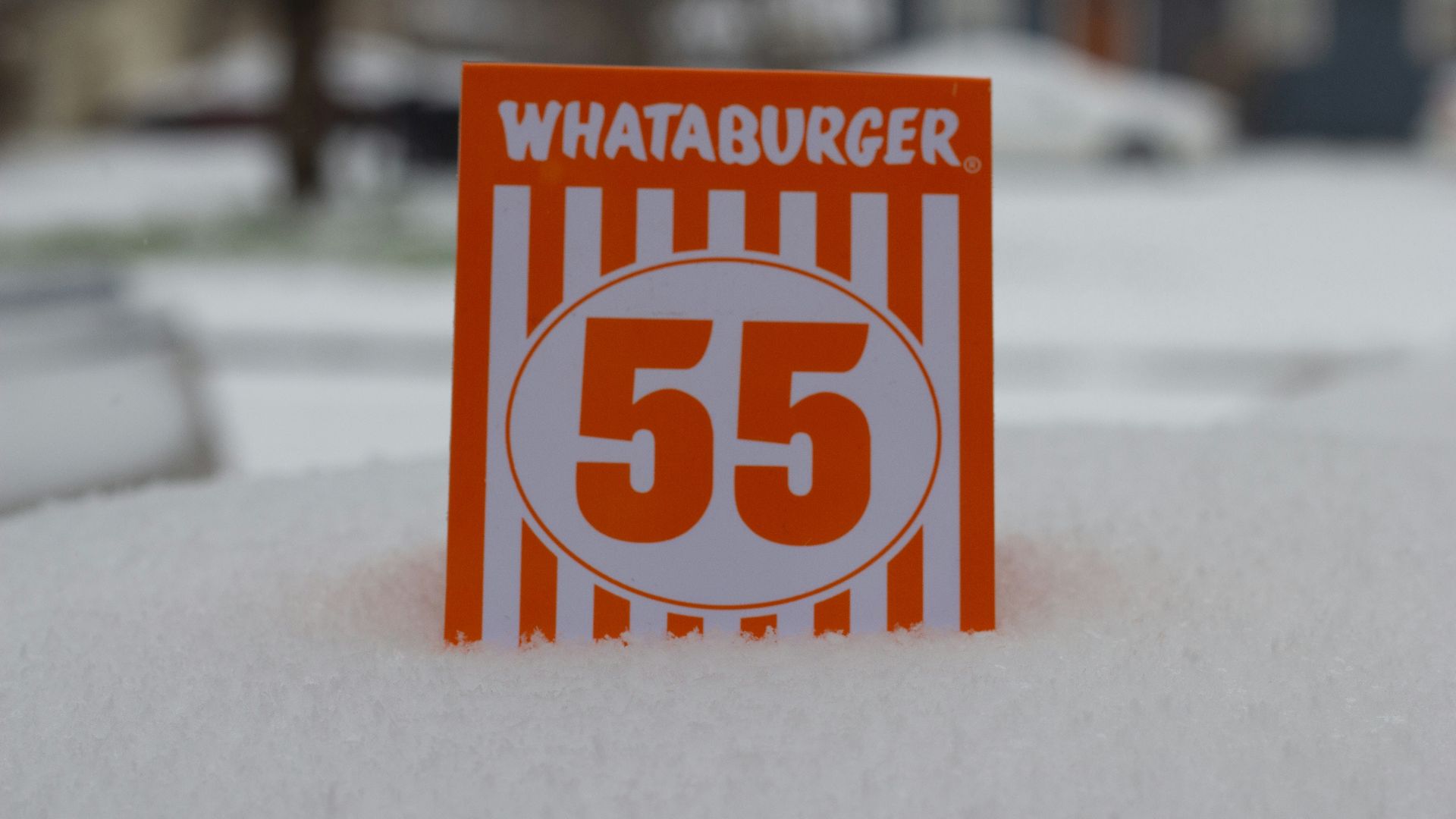
Whataburger has become deeply associated with Texas even as its footprint has expanded beyond the state. The oversized burgers, orange-and-white branding, and customizable menu have helped it maintain a personality of its own.
6. Portillo's
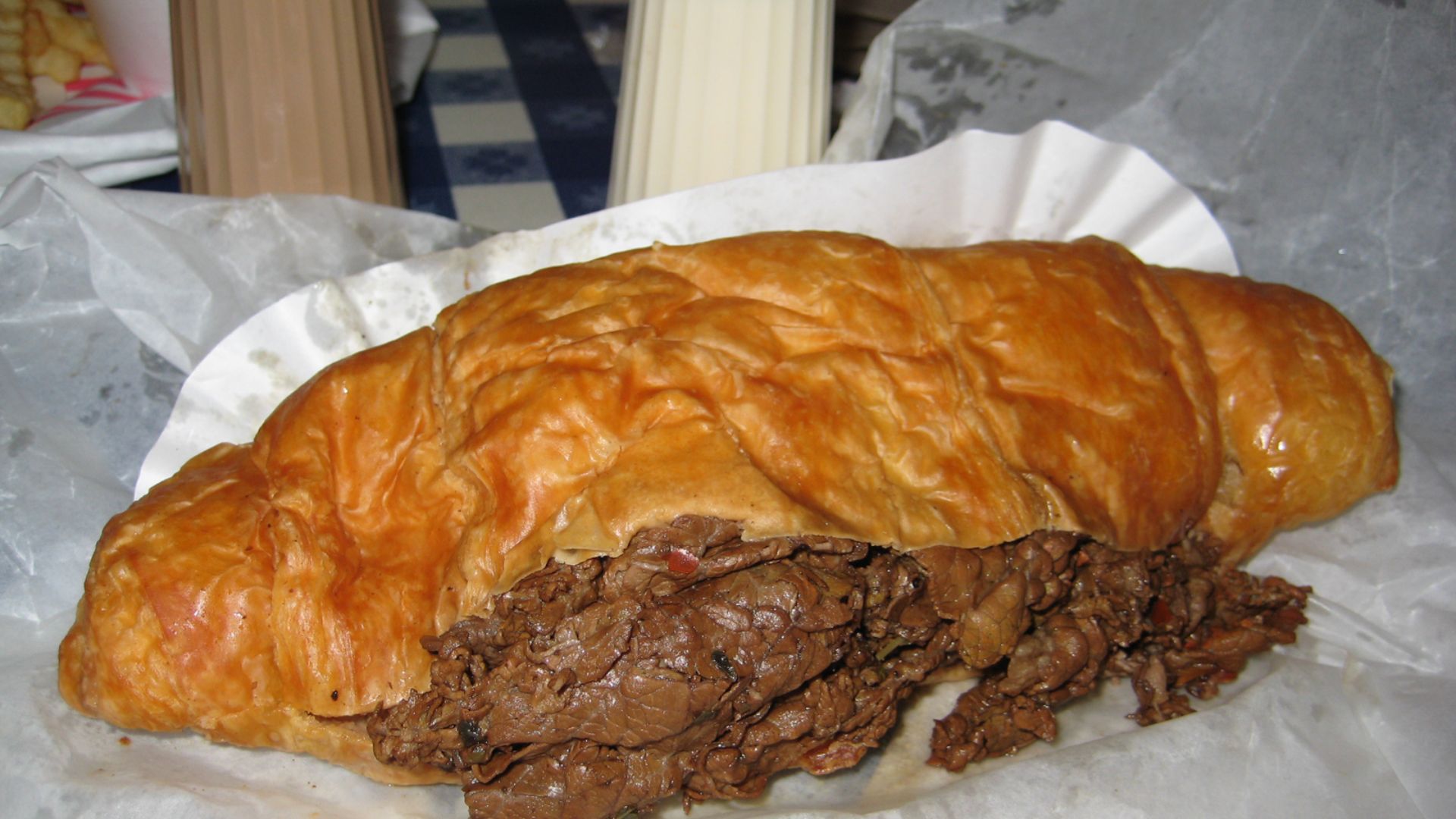
Few growing chains advertise their hometown roots as enthusiastically as Portillo's. Beginning as a small hot dog stand in Villa Park, Illinois, in 1963, it developed a menu built around Chicago-style hot dogs, Italian beef, and other favorites. Expansion hasn't removed Chicago from the center of its identity.
7. White Castle
White Castle has been selling its small square hamburgers since 1921, giving the company more than a century to build traditions around them. The sliders remain immediately identifiable, particularly when they're ordered several at a time.
8. Shake Shack
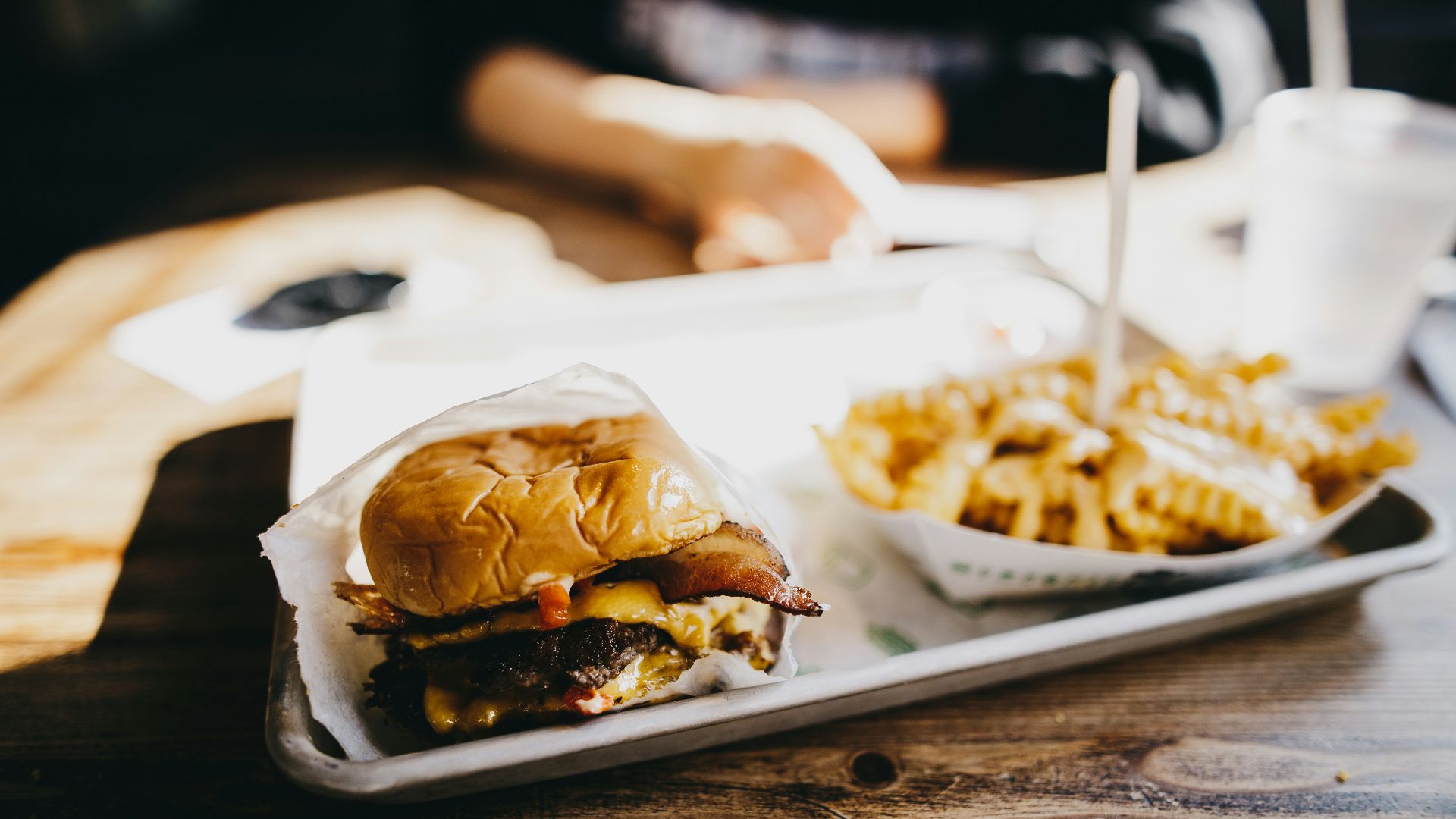
Shake Shack began as a hot dog cart in New York City's Madison Square Park before developing into a much larger restaurant business. Burgers, crinkle-cut fries, shakes, and frozen custard subsequently became its best-known offerings. Despite substantial expansion, the chain has retained much of its slightly more upscale fast-food positioning.
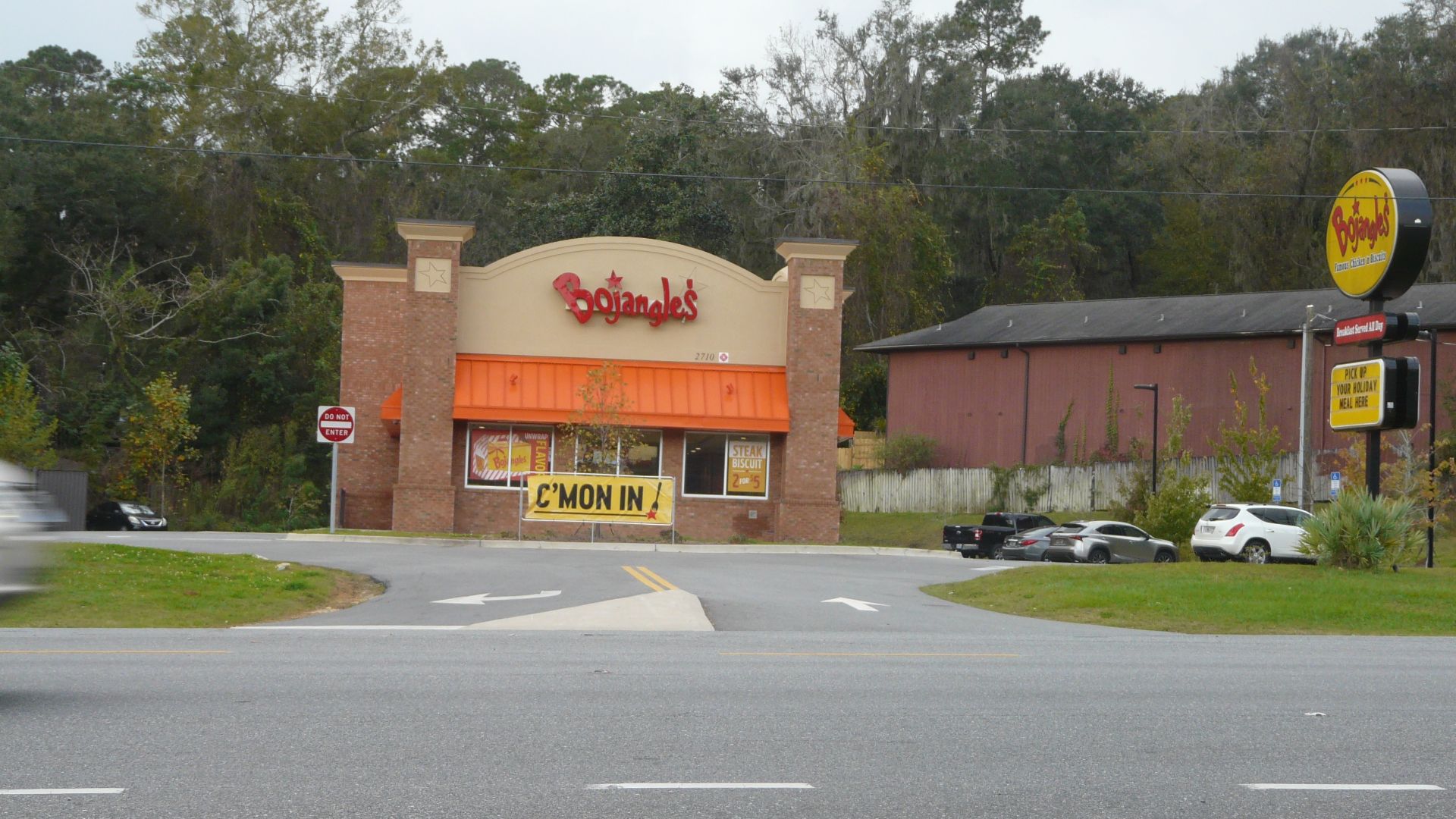
9. Bojangles
Bojangles has long leaned confidently into Southern flavors rather than trying to resemble every national chicken competitor. Seasoned fried chicken and made-from-scratch-style biscuits remain key attractions, with breakfast playing an especially important role. Customers who love the Cajun Filet Biscuit generally know exactly why they're stopping there.
10. Cook Out
Cook Out has earned particularly enthusiastic support across the Southeast through large menus, late hours, and its distinctive tray combinations. Customers can pair an entrée with unconventional side choices and select from an unusually extensive shake lineup.
1. Pizza Hut
Classic Pizza Hut was as much about sitting in a red-roofed restaurant as ordering the pizza itself. Over time, delivery, carryout, smaller locations, and changing restaurant designs became increasingly important to the business.
2. Subway
Subway became enormous partly by making customization the centerpiece of ordering a sandwich. Recent initiatives such as the Subway Series have emphasized preset recipes alongside the traditional build-your-own approach. The change can make today's experience feel less connected to the highly individualized sandwich-counter identity that fueled its earlier growth.
3. Dunkin'
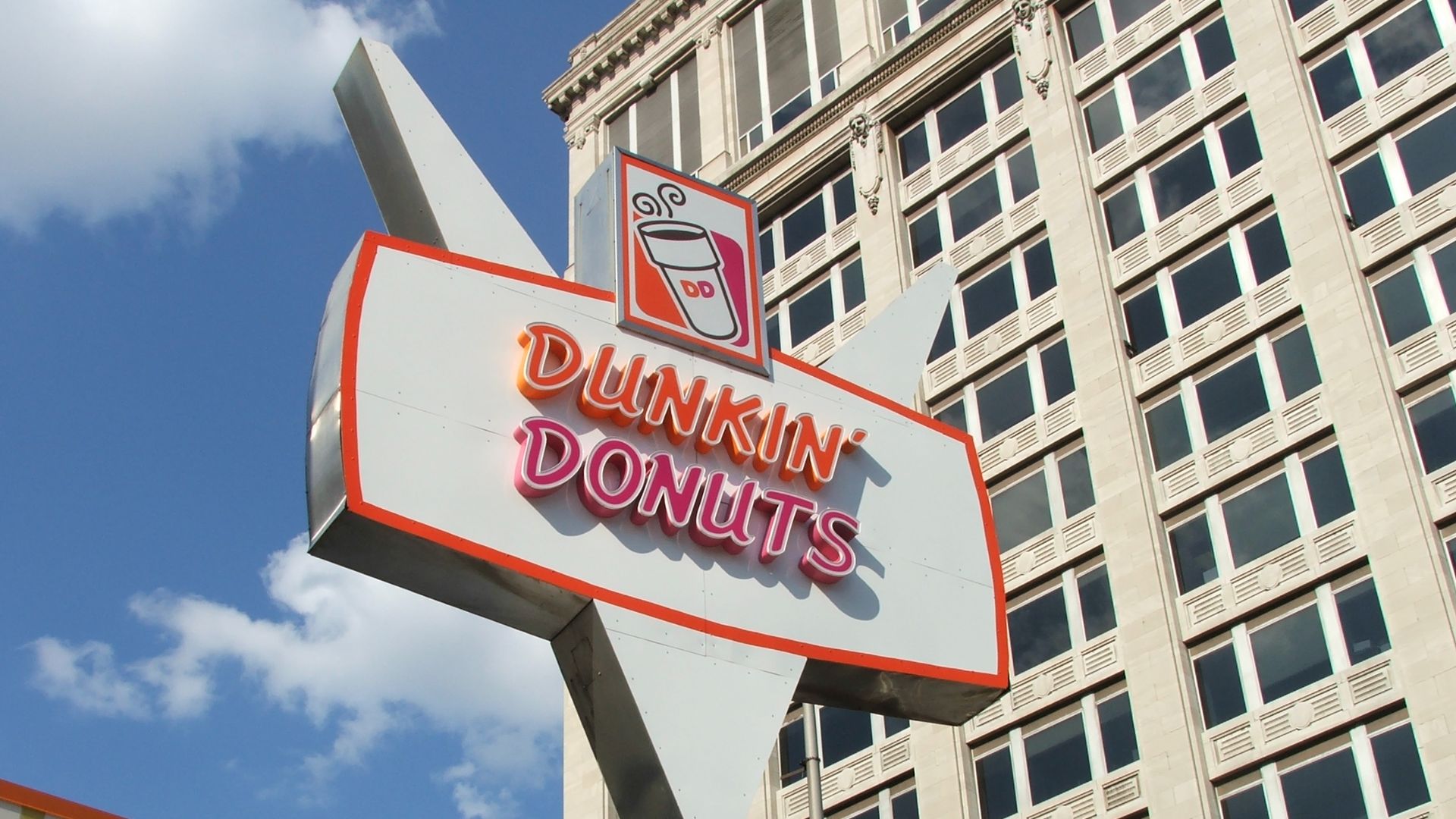
For decades, the name Dunkin' Donuts told customers exactly which food supposedly occupied center stage. Donuts certainly haven't disappeared, but they're now only one component of a broader breakfast-and-drinks business.
4. KFC
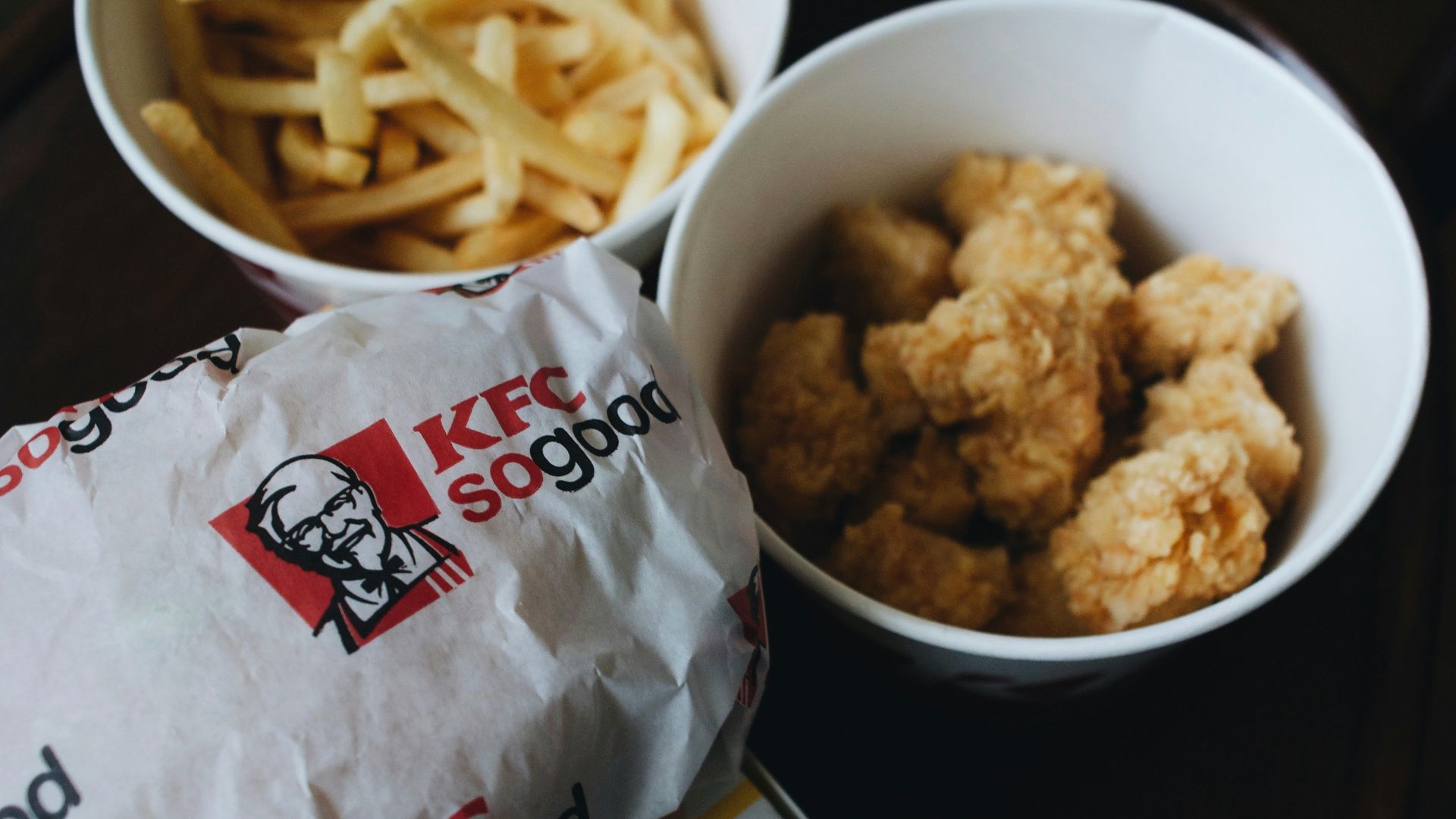
KFC still has an enormously recognizable name and its famous fried chicken, yet its menu has moved well beyond the traditional bucket meal. As those categories multiply, the old family-bucket identity doesn't dominate quite as completely.
5. Dairy Queen
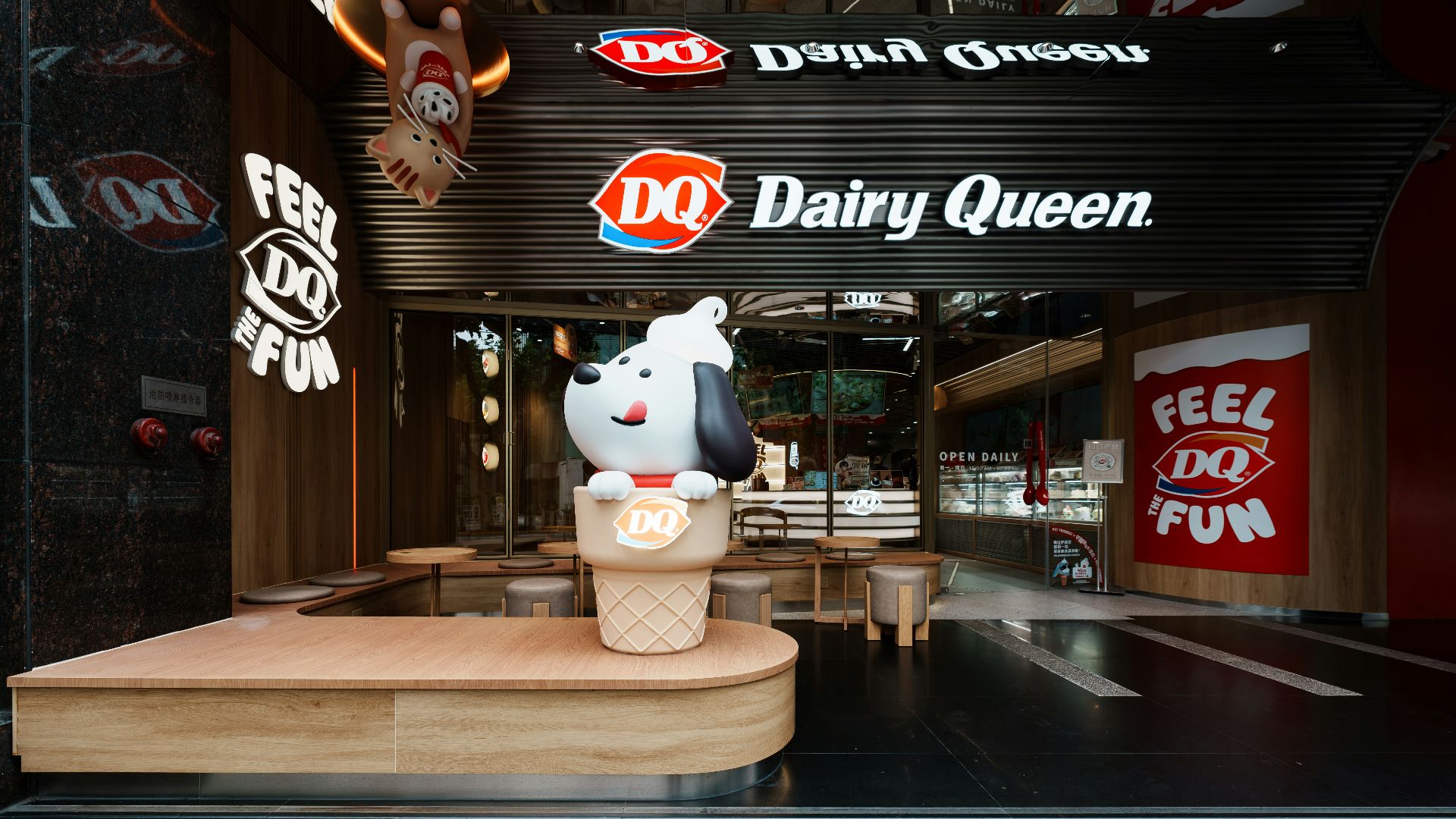
Dairy Queen's soft serve, Blizzards, cones, and other frozen treats give it one of fast food's clearest dessert identities. That leaves the brand balancing two personalities: dessert destination and conventional quick-service restaurant.
6. Hardee's
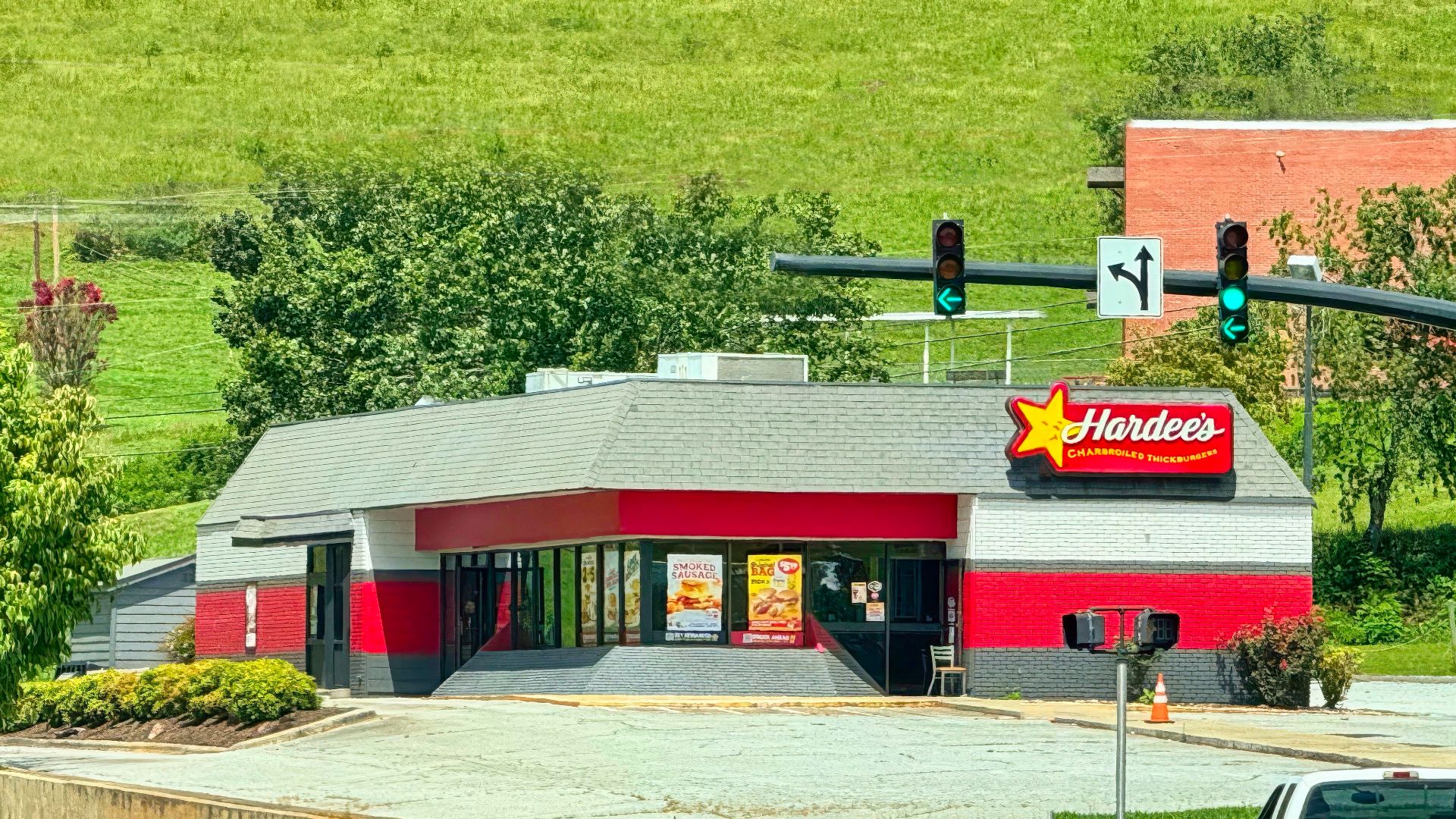
Hardee's has spent different eras emphasizing charbroiled burgers, oversized premium sandwiches, breakfast biscuits, and attention-grabbing advertising. Individual menu items remain familiar, although explaining the chain's defining specialty isn't as simple as it once was.
7. Quiznos
Quiznos made toasted submarine sandwiches its defining feature at a time when that approach felt genuinely different from much of the competition. A dramatically smaller restaurant footprint has further reduced the cultural visibility the chain enjoyed during its peak years.
8. Jack in the Box
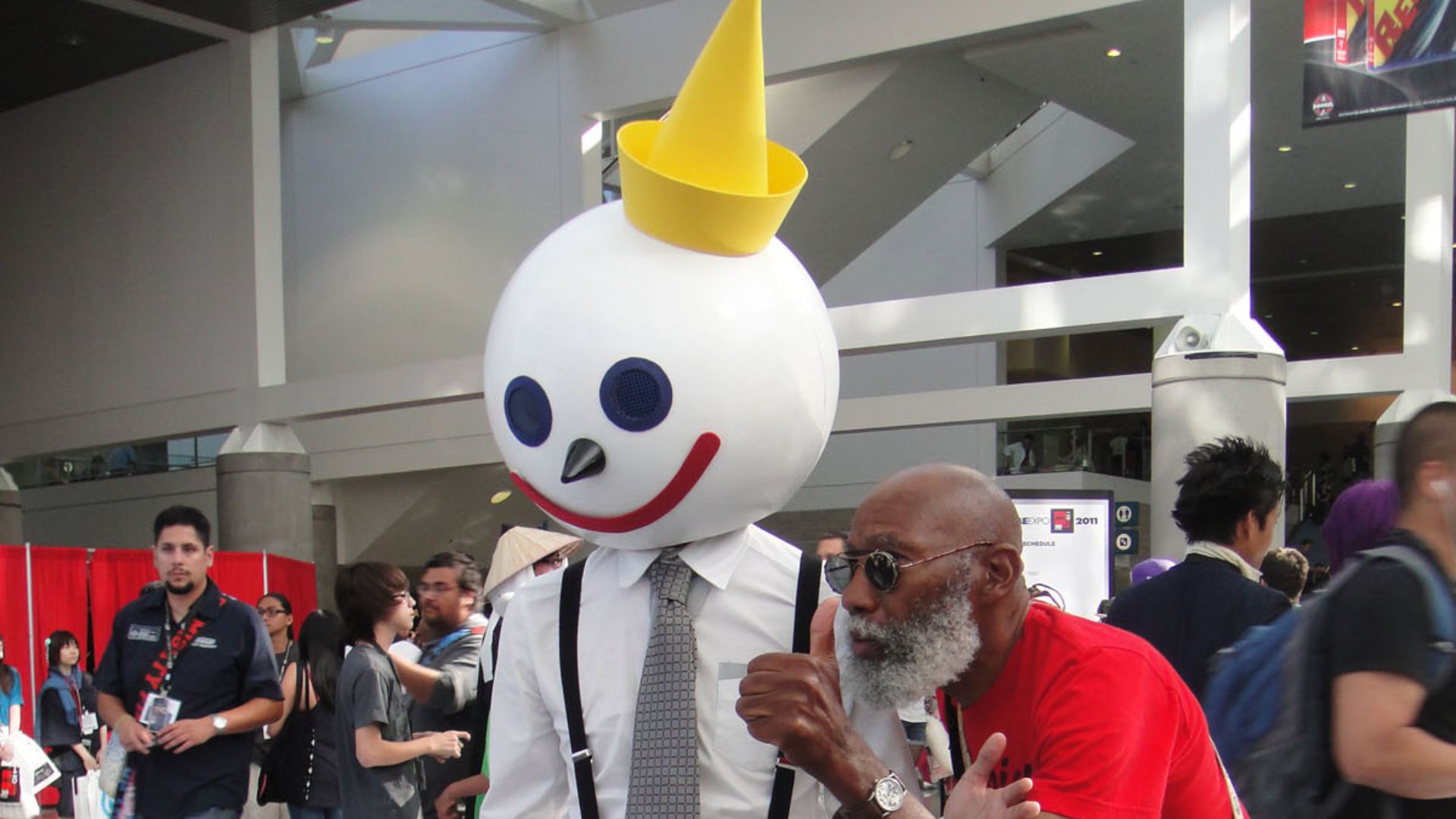
Jack in the Box has deliberately offered an unusually broad assortment that can include burgers, tacos, chicken, breakfast, and late-night creations. You may like the freedom, although the brand itself becomes harder to summarize.
 The Conmunity - Pop Culture Geek from Los Angeles, CA, USA on Wikimedia
9. Sonic Drive-In
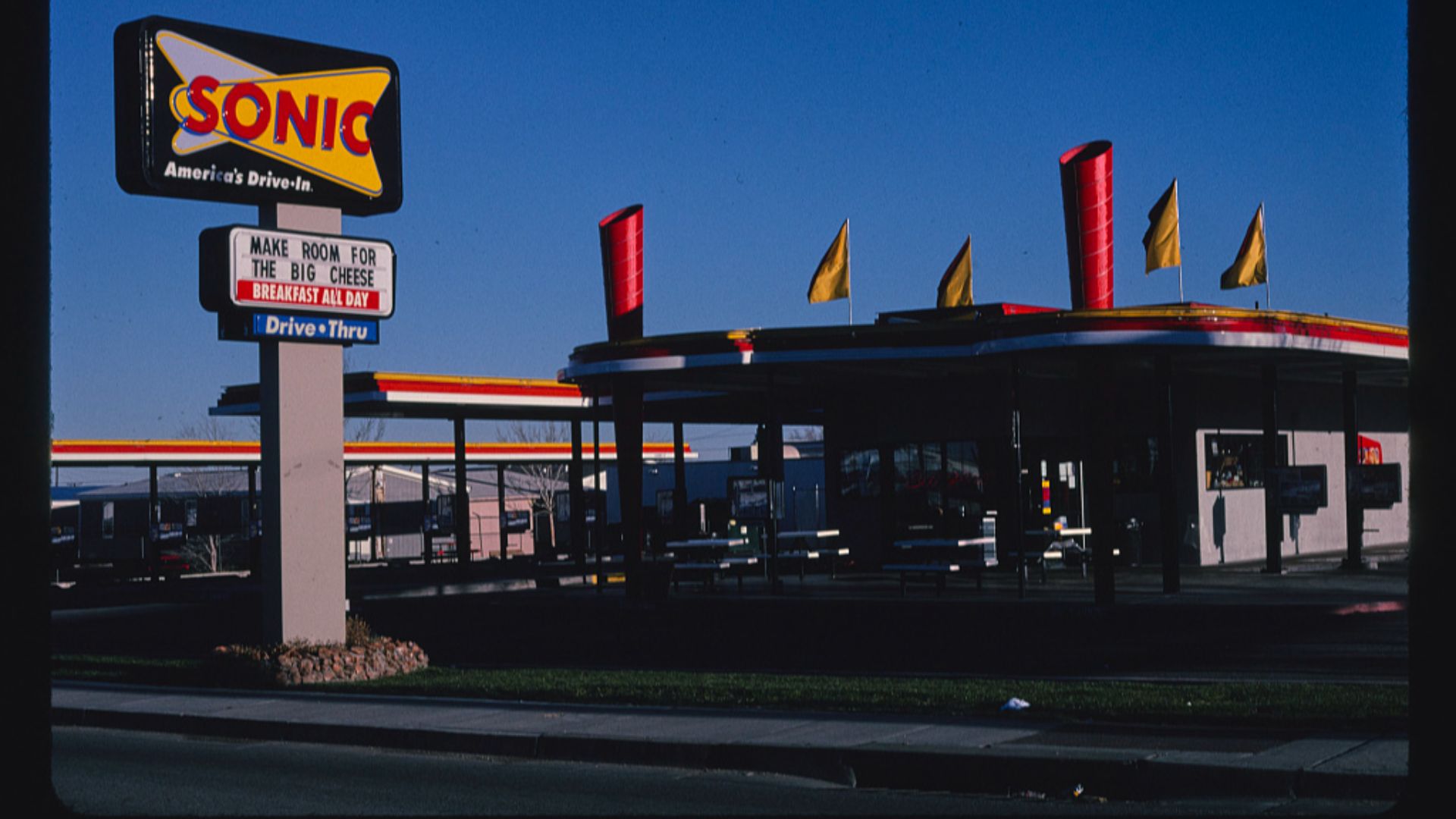
Carhop service and parking-stall ordering once made Sonic fundamentally different from standard drive-thru competitors. Its drinks remain highly distinctive, but the classic drive-in concept carries less practical importance for some customers.
 The Library of Congress from Washington, DC, United States on Wikimedia
10. Boston Market
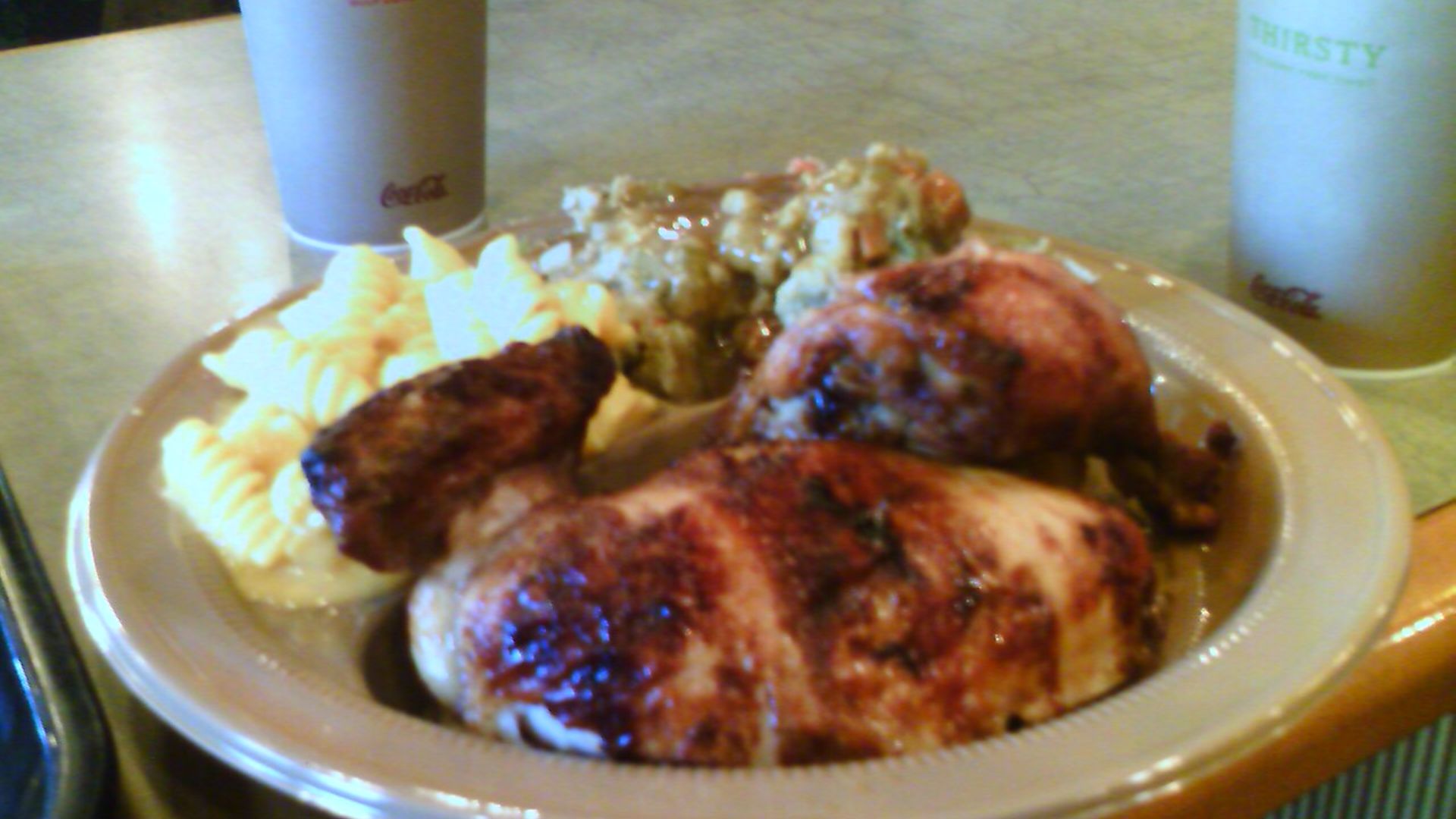
Boston Market originally stood apart by centering meals on rotisserie chicken and home-style sides instead of burgers or fried food. The original concept was clear, but the brand's later direction became considerably harder to define.
KEEP ON READING
The 10 Best Fried Chicken Sandwiches & The 10 Worst