Some Favorites Changed More Than We Realized
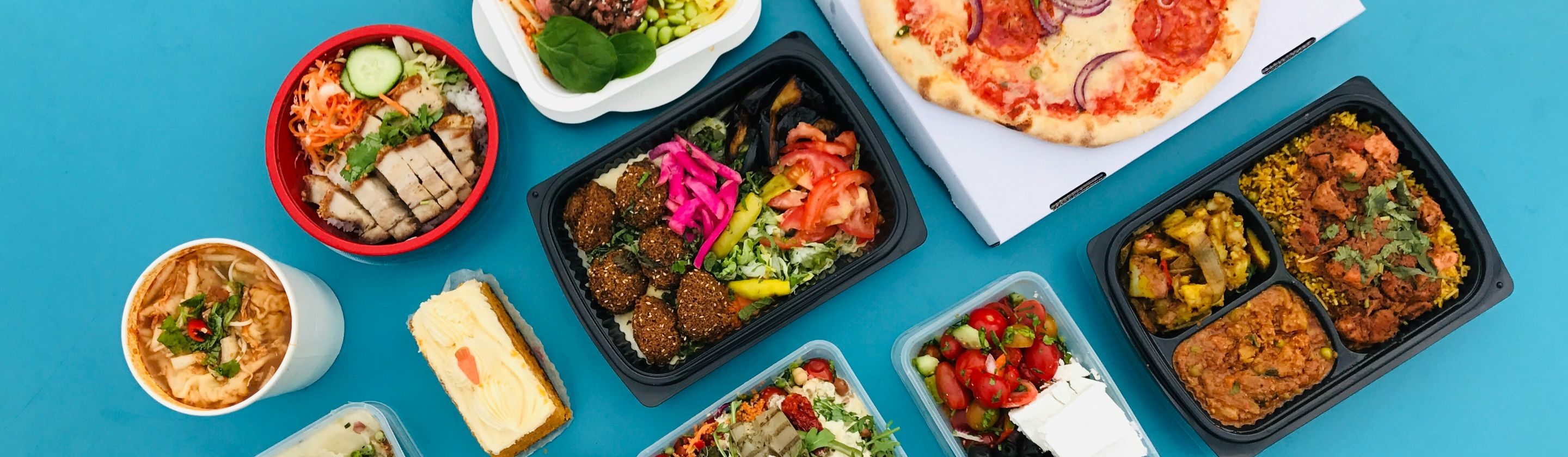
Food rarely stays the same forever, especially once companies start changing recipes, adjusting portion sizes, replacing ingredients, or responding to new consumer expectations. Some familiar products have disappointed longtime fans after reformulations or cost-cutting changes, while others have quietly become tastier, more varied, or better suited to modern preferences. These 10 foods that got worse over time and 10 that quietly improved show how much a familiar bite can evolve without everyone noticing at once.
 Unknown authorUnknown author or not provided on Wikimedia
1. Movie Theater Candy
A box of candy at the movies once felt like a generous part of the experience, but many packages seem less impressive once they're opened today. Shrinkflation has affected numerous packaged foods, meaning shoppers can sometimes pay the same or more for less product.

2. Grocery Store Tomatoes
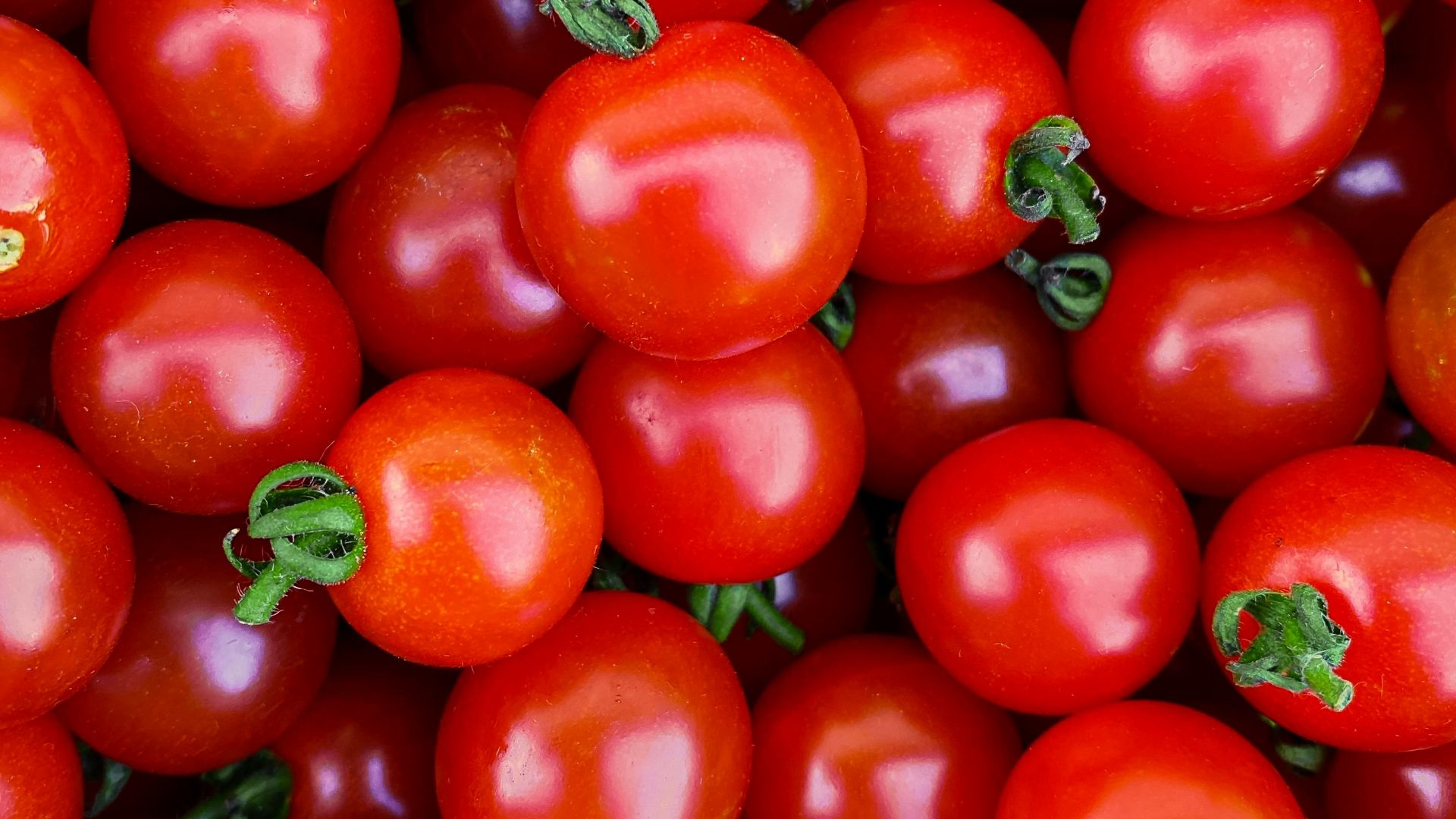
Modern supermarket tomatoes are often bred with durability, appearance, and transportation in mind, which can come at the expense of intense flavor. Researchers have identified genetic changes associated with the loss of some desirable flavor compounds in commercial varieties. Farmers market and homegrown tomatoes can therefore taste dramatically different from the perfectly uniform versions found in many produce aisles.
3. Frozen TV Dinners
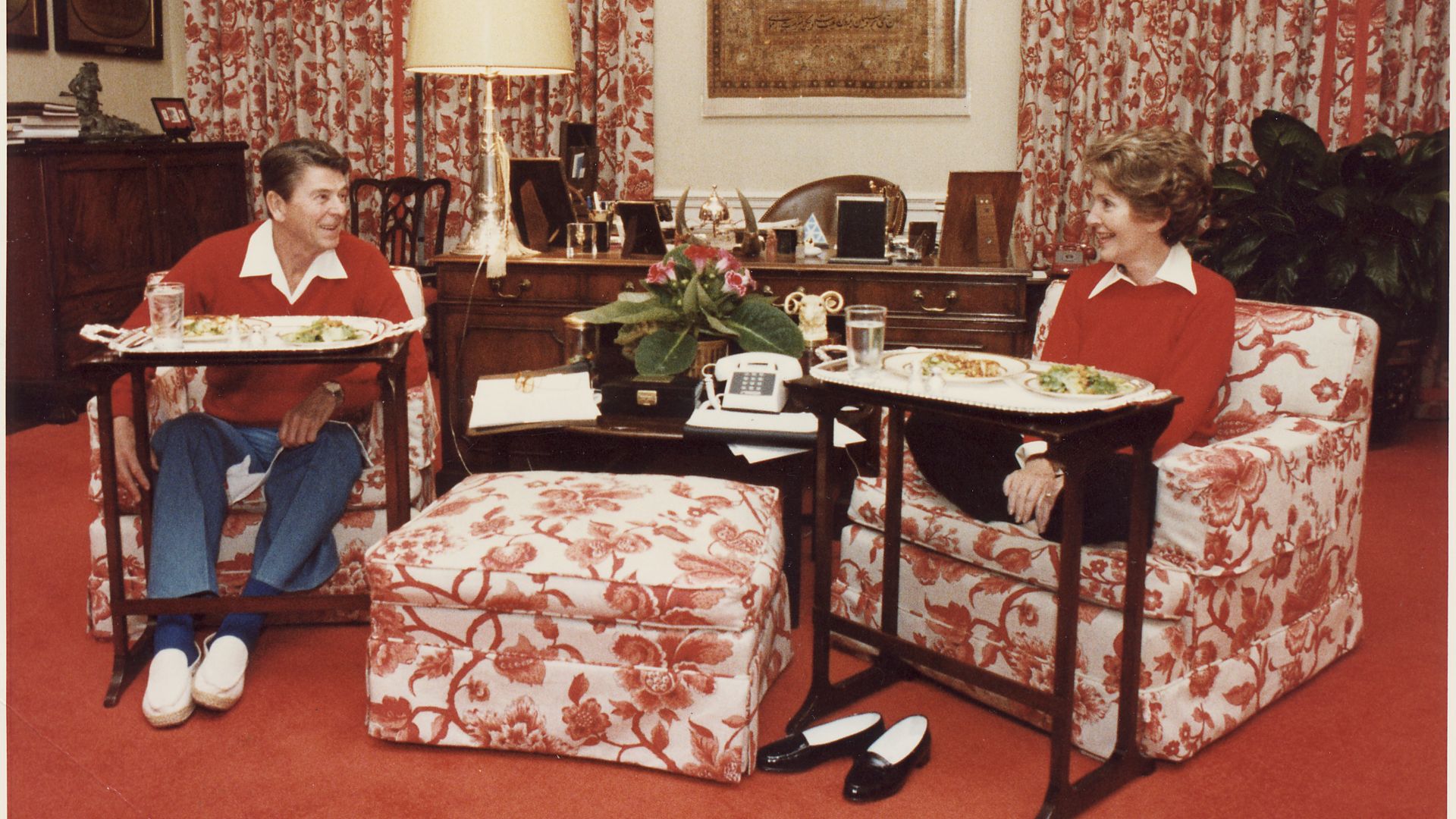
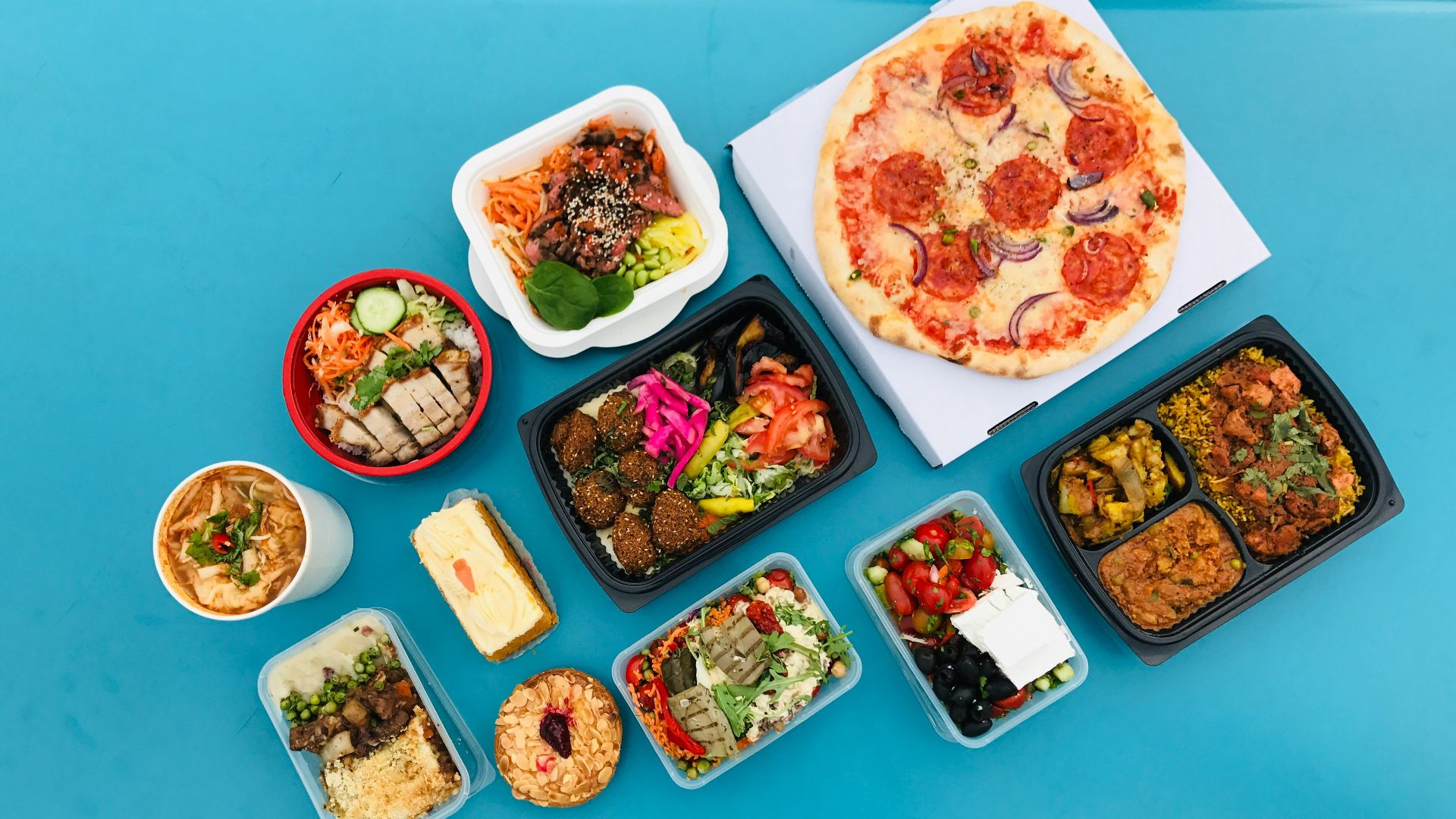
Frozen dinners have become more varied, but some classic versions have suffered from smaller portions and ingredient changes over the years. Cost pressures can encourage manufacturers to reformulate meals while keeping them within familiar price ranges. Anyone expecting the hearty tray they remember from childhood may find today's serving surprisingly modest.
4. Mass-Market Chocolate Bars
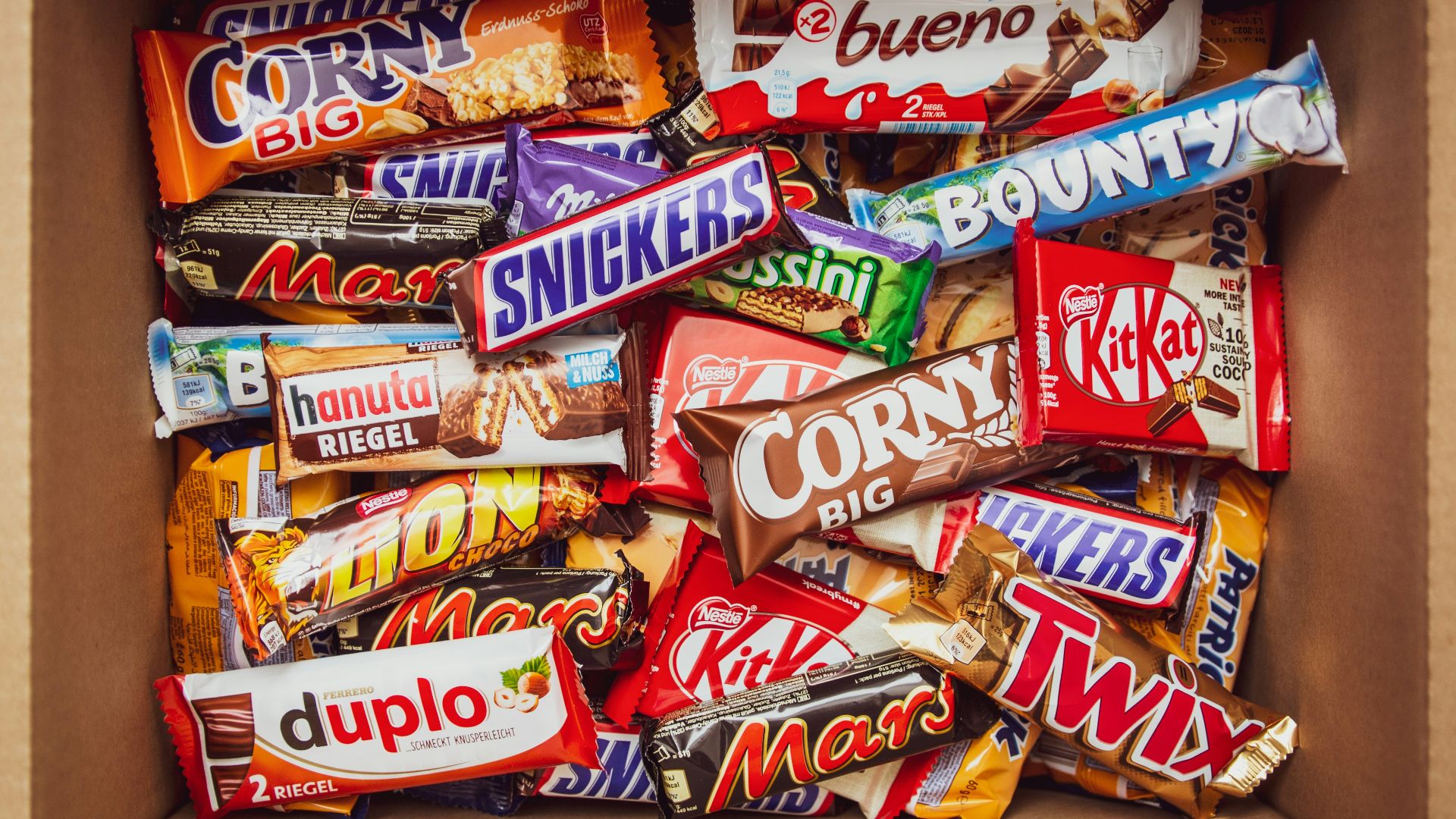
Chocolate prices are heavily influenced by cocoa costs, which can encourage manufacturers to adjust sizes, recipes, or product formats. Some inexpensive chocolate-style sweets also rely more heavily on vegetable fats or other ingredients than traditional chocolate recipes do.
5. Fast Food French Fries
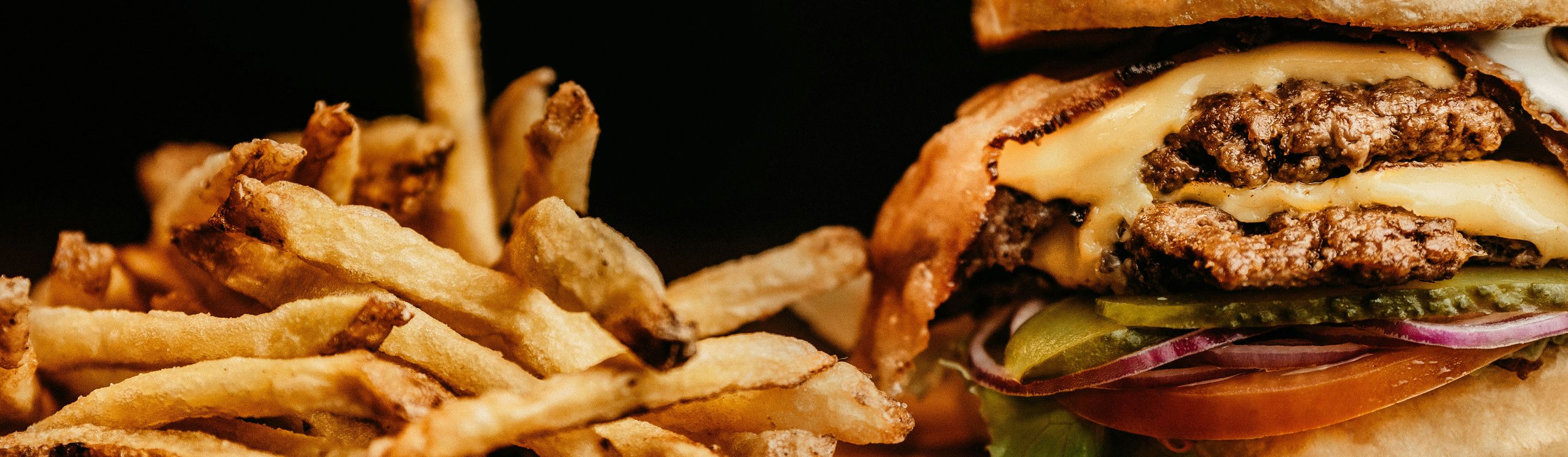
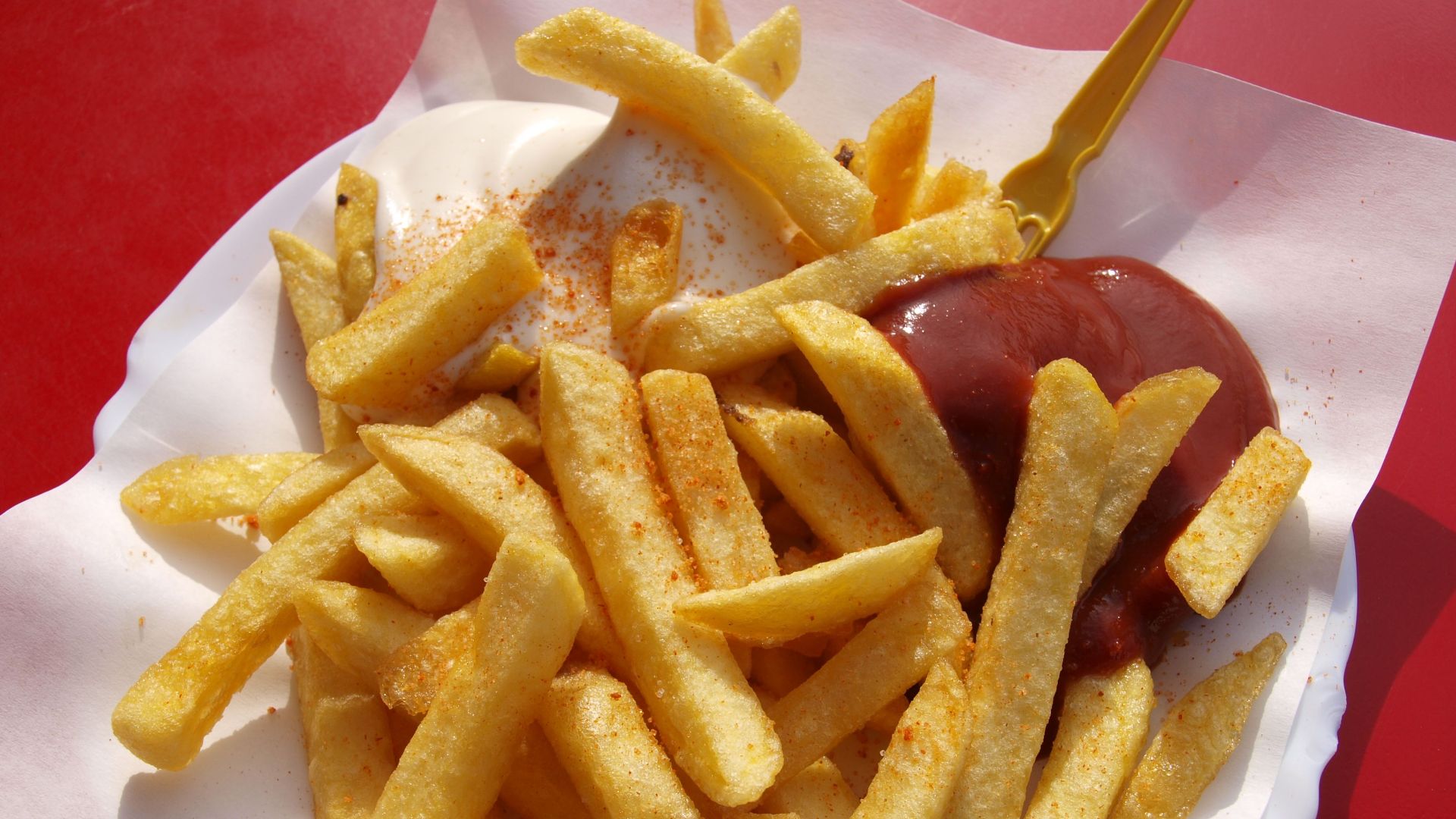
Fast food fries can inspire fierce nostalgia because chains have periodically changed oils and preparation methods. McDonald's famously moved away from frying its potatoes in a beef-tallow-heavy cooking mixture decades ago, partly in response to concerns about saturated fat.
6. Packaged Ice Cream
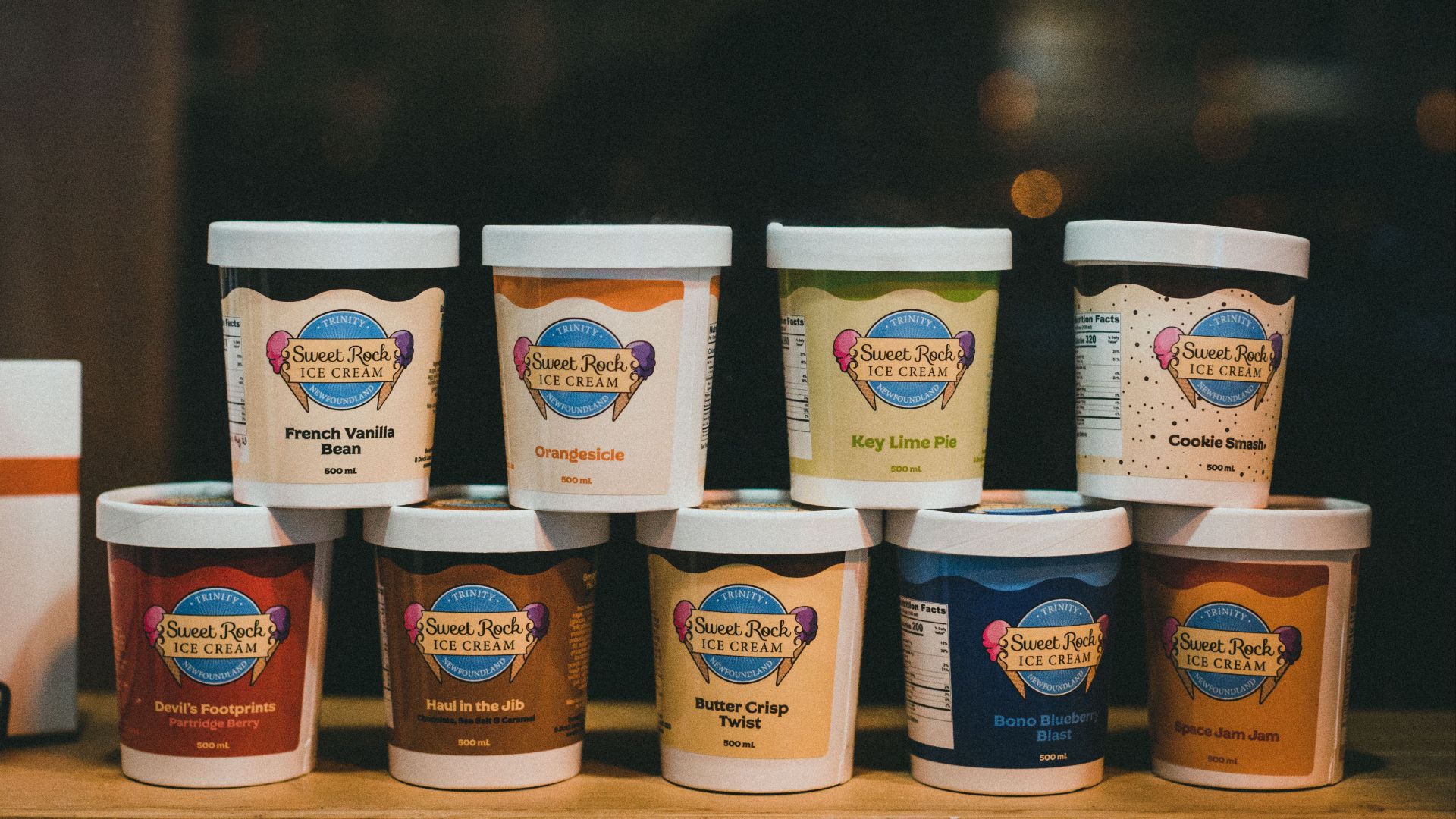
Not every frozen dessert sold beside ice cream can legally be labeled ice cream under U.S. standards. Some manufacturers sell products labeled “frozen dairy dessert” because their formulations don't meet the required composition for ice cream. The result can still be enjoyable, although shoppers accustomed to denser traditional ice cream may notice a difference in richness and texture.
7. Commercial Bread
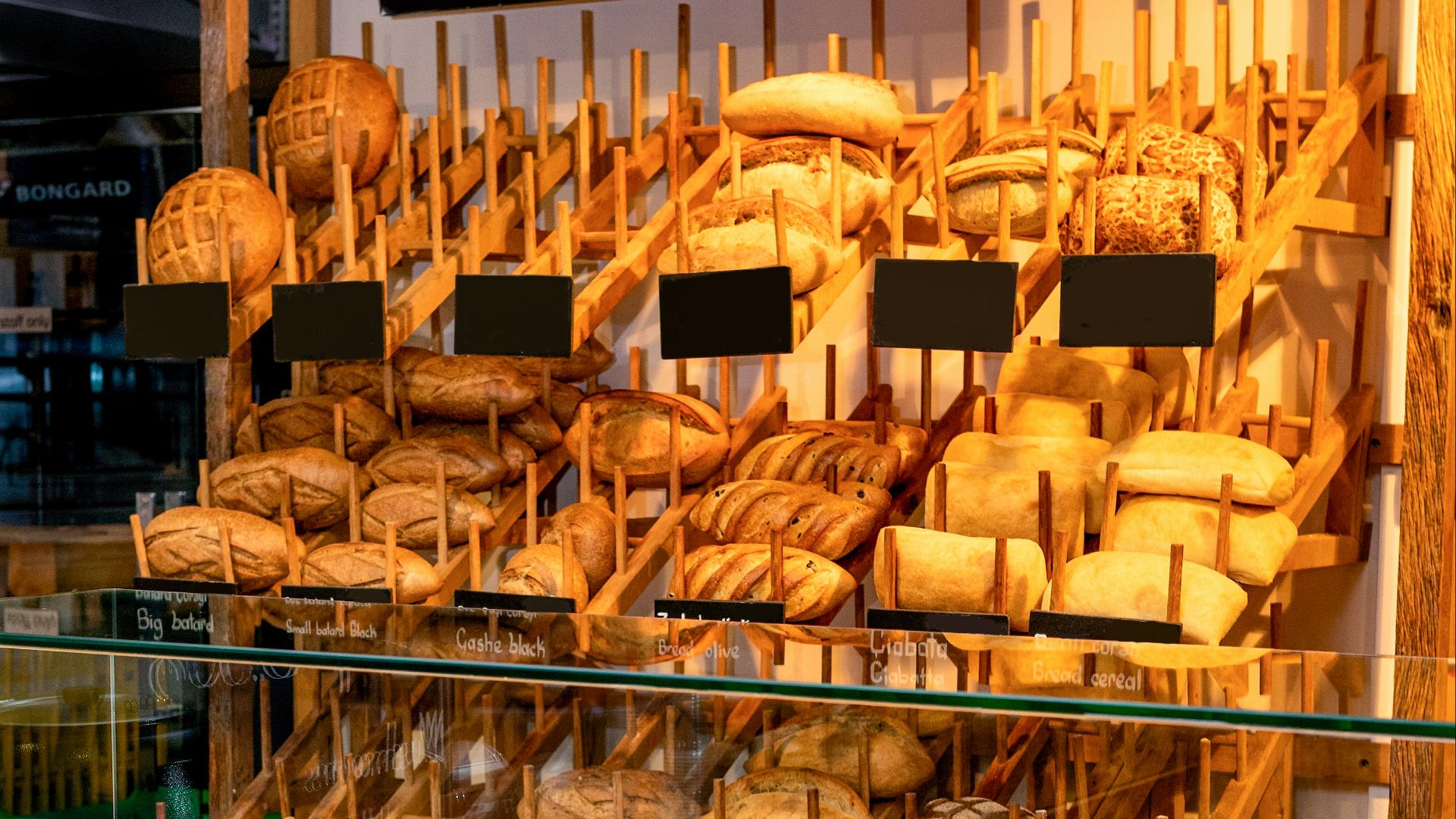
Mass-produced sliced bread offers impressive convenience and shelf life, but those strengths don't automatically create memorable flavor. Highly standardized products are designed to remain soft and consistent for days rather than reproduce the crust and fermentation flavors of freshly baked bread.
 Farhad Ibrahimzade on Unsplash
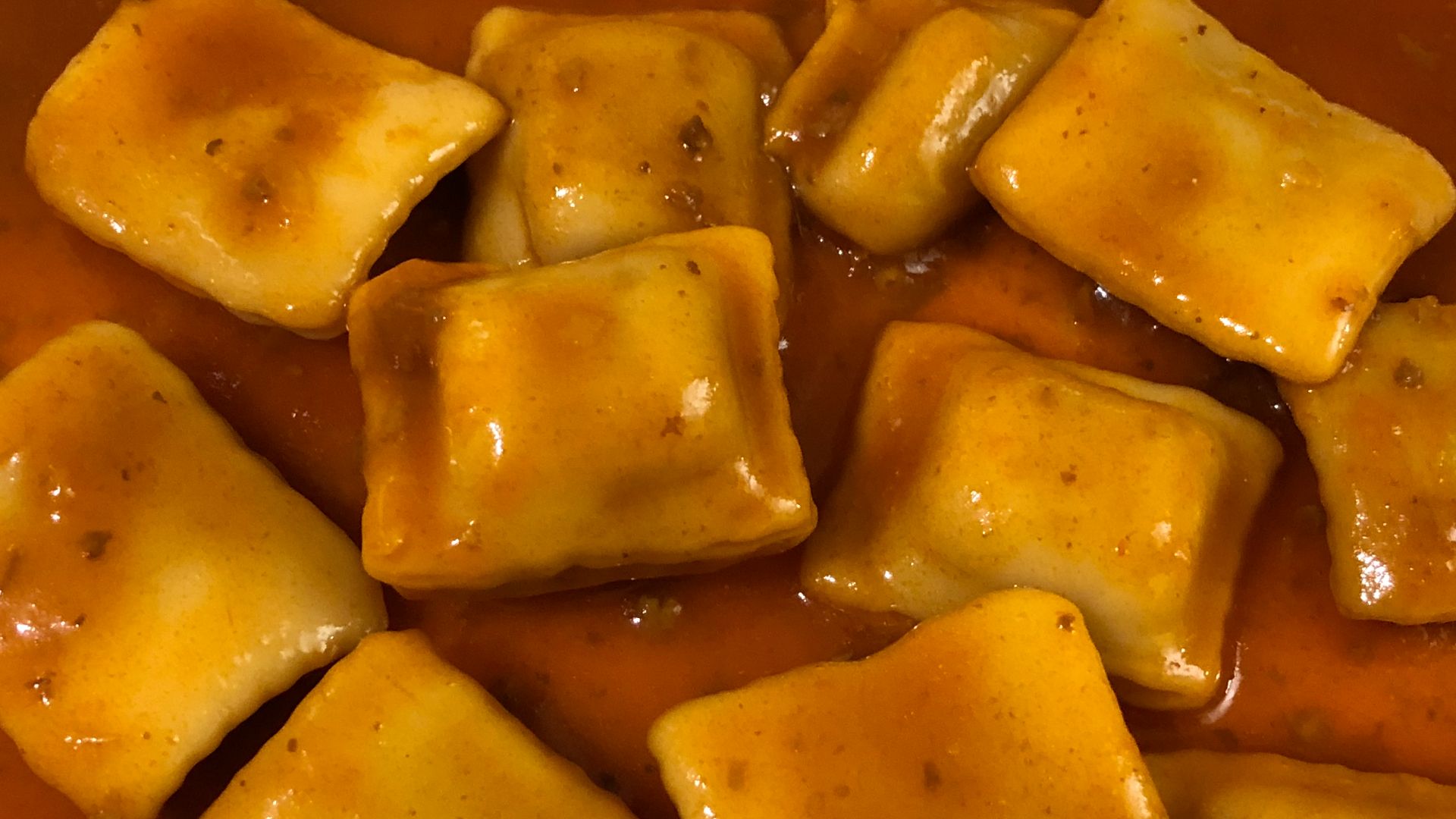
8. Canned Pasta
Canned pasta remains convenient comfort food, especially for anyone who grew up eating it, but nostalgia often does a lot of the work. Soft pasta, sweet sauces, and relatively simple seasonings can seem less appealing once your tastes have expanded.
9. Cheap Fruit Juice Drinks
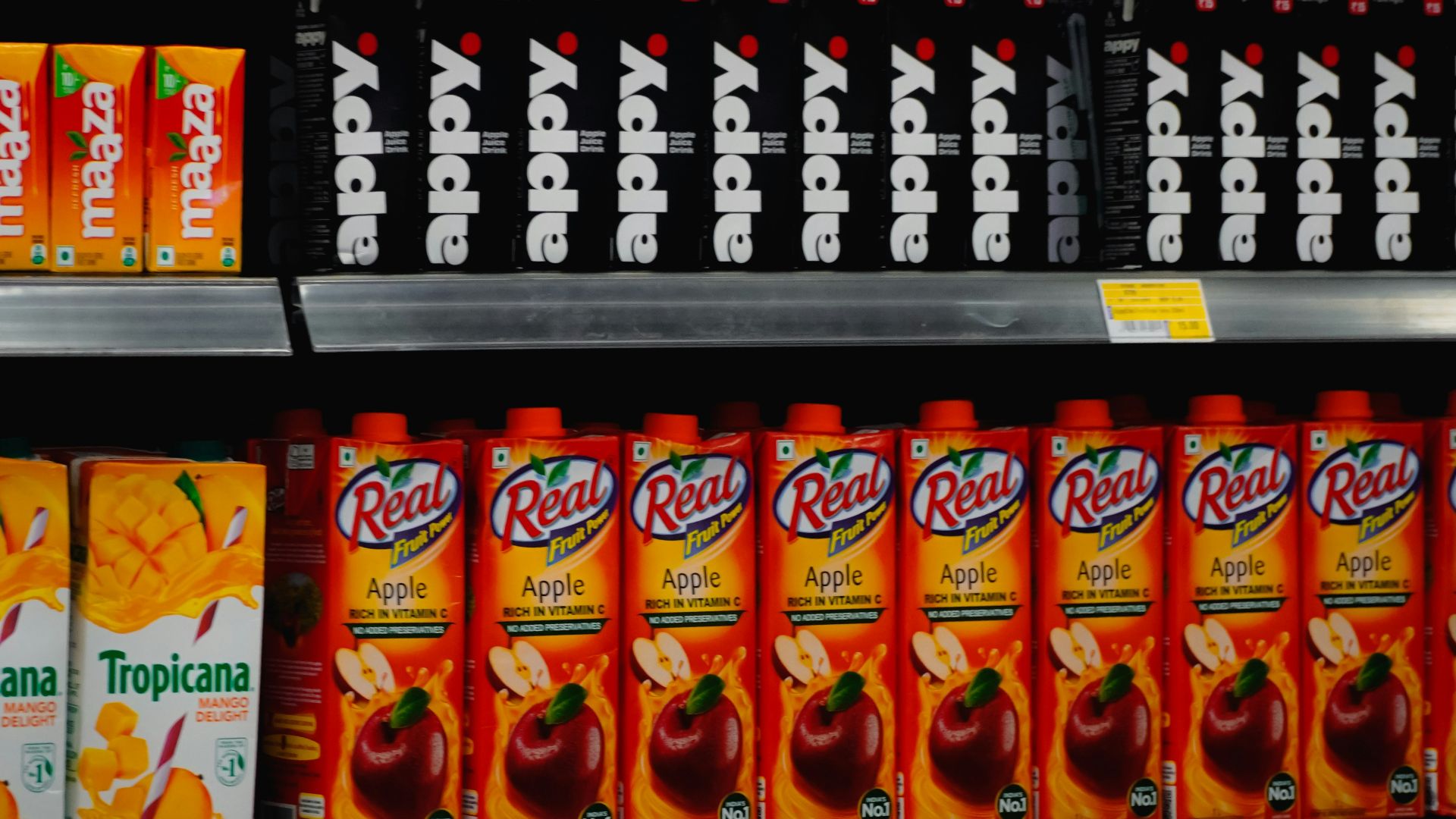
Many brightly colored fruit beverages contain far less actual juice than their packaging imagery might suggest. Drinks made with water, sweeteners, flavorings, and relatively small amounts of fruit juice can taste noticeably different from 100 percent juice.
10. Packaged Snack Cakes
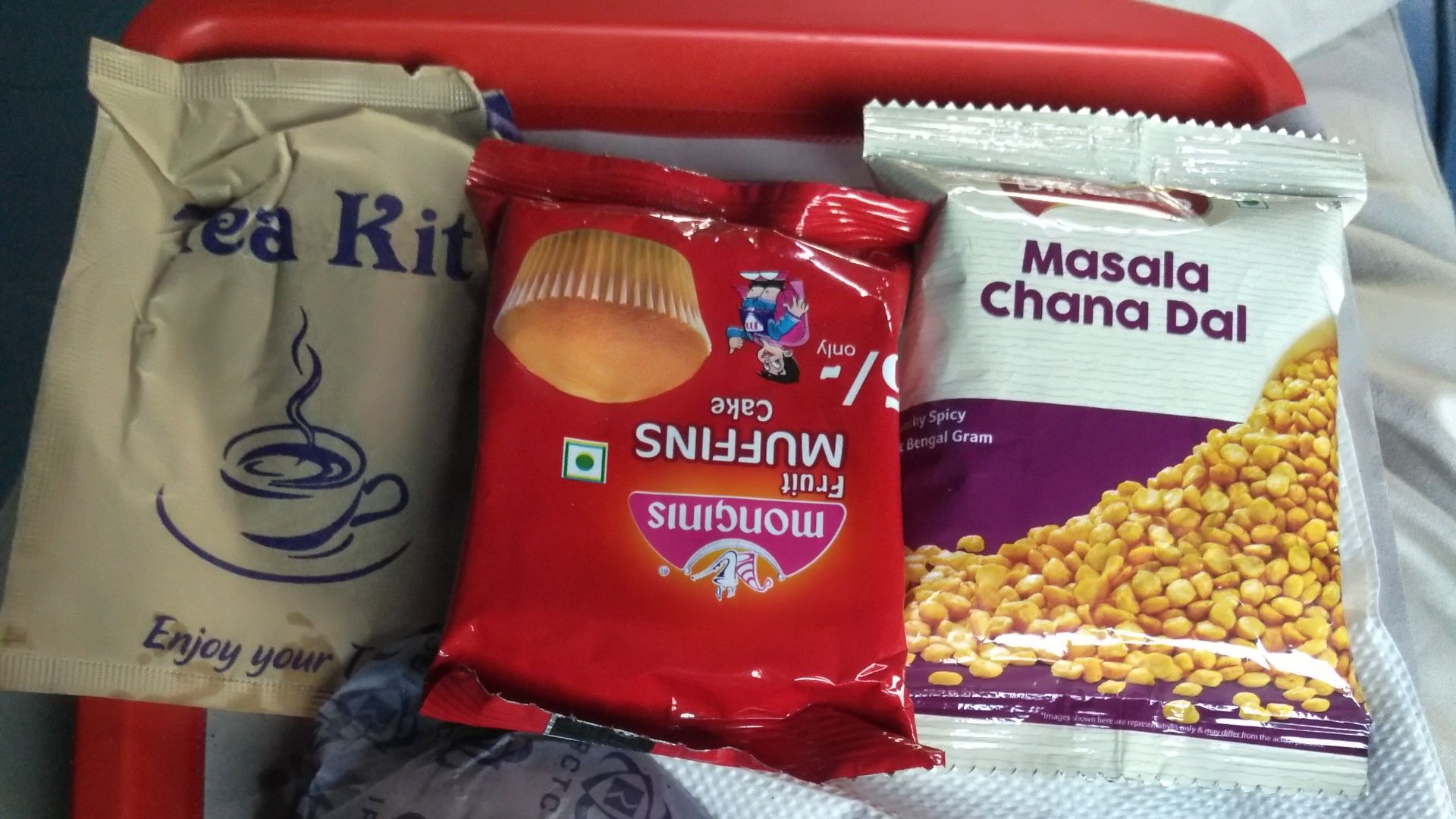
Snack cakes remain convenient and remarkably shelf-stable, but longevity doesn't always work in favor of fresh flavor. Emulsifiers, preservatives, and carefully engineered fillings help products maintain consistent texture throughout distribution and storage. Compared with freshly baked cakes, however, some packaged versions can seem waxier, sweeter, or less flavorful than nostalgia suggests.
1. Frozen Pizza
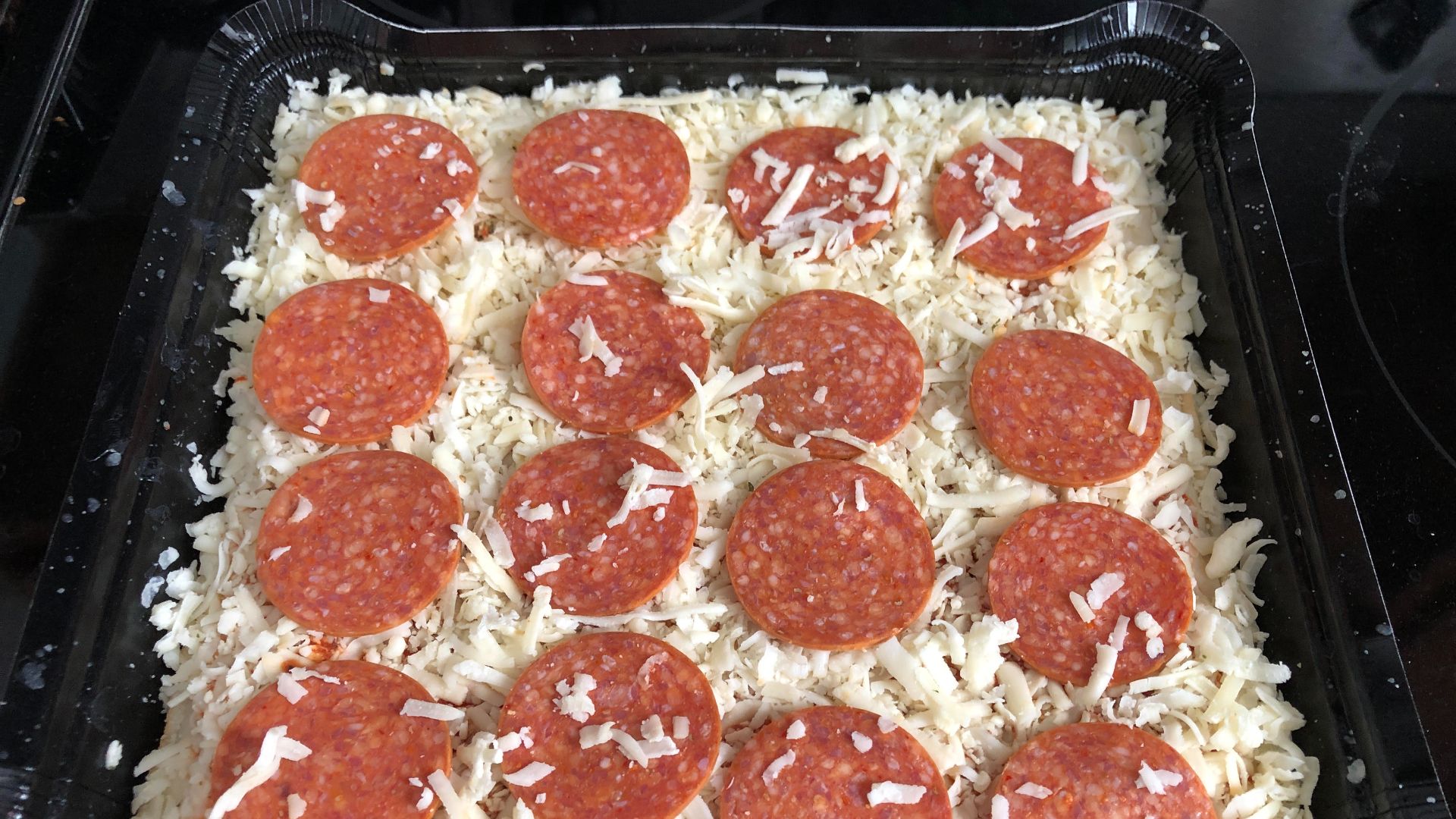
Frozen pizza has moved far beyond the thin, basic pies that once dominated freezer sections. Consumers can now find rising crusts, wood-fired styles, sourdough bases, premium cheeses, and increasingly convincing vegetable toppings.
 Renewableandalternativeenergy on Wikimedia
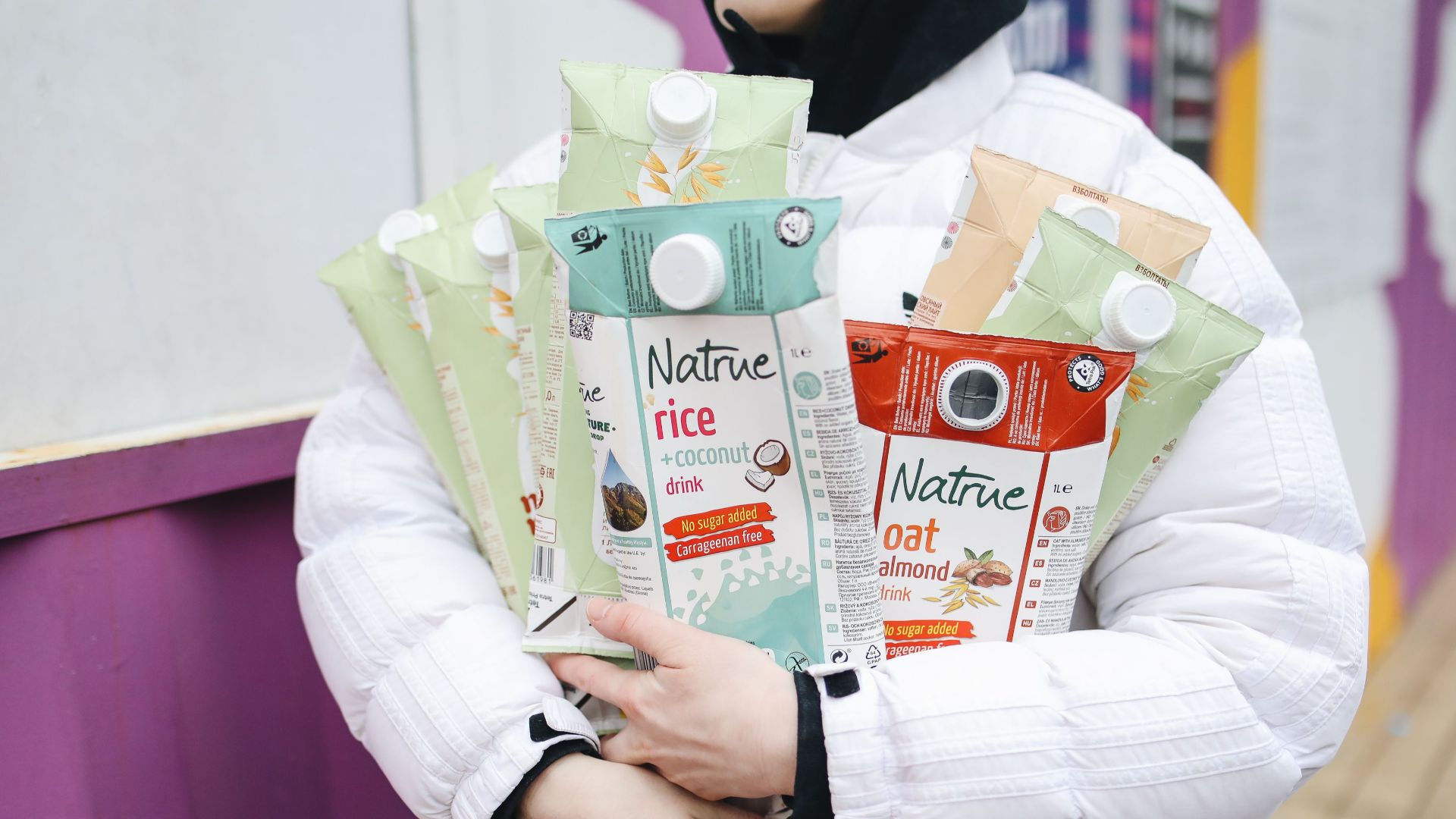
2. Plant-Based Milk
Early dairy alternatives often had distinctive flavors and textures that made them difficult to substitute in coffee, cereal, or cooking. Modern oat, almond, soy, and other plant-based milks offer far more variety, including versions designed specifically to foam or resemble dairy milk.
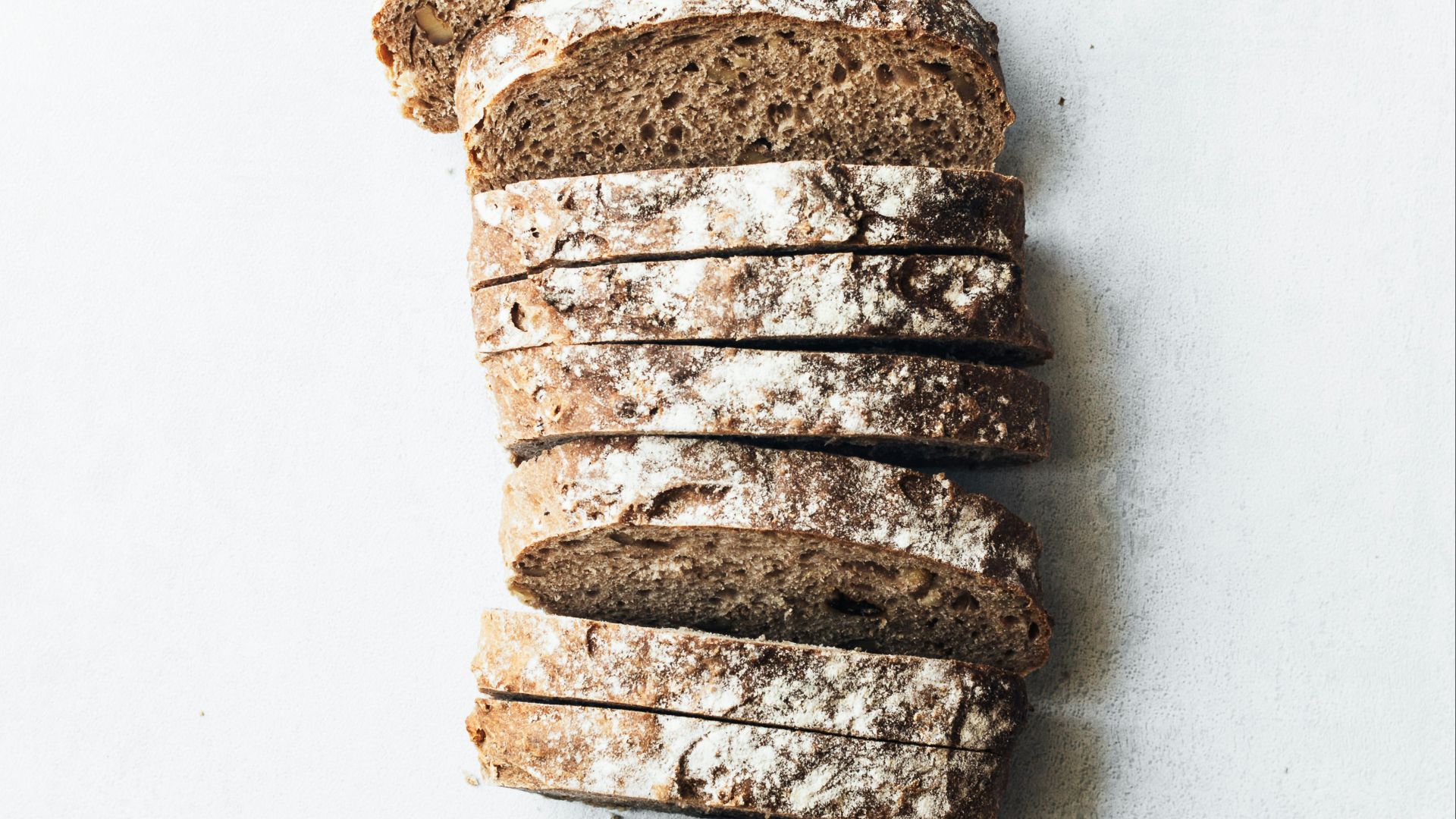
3. Gluten-Free Bread
Gluten-free bread used to have a reputation for being dry, crumbly, and noticeably different from conventional bread. Improvements in flour blends, binders, fermentation techniques, and baking methods have produced softer and more convincing options.
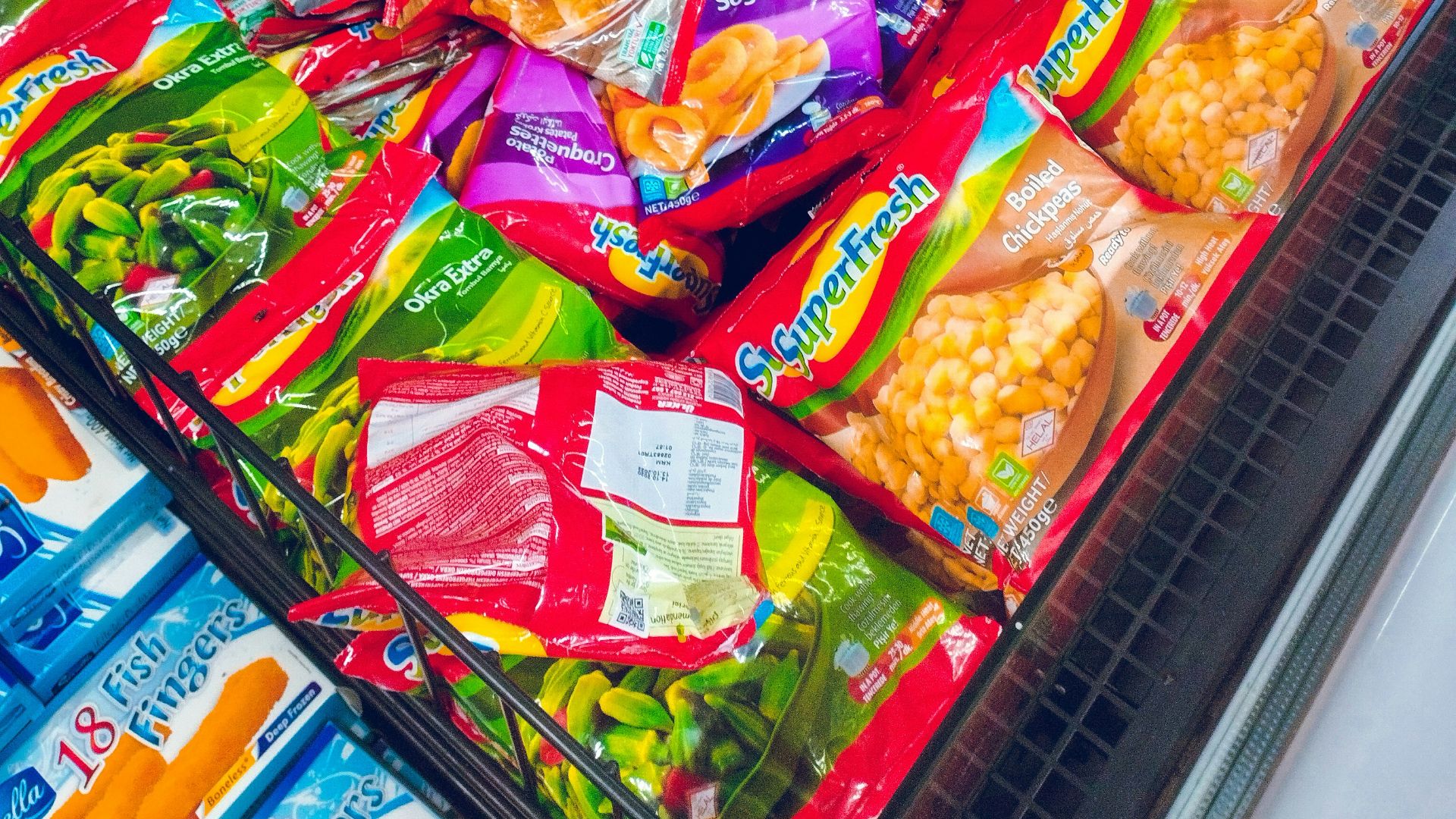
4. Frozen Vegetables
Freezing vegetables soon after harvest can preserve nutrients effectively, making the freezer aisle more respectable than its old reputation suggests. Improved processing and individually quick-frozen products have also helped vegetables retain better texture and color.
 Muhammed A. Mustapha on Unsplash
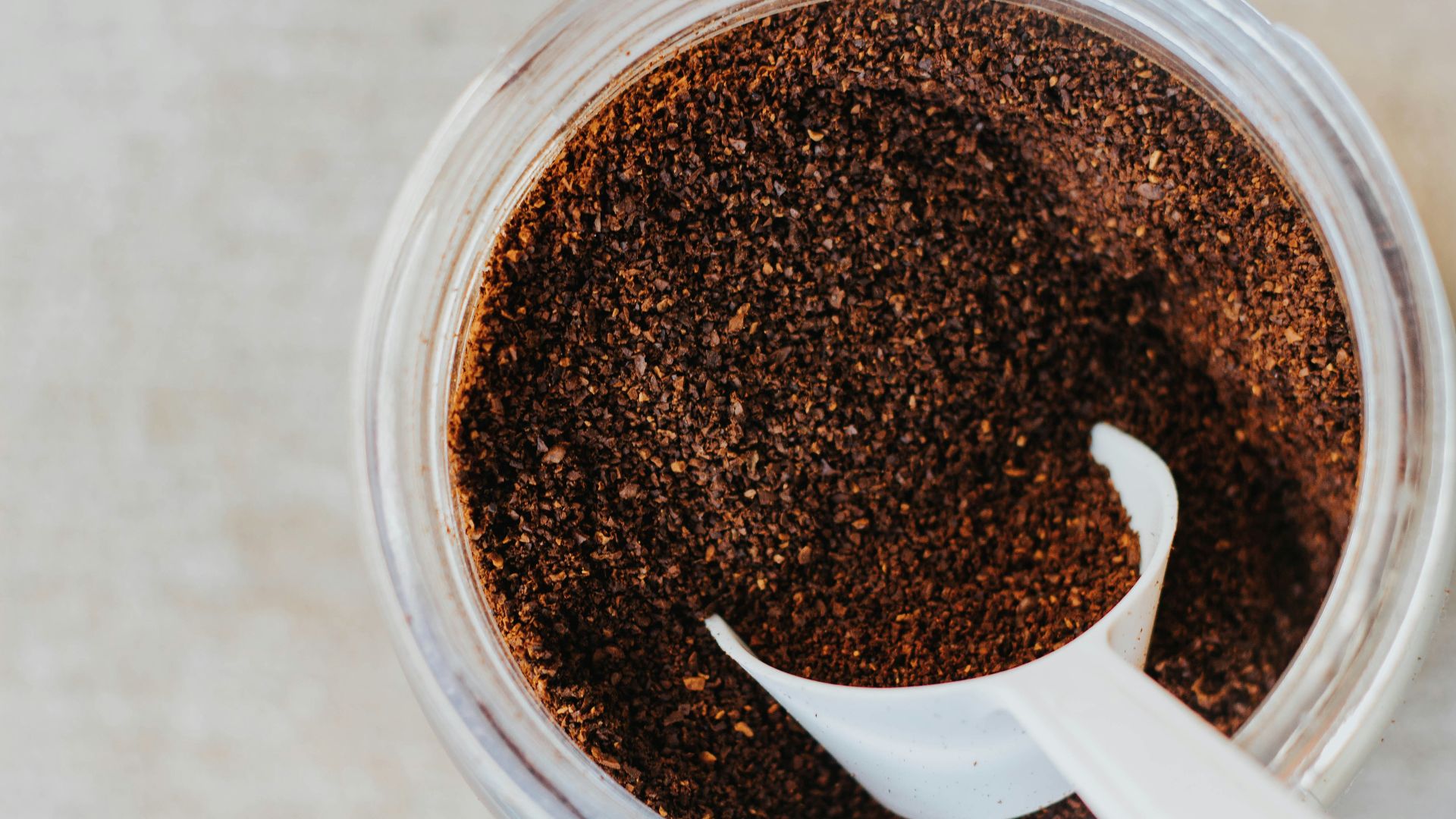
5. Instant Coffee
Instant coffee once practically advertised itself through its limitations, but the category has improved substantially. Freeze-drying techniques and higher-quality beans have allowed manufacturers and specialty brands to produce cups with more aroma and complexity.
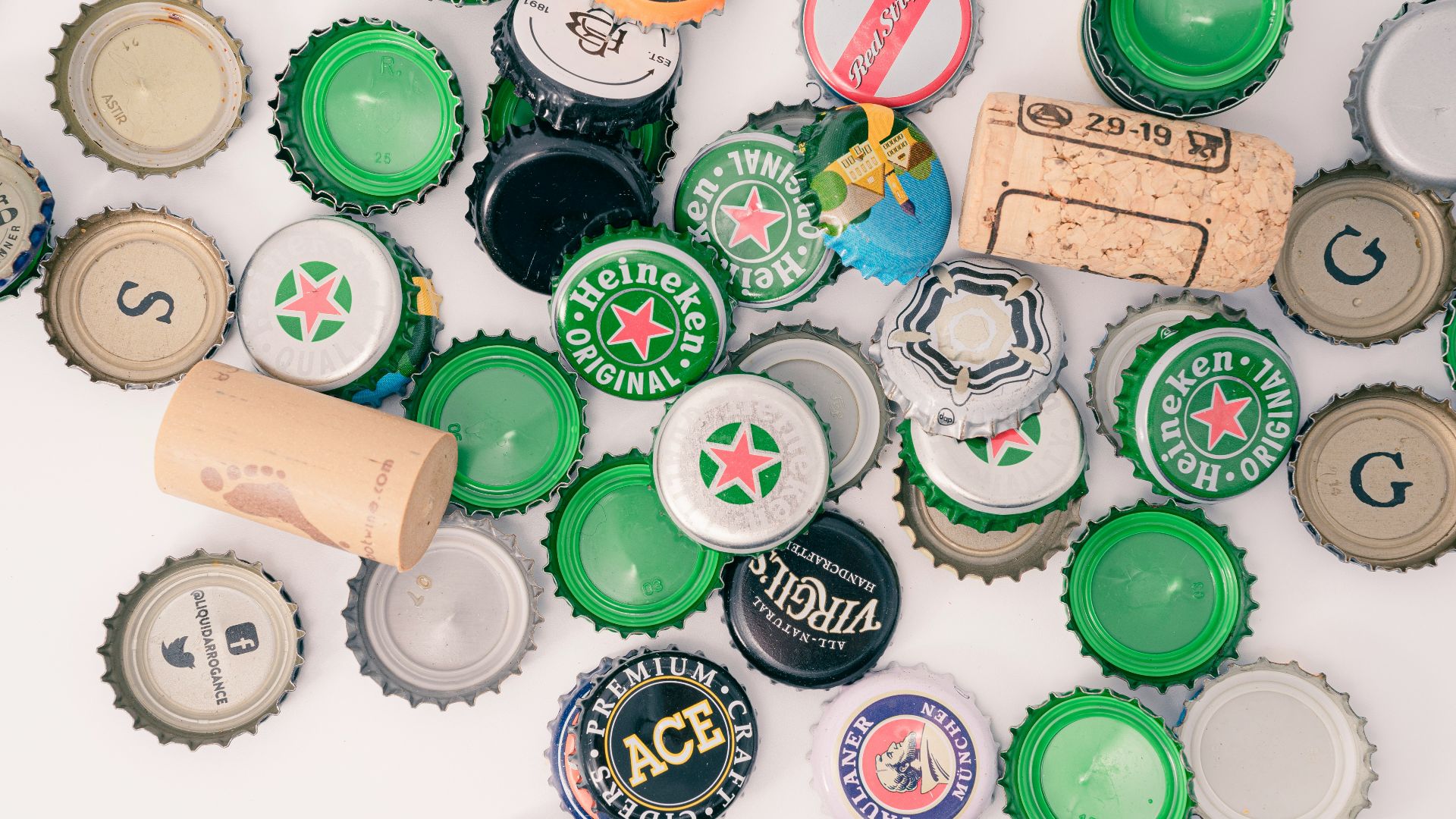
6. Nonalcoholic Beer
Older alcohol-free beers were frequently criticized for tasting thin or unusually sweet because removing alcohol could also strip away desirable flavor. Newer brewing methods allow producers to control fermentation or remove alcohol more carefully while preserving more character.
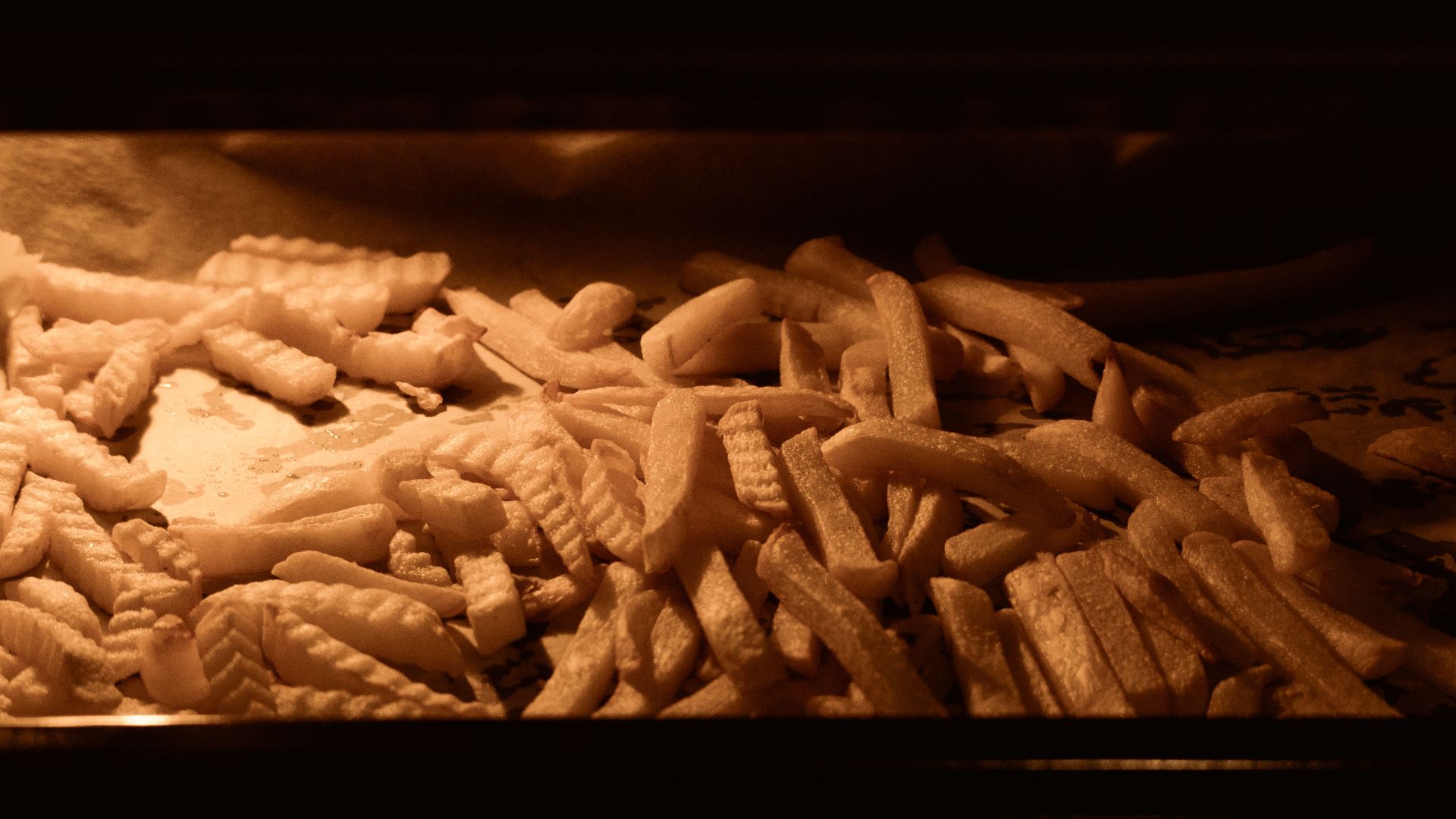
7. Frozen French Fries
Home-cooked frozen fries have benefited enormously from products designed specifically for modern ovens and air fryers. Improved coatings and preparation instructions can create crisp exteriors without deep-frying them yourself.
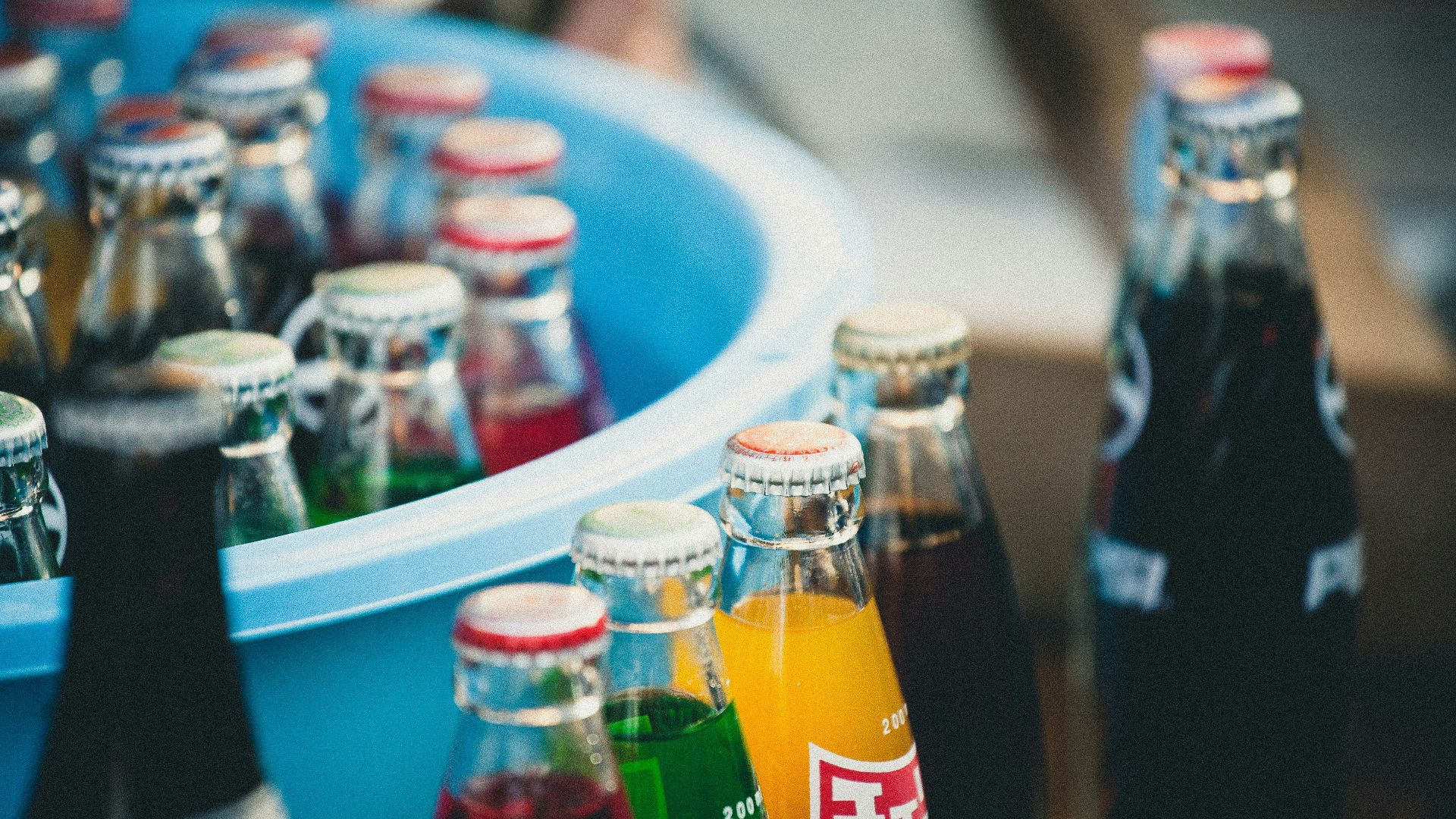
8. Sugar-Free Drinks
Diet sodas once relied on a relatively limited selection of sweeteners and often had an aftertaste that immediately revealed what you were drinking. Preferences remain highly individual, but today's zero-sugar shelves provide far more convincing alternatives than they once did.
 Francesco Gallarotti on Unsplash
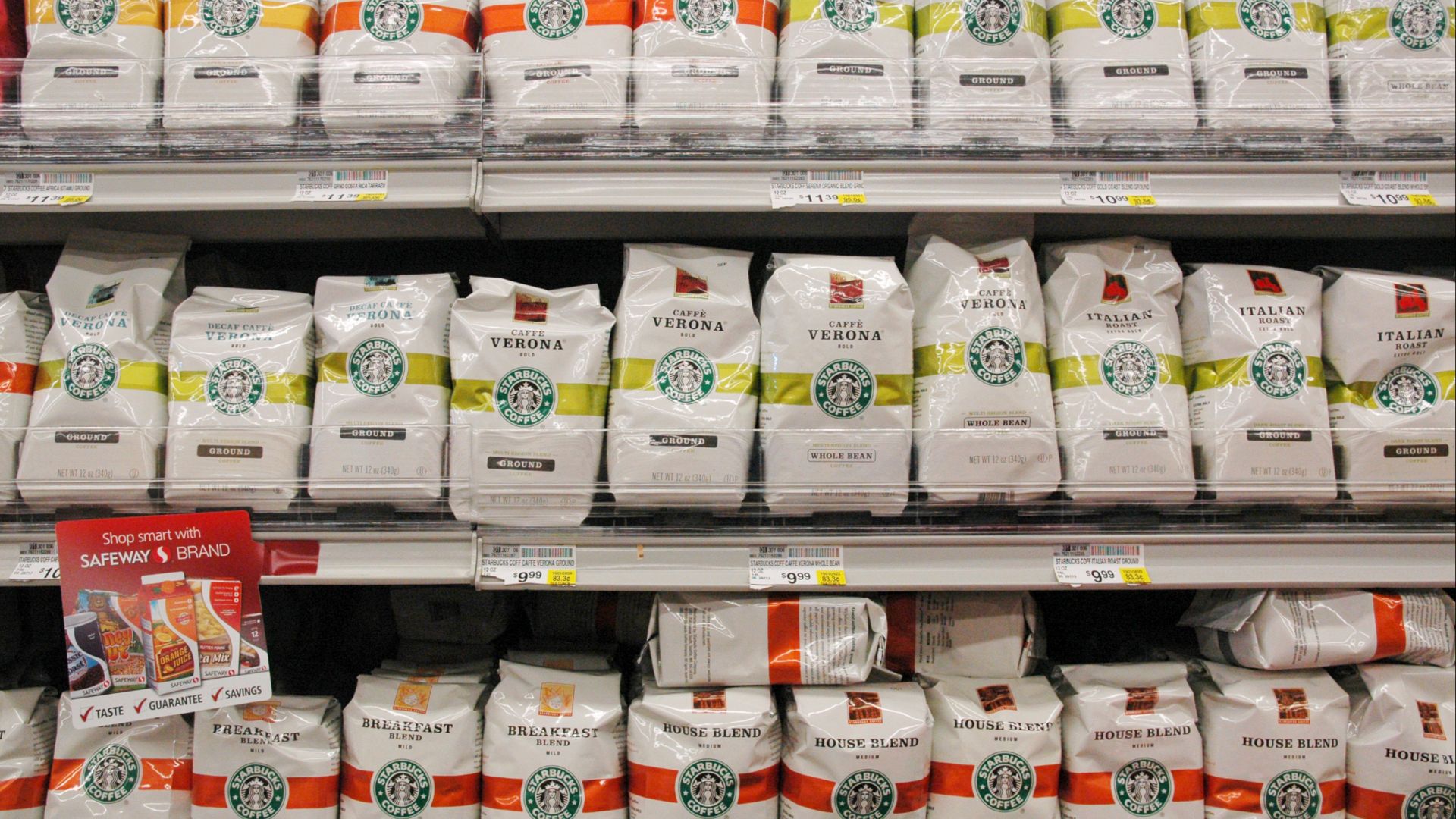
9. Supermarket Coffee Beans
Buying decent whole-bean coffee no longer requires finding a specialty store in many parts of the country. Grocery stores increasingly carry single-origin beans, lighter roasts, locally roasted products, and packages displaying useful sourcing information.
10. Frozen Ready Meals
While plenty of old-fashioned frozen dinners remain basic, the broader category has improved dramatically. Modern freezer cases include curries, grain bowls, international dishes, vegetable-heavy meals, and higher-protein choices that would have been unusual decades ago.